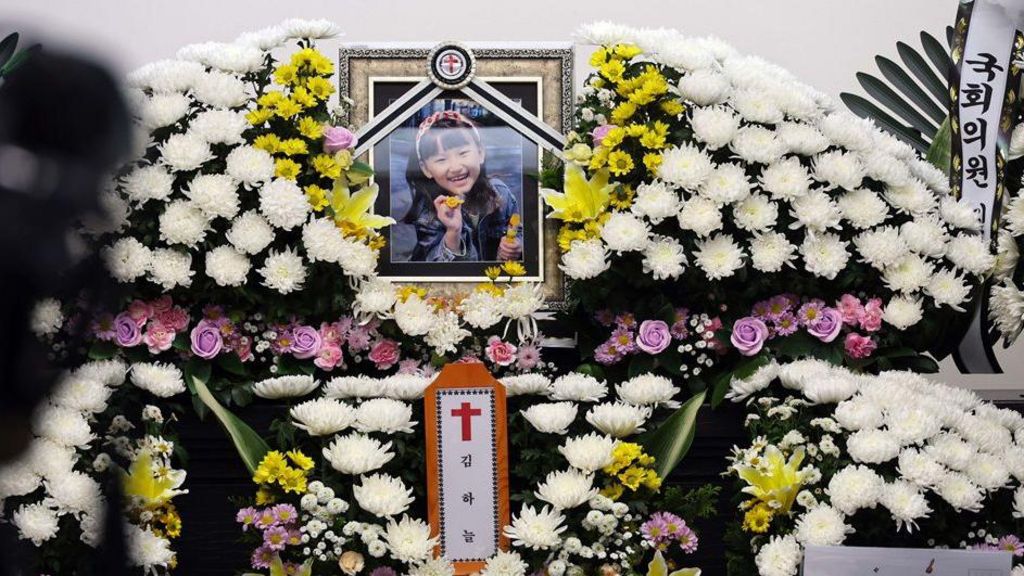
In a case that has deeply shaken South Korea, a 48-year-old elementary school teacher, Myeong Jae-wan, has been sentenced to life imprisonment for the brutal murder of an eight-year-old girl, Kim Hae-neul. The incident occurred in February in the central city of Daejeon, where Myeong lured the young student into a classroom before fatally stabbing her. Prosecutors had pushed for the death penalty, emphasizing the victim’s family’s demand for severe punishment. However, the court ruled that while the risk of reoffending was high, it could not conclusively justify execution. Myeong, who claimed her judgment was impaired due to ongoing mental health treatment, expressed remorse through dozens of letters submitted to the court, though prosecutors noted her lack of remorse during the investigation. Prior to the attack, Myeong had taken a six-month leave for depression but was deemed fit to return to work by a doctor just 20 days later. Reports indicate she exhibited violent behavior in the days leading up to the stabbing, including an altercation with another teacher. On the day of the crime, Myeong purchased a weapon, intending to end her own life and that of a random child. She lured Kim into a media room, where the attack took place. Kim was reported missing after failing to board her school bus and was later found with fatal stab wounds. Myeong also sustained a neck injury, suspected to be self-inflicted. The court condemned Myeong’s actions, stating that as a teacher, she was entrusted with protecting her students but instead committed a heinous crime in a place meant to be safe. In addition to the life sentence, Myeong has been ordered to wear an electronic tracking device for 30 years. South Korean leaders have called for enhanced safety measures to prevent such tragedies in the future.
作者: admin
-
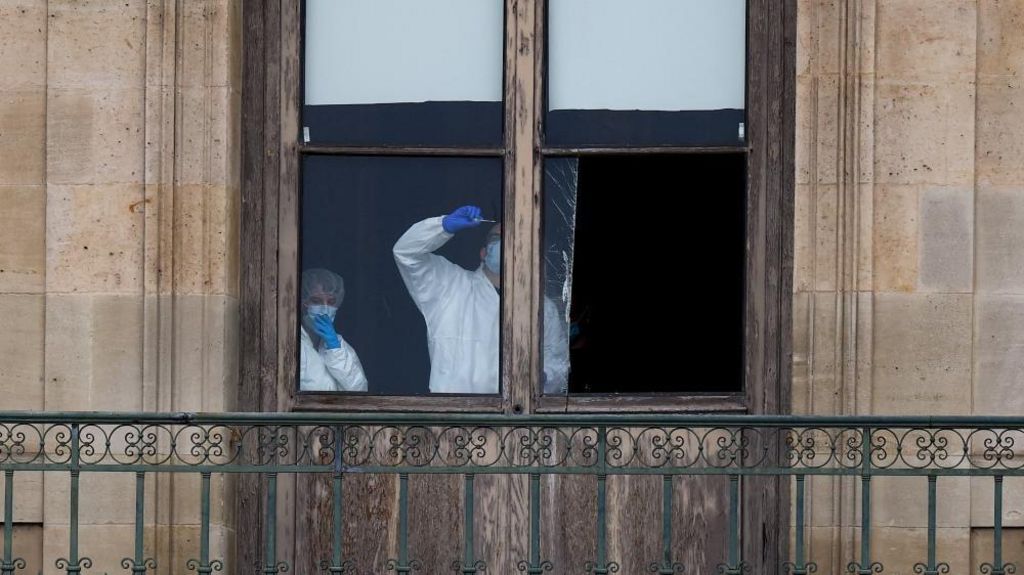
Louvre heist creates ‘terrible image’ of France, justice minister says
A daring daylight robbery at the Louvre Museum in Paris has exposed significant security vulnerabilities, leaving French authorities scrambling to recover priceless stolen artifacts. On Sunday morning, four masked thieves executed a meticulously planned heist, using a truck-mounted mechanical lift to access the museum’s Galerie d’Apollon via a balcony overlooking the River Seine. Armed with power tools, the perpetrators cut through glass panes, threatened guards, and smashed display cases to steal eight invaluable jewelry pieces, including a diamond and emerald necklace gifted by Emperor Napoleon to his wife, Empress Marie Louise. The entire operation lasted just seven minutes, during which alarms blared, and museum staff evacuated visitors. Despite immediate intervention by security forces, the thieves escaped on scooters, leaving behind a charred vehicle they attempted to set ablaze. French Justice Minister Gérald Darmanin condemned the incident, stating that the breach has tarnished France’s international image. Experts warn that the stolen items, including crowns and diadems adorned with thousands of diamonds, are at risk of being dismantled, melted down, or smuggled out of the country. Chris Marinello, CEO of Art Recovery International, emphasized the urgency of apprehending the thieves within the next 24 to 48 hours to prevent the irreversible loss of these cultural treasures. The Louvre, one of the world’s most visited museums, now faces scrutiny over its security protocols as authorities race against time to recover the stolen artifacts.
-
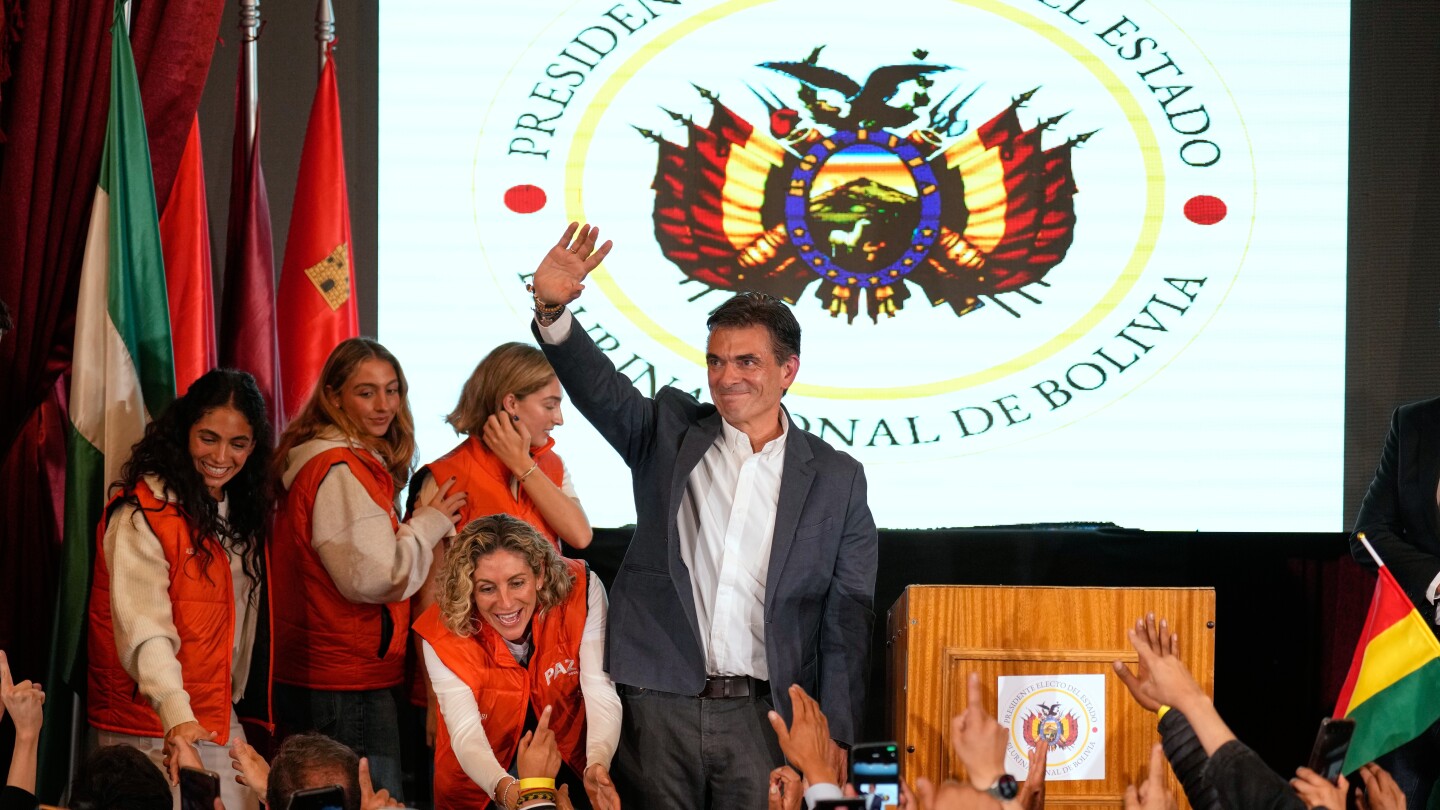
Rodrigo Paz wins presidential runoff, becoming Bolivia’s first conservative leader in decades
In a historic turn of events, centrist senator Rodrigo Paz has emerged as Bolivia’s next president, according to preliminary results announced on Monday. This victory signals a dramatic political transformation for the nation, ending nearly two decades of dominance by the Movement Toward Socialism (MAS) party and ushering in a new era amid the country’s most severe economic crisis in decades. Paz secured 54.5% of the vote, defeating his rival, former right-wing President Jorge “Tuto” Quiroga, who garnered 45.5%. Óscar Hassenteufel, president of the Supreme Electoral Tribunal, declared the outcome irreversible. Paz’s campaign, bolstered by his running mate, ex-police captain Edman Lara, resonated deeply with working-class and rural voters frustrated by skyrocketing inflation and acute dollar shortages that have disrupted food and fuel supplies. Despite widespread disillusionment with MAS, many Bolivians remained wary of Quiroga’s abrupt shift away from the party’s social protections toward an IMF-backed economic model. Paz’s victory sets Bolivia on an uncertain path as he seeks to implement sweeping reforms, including ending the fixed exchange rate, phasing out fuel subsidies, and reducing public investment. While his Christian Democratic Party holds a slight majority in Congress, Paz will need to navigate compromises to enact his ambitious agenda. His supporters celebrated in the streets of La Paz, hailing the election as a turning point for the nation. Quiroga conceded gracefully, urging calm and unity. The U.S. State Department extended congratulations, signaling a potential thaw in bilateral relations strained since Morales expelled the U.S. ambassador in 2008. However, Paz inherits a dire economic situation, with inflation at a 32-year high and severe fuel shortages. He has pledged to avoid IMF intervention, instead focusing on anti-corruption measures and restoring confidence in Bolivia’s currency. Despite criticism of his vague fiscal plans, Paz’s message of gradual free-market reforms and his appeal to diverse voter groups have positioned him as a unifying figure in a deeply divided nation.
-
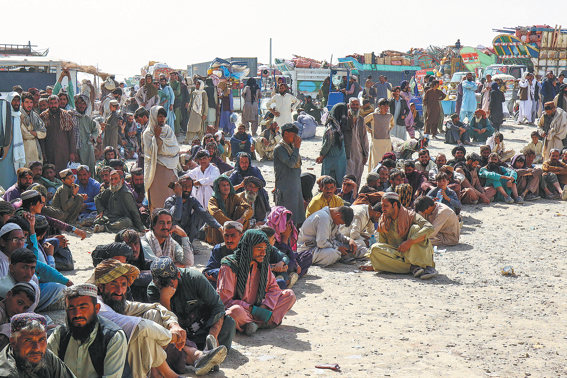
Afghanistan, Pakistan agree to ceasefire
In a significant development aimed at de-escalating tensions, Afghanistan and Pakistan have agreed to an immediate ceasefire following a week of intense border clashes that resulted in dozens of casualties and hundreds injured. The agreement was finalized during talks in Doha, Qatar, on Sunday, marking the worst violence since the Taliban regained control of Afghanistan in 2021. The ceasefire was announced by Pakistan’s Defense Minister Khawaja Muhammad Asif via a post on X, stating that both nations would reconvene in Istanbul on Saturday to discuss further details. Asif emphasized that terrorism originating from Afghan soil would cease immediately, and both countries would respect each other’s sovereignty. The Afghan delegation, led by Defense Minister Mullah Muhammad Yaqoob and intelligence chief Abdul Haq Wassiq, echoed this commitment to peace and mutual respect. The talks, mediated by Qatar and Turkey, focused on ending hostilities and establishing mechanisms for lasting peace and stability. Regional powers, including Qatar, Saudi Arabia, and the UAE, have urged de-escalation, warning that the violence could destabilize a region already grappling with threats from groups like the Islamic State and al-Qaida. The clashes were triggered by Pakistan’s demand for Afghanistan to curb extremists operating from its territory, a claim the Taliban denies. While the ceasefire provides a temporary reprieve, experts warn that underlying issues, particularly cross-border terrorism, remain unresolved.
-
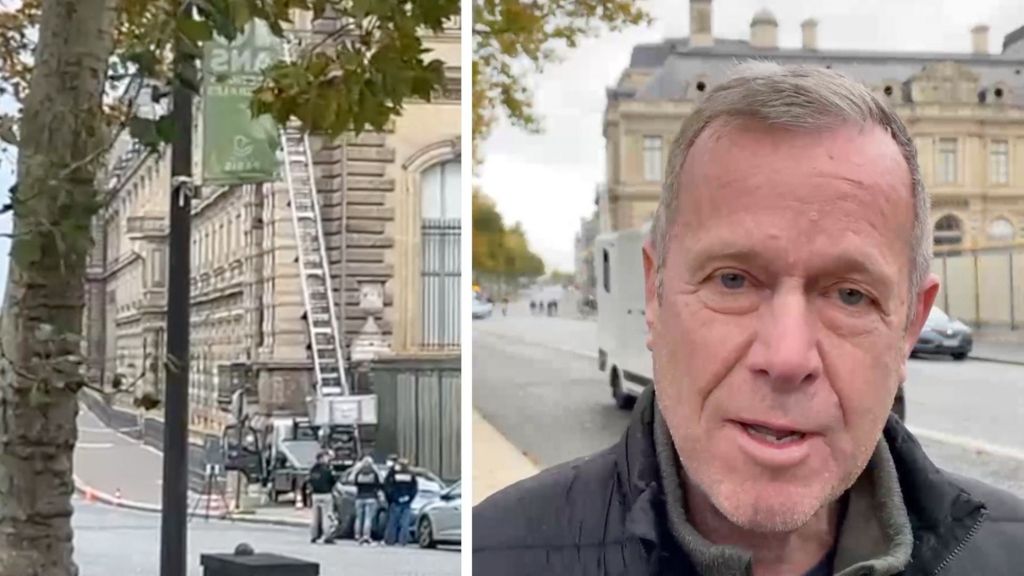
‘An embarrassment’: BBC reports at the scene of Louvre robbery
In a stunning turn of events, the Louvre Museum, one of the world’s most renowned cultural institutions, was compelled to close its doors following an audacious robbery. The incident, described as ‘an embarrassment’ by the BBC, involved the theft of priceless jewels, leaving authorities and art enthusiasts in shock. The heist, which unfolded under the cover of night, has raised serious questions about the museum’s security measures. While details of the stolen artifacts remain undisclosed, the loss is believed to be monumental, both in terms of monetary value and cultural significance. The Louvre, home to iconic masterpieces such as the Mona Lisa, has long been a symbol of artistic heritage. This breach not only tarnishes its reputation but also underscores the vulnerabilities faced by even the most fortified institutions. Investigations are underway, with international law enforcement agencies collaborating to recover the stolen treasures and apprehend the perpetrators.
-

What to know about Rodrigo Paz, the centrist who shot from obscurity to Bolivia’s presidency
In a stunning political upset, centrist candidate Rodrigo Paz emerged victorious in Bolivia’s presidential runoff on Sunday, marking the first time in two decades that a conservative leader has claimed the presidency. The 58-year-old senator, previously a relatively obscure figure, defeated his prominent right-wing rival, former President Jorge “Tuto” Quiroga, to become Bolivia’s next head of state, set to assume office on November 8. Paz’s triumph comes amid a severe economic crisis, with the country grappling with fuel shortages, a scarcity of U.S. dollars, and the collapse of the statist economic model established under the Movement Toward Socialism (MAS) party, led by former President Evo Morales. Paz campaigned on a platform of gradual economic reforms, contrasting with Quiroga’s more aggressive fiscal shock proposals, and promised to address inequality and unemployment. His victory signals a potential shift in Bolivia’s political and economic trajectory, as well as a reset in relations with the United States, which Paz has emphasized as crucial for Bolivia’s future. His running mate, ex-police Captain Edman Lara, played a pivotal role in the campaign, amplifying Paz’s anti-corruption message and resonating with working-class and Indigenous voters. Despite his plans to eliminate fuel subsidies and devalue the Bolivian currency, Paz’s populist tone and promises of cash handouts for the poor helped secure broad support across the nation.
-

Airport inferno could cost Bangladesh $1bn in damages – experts
A catastrophic fire at Hazrat Shahjalal International Airport in Bangladesh has left the nation’s business community reeling, with potential losses estimated at over $1bn (£750m). The blaze, which erupted in the airport’s logistics section on Saturday, destroyed vast quantities of clothing, raw materials, and other essential goods, putting numerous businesses at risk. The fire, which took 27 hours to extinguish, forced the temporary suspension of flights and airport operations. Bangladesh, the world’s second-largest apparel exporter after China, relies heavily on its garment sector, which generates approximately $40bn annually and contributes over 10% to the country’s GDP. Local media reported that around 35 people were injured while battling the flames. The damaged cargo village, a critical logistics hub, stored fabrics, pharmaceuticals, chemicals, and other goods, including samples crucial for securing new buyers. Inamul Haq Khan, senior vice-president of the Bangladesh Garment Manufacturers and Exporters Association, highlighted that the destruction of these samples could jeopardize future business opportunities. The International Air Express Association of Bangladesh also confirmed the $1bn damage estimate in an email to the BBC. This incident marks Bangladesh’s third major fire within a week, following a deadly warehouse fire that claimed 16 lives and a factory blaze in Chittagong. Online conspiracy theories have linked these incidents, alleging they were pre-planned. Historically, such tragedies have been politicized, with parties accusing each other of exploiting disasters for political gain. The interim government has vowed to take immediate action if evidence of sabotage or arson is found. Frequent fires in Bangladesh are often attributed to poor infrastructure and lax safety enforcement, with hundreds of lives lost in recent years.
-

Father says visa cost is keeping his family apart
A father from Ashington, Northumberland, is enduring the heartbreak of living thousands of miles away from his family due to the prohibitive costs of UK visa applications. Christopher Wade, a supermarket delivery driver, has been separated from his wife, Josianne Charlebois, and their two-year-old daughter, Layla, who resides in Canada. While Layla holds British citizenship, Ms. Charlebois faces a daunting financial hurdle: a visa application fee of £1,938 and an NHS surcharge of £2,588, totaling over £4,500. Despite applying for a fee exemption based on financial hardship, their request was denied, leaving the family in limbo.
Mr. Wade and his wife, a government administrative worker, met in Canada and married in 2022. They initially planned to settle in the UK, where Mr. Wade’s extended family could assist with childcare. However, due to prior debts and daycare expenses, saving the required funds proved impossible. Their solicitor, Chris Boyle, who is providing pro bono legal assistance, argued that the couple meets the Home Office’s exemption criteria, as they submitted 47 documents detailing their financial situation.
The prolonged separation has taken a toll on Mr. Wade’s mental health, causing panic attacks and a sense of despair. Ms. Charlebois, who lacks familial support in Canada, also faces challenges, including the risk of losing her job due to frequent absences to care for their daughter. The couple’s dream of reuniting in the UK remains elusive, with Mr. Wade unable to relocate to Canada due to his need to work and repay debts.
The Home Office declined to comment on individual cases, leaving the family’s future uncertain. Mr. Wade expressed his anguish, stating, ‘I don’t know how much longer this can go on.’ Their story highlights the broader struggles faced by families navigating the UK’s immigration system, particularly those with limited financial resources.
-
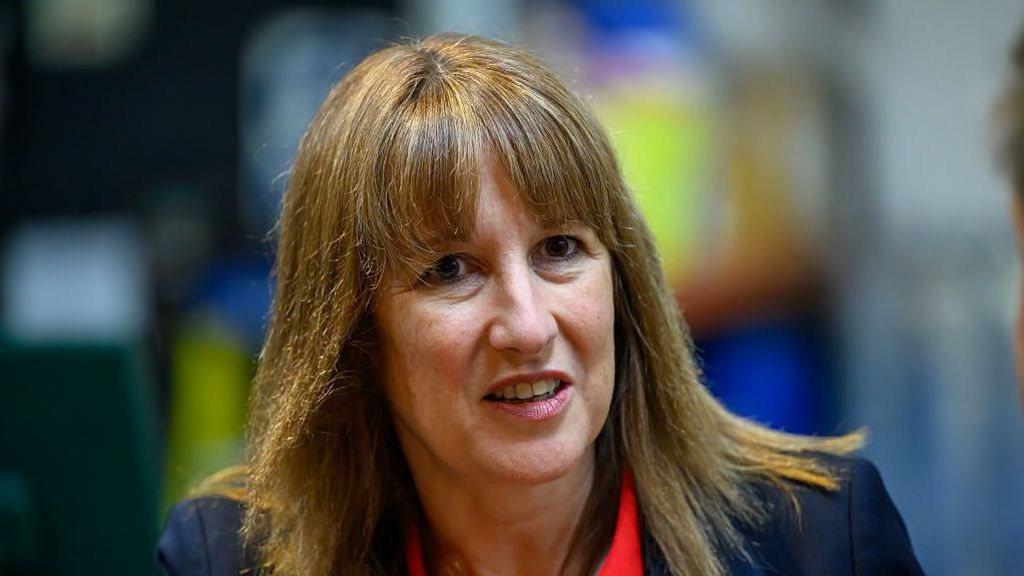
Chancellor says Brexit deal caused long-term damage to economy
In a significant address to the International Monetary Fund (IMF), UK Chancellor Rachel Reeves emphasized the enduring economic repercussions of the 2020 Brexit deal. Speaking at a high-profile international economic committee, Reeves highlighted the UK’s productivity challenges, which she attributed to the manner of the country’s departure from the European Union. She referenced the Office for Budget Responsibility’s (OBR) estimate of a 4% long-term economic decline compared to remaining in the EU, underscoring the UK’s commitment to forging stronger trade relationships to mitigate these effects. This marks a notable shift in the Labour Party’s stance, which had previously been cautious in discussing Brexit’s economic downsides. However, recent developments indicate a more assertive approach, with ministers increasingly vocal about the issue. The Chancellor’s remarks at the IMF, attended by global finance leaders from the G7, China, India, the EU, and European Central Banks, signal a significant change in domestic policy emphasis. This is expected to play a pivotal role in the government’s arguments leading up to the Budget announcement on November 26, where new measures, likely including tax increases, will be necessitated by a downgrade in long-term UK productivity. The OBR is anticipated to provide a detailed explanation for this downgrade in its upcoming forecast, with Brexit expected to be a key factor. Economists have pointed to reduced investment and underperformance in goods trade post-referendum, though some note resilience in services trade and new global trade opportunities. The issue remains sensitive as the government finalizes negotiating positions for a Brexit ‘reset,’ including reducing post-Brexit checks on food and farm trade and supporting UK manufacturers in accessing Europe’s growing defense budgets. European ministers have called for ambitious talks to alleviate the impact of global trade wars. Reeves, who announced £40bn in annual tax rises in her first Budget last November, now faces the prospect of further public finance adjustments. The Conservatives have proposed significant public spending cuts if they win the next election, creating a clear policy divide.
-
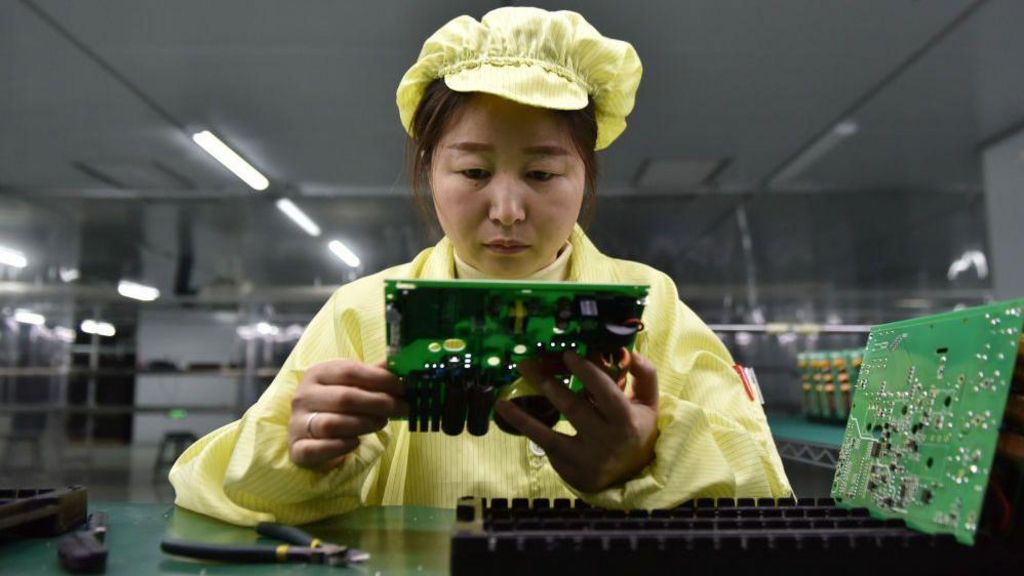
China’s economic growth slows as trade tensions with US flare up
China’s economic expansion decelerated to 4.8% in the third quarter of 2024, marking its slowest pace in a year, as trade tensions with the United States intensified. This figure, released by China’s National Bureau of Statistics on Monday, represents a decline from the 5.2% growth recorded in the previous quarter. The slowdown coincides with Beijing’s imposition of stringent controls on rare earth exports, critical minerals for global electronics production, which has further strained its fragile trade truce with Washington. The third-quarter GDP data will influence discussions among China’s top leaders this week as they deliberate on the nation’s economic strategy for 2026–2030. Despite the challenges, Chinese officials highlighted the economy’s ‘strong resilience and vitality,’ attributing growth momentum to the technology sector and business services. Beijing remains committed to its annual growth target of ‘around 5%,’ supported by government measures to avert a sharp downturn. In response to China’s export controls, US President Donald Trump threatened to impose an additional 100% tariffs on Chinese imports. Meanwhile, US Treasury Secretary Scott Bessent plans to meet Chinese officials in Malaysia to ease tensions and facilitate a potential meeting between Trump and Chinese President Xi Jinping. Prior to the recent escalation, Chinese businesses capitalized on the trade truce, boosting exports to the US by 8.4% in September. China’s industrial output also rose by 6.5% year-on-year, driven by strong performances in 3D printing, robotics, and electric vehicle manufacturing. The service sector, encompassing IT support, consultancies, and logistics, also expanded.