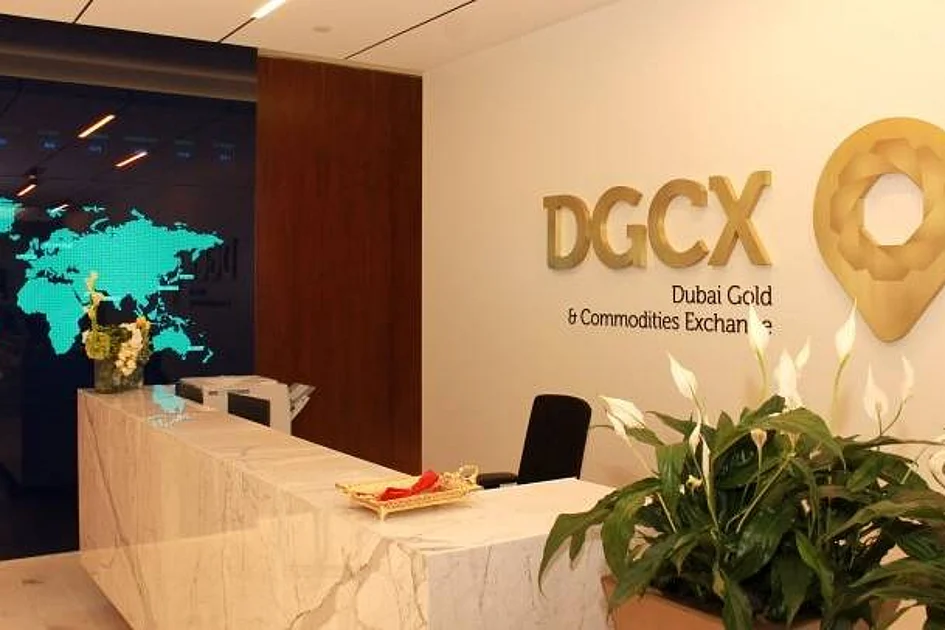
The Dubai Gold and Commodities Exchange (DGCX) is set to redefine the global precious metals trading landscape, leveraging a combination of robust market demand, regulatory support, and cutting-edge digital technologies. Established two decades ago as the region’s first derivatives exchange, DGCX has evolved into a cornerstone of the Middle East’s financial ecosystem, offering a diverse range of products, including currencies, commodities, and Sharia-compliant contracts. With gold prices surpassing $4,000 per ounce amid geopolitical uncertainty, the exchange is strategically positioned to capitalize on the precious metal’s resurgence as a safe-haven asset. The UAE Central Bank’s mandate requiring gold bullion to be stored in DMCC-approved vaults has further solidified the foundation of physical trade in the region. DGCX’s integration of AI-driven technologies enhances operational efficiency and scalability, enabling deeper liquidity, broader market access, and unparalleled physical integrity. The exchange is also introducing a dirham-denominated gold contract, designed to mitigate geopolitical risks and promote the UAE’s national currency in global trade settlements. Additionally, DGCX plans to launch a daily benchmark gold price, aligned with international standards, to provide market participants with precise pricing and hedging opportunities. The exchange’s commitment to operational excellence includes same-day or real-time settlement processes, reducing counterparty risk and improving capital efficiency. To ensure global connectivity, DGCX is exploring extended operating hours to align with key international markets, offering continuous trading opportunities across time zones. Furthermore, the exchange is democratizing gold investment through fractionalized tokenized gold and silver, allowing retail investors to participate with smaller denominations backed by physical assets. These initiatives underscore DGCX’s ambition to become a globally recognized hub for commodities and derivatives trading, driven by transparency, innovation, and stakeholder-centric strategies.
作者: admin
-
UAE leads in financial inclusion as digital push kicks in
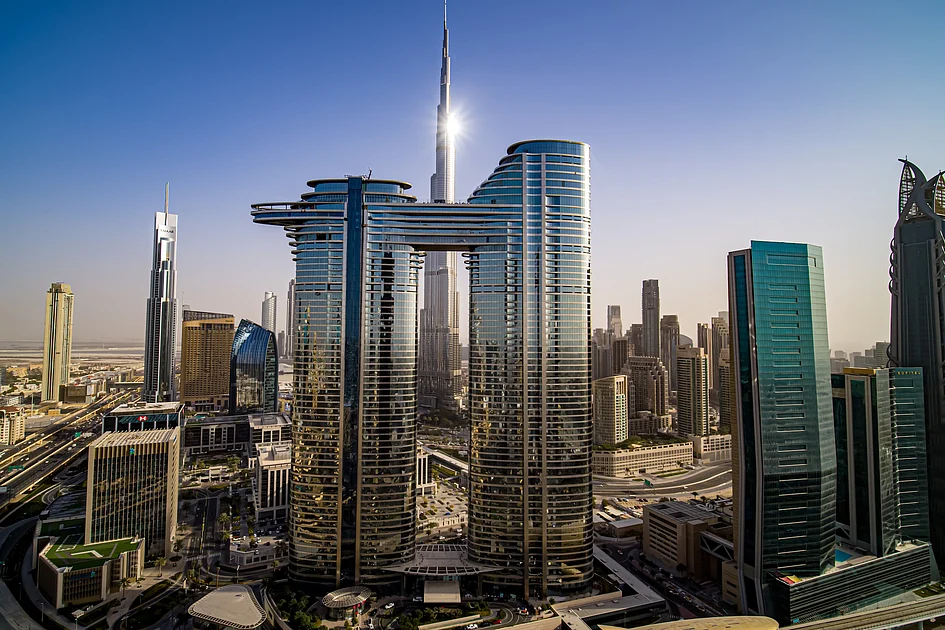
The United Arab Emirates (UAE) has solidified its position as a global frontrunner in financial inclusion, driven by a robust digital transformation and strategic policy initiatives. According to the 2025 Global Financial Inclusion Index (GFII), the UAE achieved the most significant global improvement in the ‘financial-system support’ pillar, climbing five places with a 1.9-point score increase. This progress underscores the nation’s commitment to fostering a digitally inclusive financial ecosystem. The UAE also saw a remarkable leap in fintech development, rising seven spots to 14th globally, with over 320 fintech firms collectively valued at more than $3 billion. These advancements are bolstered by the UAE’s Digital Economy Strategy 2022, which has catalyzed innovation and accessibility in financial services. Access to capital surged by 16.6 points, reflecting strong momentum in SME growth and private-sector confidence. Additionally, the UAE ranks 4th globally in consumer protection, up 6.9 points, and 6th in government-provided financial education. The World Bank reports that 84.56% of UAE adults had formal financial accounts in 2021, well above the global average of 66%. The UAE Ministry of Finance and the Central Bank of the UAE (CBUAE) have jointly launched the National Financial Inclusion Strategy and National Financial Literacy Strategy, following a May 2025 policy forum in Abu Dhabi. Kamal Bhatia, President & CEO of Principal Asset Management, emphasized that the UAE’s progress transcends digital access, empowering individuals and businesses to build stronger financial futures. Pushpin Singh, Managing Economist at Cebr, highlighted the UAE’s real economic benefits, with access-to-capital scores jumping 16.6 points. Despite these strides, challenges remain, including ensuring meaningful economic participation among lower-income households and women. The UAE’s financial inclusion journey has evolved from ‘banking the unbanked’ to leveraging digital fintech platforms, regulatory frameworks, and literacy programmes to build a resilient, diversified, and inclusive economy.
-
Trump is going to Asia — what happens next is anyone’s guess
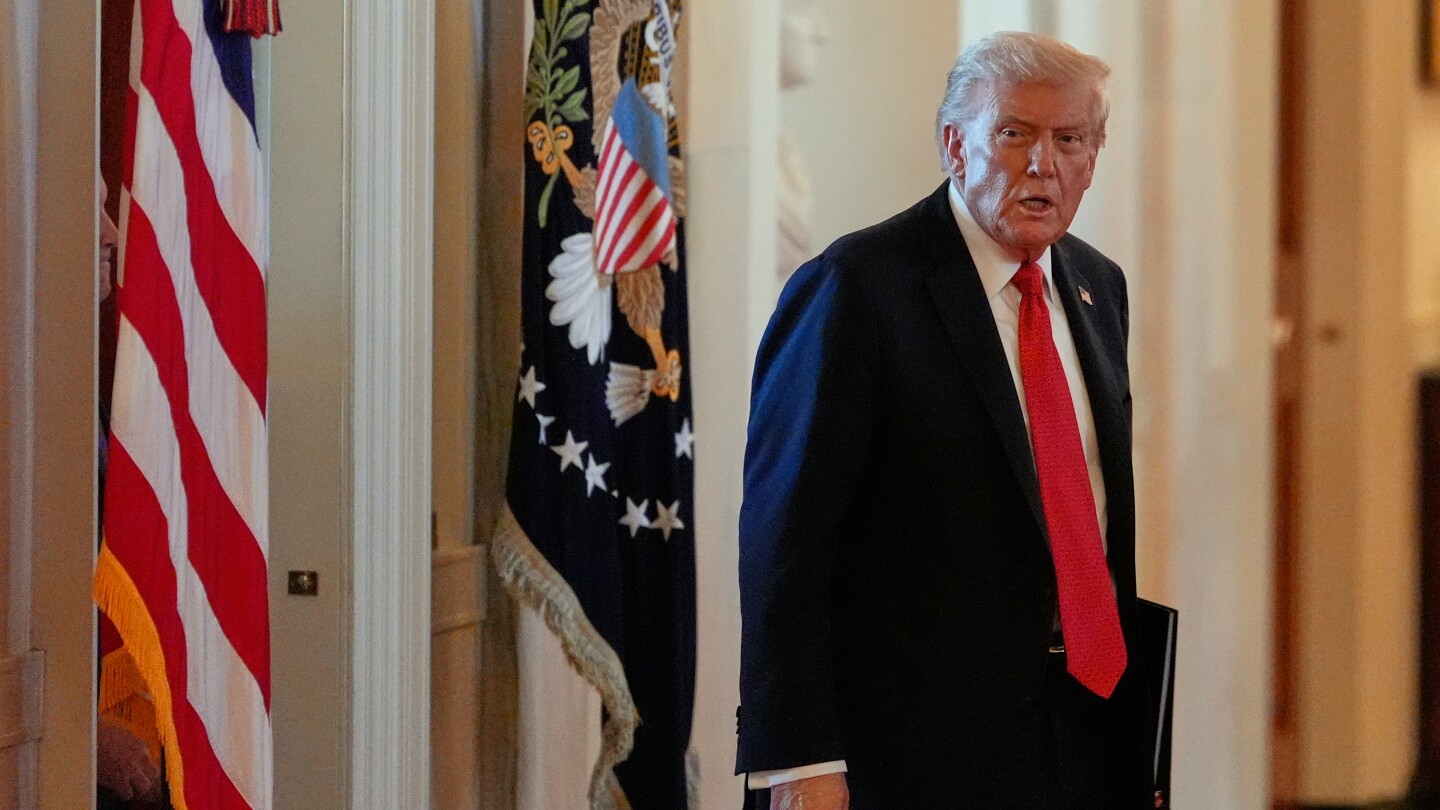
President Donald Trump is set to embark on a pivotal journey to Asia, aiming to address critical global economic issues and ease escalating trade tensions. The trip, which includes stops in Malaysia, Japan, and South Korea, is expected to culminate in a high-stakes meeting with Chinese President Xi Jinping. The outcome of this meeting could significantly influence the future of the global economy, as both leaders grapple with ongoing trade disputes and tariff threats. Trump’s strategy of improvisation has yielded mixed results in his second term, with successes like the return of hostages in the Middle East but ongoing challenges in resolving conflicts in Ukraine and trade tensions with China. The lack of clarity surrounding Trump’s itinerary has added to the uncertainty, with analysts noting the absence of a clear Asia strategy from the administration. Despite this, some experts believe Trump’s approach is gaining traction, particularly in Japan and South Korea, where leaders are eager to solidify partnerships. The trip also offers an opportunity for Trump to showcase his peacemaking efforts, particularly in Southeast Asia, where Malaysia is hosting the Association of Southeast Asian Nations summit. However, concerns remain about the potential for a breakdown in talks with Xi, which could have far-reaching consequences for the international economy. As Trump prepares for his first trip to Asia in his second term, the stakes could not be higher, with the world watching closely to see if he can navigate these complex issues successfully.
-

Iraq bans US gaming platform Roblox over child safety concerns
In a significant move to safeguard children from online exploitation, Iraq has imposed a nationwide ban on the popular US gaming platform Roblox. The decision, announced late Sunday by the Iraqi government, stems from concerns that the platform’s user-generated content and direct communication features expose minors to risks such as cyber-extortion and abuse. The government emphasized that the platform’s content is ‘incompatible with social values and traditions.’ This action aligns Iraq with other Middle Eastern nations, including Turkey, Kuwait, Qatar, and Oman, which have either blocked or heavily regulated the game. Roblox Corp, the developer of the platform, has yet to comment on the ban but has previously stated its commitment to adhering to local laws and protecting children. The Iraqi Communications Ministry cited a comprehensive study and field monitoring as the basis for the ban, highlighting the game’s ‘security, social, and behavioural risks.’ This development underscores a growing regional focus on regulating digital platforms to address child safety and moral concerns.
-

Mbank’s millionaire campaign rewards over 7,000 prizes and a Dh1 million grand draw
Al Maryah Community Bank, the UAE’s pioneering fully integrated digital bank, has unveiled the ‘Mbank Millionaire’ campaign, a groundbreaking national savings initiative designed to foster a culture of intelligent and sustainable saving among individuals and families. This campaign, launched in anticipation of the bank’s fifth anniversary in 2026, stands as one of the most extensive savings drives in the UAE. It offers an impressive array of over 7,000 cash prizes, including 615 monthly winners who could receive up to Dh10,000 each, alongside three grand prizes of Dh100,000 each through special draws. The campaign will reach its zenith with a grand prize of Dh1 million, to be announced during the bank’s fifth-anniversary celebrations. All draws are meticulously supervised by the Abu Dhabi Department of Economic Development to ensure transparency and integrity. The initiative also seeks to inspire Al Maryah Community Bank customers to perceive saving as a rewarding and impactful habit. Customers maintaining an average monthly balance of Dh1,000 or more in their savings accounts are automatically entered into the monthly draw, with additional entries granted for every Dh100 of their average monthly balance, thereby increasing their chances of winning. Wissam Farran, Chief Intelligence & Innovation Officer of Al Maryah Community Bank, emphasized the campaign’s significance, stating, ‘As we approach five years of serving our community, this campaign is our way of acknowledging our customers who have supported our vision from the outset. Mbank Millionaire is more than a savings campaign; it’s an invitation for every individual to believe that every dirham saved today is a tangible step toward realizing tomorrow’s dreams.’
-
Israel dropped 153 tonnes of bombs on Gaza in one day: Netanyahu
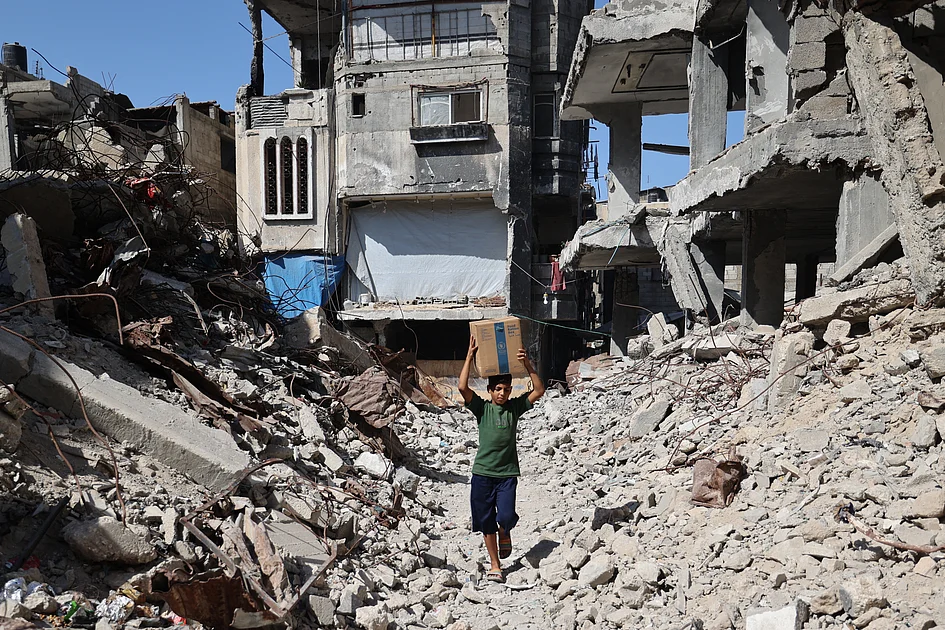
In a dramatic escalation of hostilities, Israel unleashed a massive aerial assault on Gaza, dropping 153 tonnes of bombs in a single day, according to Prime Minister Benjamin Netanyahu. The strikes were reportedly in retaliation for an alleged ceasefire violation by Hamas, the Palestinian militant group. Netanyahu, addressing the Knesset, emphasized Israel’s dual approach of strength and diplomacy, stating, ‘One of our hands holds a weapon, the other hand is stretched out for peace.’ He further asserted that peace is achievable only with the strong, not the weak, and highlighted Israel’s current unprecedented strength. The recent violence follows the killing of two Israeli soldiers in an attack attributed to Hamas, which the group has denied. Amidst the turmoil, Netanyahu met with US envoys Steve Witkoff and Jared Kushner to discuss regional developments and the fragile US-brokered ceasefire. US Vice President JD Vance is also scheduled to visit Israel to address security challenges and diplomatic opportunities. Vance has urged Gulf Arab nations to establish a security framework to disarm Hamas, a key component of the US-led Gaza peace initiative.
-

Atletico aim to convince Alvarez they belong among elite
Atletico Madrid, under the guidance of Diego Simeone, are on a mission to demonstrate their elite credentials to Julian Alvarez, their star striker and key player. Since a last-minute defeat to Liverpool at Anfield in September, Atletico have remained unbeaten in six consecutive matches across all competitions. This resurgence comes after a challenging start to the season, compounded by a trophyless 2024/25 campaign and a controversial Champions League exit to Real Madrid last season. Alvarez, who joined Atletico from Manchester City in 2024 for €85 million, has been instrumental in their recent success, scoring 29 goals in his debut season and elevating his game further this term. His hat-trick against Rayo Vallecano and a brace in a 5-2 rout of Real Madrid highlight his growing influence. Despite early frustrations with Simeone’s substitutions, Alvarez has reaffirmed his commitment to the club. Simeone has emphasized the importance of keeping Alvarez content, praising his extraordinary talent and dedication. The upcoming Champions League clash against Arsenal presents a crucial test for Atletico to prove they can compete with Europe’s best and fulfill Alvarez’s ambitions. Former Manchester City manager Pep Guardiola has also lauded Alvarez’s performances, expressing admiration for his development. With playmaker Alex Baena’s return from injury, Atletico’s attack looks poised for further success. However, retaining Alvarez’s loyalty will ultimately depend on the club’s ability to secure silverware and triumph over elite opponents like Arsenal.
-

Beyond blowing up narco boats: US needs a counter-cartel strategy
The US military has intensified its efforts to combat drug trafficking by deploying advanced drone technology to target and destroy narco vessels. In a recent operation, a semi-submersible vessel was struck by two Hellfire missiles, likely launched from a drone. This marks a significant escalation in the US strategy to disrupt drug cartels’ maritime operations. The Trump administration released a video of the strike but withheld details about the platform or operator involved. Experts speculate that the attack was carried out by an MQ-9 Reaper drone, known for its precision and endurance in surveillance and strike missions. Drones offer a cost-effective and efficient alternative to helicopters, which have limited range and slower response times. The US Marine Corps’ 22nd Marine Expeditionary Unit (MEU) has integrated MQ-9A Reaper drones into its operations in the Caribbean, supported by surveillance assets like the P-8 Poseidon aircraft. Narco vessels, including go-fast boats, semi-submersibles, and home-built submarines, are manufactured clandestinely in South America, primarily in Colombia. These vessels are designed to evade detection and transport large quantities of illegal drugs. Despite the US military’s efforts, experts argue that intercepting drug shipments at sea has minimal impact on the lucrative drug trade. The Trump administration faces criticism for its high-seas operations, which some consider illegal under international law. Additionally, the cartels’ vast resources enable them to bribe officials and maintain their operations. The US is exploring strategies to disrupt drug production and export infrastructure, impose financial sanctions on cartel leaders, and target corrupt officials who protect the cartels. However, the effectiveness of these measures remains uncertain, as the drug trade continues to thrive despite increased military interventions.
-
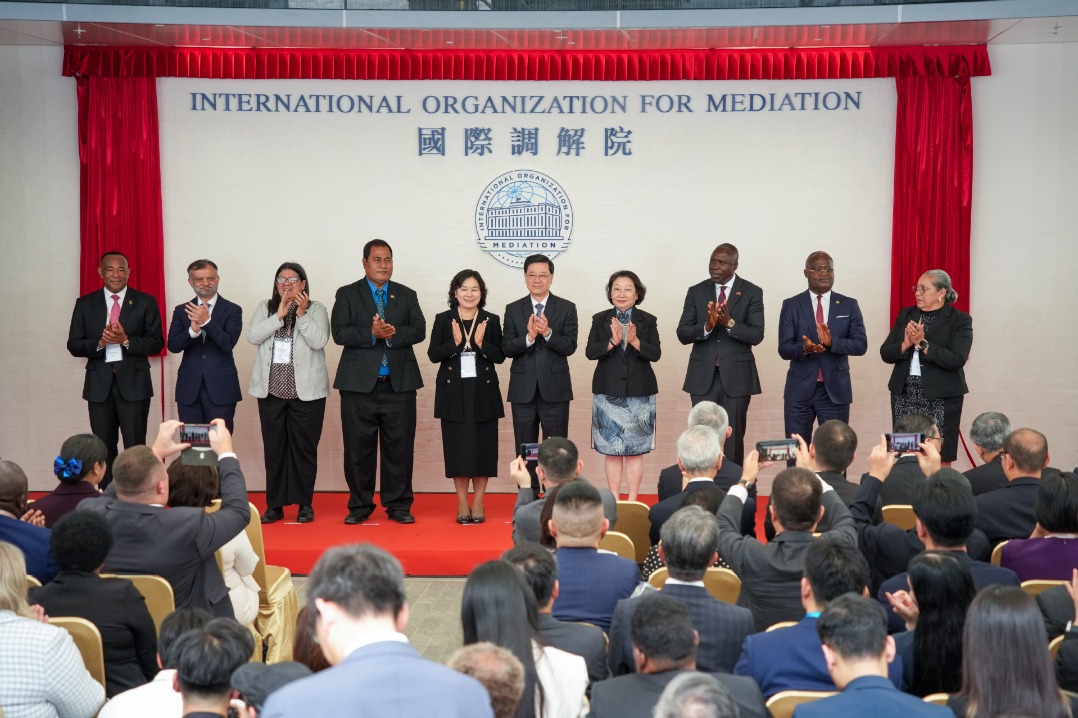
New international body for mediation formed in Hong Kong
A transformative milestone in global conflict resolution was achieved on Monday with the official launch of the International Organization for Mediation (IOMed) in Hong Kong. As the world’s first intergovernmental body exclusively focused on mediation, the IOMed aims to provide a cost-effective and collaborative alternative to traditional legal disputes, particularly benefiting developing economies and small businesses. The inauguration ceremony took place at the organization’s permanent headquarters in the historic Old Wan Chai Police Station, symbolizing Hong Kong’s emergence as a central hub for international mediation. Hong Kong Chief Executive John Lee Ka-chiu emphasized the city’s unique advantages under the ‘one country, two systems’ framework, including its robust legal system and world-class law schools. Lee also announced plans to host a global mediation summit in 2026 and expand facilities at the Hong Kong International Legal Service Building to support the IOMed’s operations. Teresa Cheng Yeuk-wah, the newly elected secretary-general, described the IOMed as a ‘global public good’ rooted in principles of equality, mutual respect, and understanding. Hua Chunying, China’s vice-minister of foreign affairs and chairperson of the IOMed Governing Council, highlighted the organization’s alignment with the global demand for peaceful dispute resolution. She underscored the IOMed’s commitment to affordability, accessibility, and efficiency, positioning it as a sustainable complement to existing international mechanisms. Representatives from Kenya, Dominica, and Venezuela praised the IOMed as a long-awaited platform for the Global South, offering a dedicated forum for governments, businesses, and investors to find common ground. The establishment of the IOMed marks the culmination of three years of development since its initial proposal, signaling a new era in global governance and conflict resolution.
-

I finished building my house just before new tariffs hit
Anthony Cabrera recently completed the construction of his three-bedroom house in Hopatcong, New Jersey, just ahead of a new wave of tariffs on essential building materials and home furnishings. Starting in March, Cabrera worked diligently with a contractor to finalize his project before the tariffs took effect earlier this week. Despite his efforts, his initial budget of $300,000 surged to $450,000 due to rising costs for imported items like cabinets from Asia. ‘Tariffs were definitely on my mind throughout the whole process,’ Cabrera remarked, expressing concern over the escalating expenses. His experience mirrors the challenges faced by many homebuyers, builders, and renovators across the US. The White House argues that these tariffs aim to bolster domestic manufacturing and safeguard national security. However, economists warn that they could exacerbate the housing market’s struggles by increasing construction costs and slowing down projects. Peter Harrell, a visiting scholar at Georgetown Law School, noted, ‘The last thing an already not great new construction market needs is higher input costs.’ The new tariffs, which include a 50% levy on steel and copper imports, are part of a broader series of measures that could further inflate prices for consumers. Goldman Sachs estimates that US consumers will bear up to 55% of the cost of these tariffs this year. Furniture companies, including RH and IKEA, have already warned of potential price hikes, while smaller businesses like Jean Lin’s Manhattan-based design gallery, Colony, have seen reduced sales due to tariff-related uncertainties. The National Association of Home Builders has expressed concerns that these tariffs will create additional challenges for an already strained housing market, particularly affecting affordable housing projects. While some economists believe the tariffs alone won’t spell disaster for the industry, they acknowledge that the cumulative impact could be significant. ‘It’s yet another unwelcome thing that they have to deal with now,’ said Jake Krimmel, a senior economist at Realtor.com.