作者: admin

  • Iran launches new wave of missile attacks on Israel: media

    Iran launches new wave of missile attacks on Israel: media

    Iran has initiated a significant escalation in regional hostilities by launching a new wave of missile attacks against Israeli territory, according to reports from Iranian state media on Saturday, February 28, 2026. The Islamic Revolutionary Guard Corps (IRGC) confirmed earlier today that they had deployed their “first wave” of drone and missile assaults targeting Israeli positions.

    The attacks mark a dangerous intensification of ongoing tensions between the two Middle Eastern powers. Iranian media outlets provided confirmation of the offensive operations, though specific details regarding targets and impact assessment remain limited at this early stage.

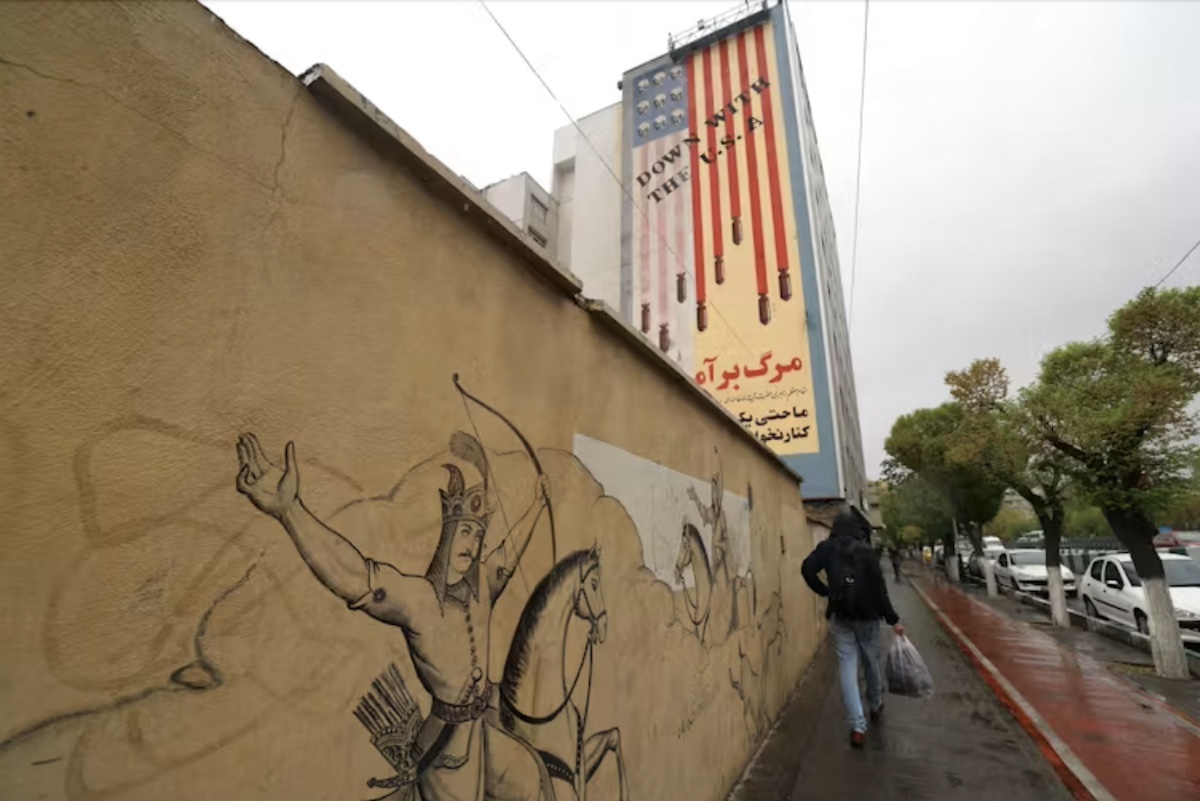
    Visual documentation from the scene shows Jerusalem residents responding to emergency sirens, with photographs capturing civilians navigating streets during the alert period. The timing and scale of these coordinated strikes suggest a calculated military operation rather than isolated provocations.

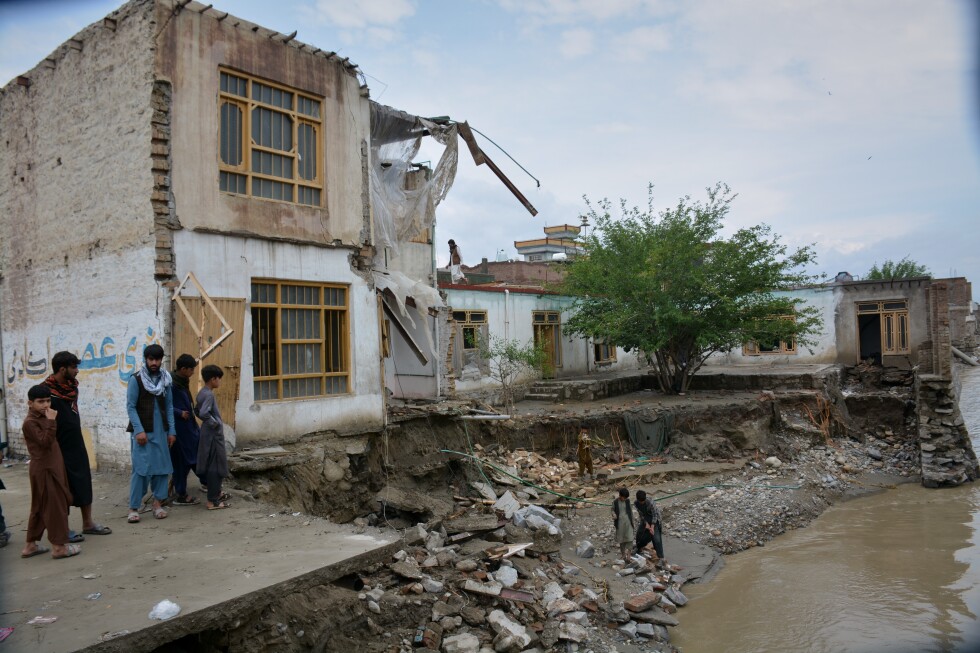
    This development occurs amidst a complex regional landscape where neighboring nations have experienced their own security challenges, including recent border clashes between Afghanistan and Pakistan that resulted in numerous casualties. The Iranian offensive represents the latest in a series of regional security incidents that continue to destabilize the Middle Eastern geopolitical environment.

    International observers are closely monitoring the situation for potential escalation patterns and assessing the likelihood of broader regional involvement. The missile attacks constitute one of the most direct confrontations between Iran and Israel in recent years, raising concerns about prolonged military engagement and possible international response.

  • Scientists from Spain, China discover Jurassic lizard tracks in Europe

    Scientists from Spain, China discover Jurassic lizard tracks in Europe

    A groundbreaking paleontological discovery has emerged from the coastal cliffs of northern Spain, where an international team of scientists from China and Spain has identified exceptionally preserved Jurassic-era lizard trackways. This landmark find, documented in the journal Ichnos, represents the first recorded evidence of lizard tracks from the Jurassic period ever discovered in Europe.

    The research was spearheaded by Laura Piñuela of Spain’s Jurassic Museum of Asturias (MUJA) in collaboration with Dr. Xing Lida from China University of Geosciences (Beijing). Their investigation focused on two distinct trackways found in the Lastres Formation within the renowned ‘Dinosaur Coast’ of Villaviciosa, Asturias—an area celebrated for its abundance of prehistoric reptile footprints.

    One trackway consists of seven clearly defined footprints indicating a trackmaker measuring approximately 50 centimeters in body length, while the second trail features six impressions from a smaller individual around 30 centimeters long. These tracks now stand as the most recent global discovery of their kind, offering unprecedented insights into the diversity and behavior of small reptiles during the Late Jurassic epoch.

    The scientific approach combined field fossil examination with laboratory simulation techniques. Chinese researchers conducted comparative experiments in Wuxi, Jiangsu province, observing the movement patterns of modern lizards in controlled sand environments. By analyzing both contemporary and ancient traces, the team established that certain locomotor mechanisms and alert postures seen in present-day lizards existed as far back as 150 million years ago.

    Dr. Xing highlighted the significance of this evolutionary conservatism, noting that ‘the study provides valuable evidence for understanding behavioral evolution in ancient reptiles.’ European co-author Jose Carlos Garcia-Ramos added that modern technology has enabled researchers to reconstruct scenes where these prehistoric creatures crawled, turned, and potentially paused to survey their surroundings in delta wetland environments.

    The fossils are currently preserved and publicly displayed at MUJA, serving as both scientific resources and public educational artifacts. This collaborative project establishes a successful model for international paleontological research combining field discovery with laboratory simulation.

  • Oil prices set for swings next week as US-Israel strikes raise supply uncertainty

    Oil prices set for swings next week as US-Israel strikes raise supply uncertainty

    FRANKFURT, Germany — Global oil markets face significant volatility as trading resumes following weekend closures, with analysts warning of potential price fluctuations stemming from recent military actions in the Middle East. The strategic strikes conducted by U.S. and Israeli forces have created substantial uncertainty regarding regional oil supply chains, particularly affecting Iranian exports which average approximately 1.6 million barrels daily.

    Pre-conflict analytical models projected varying scenarios based on the severity of infrastructure damage. Limited engagements that avoid comprehensive regime change or full-scale warfare could trigger immediate price increases of $5-$10 per barrel, primarily driven by market apprehension rather than actual supply disruption, according to energy research firm Rystad Energy.

    The geopolitical tension has already influenced market behavior, with international benchmark Brent crude closing at a seven-month peak of $72.87 per barrel on Friday. Further escalation remains a critical concern, especially regarding the Strait of Hormuz—a vital maritime passage handling 20% of global oil shipments daily. Major Middle Eastern exporters including Saudi Arabia, Iraq, and the United Arab Emirates depend heavily on this channel for their distribution networks.

    Energy strategist Clayton Seigle of the Center for Strategic & International Studies outlined a concerning wartime scenario where Iranian disruption of tanker traffic could propel crude prices beyond $90 per barrel, subsequently driving U.S. gasoline prices significantly above $3 per gallon. Current national averages stand at $2.98 per gallon according to AAA motor club data.

    Despite concerning possibilities, analysts note Iran’s limited incentives for closing the Strait of Hormuz, as such action would simultaneously cripple its own export capabilities and damage relations with China, its primary oil customer. Chinese privately-owned refineries have continued purchasing Iranian oil despite U.S. sanctions, creating a complex geopolitical dynamic that could see Chinese buyers seeking alternative sources if supplies are interrupted, potentially accelerating global price increases.

  • Iranian President Masoud Pezeshkian in full health: Mehr news agency

    Iranian President Masoud Pezeshkian in full health: Mehr news agency

    Iranian President Masoud Pezeshkian remains in robust health according to official statements from the Mehr News Agency, dispelling any speculation about his physical condition. The announcement comes at a critical juncture as Iran navigates complex regional dynamics and international negotiations.

    The health status confirmation follows a period of heightened regional tensions and significant diplomatic developments. Notably, Omani Foreign Minister Badr al-Busaidi recently revealed a potential breakthrough in nuclear discussions, indicating Iran’s agreement to maintain zero enriched uranium stockpiling—a significant concession in ongoing negotiations.

    Meanwhile, the region continues to experience instability, with recent cross-border clashes between Afghanistan and Pakistan resulting in significant casualties. These developments occur against the backdrop of former U.S. President Donald Trump’s comments expressing dissatisfaction with nuclear negotiation progress while clarifying that no final decision has been made regarding military action against Iran.

    President Pezeshkian’s confirmed good health assumes particular importance given Iran’s current strategic positioning. The nation appears to be pursuing diplomatic channels while maintaining readiness to address regional security challenges. The health assurance from official Iranian media sources serves to project stability within the country’s leadership during this volatile period.

    International observers continue to monitor Iran’s domestic and foreign policy directions, with President Pezeshkian’s administration facing multiple challenges including economic pressures, nuclear negotiations, and regional security concerns. The unequivocal health statement aims to reinforce confidence in Iran’s governance structures during these complex geopolitical circumstances.

  • How the world has reacted to US and Israeli strikes on Iran

    How the world has reacted to US and Israeli strikes on Iran

    A coordinated military offensive by United States and Israeli forces struck targets across multiple Iranian cities on Saturday, triggering a severe escalation in Middle Eastern tensions and drawing widespread international condemnation. US President Donald Trump characterized the operations as “major combat actions” aimed at neutralizing threats from Tehran’s regime.

    The assault prompted an immediate response from Iran’s Revolutionary Guard Corps (IRGC), which announced Operation “Truthful Promise 4” targeting American military installations and assets throughout the Middle East. This exchange of hostilities follows weeks of heightened diplomatic friction concerning Iran’s nuclear advancement programs.

    Global reactions reflected deepening concern over regional stability. United Nations Secretary-General Antonio Guterres issued a stark warning, stating that these military actions “undermine international peace and security” and risk triggering broader regional conflict with catastrophic humanitarian consequences. He urgently called for cessation of hostilities and immediate de-escalation.

    European leaders including French President Emmanuel Macron, German Chancellor Friedrich Merz, and UK Prime Minister Keir Starmer released a joint communiqué emphasizing their non-participation in the strikes while urging Tehran to pursue diplomatic resolutions. Their statement highlighted consistent appeals for Iran to terminate its nuclear and missile development initiatives and cease internal repression.

    Oman’s Foreign Minister Badr Albusaidi, who had been mediating nuclear negotiations between Washington and Tehran, expressed dismay that serious diplomatic efforts had been undermined. He explicitly warned the US against deeper military engagement, stating this conflict “is not your war.”

    Russian officials condemned the strikes as “reckless” actions disguised under negotiation pretenses, while Saudi Arabia denounced Iranian retaliatory measures against neighboring Gulf states and affirmed solidarity with affected nations.

    Despite claiming non-involvement in offensive operations, British authorities confirmed RAF aircraft were conducting “coordinated regional defensive operations” to protect national interests and allies. Australian leadership endorsed US efforts to prevent Iranian nuclear weapon acquisition, framing it as necessary for international security.

    Human rights considerations emerged prominently, with UN Human Rights Chief Volker Türk emphasizing civilian protection obligations under international law. He noted that civilians invariably bear the ultimate cost in armed conflicts and urged all parties to return to negotiation frameworks.

    The political dimension intensified as both Trump and Israeli Prime Minister Benjamin Netanyahu addressed Iranian citizens directly, encouraging uprising against their government and promising support for regime change. This unprecedented call for domestic rebellion adds complex geopolitical dimensions to the military confrontation.

  • Madonna steals the spotlight at Dolce & Gabbana’s Milan Fashion Week runway show

    Madonna steals the spotlight at Dolce & Gabbana’s Milan Fashion Week runway show

    MILAN — The iconic Queen of Pop, Madonna, transformed into the undisputed queen of the front row at the Dolce & Gabbana Fall-Winter 2026-27 showcase during Milan Fashion Week. Her arrival, synchronized perfectly with her empowering anthem “You’ll See,” created an electric atmosphere as she took her seat beside Vogue’s formidable editor-in-chief, Anna Wintour.

    The 67-year-old music legend, accompanied by boyfriend Akeem Morris, immediately became the center of attention. Fellow attendees eagerly captured the moment she warmly embraced actor Alberto Guerra, her recent co-star in a Dolce & Gabbana advertising campaign. This appearance reinforces Madonna’s enduring relationship with the Italian fashion house, a collaboration spanning over three decades since she first wore their jewel-encrusted bodice during the 1991 New York premiere of “Truth or Dare.”

    Designers Domenico Dolce and Stefano Gabbana presented a collection that served as both homage and dialogue with Madonna’s distinctive style legacy. Transparent lace dresses and skirts evoked her early aesthetic, while powerful pinstriped suits with exaggerated shoulders directly referenced her iconic “Vogue” music video era. The show further incorporated lavish faux furs and bold animal prints, creating a visual narrative of Madonna’s evolving fashion journey.

    Madonna’s own ensemble demonstrated her lasting influence: a sophisticated black blazer layered over a dark minidress, punctuated by striking turquoise leather gloves. Unlike her previous appearance wearing a lace veil, she opted for loose blonde locks this time, maintaining her status as a perpetual style innovator.

    Following the spectacular presentation, the designers personally escorted Madonna backstage, while hundreds of devoted fans gathered outside hoping to glimpse the pop icon and other international celebrities including Japanese singer Hikaru Iwamoto, South Korea’s Choi San, and Italy’s Achille Lauro.

  • Israel, US launch daylight attack on Iran

    Israel, US launch daylight attack on Iran

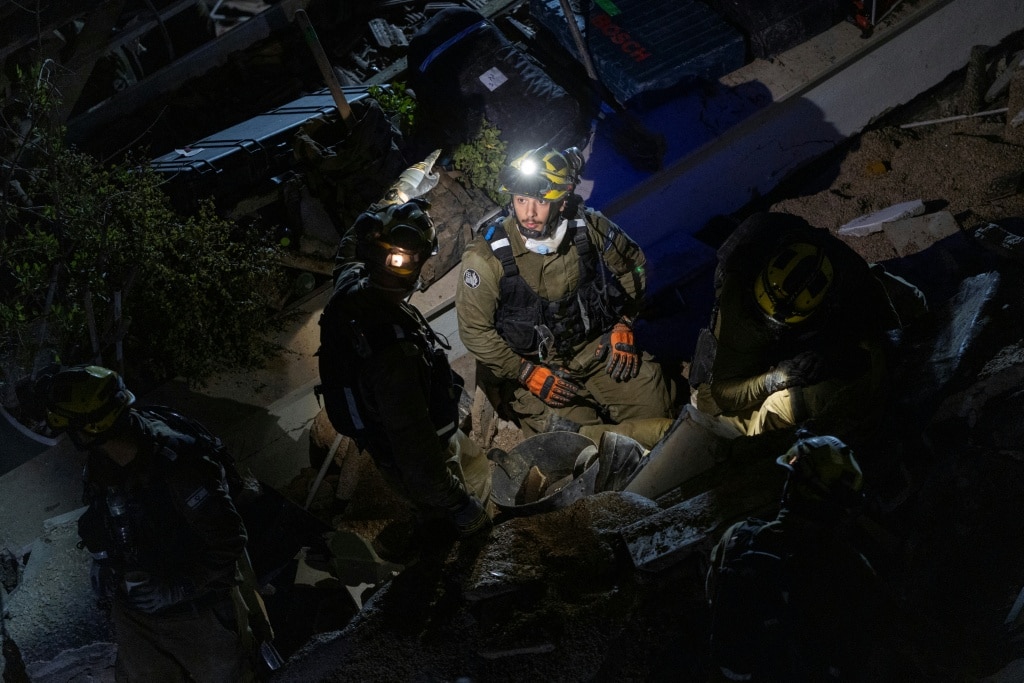
    In a significant escalation of Middle Eastern tensions, Israeli forces conducted a daylight military operation against targets in Iran’s capital Tehran on Saturday, with confirmed participation from United States military assets. The coordinated strike, which occurred on February 28, 2026, sent plumes of smoke rising from the downtown area near Supreme Leader Ayatollah Ali Khamenei’s offices, though Iranian authorities had previously relocated the leader to a secured location.

    According to verified reports from Fars News Agency, multiple missiles struck University Street and the Jomhouri district, prompting Iran to immediately close its national airspace. The operation followed the substantial buildup of US fighter jets and warships in the region, previously characterized as diplomatic pressure regarding Iran’s nuclear program.

    Israeli Defense Minister Israel Katz characterized the action as “a preemptive strike against Iran to remove threats to the State of Israel,” while emergency sirens activated across Israel and civilians received instructions to seek shelter. The Pentagon confirmed US involvement through anonymous officials speaking to Associated Press, with Reuters obtaining additional confirmation from Israeli defense sources regarding the coordinated nature of the operation.

    Regional security immediately heightened as the US Embassy in Qatar implemented shelter-in-place protocols for personnel and citizens, reflecting concerns about potential retaliation. Iranian officials had previously warned that US military personnel and bases throughout the region would become primary targets in any retaliatory action, though Tehran’s immediate response remained unclear at the time of reporting.

  • US military began major combat operation in Iran: Trump

    US military began major combat operation in Iran: Trump

    In a dramatic escalation of Middle East tensions, former US President Donald Trump has declared the commencement of a major combat operation against Iran. The announcement, made today, outlines a comprehensive military campaign with the explicit objective of permanently dismantling Iran’s nuclear weapons program and missile infrastructure.

    Trump stated unequivocally that Iran would never be permitted to possess nuclear weapons under his administration’s watch. The operation’s strategic focus appears to center on the systematic destruction of Iran’s missile production facilities and launch capabilities, with the President vowing to ‘raze its missile industry to the ground.’

    This military action represents the most significant direct confrontation between the United States and Iran in recent history, fundamentally altering the security landscape of the region. The announcement comes amid ongoing diplomatic efforts concerning Iran’s nuclear program, creating a stark contrast between military and negotiated approaches to addressing security concerns.

    The operation’s commencement signals a decisive shift in US foreign policy toward Iran, moving from economic sanctions and diplomatic pressure to active military engagement. The development has immediate implications for global oil markets, regional stability, and international relations, particularly with nations that have maintained diplomatic ties with Tehran.

  • Tug of war: how US presidents battle Congress for military powers

    Tug of war: how US presidents battle Congress for military powers

    The recent military engagement dubbed “Epic Fury” against Iran has reignited the constitutional debate surrounding presidential war powers in the United States. President Donald Trump’s announcement of this operation, delivered without explicit congressional consultation, exemplifies the ongoing tension between executive authority and legislative oversight in matters of military intervention.

    This confrontation stems from the fundamental ambiguity within the U.S. Constitution. While Article I grants Congress the exclusive power to declare war, Article II establishes the President as Commander-in-Chief of the armed forces. This constitutional duality has enabled successive administrations to expand executive military prerogatives, particularly since World War II—the last occasion Congress formally declared war.

    The legislative response to presidential overreach emerged during the Vietnam War era. In 1973, Congress enacted the War Powers Resolution over President Nixon’s veto, establishing the primary legal constraint on unilateral executive action. This legislation mandates presidential notification of Congress within 48 hours of military deployment and requires congressional authorization for operations extending beyond 60 days.

    Historical precedent reveals that President Trump is hardly exceptional in bypassing congressional approval. President Clinton authorized NATO airstrikes in Kosovo without legislative consent in 1999, while President Obama employed similar executive discretion during the 2011 Libya campaign. Trump himself previously ordered airstrikes in Syria alongside British and French allies in 2018 without seeking congressional approval.

    However, the current administration has demonstrated particularly assertive interpretations of executive power. Recent operations include strikes against alleged drug trafficking vessels in Latin America, the June 2025 targeting of Iranian nuclear facilities, and the controversial January 3rd military raid targeting Venezuelan President Nicolas Maduro. These actions have prompted Democratic legislators to propose war powers resolutions aimed at curtailing presidential authority, though Republican opposition has thus far prevented their passage.

    The administration has simultaneously expanded domestic military deployments, utilizing National Guard troops in multiple cities under the justification of combating crime and immigration—a move criticized by Democrats as unprecedented domestic militarization.

    This enduring institutional struggle reflects deeper constitutional tensions that continue to define the balance of power in American governance, with significant implications for both international relations and democratic accountability.

  • Thousands of cherry blossoms bloom in Chongqing, drawing visitors

    Thousands of cherry blossoms bloom in Chongqing, drawing visitors

    The arrival of spring has transformed Chongqing’s Zhongxian county into a breathtaking floral paradise as its massive 66-hectare cherry blossom garden erupts in vibrant bloom. Located in the Yinshan community of Baigong subdistrict, this botanical wonderland has become a major attraction for visitors seeking to witness one of nature’s most spectacular seasonal displays.

    The expansive garden boasts an impressive collection of over 100,000 cherry trees representing nearly 50 distinct varieties. Among the botanical treasures are the graceful weeping cherry, the renowned Japanese Kawazu-zakura variety, and the distinctive bell-flower cherry. This diverse collection creates a multi-layered tapestry of pink and white blossoms that paint the landscape with extraordinary beauty.

    Recent warming temperatures have triggered the simultaneous blooming of thousands of trees, creating an immersive sensory experience for visitors. The air carries the delicate fragrance of cherry blossoms while the visual spectacle of countless flowers creates an almost surreal atmosphere. Photographers and nature enthusiasts have flocked to the site, capturing the ephemeral beauty of the blooms at their peak magnificence.

    The cherry blossom garden represents both natural splendor and careful cultivation, demonstrating successful horticultural management in Southwest China. The massive scale of the garden and its diverse collection position it as a significant botanical attraction in the region, offering visitors an exceptional opportunity to experience cherry blossom viewing without traveling abroad.

    Local authorities have noted the growing popularity of the site as a spring destination, with visitor numbers increasing annually. The phenomenon highlights how carefully managed natural attractions can become significant tourism draws while providing communities with opportunities to showcase regional horticultural achievements and natural beauty.