作者: admin

  • Strait of Hormuz impasse squeezes world shipping

    Strait of Hormuz impasse squeezes world shipping

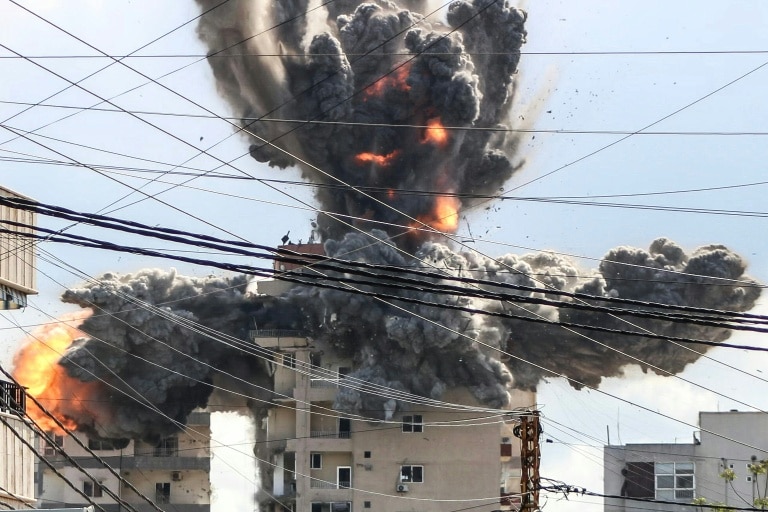
    The strategic Strait of Hormuz, a critical maritime artery for global energy supplies, has become the epicenter of a major shipping crisis as escalating regional conflicts force unprecedented disruptions to commercial navigation. With approximately 20% of the world’s seaborne oil transiting through this narrow passage, the current impasse threatens to reshape global trade patterns and energy logistics.

    Major international shipping conglomerates—including MSC, Maersk, CMA CGM, Hapag-Lloyd, and Cosco—have implemented emergency protocols following recent military strikes by Israel and the United States against Iran. These companies have ordered their vessels to seek safe anchorage, creating visible clusters of idled ships near Kuwait, Dubai, and Bandar Abbas according to Marine Traffic monitoring systems.

    This operational paralysis marks a historic deviation from past conflicts. Unlike during the Iran-Iraq War (1980-1988) when commercial passage persisted despite attacks on tankers, the current situation represents what maritime experts describe as an ‘unprecedented freeze’ in regional shipping activity.

    The economic ramifications extend beyond energy markets. Dubai’s Jebel Ali port, ranking as the world’s tenth-largest container terminal and a crucial redistribution hub for over a dozen nations, faces severe operational constraints. The port serves as a critical transshipment point where container vessels transfer cargo to smaller ships bound for destinations from East Africa to India.

    Trade flows through the strait encompass diverse commodities: Germany transports automobiles, machinery, and industrial equipment; France exports agricultural products, cosmetics, and pharmaceuticals; while Italy ships significant quantities of food products, marble, and ceramics. Conversely, the region exports not only hydrocarbons but also approximately 9% of global primary aluminum production.

    Consumers worldwide are already experiencing consequences, with e-commerce platforms including Temu, Shein, and Amazon warning customers of extended delivery timelines. Freight costs are escalating due to newly imposed risk surcharges, while simultaneous Red Sea disruptions have forced vessels to reroute via South Africa’s Cape of Good Hope—adding approximately 10 days to transit times and increasing costs by nearly 30%.

  • Two men accused of torching Perth home with mum and kids inside

    Two men accused of torching Perth home with mum and kids inside

    Two Western Australian men face serious criminal charges following a deliberately lit house fire that endangered a family just weeks before Christmas. The incident occurred in the early hours of December 10th at a Maddington residence in Perth’s southeastern suburbs.

    Emergency services responded to the Westfield Street property around 4:30 AM after flames engulfed the home, completely destroying the structure. Fire investigators determined the blaze originated in the carport area under suspicious circumstances. Security footage subsequently revealed an individual present near the home at the time the fire began.

    A mother and her three children sustained smoke inhalation injuries during the incident and required urgent hospital treatment. Their rescue was facilitated by neighbor Cory Harsant, who witnessed the emergency from his backyard and took immediate action.

    “I saw the mother and her three boys from my property,” Harsant told reporters. “I went to the back fence that connects our properties, broke it down, and helped them to safety.”

    Police have since charged a 36-year-old man from Wanneroo and a 28-year-old man from Greenwood with criminal damage by fire and endangering life, health, or safety of persons. The Wanneroo suspect is scheduled to appear before Armadale Magistrates Court on Tuesday, while the Greenwood man will face court proceedings next week.

  • Real Madrid superstar Mbappe in Paris for treatment on knee injury

    Real Madrid superstar Mbappe in Paris for treatment on knee injury

    Real Madrid’s star forward Kylian Mbappé has traveled to Paris for specialized medical consultation regarding a persistent left knee injury, with club medical staff accompanying him during the examination process. The Spanish giants have confirmed the diagnosis of a knee sprain and implemented a conservative treatment protocol, explicitly ruling out surgical intervention at this stage.

    The injury involves damage to the external ligament of Mbappé’s left knee, a condition that has been affecting the player since late 2025. The situation escalated when persistent pain during training sessions forced him to miss last week’s crucial Champions League play-off second leg encounter against Benfica.

    Both club and national team medical staff have reached consensus on the treatment approach, dispelling any speculation about disagreements between Real Madrid and the French Football Federation. Real Madrid coach Alvaro Arbeloa emphasized the collaborative nature of the decision, stating that complete recovery rather than rushed return remains the priority.

    The timing of Mbappé’s recovery presents significant challenges for both club and country. Real Madrid faces concerns about his availability for the critical Champions League last-16 tie against Manchester City scheduled for mid-March. Simultaneously, the French national team anxiously monitors his progress with the World Cup approaching in June, where Les Bleus will depend heavily on their captain’s fitness.

    France has scheduled preparatory friendlies against Brazil and Colombia in the United States later this month, potentially providing Mbappé with competitive matches to regain match fitness ahead of the global tournament. The superstar has demonstrated exceptional form this season, netting 38 goals across 33 appearances, making his recovery process crucial to both his club’s silverware ambitions and France’s World Cup campaign.

  • Texas Trump supporters react to US strikes on Iran

    Texas Trump supporters react to US strikes on Iran

    With Texas primary elections looming, Republican voters across the state are expressing strong opinions regarding recent U.S. military actions in the Middle East. Interviews conducted with Donald Trump’s base reveal complex perspectives on foreign policy as they prepare to cast their ballots.

    The geopolitical developments have emerged as a significant talking point among conservative Texans, many of whom view the situation through the lens of national security priorities. While some express unwavering support for decisive military action against Iranian interests, others voice concerns about potential escalation and prolonged engagement in the region.

    These discussions occur against the backdrop of upcoming electoral decisions, where foreign policy positions traditionally influence voter preferences. The timing of the strikes has created a natural experiment in how international events shape domestic political discourse, particularly among voters who strongly identify with the America First philosophy championed by former President Trump.

    The responses highlight a nuanced understanding of the balance between demonstrating strength and avoiding unnecessary conflict, with many respondents drawing comparisons to previous administrations’ approaches to Middle East tensions. This electoral dynamic offers insight into how national security issues resonate at the grassroots level within one of the nation’s most politically influential states.

  • Melania Trump chairs UN Security Council meeting on children in conflict amid Iran strikes

    Melania Trump chairs UN Security Council meeting on children in conflict amid Iran strikes

    In an unprecedented diplomatic moment, First Lady Melania Trump presided over a United Nations Security Council meeting addressing the protection of children in conflict zones. The high-level session, convened during the United States’ rotating presidency of the Security Council, marked the first time a world leader’s spouse has chaired such proceedings.

    Mrs. Trump centered her remarks on educational opportunities as fundamental tools for fostering tolerance and global peace among vulnerable youth populations. ‘The US stands with all of the children throughout the world,’ she declared. ‘I hope soon peace will be yours.’

    The First Lady extended poignant condolences to families of fallen American service members, stating, ‘Their bravery and dedication will always be remembered.’ She further expressed wishes for ‘swift and smooth recovery to all those who have been injured,’ assuring they remained in her ‘thoughts and prayers during these challenging times.’

    The meeting occurred against a backdrop of heightened regional tensions. UN Under-Secretary General Rosemary DiCarlo highlighted the severe impact of conflicts on children, noting numerous Middle Eastern nations—including Israel, United Arab Emirates, Qatar, Bahrain and Oman—had transitioned to remote learning due to ongoing military operations.

    DiCarlo specifically referenced reports from Iran concerning a devastating strike on an elementary school in Minab that allegedly resulted in 153 fatalities. Iranian authorities have attributed responsibility to the United States and Israel, though both nations have offered contrasting responses. US Central Command confirmed it was investigating the incident while Israel’s military denied awareness of operations in the area.

    Iran’s Ambassador to the UN, Amir Saeid Iravani, condemned the timing of the US-chaired session as ‘deeply shameful and hypocritical’ given recent events. Meanwhile, US Secretary of State Marco Rubio asserted that ‘the United States will not deliberately target a school.’

    The carefully orchestrated diplomatic appearance underscores the Trump administration’s continued engagement with international institutions while maintaining military readiness in volatile regions.

  • Leaked photo, hot tub, and Pizzagate – video of Clintons’ testimony on Epstein ties released

    Leaked photo, hot tub, and Pizzagate – video of Clintons’ testimony on Epstein ties released

    Newly released footage from the House Oversight Committee has revealed a dramatic confrontation during Hillary Clinton’s closed-door deposition regarding Jeffrey Epstein. The proceedings nearly derailed when the former Secretary of State threatened to walk out after learning an unauthorized photograph from the hearing had been leaked to the public.

    The tension escalated when Clinton’s legal team informed the room of the security breach. Republican Congresswoman Lauren Boebert admitted to sharing an image from inside the deposition room, though she claimed it was taken before the official proceedings began. Clinton responded by pounding her fist on the table, declaring, ‘I’m done with this. If you guys are doing that, I am done. You can hold me in contempt from now until the cows come home.’

    Her legal representatives emphasized the irony that Clinton had previously requested an open hearing—which would have allowed real-time public viewing—but the committee had denied this petition. The deposition was temporarily paused following the exchange, with Clinton’s counsel later chastising the committee for what they termed ‘unacceptable, unprofessional, and unfair’ conduct.

    The lengthy testimony, spanning over nine hours across separate sessions with both Hillary and Bill Clinton, covered numerous topics related to the Epstein investigation. In one particularly contentious moment, Rep. Boebert raised the thoroughly debunked ‘Pizzagate’ conspiracy theory, asking if Clinton had reviewed any Epstein files referencing the fabricated allegation. Clinton dismissed the line of questioning as outrageous, stating the theory had ‘ended up hurting a number of people.’

    Meanwhile, Bill Clinton’s deposition included questions about his relationship with Epstein, which he characterized as a ‘brief acquaintance’ that ‘ended years before his crimes came to light.’ The former president denied any knowledge of Epstein’s wrongdoing and expressed hope that his cooperation would ‘prevent something like this from happening again.’

    When questioned about Donald Trump’s potential testimony, Bill Clinton recalled a conversation at Trump’s golf course around 2002-2003 where Trump mentioned their friendship with Epstein had ended over ‘a real estate deal.’ Clinton noted Trump ‘never said anything to me to make me think he was involved in anything improper.’

    The deposition also addressed a previously released photo showing Bill Clinton in a redacted hot tub image from the Epstein files. The former president explained the context of the image, describing it as taken during exhaustion at the end of a long Asia trip at the invitation of the Sultan of Brunei. He repeatedly stated he didn’t know the identity of the other person in the photo and denied any sexual activity occurred.

  • Bombing Iran, Trump has ‘epic fury’ but endgame undefined

    Bombing Iran, Trump has ‘epic fury’ but endgame undefined

    The United States military campaign against Iran, codenamed ‘Epic Fury,’ has entered a critical phase with President Donald Trump demonstrating what officials describe as ‘epic fury’ while maintaining strategic ambiguity about the operation’s ultimate objectives. The joint US-Israeli offensive, launched following coordinated airstrikes that resulted in the death of Iran’s Supreme Leader Ayatollah Ali Khamenei, has triggered significant regional instability and raised questions about long-term geopolitical consequences.

    Initial statements from the White House suggested support for regime change, with President Trump explicitly encouraging Iranian citizens to rise against their government. However, administration officials subsequently clarified that the military operation does not officially seek to overthrow the Iranian government—a position that has created confusion among allies and analysts alike.

    According to Defense Department sources, the campaign’s stated military objectives include the systematic degradation of Iran’s naval capabilities, the destruction of key military infrastructure, the elimination of Tehran’s support network for regional militant groups, and the permanent prevention of nuclear weapons development. The operation has already resulted in significant casualties, with hundreds reported dead in a nation of 90 million people.

    Strategic analysts remain divided on the administration’s true endgame. Matthew Kroenig of the Atlantic Council suggests the operation may represent a limited engagement strategy designed to achieve maximum impact while avoiding prolonged nation-building exercises similar to those in Iraq and Afghanistan. ‘I think they could go home almost at any time and declare this a success,’ Kroenig noted, highlighting the administration’s apparent focus on avoiding extended military commitments.

    Conversely, critics including Negar Mortazavi of the Center for International Policy warn that Iran’s leadership may resist ceasefire negotiations, believing that insufficient retaliation could invite future attacks. From this perspective, Iranian officials might calculate that enduring significant pain represents the only pathway to establishing credible deterrence.

    The Israeli dimension adds another layer of complexity. Prime Minister Benjamin Netanyahu’s government has pursued a consistent strategy of degrading Iranian capabilities during periods of perceived weakness, while simultaneously supporting interim leadership figures like former jihadist Ahmed al-Sharaa. This approach mirrors Israel’s previous operations in Syria and its devastating campaign in Gaza following Hamas’s October 2023 attacks.

    Trita Parsi of the Quincy Institute suggests the administration may be pursuing ‘regime implosion’ rather than outright regime change—a strategy that aims to severely degrade state capabilities without directly installing a new government. This approach reportedly finds favor with Israeli strategists who view the potential collapse of Iranian state structures as preferable to mere leadership changes.

    The political context includes support for Reza Pahlavi, son of the deposed Shah, who has called for popular uprising at what he terms ‘the opportune moment.’ This development occurs against the backdrop of recently suppressed protests that resulted in thousands of civilian casualties.

    Military historian Max Boot summarizes the administration’s approach as strategically ambiguous: ‘I think he’s basically keeping it ambiguous so that whatever happens, he can claim it was a huge victory.’ This ambiguity, while potentially tactically advantageous, raises significant questions about long-term regional stability and the humanitarian consequences of prolonged conflict.

  • Most Americans disapprove of the war on Iran, poll shows

    Most Americans disapprove of the war on Iran, poll shows

    A comprehensive Reuters/Ipsos opinion survey, conducted at the onset of joint U.S.-Israeli military operations against Iran, reveals deep-seated disapproval among the American public and significant concerns over President Donald Trump’s propensity for military engagement. The data indicates a nation grappling with the immediate repercussions of an escalating international conflict.

    The poll results demonstrate that 43% of all American respondents explicitly disapprove of the offensive strikes on Iran, with only 27% expressing approval. A substantial 30% remained undecided or declined to answer, highlighting widespread uncertainty. Political affiliation proved to be a critical divider; an overwhelming 74% of Democratic voters denounced the attacks, contrasted by a mere 13% disapproval among Republican respondents.

    Further scrutiny of presidential authority shows 56% of all Americans believe President Trump is excessively willing to deploy military force. This sentiment is acutely polarized, skyrocketing to 87% among Democrats while resting at 23% within his Republican base. Conversely, 73% of Republicans affirmed their belief that the President’s application of force is ‘about right.’

    This public division stands in stark contrast to President Trump’s campaign promises to conclude foreign wars and avoid new entanglements, alongside his self-proclaimed identity as a peacemaker. Historical context reveals a disconnect, noting that the President authorized bombings in seven nations within his first year, a modern record.

    The military campaign has triggered a dangerous escalation. Retaliatory strikes by Iran targeted not only Israel but also multiple U.S. allies across the region, including Saudi Arabia, the UAE, and Kuwait. The conflict has claimed high-level figures, most notably Iranian Supreme Leader Ayatollah Ali Khamenei. The Islamic Revolutionary Guard Corps claims to have launched hundreds of drones and missiles at over 500 U.S. and Israeli sites.

    Human cost is mounting. The Iranian Red Crescent Society reports 555 fatalities from U.S.-Israeli attacks, while Iranian strikes have killed at least 11 in Israel. By Monday, the U.S. confirmed four American military personnel were killed at a base in Kuwait, alongside the loss of three U.S. F-15s.

    The war’s domestic economic impact is already felt. Nearly half of all respondents (45%) stated rising gasoline prices would make them less likely to support the war, a concern shared by 45% of Republicans. Data from the American Automobile Association confirmed a national average price spike of 10 cents per gallon over the weekend, pushing the average to $2.99, with prices in Washington, D.C., exceeding $3.10 per gallon.

    The Reuters/Ipsos poll concluded before the announcement of U.S. casualties. When questioned on this potential outcome, 42% of Republicans indicated American deaths would diminish their support for the military action, signaling that public opinion may further shift as the human and economic toll becomes increasingly evident.

  • Underground party scene: Israelis celebrate Purim in air raid shelters

    Underground party scene: Israelis celebrate Purim in air raid shelters

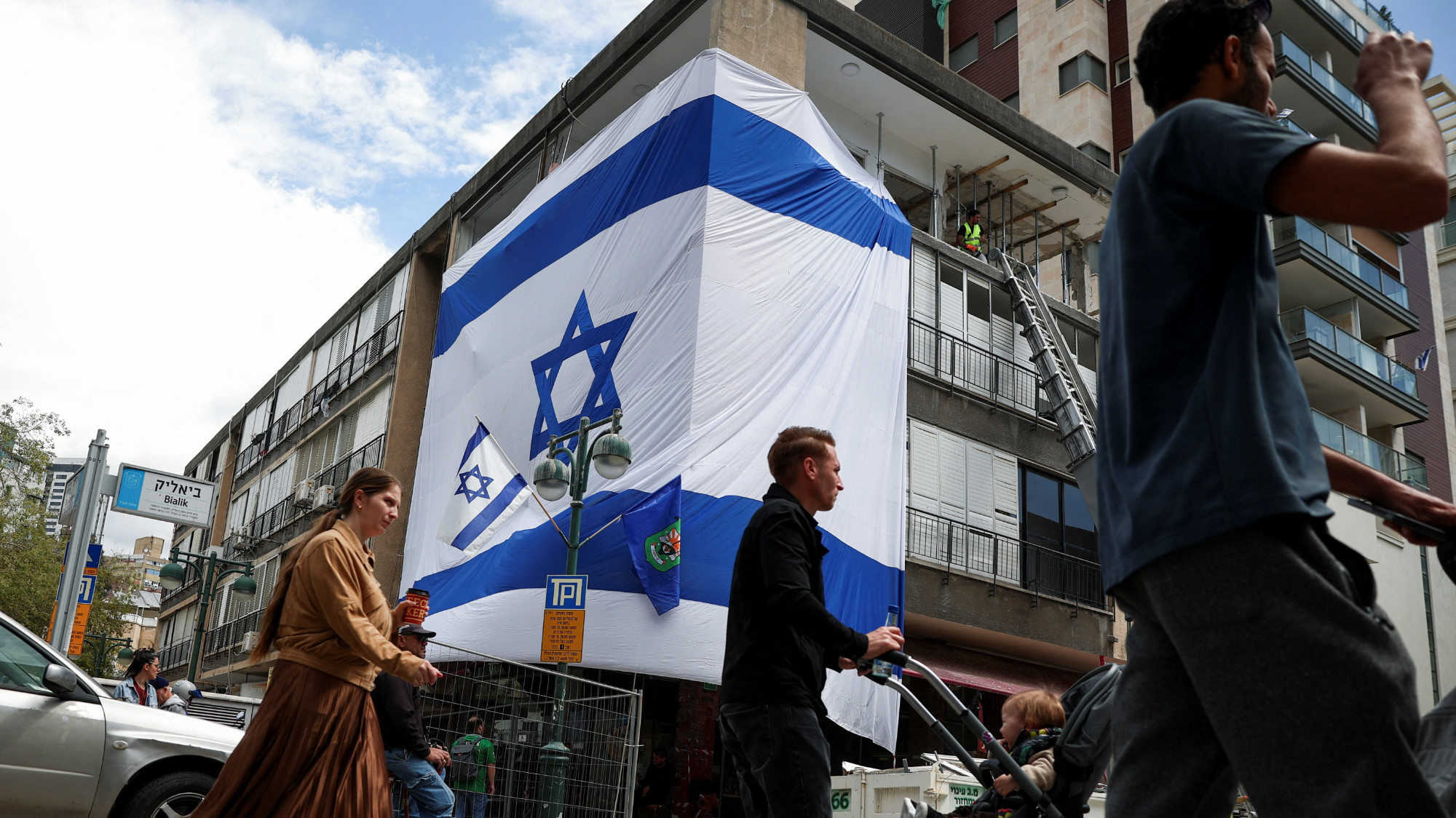
    Amidst the wail of air raid sirens signaling incoming Iranian missiles, an extraordinary scene unfolded deep beneath Tel Aviv’s streets on Monday evening. As the Jewish holiday of Purim commenced, hundreds of young Israelis descended four floors underground into a converted parking garage shelter, defying both the military ban on public gatherings and the ongoing regional tensions through determined celebration.

    The coastal city’s residents, who had been forced to seek protection just as the festive period began, transformed a mall’s basement parking facility into an impromptu celebration space. Participants arrived in full Purim costume—a traditional aspect of the holiday that commemorates the Jewish people’s deliverance from Persian persecution centuries ago. The gathering featured an eclectic mix of characters, from cowboys and Peter Pan to a Pikachu and a flight attendant whose sign read “Tel Aviv-Tehran, status: boarding.”

    At the heart of the celebration stood a rabbi reciting the Megillah, the biblical passage from the Book of Esther traditionally read during Purim. Each mention of the story’s villain, Haman, prompted the customary booing and noise-making from attendees, who then transitioned to drinking and dancing to pop music despite the highly unusual setting.

    The underground location, officially designated as a shelter during projectile attacks, had been emptied of vehicles and instead contained numerous tents where some residents had chosen to take up semi-permanent residence to avoid repeated nighttime dashes to safety during sirens.

    For 28-year-old Maxim Green, who learned about the gathering through his synagogue’s WhatsApp group, the parallel between the ancient Purim narrative and current events was striking. “It’s really crazy that it’s happening at this time, this war,” he observed. “Because it really does have some similarities with the Purim story. You have an evil regime who wants to topple the Jewish people.”

    The celebration represented a complex intersection of tradition, current events, and human resilience. While some rabbis opted for online Megillah readings to comply with military restrictions, others found ways to maintain both religious observance and community spirit in adapted formats.

    Anna Shilanski, 32, who had established a tea station for fellow shelter residents, expressed appreciation for the gathering despite initial surprise at the crowd size. “I’m really happy that people have a place to do this,” she remarked, noting that feeding people during stressful times comes naturally to many.

    The event demonstrated the community’s adaptation to ongoing security challenges, with attendees like 26-year-old tech worker Ethan Cohen participating after spending part of his day volunteering to clean debris from missile impact sites. For older residents like 70-year-old Anat Shamir, sleeping on the opposite side of the parking lot, the discomfort was a necessary price for security, expressing confidence in Israel’s leadership and military response capabilities.

    As the evening progressed, some revelers eventually sought fresh air above ground, emerging from the basement shelter into Tel Aviv’s quiet streets, carrying with them the dual reality of celebration and conflict that has come to characterize daily life during this period.

  • ‘Thank you, madam president’: Melania Trump leads UN Security Council as Iran war rages

    ‘Thank you, madam president’: Melania Trump leads UN Security Council as Iran war rages

    In an unprecedented diplomatic moment, First Lady Melania Trump assumed the gavel to chair a United Nations Security Council session on Monday, marking the United States’ assumption of the body’s rotating monthly presidency. The high-level meeting focused on protecting children in conflict zones, convening as military operations continued between US-Israeli forces and Iranian-backed groups across the Middle East.

    Representatives from all Security Council member nations, including geopolitical rivals China and Russia, assembled for the ceremonial transition of leadership. Mrs. Trump commenced proceedings with a strike of the presidential gavel, acknowledging Britain’s preceding leadership before addressing the chamber.

    ‘To the families who have lost their heroes who sacrifice their lives for freedom, their bravery and dedication will always be remembered,’ stated the First Lady during her remarks. She further articulated that ‘enduring peace will be achieved when knowledge and understanding are fully valued within all our societies,’ emphasizing that educated societies demonstrate greater tendencies toward peaceful coexistence.

    The diplomatic gathering occurred amidst pointed criticism from Iranian Ambassador Amir Saeid Iravani, who characterized the meeting as ‘deeply shameful and hypocritical’ given concurrent military operations. Mrs. Trump responded by affirming that ‘the US stands with all of the children throughout the world,’ expressing hope for future peace without directly addressing regional hostilities.

    Despite underlying tensions, council members extended courteous receptions to the First Lady. Greek Ambassador Aglaia Balta addressed her as ‘madam president,’ while France’s representative drew favorable comparisons to historic first lady and humanitarian Eleanor Roosevelt. Even Russian diplomats participated in diplomatic pleasantries, avoiding mention of Iran during their remarks.

    UN spokesperson Stephane Dujarric confirmed the historic nature of the event, noting this marked the first instance of a presidential spouse presiding over Security Council proceedings. The appearance built upon Mrs. Trump’s previous diplomatic engagements, particularly her advocacy for Ukrainian children displaced during conflict with Russia, which received recognition from UN Under-Secretary-General Rosemary DiCarlo.

    The council session unfolded against deteriorating financial relations between the United States and United Nations. The Trump administration has repeatedly criticized the organization’s effectiveness while withholding significant portions of assessed contributions. Recent months have seen Washington withdraw support from major UN agencies including the World Health Organization while establishing alternative diplomatic frameworks like the ‘Board of Peace’ initiative.

    Although the United States recently allocated $160 million toward the UN’s regular budget after a payment hiatus, outstanding arrears exceeding $4 billion for regular and peacekeeping operations continue to threaten the organization’s financial stability, according to warnings from Secretary-General Antonio Guterres.