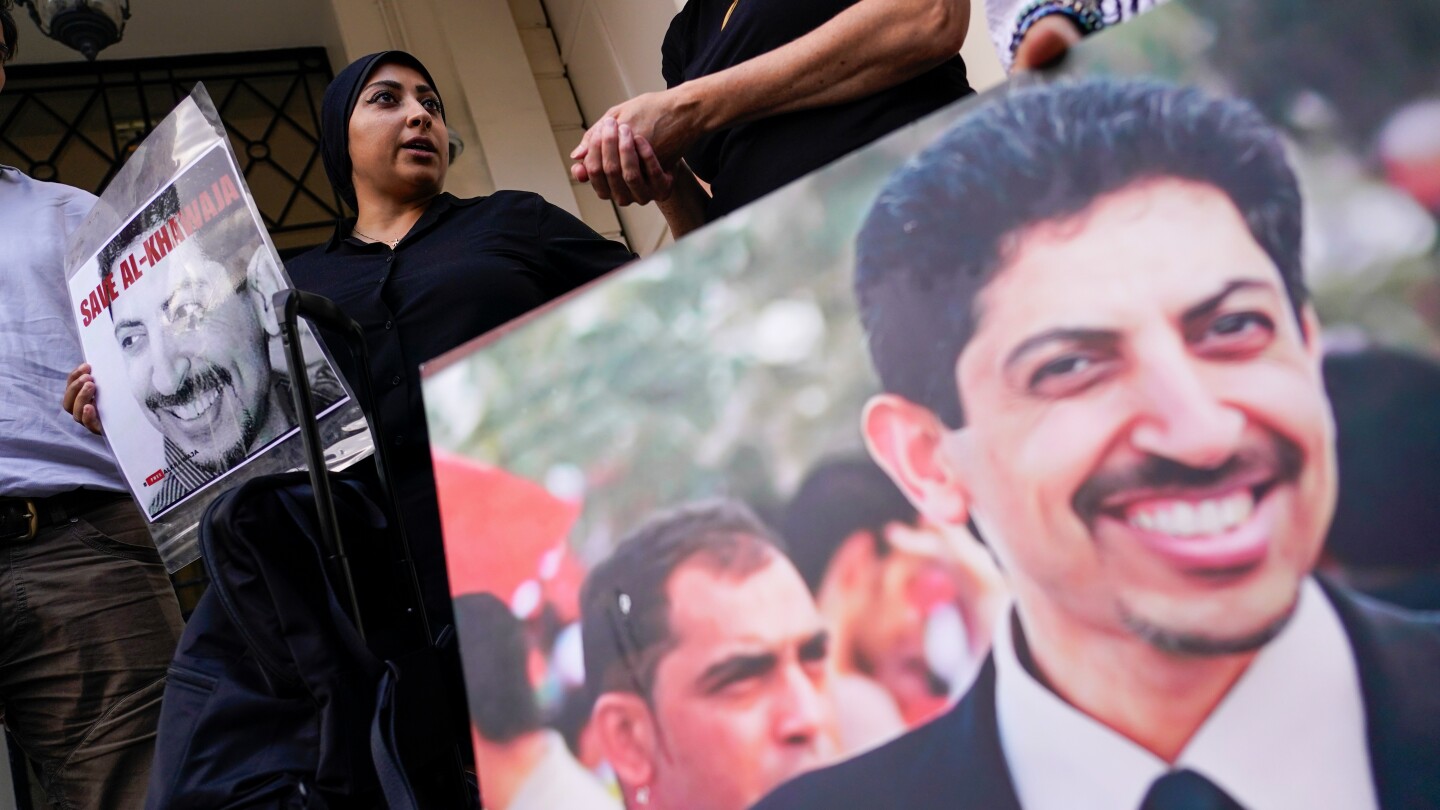
Abdulhadi al-Khawaja, a prominent Bahraini activist imprisoned since the 2011 Arab Spring protests, has initiated an open-ended hunger strike to draw attention to his internationally condemned detention. Al-Khawaja, who also holds Danish citizenship, began the strike on Wednesday while held at the Jaw Rehabilitation and Reform Center in Bahrain. This marks his second hunger strike; his first, in 2012, lasted 110 days. Medical professionals, including Dr. Damian McCormack, have warned that al-Khawaja’s health is precarious, citing his 10-kilogram (22-pound) underweight status and a pre-existing heart condition. McCormack emphasized that any duration of hunger strike poses a high risk of death for the 64-year-old activist. Bahraini authorities have not directly addressed the hunger strike but maintain that prisoners receive fair trials, full rights, and prompt medical care. Al-Khawaja’s detention has been widely criticized by human rights groups and UN experts, who describe it as arbitrary following a life sentence imposed by a military tribunal on terrorism charges. His hunger strike aims to pressure Denmark and the European Union to negotiate his release. The timing coincides with Bahrain’s annual Manama Dialogue, a security summit attracting global leaders. Al-Khawaja, a founder of the Bahrain Center for Human Rights, has long advocated for democratic reforms in the Shiite-majority nation governed by a Sunni ruling family. His activism has made him a symbol of the ongoing struggle for human rights in Bahrain, where unrest persists despite the violent suppression of the 2011 protests.
作者: admin
-
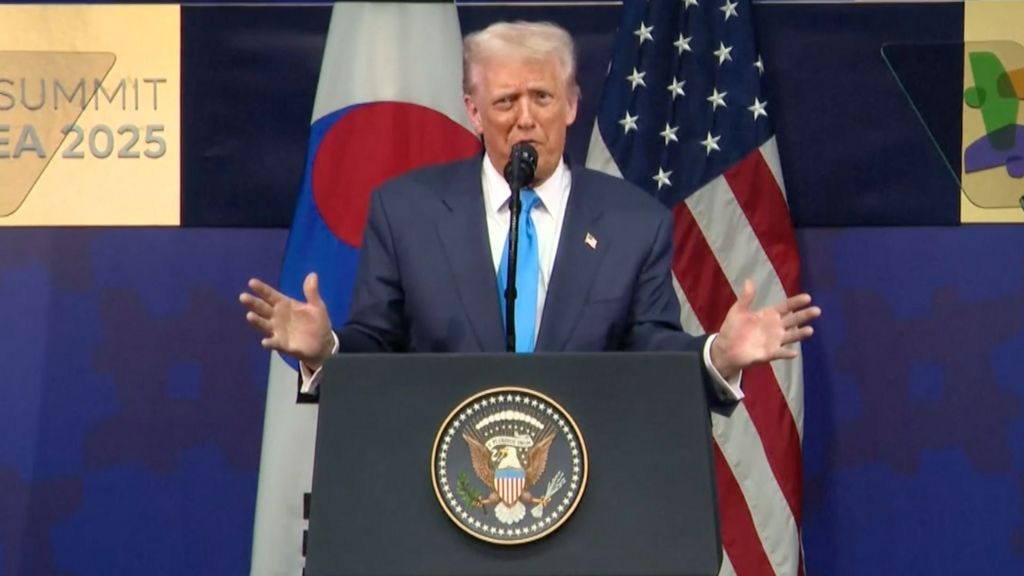
Trump imitates India’s PM Narendra Modi in South Korea
During a recent address in South Korea, former U.S. President Donald Trump impersonated Indian Prime Minister Narendra Modi while recounting his diplomatic engagements during the May 2019 India-Pakistan conflict. Trump’s mimicry, which included imitating Modi’s tone and mannerisms, highlighted the tense geopolitical dynamics between the two South Asian nations. The former president shared anecdotes about his conversations with Modi, emphasizing his role in de-escalating the crisis. This incident underscores the personal rapport Trump often sought to establish with world leaders, even as it drew mixed reactions from audiences. The speech also served as a reminder of the delicate balance of power in the region and the U.S.’s historical involvement in mediating such disputes.
-
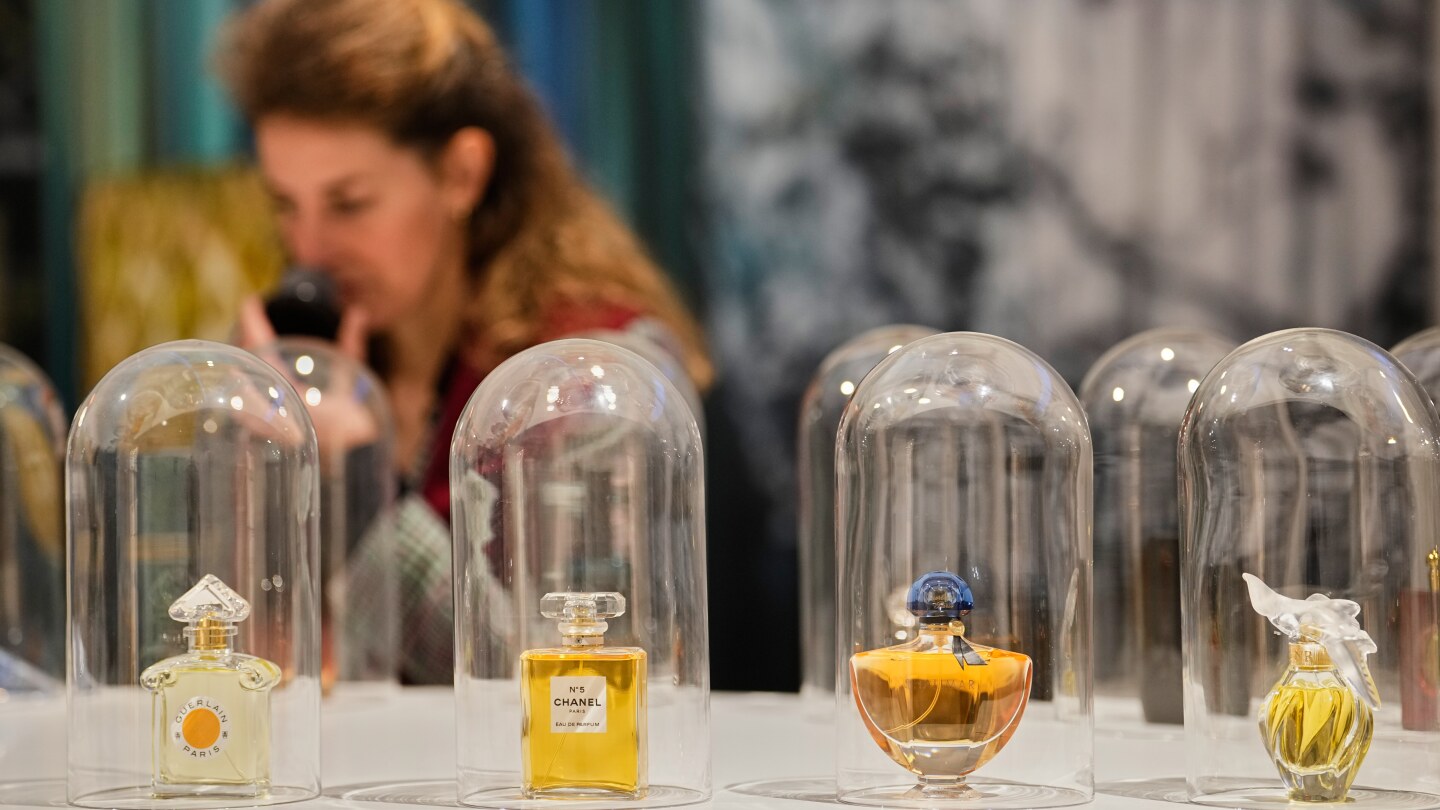
German scents exhibition combines 1,000 years of fragrances with art and history
DÜSSELDORF, Germany — Have you ever imagined the scent of war, the aroma of love, or the pungent odor of medieval Paris? A groundbreaking exhibition in Germany is inviting visitors to embark on a sensory journey through history by exploring 81 distinct fragrances across 37 galleries. Titled ‘The Secret Power of Scents,’ the exhibition, which opened on Wednesday at the Kunstpalast museum in Düsseldorf, seamlessly blends art and olfactory experiences to traverse over 1,000 years of cultural history.
Curated as an experimental exploration, the exhibition encourages visitors to engage with history through their sense of smell. ‘This is an invitation to discover the history of scents with your nose,’ said Felix Krämer, the museum’s director general. The exhibition is organized chronologically, from medieval religious artifacts to contemporary 21st-century art. Each gallery is equipped with scent steles, atomizers, and diffusers to evoke the aromas of specific time periods or cultural contexts.
One gallery immerses visitors in the sacred fragrance of myrrh, used in Christianity, Judaism, and Islam for prayer and purification. In contrast, a World War I-themed gallery releases a jarring blend of gunpowder, blood, and sulfur, eliciting visceral reactions from visitors. ‘Anyone who has experienced war will recognize its brutality in this scent,’ said curator Robert Müller-Grünow, a leading expert in scent technology.
The exhibition also explores the romantic side of history, with a gallery dedicated to Peter Paul Rubens’ 1610 painting ‘Venus and Adonis,’ diffusing the scents of roses and civet, once considered erotic in the 17th century. Meanwhile, the stench of medieval Paris—a mix of canalization, mold, and unwashed bodies—offers a stark contrast.
The 1920s are celebrated with the uplifting aroma of tobacco, vanilla, and leather, accompanying Gert Wollheim’s 1924 painting ‘Farewell from Düsseldorf,’ which symbolizes the liberation of women. Modern art is represented through scents reminiscent of global brands like Coca-Cola and Eurowings, alongside contemporary fragrances like ‘Iso E Super,’ a velvety, cedarwood-like scent designed to enhance attractiveness.
Running through March 8, the exhibition has captivated visitors like Kirsten Gnoth, who described the experience as ‘completely new and exciting.’ By combining art with scents, the exhibition offers a unique and immersive way to explore history.
-
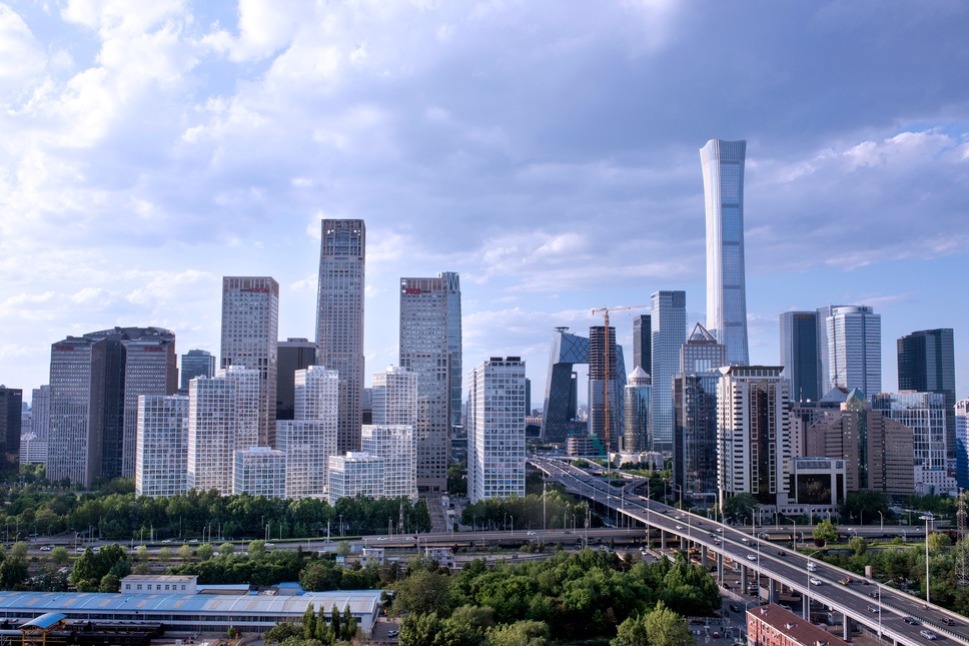
Xi highlights key role of 15th Five-Year Plan
Chinese President Xi Jinping has underscored the pivotal role of the 15th Five-Year Plan (2026-2030) in steering China toward sustained and robust development, laying a solid foundation for achieving socialist modernization by 2035. Speaking at the fourth plenary session of the 20th CPC Central Committee, Xi emphasized that the plan is a strategic blueprint for China’s economic and social progress over the next five years. The recommendations, adopted at the plenum, were made public on Tuesday, outlining a comprehensive framework for high-quality development, technological innovation, and green transformation. Xi highlighted the importance of systems thinking, deepening reforms, and expanding openness to the world. The drafting process, led by Xi, involved extensive research, public consultation, and intra-Party collaboration, reflecting a commitment to democratic decision-making. Experts and international observers have lauded the plan as a critical step toward China’s second centenary goal of becoming a modern socialist powerhouse by 2049.
-
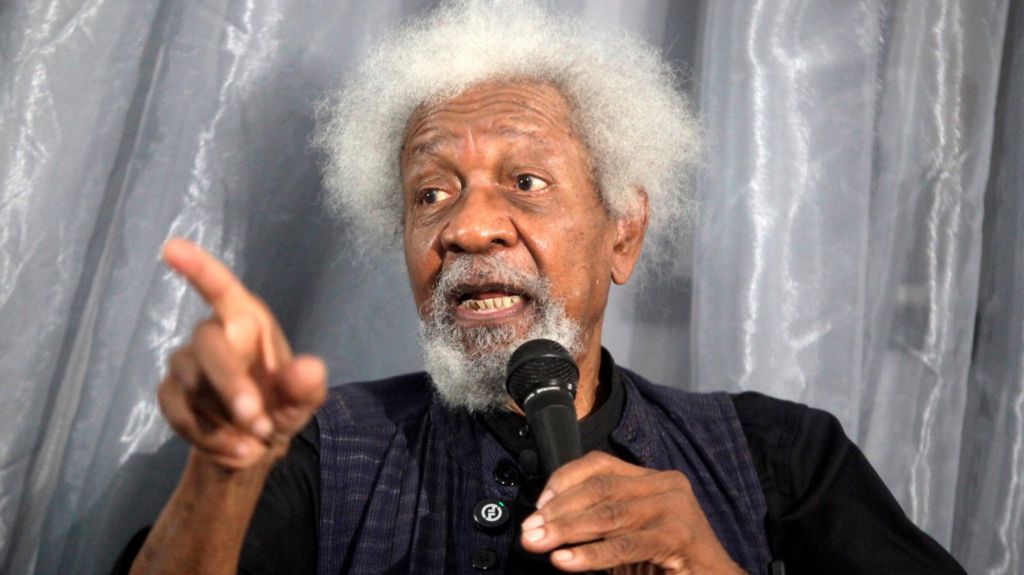
Nigerian Nobel laureate Wole Soyinka says US revoked his visa
Nigerian Nobel Prize-winning author Wole Soyinka has revealed that the United States revoked his visa and imposed a travel ban on him. The 91-year-old literary icon, who was awarded the Nobel Prize in Literature in 1986, disclosed that the US consulate requested his passport to cancel his visa in person, citing unspecified new information. Soyinka described the invitation as a “rather curious love letter from an embassy” during a press conference on Tuesday. He advised organizations planning to invite him to the US to “not waste their time.” The US Embassy in Nigeria declined to comment on individual cases. Soyinka, who previously held US permanent residency, famously tore up his green card in 2016 to protest Donald Trump’s election. He humorously remarked that the card had “fallen between the fingers of a pair of scissors and got cut into pieces.” Soyinka has been a vocal critic of Trump’s immigration policies, linking the visa revocation to his outspoken remarks. He recently compared Trump to Uganda’s infamous dictator Idi Amin, calling him “Idi Amin in white face.” When asked if he would return to the US, Soyinka quipped, “How old am I?” The US State Department recently tightened visa policies for Nigeria and several other African countries, reducing validity periods significantly.
-
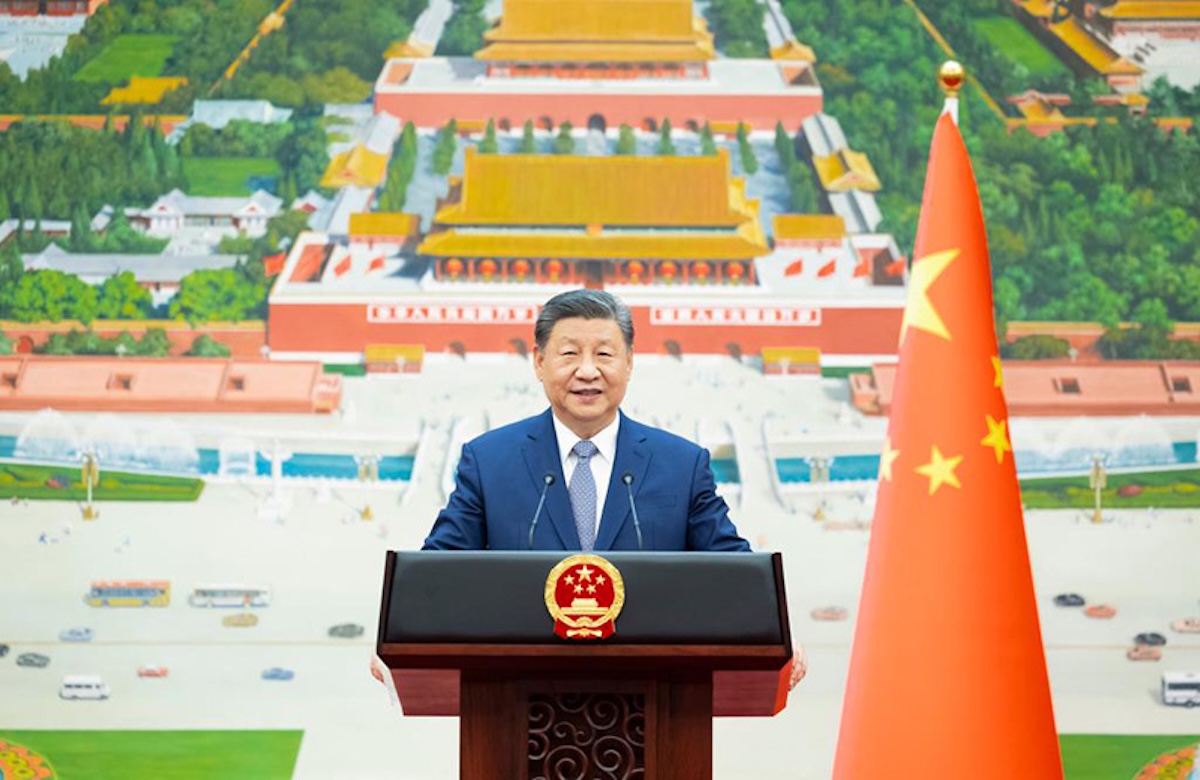
China’s hard-won strategic lead over the US: Can Xi make it last?
The upcoming US-China summit in Korea marks a pivotal moment in international diplomacy, as it will be the first time the People’s Republic of China (PRC) holds a strategic advantage over the United States. This shift is largely attributed to President Xi Jinping’s consolidation of power domestically and China’s dominance in the global rare earth elements market, which accounts for 70% of the world’s supply and 90% of its processing. These resources are critical for electronics manufacturing, giving China significant leverage in global industrial production. This strategic edge has brought Taiwan’s reunification closer than ever, further strengthening Beijing’s position on the global stage. Historically, the US has faced similar challenges, such as the oil crisis in the 1970s and Japan’s technological rise in the 1980s, but it remains uncertain whether China will follow the same trajectory. Domestically, Xi has overseen the largest purge in the history of the People’s Liberation Army (PLA), consolidating his authority and addressing systemic corruption. His leadership has reshaped China’s decision-making processes, drawing inspiration from both imperial history and Soviet-era governance. However, challenges remain, including bureaucratic inertia and the need to balance internal and external pressures. As China navigates these complexities, the outcome of the US-China summit will be a critical indicator of Beijing’s ability to maintain its strategic advantage in the years to come.
-

Amazon to cut about 14,000 corporate jobs amid AI-focused restructuring
In a significant move to streamline operations and focus on artificial intelligence (AI), Amazon has announced plans to cut approximately 14,000 corporate jobs globally. This decision, revealed on Tuesday, October 28, 2025, marks the e-commerce giant’s second-largest workforce reduction, following the 22,000 job cuts in 2022. The restructuring aims to eliminate bureaucracy and reallocate resources toward AI-driven innovations, which Amazon views as transformative for its future growth. Beth Galetti, Amazon’s senior vice president of people experience and technology, emphasized in a memo to employees that the company seeks to become ‘even stronger’ by investing in its ‘biggest bets,’ particularly AI. CEO Andy Jassy had previously indicated in June that the integration of generative AI tools would reduce the need for certain roles while creating new opportunities in other areas. The layoffs reflect Amazon’s strategic pivot to leverage AI for operational efficiency and market innovation.
-

‘My hopes are dashed’: Illegal Indian migrants deported by US speak to BBC
In a recent wave of deportations under the Trump administration’s intensified crackdown on illegal immigration, several Indian migrant workers have returned home with tales of hardship, humiliation, and broken aspirations. At least 54 men, aged between 25 and 40, arrived in Delhi on Sunday after being deported from the United States. Hailing from the northern state of Haryana, these individuals had entered the US via the notorious ‘donkey route,’ a perilous pathway often exploited by human traffickers to facilitate illegal border crossings. The Indian government has yet to comment on the deportations, which are part of a broader effort by the US to curb illegal immigration, with over 2,400 Indians deported this year alone. Many of these migrants, driven by the hope of a better life, sold land or took loans to fund their journeys, only to face arrest, detention, and eventual deportation. Among them is Harjinder Singh, a farmer who spent 3.5 million rupees to reach the US four years ago, working as a cook to support his family. ‘My hopes have been dashed,’ Singh lamented, recounting the humiliation he endured during the deportation process. Another deportee, Naresh Kumar, sold his land and paid 5.7 million rupees to agents, only to spend 14 months in US custody before being sent back. The ‘donkey route,’ also known as the ‘dunki route,’ involves treacherous journeys across multiple borders, often requiring migrants to endure dangerous treks through jungles and rely on various modes of transport. Despite the hardships, none of the deportees have filed formal complaints against the agents who arranged their journeys, though authorities have pledged to take action if complaints are received. The Indian government has emphasized its efforts to raise awareness about safe and legal migration, with Prime Minister Narendra Modi highlighting the vulnerability of young Indians lured by false promises. According to India’s foreign ministry, 2,417 Indians were deported from the US between January and September 2025. This recent wave of deportations has drawn attention to the plight of undocumented Indian immigrants, who constitute the third-largest group of undocumented immigrants in the US, after those from Mexico and El Salvador.
-
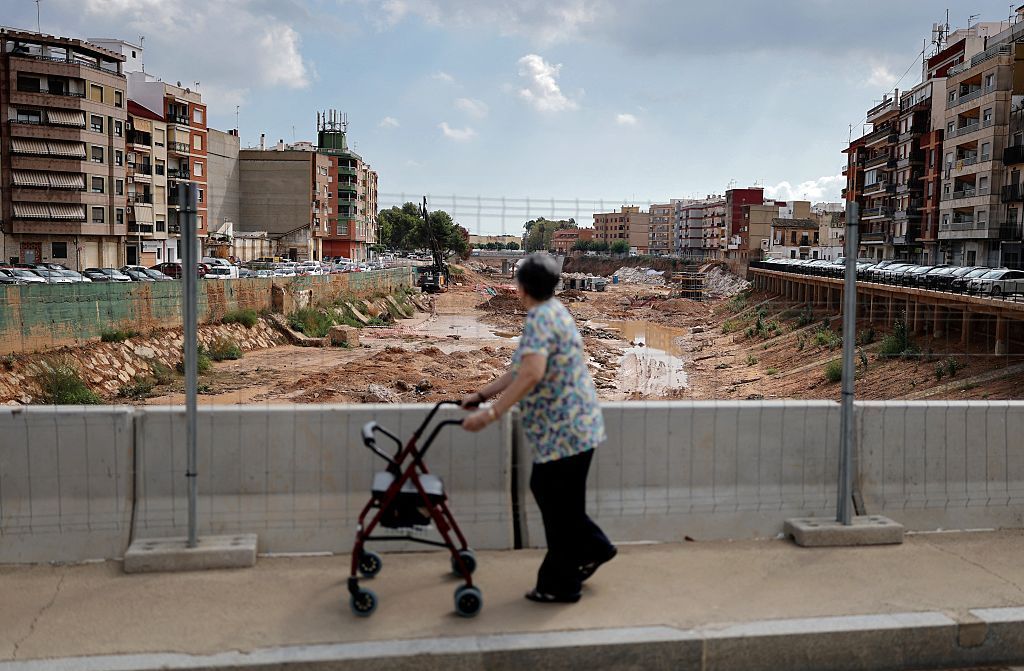
Angry Spaniards still demand answers a year after Valencia’s deadly floods
On 29 October 2024, eastern Spain was struck by catastrophic floods, known as the Dana, which claimed the lives of 237 people across the Valencia region and neighboring areas. The disaster, the worst of its kind in decades, left an indelible mark on communities such as Benetússer and Paiporta, where entire families were swept away by the torrential waters. Toñi García, a resident of Benetússer, tragically lost her husband, Miguel, and their 24-year-old daughter, Sara, when floodwaters engulfed their home’s basement. ‘They didn’t reach the garage door,’ she recalls, ‘because it was so much water, so many metres deep.’ A year later, the region continues to grieve, with a state memorial service attended by King Felipe VI and Prime Minister Pedro Sánchez. The emotional scars remain, particularly among children, with nearly a third still experiencing fear of rain and loud noises, according to Save the Children. Despite significant progress in reconstruction, questions linger about the handling of the crisis. The regional government’s delayed emergency alarm, issued after 20:00 on the day of the floods, has drawn widespread criticism. Regional President Carlos Mazón’s actions during the disaster, including a lengthy lunch with a journalist, have fueled public outrage. Tens of thousands protested in Valencia, demanding his resignation. Mazón, supported by the far-right Vox party, has defied calls to step down, blaming the central government for insufficient support. A judicial inquiry into possible negligence is ongoing, with Mazón set to face a parliamentary commission later this month. As Valencia rebuilds, the threat of future weather events looms large, prompting calls for improved preparedness and resilience.
-
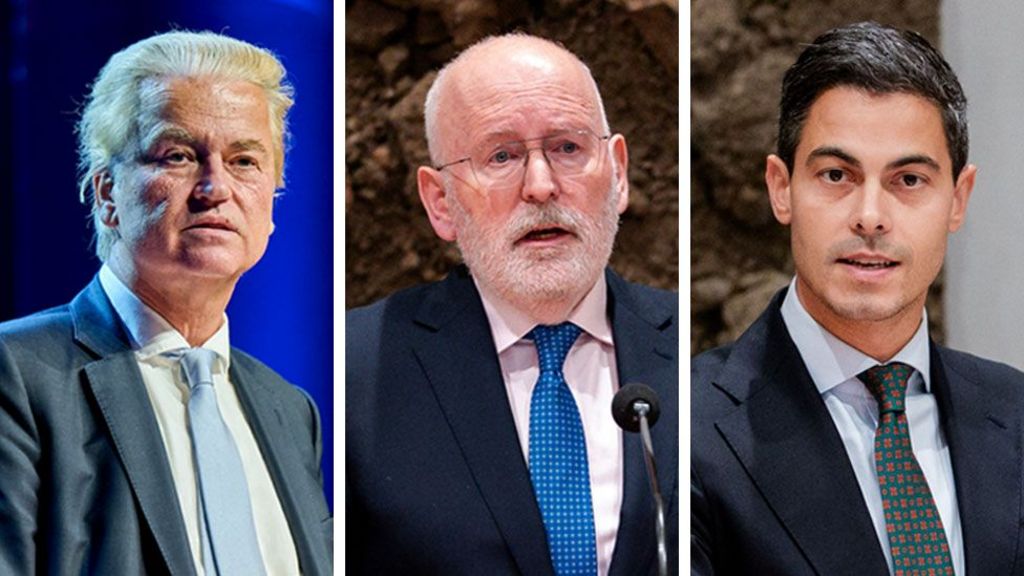
Tight race in Dutch election as anti-Islam populist Wilders’ hope of power declines
The Netherlands is on the brink of a pivotal election as Geert Wilders’ anti-Islam Freedom Party (PVV) faces a fierce challenge from left-leader Frans Timmermans and liberal Rob Jetten. Despite Wilders’ victory in the 2023 elections, his prospects of forming a government appear slim this time around. Opinion polls indicate a decline in his support, with Dutch voters grappling with pressing issues such as a chronic housing shortage, rising living costs, and overcrowded asylum centers. Unlike the previous election, Wilders’ rivals are refusing to collaborate with him after he dissolved his own coalition government in June 2024. The election, which commenced at 07:30 local time on Wednesday, is marked by uncertainty, with over a third of voters undecided. Analysts suggest that the second-place finisher could play a decisive role in forming the next government, likely from the center-left or center-right. Wilders’ controversial stance on immigration and Islam, coupled with internal party issues, has alienated both radical and moderate voters. Meanwhile, Timmermans and Jetten have prioritized addressing the housing crisis, with promises of significant construction projects. Unemployment, though low by European standards, has risen to 4%, the highest in four years, fueling voter anxiety. As the Dutch electorate seeks stability, the election outcome could signal a shift away from populism towards more traditional governance.