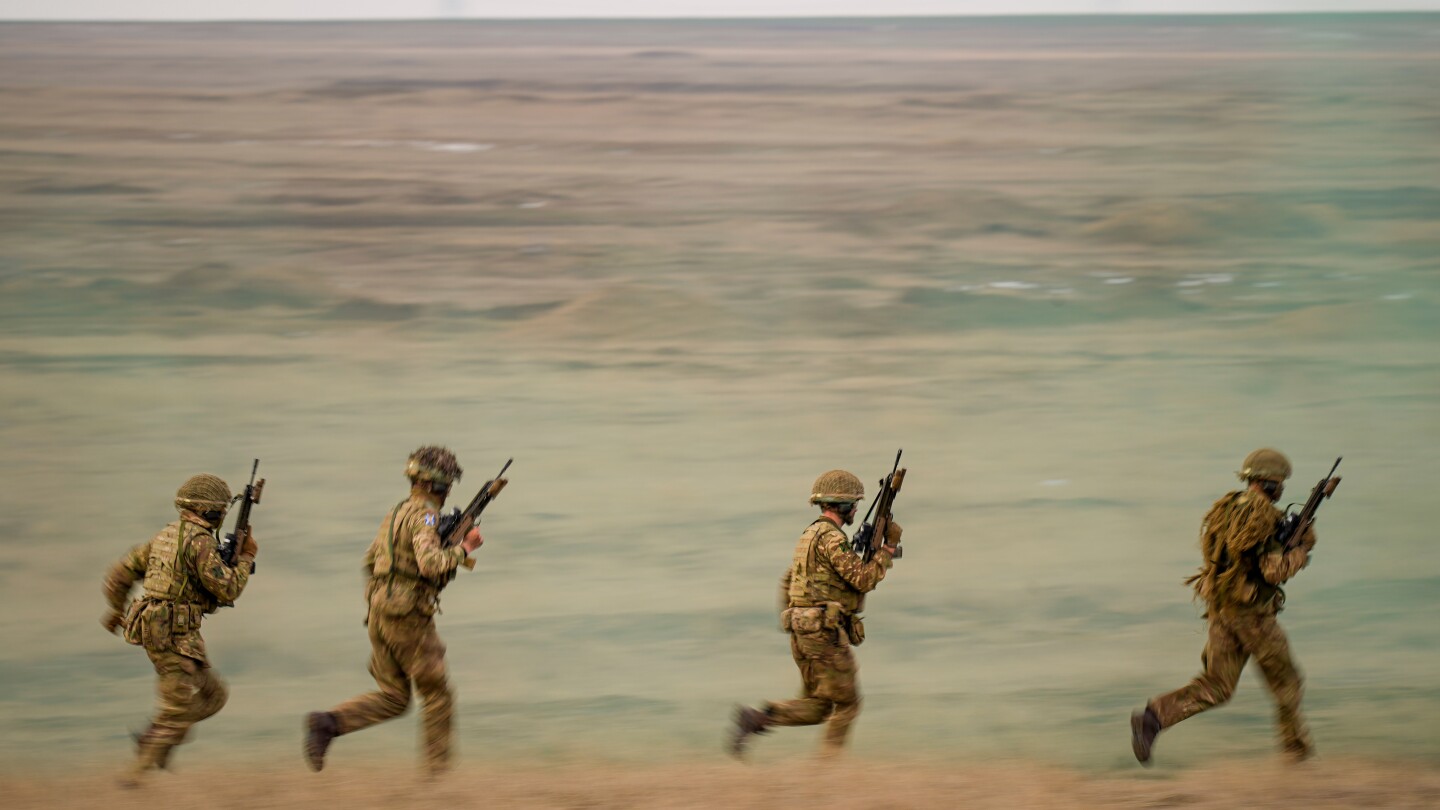
The United States has announced plans to scale back its military presence along Europe’s eastern border with Ukraine, signaling a strategic pivot toward other global security priorities. Romania’s defense ministry confirmed the decision on Wednesday, noting that the rotation of a U.S. brigade with elements stationed across several NATO countries, including Romania, will cease. While approximately 1,000 U.S. troops will remain in Romania, this marks a reduction from the 1,700 personnel deployed there as of April. A brigade typically comprises 1,500 to 3,000 troops. The move reflects Washington’s increasing focus on the Indo-Pacific region, according to Romanian Defense Minister Ionut Mosteanu, who emphasized that allied troop numbers in Europe will still exceed pre-2022 levels, when Russia launched its full-scale invasion of Ukraine. NATO has been strengthening its defensive posture on its eastern flank, deploying additional multinational battle groups to Romania, Hungary, Bulgaria, and Slovakia. A NATO official, speaking anonymously, downplayed concerns, stating that U.S. force adjustments are routine and that the American military presence in Europe remains significantly larger than in previous years. The official added that NATO and U.S. authorities are closely coordinating to maintain robust deterrence and defense capabilities.
作者: admin
-
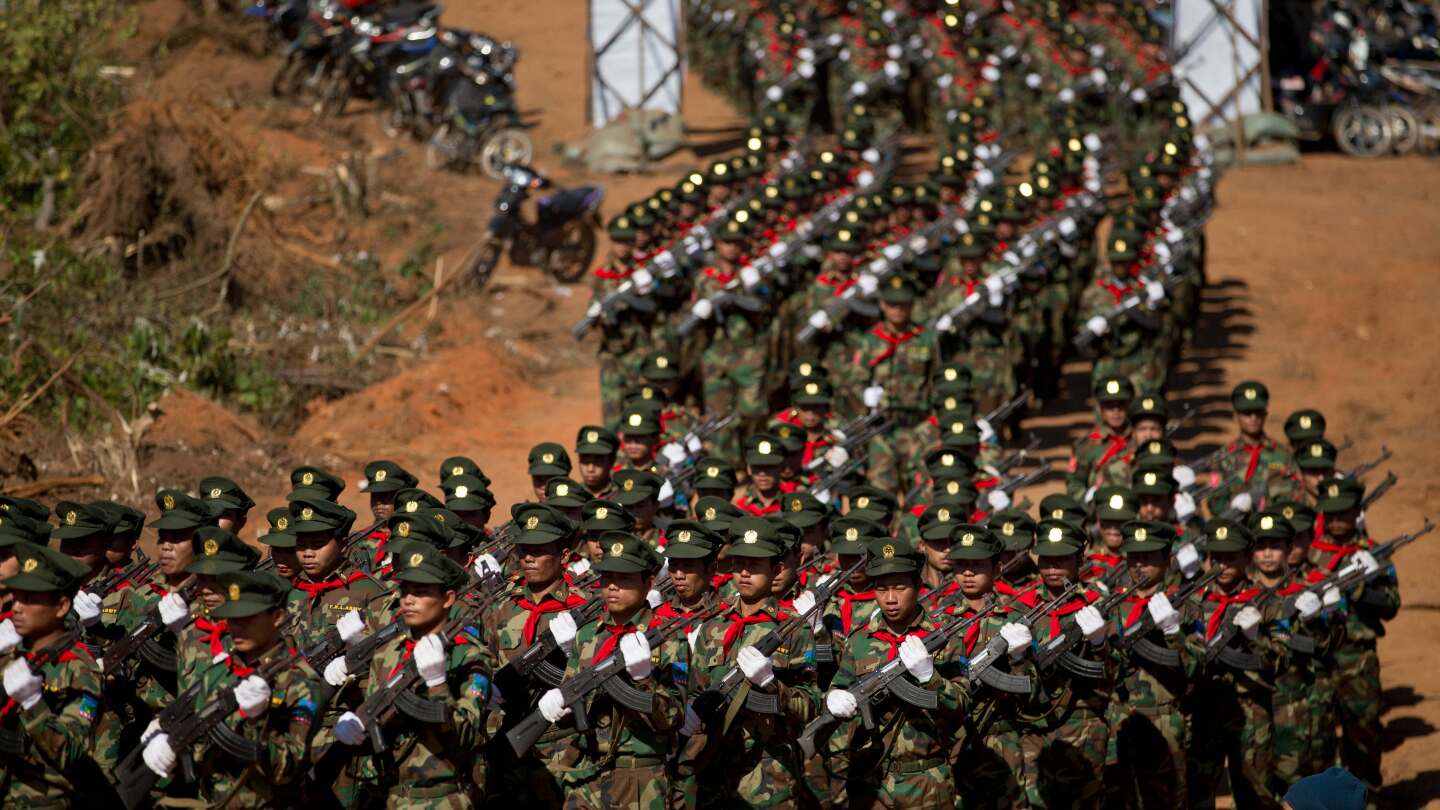
Myanmar rebels sign ceasefire with military after China-mediated talks
In a significant development aimed at reducing hostilities, the Ta’ang National Liberation Army (TNLA), a prominent ethnic rebel group in Myanmar, announced a ceasefire agreement with the country’s military government. The truce, mediated by China, was finalized during talks held in Kunming, a Chinese city near the Myanmar border, on Monday and Tuesday. This marks a pivotal moment in the ongoing conflict in Myanmar’s northeastern region, which has been plagued by intense fighting for months.
-
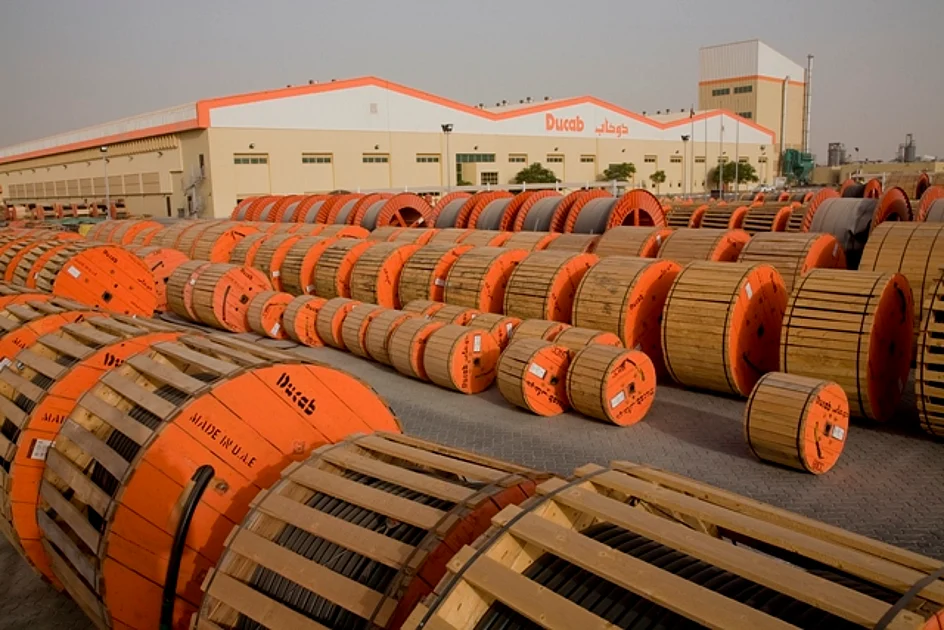
Middle East wires & cables market set for $32b surge on infrastructure boom
The Middle East’s wires and cables market is poised for significant growth, with projections indicating a surge from $23 billion to over $32 billion within the next five years. This expansion is fueled by a robust infrastructure boom, encompassing real estate, renewable energy, industrial development, and electrification initiatives across the region. The UAE and Saudi Arabia are leading this charge, with the UAE accelerating advancements in real estate, clean energy, and manufacturing, while Saudi Arabia’s mega-projects like NEOM, The Line, and Qiddiya are driving unprecedented demand for power cables and specialized conductors. The International Energy Agency underscores the importance of grid modernization and transmission upgrades in achieving the region’s renewable energy goals, further boosting the need for high-performance cables. Globally, the wires and cables sector is expected to reach $281 billion by 2030, growing at an annual rate of 4.1%, driven by urbanization and the energy transition. In the Gulf, investments are even more substantial, with $147 billion in construction projects underway and $60 billion earmarked for renewable energy over the next five years. Additionally, rail and transport upgrades could require over $6.6 billion by 2033, while charging infrastructure and e-mobility development may attract between $10 billion and $20 billion. Regional manufacturers like Ducab in the UAE and Bahra Electric in Saudi Arabia are expanding their capacity and product lines to meet the rising demand for specialized cables used in solar plants, offshore wind farms, hydrogen projects, high-voltage transmission corridors, and smart mobility systems. Industry leaders emphasize the importance of higher safety standards, fire-resistant materials, efficiency gains, and sustainability certifications. Daniel Ryfisch, project director at Messe Dusseldorf, highlights the Middle East’s wires and cables sector as being on the cusp of a decade-long expansion, driven by ongoing energy transition efforts, electrification, and large-scale urban development. Manufacturers are not only scaling production for domestic markets but also expanding their export reach into Africa, Asia, and Europe. Several leading Gulf producers are set to participate in the wire & Tube trade fairs in Düsseldorf in April 2026, which will serve as a global networking and sourcing platform.
-
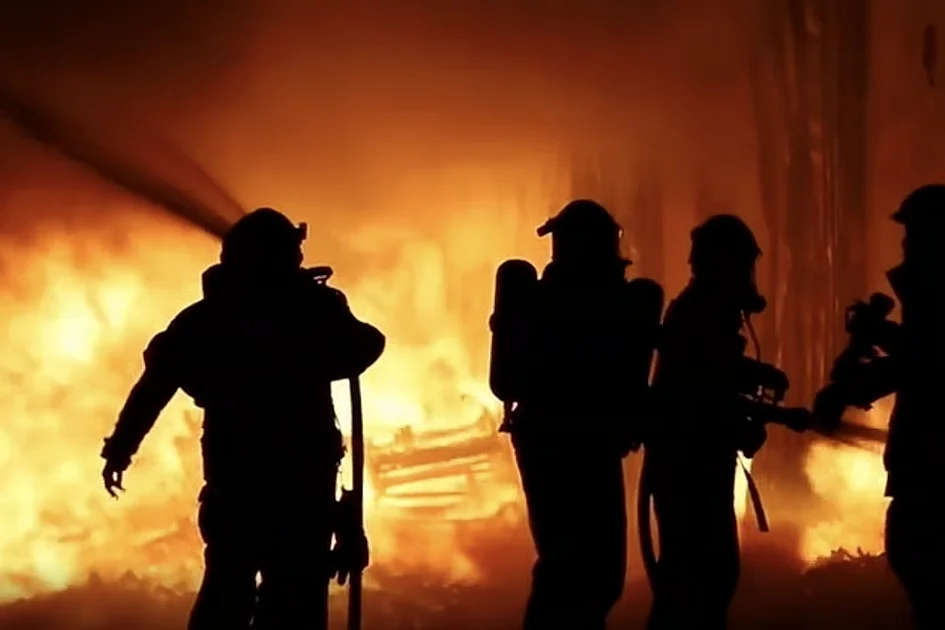
Abu Dhabi authorities bring fire under control after blaze at Musaffah industrial area
A significant fire erupted in the Musaffah Industrial Area of Abu Dhabi on the evening of Tuesday, October 28, 2025, prompting an immediate response from local authorities. Abu Dhabi Police, in collaboration with the Abu Dhabi Civil Defence Authority, swiftly mobilized to combat the blaze, which had engulfed several commercial shops. Through coordinated efforts, the fire was successfully brought under control, and subsequent cooling and smoke extraction operations were initiated to ensure the area’s safety. Authorities confirmed that no injuries or casualties were reported during the incident. In a statement shared on social media platform X, officials urged residents to rely solely on official government sources for accurate information. This incident follows a similar fire in the same industrial area last month, which was also promptly managed by emergency teams. The quick and efficient response highlights the preparedness and effectiveness of Abu Dhabi’s emergency services in handling such crises.
-
Police fire teargas as protests erupt during Tanzania election
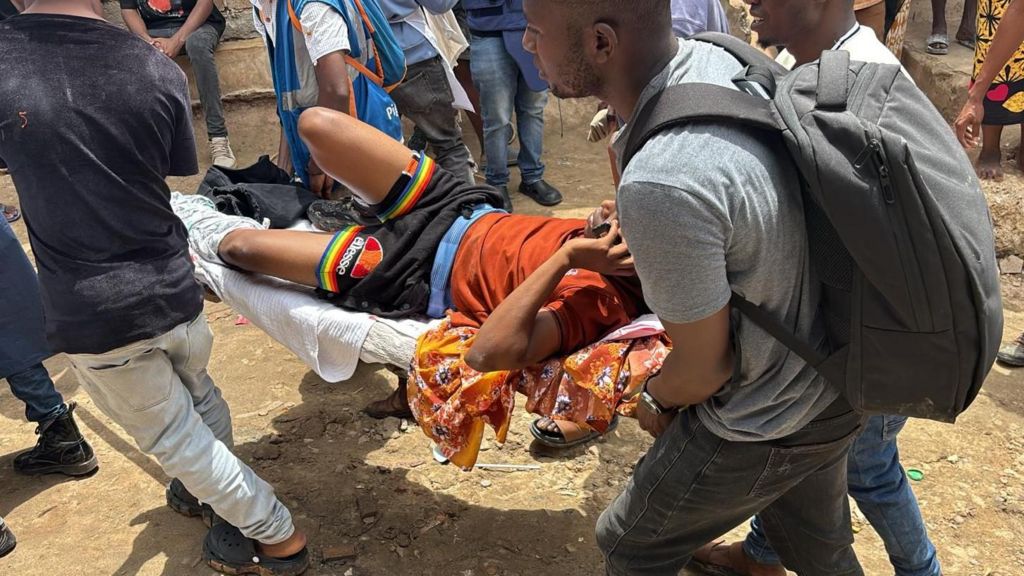
Tanzania’s general election has been overshadowed by controversy, as opposition supporters took to the streets of Dar es Salaam to protest against what they claim is an undemocratic process. Police responded by firing tear gas to disperse the crowds, resulting in several injuries. The election, widely expected to secure a second term for President Samia Suluhu and her ruling party, Chama Cha Mapinduzi (CCM), has been boycotted by the main opposition party, whose leader is currently jailed on treason charges. Reports indicate low voter turnout in Dar es Salaam, with many citizens expressing concerns over safety. Despite assurances from police that there is no threat to public safety, the atmosphere remains tense. Over 37 million registered voters are eligible to cast ballots in the presidential and parliamentary elections, but the absence of significant opposition has led critics to label the process as a ‘coronation rather than a contest.’ Rights groups, including Amnesty International, have condemned the government for alleged repression, citing enforced disappearances, torture, and extrajudicial killings of opposition figures. The government has denied these claims, insisting the election is free and fair. President Samia, Tanzania’s first female president, initially gained praise for easing political repression but has since faced criticism for narrowing the political space and targeting critics. The electoral body is expected to announce results within three days.
-

Messages in a bottle from WWI soldiers found on Australian coast
In a remarkable discovery, two messages in a bottle written by Australian soldiers during World War I have been found on the south-western coast of Australia, more than a century after they were penned. The letters, written in 1916 by Privates Malcolm Neville and William Harley, were unearthed earlier this month on Wharton Beach near Esperance, Western Australia, by local resident Deb Brown and her family. The Browns, who regularly clean up litter on the beach during their quad bike trips, spotted the thick glass bottle partially buried in the sand. Despite the paper being wet, the messages remained legible. The cheerful notes were written just days into the soldiers’ voyage to the battlefields of France. Private Neville, who was killed in action at the age of 28, wrote to his mother, describing the food on board as ‘real good’ and expressing his happiness. Private Harley, who survived the war and returned home, addressed his letter to whoever might find the bottle, as his mother had already passed away. Ms. Brown, determined to return the letters to the soldiers’ descendants, successfully traced Private Neville’s great-nephew, Herbie Neville, through online research. The discovery has deeply moved the families, particularly Private Neville’s 101-year-old niece, Marian Davies, who remembers her uncle leaving for war and never returning. Private Harley’s granddaughter, Ann Turner, described the find as a ‘miracle,’ feeling as though her grandfather had reached out from the grave. An oceanography professor suggested the bottle may have been in the water for only a few weeks before washing ashore, where it likely remained buried for a century. The letters, now in the hands of the soldiers’ descendants, serve as a poignant reminder of the personal stories behind the global conflict of World War I.
-
Nigeria’s Nobel-winning author Wole Soyinka says his US visa was revoked
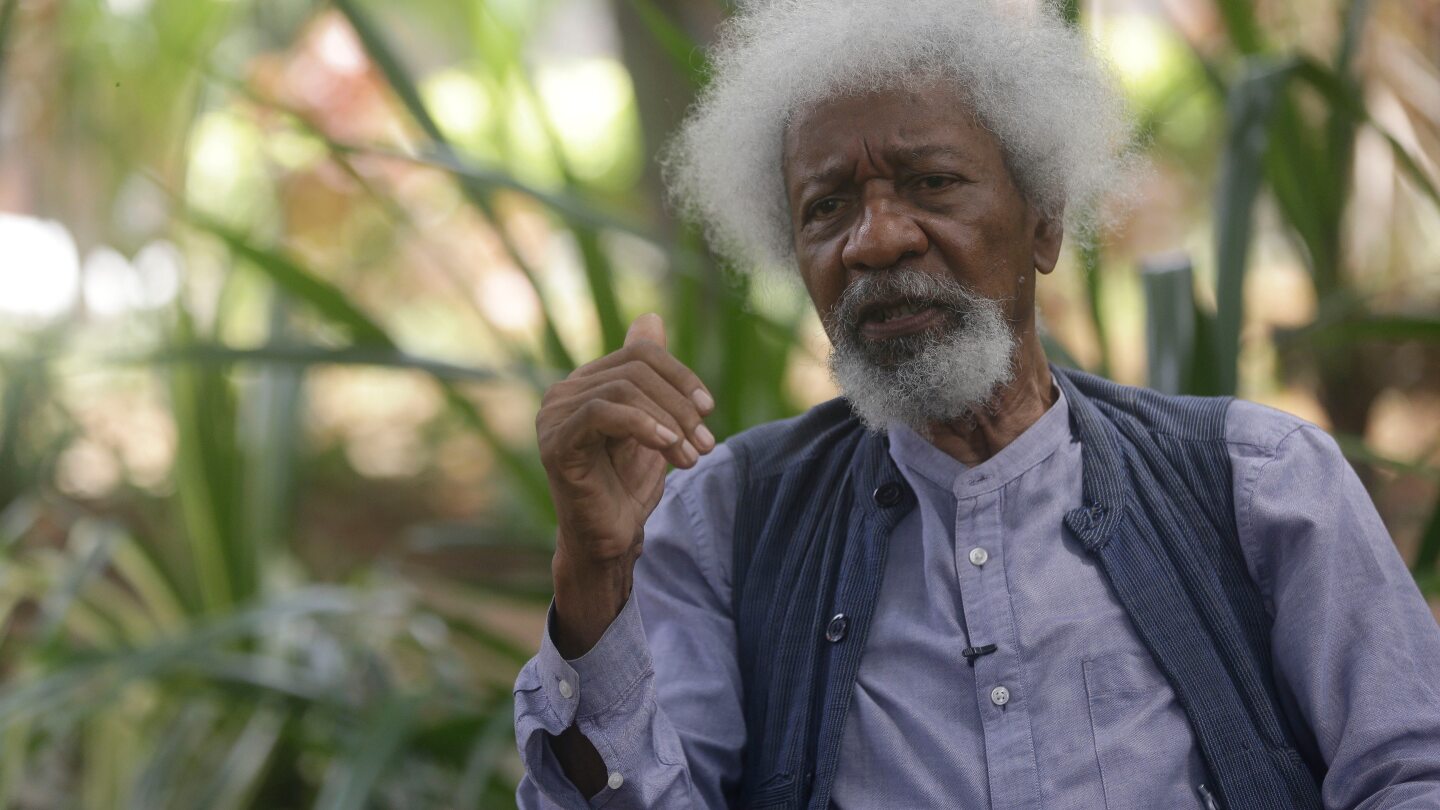
Renowned Nigerian author and Nobel Prize laureate Wole Soyinka revealed on Tuesday that his non-resident visa to the United States had been revoked, suggesting that his recent criticism of former U.S. President Donald Trump might be the reason behind the decision. Soyinka, who became the first African to win the Nobel Prize in Literature in 1986, expressed his belief that the visa denial was less about him personally and more a reflection of broader U.S. immigration policies. The 91-year-old author, who has previously held a green card and taught in the U.S., humorously recounted how his green card ‘had an accident’ eight years ago when he destroyed it in protest of Trump’s inauguration. Soyinka stated that he has no intention of reapplying for a visa, emphasizing the principle of human dignity. The U.S. Consulate in Lagos referred inquiries to the State Department, which has yet to comment on the matter.
-
US will reduce its troops on Nato’s eastern flank, Romania says
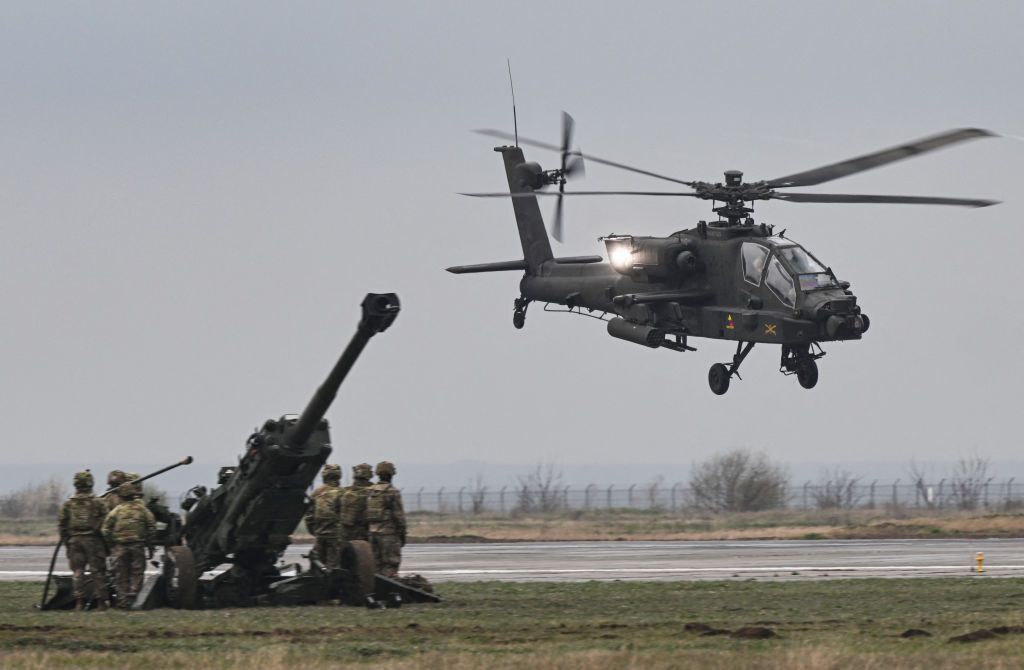
The Romanian Ministry of Defence has announced that the United States plans to reduce its military presence on NATO’s eastern flank, with approximately 900 to 1,000 American troops remaining in Romania, down from the previous 1,700. This decision, described as ‘expected,’ aligns with the Trump administration’s strategic pivot towards the Indo-Pacific region. Defence Minister Ionut Mosteanu revealed that US Defence Secretary Pete Hegseth recently emphasized the need for European nations to bolster their own defence capabilities. A US brigade stationed at the Mihai Kogalniceanu airbase, which is set to become NATO’s largest in Europe, will be rotated out and not replaced. This brigade has elements across Bulgaria, Romania, Slovakia, and Hungary, though it remains unclear whether US troops will also be withdrawn from these countries. Polish Defence Minister Wladyslaw Kosiniak-Kamysz stated that Warsaw has ‘no information’ about potential troop reductions on its soil. The Pentagon has yet to comment on the matter. Meanwhile, the US military presence at Romania’s Deveselu and Campia Turzii bases will remain unchanged. President Donald Trump has consistently advocated for European NATO members to assume greater responsibility for their defence, reflecting his administration’s broader strategic realignment. However, the troop reduction has raised concerns among Eastern European nations, many of which perceive a persistent threat from Russia. A NATO official reassured that Washington’s commitment to the alliance remains ‘clear,’ noting that such adjustments are ‘not unusual.’ The official highlighted that the US military presence in Europe is still significantly larger than in previous years, with over 100,000 personnel deployed as of late last year. This announcement follows NATO’s recent establishment of the Eastern Sentry mission, aimed at enhancing vigilance along the eastern flank. The decision was prompted by several incidents, including Russian drones entering Polish and Romanian airspace, and Russian warplanes violating Estonian airspace.
-
Trump defends Israel’s strikes on Gaza, says ‘should hit back’ if soldiers are killed
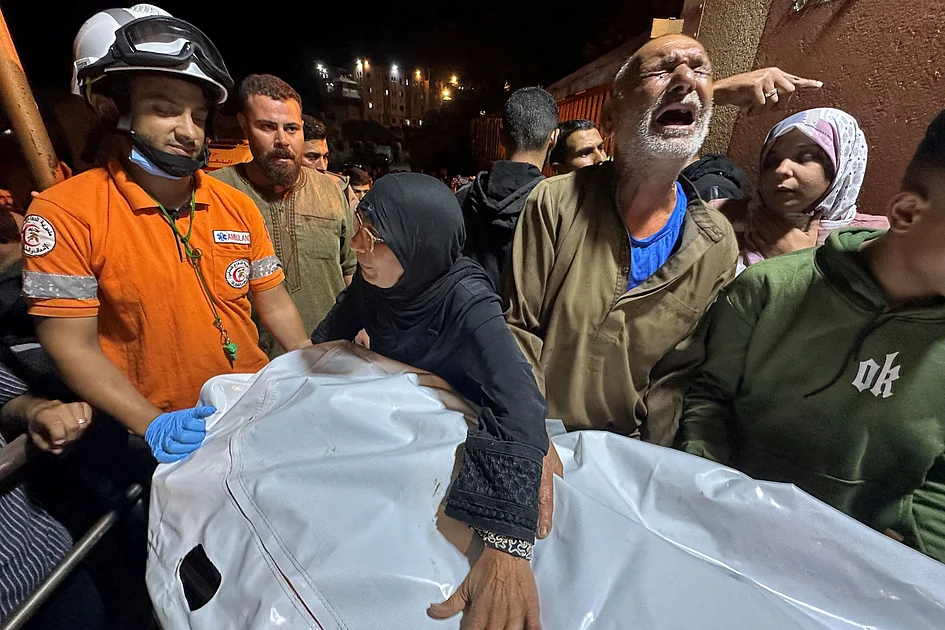
US President Donald Trump has defended Israel’s recent air strikes on Gaza, stating that Israel ‘should hit back’ if its soldiers are killed. The strikes, which resulted in at least 38 fatalities according to Gaza’s civil defence agency, were ordered by Israeli Prime Minister Benjamin Netanyahu after Hamas was accused of violating the fragile ceasefire. Hamas, however, denied the allegations and reaffirmed its commitment to the US-brokered truce. Trump emphasized that ‘nothing was going to jeopardise’ the ceasefire, even as tensions escalated. The conflict, which began with Hamas’s October 2023 attack on Israel, has already claimed thousands of lives. Despite the ceasefire, the situation remains precarious, with both sides accusing each other of breaching the agreement. The return of hostages’ bodies has become a contentious issue, with Hamas claiming it needs more time to locate the remains buried under Gaza’s war-torn landscape. Meanwhile, US Vice President JD Vance expressed confidence that the ceasefire would hold, despite the ongoing ‘skirmishes.’ On the ground, Gaza residents fear a resurgence of violence, with one local stating, ‘We want to rest. I believe the war will come back.’
-
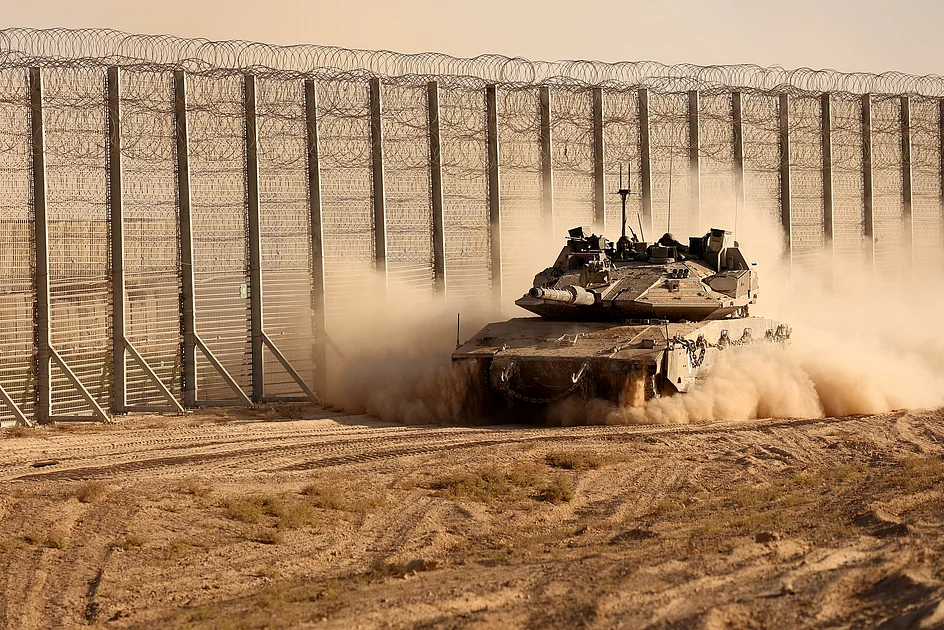
At least 30 killed in Israeli strikes, Gaza civil defence tells AFP
In a tragic escalation of violence, Israeli air strikes in the Gaza Strip have resulted in the deaths of at least 30 people, with dozens more injured, according to Gaza’s civil defence agency. The attacks, which occurred despite an ongoing ceasefire, have left rescue teams scrambling to recover victims from the rubble. Mahmud Basal, a spokesman for the agency, confirmed the casualties to AFP, emphasizing the ongoing efforts to assist the wounded and retrieve the deceased. Israel has justified its actions by accusing Hamas of attacking its troops and breaching the ceasefire agreement. This latest surge in hostilities underscores the fragile nature of the truce and raises concerns about the potential for further violence in the region.