
The global skincare market has been captivated by the allure of Korean beauty products, commonly referred to as K-beauty. These products, known for their intricate multi-step routines and innovative formulations, have seen exponential growth in international markets. Last year, South Korea’s K-beauty exports soared to an impressive $10.3 billion, marking a significant milestone in the industry’s expansion. However, this success has also led to a proliferation of non-Korean brands capitalizing on the K-beauty trend, raising questions about authenticity and definition. K-beauty first gained international recognition in the 2010s, riding the wave of Korean cultural exports like K-pop and K-drama. The elaborate skincare regimens, often involving up to 10 steps, captured the imagination of consumers worldwide, driving sales from $650 million in 2011 to $4 billion in 2017. Recognizing this surge, companies like Seoul Ceuticals emerged in 2017, offering ‘authentic Korean skincare’ despite being a U.S.-based manufacturer. The brand emphasizes its use of Korean-sourced ingredients to justify its K-beauty label. However, not all industry players agree with this approach. Seung Gu Kim, co-founder of Hwarangpoom, insists that true K-beauty products must be manufactured in Korea, reflecting a Korean perspective in their design and ingredients. The lack of an official definition or protected designation of origin for K-beauty complicates matters further. The K-beauty Industry Association, the sector’s sole government-approved trade body, has no plans to establish such a definition, focusing instead on promoting the industry’s global growth. Despite the absence of formal regulations, the association mandates that member companies be registered in South Korea and obtain approval from the Korea Food & Drug Administration (KFDA). This approval ensures products are tailored to Korea’s climate and market standards. The booming K-beauty market has also attracted counterfeiters, with MarqVision identifying $280 million worth of fake products in the U.S. alone in 2024. This rampant counterfeiting has frustrated consumers like Gracie Tulio, founder of PureSeoul, who launched her London-based retail business in 2019 to provide authentic K-beauty products directly sourced from Korean manufacturers. As the K-beauty industry continues to thrive, the debate over authenticity and the battle against counterfeits remain pressing challenges.
作者: admin
-
Pakistan threatens to ‘obliterate’ Taliban after peace talks fail
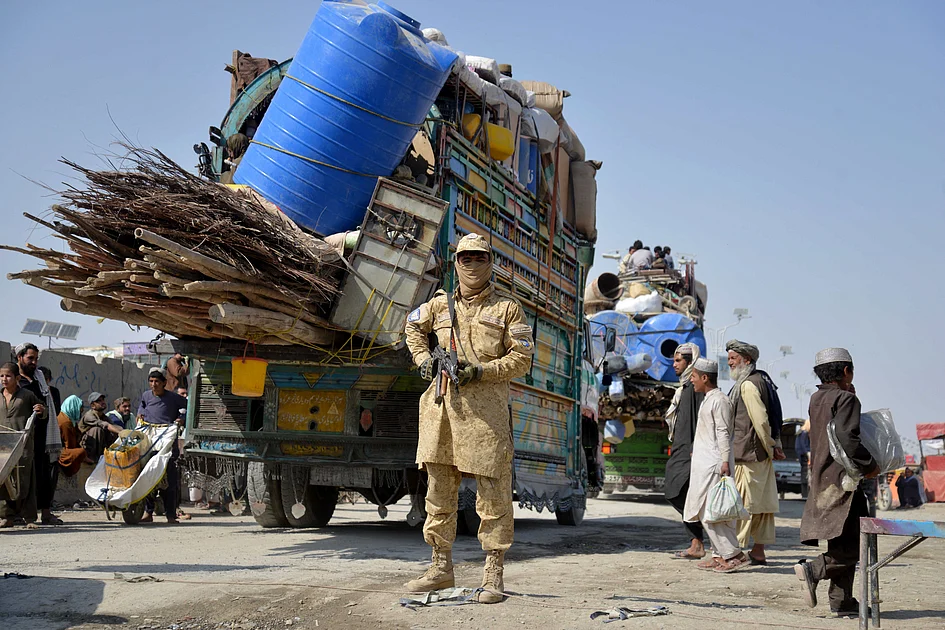
Pakistan has issued a stark warning to the Taliban regime in Afghanistan following the collapse of peace talks mediated by Turkey and Qatar. Defence Minister Khawaja Asif declared that Pakistan could ‘completely obliterate the Taliban regime’ with just a fraction of its military capabilities. This escalation in rhetoric comes after negotiations in Istanbul failed to produce a viable solution to the ongoing conflict between the two nations. The talks, aimed at preventing further violence, ended in disagreement over the presence of militant groups in Afghanistan that Pakistan claims are targeting its security forces. Despite a ceasefire brokered in Doha on October 19, weekend clashes near the border resulted in the deaths of 30 individuals, including five Pakistani soldiers and 25 militants. Both sides have accused each other of derailing the peace process, with Pakistan accusing Afghanistan of deflecting from core issues and engaging in a ‘blame game.’ The Taliban, however, has yet to respond to these accusations. The situation remains tense, with fears of an ‘open war’ if a resolution is not reached.
-
Former NYC hate crimes head sues mayor Eric Adams for discrimination: Report
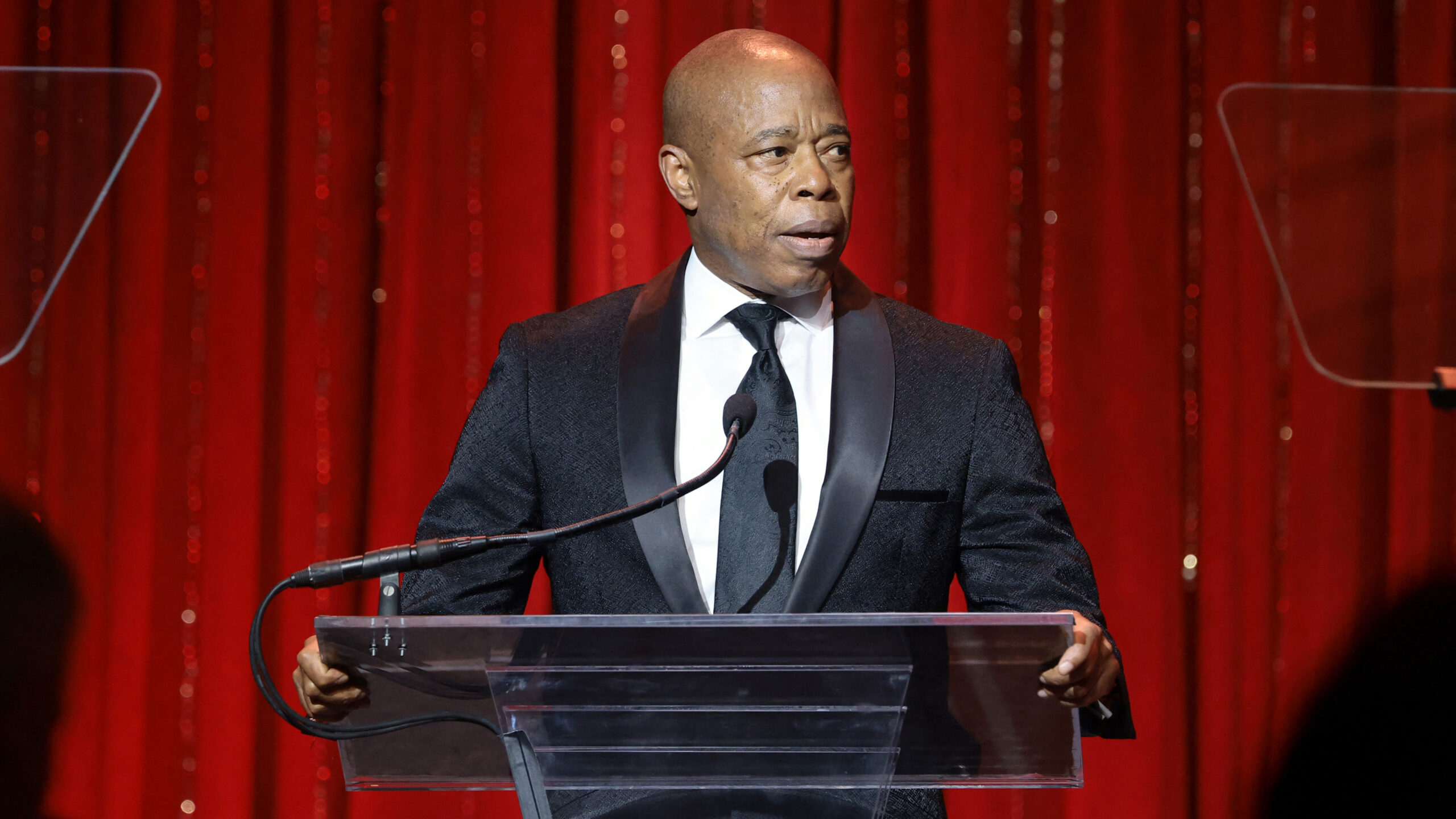
Hassan Naveed, the former executive director of New York City’s Office for the Prevention of Hate Crimes, has filed a lawsuit against Mayor Eric Adams and the city, alleging he faced discrimination based on his religion and ethnicity during his tenure. The lawsuit, filed at the State Supreme Court in Manhattan, claims Naveed endured a hostile work environment, particularly after the October 2023 Hamas-led attacks on Israel, when his Muslim identity came under scrutiny. Naveed alleges that two superiors questioned him about his views on the attacks, including the controversial claim of “beheaded babies.”
In October 2023, Naveed and other Muslim colleagues met with Adams to address concerns over his aides sharing anti-Muslim, anti-Arab, and anti-Palestinian content on social media. According to the lawsuit, Adams allegedly blamed Muslims for experiencing hate due to their perceived failure to condemn Hamas and compared pro-Palestine marches to “Ku Klux Klan protests.”
Adams, who has cultivated strong ties with Israel, terminated Naveed’s employment in April 2024. A spokesperson for the mayor stated that Naveed was dismissed for poor job performance and denied any discrimination. The lawsuit follows Adams’ recent controversial remarks endorsing Andrew Cuomo’s mayoral candidacy, where he warned against “Islamic extremism” and criticized his political opponent, Zohran Mamdani, as a “communist.”
Adams’ comments have drawn widespread criticism for being Islamophobic, with critics accusing him of perpetuating harmful stereotypes. The lawsuit and Adams’ statements have sparked a broader debate about religious and ethnic discrimination in New York City’s leadership.
-

Teenage cricketer dies in Melbourne after being hit by ball
A 17-year-old boy from Melbourne has tragically lost his life after being struck by a cricket ball during a practice session. The incident occurred on Tuesday in Ferntree Gully, where the teenager was training in cricket nets. Reports indicate that he was hit in the head or neck by a ball from an automatic bowling machine, despite reportedly wearing a helmet. Emergency services were called to the scene shortly before 17:00 local time (06:00 GMT), and the boy was rushed to Monash Children’s Hospital in critical condition. Despite being placed on life support, he succumbed to his injuries on Wednesday. The boy’s local cricket club expressed profound grief over the loss, describing it as a ‘tragic passing’ that would deeply affect the entire cricket community. Arnie Walters, president of the local cricket association, highlighted the boy’s talent and popularity, stating that the news would weigh heavily on the community. The club extended its condolences to the boy’s family and friends in a social media post, urging respect for their privacy during this difficult time. They also expressed gratitude to Ambulance Victoria, the police, and hospital staff for their efforts. The incident has drawn comparisons to the 2014 death of Australian cricketer Phillip Hughes, which led to significant improvements in safety equipment for the sport. The BBC has reached out to Cricket Australia and Cricket Victoria for further comment.
-
UAE: How ex-marines bring military grit to local fitness scene with bootcamp
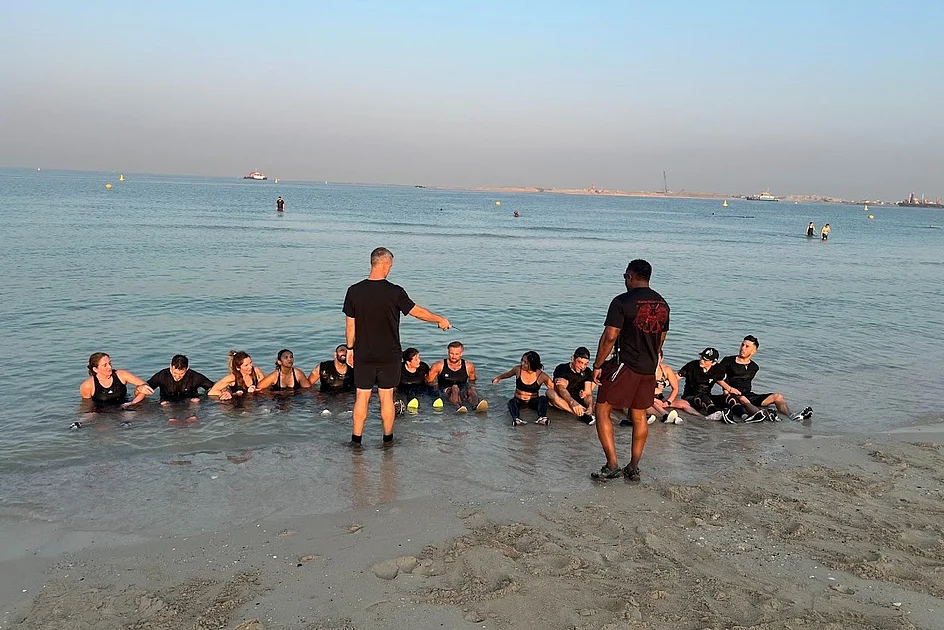
A groundbreaking fitness initiative in Dubai and Abu Dhabi is redefining the local exercise scene by introducing civilians to the rigors of military training. Spearheaded by four seasoned military veterans from the US and UK, the ZD30 programme blends authentic combat-inspired workouts with amphibious training, emphasizing mental resilience and real-life readiness. Founded by former US Marine Scott Blydenburgh, alongside retired US Marine Corps Scout Sniper Akim Jones and Royal Marines veterans Jordan Penman and Jordan Riley, ZD30 has quickly gained traction, attracting over 100 participants since its launch in mid-September. The programme’s unique structure includes four core training modules: amphibious exercises focusing on water-based resilience and breath control, military calisthenics for body-weight strength, operational strength drills involving carrying and lifting, and combat fit sessions simulating high-intensity scenarios. Patricia Jimenez, a co-founder, highlights the programme’s focus on practical skills and mental fortitude, stating, ‘We’re not building bigger muscles or better abs — we’re working on mental resilience.’ Participants like Brian Hogan, an IT project manager and athlete, praise the programme’s emphasis on discipline and teamwork, noting that punctuality and accountability are non-negotiable. The bootcamp’s amphibious sessions, inspired by US Marines’ water operations, are particularly challenging, designed to teach participants to remain calm and coordinated under pressure. Upcoming events include a special community workout on November 15 to commemorate the 250th anniversary of the US Marine Corps. Classes are held weekly in both cities, with monthly community events and specialised sessions available. Each class costs Dh80 and can be booked through the Meet and Train app. The programme’s founders aim to create a meaningful fitness community focused on real-life preparedness rather than vanity. ‘Real fitness means being ready for life,’ Patricia added, reflecting on her personal motivation to stay strong for her daughter. The ZD30 initiative is a testament to the UAE’s thriving fitness culture, offering a unique blend of military discipline and civilian fitness aspirations.
-

Tariffs to raise costs, delay oil and gas projects in 2026, report says
A recent report by Deloitte highlights that sweeping tariffs imposed by the US government under President Donald Trump are poised to significantly impact the oil and gas industry by 2026. The energy sector, which depends extensively on global supply chains for essential materials like drilling rigs, valves, compressors, and specialized steel, faces rising operational costs and disrupted supply chains due to these tariffs. The report estimates that material and service costs across the value chain could surge by 4% to 40%, potentially squeezing industry margins. The US has levied tariffs ranging from 10% to 50% on key imports such as steel, aluminum, and copper, as well as crude feedstocks not covered by the United States-Mexico-Canada Agreement. These measures are expected to reshape the industry’s cost structure and introduce uncertainty in feedstock sourcing. Additionally, inflation and financial instability triggered by the tariffs may delay final investment decisions (FIDs) and offshore greenfield projects worth over $50 billion until 2026 or later. Operators may find it challenging to offset higher costs, which could dampen investment activity in the sector. To mitigate risks, oil and gas companies are likely to renegotiate contracts with escalation and force majeure clauses. Moving forward, companies may prioritize supply chain resilience over cost efficiency, shifting to domestic or non-tariffed suppliers and leveraging foreign trade zones or tariff reclassification to manage duties. This shift is particularly significant given the US’s reliance on imports, with nearly 40% of oil country tubular goods demand in 2024 met through foreign sources.
-
Could the ICC pursue Emirati complicity for RSF crimes in Sudan’s Darfur?
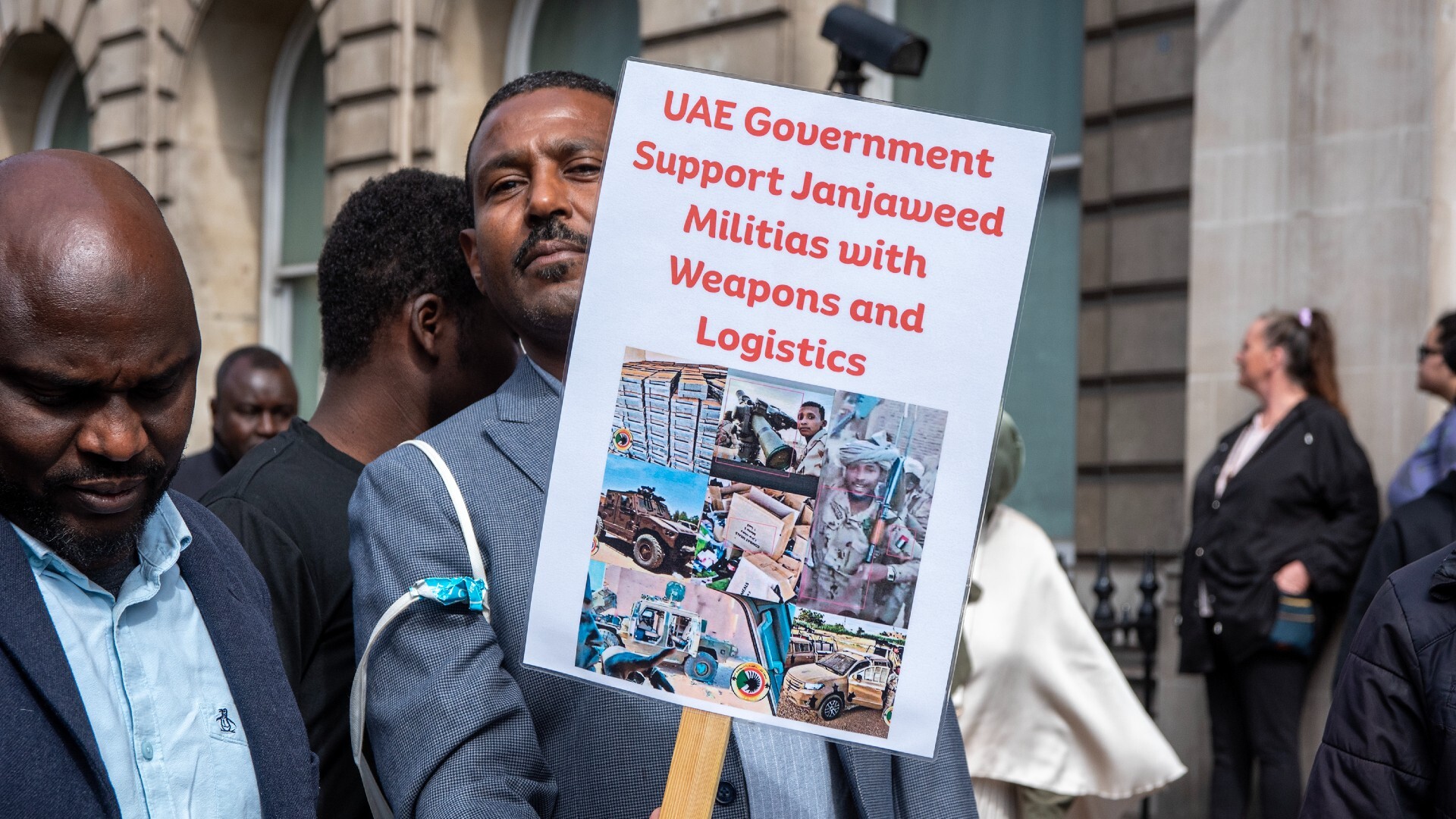
The Rapid Support Forces (RSF), a notorious paramilitary group in Sudan, has been accused of committing massacres in el-Fasher, the capital of North Darfur. This has reignited allegations against the United Arab Emirates (UAE) for its alleged complicity in these atrocities. While the International Court of Justice dismissed a case against the UAE due to lack of jurisdiction, the International Criminal Court (ICC) continues its investigation into crimes in Sudan, focusing on individuals rather than states. The ICC’s jurisdiction over Darfur, established by UN Security Council Resolution 1593, allows it to prosecute individuals for crimes committed in the region, including those who aided or abetted such crimes. However, prosecuting Emirati officials would face significant legal and logistical challenges, as neither Sudan nor the UAE are parties to the ICC’s founding treaty, the Rome Statute. Experts suggest that while the legal basis exists, gathering sufficient evidence and securing cooperation from the UAE would be major hurdles. Recent investigations have linked the UAE to the supply of weapons to the RSF, raising questions about its role in facilitating these crimes. The ICC’s ability to prosecute Emirati nationals hinges on proving their direct involvement in aiding the RSF’s atrocities in Darfur.
-

Beyond Boundaries: A night of Irish–Emirati cultural unity in Dubai
The American University of Sharjah (AUS) has announced its highly anticipated Open Day for 2025, offering prospective students and their families a unique opportunity to immerse themselves in the institution’s prestigious academic environment. Scheduled to take place on campus, the event will showcase the university’s state-of-the-art facilities, diverse academic programs, and vibrant student life. Attendees will have the chance to interact with faculty members, current students, and alumni, gaining firsthand insights into the AUS experience. The Open Day will also feature guided tours, interactive workshops, and informational sessions designed to highlight the university’s commitment to excellence in education and research. As one of the region’s leading institutions, AUS continues to attract top talent from across the globe, fostering a dynamic and multicultural learning community. This event serves as a gateway for aspiring students to explore how AUS can help them achieve their academic and professional aspirations.
-
Amazon to invest $5 billion in South Korea AI data centres
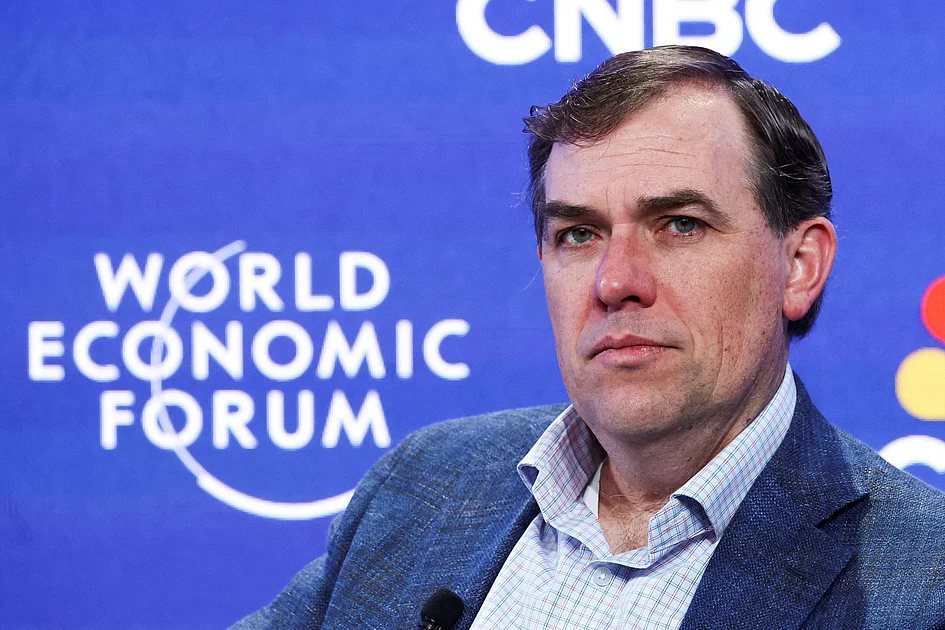
Amazon has announced a groundbreaking $5 billion investment to establish advanced AI data centers in South Korea by 2031, marking the largest direct foreign investment in the country’s history. The commitment was revealed by Matt Garman, head of Amazon Web Services (AWS), during a meeting with South Korean President Lee Jae Myung on the sidelines of the Asia-Pacific Economic Cooperation (APEC) summit in Gyeongju. The new facilities will be located in the Incheon and Gyeonggi regions, near Seoul, and are expected to significantly bolster South Korea’s AI ecosystem. This investment surpasses Amazon’s previous $4 billion pledge in June for an AI data center in Ulsan. President Lee emphasized the government’s ambition to position South Korea among the world’s top three AI powerhouses, stating that Amazon’s investment will accelerate the nation’s AI development. South Korea, home to global memory chip leaders Samsung Electronics and SK hynix, plays a pivotal role in supplying essential components for AI products and data centers. This move underscores Amazon’s strategic focus on expanding its AI infrastructure in key global markets.
-
Judge’s order blocking removal of man from US wasn’t received until after he was deported, DHS says
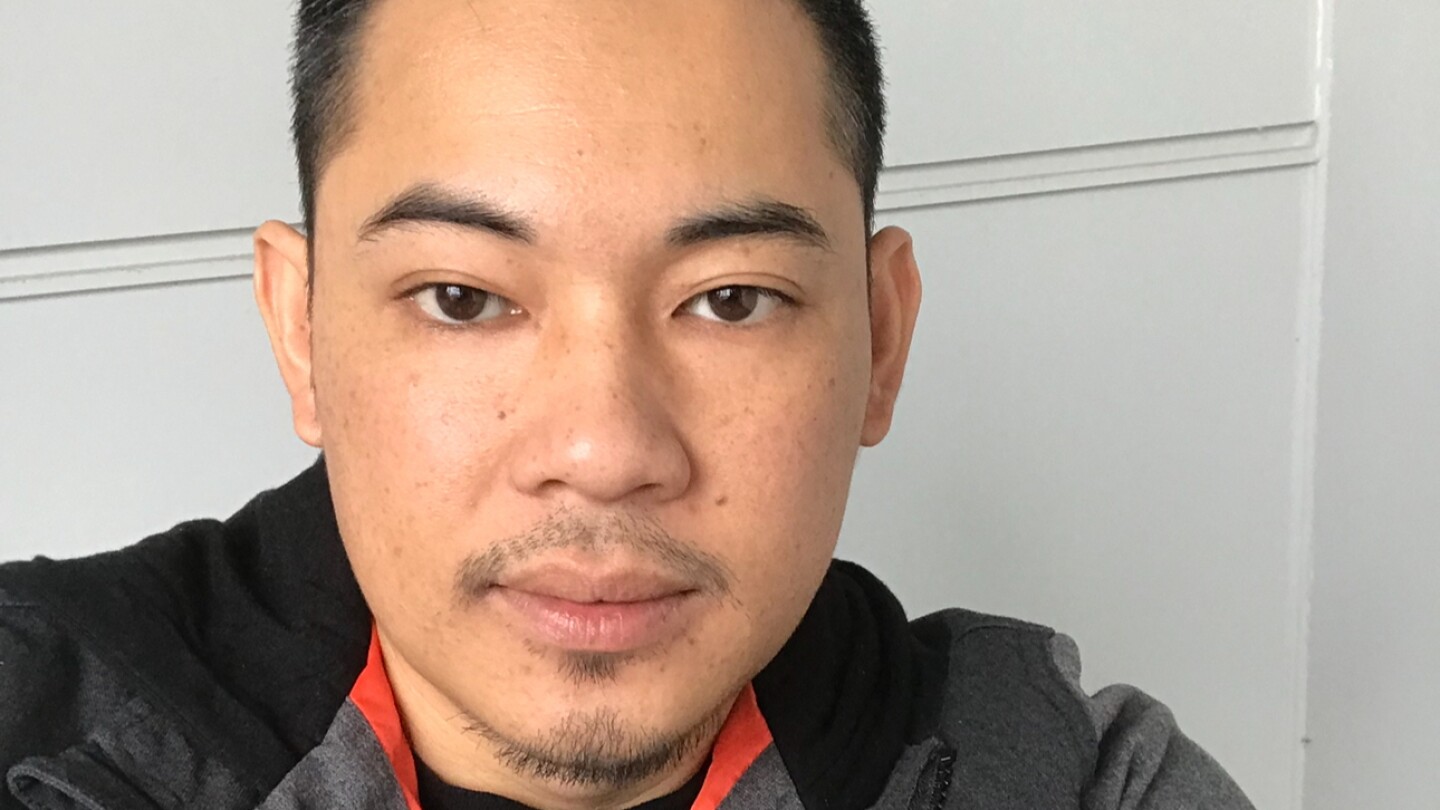
The U.S. Department of Homeland Security (DHS) revealed on Wednesday that immigration authorities were unaware of a federal court order halting the deportation of Chanthila “Shawn” Souvannarath, a 44-year-old Alabama resident, until after he had already been sent to Laos. Souvannarath, who claims U.S. citizenship, was deported on Friday, a day after U.S. District Judge Shelly Dick issued a temporary restraining order to prevent his removal. The judge had cited a ‘substantial claim of U.S. citizenship’ as the basis for the order. DHS spokesperson Tricia McLaughlin stated that the order ‘was not served’ to U.S. Immigration and Customs Enforcement (ICE) until after the deportation had occurred, dismissing allegations of procedural violations. Souvannarath, born in a Thai refugee camp, has lived most of his life in the U.S. and was granted lawful permanent residency before his first birthday. His father, a naturalized U.S. citizen from Laos, is the basis for his citizenship claim. Souvannarath was taken into ICE custody in June following an annual immigration check-in. McLaughlin emphasized that Souvannarath had lost his green card in 2006 due to convictions for assault and unlawful firearm possession, asserting he ‘had no right to be in this country.’ His wife, Beatrice, described him as a hardworking father who had stayed out of trouble since his legal issues two decades ago. The American Civil Liberties Union (ACLU), representing Souvannarath, has called for his immediate return to the U.S., labeling the deportation ‘unlawful.’ This case highlights ongoing tensions between the Trump administration and the judiciary over immigration enforcement, including previous instances of U.S. citizens being wrongfully deported.