
Abu Dhabi is embracing cutting-edge technology to revolutionize how travelers experience the emirate, with a focus on authenticity and Gen Z engagement. The Department of Culture and Tourism – Abu Dhabi (DCT Abu Dhabi) is testing Meta smart glasses, enabling content creators to capture their surroundings in real-time, offering audiences a first-person perspective of the capital’s culture and attractions. This initiative was unveiled at the Skift Global Forum by Steve Cox, Executive Director of Strategic Marketing and Communication at DCT Abu Dhabi. Cox emphasized the shift from traditional, polished advertisements to creator-led storytelling, which resonates deeply with younger audiences. Engagement rates for such content have reportedly surpassed expectations, highlighting the appeal of genuine, immersive experiences. Maxim Braverman, Managing Director of Sales at Google Mena, noted that Gen Z travelers prioritize storytelling over sightseeing, viewing themselves as creators rather than tourists. This trend is prompting destinations to rethink their marketing strategies. DCT Abu Dhabi is also developing an AI-driven visitor journey, tailoring every stage of travel from airport arrivals to attractions. This system allows for real-time campaign adjustments based on audience feedback, ensuring relevance and personalization. The initiative is part of DCT’s broader digital transformation, leveraging technology to enhance engagement and collaboration with partners like Etihad Airways and the Experience Abu Dhabi platform. By integrating advanced data and AI insights, Abu Dhabi aims to create the world’s best visitor experience, setting a new standard in destination marketing.
作者: admin
-
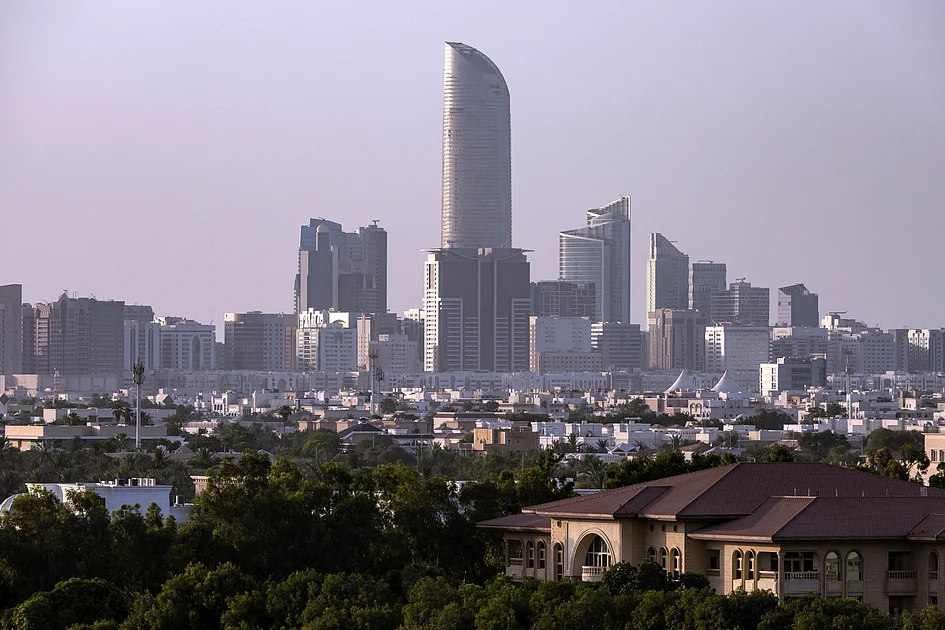
Abu Dhabi aims to double GDP, add 18,000 new hotel rooms and 216,000 jobs by 2030
Abu Dhabi has unveiled an ambitious strategy to significantly boost its tourism sector, aiming to double its GDP contribution, add 18,000 new hotel rooms, and create 216,000 jobs by 2030. This initiative is part of a value-driven approach that integrates culture, sustainability, and innovation, as announced by Saeed Al Fazari, Executive Director at the Department of Culture and Tourism – Abu Dhabi (DCT).
Al Fazari emphasized that the strategy prioritizes quality, cultural preservation, and sustainable practices. Abu Dhabi already boasts the world’s highest concentration of five-star hotels, with 21 new properties currently under development. The plan targets a 7% annual growth in visitors, increasing the tourism GDP contribution from Dh45 billion (US $24.5 billion) to Dh90 billion.
The job creation target of 216,000 surpasses the previously stated goal of 178,000, reflecting an upward revision. Al Fazari highlighted the importance of equipping the youth with skills in digital marketing and creative industries to meet this demand. The emirate is investing Dh25.7 billion (US $7 billion) annually into tourism, culture, and creative industries, supported by expanded air connectivity with 30 airlines flying to 120 global destinations and advanced digital infrastructure, including biometric airport access and e-services.
Abu Dhabi’s commitment to sustainability is evident in its protection of 75% of the UAE’s mangrove population and its UNESCO-listed Al Ain sites. Cultural assets, such as the Saadiyat Cultural District, which houses the Louvre Abu Dhabi and the soon-to-open Natural History Museum and Zayed National Museum, remain central to the strategy. Al Fazari confirmed the opening dates for these museums: the Natural History Museum Abu Dhabi on November 22 and the Zayed National Museum on December 3.
“Abu Dhabi is not just keeping pace with global travel trends,” Al Fazari concluded, “we are helping to define them.” This comprehensive plan positions Abu Dhabi as a global leader in tourism, blending economic growth with cultural and environmental stewardship.
-

Dubai’s higher education enrolment set to soar 40% by 2030 drawing global students
Dubai’s higher education sector is on track for a remarkable 40% increase in student enrolments by 2030, according to a recent white paper released by Dubai International Academic City and Dubai Knowledge Park, part of the TECOM Group PJSC. The report, titled *Future Skills and the Workforce of Tomorrow*, developed in collaboration with Times Higher Education (THE), highlights Dubai’s growing appeal as a global hub for education and innovation. The findings were unveiled at the British Council’s Going Global conference in London, a platform for international education leaders to shape the future of higher learning. Marwan Abdulaziz Janahi, Senior Vice President of Dubai International Academic City, Dubai Knowledge Park, and Dubai Science Park, emphasized the transformative power of education in driving individual prosperity and collective economic growth. He underscored the importance of collaborative efforts to futureproof the sector, aligning with Dubai Economic Agenda ‘D33’ and Education 33 Strategy ‘E33’. Currently, over 42,000 students are enrolled in Dubai’s higher education institutions for the 2024–25 academic year, with projections indicating a sharp rise in the coming years. The city’s international appeal is evident, with a 37% increase in higher education providers over the past two years. Notable additions include the Indian Institute of Management Ahmedabad (IIMA), which opened its first overseas campus in Dubai in September 2025. Students are increasingly drawn to Dubai for its career-focused programmes and robust industry connections, with 73% citing job opportunities and post-graduation work prospects as key factors. Employers also express confidence in Dubai’s graduates, with 88% stating that they possess skills aligned with workplace needs. Over the past two decades, Dubai has evolved into a thriving education hub, supported by world-class infrastructure and strategic government initiatives. The city now hosts 41 private higher education providers, including 37 international branch campuses representing 12 countries. Renowned institutions such as the University of Manchester, University of Birmingham, and University of Strathclyde Business School operate within Tecom Group’s Education Cluster. Dubai’s diverse business ecosystem, encompassing 10 specialised districts under Tecom Group, offers students unparalleled hands-on experience and connections to industries shaping the future economy.
-
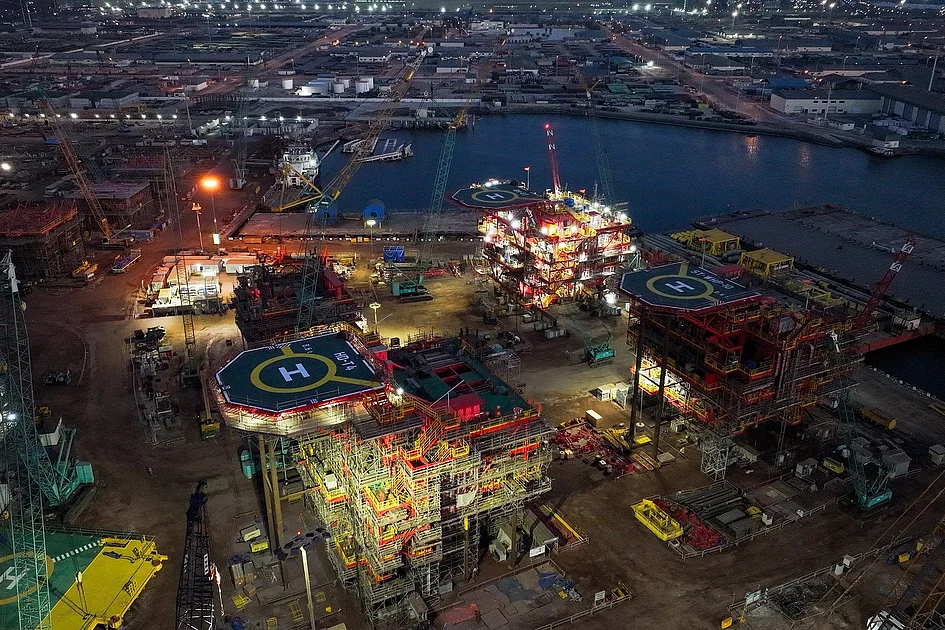
NMDC Group posts strong nine-month results, net profit jumps 26%
The Abu Dhabi-based NMDC Group has announced a robust financial performance for the first nine months of 2025, with revenues climbing to Dh20.5 billion, marking an 11% year-on-year increase. Net profit soared by 26% to Dh2.8 billion, driven by efficient project execution, expanded margins, and strategic international market expansion. The engineering and marine dredging conglomerate, listed on the Abu Dhabi Securities Exchange, reported a net profit margin of 13.5% during this period. The company’s project backlog stood at Dh62.3 billion as of September, with Dh17.7 billion in new project awards, 38% of which originated from overseas markets. Notably, NMDC secured significant contracts, including a Dh2.24 billion project in Manila Bay, Philippines, a Dh382.7 million marina construction in Salalah, Oman, and a Dh4.17 billion subsea gas pipeline project in Taiwan. The Group’s total project pipeline reached Dh89 billion, encompassing its five business units: NMDC Dredging & Marine, NMDC Energy, NMDC Infra, NMDC Engineering, and NMDC LTS. Chairman Mohamed Thani Al Rumaithi highlighted the company’s strategic agility and execution capabilities, emphasizing its role as a trusted global partner for high-value, complex projects. Group CEO Eng. Yasser Zaghloul attributed the success to operational efficiency and diversification, underscoring the importance of international expansion and client confidence. Additionally, NMDC reinforced its regional energy development role through a three-year collaboration with ADNOC Logistics & Services and an extended partnership with Saudi Aramco. On the sustainability front, NMDC maintained its AA ESG rating from MSCI for the second consecutive year and deepened its partnership with the Environment Agency – Abu Dhabi to protect marine ecosystems. Looking ahead, NMDC remains committed to driving growth by strengthening its presence in local and international markets.
-
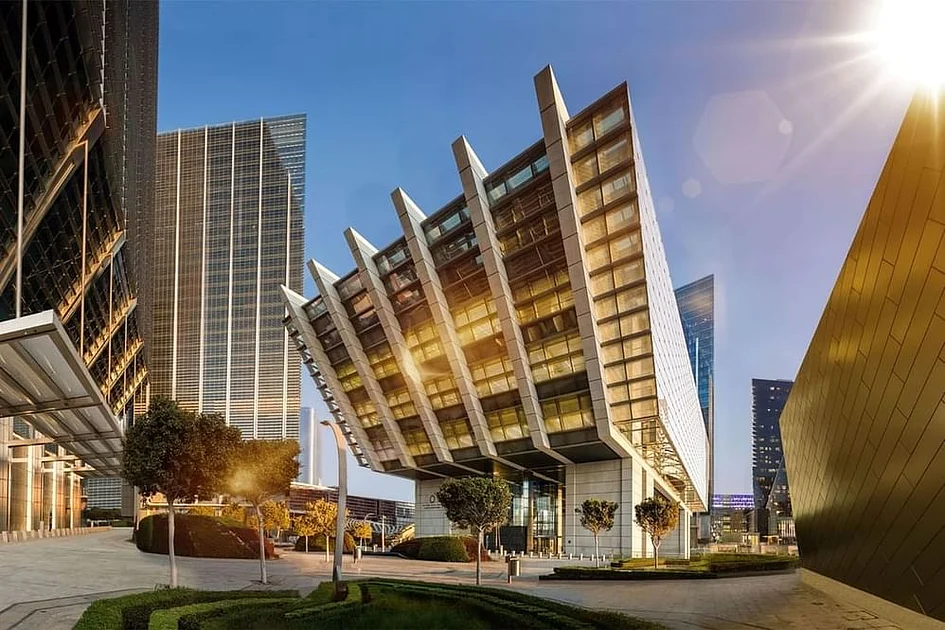
$28.6tr boost: ADGM ranks among world’s fastest-growing financial centres
Abu Dhabi Global Market (ADGM) has achieved a monumental milestone in the global financial arena, with firms operating within its jurisdiction now managing a staggering $28.6 trillion in assets worldwide. This remarkable achievement underscores ADGM’s rapid ascent as one of the fastest-growing financial hubs globally, attracting top-tier asset managers, private equity firms, hedge funds, and institutional investors to Abu Dhabi. Since its inception in 2015, ADGM has transformed from a nascent financial district into a powerhouse of global finance, driven by exponential growth and unwavering international confidence. The number of financial firms based in ADGM has skyrocketed from 130 in 2021 to over 300 by mid-2025, marking a 135% increase in just three years. This growth trajectory has been further amplified by ADGM’s ability to achieve its five-year strategic goals in half the time, reflecting the region’s appeal as a magnet for global capital and corporate migration. Assets under management within ADGM have grown at an average annual rate of 123%, while fund and asset-manager activity has expanded by 62% annually. The district now boasts 11,128 active licenses, the highest among regulated financial hubs in the region. ADGM’s ecosystem employs over 36,000 professionals, drawing top-tier talent in investment, legal, advisory, digital, and fintech sectors. Its unique application of English common law, coupled with Abu Dhabi’s sovereign wealth ecosystem valued at $1.82 trillion, has solidified its reputation as a stable, investor-friendly jurisdiction. Major global financial players, including BlackRock, Apollo, and Carlyle, have established or expanded operations in ADGM, signaling long-term commitment to the region. The district’s physical expansion onto Al Reem Island has increased its jurisdiction tenfold, making it one of the largest regulated financial districts globally. ADGM’s pioneering regulatory frameworks, innovation infrastructure, and influential events like Abu Dhabi Finance Week have positioned it as a trendsetter in global finance. As ADGM enters its second decade, market analysts predict it will soon rank among the world’s top five international financial centers, alongside New York, London, and Singapore.
-
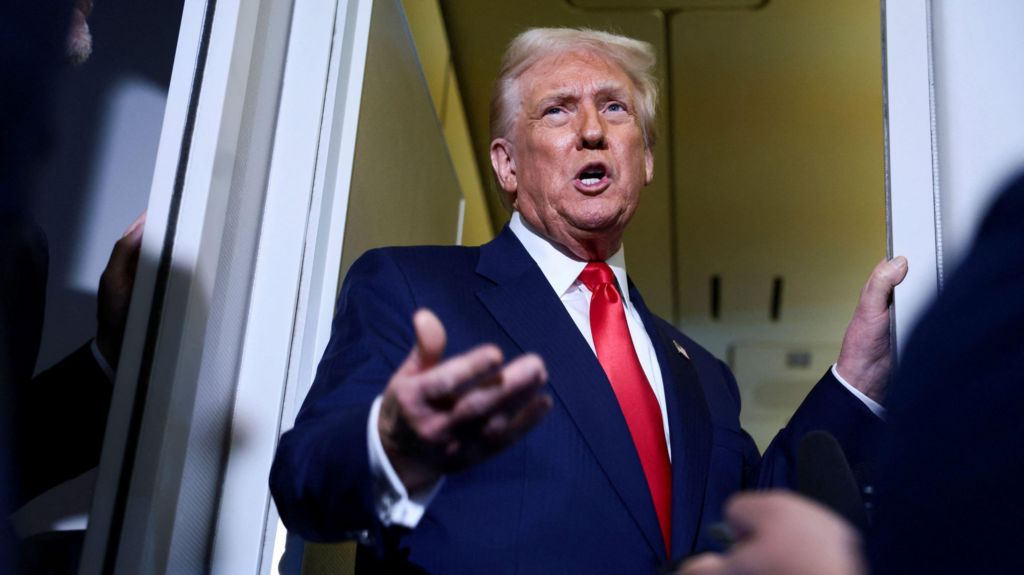
Does Trump’s nuclear testing raise the stakes – or are we already in an arms race?
In a dramatic policy shift, former President Donald Trump has declared that the United States will resume nuclear weapons testing, citing the testing programs of other nations as justification. This announcement, made via his social media platform Truth Social, comes as Trump prepares to meet with the Chinese president. The move has sparked widespread concern among experts, who warn it could escalate global nuclear tensions. While Trump did not specify whether the testing would involve delivery systems or the weapons themselves, the implications are significant. The decision marks a potential departure from decades of restraint, as the US has not conducted a nuclear test since 1992. Experts fear this could trigger a domino effect, prompting Russia and China to follow suit. The announcement coincides with rising geopolitical tensions, including conflicts in Ukraine and the Korean Peninsula, as well as China’s ambitions in Taiwan. Critics argue that resuming nuclear testing could undermine international security and fuel a dangerous arms race. The White House has yet to clarify the details of the plan, leaving the global community on edge.
-
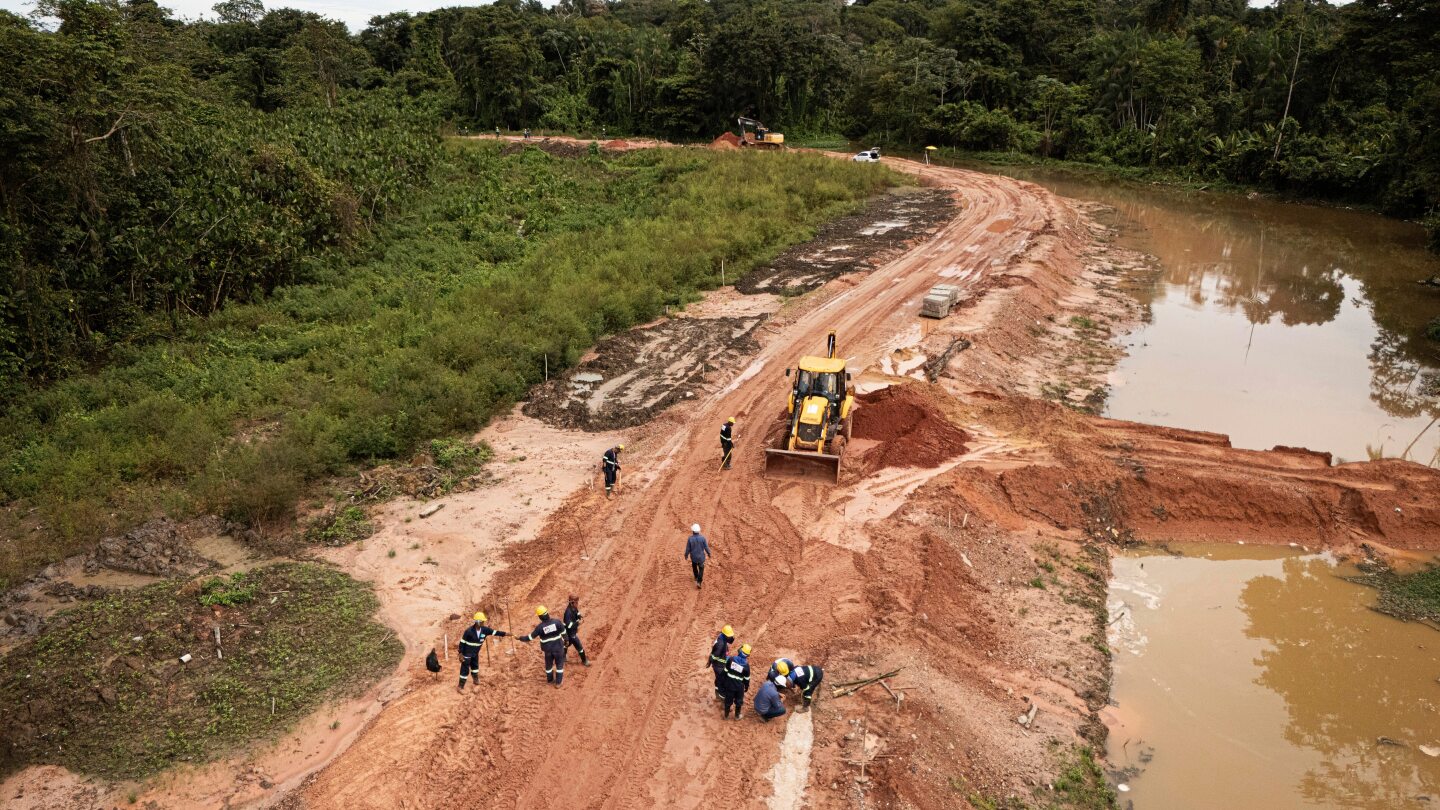
Brazil’s Amazon deforestation falls 11% even as fires surge to record levels
In a significant environmental development, Brazil’s Amazon rainforest saw an 11% reduction in deforestation from August 2024 to July 2025, according to government data released on Thursday. Despite this progress, the region faced record-breaking wildfires and severe drought, as reported by Brazil’s National Institute for Space Research (INPE). Approximately 5,796 square kilometers (2,238 square miles) of forest were cleared during this period—an area nearly four times the size of New York City—marking the lowest deforestation level in nearly a decade. The Environment Ministry attributed this decline to enhanced environmental enforcement, expanded satellite monitoring, and improved coordination among federal agencies. This announcement comes just weeks before Brazil hosts the COP30 U.N. climate summit in Belem, where the country is expected to showcase its commitment to ending illegal deforestation by 2030. However, INPE also reported that fire detections in the Amazon from January through October 2025 reached their highest levels since 2010. Widespread burning and prolonged drought have caused severe air pollution in northern Brazil, leading to flight cancellations and health warnings in states like Amazonas and Para. Experts warn that these fires, often used to clear deforested land, could undermine recent conservation efforts. Brazil’s environmental enforcement agency, Ibama, conducted 9,540 inspections this year—a 38% increase from 2024—issuing $520 million in fines and seizing over 4,500 pieces of machinery and livestock linked to illegal activities. Additionally, over 75 civil lawsuits were filed against deforestation and illegal burning cases. Márcio Astrini of the Climate Observatory highlighted the progress but criticized the government’s contradictory policies, such as approving oil drilling projects in the Amazon River basin. Greenpeace Brazil welcomed the results but emphasized the need for permanent safeguards and stronger global cooperation to ensure lasting progress.
-
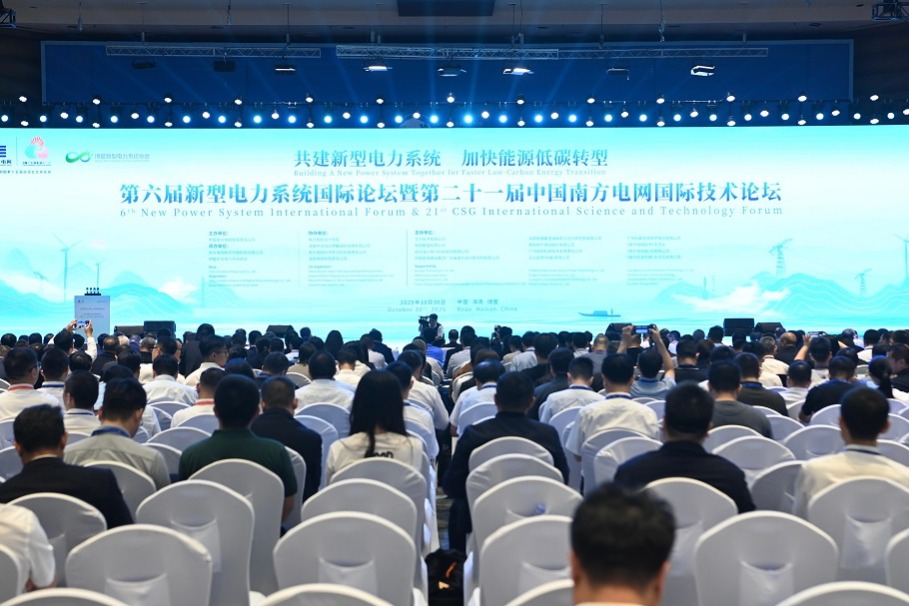
Hainan striving to be a ‘low-carbon island’
Hainan Province has taken a significant step toward becoming China’s first ‘low-carbon island’ with the unveiling of a groundbreaking plan to build a new-type power system. The initiative, announced at the 6th New Power System and 21st CSG International Science and Technology Forum in Boao, aims to establish a provincial demonstration zone for a clean, modernized grid by 2030. This marks the first provincial-level demonstration plan developed in collaboration between the Hainan provincial government and China Southern Power Grid, designed to support the Hainan Free Trade Port and help the province achieve its carbon peak target. The strategy outlines eight key projects, including clean power supply, digital grid resilience, and technological innovation, encompassing 28 specific tasks to accelerate the new power system’s construction. As of late October, Hainan’s installed new energy capacity had exceeded 12 million kilowatts, making it the largest power source in the province. The plan also includes the development of offshore wind, solar, and geothermal energy, as well as the completion of the Hainan 500 kV provincial digital grid project by year’s end. Additionally, a new cross-sea transmission channel is in the works to improve power supply reliability. Hainan is also promoting green power consumption through electrification projects, including shore power for ports and electric vehicles, with the ‘Hainan Charging Pile’ platform linking over 4,800 charging stations. The province will develop vehicle-grid interaction projects to support the integration of millions of new energy vehicles. Power trading is becoming more efficient, with clean power from Western Inner Mongolia transmitted to Hainan for the first time in October. To manage large-scale new energy, Hainan will strengthen its intelligent dispatch system and accelerate pumped hydro and new storage technologies. ‘With this plan, Hainan’s demonstration will become a showcase for global power systems,’ said Jiang Hong of the Hainan Provincial Development and Reform Commission. ‘We are fully building Hainan into a ‘low-carbon island’,’ added Yang Guoqiang, vice governor of Hainan Province, highlighting the island’s commitment to a green development path. Since the 14th Five-Year Plan period (2021-25), Hainan has built the 500 kV main grid and launched a commercial underwater data center cluster, with clean energy ratios among the highest nationally. ‘The global electrification wave is booming,’ said Angela Wilkinson, secretary general of the World Energy Council. ‘We must build a new energy system that balances security, affordability, and sustainability. True resilience comes from common progress, not going it alone.’
-
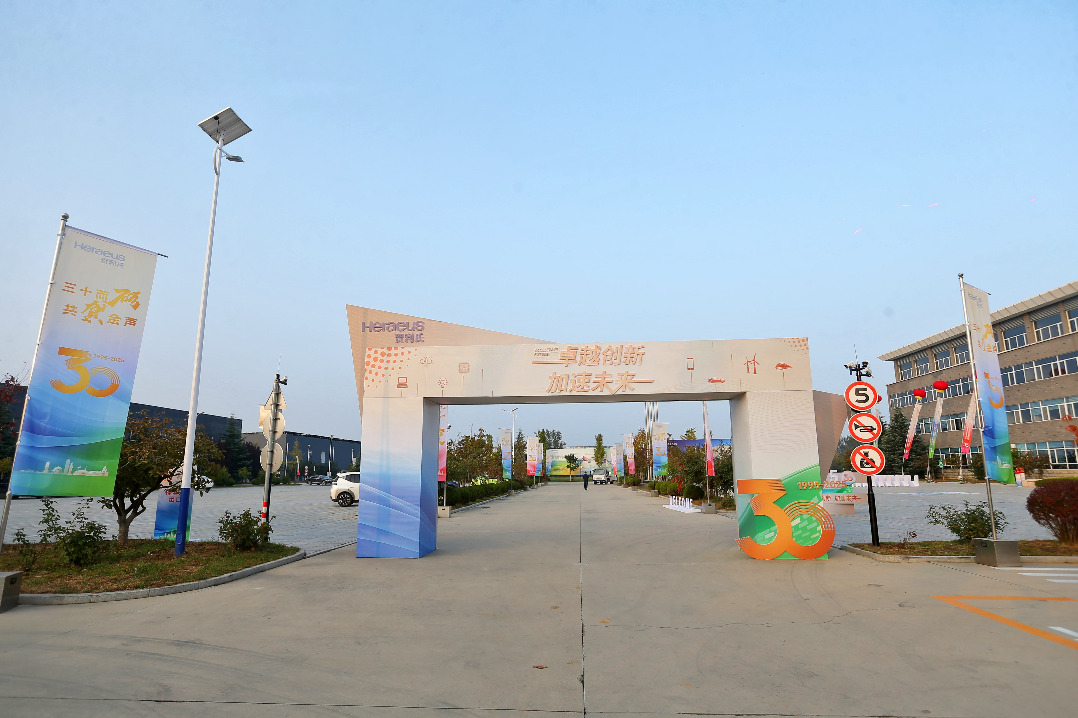
Chinese-German metals company opens innovation center in Shandong province
Heraeus (Zhaoyuan) Precious Metal Materials, a pioneering Sino-German joint venture in China’s gold application sector, has inaugurated its state-of-the-art innovation center in Zhaoyuan, Shandong province. The facility, now fully operational, is equipped with cutting-edge R&D infrastructure and staffed by a highly skilled technical team. The center is poised to spearhead advancements in semiconductor materials, enhance market competitiveness, and bolster industries such as artificial intelligence and big data. This development coincides with the company’s 30th anniversary in China, marking a significant milestone in its journey of investment and innovation. Ai Zhouping, President of Heraeus Greater China, emphasized the company’s commitment to fostering collaboration between its Chinese and German stakeholders while driving high-quality growth in key sectors. Over the past three decades, Heraeus has expanded its product portfolio from a single gold wire to over 20 varieties, including silver, copper, and aluminum wires, underscoring its evolution and adaptability in the global market.
-

Automaker leverages premium audio to ride China’s intelligent vehicle wave
As China’s automotive sector rapidly advances toward electrification and intelligent innovation, Beijing Hyundai, a joint venture of Hyundai Motor Group, is seizing new opportunities by enhancing its in-car audio experience. The automaker has integrated Dolby Atmos technology into its vehicles, delivering immersive spatial sound through six built-in speakers. Additionally, an optional Bose external amplifier system with eight speakers is available for audiophiles seeking superior sound quality. This upgrade will debut in the Elexio SUV, Hyundai’s first fully electric model designed exclusively for the Chinese market. Ickkyun Oh, head of Hyundai Motor Co’s China business division, emphasized the company’s commitment to innovation, stating, ‘As the in-car entertainment ecosystem evolves rapidly in China, we are proud to introduce the Dolby Atmos experience in a Hyundai model. We look forward to expanding this to more models and customers globally.’ The move aligns with the surging demand for intelligent connected vehicles, which is transforming automotive entertainment. According to Fortune Business Insights, the global automotive infotainment market is projected to grow from $35.78 billion in 2025 to $58.18 billion by 2032, reflecting a compound annual growth rate of 7.2%. Hyundai’s strategic focus on premium audio underscores its efforts to stay competitive in China’s dynamic automotive landscape.