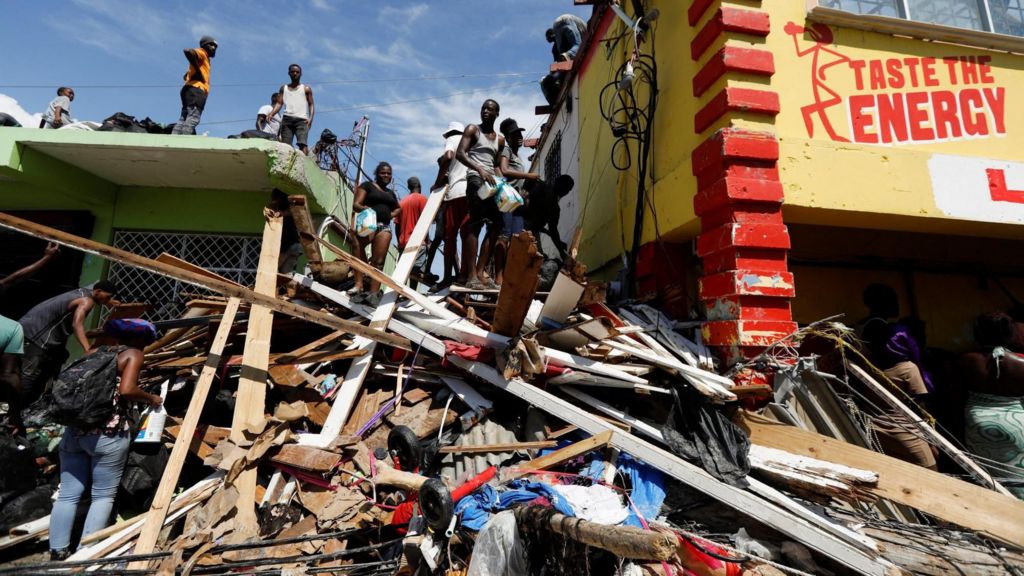
Hurricane Melissa, one of the most powerful storms to hit the Caribbean, has left a trail of destruction across multiple nations, with the death toll rising to at least 49. In Jamaica, 19 fatalities have been confirmed, while Haiti reports 30 deaths. Information Minister Dana Morris Dixon described ‘devastating’ scenes in western Jamaica, with entire communities marooned and areas flattened. Satellite imagery reveals near-total destruction in some villages, with residents expressing the indescribable impact of the storm. Electricity remains out across most of Jamaica, and thousands are desperate for aid as they salvage belongings from floodwaters and mud. Food and water shortages are worsening, with some areas without water for days. Aid supplies are arriving more rapidly through Kingston’s main airport, but smaller regional airports remain partially operational, hindering access to the hardest-hit areas. In Haiti, many victims perished when a river overflowed in Petit-Goave, and assessments are ongoing in inaccessible regions. Over 15,000 Haitians are sheltering in more than 120 facilities. In Cuba, 3 million people faced life-threatening conditions, with 735,000 evacuated safely. No fatalities have been reported in Cuba, but flooding and landslides have isolated nearly 240 communities. The US, UK, and international organizations are mobilizing support, including disaster response teams, emergency supplies, and funding. Bermuda is bracing for Melissa’s impact, with government offices and schools closed as the storm approaches.
作者: admin
-
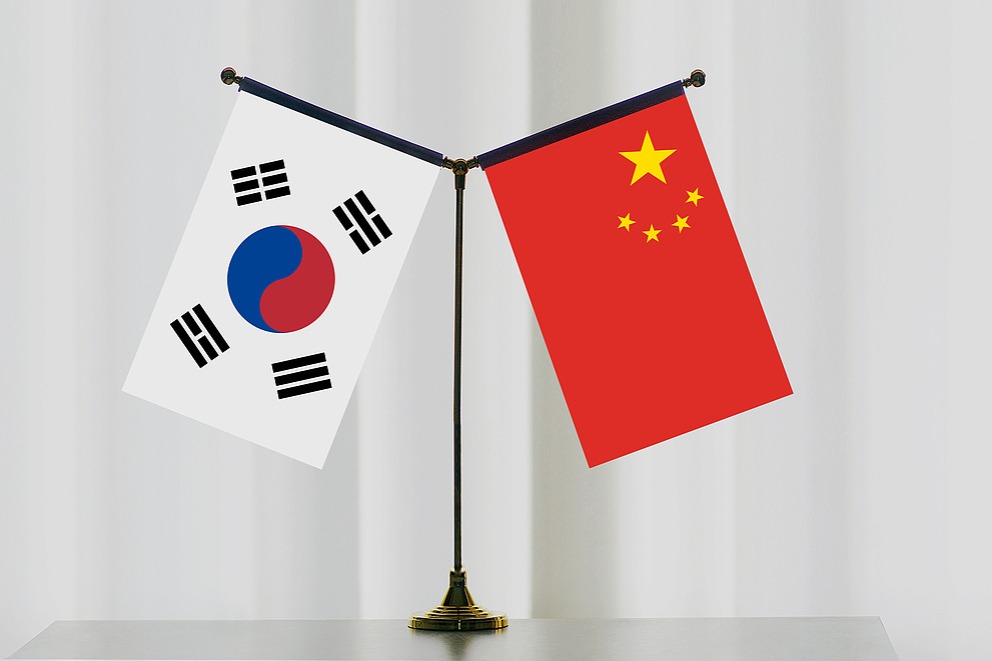
S. Korea’s ties with China to expand more
South Korean President Lee Jaemyung has expressed his commitment to deepening bilateral ties with China during President Xi Jinping’s state visit to South Korea. The visit, which coincides with the 32nd Asia-Pacific Economic Cooperation (APEC) Economic Leaders’ Meeting in Gyeongju, marks the first meeting between the two leaders since Lee’s administration took office. Lee emphasized the special significance of this visit for fostering mutual cooperation and addressing shared challenges.
In an exclusive interview with Xinhua News Agency, Lee highlighted the historical and philosophical alignment between himself and Xi, both of whom began their political careers at the local government level with a focus on improving people’s livelihoods. Lee underscored the importance of advancing the South Korea-China strategic cooperative partnership, particularly in light of the evolving global landscape since the two nations established diplomatic relations in 1992.
Lee outlined his expectations for Xi’s visit, including discussions on enhancing practical cooperation in areas such as trade, investment, and supply chain stability. He expressed optimism about accelerating negotiations on the South Korea-China Free Trade Agreement to include services and investment, thereby creating a robust institutional framework for economic collaboration. As major economies, both countries play a pivotal role in promoting regional development and prosperity, with China remaining South Korea’s largest trading partner.
Beyond economic cooperation, Lee emphasized the need to strengthen cultural and environmental ties, expand people-to-people exchanges, and work together to ensure peace and stability on the Korean Peninsula. He acknowledged China’s constructive role in addressing the Korean Peninsula nuclear issue and achieving denuclearization.
Lee also highlighted the broader significance of the APEC meeting, which focuses on fostering artificial intelligence innovation and managing demographic shifts. He stressed the importance of multilateralism in tackling global challenges and expressed South Korea’s support for China’s leadership in next year’s APEC meeting, particularly in advancing AI cooperation.
This visit and the discussions it entails are expected to lay the groundwork for a stronger, more dynamic partnership between South Korea and China, benefiting both nations and the broader Asia-Pacific region.
-
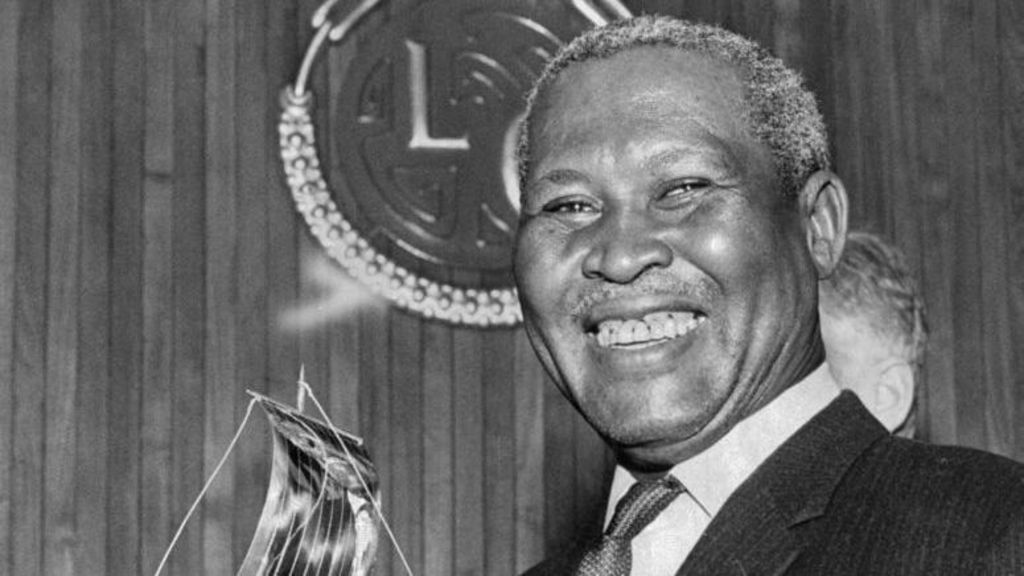
Apartheid police assault killed Nobel laureate Luthuli, South Africa court rules
A South African court has overturned decades of official claims, ruling that the 1967 death of Nobel Peace Prize laureate Albert Luthuli was the result of an assault by apartheid police. The original inquest, conducted under the apartheid government, concluded that Luthuli died after being struck by a freight train while walking along a railway line. However, activists and his family have long disputed this narrative, prompting the South African government to reopen the case earlier this year. On Thursday, Judge Nompumelelo Radebe ruled that Luthuli’s death was caused by a fractured skull, cerebral hemorrhage, and brain concussion resulting from an assault. The judge attributed the assault to members of the South African police’s security special branch, acting in collaboration with employees of the South African Railway Company. Seven men were named as perpetrators or accomplices, though their current whereabouts remain unknown. If located, they could face criminal charges. Luthuli, who led the then-banned African National Congress (ANC), won the Nobel Peace Prize in 1960 for his leadership in the fight against apartheid. His family and the ANC have welcomed the ruling, describing it as a correction of historical distortion and a step toward justice for apartheid-era crimes. This case is part of broader efforts by South African authorities to address unresolved apartheid-era crimes, including the recent reopening of the inquest into the death of anti-apartheid leader Steve Biko. President Cyril Ramaphosa has also established a judicial commission to investigate allegations of improper influence in delaying or hindering such cases.
-
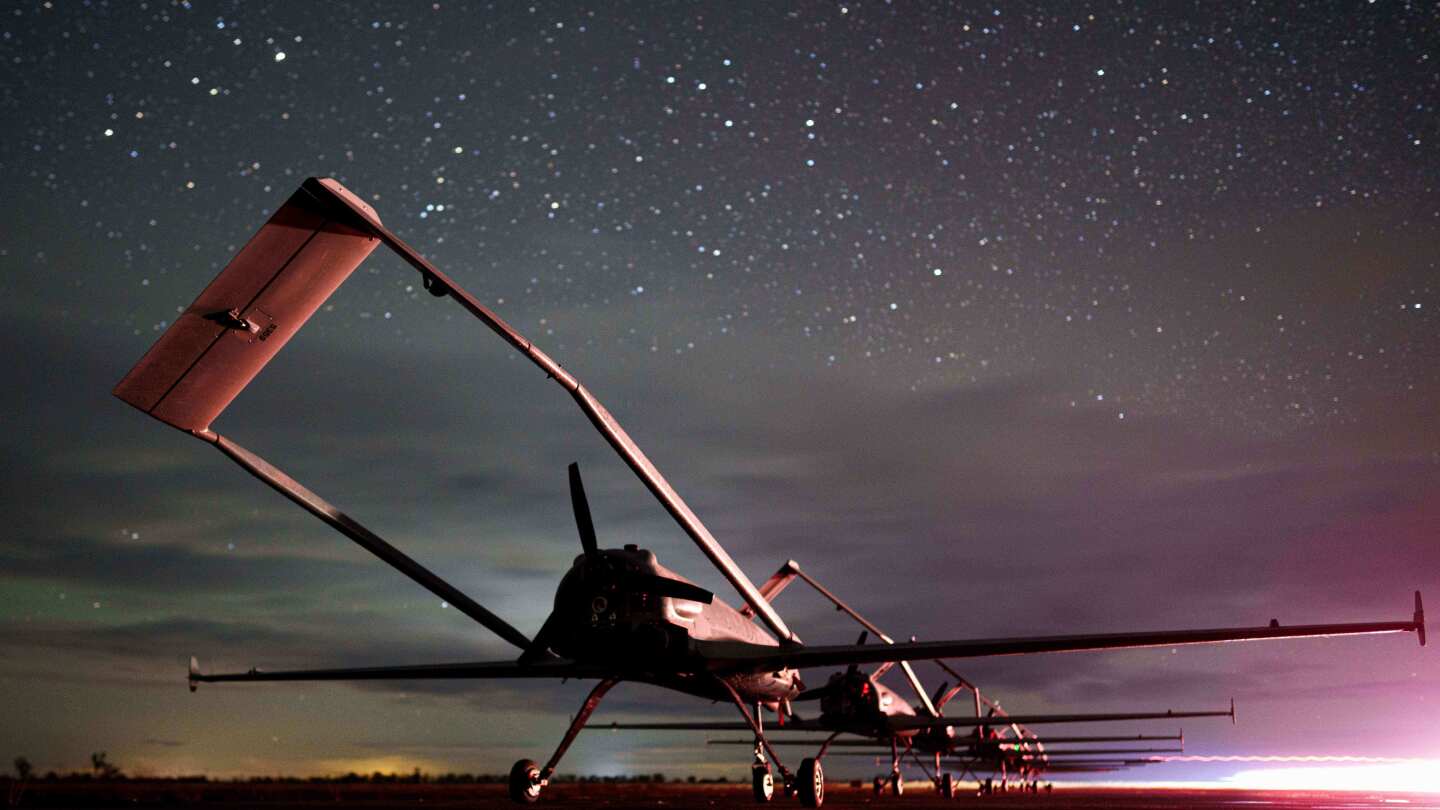
Drones, oil and escalation: Ukraine’s deep strikes impact Russia, altering war calculations
In a covert operation in rural Ukraine, attack drones are assembled under the cover of night to strike strategic targets deep within Russia, including oil refineries, fuel depots, and military logistics hubs. Since the summer, Ukraine’s long-range drone campaign has intensified, significantly impacting Russia’s energy infrastructure and stretching Moscow’s air defenses thin. These drones, constructed from parts produced in a decentralized network of workshops, now boast extended ranges, enabling them to reach targets far beyond previous capabilities. The strikes have led to gasoline shortages in Russia, prompting rationing in some regions and highlighting vulnerabilities in the country’s infrastructure. Western analysts note that while the attacks have had a serious impact, they have not been crippling. According to the Carnegie Endowment, Ukrainian drones have hit 16 major Russian refineries, representing about 38% of the country’s nominal refining capacity. However, most plants have resumed operations within weeks, cushioned by idle capacity and existing fuel surpluses. Despite this, the strikes have given Kyiv the initiative at a critical juncture, as the U.S. and Europe ramp up sanctions on Russia’s oil industry. Ukrainian President Volodymyr Zelenskyy claims that these strikes have caused Russia to lose up to 20% of its gasoline supply, forcing the Kremlin to import fuel and curb exports. The commander overseeing the drone operations, identified by his call sign ‘Fidel,’ emphasized the evolution of drone technology, with some models now capable of flying 1,000 kilometers. The Liutyi, a homegrown drone, has become a symbol of national pride, reflecting Ukraine’s no-frills war production philosophy. The increased range of these drones marks a shift in the conflict’s geography, with attacks now reaching targets within a 1,000-kilometer radius of the border. This has forced Russia to reroute supplies and commit air defenses to a wider area, degrading its capacity to sustain large-scale operations. The Paris-based International Energy Agency reports that repeated drone strikes have cut Russia’s refining capacity by about 500,000 barrels a day, triggering domestic fuel shortages and curbing exports. Ukraine’s independent drone launch capability allows it to bypass Western approval required for imported long-range weapons, providing a strategic advantage. Each mission is meticulously planned, with fewer than 30% of drones reaching their target area. Fidel reflected on the human cost of the war, stating that the current generation is fighting for a free democratic future for their children.
-
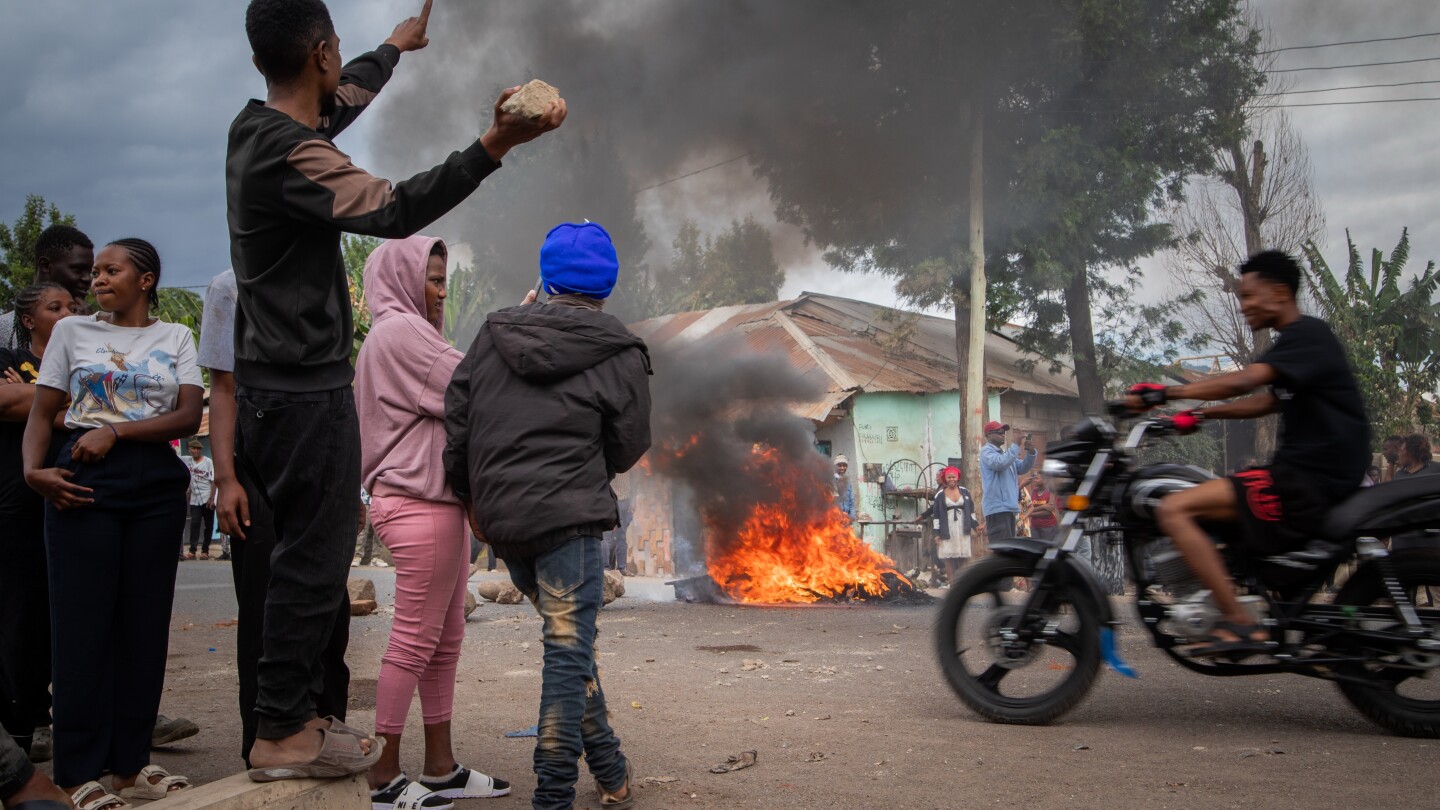
Protests over Tanzania’s electoral results enter a third day
Tanzania’s commercial capital, Dar es Salaam, witnessed intense clashes on Friday as hundreds of demonstrators confronted police forces, demanding the national electoral body halt the announcement of contested election results. The protests, which began on Wednesday, have led to the deployment of the military and a nationwide internet shutdown. State television continued to broadcast the mainland results of the vote, where the Chama Cha Mapinduzi (CCM) party, in power since Tanzania’s independence in 1961, sought to extend its rule. The election was marred by the exclusion of presidential candidates from the two main opposition parties, leaving incumbent President Samia Suluhu Hassan to face 16 candidates from smaller parties with minimal campaign presence. In Zanzibar, the semi-autonomous archipelago, the CCM retained the presidential seat, with incumbent President Hussein Mwinyi securing 78.8% of the votes. However, the opposition has accused the government of “massive fraud” and vowed to reveal its next steps. The protests, initially sparked by the harassment of opposition leaders and limited election choices, have escalated into widespread violence, with vehicles, gas stations, and police stations set ablaze. Amnesty International reported two fatalities during Wednesday’s unrest. The government has yet to comment on the extent of the damage or casualties. In response to the escalating crisis, the military has been deployed, and the reopening of colleges and universities, scheduled for next Monday, has been postponed. Army Chief Gen. Jacob John Mkunda condemned the violence, pledging the military’s collaboration with other security agencies to restore order. Meanwhile, Tanzanians abroad have been organizing daily discussions on X Spaces to analyze the protests and explore ways to financially support the demonstrators.
-
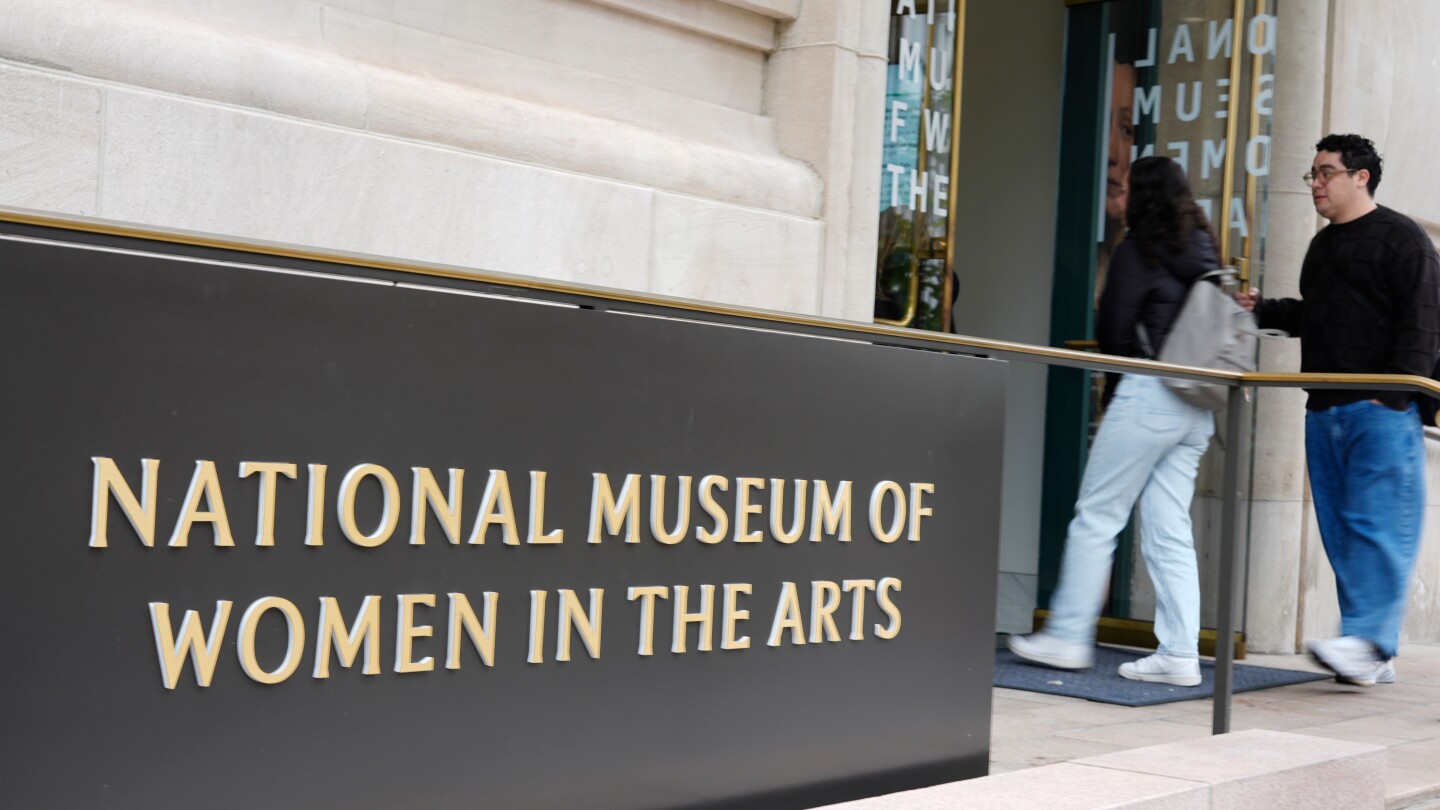
Louvre heist highlights thorny issue for museums: How to secure art without becoming fortresses
In the wake of a high-profile jewelry heist at the Louvre in Paris, museums worldwide are reassessing their security protocols. The incident has sparked urgent discussions among institutions, including Washington’s National Museum of Women in the Arts, the Smithsonian, and the National Gallery of Art. Doug Beaver, a security specialist, revealed that detailed reviews and strategic plans were swiftly implemented following the theft. Similar dialogues are unfolding globally as museums grapple with the dual challenge of safeguarding art while maintaining an open and welcoming environment for visitors. The Louvre’s director, Laurence des Cars, acknowledged significant security lapses, prompting French police and legislators to address vulnerabilities. A letter of support from 57 international museums, published in Le Monde, emphasized the importance of museums as accessible spaces of wonder, not fortresses. However, many museums, particularly those housed in historic buildings like the Louvre, face unique challenges in modernizing security without compromising their architectural integrity. Experts like François Chatillon, France’s chief architect of historical monuments, caution against hasty, invasive measures. Meanwhile, security professionals are focusing on balancing risk management with visitor experience. Doug Beaver highlighted the need for intelligent risk management, citing measures such as enhanced weapons detection and restricted visitor items. The incident has also reignited discussions about international cooperation and investment in advanced security technologies. Despite these efforts, the broader challenge remains: preserving the magic of museums while ensuring their safety.
-

APEC evolutions: New outlooks for the gathering
China Daily Information Co (CDIC) holds exclusive rights to all content published on its platform, including text, photos, and multimedia materials. Unauthorized reproduction or use of this content in any form is strictly prohibited without prior written consent from CDIC. The website recommends using browsers with a resolution of 1024*768 or higher for optimal viewing. Additionally, China Daily provides various services such as advertising opportunities, job offers, and expatriate employment resources. Users can also stay connected through the platform’s social media channels. For inquiries, the site offers a dedicated contact section. The publication operates under the online multimedia publishing license number 0108263 and is registered under the number 130349.
-

Nasa hits back at Kim Kardashian’s moon landing conspiracy
Reality TV star Kim Kardashian has ignited a fresh wave of controversy by suggesting that the historic 1969 Moon landing was staged. During a recent episode of her show *The Kardashians*, Kardashian told co-star Sarah Paulson that she believes the Apollo 11 mission “didn’t happen.” She referenced an interview with astronaut Buzz Aldrin, quoting him as saying, “There was no scary moment because it didn’t happen.” However, the authenticity of the quote remains unverified. Kardashian later told a producer, “I center conspiracies all the time,” doubling down on her skepticism. NASA Acting Administrator Sean Duffy swiftly responded on social media, stating, “Yes, we’ve been to the Moon before… 6 times!” He also highlighted NASA’s ongoing Artemis program, aimed at returning humans to the Moon. Despite decades of scientific evidence debunking Moon landing conspiracy theories, such claims have persisted, fueled in part by social media. Duffy invited Kardashian to witness the Artemis mission launch, but the star shifted focus by inquiring about the interstellar object 3I/Atlas, dubbed the oldest comet ever observed. Experts, including the Institute of Physics, have repeatedly refuted claims that the Apollo 11 mission was a hoax, asserting that every argument has been discredited.
-
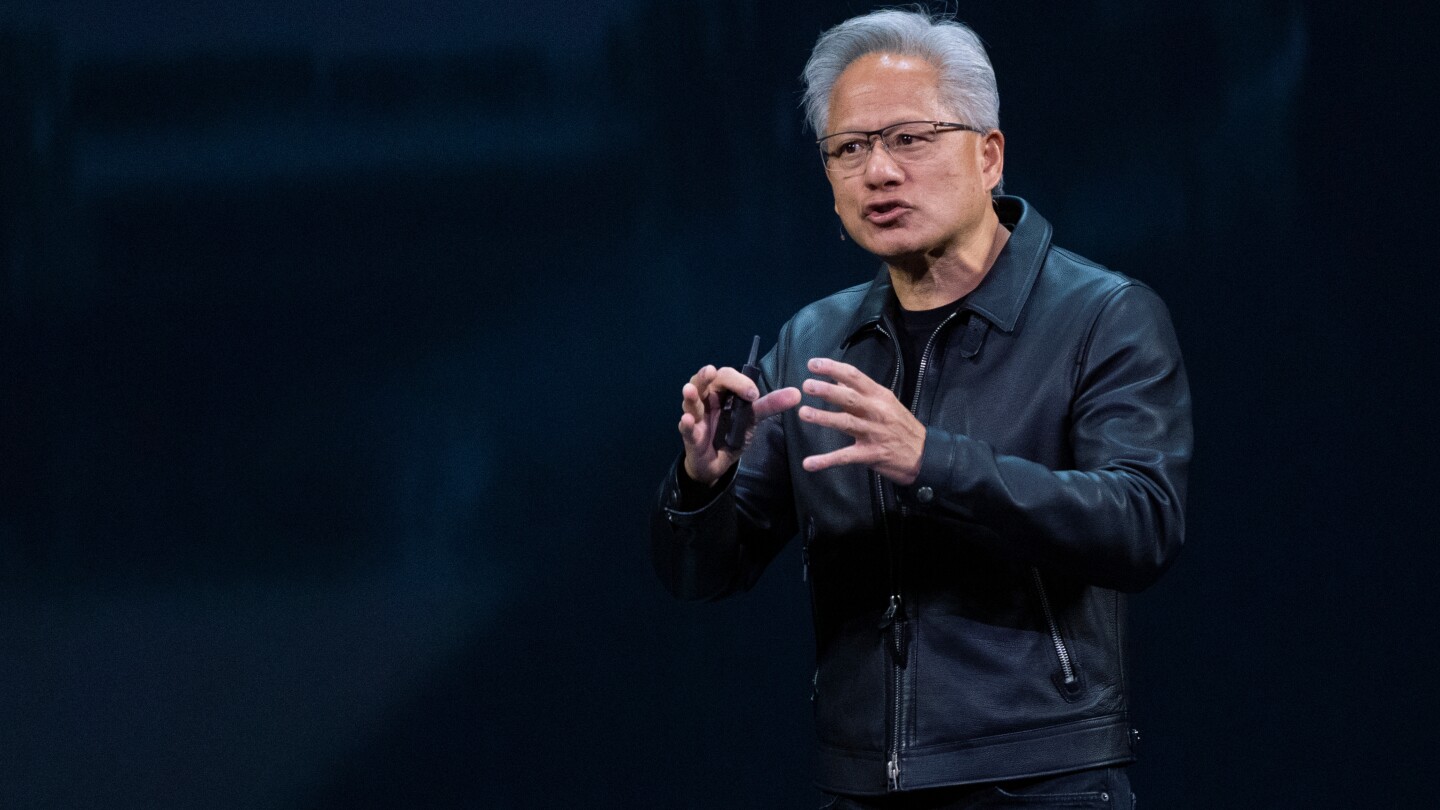
Nvidia partners with South Korean government, companies to boost AI development
In a landmark collaboration, Silicon Valley-based chipmaker Nvidia has announced plans to supply hundreds of thousands of its advanced graphics processing units (GPUs) to South Korea, aiming to bolster the nation’s artificial intelligence (AI) infrastructure and technological capabilities. The agreement, unveiled on Friday, involves key South Korean entities such as Samsung Electronics, SK Hynix, and Hyundai Motor, alongside the South Korean government. The announcement followed a high-profile meeting between South Korean President Lee Jae Myung and Nvidia CEO Jensen Huang, who has been receiving celebrity-like attention during his visit to the country. Huang’s presence in South Korea coincides with the Asia-Pacific Economic Cooperation (APEC) forum in Gyeongju, where the nation is showcasing its AI ambitions. According to the agreement, Nvidia will provide approximately 260,000 GPUs, with 50,000 units allocated to a government initiative to establish a national AI cloud computing center. Samsung and SK Hynix will each receive 50,000 GPUs to enhance their manufacturing processes and accelerate the development of cutting-edge semiconductors. Additionally, Hyundai and Nvidia will collaborate on self-driving cars, smart factories, and robotics, powered by 50,000 of Nvidia’s latest Blackwell GPUs. This partnership underscores Nvidia’s pivotal role in the global AI industry, as the company recently became the first to reach a $5 trillion valuation, driven by the AI boom. However, concerns about a potential AI bubble persist, with warnings from financial institutions about the sustainability of tech stock prices fueled by AI hype.
-
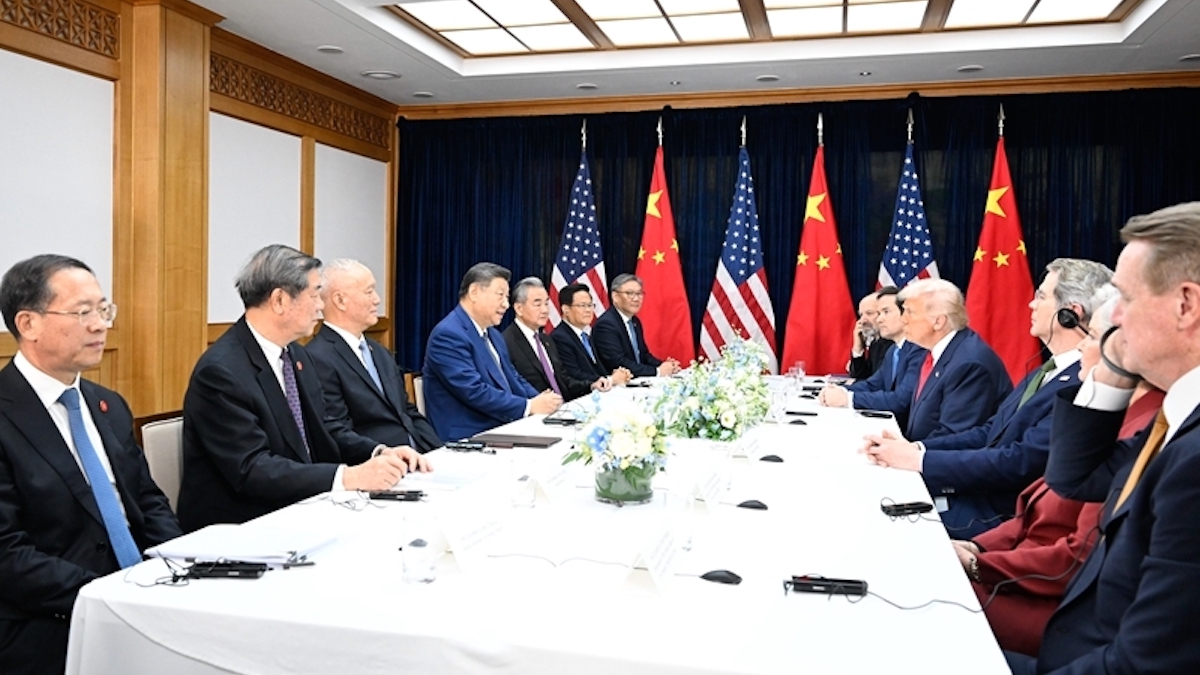
Chinese pundits claim victory after Trump’s trade concessions
The recent summit between Chinese President Xi Jinping and US President Donald Trump has led to significant trade concessions, sparking widespread celebration among Chinese media and commentators. Washington agreed to halve the 20% fentanyl-related tariff and extend the suspension of the 24% reciprocal tariffs by a full year, rather than the initially anticipated 90 days. This decision came after the two leaders met in South Korea on Thursday morning, marking a pivotal moment in the ongoing trade negotiations between the two economic giants. Chinese analysts hailed the compromises as substantial, particularly given the backdrop of the tariff war that began in 2018. Despite a de-escalation agreement in May, Chinese exporters still faced an average tariff rate of 55%, including a 20% fentanyl-related tariff, a 10% reciprocal tariff, and a 25% tariff from the 2018 trade war. The new concessions are expected to save Chinese exporters $43.5 billion annually, providing a much-needed boost to China’s export economy, which saw a 16.9% year-on-year decline in the first nine months of this year. The trade truce also highlighted China’s strategic use of its rare-earth dominance, with the US recognizing the critical role China plays in global rare-earth refining. This leverage has allowed Beijing to secure time for supply chain reforms and industrial upgrades. Meanwhile, the one-year tariff suspension has reignited optimism across China’s manufacturing hubs, with business leaders viewing it as a lifeline for stabilizing production and securing global orders. The US, facing its own industrial challenges, has softened its stance, acknowledging the need for cooperation. However, analysts caution that the US policy of suppressing China’s technological development remains unchanged. The truce also includes agreements to postpone new sanctions rules and reciprocal port fees, further easing trade tensions. As both nations navigate this fragile truce, the focus remains on leveraging the coming year to strengthen economic resilience and deepen bilateral cooperation.