
Manchester, England — Brazilian football star Lucas Paqueta has been formally reprimanded and cautioned about his future conduct, despite being exonerated from spot-fixing allegations earlier this year. An independent commission imposed sanctions after the West Ham United forward was found to have failed to cooperate fully with an English Football Association (FA) investigation into the initial charges. Paqueta, acting on legal counsel, responded with “no comment” to numerous questions during his interview, leading to potential penalties that could have included fines and suspension. However, the commission opted for the least severe punishment, citing mitigating factors such as the FA’s apparent disinterest in his statements during a second interview, the mental health toll on Paqueta, the collapse of a potential transfer to Manchester City, and his substantial legal fees. The FA had accused Paqueta of deliberately receiving yellow cards in four matches between 2022 and 2023 to manipulate betting markets, but the charges were deemed unproven in July. The commission also dismissed the FA’s claims linking Paqueta to a series of bets placed in Brazil, suggesting the betting patterns were more likely the result of random “hot tips” rather than a coordinated spot-fixing operation. The FA was ordered to cover 90% of the commission’s costs, with Paqueta responsible for the remaining 10%.
作者: admin
-

Umrah visa rules: Saudi Arabia to change validity soon, reports say
Saudi Arabia is set to implement significant changes to its Umrah visa regulations in response to the growing number of pilgrims visiting the Kingdom. According to reports from Al Arabiya.net, the Saudi Ministry of Hajj and Umrah has decided to reduce the validity of Umrah visas from three months to one month from the date of issuance. This new rule, which will take effect next week, aims to better manage the influx of pilgrims during the cooler months when travel to the region increases. Additionally, visas will be automatically canceled if pilgrims fail to enter Saudi Arabia within 30 days of issuance. However, the permitted duration of stay for pilgrims remains unchanged at three months upon arrival. The decision comes as the Kingdom has already issued over four million Umrah visas since the start of the new season in early June, marking a record high. Ahmed Bajafar, advisor to the National Committee for Umrah and Visit, explained that the changes are designed to prevent overcrowding in Makkah and Medina, where many pilgrims also visit the Prophet Mohammad’s mosque. Earlier in October, Saudi Arabia introduced stricter Umrah rules, including mandatory pre-booking of accommodation and transport verification through the Nusuk or Masar platforms. The Kingdom has also clarified that holders of all visa types are permitted to perform Umrah during their stay.
-
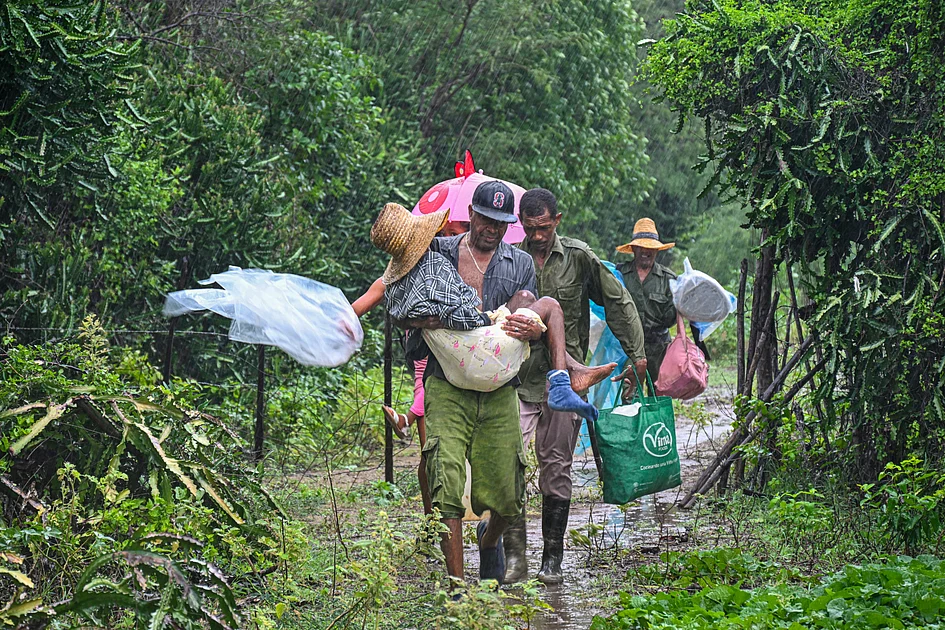
At least 49 dead as Hurricane Melissa wreaks destruction across Caribbean
Hurricane Melissa, a catastrophic Category 5 storm, has left a devastating mark across the Caribbean, claiming at least 49 lives and causing widespread destruction. The hurricane made landfall in southwestern Jamaica on Tuesday, marking the strongest storm to directly hit the island since 1988. With wind speeds far exceeding the threshold for the highest hurricane classification, Melissa tied as the second-strongest Atlantic hurricane on record. The storm’s slow movement exacerbated its impact, leading to prolonged torrential rains and severe flooding. In Haiti, which was not directly hit, at least 30 deaths were reported, with 20 people still missing. Jamaica’s information minister confirmed 19 fatalities, while hundreds of thousands remain without power, and infrastructure lies in ruins. The Bahamas and Cuba also faced significant damage, with Cuba evacuating 735,000 residents. Scientists attribute the increasing intensity and frequency of hurricanes to warming ocean waters caused by climate change. Caribbean leaders have called for reparations from wealthy, high-polluting nations to address the escalating crisis. The U.S. has pledged immediate humanitarian aid, with search and rescue teams en route to Jamaica. Recovery efforts are underway, but the region faces a long road to rebuilding.
-
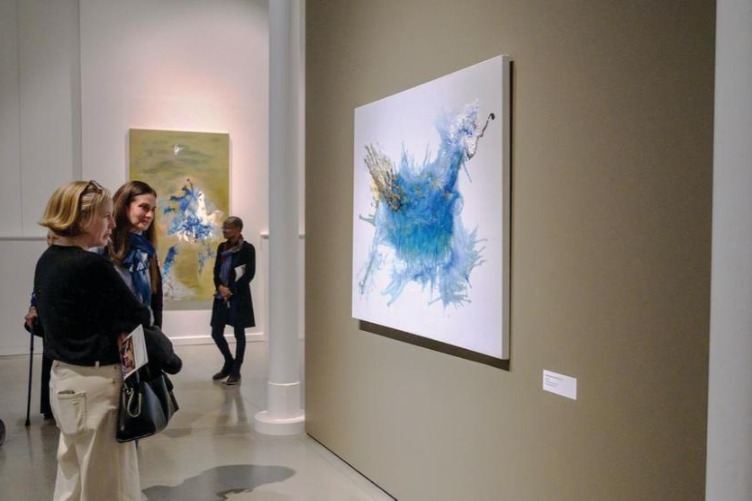
Shen Wei traverses cultural bridge
Shen Wei, a multifaceted artist renowned for his work as a painter, dancer, and director, continues to bridge the cultural divide between East and West. His latest exhibition, ‘Shen Wei: Still/Moving,’ showcased at the Pocantico Center of the Rockefeller Brothers Fund in New York, exemplifies his unique ability to merge traditional Chinese art forms with contemporary Western aesthetics. The exhibition, which runs until April 18, 2026, features a series of works that explore universal themes through the lens of his diverse artistic background.
Born in Hunan province, Shen Wei began his artistic journey at the age of seven, learning traditional Chinese painting. Over the years, he expanded his repertoire to include Chinese opera, calligraphy, and dance. His immersion in Western culture began after moving to the West, where he delved into Western aesthetics, painting, dance, music, film, and opera. Shen Wei’s work is a testament to his deep appreciation for both cultures, which he seamlessly integrates into his art.
In a recent performance in New York, Shen Wei directed four American dancers as they moved across a large canvas, their bodies acting as brushes to create a living artwork. This innovative approach to art and dance highlights Shen Wei’s ability to transcend cultural boundaries and create a new artistic identity that resonates with audiences worldwide.
‘Chinese culture has its own beauty and civilization that have been passed down for thousands of years,’ Shen Wei remarked. ‘After coming to the West, I began to understand Western civilization, its aesthetics, painting, dance, music, film, and opera. I love both cultures deeply. They are both humanity’s shared pursuit of beauty expressed through sound, sight, and movement in different ways. I find both profoundly beautiful, creating a new artistic identity of my own that deeply relates to my Chinese roots, as well as Western culture.’
-
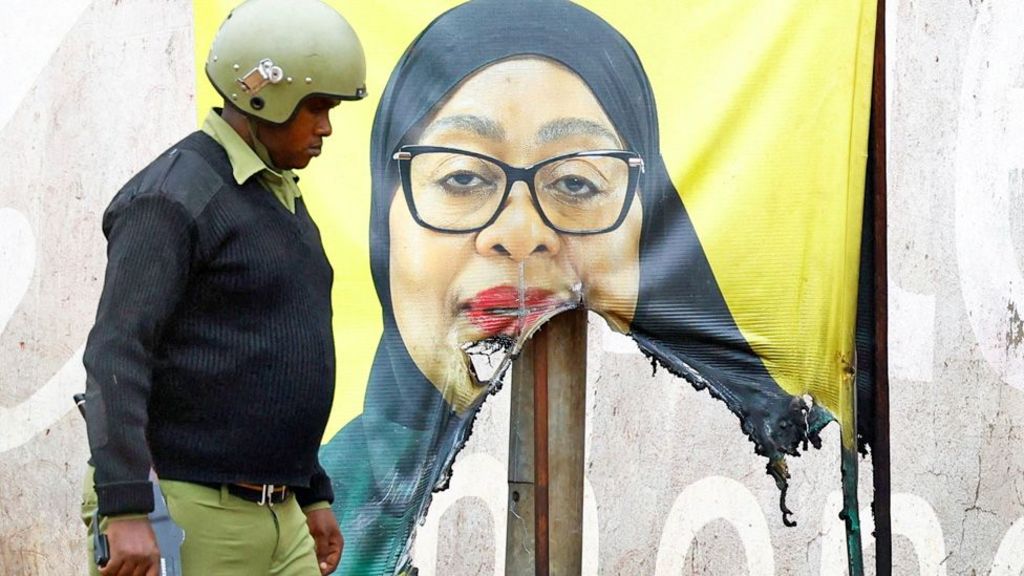
Election protesters defy army chief in third day of Tanzania unrest
Tanzania is witnessing a wave of unrest as protests continue for the third consecutive day, despite stern warnings from the country’s military leadership. Demonstrators, primarily young citizens, have flooded the streets of major cities, decrying the recent presidential election as unfair. The exclusion of key opposition figures from contesting against President Samia Suluhu Hassan has fueled widespread discontent. The government has imposed an internet blackout, making it challenging to verify reports of casualties, while a curfew has been extended to curb the escalating violence. The United Nations has expressed grave concern, urging Tanzanian security forces to avoid excessive force. UN human rights spokesperson Seif Magango cited credible sources indicating at least 10 fatalities. Amnesty International has also raised alarms, though communication disruptions have hindered their ability to confirm these reports. Hospitals are withholding information from journalists and human rights groups, further obscuring the true scale of the crisis. The government has downplayed the violence, emphasizing its control over the situation. Meanwhile, the electoral commission has announced results from over half of the country’s 100 constituencies, with President Samia, representing the long-ruling Chama Cha Mapinduzi (CCM) party, expected to secure victory. The CCM has governed Tanzania since its independence in 1961. On the semi-autonomous archipelago of Zanzibar, incumbent President Hussein Mwinyi of the CCM has reportedly won nearly 80% of the vote, though opposition leaders have alleged massive fraud. The protests have disrupted daily life, with tourists stranded at airports due to flight delays. Critics accuse the government of undermining democracy, citing the imprisonment of main opposition leader Tundu Lissu on treason charges and the disqualification of another prominent contender, Luhaga Mpina, on legal technicalities. Samia, Tanzania’s first female president, assumed office in 2021 following the death of her predecessor, John Magufuli. While initially praised for easing political repression, her administration has faced growing criticism for narrowing the political space and targeting critics through arrests and abductions. The situation remains tense as the nation awaits official election results, expected on Saturday.
-
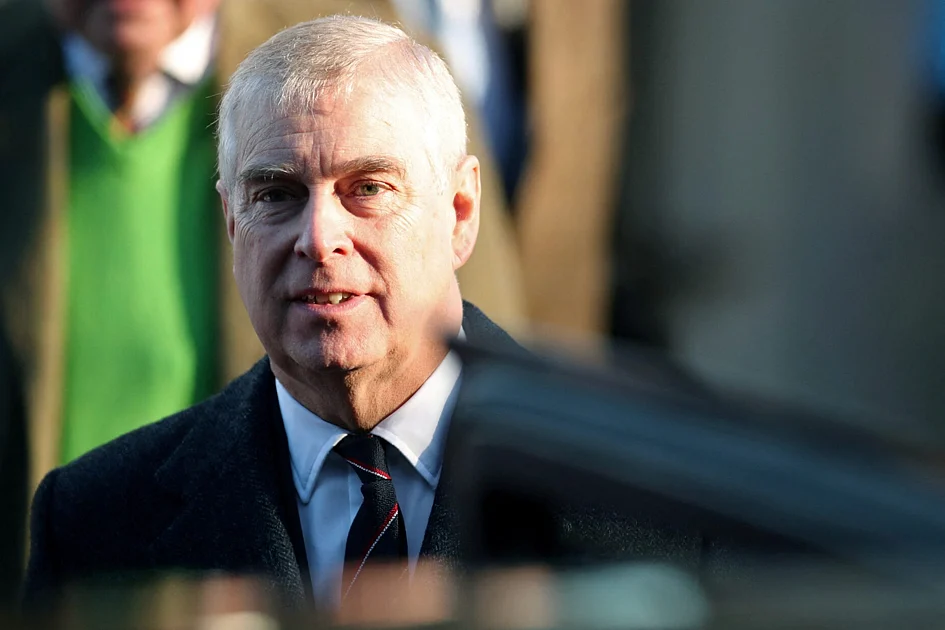
King Charles strips brother Andrew of royal titles, Windsor mansion
In a decisive move, King Charles III has stripped his younger brother, Prince Andrew, of his royal titles and ordered him to vacate his residence at Windsor Castle. The announcement, made on October 30, 2025, follows renewed allegations of sexual assault against Andrew, linked to the infamous Jeffrey Epstein scandal. Buckingham Palace confirmed that Andrew will now be referred to as Andrew Mountbatten Windsor, marking the formal removal of his princely status. Additionally, he has been instructed to relocate to private accommodations as soon as possible. The decision underscores the monarchy’s commitment to distancing itself from the ongoing controversy surrounding Andrew, who has consistently denied the accusations. The palace emphasized its sympathy for victims of abuse, stating, ‘Their Majesties wish to make clear that their thoughts and utmost sympathies have been, and will remain with, the victims and survivors of any and all forms of abuse.’ The move comes days after the posthumous publication of Virginia Giuffre’s memoir, which detailed her allegations of being trafficked by Epstein to engage in sexual encounters with Andrew. Giuffre, who tragically took her own life in April 2025, had previously settled a civil case against Andrew in 2022. Public outrage has intensified following revelations about Andrew’s minimal rent payments for his Windsor residence and his associations with Epstein and other convicted offenders. The decision to revoke Andrew’s titles and evict him from Royal Lodge reflects the monarchy’s efforts to address public discontent and uphold its reputation.
-
Floods kill 13 in Central Vietnam as rescue operations push forward
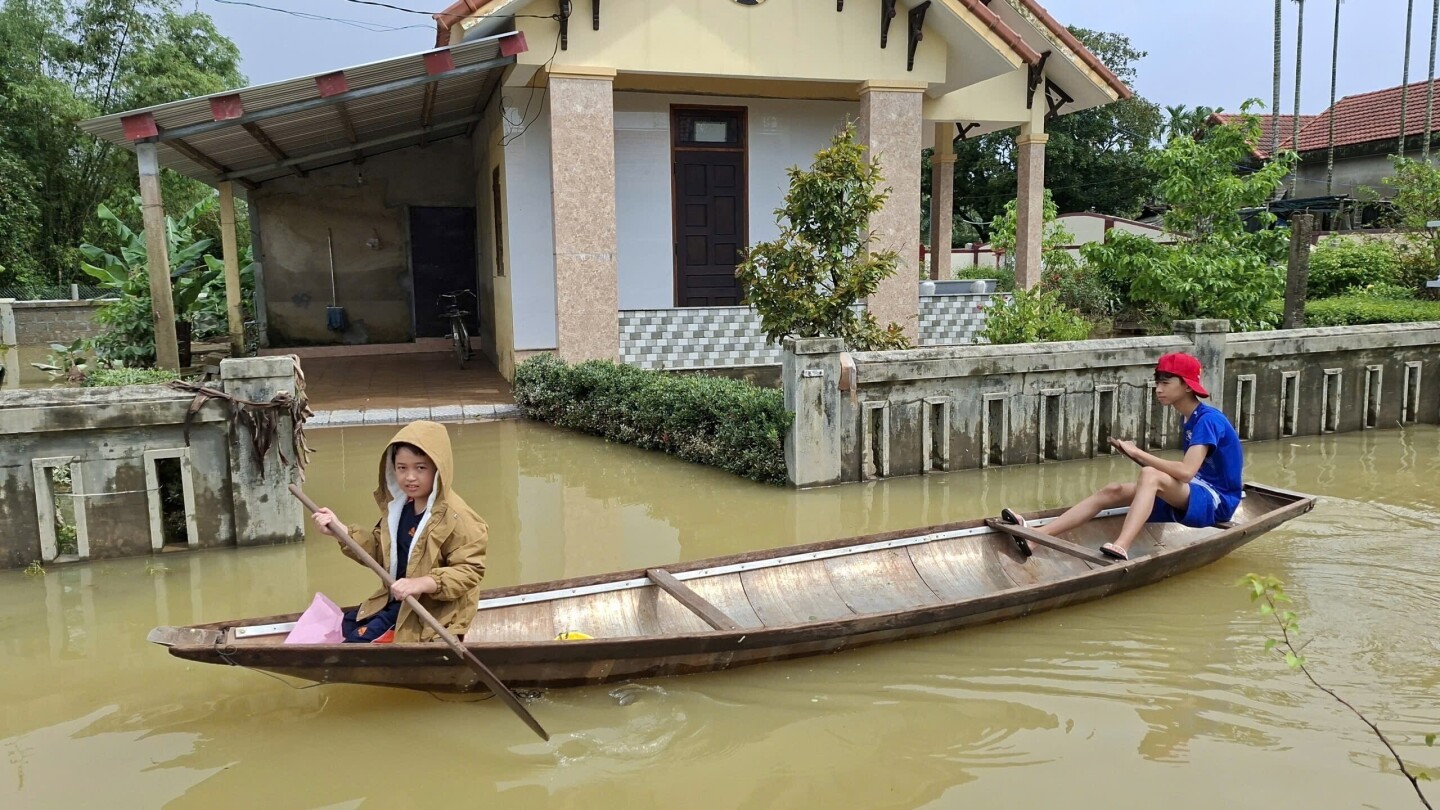
HANOI, Vietnam — As floodwaters began to recede across central Vietnam on Friday, rescue operations ramped up in response to days of relentless rainfall and catastrophic landslides that have claimed at least 13 lives, left 11 people missing, and displaced tens of thousands. The subsiding waters enabled emergency teams to access previously isolated communities, with nearly 26,000 residents evacuated from flood-ravaged or landslide-prone areas. The Vietnamese government mobilized helicopters and military personnel to deliver essential supplies such as food and medicine, while also focusing on repairing homes, clearing debris, and preventing disease outbreaks. Infrastructure restoration efforts are underway, with roads, power lines, and schools being repaired, and emergency rice aid scheduled for distribution by Saturday. The North–South railway, a vital transport link connecting Hanoi and Ho Chi Minh City, resumed operations early Friday after a three-day closure, thanks to the tireless efforts of hundreds of workers who repaired damaged sections overnight. While flooding has eased in coastal cities like Hue and Danang, widespread inundation persists and is expected to continue for the next two days, according to state media. Since torrential rains began on October 26, the region has witnessed submerged homes, destroyed villages, and devastated infrastructure. Hue recorded an unprecedented 1,085 millimeters (42 inches) of rain in just 24 hours earlier this week, marking the highest daily rainfall ever measured in Vietnam. Prime Minister Pham Minh Chinh has issued urgent directives to accelerate recovery efforts and ensure no one goes hungry or without shelter. Disaster officials reported that approximately 120,000 homes were flooded, with 56 completely destroyed and 147 severely damaged. Temporary shelters are being established for displaced families. Meteorologists attributed the extreme weather to a collision of cool northern air with warm, moisture-laden sea winds, triggering a series of storms that have battered central provinces for days. The interaction forced rain clouds against mountainous terrain, exacerbating the downpours. Authorities have warned that heavy rain may persist in parts of central Vietnam through November 4, with some areas expected to receive over 700 millimeters of rain. While central Vietnam is no stranger to heavy rains and tropical storms, experts emphasize that the scale and intensity of this week’s floods underscore the escalating risks associated with shifting rainfall patterns in a warming climate. Vietnam ranks among the world’s most flood-prone countries, with nearly half its population residing in high-risk areas.
-
What to know about a disputed election in Tanzania, where single-party rule is being challenged
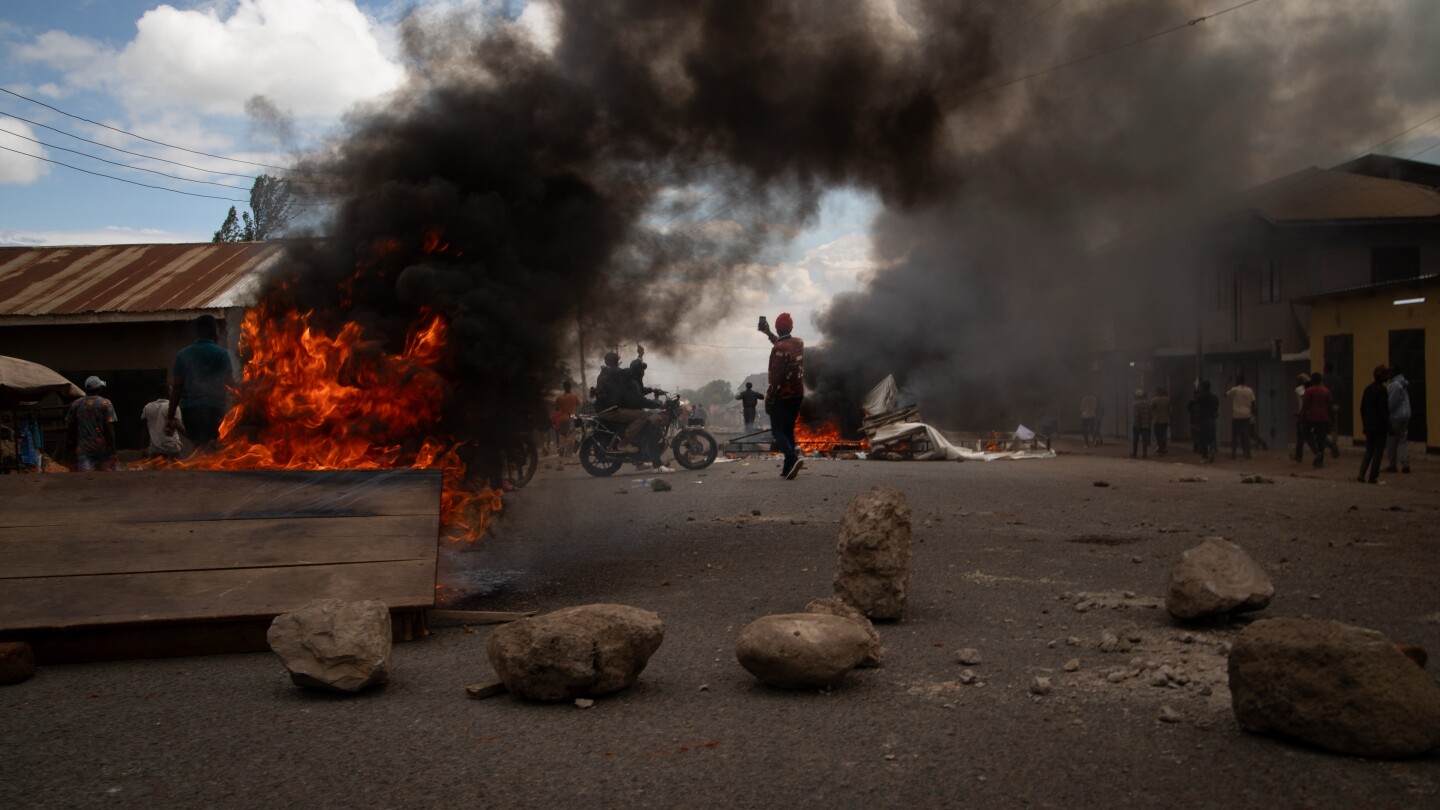
KAMPALA, Uganda — Tanzania is experiencing widespread protests as electoral authorities tally votes in a highly contested presidential election. Rights groups, opposition leaders, and observers have criticized the election, citing a climate of fear and suppression in the lead-up to the vote. Since Wednesday’s election, the military has been deployed alongside police to quell riots in major cities, a rare sight in a country known for its peaceful reputation and popular tourist destinations like pristine beaches and safari parks. The unrest stems from President Samia Suluhu Hassan’s bid for a second term, which critics describe as a ‘coronation’ rather than a fair contest. Hassan, Tanzania’s first female president, faced minimal opposition after her two main rivals were barred from running. Her administration has been accused of authoritarian tactics, including silencing dissent through arrests, intimidation, and internet restrictions. Opposition leader Tundu Lissu of the Chadema party has been jailed for months on treason charges, while ACT-Wazalendo’s Luhaga Mpina was disqualified from the race. The ruling Chama cha Mapinduzi (CCM) party, which has held power since Tanzania’s independence in 1961, is accused of using administrative, legal, and extra-legal means to maintain its dominance. Reports of enforced disappearances, arbitrary arrests, and extrajudicial killings have further fueled public outrage. Internet access has been intermittently shut down since the election, raising concerns about transparency. Tanzania’s political landscape contrasts sharply with neighboring countries like Uganda, Kenya, Mozambique, and Madagascar, where youth-led movements and opposition figures have challenged long-standing regimes. Despite regional trends, Tanzania remains an outlier, with CCM deeply entrenched in the state apparatus. Hassan’s rise to power followed the sudden death of her predecessor, John Pombe Magufuli, in 2021, maintaining CCM’s reputation for orderly transitions. However, her administration’s crackdown on dissent has drawn international criticism, with organizations like Amnesty International and the International Crisis Group highlighting the erosion of democratic freedoms. As Tanzania awaits official election results, the nation’s political stability hangs in the balance, with opposition leaders vowing to challenge CCM’s grip on power.
-
Sixty years after tourist stole skull from cathedral, he sends it back
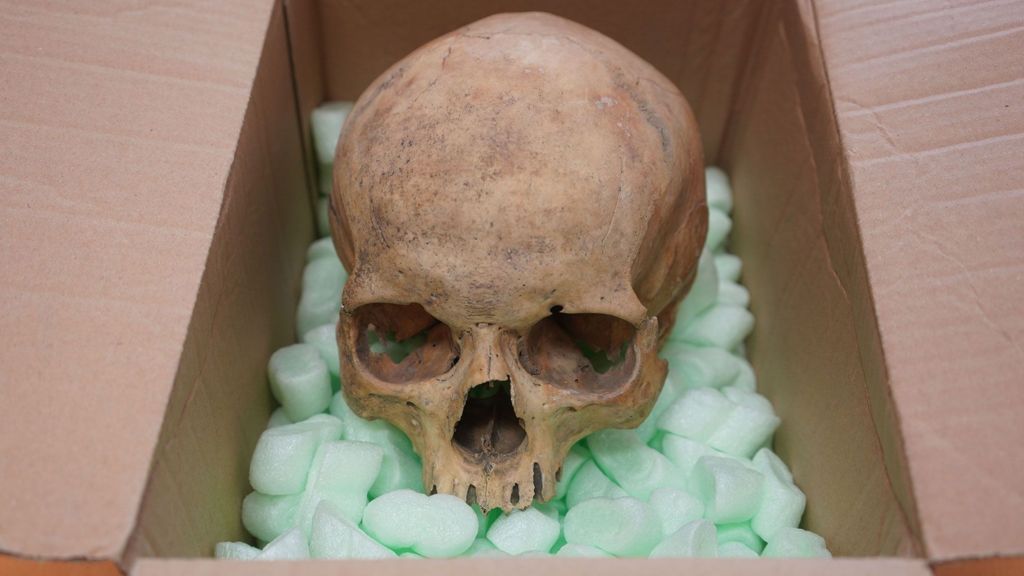
In an unexpected turn of events, a skull was recently returned to Vienna’s St Stephen’s Cathedral, accompanied by a heartfelt letter. Franz Zehetner, the cathedral’s archivist, was astonished when he opened a parcel addressed to the cathedral and discovered the skull inside. The package also contained a letter from a man in northern Germany, who confessed to stealing the skull as a young tourist nearly six decades ago. The man explained that he had taken the skull during a guided tour of the catacombs beneath the cathedral, which house the remains of approximately 11,000 individuals from the 18th century. In his letter, the remorseful tourist expressed his desire to make amends for his youthful indiscretion as he approached the end of his life. Franz Zehetner remarked on the touching nature of the man’s wish to rectify his past mistake, noting that the skull had been carefully preserved over the years, despite the irregularity of its removal. The identity of the skull remains unknown, and it has since been re-interred in the cathedral’s catacombs. St Stephen’s Cathedral has long been a resting place for both the common people and members of Vienna’s elite families, with many of the remains dating back to the 18th century.
-

Exxon posts strong quarterly earnings with production in Guyana and the Permian Basin picking up
Exxon Mobil and Chevron delivered robust third-quarter performances, driven by record production levels in key regions. Exxon Mobil reported earnings of $7.55 billion, or $1.76 per share, for the quarter ending September 30. While this marked a slight decline from the $8.61 billion, or $1.92 per share, earned in the same period last year, adjusted earnings of $1.88 per share exceeded Wall Street’s expectations of $1.81 per share, according to Zacks Investment Research. Revenue stood at $85.29 billion, slightly below the projected $86.77 billion. Exxon’s net production surged to 4.7 million oil-equivalent barrels per day, a significant increase of 1.1 million barrels compared to the previous quarter. Notably, Guyana’s output exceeded 700,000 barrels per day, while the Permian Basin achieved a record-breaking 1.7 million oil-equivalent barrels per day. Chevron also posted strong results, with third-quarter earnings of $3.54 billion, or $1.82 per share. Adjusted earnings of $1.85 per share surpassed the anticipated $1.66 per share, though revenue of $49.73 billion fell short of the $53.58 billion forecast. The companies’ performances were bolstered by rising oil prices, which spiked following U.S. sanctions on Russia’s oil industry. OPEC+’s recent decision to increase production by 137,000 barrels per day in November has also contributed to market stability. Both Exxon and Chevron maintain a policy of not adjusting reported results for one-time events, such as asset sales.