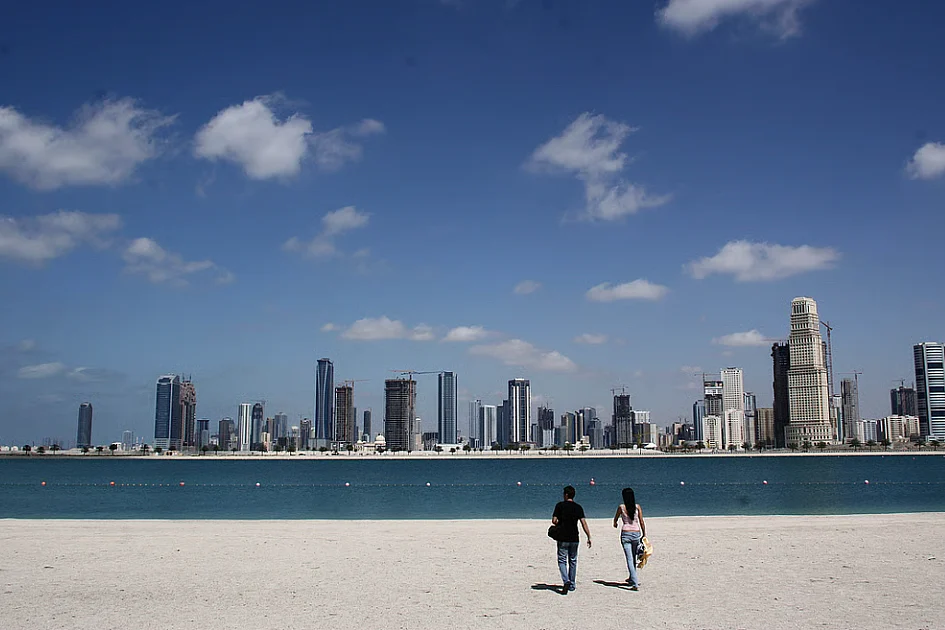
Residents of the UAE can look forward to pleasant weather conditions this weekend, as the National Centre of Meteorology (NCM) forecasts fair to partly cloudy skies across the country. On Saturday, November 1, 2025, temperatures are expected to remain comfortable, with highs of 33ºC in Dubai and Abu Dhabi. In the latter, certain areas like Mezaira may experience cooler temperatures, dropping to as low as 19ºC, while mountainous regions could see mercury levels dip to 17ºC. Overnight and into Sunday morning, humidity is anticipated to increase in some coastal and internal areas. Light to moderate winds, occasionally freshening, will sweep across the nation. Sea conditions are predicted to be slight to moderate in the Arabian Gulf and slight in the Oman Sea. This mild weather offers an ideal opportunity for outdoor activities and exploration.
作者: admin
-
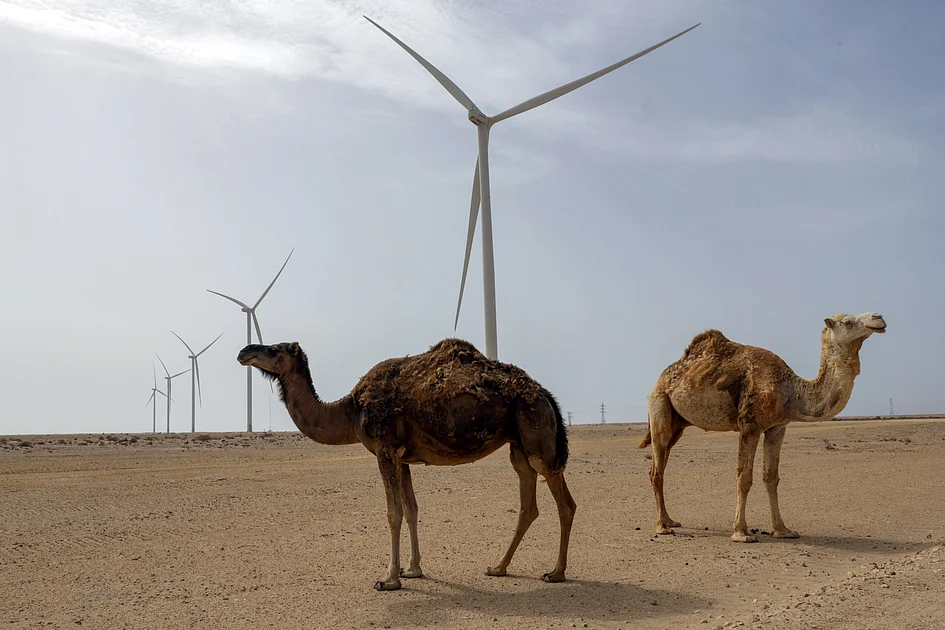
UN Security Council backs Morocco’s plan for Western Sahara autonomy
The United Nations Security Council has adopted a resolution supporting Morocco’s proposal for autonomy in Western Sahara, marking a significant step in resolving the decades-long territorial dispute. The resolution, drafted by the United States, emphasizes that genuine autonomy under Moroccan sovereignty could be the most viable solution to the conflict between Morocco and the Algeria-backed Polisario Front, which seeks independence for the region. Western Sahara, a vast desert territory comparable in size to Britain, has been a flashpoint of contention since Spain’s withdrawal in 1975. The UN Security Council’s resolution calls for renewed negotiations based on Morocco’s 2007 autonomy plan, which envisions local governance while retaining Moroccan control over defense, foreign affairs, and religious matters. The resolution also extended the mandate of the UN peacekeeping mission in Western Sahara, MINURSO, for another year. While 11 council members voted in favor, Russia, China, and Pakistan abstained, and Algeria did not participate in the vote. Algeria’s UN Ambassador Amar Bendjama criticized the resolution, stating that it disregarded the Polisario Front’s proposals and emphasized that the future of Western Sahara should be determined by its people. Morocco’s King Mohammed VI hailed the resolution as a ‘new chapter’ in asserting the ‘Moroccanness of the Sahara’ and called for dialogue with Algeria. Meanwhile, the Polisario Front rejected the resolution, vowing not to engage in any process that legitimizes Moroccan control. The resolution also requested UN Secretary-General Antonio Guterres to conduct a strategic review of MINURSO’s mandate within six months. The move aligns with growing international support for Morocco’s position, including backing from the US, France, Britain, and Spain, signaling a shift in global diplomatic perspectives on the issue.
-

Andrew’s royal exit is the latest crisis for Britain’s monarchy
The British monarchy, a symbol of tradition and continuity, has once again found itself navigating turbulent waters. The recent banishment of Prince Andrew by King Charles III marks a significant moment in the institution’s history. Stripped of his princely title and residence, Andrew faces heightened scrutiny over his financial dealings and association with the late Jeffrey Epstein, a convicted sex offender. This decisive action underscores Charles’ commitment to safeguarding the monarchy’s reputation amid ongoing controversies.
-
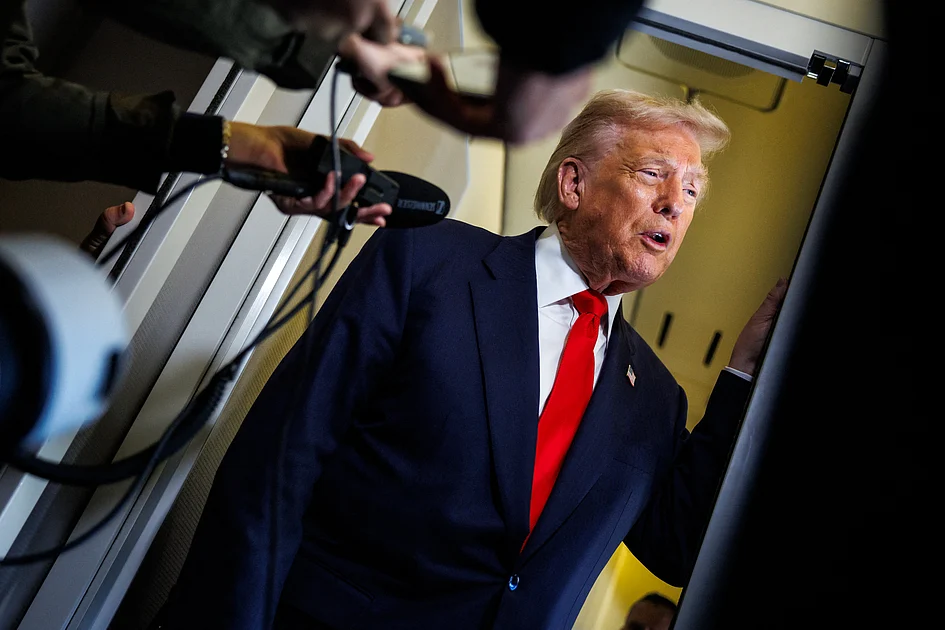
Trump restricts reporters’ access to White House press office
The Trump administration has introduced stringent new measures limiting journalists’ access to key areas within the White House press office. Effective immediately, reporters are barred from entering the ‘Upper Press’ area, located adjacent to the Oval Office, without prior appointment. This decision, outlined in a memo from the White House National Security Council (NSC), cites the need to safeguard ‘sensitive material’ from unauthorized disclosure. The ‘Upper Press’ zone houses the office of Press Secretary Karoline Leavitt and is a critical hub for media interactions. White House Communications Director Steven Cheung defended the policy, alleging that reporters had been ‘ambushing’ cabinet secretaries and secretly recording audio and video in the area. However, no concrete evidence was provided to substantiate these claims. Journalists retain access to the ‘Lower Press’ area, situated near the White House briefing room, where junior press officers are stationed. This move is part of a broader trend of tightening media access under the Trump administration, which has also imposed new restrictions at the Pentagon and reduced access for mainstream outlets while favoring right-wing media. The policy has drawn comparisons to similar measures during the Clinton administration, which were later rescinded. Critics argue that these restrictions undermine press freedom and transparency, while supporters claim they are necessary to protect sensitive information.
-

Children hospitalised after fireworks thrown at asylum accommodation
A distressing incident unfolded in Drogheda, County Louth, on Friday evening when fireworks were hurled into a building housing individuals seeking international protection. The attack, which occurred around 20:15 local time, resulted in a fire that was subsequently extinguished by emergency services. Among the evacuated occupants, four children and one adult were transported to hospital for medical evaluation, as reported by Irish broadcaster RTÉ. Ireland’s Justice Minister Jim O’Callaghan condemned the act as a ‘criminal attack,’ emphasizing the peril it posed to the lives of the residents, particularly the women and children who endured the terrifying ordeal. Minister O’Callaghan assured that alternative accommodations are being arranged for the affected individuals. A comprehensive Garda investigation is currently underway, with the scene preserved for technical examination to aid in identifying the perpetrators. The Minister warned of severe consequences for those responsible, underscoring the gravity of the arson attack.
-

US urges ASEAN to be firm in countering China in the South China Sea
KUALA LUMPUR, Malaysia — U.S. Defense Secretary Pete Hegseth called on Southeast Asian nations to bolster their maritime capabilities to counter China’s increasingly aggressive actions in the South China Sea. Speaking at a meeting with Association of Southeast Asian Nations (ASEAN) counterparts, Hegseth emphasized the destabilizing impact of China’s recent activities, including vessel ramming and the use of water cannons. The South China Sea remains a highly contested region, with China claiming nearly the entire area, while ASEAN members such as the Philippines, Vietnam, Malaysia, and Brunei assert overlapping claims. The Philippines, a key U.S. ally, has faced frequent confrontations with Chinese maritime forces. Hegseth criticized China’s recent designation of Scarborough Shoal, seized from the Philippines in 2012, as a ‘nature reserve,’ calling it a tactic to expand territorial claims. He urged ASEAN to accelerate the conclusion of a Code of Conduct with China and enhance joint surveillance and rapid-response mechanisms. He also proposed a ‘shared maritime domain awareness’ system to ensure collective security. Additionally, Hegseth welcomed plans for an ASEAN-U.S. maritime exercise in December, aimed at reinforcing freedom of navigation and sovereign rights. China, however, dismissed U.S. criticism, accusing Washington of provoking tensions and interfering in regional affairs. Chinese officials labeled the Philippines a ‘troublemaker’ following recent joint naval and air drills with the U.S., Australia, and New Zealand, which Beijing claimed undermined regional stability.
-
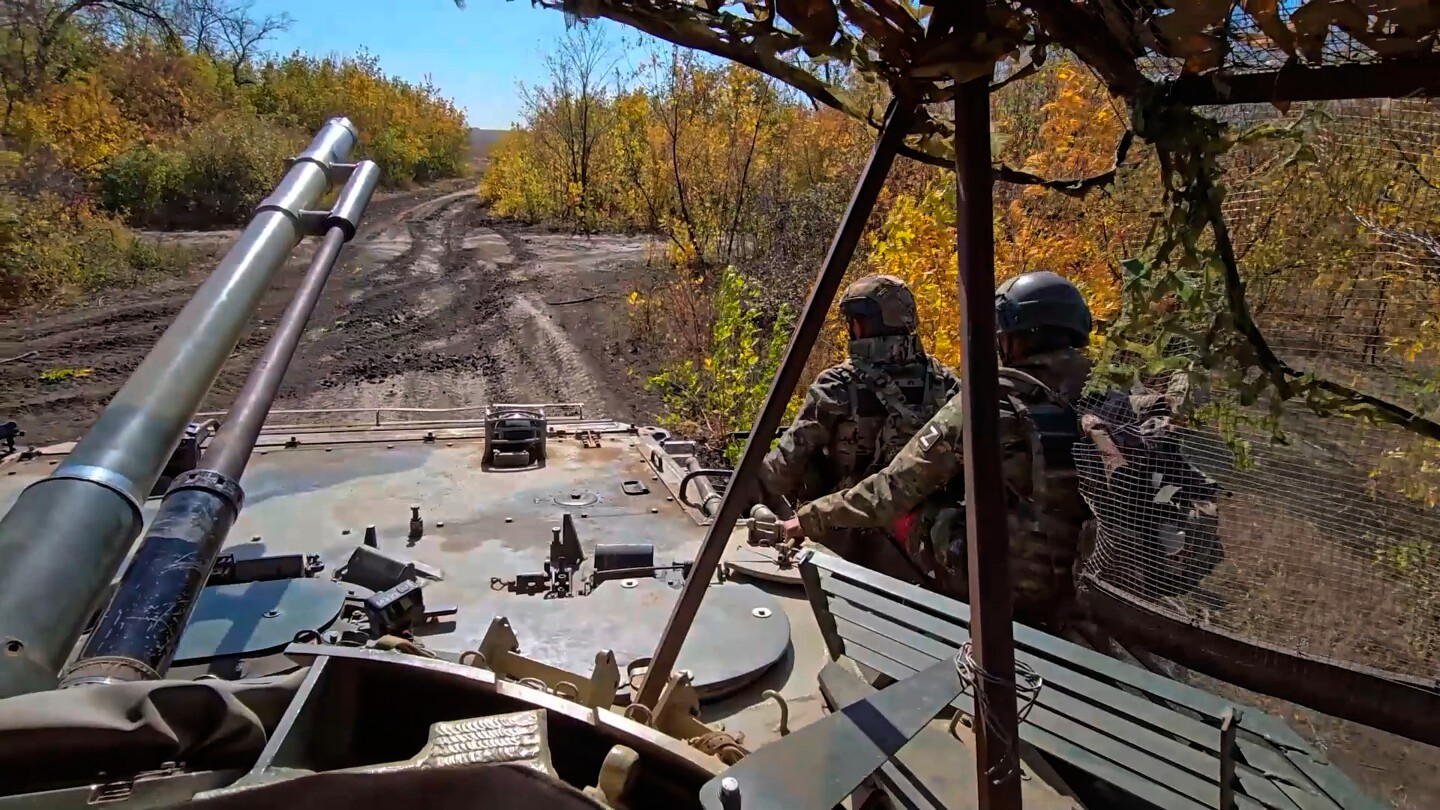
Ukraine says it hit a key fuel pipeline near Moscow that supplies Russian forces
In a significant escalation of the ongoing conflict, Ukrainian military intelligence reported on Saturday that its forces successfully targeted a crucial fuel pipeline in the Moscow region, which plays a vital role in supplying the Russian army. The operation, carried out late Friday, was announced via the Telegram messaging channel by Ukraine’s Main Intelligence Directorate (HUR). The strike, described as a “serious blow” to Russia’s military logistics, destroyed the Koltsevoy pipeline near the Ramensky district. This pipeline, spanning 400 kilometers (250 miles), was responsible for transporting substantial quantities of gasoline, diesel, and jet fuel from refineries in Ryazan, Nizhny Novgorod, and Moscow to Russian military operations. According to HUR, the pipeline had an annual capacity of 3 million tons of jet fuel, 2.8 million tons of diesel, and 1.6 million tons of gasoline. Kyrylo Budanov, the head of HUR, emphasized the impact of the strike, stating, ‘Our strikes have had more impact than sanctions,’ referencing the international sanctions imposed on Russia following its full-scale invasion of Ukraine in February 2022. Meanwhile, Russia continues its relentless campaign of drone and missile attacks on Ukraine’s energy infrastructure, causing widespread power outages and restrictions. On Saturday alone, Moscow launched 223 drones at Ukraine, with 206 intercepted by Ukrainian defenses. Seventeen drones struck targets across seven regions, including a ballistic missile attack in southern Ukraine that killed one civilian and injured 15 others, including a child. Additionally, a Russian strike in the central Poltava region ignited a fire at a gas plant, further exacerbating the humanitarian crisis. The conflict shows no signs of abating, with both sides intensifying their military operations and targeting critical infrastructure.
-
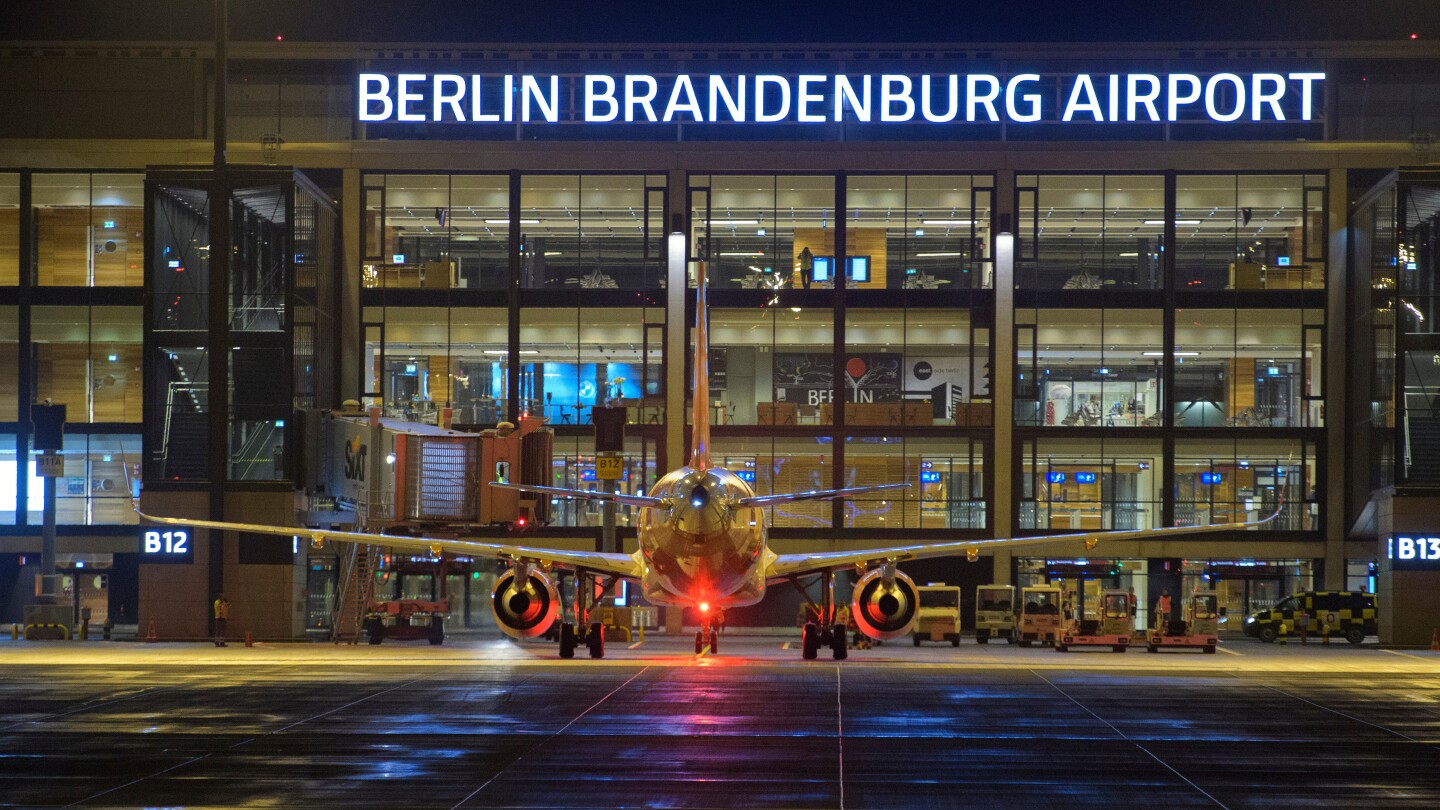
A drone sighting temporarily suspends air travel at the Berlin airport
Berlin Brandenburg Airport experienced a temporary suspension of flights on Saturday evening following a reported drone sighting, according to German news agency dpa. The disruption lasted nearly two hours, from 8:08 p.m. to 9:58 p.m. local time, before normal operations resumed by the next morning. Witnesses alerted local police, who confirmed the sighting but were unable to locate the drone. Neither airport officials nor police representatives provided immediate comments on the incident. This event occurs amid heightened security concerns across Europe, particularly after a surge in drone intrusions into NATO airspace in September. Some European officials have speculated that these incidents may be orchestrated by Moscow to test NATO’s readiness. Notably, Munich Airport faced similar disruptions last month, with two closures in less than 24 hours due to drone sightings. The repeated incidents have raised questions about the effectiveness of current defense mechanisms against such threats.
-

AI ‘taking jobs’ say UAE recruiters after mass Amazon layoffs
The rapid adoption of artificial intelligence (AI) in the workplace is reshaping the job market in the UAE, with recruitment experts warning of significant job losses in the near future. This trend follows mass layoffs at global tech giants like Amazon, where automation and AI have replaced human roles. Zaid Al Hiali, co-founder of Marc Ellis Consulting and Training, predicts that the Gulf region will soon experience a similar wave of AI-driven workforce reductions. He emphasized that AI is not only replacing operational roles but also technical positions, such as software engineering, where AI can now complete tasks like building a website in seconds. Al Hiali urged employees to upskill urgently to remain relevant, citing examples where AI systems have replaced entire teams of engineers in industries like oil and gas, banking, and technology. He also noted that AI adoption is impacting Emiratisation strategies, as entry-level roles traditionally filled by Emiratis, such as call centers, are increasingly being automated. Despite the grim outlook, some companies are taking a more ethical approach by retraining employees rather than replacing them outright. Aws Ismail, Al Hiali’s business partner, views AI as a productivity enhancer rather than a job eliminator. He shared examples of businesses thriving after integrating AI, such as a logistics company that reduced its sales team from 20 to two employees while improving efficiency. Ismail also highlighted the potential of AI in recruitment, with Marc Ellis launching an AI recruiter that has increased hiring speed by 40%. Candidates like Sakina Abdulhusein and Joshua Limcaoco praised AI-led interviews for their efficiency and lack of bias. While large-scale layoffs have yet to hit the UAE, experts agree that employees must embrace AI and upskill to secure their future in an increasingly automated workforce.
-

Police seize €1.3bn from Campari owner over alleged tax evasion
Italian authorities have seized shares worth €1.3 billion (£1.1 billion; $1.5 billion) from Luxembourg-based Lagfin, the controlling entity of the Campari Group, as part of an ongoing investigation into alleged tax evasion. The confiscation follows a year-long probe into the company’s financial activities, particularly its absorption of its Italian subsidiary. Prosecutors allege that Lagfin failed to pay taxes equivalent to the value of the seized shares during the merger process. Campari, the renowned producer of spirits such as Aperol, Grand Marnier, and Courvoisier, has stated that neither the company nor its subsidiaries are involved in the case. However, Campari’s chairman, Luca Garavoglia, is reportedly under investigation. Lagfin, which holds over 50% of Campari’s shares and 80% of its voting rights, has maintained that it has always adhered to tax obligations across all jurisdictions. The investigation, initiated by Milan prosecutors last year, uncovered €5.3 billion in undeclared capital gains between 2018 and 2020, on which the company allegedly failed to pay an ‘exit tax’—a levy imposed on firms relocating their headquarters abroad. Italian financial newspaper Il Sole 24 Ore also reported accusations that Lagfin transferred Italian assets to foreign ownership solely for tax benefits. Garavoglia, a billionaire who inherited Campari from his late mother, and Giovanni Berto, head of Campari’s Italian branch, are both implicated in the case. Campari, one of the world’s largest spirits producers, is valued at approximately €7 billion on the Milan Stock Exchange. The company traces its origins to 1860, when Gaspare Campari’s homemade bitter liqueur gained popularity at his Milan bar. By 1904, the family began commercial production, and from the 1990s, the firm expanded by acquiring other alcohol brands.