作者: admin

  • New US sanctions against Iran target interior minister over crackdown on protesters

    New US sanctions against Iran target interior minister over crackdown on protesters

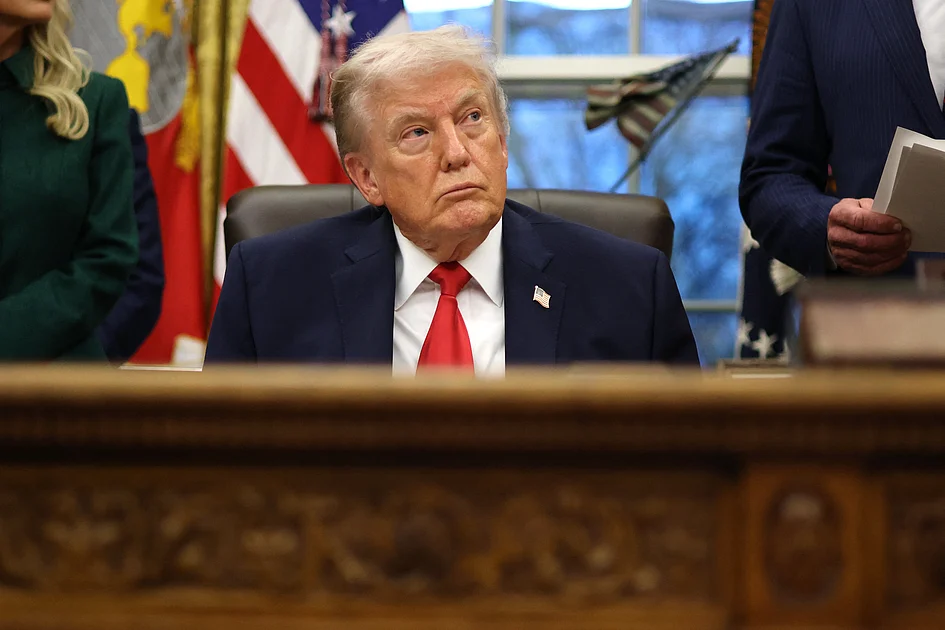
    In a significant escalation of international pressure, the United States has imposed targeted sanctions against Iran’s Interior Minister Eskandar Momani for his alleged role in suppressing nationwide protests. The Treasury Department’s Friday announcement marks the latest coordinated action with European allies against Tehran’s theocratic government.

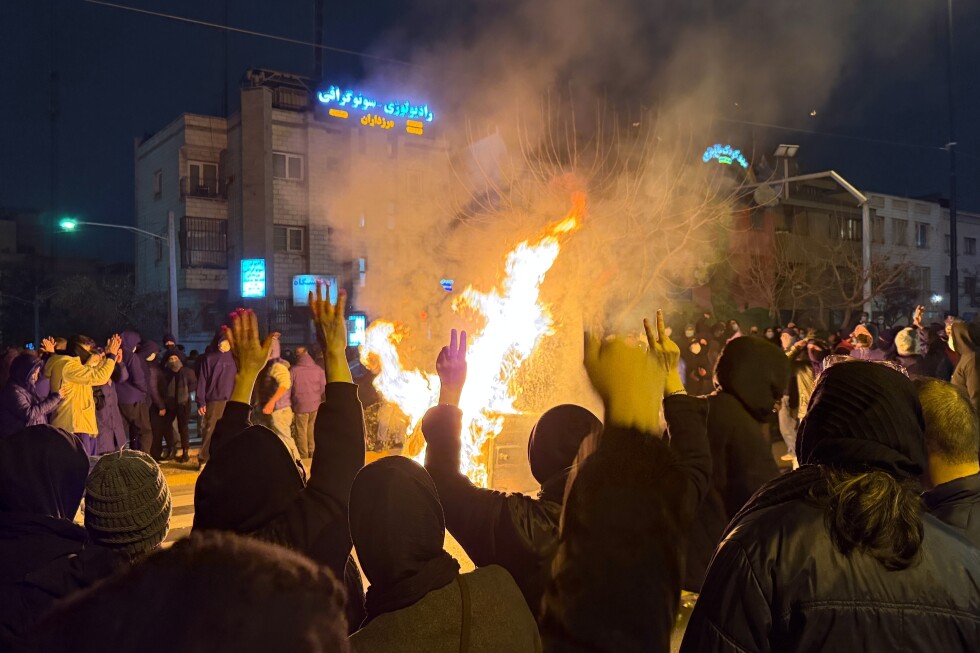
    The sanctions specifically cite Momani’s oversight of Iranian law enforcement forces responsible for the deaths of thousands of peaceful demonstrators. The protests initially emerged in December amid economic hardships but rapidly evolved into broader challenges against the Islamic Republic’s authority. According to activist accounts, the subsequent government crackdown has resulted in more than 6,000 fatalities, though Iranian officials consistently label protesters as “terrorists.

    This move follows the European Union’s Thursday sanctions against Momani, alongside members of Iran’s judicial system and other high-ranking officers. EU authorities stated these individuals were “all involved in the violent repression of peaceful protests and the arbitrary arrest of political activists and human rights defenders.”

    Concurrently, the Treasury Department’s Office of Foreign Assets Control sanctioned Babak Morteza Zanjani, an Iranian investor accused of embezzling billions in oil revenue for government benefit. Two digital asset exchanges processing substantial volumes of funds for Zanjani were also penalized.

    In a notable development, the EU has agreed to designate Iran’s paramilitary Revolutionary Guard as a terrorist organization—a largely symbolic but politically significant gesture. In response, Iran is considering reciprocal measures against EU countries’ militaries, according to Ali Larijani, secretary of Iran’s Supreme National Security Council.

    The latest U.S. sanctions package additionally targets the secretary of Iran’s Supreme Council for National Security, accused of being among the first officials to advocate violence against protesters. Eighteen individuals and companies allegedly participating in money laundering operations for Iranian oil sales through shadow banking networks were also sanctioned.

    Treasury Secretary Scott Bessent emphasized the department’s commitment to “target Iranian networks and corrupt elites that enrich themselves at the expense of the Iranian people,” vowing continued action against global financial transfers of “stolen” Iranian funds.

    These sanctions effectively freeze any U.S. assets held by designated individuals and entities, restrict travel to the United States, and prohibit American citizens and companies from engaging in business with them.

  • Pushed by Trump, US allies are resetting relations with China

    Pushed by Trump, US allies are resetting relations with China

    In a significant geopolitical realignment, Western nations are actively pursuing warmer relations with China, creating a new dynamic in international diplomacy. This strategic shift comes as these countries seek to navigate an evolving global landscape and assert their economic interests independent of traditional alliances.

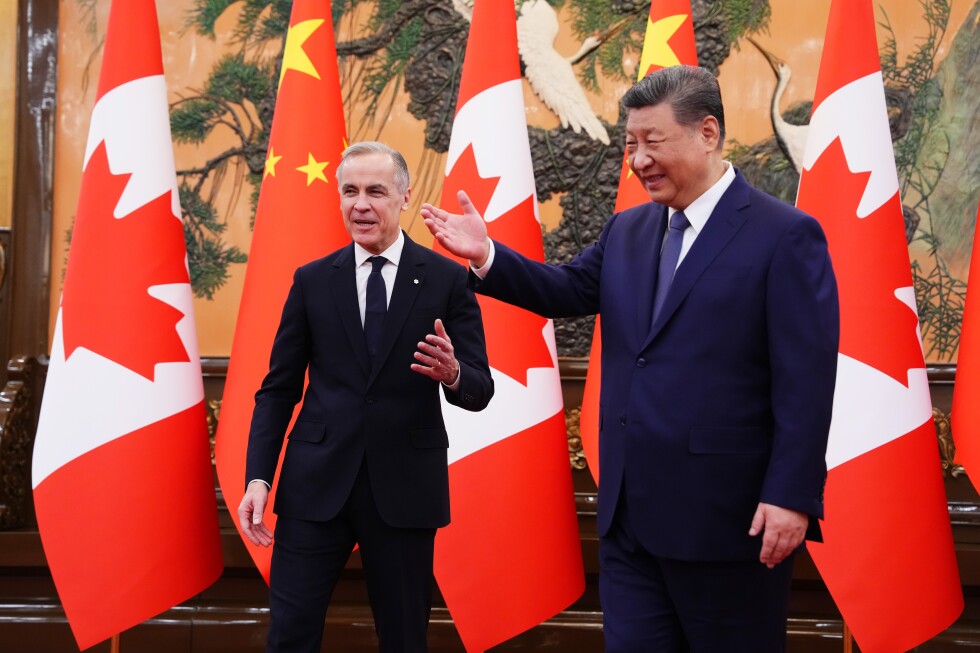
    Canadian Prime Minister Mark Carney recently concluded a landmark trade agreement with Beijing that substantially reduces tariffs on Chinese electric vehicles and Canadian canola oil. This development was quickly followed by UK Prime Minister Keir Starmer’s Beijing visit—the first by a British leader in eight years—aimed at repairing strained bilateral relations. The diplomatic momentum continues with anticipated visits from German Chancellor Friedrich Merz and recent engagements with Finnish Prime Minister Petteri Orpo.

    This recalibration of foreign policy approaches reflects a broader transformation in international relations since the return of Donald Trump to the American presidency. Traditional U.S. allies are increasingly exploring opportunities with China following tensions with the Trump administration over tariff policies and unconventional demands, including the controversial suggestion regarding Greenland’s transfer from Denmark.

    European leaders are proceeding with what many describe as ‘strategic engagement’ with China despite potential repercussions from Washington. As Canadian Prime Minister Carney stated at the World Economic Forum in Davos, ‘We actively take on the world as it is, not wait around for a world we wish to be.’

    The diplomatic outreach has yielded concrete results: the UK-China partnership has produced agreements on reduced tariffs for Scotch whisky and implemented 30-day visa-free travel for British citizens. Similarly, Finland has secured cooperation agreements covering sustainable construction, energy, and animal disease management.

    However, this geopolitical reorientation has generated concern among some U.S. officials and analysts. Senator Jeanne Shaheen warned that instead of creating a united front against China, Western nations risk pushing allies toward Beijing. President Trump characterized these engagements as ‘very dangerous,’ particularly criticizing Canada’s trade arrangements.

    European officials acknowledge the complexities of dealing with China’s ‘economic coercive practices’ while simultaneously pursuing diversified international partnerships. According to analysts, this represents not a wholesale pivot to China but rather Europe’s effort to assert itself as an independent bloc in global affairs.

    China’s strategy appears focused on maintaining market access to affluent European consumers while offering limited concessions to European businesses in its domestic market. As one expert noted, ‘They need Europe, but they don’t need to fight for Europe.’

    The emerging diplomatic landscape suggests an irreversible transformation in how nations align themselves with the world’s two superpowers, potentially creating new divisions within Western alliances while offering middle powers opportunities for strategic maneuvering.

  • Dubai Police warn residents of fake employment agencies

    Dubai Police warn residents of fake employment agencies

    Dubai authorities have issued a formal security advisory alerting residents to sophisticated employment scams proliferating across social media platforms. The Dubai Police Force, through its specialized Anti-Fraud Centre, revealed an increasing pattern of criminal entities posing as legitimate recruitment agencies to defraud job seekers and employers alike.

    The fraudulent operations primarily target two vulnerable groups: individuals seeking employment opportunities and households attempting to hire domestic workers. Scammers create deceptive advertisements promising visa sponsorships, employment contracts, and domestic staffing services that lack any legal foundation. These operations systematically extract personal information and illicit payments from victims before disappearing.

    This warning constitutes part of the broader #BewareOfFraud public awareness campaign designed to educate residents about evolving digital deception tactics. Police emphasized the critical importance of verifying the licensing status of any recruitment service provider before disclosing personal information or transferring funds.

    The alert follows multiple recent security advisories from Dubai Police regarding similar schemes. On January 4, authorities had already cautioned residents about a noticeable surge in work visa sponsorship scams. Previous warnings also highlighted fake domestic worker recruitment accounts that have resulted in significant financial losses for victims, including one case involving Dh10,000.

    Official channels for reporting suspected fraud include the Dubai Police Smart Application, the dedicated eCrime digital platform, and the non-emergency police hotline (901). Authorities encourage immediate reporting of any suspicious job offers or recruitment practices to prevent further victimization.

  • US warship docks in Gulf of Aqaba as fears of Iran strike grow

    US warship docks in Gulf of Aqaba as fears of Iran strike grow

    A United States military vessel commenced docking operations in the Gulf of Aqaba on Friday amid rapidly escalating tensions with Iran, according to reports from Israel’s public broadcaster Kan. This strategic deployment forms part of enhanced military preparations and security coordination between American and Israeli defense forces.

    The naval movement reinforces existing deployments and elevates both defensive and offensive readiness in anticipation of potential regional developments, as confirmed by security sources. The Gulf of Aqaba holds particular strategic significance as it lies directly south of Eilat, the Israeli port city that suspended operations in July following financial difficulties exacerbated by attacks from Yemen’s Houthi movement.

    Concurrent with these developments, Israeli Prime Minister Benjamin Netanyahu convened a high-level security meeting with senior military officials on Thursday to address classified matters. Israeli media outlets reported the discussions centered on potential US military action against Iran’s nuclear and missile programs. Adding to the diplomatic activity, Israel’s military intelligence directorate head, Shlomi Binder, visited Washington on Wednesday for consultations regarding sensitive issues potentially related to Israeli strike capabilities against Iranian targets.

    The geopolitical tensions unfold against the backdrop of ongoing civil unrest in Iran, where protests initially triggered by economic pressures and cost-of-living crises have been met with government crackdowns. Iranian officials, including Foreign Minister Abbas Araghchi, have accused Israel of orchestrating violence and attempting to provoke US military intervention.

    As precautionary measures, several southern Israeli municipalities including Dimona, Beersheba and Gan Yavne have activated public bomb shelters. Israeli military chief of staff Eyal Zamir has directed increased defensive readiness across all military formations according to Haaretz reports.

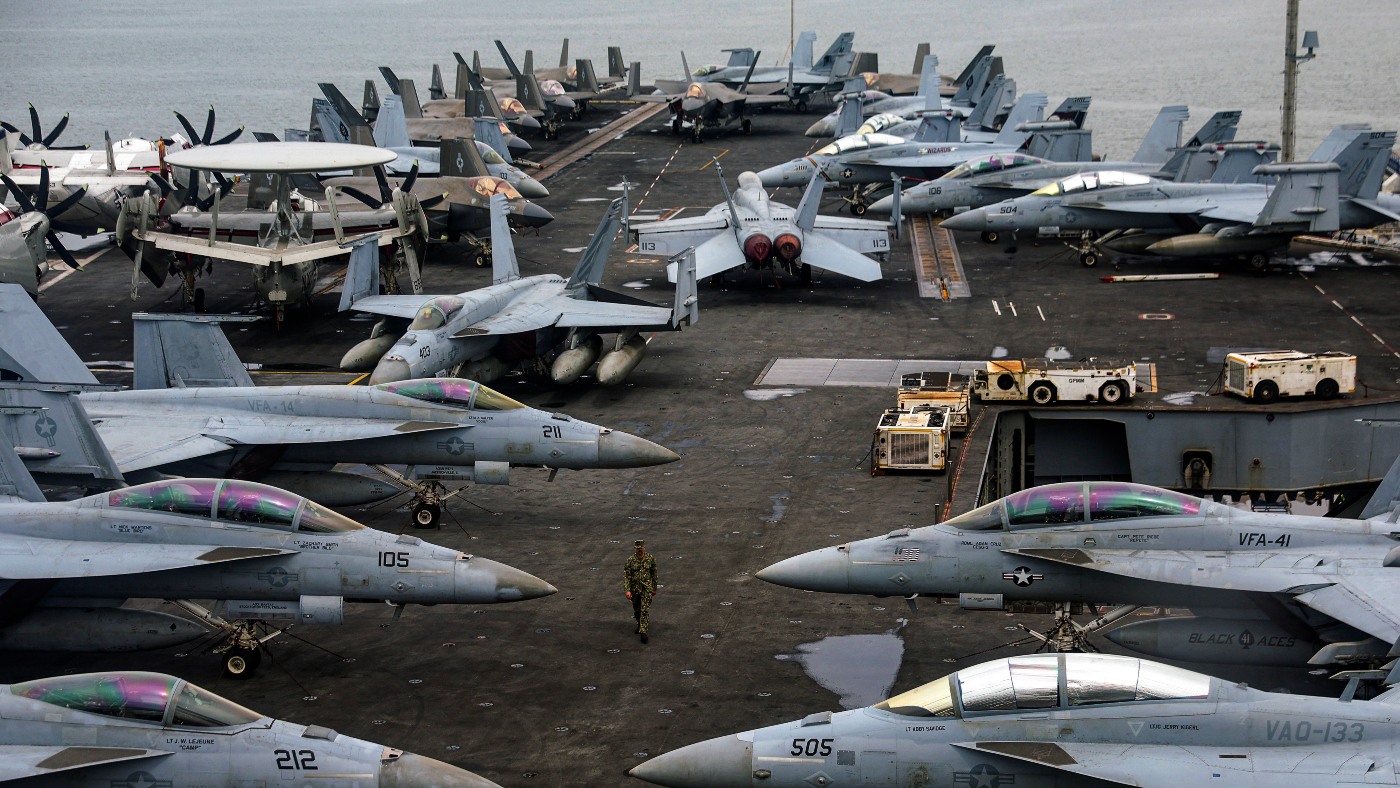
    The US has significantly reinforced its military presence in the region with the arrival of the USS Abraham Lincoln carrier strike group, positioning forces within striking distance of Iran. Additional deployments include F-15E Strike Eagles to Jordan, B-52 bombers to Qatar, and an expected THAAD air defense battery. President Trump characterized these movements as dispatching a ‘massive armada’ while warning Tehran against nuclear program advancement.

    Iran’s Revolutionary Guard Corps commander Mohammad Akbarzadeh issued counter-warnings that neighboring countries permitting their territory to be used against Iran would be ‘considered hostile.’ Regional powers including Saudi Arabia, Qatar, UAE, Oman and Kuwait have expressed concerns about potential collateral damage from any conflict. Despite tensions, Iranian officials including First Vice President Mohammad Reza Aref have indicated openness to negotiations under ‘fair, balanced and non-coercive terms.’

  • Vonn airlifted to hospital after crash in Switzerland

    Vonn airlifted to hospital after crash in Switzerland

    Olympic champion alpine skier Lindsey Vonn has sustained a knee injury during a World Cup downhill event in Crans-Montana, Switzerland, just one week before the Winter Olympics. The incident occurred during a jump landing that caused the American skier to lose control and collide with safety netting.

    The competition, part of the FIS Alpine Ski World Cup series, was subsequently canceled due to deteriorating course conditions and safety concerns. Vonn was among three athletes who crashed during the event, prompting race officials to halt the competition entirely. The International Ski Federation (FIS) issued a statement confirming the cancellation was necessary to prioritize athlete safety after multiple competitors experienced difficulties on the course.

    Despite the injury, the 41-year-old skier remains determined to compete in the upcoming Winter Games. Through social media, Vonn declared: ‘My Olympic dream is not over,’ while acknowledging the challenging timing of the incident. Medical evaluations are ongoing as she consults with her medical team regarding treatment options and recovery possibilities.

    Vonn, who won Olympic downhill gold in 2010, has demonstrated remarkable resilience throughout her career. She recently made history by becoming the oldest downhill World Cup winner in December 2023 after nearly six years away from competitive skiing. Her comeback journey included recovering from an ACL injury that prevented her participation in the 2022 Beijing Games and undergoing partial knee replacement surgery.

    The Winter Olympics are scheduled to commence in Milan-Cortina on February 6th, with the women’s downhill event set for February 8th. Vonn’s participation remains uncertain as medical professionals assess the extent of her knee injury. Norwegian skier Marte Monsen also required medical attention after a separate crash during the same event, sustaining facial injuries that necessitated stretcher evacuation.

  • Some UAE content creators face mental health issues as online pressure grows

    Some UAE content creators face mental health issues as online pressure grows

    The glamorous facade of content creation in the United Arab Emirates masks a deepening mental health emergency among digital creators, according to recent psychological assessments and firsthand accounts. What many perceive as a pathway to effortless income and celebrity status has revealed severe psychological consequences including chronic anxiety, professional burnout, and algorithmic-induced stress disorders.

    Content creators across the UAE are reporting deteriorating mental health directly linked to the demands of maintaining online relevance. Asma S., a three-year veteran of the digital content space, initially cultivated her audience through anonymous content featuring Dubai lifestyle segments and daily commute documentation from Abu Dhabi. Her decision to reveal her identity marked a turning point—initial positive engagement rapidly devolved into intense personal scrutiny regarding her appearance, speech patterns, and even inconsequential details she had never considered noteworthy.

    The psychological impact extends beyond mere criticism. Afra, another established creator, described experiencing coordinated hostile commentary that transcended constructive feedback, eventually necessitating professional therapeutic intervention. “There were moments where it stopped feeling like feedback and started feeling like an attack,” Afra recounted, highlighting the emotional toll of persistent online exposure.

    Clinical psychologists specializing in digital workforce mental health note that the architecture of social media platforms exacerbates these issues. Dr. Hasna Matar explains that the algorithmic dependency creates a validation feedback loop where self-worth becomes inextricably linked to unpredictable engagement metrics. “When validation is tied to engagement, creators develop cycles of self-doubt, hyper-vigilance, and difficulty disengaging from work,” she observed, noting this leads to chronic stress conditions and diminished self-esteem.

    Mental health professionals emphasize that content creation lacks the structural boundaries of traditional employment, with creators feeling compelled to maintain constant online presence, respond to audience interactions, and continuously adapt their personal brand. Experts recommend implementing strict digital boundaries, scheduled disconnection periods, and preemptive mental health support to mitigate these occupational hazards.

    As the UAE’s creator economy expands, mental health advocates stress the urgency of addressing these psychological challenges to ensure sustainable working conditions for digital professionals.

  • Former CNN host Don Lemon arrested after anti-ICE protests at Minnesota church

    Former CNN host Don Lemon arrested after anti-ICE protests at Minnesota church

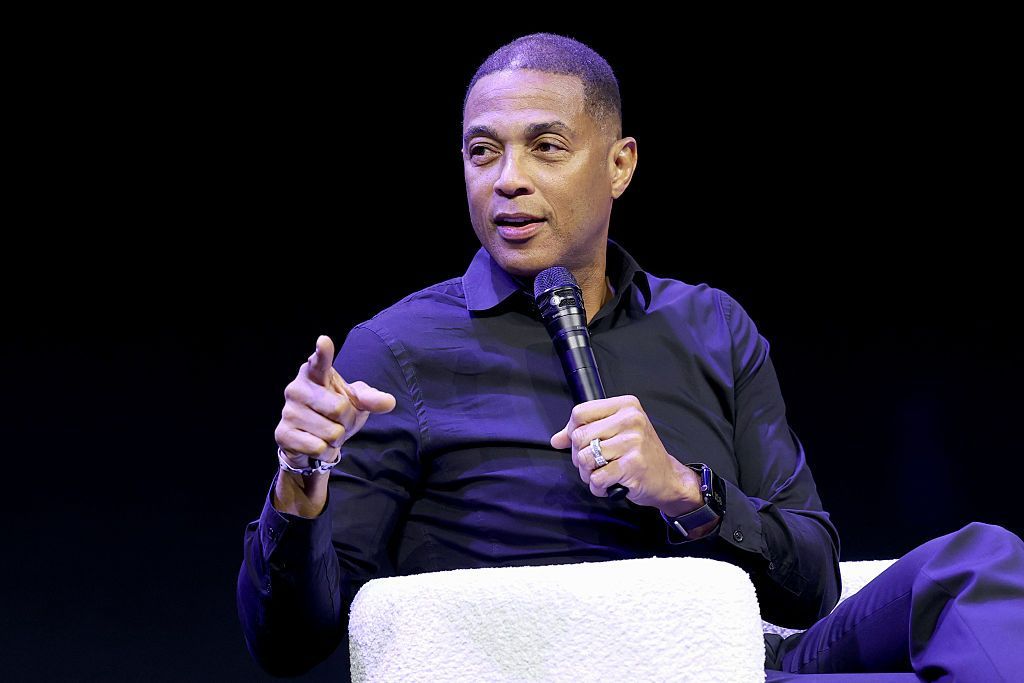
    Prominent journalist and former CNN anchor Don Lemon faces legal repercussions following his involvement in documenting a contentious protest at a Minnesota church. The incident, which has sparked a fierce debate over press freedoms, occurred on January 19th when Lemon accompanied a group of activists into the Cities Church in St. Paul.

    The demonstrators targeted the religious institution based on claims that one of its pastors held an official position with U.S. Immigration and Customs Enforcement (ICE). During the service disruption, Lemon filmed the proceedings as part of his journalistic activities.

    Federal authorities took Lemon into custody on Thursday evening in Los Angeles, where he was covering the Grammy Awards. His legal representative, Abbe Lowell, issued a statement condemning the arrest as an “unprecedented attack on the First Amendment” and characterizing it as a diversionary tactic from current administration challenges.

    Lowell emphasized Lemon’s three-decade career in journalism, asserting his client’s actions were constitutionally protected news gathering. The attorney vowed to contest the charges vigorously in court.

    The legal situation developed complexly after initial efforts by the Trump administration to charge eight individuals connected to the protest under statutes protecting worship spaces. A magistrate judge reviewing Department of Justice evidence approved charges for only three participants, explicitly excluding Lemon from prosecution. The government has since moved to appeal this judicial decision.

    This incident occurs against a backdrop of heightened tensions in Minnesota, where federal immigration enforcement operations have triggered confrontations resulting in two citizen fatalities.

  • Who is Kevin Warsh, Trump’s pick for Fed chair?

    Who is Kevin Warsh, Trump’s pick for Fed chair?

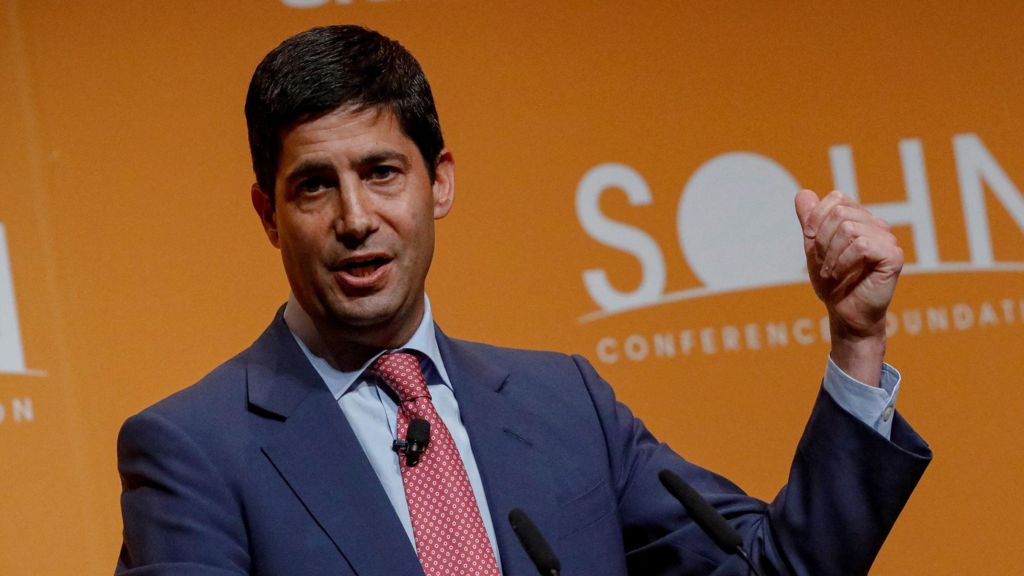
    In a move that could redefine the trajectory of U.S. monetary policy, former President Donald Trump has announced his nomination of Kevin Warsh to chair the Federal Reserve. The decision, revealed via Trump’s Truth Social platform, culminates weeks of intense speculation regarding the future of the current chair, Jerome Powell, who has faced mounting criticism from Trump over interest rate policies.

    Warsh, a 55-year-old economist who previously served as a Federal Reserve governor from 2006 to 2011, brings a complex background to the nomination. Currently a fellow at the conservative Hoover Institution and a board member at UPS, Warsh was previously considered for the Fed leadership during Trump’s first term. His nomination arrives amid extraordinary tension between the Trump administration and the central bank, highlighted by a criminal investigation into Powell’s congressional testimony regarding Fed building renovations.

    The appointment represents a pivotal test for the Federal Reserve’s cherished independence. Trump has repeatedly condemned Powell for what he perceives as insufficiently rapid interest rate cuts, creating unprecedented public friction between the White House and the central bank. Warsh himself has been an outspoken Fed critic, challenging the institution’s data-dependent approach and balance sheet management while recently advocating for what he terms ‘regime change’ at the central bank.

    Despite his historically hawkish reputation favoring higher interest rates to combat inflation, Warsh has recently positioned himself as advocating for lower rates in the near term. He has proposed shrinking the Fed’s balance sheet to reduce short-term rates, though some economists have questioned the theoretical foundation of this approach.

    Warsh’s personal connections to Trump’s circle add another dimension to the nomination. His marriage to Jane Lauder of the Estée Lauder cosmetics dynasty places him within Trump’s influential network, as his billionaire father-in-law Ronald Lauder remains a longstanding Trump donor and political ally.

    The nomination now advances to the Senate for confirmation, where it may encounter significant delays. Republican Senator Thom Tillis, a Banking Committee member, has previously stated he would oppose any Trump nominees until potential legal proceedings against Powell are resolved. Warsh was among four leading candidates for the position, alongside White House economic adviser Kevin Hassett, Fed governor Christopher Waller, and bond expert Rick Rieder.

    Financial markets responded cautiously to the news, with the dollar strengthening slightly and gold prices declining approximately 6% as rumors of the nomination circulated. Analysts described Warsh as a ‘relatively safe choice’ whose historical hawkishness might alleviate concerns about excessive political influence. Investors appeared relieved by the selection of an experienced candidate who commands respect across financial markets, though market participants will scrutinize Warsh’s actions intensely for signs of compromised Fed independence.

  • ASEAN to stick to Myanmar peace plan despite its failure to stop deadly civil war

    ASEAN to stick to Myanmar peace plan despite its failure to stop deadly civil war

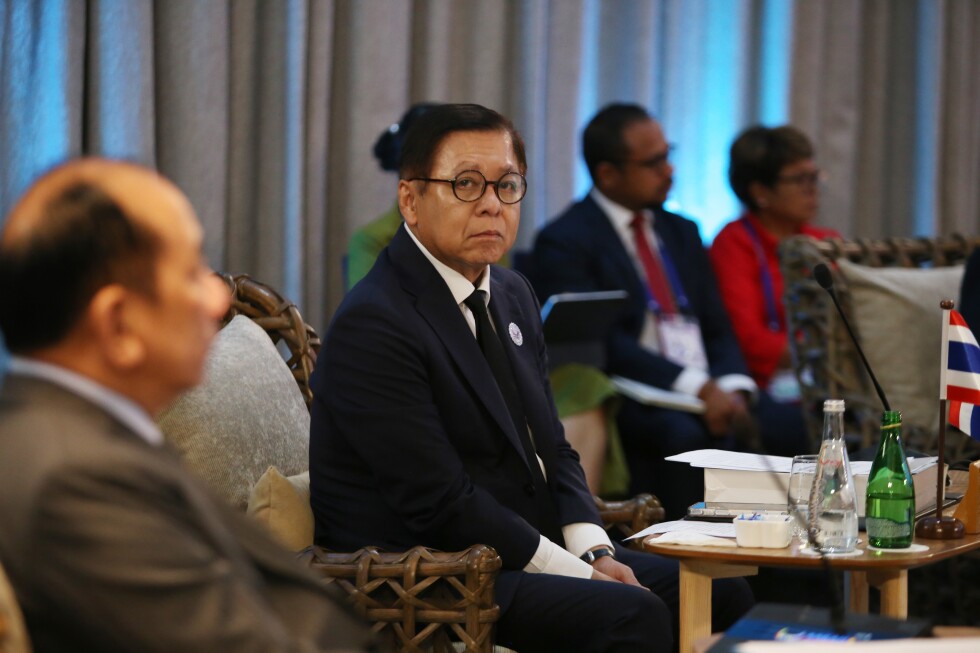
    CEBU, Philippines — Five years after its introduction, the Association of Southeast Asian Nations’ (ASEAN) peace initiative for Myanmar remains unimplemented yet continues to serve as the foundation for regional diplomatic efforts, according to Thailand’s top diplomat on Friday. Thai Foreign Minister Sihasak Phuangketkeow characterized the “five-point consensus” as a crucial starting point for renewed dialogue and reconciliation despite its current stagnation.

    The regional bloc faces one of its most significant challenges following Myanmar’s military coup in February 2021, which ousted Aung San Suu Kyi’s democratically elected government. The violent suppression of widespread protests triggered nationwide armed resistance, creating a complex civil conflict that has embarrassed ASEAN and tested its diplomatic capabilities.

    While acknowledging the plan’s failure to achieve tangible results, Sihasak emphasized ASEAN’s commitment to engagement rather than isolation. “We don’t seek to isolate Myanmar,” he stated in an interview with The Associated Press. “We seek to bring Myanmar back to the ASEAN family.”

    The consensus, established in April 2021, demands an immediate cessation of hostilities, inclusive dialogue facilitated by a special envoy, and unimpeded humanitarian access. Myanmar’s military regime has permitted limited aid delivery under restrictive conditions while disregarding other provisions.

    Recent elections, which ASEAN has declined to recognize, saw military-backed parties secure overwhelming majorities. Philippine Foreign Secretary Theresa Lazaro, representing the current ASEAN chair, confirmed the bloc’s non-recognition stance, noting that the three-phase electoral process conducted between December and January lacked ASEAN endorsement.

    Sihasak suggested potential benchmarks for re-engagement, including reduced violence against civilians, cessation of aerial attacks, and improved humanitarian access. He indicated that compliance could lead to gradually lifting restrictions on Myanmar’s participation in ASEAN meetings.

    In a significant humanitarian appeal, Sihasak revealed he had recently proposed transferring the ailing 80-year-old Suu Kyi from prison to house arrest to improve her medical access. The Nobel laureate is serving a 27-year sentence under conditions widely condemned as politically motivated, having been kept in isolation without legal access since December 2022.

  • Trump sues IRS, Treasury Department for $10 billion over tax return leak

    Trump sues IRS, Treasury Department for $10 billion over tax return leak

    In an unprecedented legal move, President Donald Trump has initiated a $10 billion lawsuit against the Internal Revenue Service and Treasury Department, alleging systemic failures that enabled the unauthorized disclosure of his confidential tax documents to media outlets. The complaint, filed Thursday in Miami federal court, names Trump, his adult sons Donald Trump Jr. and Eric Trump, and the Trump Organization as plaintiffs.

    The legal action centers on the activities of former IRS contractor Charles Littlejohn, who previously pleaded guilty to leaking tax information and is currently serving a five-year prison sentence. The plaintiffs contend that both agencies neglected to implement mandatory security protocols, thereby facilitating Littlejohn’s transmission of sensitive financial data to what the lawsuit characterizes as ‘leftist media organizations,’ including The New York Times and ProPublica.

    According to court documents, the publications derived from these leaks—eight articles in The New York Times and approximately fifty in ProPublica—inflicted substantial and irreparable damage to the plaintiffs’ reputations and financial interests. The complaint further alleges that the disclosures resulted in public embarrassment, false light portrayal, and diminished public standing for all involved parties.

    This litigation places President Trump in the unusual position of suing executive branch agencies that operate under his presidential authority. The Treasury Department, which oversees the IRS, has not issued an immediate response to requests for comment. Notably, Treasury Secretary Scott Bessent, who also serves as acting IRS commissioner, is not named as a defendant in the proceedings.

    The lawsuit suggests that the leaks stemmed from either willful misconduct or gross negligence, potentially justifying punitive damages beyond the $10 billion compensatory claim. Alejandro Brito, a Florida-based attorney who has represented Trump in multiple high-profile cases, filed the complaint. Brito has not yet responded to media inquiries regarding the litigation.

    This action continues President Trump’s pattern of pursuing substantial financial claims against media organizations and government entities since his 2024 election victory. Previous lawsuits include a $15 billion claim against The New York Times and Penguin Random House, separate $10 billion actions against The Wall Street Journal and BBC, and various other litigation stemming from media coverage and published materials.