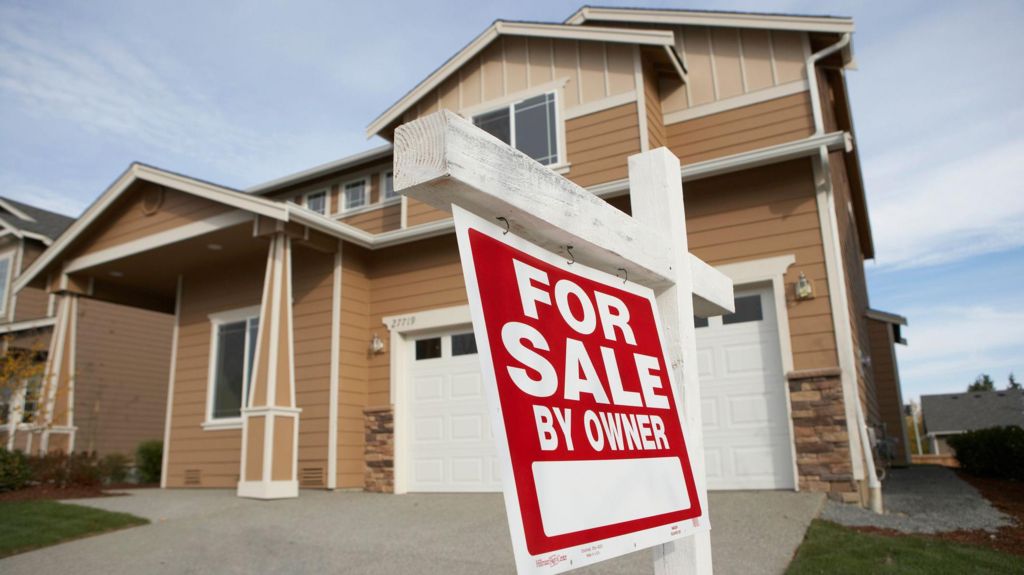
The United States housing market, which many analysts predicted would finally see a long-awaited recovery in 2026, has been thrown into unexpected turmoil after the escalation of conflict involving the US and Israel in Iran sent borrowing costs surging, derailing earlier momentum. New data released by the National Association of Realtors (NAR) reveals that existing home sales dropped 3.6% month-over-month in March, hitting a nine-month low of just 3.98 million units on an annualized basis — the weakest reading since June last year. Even though most of the March sales transactions were finalized before the military strikes began in February, the figures still show that the sector was already facing mounting pressure well before geopolitical tensions flared. Before the conflict escalated, mortgage rates had been trending downward through January and February, leading economists and industry experts to forecast that 2026 would bring a much-needed rebound for a market that has struggled with affordability for years. But that outlook has shifted dramatically. Average rates for the benchmark 30-year fixed mortgage climbed to 6.37% last week, up from 5.98% recorded just before the strikes began. The surge in mortgage rates is tied to growing market expectations that the Federal Reserve will keep its benchmark interest rates higher for longer as policymakers work to keep inflation in check, wiping out earlier hopes for multiple rate cuts that many homebuyers were counting on. For many prospective homebuyers, the sudden volatility has created a paralyzing sense of uncertainty. Andrew Vallejo, a principal listing agent based in Austin, Texas with national real estate brokerage Redfin, explained that rapid, unexpected geopolitical developments outside of consumers’ control have left many shoppers stuck on the sidelines. “Some buyers feel like they’re frozen — they don’t know how to make their decisions because events like the ones we’re talking about spring up so rapidly and so out of our control,” Vallejo told the BBC. The strain extends beyond hesitant buyers. Limited inventory of available homes continues to put upward pressure on prices, pushing the median existing home price to $408,800 in March — a 1.4% increase compared to the same period one year ago. For sellers, the shift in market conditions has also been a disappointment. Many had hoped that 2026 would bring more stable conditions after years of market chaos, but the new geopolitical uncertainty has thrown those plans off track. Economists say the entire slowdown can be traced directly to spillover effects from the Iran conflict. Thomas Ryan, North America economist at Capital Economics, notes that the jump in mortgage rates and a sharp collapse in consumer confidence, both knock-on effects of the conflict, have combined to weaken housing demand broadly. NAR chief economist Dr. Lawrence Yun echoed that assessment, adding that March sales were also dragged down by ongoing weakness in the US labor market alongside falling consumer confidence. Industry insiders warn that the situation could get worse before it gets better. Vallejo pointed out that if the conflict pushes energy prices higher, it could trigger a broader economic slowdown that would hit the housing market even harder. Rising unemployment from a broader slowdown would take even more prospective buyers out of the market, deepening the sector’s slump. “It’s a topic of concern that we’re all aware of because it would make people lose jobs,” Vallejo said. “A lot of it has been buyers feeling like they should either wait a little bit… and then for sellers, I think that in their mind they were hoping it would be a bit of a less chaotic world this year and things would be a little bit more calm.”
作者: admin
-
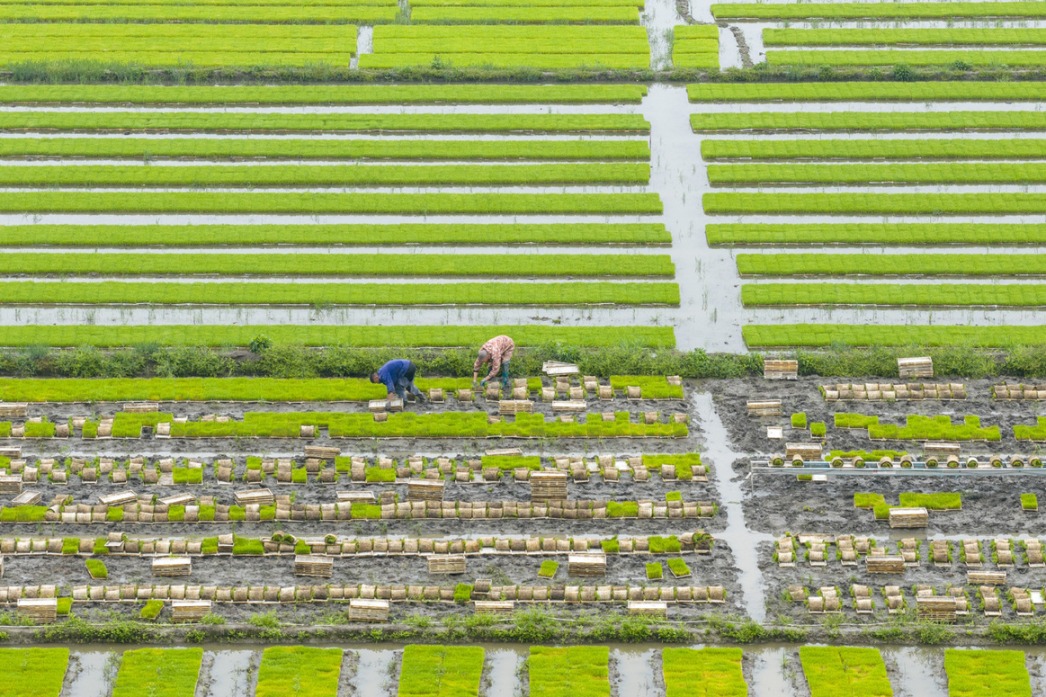
Spring fields buzzing with activity across China
This page outlines foundational legal and operational information for the China Daily website, managed by China Daily Information Co (CDIC). Established with formal online multimedia publishing authorization, the site carries a full copyright notice dating back to 1994, with all intellectual property rights reserved for all published content. This includes, but is not limited to, textual articles, photographic materials, multimedia segments and all other forms of digital content hosted on the platform. Per CDIC’s formal terms, no part of the site’s content may be republished or utilized in any format without explicit prior written approval from the organization. For optimal user experience, the site recommends visitors use a web browser configured to a minimum resolution of 1024*768 or higher. Additionally, the page lists the platform’s official regulatory registration number, 130349, and provides core site navigation links for users. These links cover general information about China Daily, advertising partnership opportunities, contact channels for the organization, open domestic employment positions, and dedicated roles for expatriate workers, alongside an invitation for users to follow the publication’s official social media channels.
-
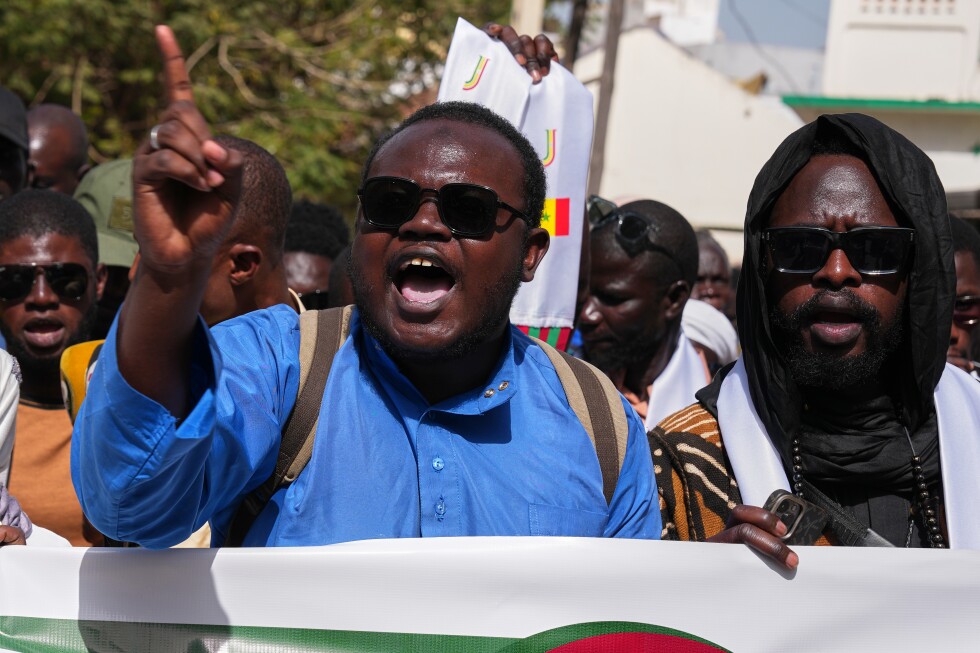
Senegal has first conviction under law toughening punishment for homosexual acts
In a landmark and deeply concerning ruling that marks a turning point for LGBTQ+ rights in West Africa, a Senegalese court has handed down the first conviction under a controversial new legislation that drastically escalates criminal penalties for same-sex relations between consenting adults. \n\nThe conviction was issued Friday by a court in Pikine-Guédiawaye, a densely populated suburb of the Senegalese capital Dakar. The defendant, a 24-year-old laborer whose identity has not been released to the public, was arrested earlier this month on charges of “acts against nature and public indecency.” Following the hearing, the judge sentenced him to six years of imprisonment and ordered a fine of 2 million CFA francs, equivalent to roughly 3,300 U.S. dollars.\n\nAs a majority-Muslim nation of 17 million people, Senegal joins a growing wave of African countries that have moved in recent years to enact harsher restrictions targeting members of the LGBTQ+ community. The new law, enacted earlier this year, raises baseline prison sentences for same-sex activity to a range of five to 10 years, a major increase from the previous penalty structure.\n\nBeyond criminalizing consensual same-sex relations, the legislation also introduces punitive measures for what the text describes as the “promotion” or “financing” of homosexuality. Rights advocates widely view this provision as a deliberate attempt to shut down civil society organizations that provide support, legal aid, and healthcare access to sexual and gender minorities across the country.\n\nIn an interview with the Associated Press on Monday, Larissa Kojoué, a researcher with global rights organization Human Rights Watch, warned that the new law has already fostered a pervasive atmosphere of “constant fear” for LGBTQ+ Senegalese. Kojoué added that law enforcement arrests targeting queer people have become far more aggressive, noting that officers now operate with explicit backing from the country’s state apparatus.\n\nThe conviction in Senegal fits into a broader, disturbing pattern of anti-LGBTQ+ policy across the African continent. Currently, more than half of the continent’s 54 sovereign nations — 32 in total — retain laws that criminalize consensual same-sex sexual acts. In several countries, including Somalia, Uganda, and Mauritania, individuals convicted of homosexual acts can legally be sentenced to death.
-

Ex-Nigerian oil minister denies taking bribes
At London’s Southwark Crown Court this week, 65-year-old former Nigerian oil minister Diezani Alison-Madueke has issued a categorical denial of all bribery charges against her, pushing back against prosecution claims that she accepted luxury gifts and funded stays in high-end UK properties in exchange for awarding lucrative government oil contracts.
Prosecutors allege that a group of Nigerian businessmen covered millions of pounds in lavish spending for Alison-Madueke, including more than £2 million in purchases at London’s iconic luxury department store Harrods, and £4.6 million in renovation works for multiple upscale properties across London and Buckinghamshire. The charges outline that the ex-minister gained access to a grand countryside estate in Buckinghamshire, a £2.8 million private residence in central London’s Marylebone, and multiple multi-million-pound properties overlooking Regent’s Park, all funded by business figures seeking favorable contract decisions from her office.
But in her testimony to the court on Monday, Alison-Madueke said that all costs incurred during her official stays in the UK were ultimately reimbursed by Nigeria’s state-owned national oil corporation, the Nigerian National Petroleum Company (NNPC). She explained that NNPC’s disjointed financial system prompted the creation of a dedicated London-based service firm to handle logistics for her official work in the UK, covering routine costs such as hotel accommodation and chauffeured transport.
“I can state categorically that at no point did I ask for, take or receive a bribe of any sort from these persons and did not abuse my office,” Alison-Madueke told the court. “I always sought to act impartially.”
The court heard context for Alison-Madueke’s stays in UK properties: one 2011 Christmas stay at a Gerrards Cross, Buckinghamshire home was arranged after her ex-husband required emergency hospital treatment that prevented the pair from flying back to Nigeria, and the ex-minister said she played no role in booking the accommodation. A second two-week stay at the same property was for a work project: Alison-Madueke and 10 to 12 other Nigerian officials gathered there to compile a book highlighting the Nigerian president’s work advancing women’s issues in the country. She added that the Regent’s Park property was repurposed for confidential official meetings, while another property cited in the charges was fully gutted for renovations and uninhabitable when she visited it.
Regarding past stays at two St John’s Wood apartments, where rent was covered by Nigerian businessman Kolawole Aluko (one of the business figures linked to the case who is not standing trial), Alison-Madueke noted that the arrangement was far more cost-effective than continuing to book £2,000-per-night suites at luxury London hotels such as The Savoy and The Dorchester. She also told the court she had no knowledge at the time that one of her chauffeurs had delivered £100,000 in cash to an address linked to her, stressing the sum was unrelated to her work or personal affairs.
The trial also heard details of Alison-Madueke’s early career, which saw her rise quickly through the ranks at oil giant Shell to become the first female senior executive in the company’s Nigerian operation. She told the court she had originally been reluctant to join Shell, after her father — a senior company employee and tribal leader — launched an unsuccessful legal case against the multinational over what he described as apartheid-style employment practices in West Africa. Alison-Madueke added that even when she took on the role, she remained critical of Shell’s response to devastating oil spills in her home region of the Niger Delta, saying the company had failed to adequately repair the environmental damage it caused.
Alison-Madueke also outlined the extreme personal risks she faced as a woman leading Nigeria’s oil sector in what she described as a deeply patriarchal society. She told the court she faced constant credible kidnap threats, and that members of her own family had already been abducted by extremist groups. Beyond her role as Nigerian oil minister, Alison-Madueke made history in 2015 when she became the first woman elected to lead the Organization of the Petroleum Exporting Countries (OPEC), the global cartel that coordinates crude oil production levels to influence global energy markets.
Alison-Madueke currently faces five counts of accepting bribes and one count of conspiracy to commit bribery, all of which she denies. Two other defendants are also on trial alongside her: 54-year-old oil industry executive Olatimbo Ayinde, who denies one count of bribery and one count of bribing a foreign public official, and 69-year-old Doye Agama, Alison-Madueke’s brother and a former archbishop, who denies a single charge of conspiracy to commit bribery. The trial is ongoing at Southwark Crown Court.
-

China launches first AI-powered digital doctor platform for Parkinson’s disease
Against the backdrop of China’s rapidly aging population, Parkinson’s disease has grown into a pressing public health challenge that disproportionately affects older adults, creating greater demand for accessible, efficient neurological care services. In response to this unmet need, Beijing’s Xuanwu Hospital affiliated with Capital Medical University has launched the nation’s first artificial intelligence-driven digital doctor platform tailored exclusively for Parkinson’s disease management.
Developed through a collaboration between the hospital’s leading Parkinson’s research team and AI technology specialists, the platform is rooted in decades of rigorous clinical work and peer-reviewed medical scholarship. It integrates more than 20 years of Xuanwu Hospital’s accumulated clinical research assets, including anonymized patient medical records, longitudinal study findings, clinical outcome reports, public health educational materials, and a vast library of peer-reviewed global Parkinson’s disease literature to train its AI algorithm.
Chen Biao, director of the hospital’s Parkinson’s disease clinical research and treatment center, explained that the core design goal of the platform is to streamline routine care workflows. The AI system is capable of responding to up to 90 percent of common patient inquiries about Parkinson’s disease, from symptom management basics to lifestyle adjustment guidance. This automation reduces the burden of repetitive consultations on clinical neurologists, freeing up valuable physician time to focus on complex, high-acuity patient cases that require personalized clinical judgment.
Accessible via personal smartphones, the platform allows patients to submit questions at any time and receive evidence-based, scientifically accurate responses in real time. Importantly, the system is programmed not to issue individualized treatment recommendations, a safeguard designed to ensure that all critical clinical decision-making remains in the hands of licensed medical professionals. In addition to AI-powered Q&A services, the platform also offers seamless direct links to Xuanwu Hospital’s official online portal, enabling patients to book outpatient appointments and arrange prescription refills without unnecessary administrative delays.
Looking to the future, the development team has outlined plans to expand the platform’s capabilities. Next-stage iterations will integrate data from consumer wearable health devices to support expanded services, including personalized medication reminders, guided remote rehabilitation training, daily care planning, and targeted mental health support. The end goal is to build a continuous, comprehensive long-term care framework that strengthens the partnership between Parkinson’s patients and their care teams, addressing gaps in ongoing disease management for the growing patient population across the country.
-
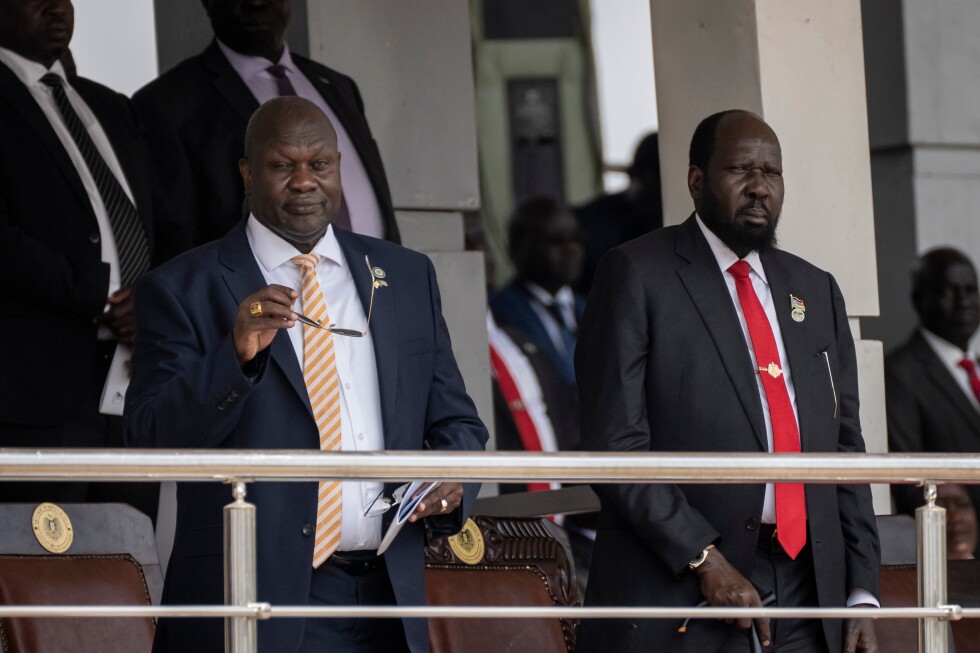
UN concerned as opposition retakes a strategic town in South Sudan
Fresh violence has shaken the conflict-wracked nation of South Sudan, as opposition forces have seized control of the strategic border town of Akobo in Jonglei State, triggering urgent concern from United Nations officials over a deepening humanitarian crisis.
Clashes broke out across the town over the weekend, following weeks of escalating military pressure from government forces. Lam Paul Gabriel, spokesperson for the Sudan People’s Liberation Army-in-Opposition, confirmed in a Monday briefing that opposition fighters had ousted government troops from Akobo, seized dozens of military vehicles and stockpiles of weapons, and secured key strategic sites including the local airstrip and administrative headquarters. Circulating social media footage has corroborated Gabriel’s claims, showing opposition fighters deployed across central parts of the town. Government troops originally captured Akobo from the opposition back in March, but withdrew from the town following the latest offensive with no immediate casualty reports released.
Ezekiel Lol Gatkuoth, South Sudan’s public service minister, denounced the opposition’s takeover as an unprovoked and senseless act of aggression, accusing rebel fighters of deliberately endangering the lives of civilian residents still in the town. Gatkuoth noted that the national military would release a full official accounting of the battle in the coming days, but the country’s army spokesperson has declined to offer any immediate comment on the engagement.
Akobo holds major strategic significance for South Sudan’s ongoing civil conflict: it is one of the last remaining strongholds of opposition forces loyal to Riek Machar, the country’s detained former vice president. The town sits directly along South Sudan’s border with Ethiopia, making it a critical supply and staging location for armed groups operating in the region. Last month, government forces ordered all remaining residents to evacuate Akobo to clear the way for a large-scale military offensive to dislodge the opposition from the area. That evacuation order forced thousands of civilians to flee their homes, many seeking shelter across the border in Ethiopian territory.
The current round of fighting between the South Sudanese government and opposition groups comes roughly one year after a 2018 nationwide peace deal collapsed, reigniting full-scale civil conflict across the country. On Monday, the United Nations Mission in South Sudan (UNMISS) issued an official statement warning of rapidly deteriorating humanitarian conditions in the area, and calling on all warring parties to implement an immediate ceasefire.
“Our teams are engaging intensively with all parties at every level to help prevent further escalation of violence and restore calm to the region,” said Priyanka Chowdhury, UNMISS’s spokesperson. The mission’s next steps remain uncertain, however, as UNMISS is scheduled to close its permanent peacekeeping base in Akobo in the coming months amid widespread global cuts to humanitarian and peacekeeping budgets for South Sudan.
-
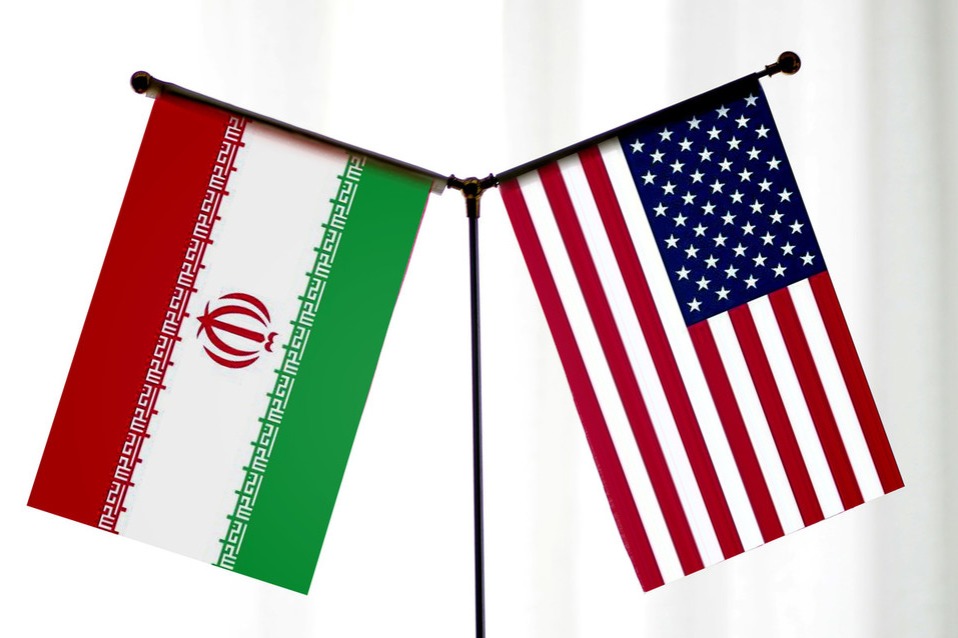
Another round of US-Iran peace talks may take place in days: report
Tensions across the Middle East remain on a knife’s edge as regional mediators work against the clock to organize a second round of peace negotiations between the United States and Iran in the coming days, according to a new report from the Wall Street Journal. Citing anonymous officials familiar with the diplomatic push, the outlet confirmed that the first round of talks, hosted last week by Pakistani authorities in Islamabad, wrapped up without a binding agreement, leaving a fragile two-week ceasefire teetering on collapse.
Three core disputes have emerged as the primary barriers to a lasting diplomatic breakthrough. The first contentious issue is Iran’s recent demand to collect transit fees for commercial vessels passing through the Strait of Hormuz, a critical global chokepoint that carries roughly 20% of the world’s daily oil trade. The United States insists Iran reopen the waterway to all traffic without any new charges. Second, negotiators remain deadlocked over the future of Iran’s existing stockpile of highly enriched uranium, a material that can be refined to build nuclear weapons if processed to higher purity. Finally, Tehran is pushing hard for the full release of approximately $27 billion in state revenues that have been frozen by international sanctions imposed by Washington and its allies over the past decade.
Pakistan, which took on the role of neutral host for the inaugural negotiating session, has emerged as the key broker leading efforts to restart talks before the ceasefire expires on April 22. A senior Pakistani government source told the Wall Street Journal that the entire diplomatic effort is focused on one urgent goal: “wrap it up before the deadline” to avert a full resumption of open hostilities between the two long-time adversaries. While the first round failed to deliver a breakthrough, Pakistani officials remain cautiously optimistic that continued engagement can bridge gaps between the two sides. Active bilateral consultations are already underway with both Washington and Tehran to lock in dates for the second round of talks in the near term, according to insiders.
-
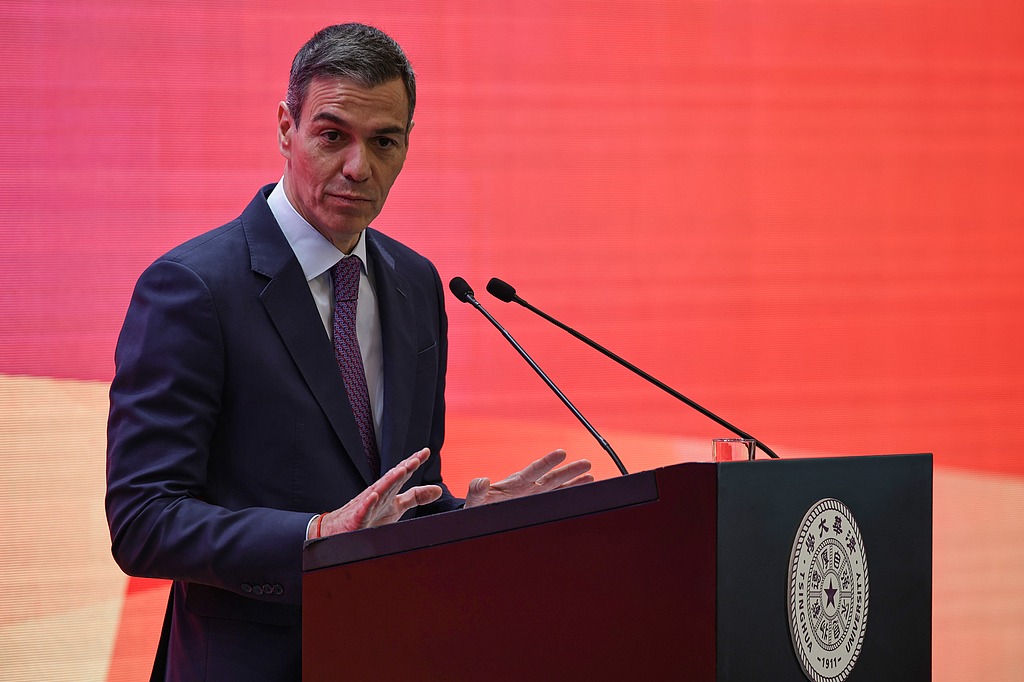
Spanish PM calls for a multipolar world in Tsinghua speech
On April 13, 2026, during the second day of his five-day official visit to China — his fourth trip to the country since taking office — Spanish Prime Minister Pedro Sanchez delivered a landmark address to faculty, students and university administrators at Beijing’s Tsinghua University, where he laid out a clear call for global leaders to embrace an emerging multipolar world order and reject outdated, dangerous zero-sum geopolitical thinking.
Opening his argument with a centuries-old historical lesson, Sanchez drew on the experience of 16th-century Jesuit missionary Matteo Ricci, who arrived in China in 1583 carrying a European-produced world map that placed Europe at the center of the globe and pushed Asia to its geographic periphery. When Chinese cartographers questioned the lopsided framing that placed China on the margins, Ricci redrew the map with the Pacific Ocean at its center, a reworking that Sanchez framed as a timeless lesson for modern geopolitics.
“Four hundred years have passed, but unfortunately, there are still people who see the world through that original, distorted map,” Sanchez told the Tsinghua audience. “That view is not only wrong, but very dangerous. It traps us in the past and limits our imagination of possibilities.”
Sanchez emphasized that the current global shift is not a simple transfer of hegemonic power from one bloc to another, but a broad expansion of global multipolarity that touches both geopolitical influence and shared prosperity. Today, he noted, dynamic progress is unfolding simultaneously across regions with distinct cultural traditions and political systems — from China to Africa to Latin America — without requiring validation or permission from any single dominant power.
“A multipolar world is not an assumption or an ideal, but a new reality. We cannot change it; we can only deny it or embrace it,” Sanchez said, confirming that Spain has made the deliberate choice to embrace this new reality with realism, a sense of shared responsibility, and optimistic hope for the future. He added that if Spain, China and Europe built shared prosperity in past decades, there is no reason the three actors cannot replicate that success in the modern era.
Acknowledging that differences and healthy competition exist between nations, Sanchez stressed that lasting human progress stems from building common ground rather than deepening existing divides. He outlined that Spain seeks a bilateral relationship with China rooted in unwavering mutual respect: cooperating on shared global priorities whenever possible, competing constructively when necessary, and managing unavoidable differences through deliberate, respectful dialogue.
To help a multipolar world order function effectively and equitably, Sanchez proposed three core actionable priorities for global leaders. First, he called for a fundamental reshaping of modern multilateralism, advocating for comprehensive United Nations reform that would expand the authority of the UN General Assembly, increase the representativeness of the UN Security Council, and build a more inclusive, democratic global decision-making mechanism.
Second, Sanchez highlighted the urgent need to build fair, reciprocal global trade relations, expressing hope that China would continue expanding market access to help address existing trade imbalances across global markets. Third, he stressed that major global powers bear a greater responsibility to address shared transnational challenges, including climate change mitigation, global public health, artificial intelligence governance, nuclear nonproliferation and safety, and global poverty eradication. He noted that global investment in these critical areas has fallen by 23% since the start of 2026, a trend that puts all nations at risk.
Sanchez also underscored the critical role of a unified European Union in maintaining global stability, noting that “Without a united EU, there will be no stable global order, just as without China’s participation, the world cannot achieve true stability and prosperity.”
Closing his address, Sanchez invoked a recent image of four NASA astronauts observing Earth from outer space: a single, borderless blue planet that is unique and irreplaceable. “Humanity itself is a miracle, the only miracle in the world. Our responsibility is to make this miracle continue through mutual understanding and cooperation,” he said.
-
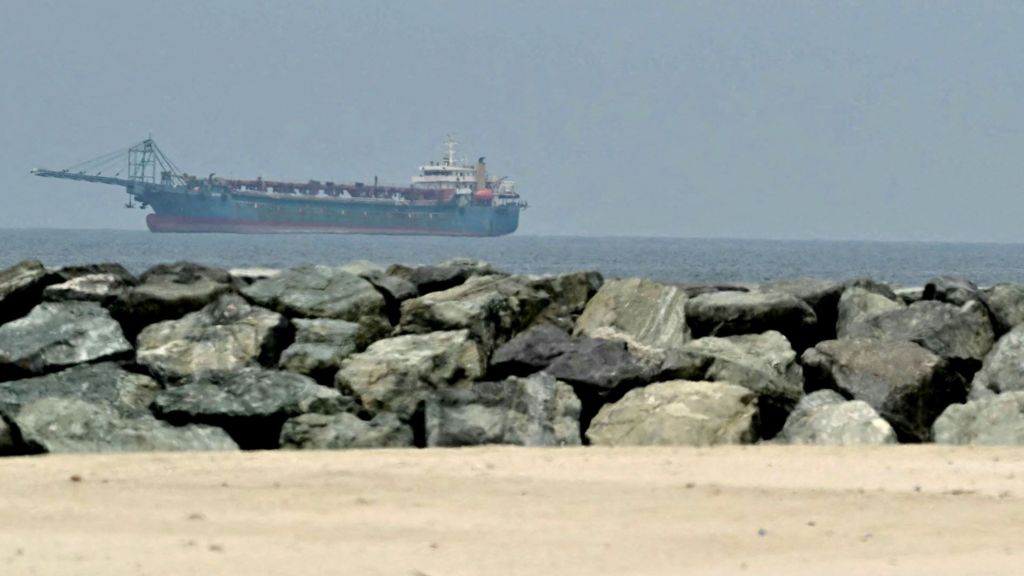
The US blockade of Iran is a gamble. Will it work?
Against the backdrop of ongoing conflict between Iran, the United States, and Israel, Washington has advanced a new strategic gambit: a targeted naval blockade on maritime traffic moving in and out of Iranian ports in the Persian Gulf region. The proposal, which has been debated heavily among defense and policy circles, raises critical questions about military feasibility, strategic outcomes, and the potential ripple effects across global energy markets.
Retired U.S. Rear Admiral Mark Montgomery affirmed to the BBC that the blockade operation is militarily achievable, arguing it carries far less risk than more aggressive alternative options floated by former President Donald Trump in recent weeks. Options including seizing Iran’s Kharg Island or running permanent military escorted convoys through the narrow Strait of Hormuz would put U.S. personnel in far greater danger, Montgomery noted. In the confined waters of the strait, U.S. forces would be directly exposed to retaliatory strikes from Iranian missiles, attack drones, and fast attack craft, with the added threat of naval mines complicating any large-scale movement.
In contrast, a blockade positioned further offshore in the Gulf of Oman allows U.S. warships to maintain a safer operating distance while still tracking and intercepting vessels departing or heading to Iranian ports at will. The U.S. Navy already possesses all necessary capabilities for this mission, from special operations teams and maritime helicopters to fast interception craft. Past U.S. blockades on Venezuela and Cuba already demonstrate Washington’s long-standing ability to enforce such measures, and the January seizure of the Russian oil tanker *Marinera* in the North Atlantic proved that interdiction operations can be executed effectively almost anywhere on the globe.
U.S. Central Command (Centcom) has stated the blockade will be “enforced impartially against vessels of all nations” entering or leaving Iranian ports and coastal areas, though vessels calling at non-Iranian terminals will not be detained. Ships carrying humanitarian aid will be allowed passage, but will be subject to mandatory inspection, the command confirmed.
While the strategic logic of the move is clear, its long-term success remains far from guaranteed. Since the outbreak of the wider regional war, Iran has maintained steady exports of its own petrochemical products through the Gulf, earning billions of dollars in critical revenue while also disrupting hydrocarbon exports from other Gulf nations. A fully effective blockade would cut off that income stream, further weakening Iran’s already strained economy and pressuring its leadership to make concessions. But Iran has already demonstrated significant resilience after more than a month of coordinated U.S. and Israeli attacks, and many analysts believe the country is prepared to endure the added pressure of a blockade.
Compounding this, a prolonged blockade will almost certainly push global oil prices even higher than current elevated levels. David Satterfield, a former U.S. special envoy for Middle East humanitarian affairs, told the BBC that Iranian leadership is confident it can outlast the pressure. “They believe they can outweigh this,” Satterfield explained. “Iran thinks the U.S. will face economic pain from spiking oil prices, and Gulf states will ultimately pressure Washington to reopen the strait to traffic.” He added that Washington has underestimated Iran’s long-term determination: “The Iranians believe that they can absorb more pain for a longer period than their opponents can.”
Maritime industry observers have already begun tracking immediate shifts in shipping traffic around the strait following the announcement of the blockade. In the 48 hours after Trump’s initial announcement, the strait saw its highest volume of traffic since the war began in late February, with roughly 30 identifiable vessels (those with active automatic identification systems) passing through. Lloyd’s List editor-in-chief Richard Meade described the surge as “a flurry of vessels trying to get out” before the blockade took full effect, and several vessels already made U-turns to return to safer ports after the policy was announced. Maritime intelligence analyst Michelle Wiese Bockmann, who is closely monitoring current traffic, noted that “If I was a seafarer, I’d be very worried” about operating in the region now.
For now, with a temporary ceasefire holding, the conflict has morphed into a standoff of competing blockades, with the global economy caught directly in the crossfire. U.S. officials are reportedly hoping that the new blockade will push China, the world’s largest importer of Iranian crude oil, to increase diplomatic pressure on Tehran to make concessions. Despite holding large strategic petroleum reserves, China cannot absorb a prolonged disruption to its Iranian oil supply without significant economic fallout.
At this early stage, Donald Trump’s latest regional move remains a high-stakes gamble. The full economic and geopolitical impacts of the blockade are set to unfold in the coming weeks, with consequences that will be felt far beyond the Persian Gulf.
-
Iran’s military warns that no Gulf ports will be safe if its own threatened: report
Tensions in the Persian Gulf region have spiked following a stark public warning from Iran’s military, which has asserted that no ports across the Gulf will be secure if Iran’s own security interests come under threat, according to recent regional media reports. The alert, dated April 13, 2026, comes at a moment of already heightened friction between Iran and Western powers, most notably the United States, with high-stakes diplomatic discussions between Washington and Tehran recently concluding in Pakistan without reaching any breakthrough agreement.
The warning marks a significant escalation in rhetorical posturing from Iranian military leadership, amid long-running disputes over Iran’s nuclear program, regional military activity, and international sanctions levied against the country. For years, the Gulf has been a flashpoint for global geopolitical competition, as the waterway handles roughly a third of the world’s seaborne oil trade and a substantial share of global liquefied natural gas shipments. Any disruption to shipping or port operations in the region would send shockwaves through global energy markets, with far-reaching economic consequences for consumer and producer nations alike.
This latest development follows a string of recent diplomatic engagements between US and Iranian representatives held in Pakistan, which ended without a consensus on core sticking points, leaving both nations bracing for the next round of pivotal negotiations. Analysts note that the harsh tone of Iran’s warning is likely intended to deter any potential military action or further economic pressure from the United States and its regional allies, by signaling that Tehran would be willing to disrupt critical infrastructure across the Gulf in the event of an attack on its own territory or core interests.
Regional and global powers have long monitored military rhetoric from Iran closely, as any escalation in the region threatens to draw in outside actors and spark a wider conflict that would undermine global energy security and regional stability. As of now, no additional details have emerged regarding specific potential responses from the United States or other Gulf nations to Iran’s warning, with the situation remaining fluid ahead of upcoming diplomatic talks.