
Sanna Marin, Finland’s former Prime Minister, has revealed the pervasive sexism and misogyny she and her female-dominated cabinet faced during her tenure in her newly published memoir, *Hope in Action: A Memoir About the Courage to Lead*. Marin, who became the world’s youngest elected head of government at 34 in 2019, led a coalition of five women party leaders, four of whom were under 35. Despite her groundbreaking leadership, she and her team were subjected to relentless online harassment, including threats of rape and sexual assault. Marin recounts how their competence was frequently undermined, with their government dismissively labeled the “lipstick government” and “girl government.” She also highlights the outdated moralizing of her behavior, particularly after a leaked video of her dancing at a private party sparked global controversy in 2022. Marin’s memoir underscores the challenges of being a young, female leader in a society that often clings to traditional expectations of political figures. After her party’s defeat in the 2023 elections, Marin stepped away from politics, taking on a role as a strategic counsellor at the Tony Blair Institute for Global Change.
作者: admin
-
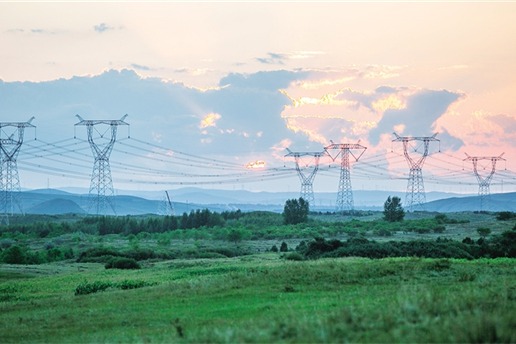
Inner Mongolia’s outbound UHV power transmission surpasses 800b kWh
Inner Mongolia has achieved a significant milestone in its ultra-high-voltage (UHV) power transmission, with outbound electricity surpassing 801.54 billion kilowatt-hours (kWh) as of October 31, according to the State Grid Inner Mongolia Eastern Electric Power Co. This monumental achievement, facilitated through eight UHV transmission channels, could supply annual electricity to approximately 280 million households, while reducing coal consumption by 270 million metric tons and cutting carbon dioxide emissions by 700 million tons. As a pivotal national energy and resource base, Inner Mongolia’s UHV grid development is integral to China’s broader energy strategy. Leveraging its abundant coal, wind, and solar resources, the region has established a robust network connecting major eastern load centers such as Shandong, Tianjin, Shanxi, Jiangsu, and Hebei. Annual power transmission has surged from 7.37 billion kWh in 2017 to 170.6 billion kWh in 2024, marking seven consecutive years of growth and solidifying Inner Mongolia’s role as a critical hub for interregional energy distribution. To ensure the safe and stable operation of UHV systems, the grid operator has implemented a comprehensive strategy encompassing smart control, multi-dimensional inspection, and precise maintenance. Customized maintenance plans tailored to geographic and climatic conditions, coupled with a two-hour emergency repair response network, have been established. Additionally, nine local monitoring teams, comprising herders and collaboration mechanisms with local power and wind energy companies, have enhanced joint risk management. The efficient operation of UHV channels is also accelerating the region’s green energy transition, with over 102 billion kWh of clean energy delivered to areas including Beijing, Tianjin, and Hebei, fostering cleaner and more sustainable energy structures across northern China.
-
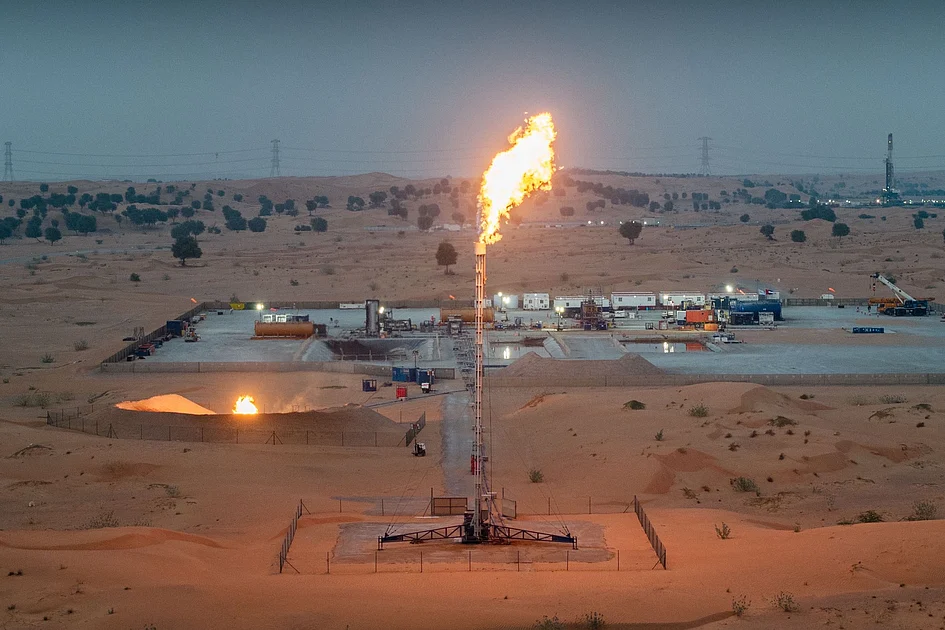
Watch: Sharjah announces discovery of additional gas reservoirs
In a significant development for the energy sector, the Sharjah National Oil Corporation (SNOC) has announced the discovery of additional gas reservoirs in the Hadebah Field, located north of the Sajaa Field. The discovery was made through the successful drilling and testing of the ‘Hadebah-02’ well, which reached a depth of 13,200 feet. This marks a new milestone in Sharjah’s ongoing exploration efforts. The well is part of the corporation’s evaluation and development work in the onshore Hadebah gas field. In the coming months, the well will be connected to the production line, and further drilling programs will continue to assess the full potential of the field’s reservoirs. The Hadebah Field is the fifth onshore gas and condensate field in Sharjah and the second discovery in the past five years, highlighting the emirate’s commitment to expanding its energy resources. The Sharjah Media Office emphasized that this achievement builds on the success of the ‘Hadebah-01’ well, discovered in 2024, which confirmed the presence of gas and associated liquids in the Thamama geological formations. This discovery is expected to bolster Sharjah’s energy production capabilities and contribute to the UAE’s broader energy strategy.
-

Dubai Basketball continue dream run in the ABA League
Dubai Basketball continued their remarkable run in the ABA League with a commanding 82:70 victory over Partizan in Round 5. The home team showcased their resilience and tactical prowess, turning the game around with a stunning 23:2 run between the third and fourth quarters. This victory handed Partizan their third consecutive defeat and marked their first loss in the regional competition. Despite Partizan’s strong start, led by Jabari Parker’s consistent scoring, Dubai’s sharp three-point shooting kept them within striking distance. After halftime, Dubai’s defense tightened, and their offense surged, capitalizing on Partizan’s scoring drought. Dwayne Bacon played a pivotal role, scoring ten consecutive points and sealing the third quarter with a buzzer-beating three-pointer. Filip Petrušev delivered a standout performance, leading the team with 18 points, six rebounds, and two steals. Head Coach Jurica Golemac praised the team’s character and energy, emphasizing the importance of fan support. Dubai’s dominance continued into the final period, with their lead peaking at 22 points. The team now looks forward to a series of home games, starting with a clash against SC Derby on November 9 at the Coca-Cola Arena.
-
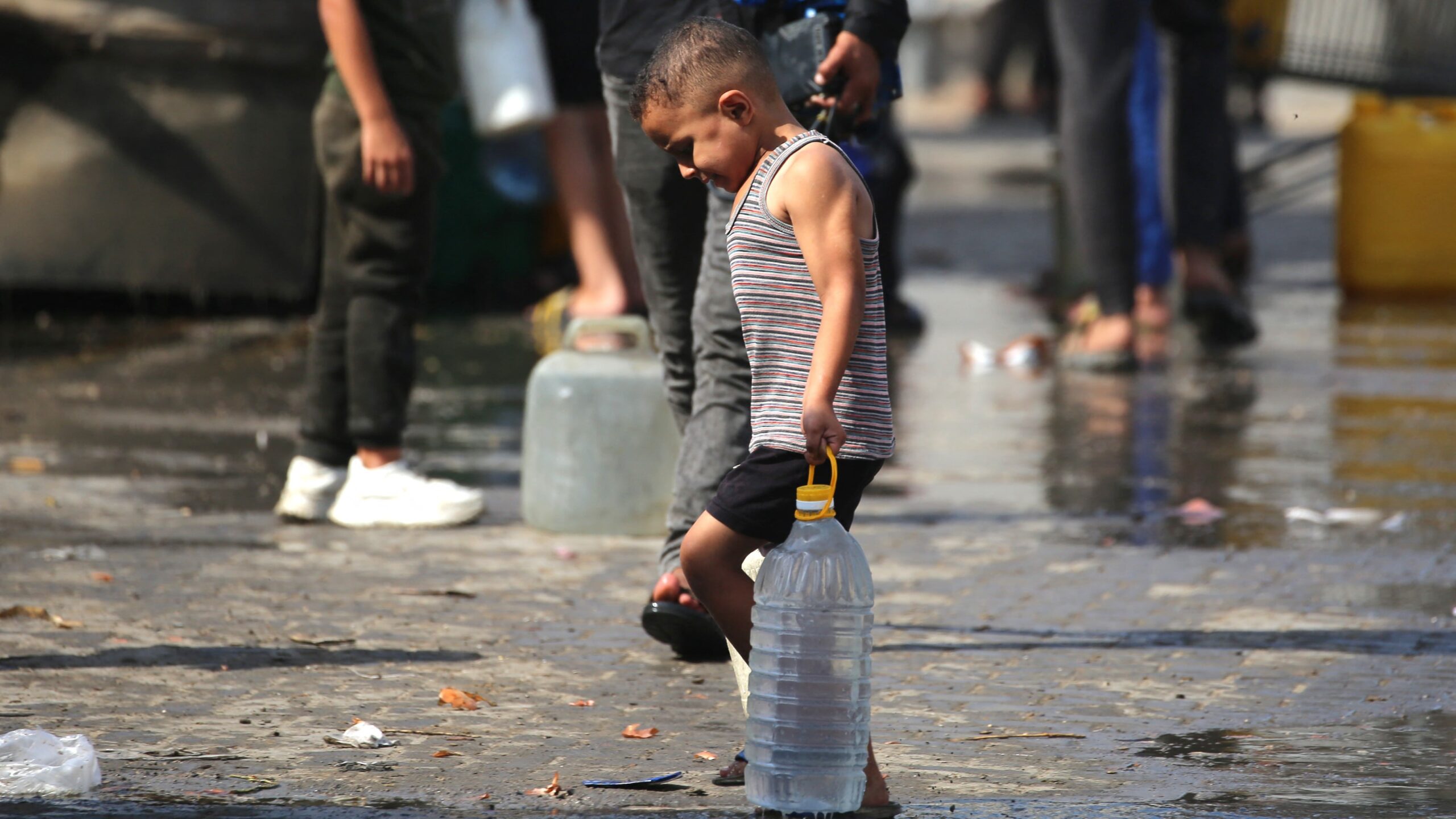
Gaza Strip faces a severe water shortage, despite ceasefire
The Gaza Strip remains in the grip of a severe water crisis, exacerbated by the aftermath of Israel’s two-year military campaign and the persistent blockade, even after a ceasefire was declared. Local officials report that the region’s water supply is critically insufficient, meeting only 15% of the daily needs of its over two million residents. Hosni Muhanna, spokesperson for the Gaza City Municipality, revealed that the current supply amounts to roughly 100,000 cubic meters per day, far below the required levels. The destruction of vital infrastructure during the conflict, including wells and the central desalination plant, has left only 17 out of 88 wells operational. Gaza now relies heavily on the Mekorot water line, Israel’s national water company, which provides a meager 15,000 cubic meters daily. Even before the war, the Israeli blockade had rendered most of Gaza’s water undrinkable, with UNICEF estimating in 2020 that only 10% of the population had access to clean water. The crisis has forced hundreds of thousands of households to purchase water for drinking and bathing, while the lack of fuel and essential equipment hampers recovery efforts. Additionally, the accumulation of 260,000 tonnes of waste and millions of tonnes of rubble further complicates the situation, posing significant environmental and health risks. The United Nations Environment Programme (UNEP) has warned that the ongoing environmental destruction could have long-term consequences for Gaza’s residents. The Israeli army’s reported disposal of construction waste within Gaza has added to the crisis, as documented by Israeli news outlet Haaretz. The Gaza City Municipality has called for urgent international assistance to restore basic services and prevent further deterioration of living conditions.
-

Line-up for expanded 16-team Wafcon 2026 decided
The Confederation of African Football (Caf) has finalized the lineup for the 2026 Women’s Africa Cup of Nations (Wafcon), with Cameroon, Egypt, Ivory Coast, and Mali securing their places based on FIFA world rankings. This decision comes after Caf expanded the tournament from 12 to 16 teams midway through the qualifying stages for the event, which will be hosted in Morocco. Reigning champions Nigeria were among the 11 teams that qualified directly in the second and final qualifying round last month. Teams eliminated at that stage had hoped for a chance to compete in play-offs, but Caf opted to use FIFA rankings to determine the final four participants. Cameroon (66th globally), Ivory Coast (71st), Mali (79th), and Egypt (95th) will now join the competition. Mali reached the quarter-finals in the delayed 2024 edition, while Cameroon, three-time runners-up, return after missing the 2024 tournament. Ivory Coast and Egypt will make their first appearances since 2014 and 2016, respectively. While Caf has yet to confirm the tournament dates, FIFA has tentatively scheduled it between March 17 and April 3, 2026. The draw date remains unannounced. Notably, the four semi-finalists at Wafcon 2026 will qualify for the 2027 Women’s World Cup, with the losing quarter-finalists competing for two additional spots in an inter-confederation qualifier.
-
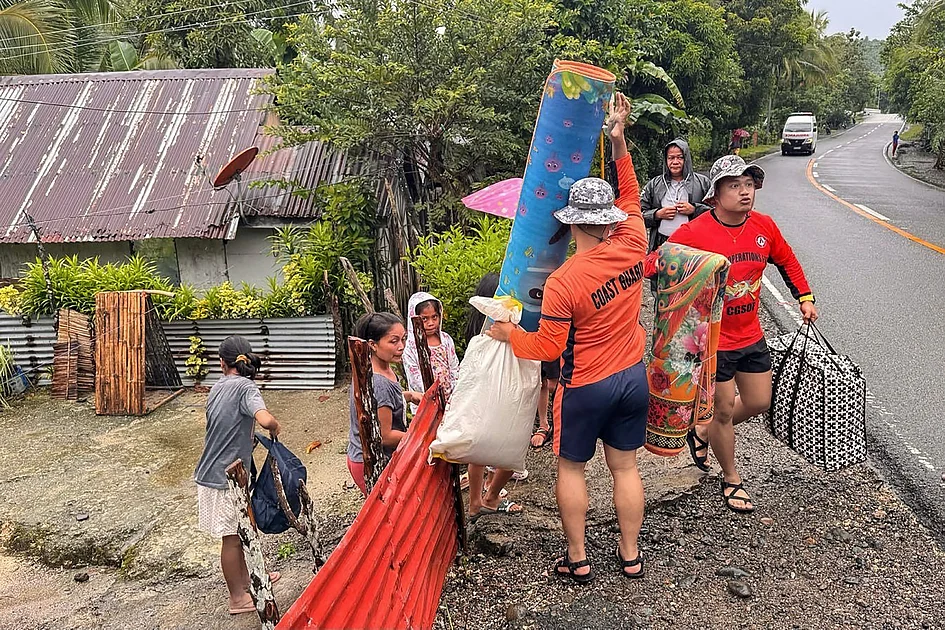
Typhoon Kalmaegi death toll jumps to 26 in Philippines
The devastating impact of Typhoon Kalmaegi has left at least 26 people dead in the central Philippines, according to the country’s civil defence office. The storm, which caused widespread flooding, has particularly affected Cebu province, where 21 of the fatalities were reported. Rafaelito Alejandro, the deputy administrator of civil defence, confirmed that most of the victims succumbed to drowning. ‘Based on the information we have, most of them died from drowning,’ Alejandro stated in a phone interview with AFP. The typhoon has inundated multiple towns, leaving communities grappling with the aftermath. Rescue and relief operations are underway as authorities work to assist those affected by the disaster. The incident underscores the vulnerability of the Philippines to extreme weather events, which are becoming increasingly frequent and severe due to climate change.
-
Sudan’s Rapid Support Forces: What to know about the paramilitary group
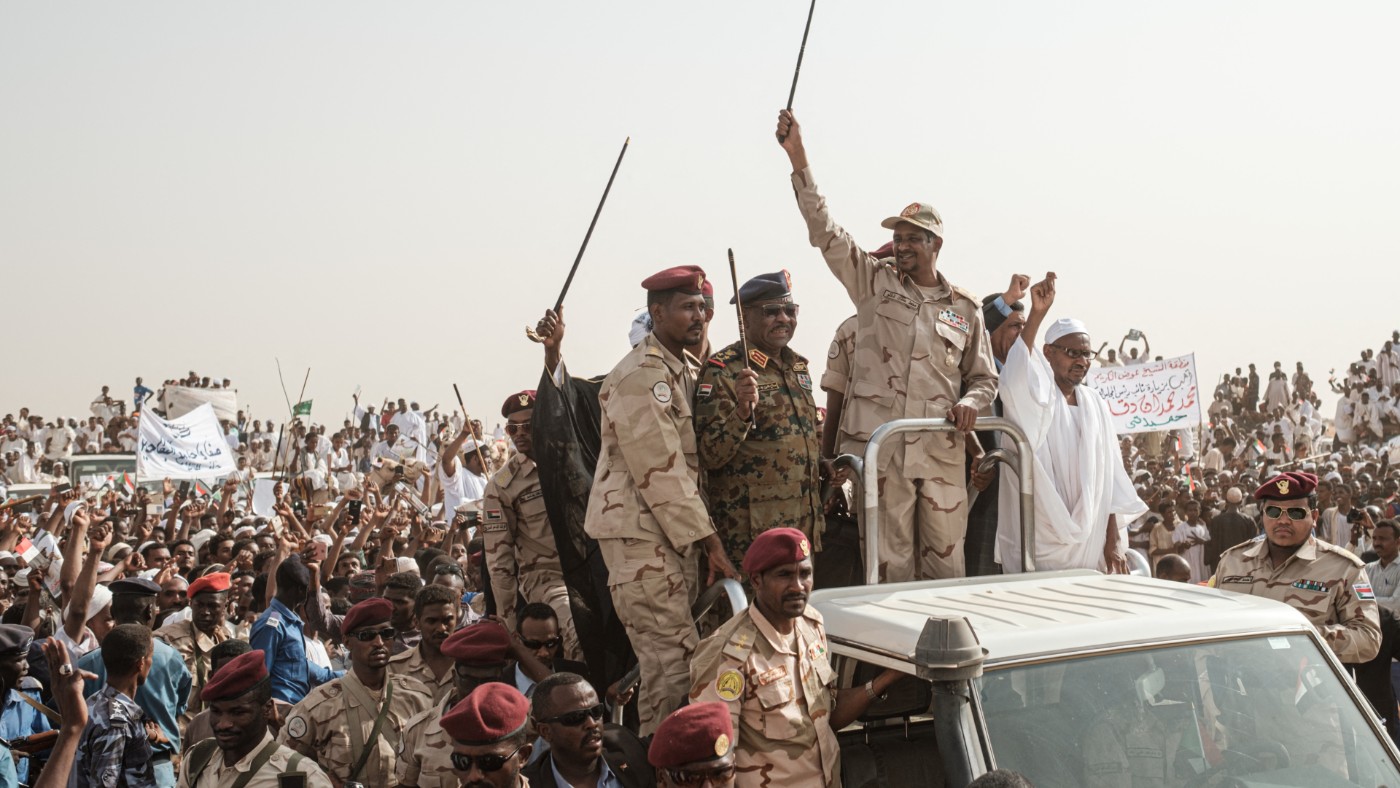
Since April 2023, Sudan has been engulfed in a brutal civil war between the Sudanese Armed Forces (SAF) and the paramilitary Rapid Support Forces (RSF). The conflict has displaced approximately 14 million people out of Sudan’s 51 million population, with unofficial death toll estimates surpassing 200,000. The RSF, once part of the SAF, has received significant support from the United Arab Emirates (UAE), which supplies the paramilitary group through routes in Somalia, Libya, and Chad. The SAF is led by General Abdel Fattah al-Burhan, while the RSF is commanded by General Mohamed Hamdan Dagalo, known as Hemedti. Hemedti, a former Janjaweed commander, rose to prominence under the regime of Omar al-Bashir, who ruled Sudan from 1989 to 2019. The Janjaweed, notorious for war crimes in Darfur, was transformed into the RSF in 2013. The RSF has since expanded its influence into civilian affairs, including border control and tax collection. The conflict escalated in 2023 when negotiations to integrate or dissolve the RSF failed. The RSF has been accused of widespread atrocities, including mass killings, sexual violence, and genocide, particularly in Darfur. Despite UAE denials, evidence suggests continued and intensified support for the RSF. The fall of el-Fasher in October 2025 marked another grim chapter in the war, with reports of 2,000 civilians killed in the first two days. The international community, including the US and Saudi Arabia, has struggled to mediate a resolution, leaving Sudan’s future uncertain.
-
New Yorkers expected to pick Mamdani in stunning election
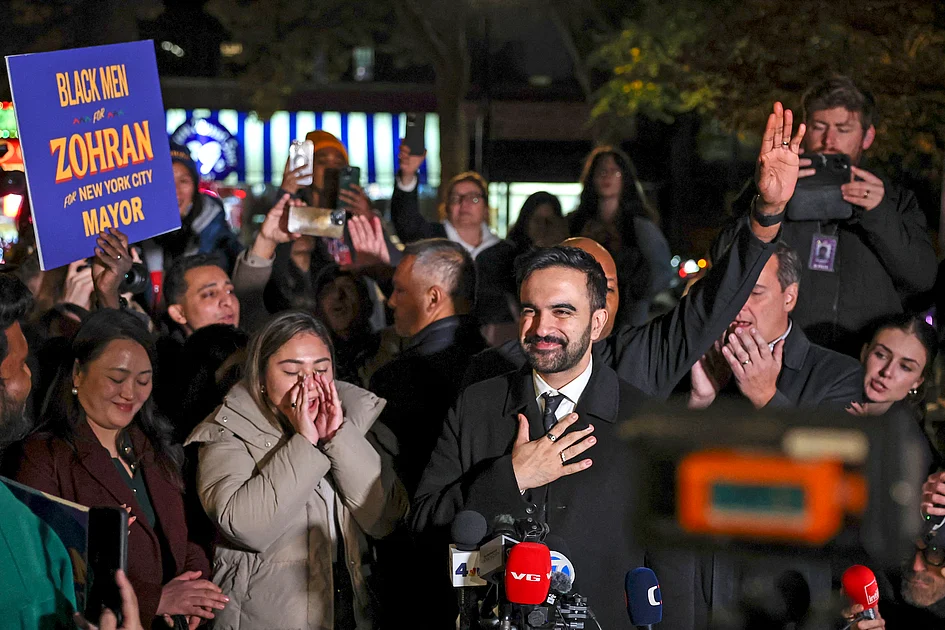
In a groundbreaking development, New Yorkers are projected to elect Zohran Mamdani, a self-proclaimed socialist, as their next mayor. This election, held on November 4, 2025, marks a significant shift in the political landscape, particularly as it signals a resurgence of the Democratic opposition ahead of the crucial midterm elections next year. Mamdani’s campaign, focused on reducing living costs for ordinary citizens, has resonated strongly with voters, as evidenced by his seven-point lead in the latest AtlasIntel poll, where he garnered 41% of the vote. His closest competitors, former state governor Andrew Cuomo and Republican Curtis Sliwa, trailed with 34% and 24%, respectively. The election has also drawn national attention, with President Donald Trump threatening to withhold federal funds from the city if Mamdani wins. Mamdani’s potential victory would make him New York’s first Muslim mayor, a milestone that has sparked both celebration and controversy. The race has centered on key issues such as the cost of living, crime, and the city’s relationship with the Trump administration. Meanwhile, off-year gubernatorial elections in Virginia and New Jersey are being closely watched as barometers of the national political mood. Democratic candidates in these states, Mikie Sherrill and Abigail Spanberger, are locked in tight races against their Republican opponents, with both sides receiving high-profile endorsements. Former President Barack Obama rallied support for the Democratic candidates but refrained from endorsing Mamdani, reflecting the ongoing internal debate within the party about its future direction. The outcomes of these elections could have far-reaching implications for the balance of power in Congress and the broader political trajectory of the United States.
-
India launches three-month voter registration overhaul
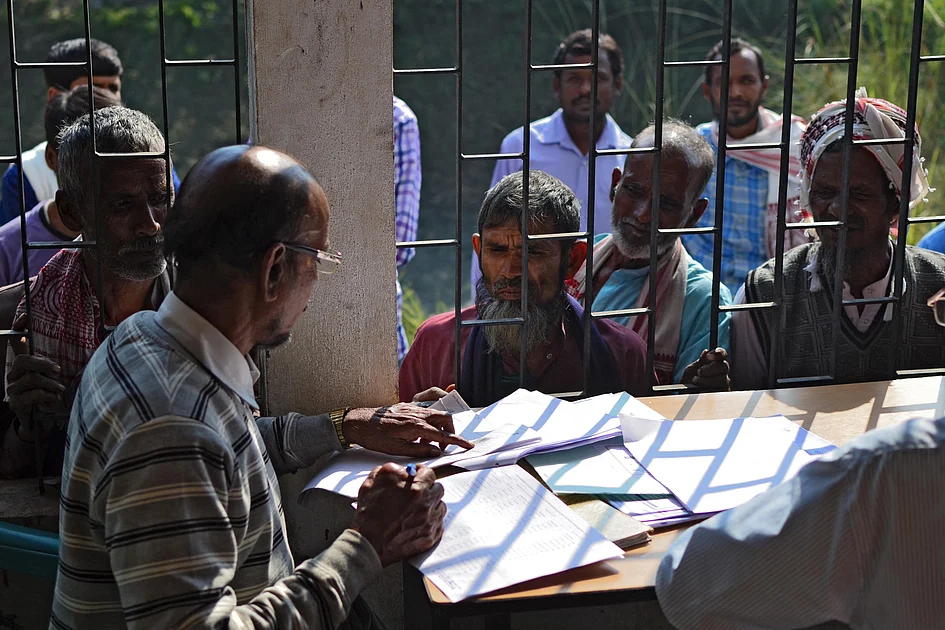
India has initiated a comprehensive three-month voter registration overhaul, termed the Special Intensive Revision (SIR), across 12 states and territories. This extensive exercise, involving tens of thousands of election officials and nearly half a million volunteers, aims to update voter rolls by visiting households to assist residents in completing voter enumeration forms. The initiative, announced by Election Commission of India chief Gyanesh Kumar, is set to cover key regions such as Uttar Pradesh, West Bengal, Tamil Nadu, and Kerala, which collectively house hundreds of millions of citizens according to the 2011 census. The final electoral roll is slated for release on February 7, 2026. However, the process has sparked significant controversy. Critics, including opposition parties and rights groups, argue that the stringent documentation requirements could lead to the wrongful exclusion of legitimate voters, particularly marginalized communities. Earlier this year, a similar revision in Bihar resulted in the removal of approximately 6.5 million names, with the ECI citing the need to prevent the inclusion of ‘foreign illegal immigrants.’ Members of Prime Minister Narendra Modi’s Bharatiya Janata Party (BJP) have long alleged that undocumented Muslim migrants from Bangladesh have fraudulently registered as voters. Tamil Nadu Chief Minister M.K. Stalin has condemned the exercise as a ‘trick to delete the names of genuine voters,’ warning that the right to vote—the cornerstone of democracy—is under threat. Despite these concerns, India’s Supreme Court has provided some relief by ruling that the biometric-linked Aadhaar identity card can be used as valid documentation for the process. The ongoing legal challenges and political debates underscore the high stakes of this voter registration drive in the world’s largest democracy.