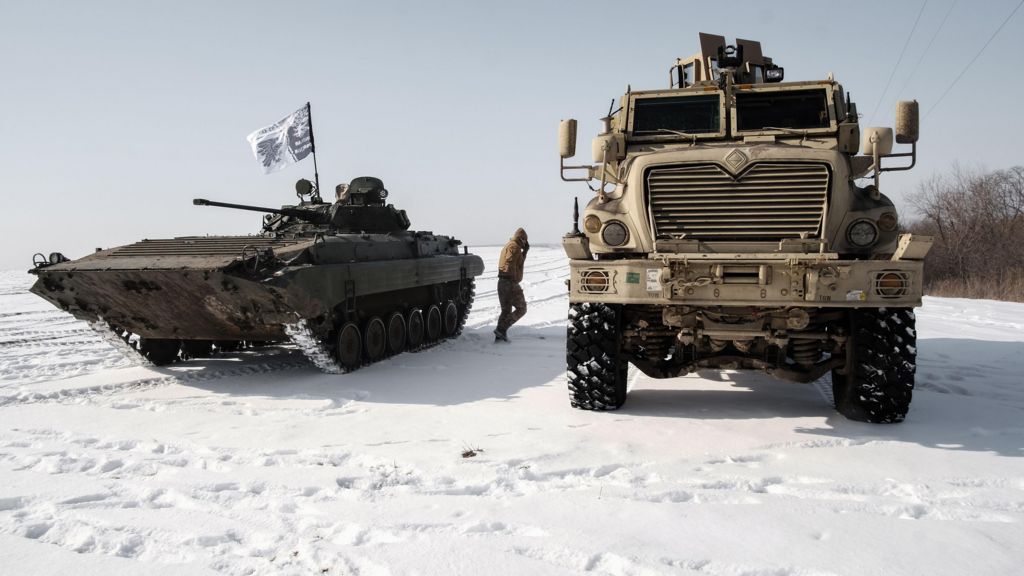
The funeral of Alex Ryzhuk, a 20-year-old Irish man who lost his life while volunteering alongside Ukrainian military forces, is scheduled to take place on Wednesday in the village of Kryliv, western Ukraine. Born in Dublin to Ukrainian parents, Ryzhuk had traveled to Ukraine shortly after turning 18 to assist in the ongoing conflict. He went missing in August 2024 and was presumed dead until last week, when DNA tests commissioned by his family confirmed that remains recovered from the frontlines were his. This confirmation was reported by Irish broadcaster RTÉ. A memorial mass will also be held on 23 November at Donnycarney Church in Dublin. Ryzhuk is the fourth Irish man to have died in the war in Ukraine, which has claimed the lives of several individuals from the island of Ireland since its inception in February 2022.
作者: admin
-
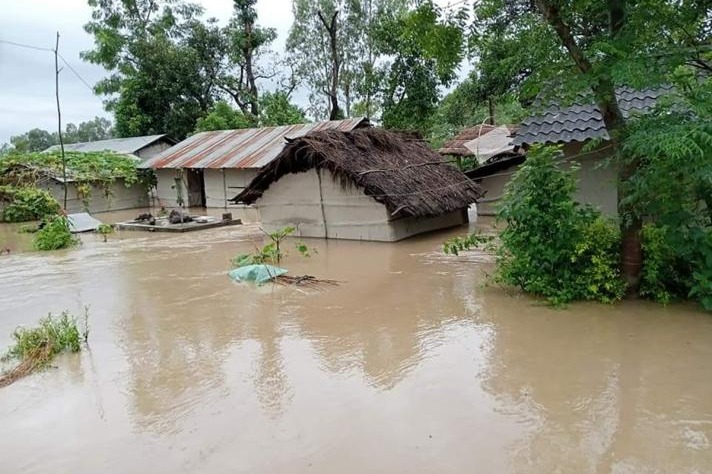
140 dead in monsoon disasters in Nepal
Kathmandu, Nepal – The monsoon season in Nepal has left a trail of destruction, claiming the lives of 140 people, as reported by the National Disaster Risk Reduction and Management Authority on Tuesday. The 135-day monsoon period, which spanned from May 29 to October 10, saw 1,454 disaster incidents, leaving 30 individuals missing and 300 injured. Landslides were the deadliest, responsible for 67 fatalities, followed by floods with 37 deaths, and lightning strikes claiming 29 lives. A staggering 5,995 families were affected by these calamities. Additionally, the report highlighted that 120 more lives were lost, and 622 people were injured due to other disasters such as fires and snakebites during the same period. The devastating impact of the monsoon has underscored the urgent need for enhanced disaster preparedness and response mechanisms in the region.
-
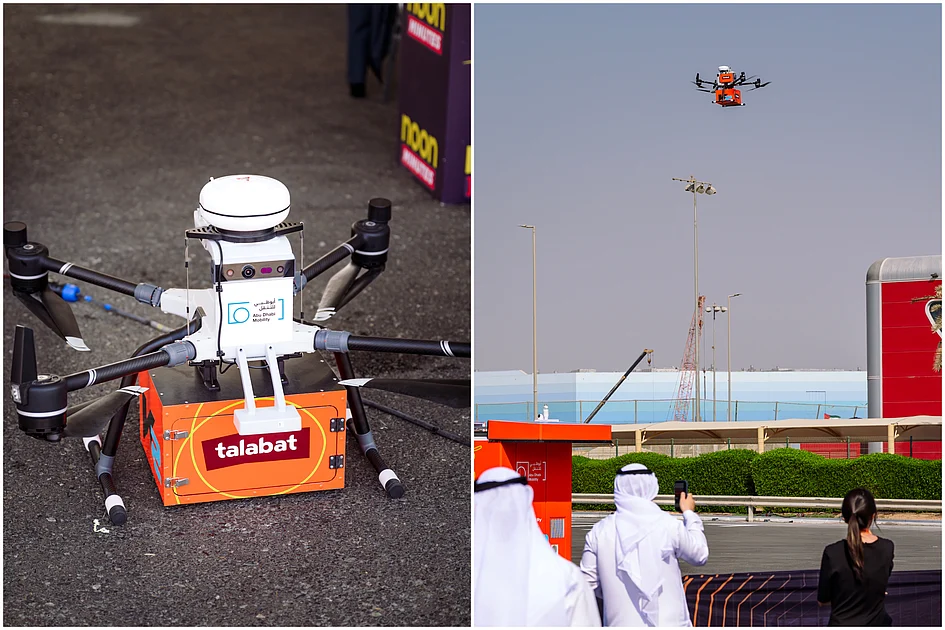
Watch: This drone will deliver your Talabat food orders soon in UAE
Abu Dhabi is on the brink of transforming the food delivery landscape with the introduction of drone-powered deliveries through the Talabat app. Test flights are already underway, and the first customer orders are anticipated to be fulfilled within weeks. This innovative service will allow customers to order groceries and meals via the Talabat app, with drones transporting the orders to designated drop-off stations, referred to as DOS (Drop-Off Stations).
Waleed Al Blooshi, Vice President of Strategy at K2, an Abu Dhabi Government-owned advanced technology company, explained the process: ‘The drone will fly from the Talabat kitchen or restaurant to the DOS, where customers can collect their orders using a secure code or QR code. The packaging has been specially designed to withstand the UAE’s challenging weather conditions, ensuring the food remains intact.’
Currently, two drones are being tested at DriftX, an exhibition showcasing smart, autonomous, and sustainable urban mobility during the Abu Dhabi Autonomous Week at Yas Marina Circuit. Al Blooshi emphasized that this is just the beginning, with plans to expand the service across Abu Dhabi. ‘We are starting with drop-off stations strategically located throughout the city, though we haven’t yet explored direct deliveries to homes or apartments,’ he added.
The collaboration between K2 and Talabat is set to be formalized during DriftX, with operations expected to commence shortly thereafter. Al Blooshi highlighted the company’s rapid pace of innovation, stating, ‘At K2, we work fast. We can launch the service in less than 45 days.’
This initiative marks K2’s first foray into aerial delivery, following its successful testing of autonomous ground deliveries with Noon. The goal is to integrate drone delivery into Abu Dhabi’s logistics ecosystem, with further testing and regulatory approvals to be conducted in collaboration with the Integrated Transport Centre (ITC) of Abu Dhabi Mobility.
Security and airspace coordination are critical to the project’s success. Al Blooshi noted, ‘We are working closely with the General Civil Aviation Authority (GCAA) to ensure compliance with regulations and manage airspace effectively.’
While costs are still under review, Al Blooshi is confident that drone delivery represents the future of logistics. ‘Autonomy is inevitable—whether by air, land, or sea. Robotics will become ubiquitous, and people will quickly adapt to this new convenience,’ he concluded.
-

UAE: Etihad Rail could have a stop at Dubai’s new Al Maktoum International Airport
The UAE’s ambitious Etihad Rail project is set to revolutionize transportation by potentially integrating with Dubai’s Al Maktoum International Airport at Dubai World Central (DWC). This strategic move could allow passengers to check in directly from train stations, enhancing convenience and efficiency. Paul Griffiths, CEO of Dubai Airports, revealed in an interview with Flight Global that the planned Etihad Rail network is expected to include a stop at DWC, fostering a seamless travel experience. The passenger train service, scheduled to launch in 2026, is projected to accommodate approximately 36.5 million passengers annually by 2030. The rail network will connect key cities across the UAE, including Abu Dhabi, Dubai, Sharjah, Ras Al Khaimah, Fujairah, Al Ain, Ruwais, Al Mirfa, Al Dhaid, Ghuweifat (bordering Saudi Arabia), and Sohar in Oman via the Hafeet Rail project. Additionally, a new high-speed electrified line between Abu Dhabi and Dubai will feature six stations, including one near Al Maktoum Airport, reducing travel time between the two cities to just 30 minutes. This development aligns with Dubai’s broader strategy to expand its transport infrastructure and accommodate growing passenger demand. In April 2024, the Dubai government announced plans to transfer all operations from Dubai International (DXB) to Al Maktoum International (DWC), which will boast a new Dh128-billion passenger terminal capable of handling 260 million passengers annually. This transition is expected to be completed within a decade, addressing DXB’s capacity constraints. Griffiths emphasized the goal of creating a frictionless airport experience, leveraging artificial intelligence to optimize aircraft scheduling and passenger connections. As Dubai continues to innovate, the integration of Etihad Rail with Al Maktoum International Airport marks a significant milestone in the region’s transportation evolution.
-
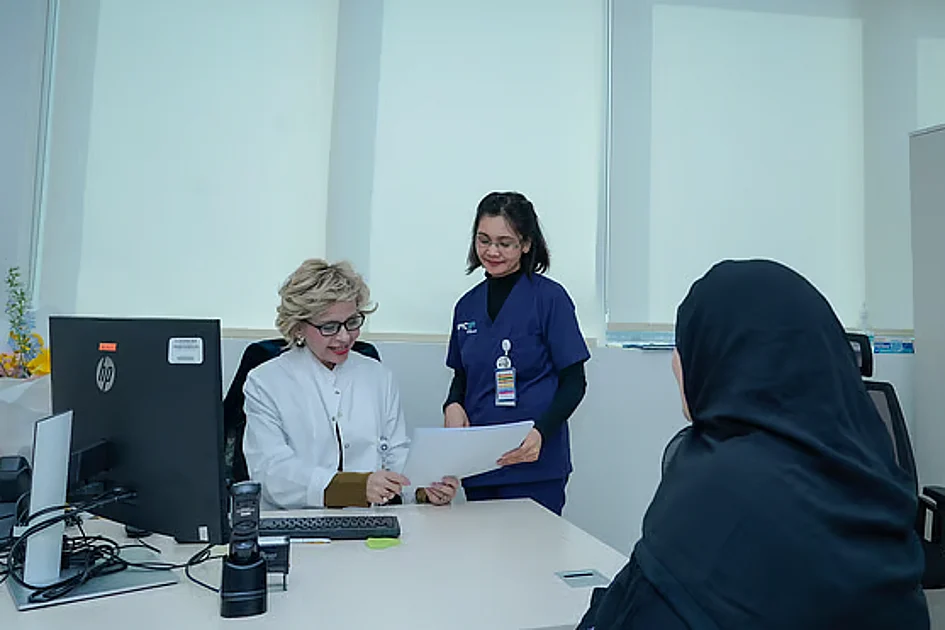
62% women screened for breast cancer in UAE first-timers, healthcare group says
In a significant stride toward early detection of breast cancer, healthcare groups in the UAE report that 62% of women screened in 2024 were first-timers. This surge is attributed to widespread awareness campaigns, mobile screening units, and efforts to make the process more accessible and affordable. Dr. Nita Zaji, a Specialist General and Breast Surgeon at Medcare Women & Children Hospital, emphasized the role of national and private initiatives in transforming awareness into action. These campaigns, prominently featured during Breast Cancer Awareness Month in October, have reached women through social media, workplaces, and even petrol stations, making screenings a routine part of preventive healthcare. Emotional barriers such as fear of discomfort, denial, and misconceptions about cancer remain significant hurdles. However, healthcare providers are addressing these concerns by offering supportive environments, female medical staff, and discounted packages. Dr. Tariq Alhamid of Burjeel Cancer Institute highlighted the impact of mobile mammography units, which bring screenings to neighborhoods and workplaces, eliminating logistical and cultural obstacles. Social media and survivor stories have also played a crucial role in changing perceptions. Despite progress, myths persist, such as the belief that biopsies can spread cancer, which delays testing. Doctors are now dedicating more time to educating patients about the safety and necessity of biopsies for early diagnosis. Dr. Moustafa Aldaly of International Modern Hospital noted a cultural shift toward preventive care, driven by targeted campaigns, improved access to imaging services, and the increasing presence of female healthcare professionals. With mobile units, digital booking systems, and multilingual education programs, access to life-saving screenings has become easier than ever. Healthcare providers are focusing on empathy-driven education, using real-life examples to show how early detection leads to better outcomes, empowering women to take charge of their health.
-

France honors victims 10 years after attacks at Bataclan concert hall, cafes and national stadium
A decade has passed since the harrowing Paris attacks of November 13, 2015, yet the scars remain deeply etched in the lives of survivors. As France prepares to commemorate the 10th anniversary of the tragedy, which claimed over 130 lives and left more than 400 injured, survivors continue to wrestle with the enduring trauma. Arthur Denouveaux, a 39-year-old survivor and president of the victims’ association Life for Paris, reflects on the emotional toll of the anniversary. ‘The 10th anniversary is here, and emotions and tension are everywhere for us survivors,’ he shared. ‘It shields us from the world in a way, because we’re so focused on the grief and on remembering those who lost their lives.’ The coordinated attacks, carried out by nine Islamic State gunmen and suicide bombers, targeted multiple locations across Paris, including the Stade de France, cafes, and the Bataclan concert hall, marking the deadliest violence in France since World War II. Denouveaux, who was at the Bataclan during the Eagles of Death Metal concert, vividly recalls the chaos and horror of that night. ‘I remember crawling on top of bodies,’ he recounted. ‘I believe most of the people were pretending to be dead, but still, I remember a few faces or at least a few facial expressions of people who were necessarily dead.’ The aftermath of the attacks left survivors grappling with post-traumatic stress disorder (PTSD). Denouveaux, a father of three, spent a year in intensive therapy and medication to overcome the most critical phases of PTSD. ‘But since 2017, I’ve had no panic attacks,’ he said. ‘Yet, I’m very cautious because I’m not sure you heal from PTSD.’ To honor the victims, France will hold a solemn ceremony at a newly created memorial garden near Paris City Hall, attended by President Emmanuel Macron, Paris Mayor Anne Hidalgo, survivors, and families of the victims. The garden, designed with input from survivors and relatives, features steles engraved with the names of the victims. ‘The project aims to create a place that remembers the dead but also a place of life, a place that is beautiful and serene,’ Denouveaux explained. The French soccer federation will also pay tribute to the victims during a World Cup qualifier match between France and Ukraine at the Parc des Princes, preceded by a minute of silence. The attacks not only traumatized individuals but also shook the nation’s sense of security. Survivors like Denouveaux have had to navigate a new path in life, mourning not only the lives lost but also the person they once were. ‘When you survive a terrorist attack, you become disconnected from the rest of the world,’ he said. ‘There are three mourning phases: the mourning for those who died, the mourning for the person you were, and the mourning of the image people have of you.’ The 2021-2022 trial of Salah Abdeslam, the lone surviving attacker, and 19 other accomplices brought some closure, with Abdeslam sentenced to life without parole. Yet, for survivors, the journey toward healing remains ongoing. ‘Ten years later, when I tell someone who doesn’t know: ‘Well, I was at the Bataclan,’ the person’s perception of me changes immediately,’ Denouveaux noted. ‘There’s the emotion they felt that day, but also the fear of wondering, ‘Is he OK? Can I talk to him about it? How do we do that?’ And that, of course, puts you out of phase.’
-
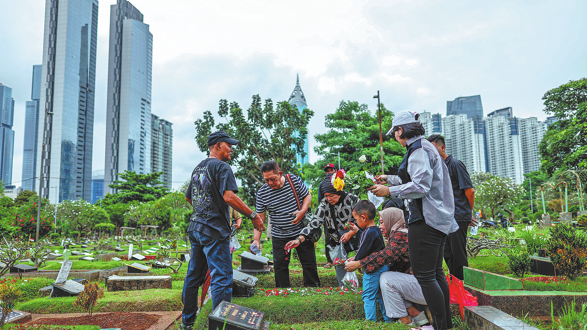
Jakarta faces shortage to accommodate the dead
Jakarta, Indonesia’s bustling capital, is confronting a severe shortage of burial space as its cemeteries reach or exceed capacity. With 86.25% of the city’s 80 public cemeteries already full and the remaining ones nearing their limits, only 118,000 graves remain available. This alarming situation has raised concerns about the commercialization of burial plots, disproportionately affecting low- and middle-income residents who rely on free public cemeteries. Rapid population growth and limited land availability have exacerbated the crisis, prompting the city to adopt measures such as stacked burials, where multiple caskets are interred in a single plot. However, even these efforts fall short of meeting demand. For instance, the Grogol Kemanggisan public cemetery in West Jakarta, which houses around 17,000 bodies, has stopped accepting new burial requests due to overcrowding. Families are often forced to incur additional costs by traveling to distant cemeteries or opting for private burial grounds, which charge exorbitant fees. The COVID-19 pandemic further strained the system, with Jakarta recording over 16,000 deaths from the virus by June 2023. To address the issue, Governor Pramono Anung has proposed building new public cemeteries and converting former COVID-19 burial sites. Yet, experts like urban sociologist Rakhmat Hidayat argue that the crisis stems from poor urban planning and a focus on commercial development over public welfare. Without immediate action, the burden will continue to fall on the city’s most vulnerable residents, who may soon have no access to affordable burial options.
-
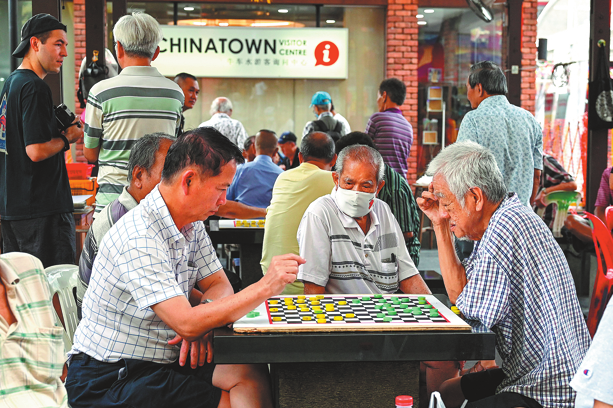
Beyond family
As Singapore rapidly transitions into a super-aged society, experts are advocating for a shift from family-centric caregiving to community-based models. With over 21% of the population expected to be aged 65 or older by 2026, the need for innovative eldercare solutions is more pressing than ever. Paulin Straughan, director of the Centre for Research on Successful Ageing (ROSA) at Singapore Management University, emphasizes that relying solely on migrant domestic workers is unsustainable. Instead, fostering local talent and community involvement is crucial. Initiatives like the ElderAid program by the Singapore Red Cross, which connects volunteers like Peh Kim Hiok with seniors in need, exemplify this approach. Peh, a 62-year-old homemaker, has been visiting three seniors monthly, offering companionship and support. Her story highlights the growing trend of seniors helping seniors, redefining caregiving beyond familial ties. The government is also stepping up efforts with projects like ‘Age Well Neighborhoods,’ which aim to enhance community infrastructure and care services. These include community care apartments, active aging centers, and shared stay-in senior care services. Despite these advancements, challenges remain. About 30% of older adult caregivers report chronic health conditions, underscoring the need for programs to support their physical and mental well-being. Christopher Gee, deputy director of the Institute of Policy Studies, stresses the importance of nurturing a ‘we-first’ society, where caregiving is a collective responsibility. Tools like the Healthy 365 app, which incentivizes health targets, could serve as models for promoting pro-social behaviors. The Silver Generation Office (SGO) has also expanded its network of ambassadors to nearly 9,000, leveraging digital engagement to reach tech-savvy seniors. As Singapore grapples with its aging population, the call for a community-driven caregiving model grows louder, offering a sustainable path forward.
-
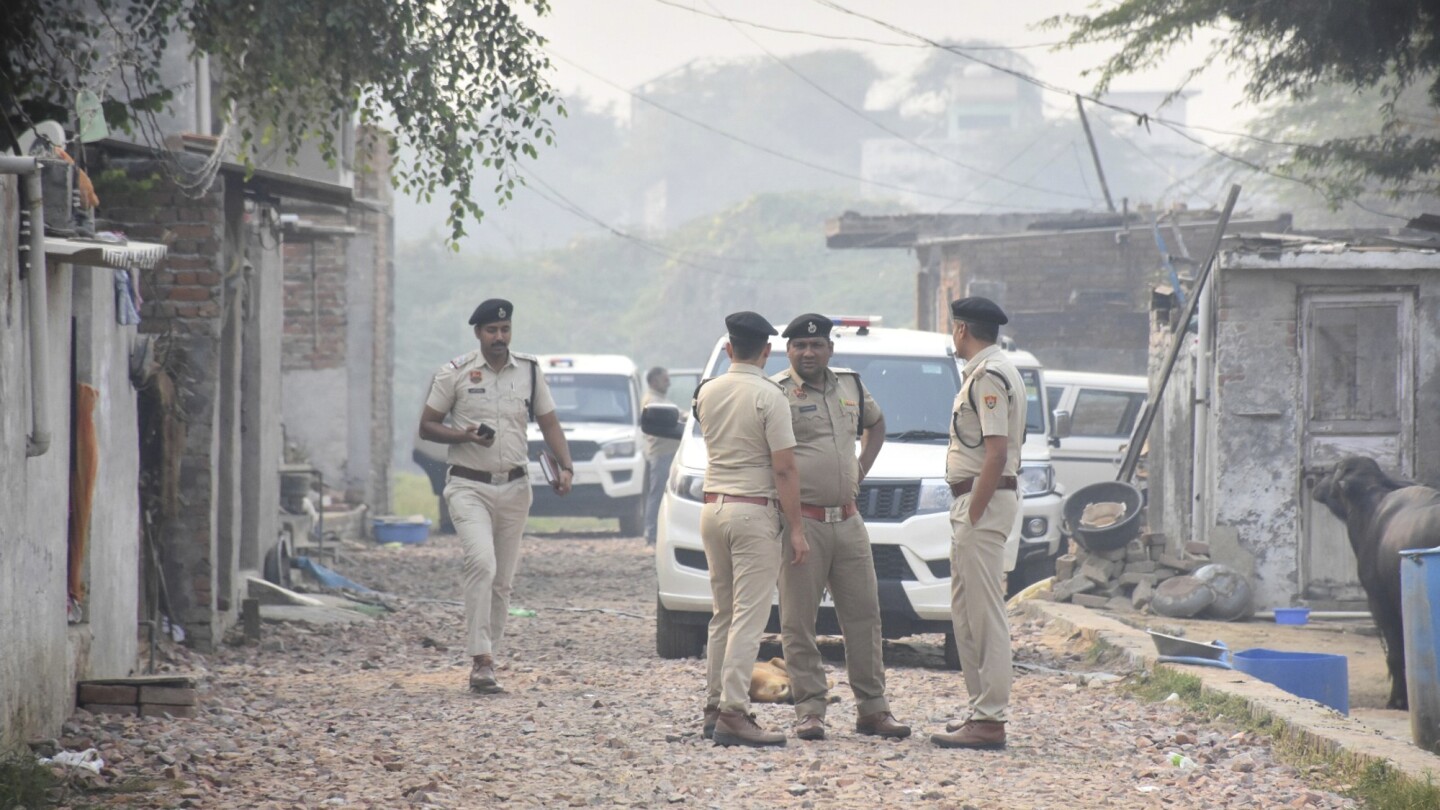
Indian police detain suspects in Kashmir after deadly New Delhi car blast
Indian security forces have apprehended several individuals in the contested Kashmir region as part of an ongoing probe into a devastating car explosion in New Delhi earlier this week. The blast, which occurred near the iconic Red Fort, claimed eight lives and left numerous others injured. Authorities have classified the incident as a potential act of terrorism, granting them expanded powers to detain suspects. The Red Fort, a 17th-century landmark, is a site of national significance where Indian prime ministers traditionally deliver Independence Day addresses. If confirmed as a deliberate attack, this would mark the deadliest explosion in India’s capital since 2011. Police conducted overnight raids in Pulwama district, Kashmir, detaining at least five individuals for questioning. The explosion occurred hours after law enforcement in Indian-administered Kashmir dismantled a suspected militant cell allegedly operating from the region to the outskirts of New Delhi. Seven individuals, including two doctors, were arrested, and authorities seized weapons and bomb-making materials in Faridabad, a city near Delhi. Indian media reports suggest the explosion may be linked to this cell, though police have not confirmed this. The investigation reportedly began with an inquiry into anti-India posters in Srinagar, Kashmir, which threatened attacks on Indian troops. CCTV footage and subsequent interrogations led to the arrests of several suspects, including Kashmiri doctors working in Indian cities. Media outlets speculate that the car’s driver, a Kashmiri doctor teaching in Faridabad, may have been involved, either by triggering the explosion intentionally or transporting explosives that detonated accidentally. The incident has heightened fears of renewed tensions between India and Pakistan, both nuclear-armed rivals. India frequently accuses Pakistan of supporting cross-border attacks, a claim Pakistan denies. The Kashmir conflict, rooted in decades of unrest, remains a flashpoint between the two nations. This explosion is the latest in a series of deadly attacks in New Delhi, echoing past bombings attributed to Kashmiri militant groups and Indian Islamist organizations.
-
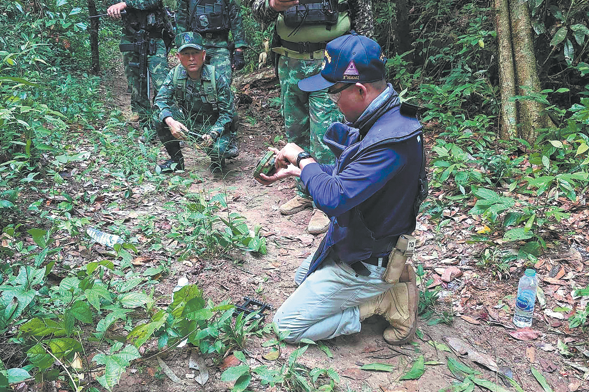
Thailand, Cambodia trade blame over landmine blast
Thailand and Cambodia have engaged in a diplomatic dispute following a landmine explosion that injured four Thai soldiers near the border in Si Sa Ket Province. The incident has led to the suspension of the Thai-Cambodian Joint Declaration, a recent agreement signed in Malaysia aimed at fostering peace and stability between the two nations. Thailand has accused Cambodia of planting new landmines within its territory, a claim vehemently denied by Phnom Penh. Thai Foreign Ministry spokesman Nikorndej Balankura stated that the blast site inspection confirmed the landmines were newly planted by Cambodia, breaching Thailand’s sovereignty. In response, Thailand has paused certain elements of the declaration, including the release of 18 Cambodian soldiers, until Cambodia demonstrates accountability. Cambodia, however, has urged Thailand to exercise caution in old minefield areas and reaffirmed its commitment to international law, denying any use of new landmines. The Cambodian Ministry of National Defense emphasized its dedication to peace and stability, calling for continued cooperation. Meanwhile, Thai Prime Minister Anutin Charnvirakul has ordered the armed forces to prepare for border defense, with Defense Minister Nattapon Nakpanich confirming military authorization for necessary actions within Thai territory. Despite the tensions, both sides have maintained diplomatic contact to manage the fallout and prevent further escalation.