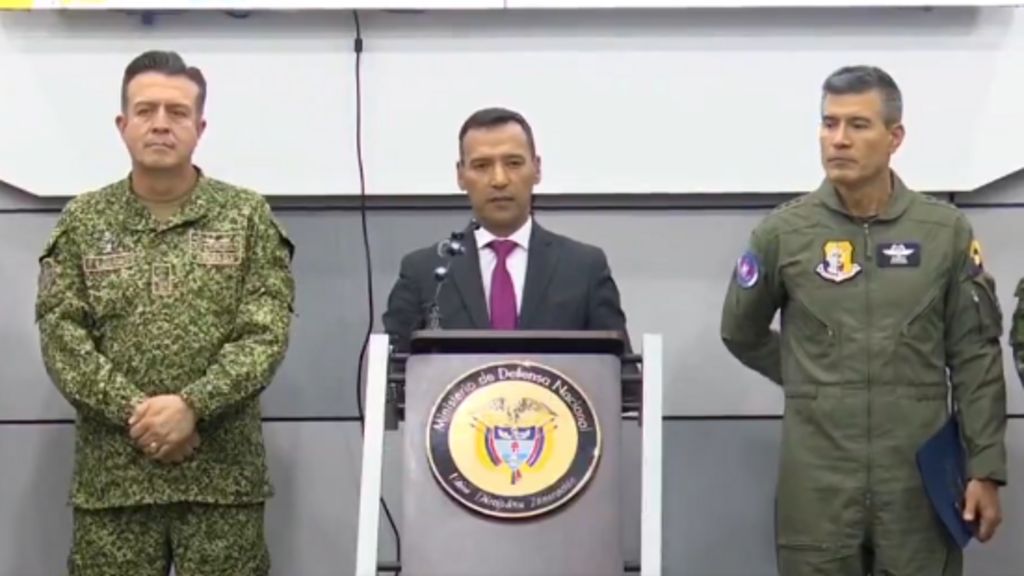
In a significant military operation, Colombia’s armed forces conducted an air strike on a suspected rebel camp in the Guaviare province, resulting in the deaths of at least 19 individuals. The targeted camp belonged to a dissident faction of the Revolutionary Armed Forces of Colombia (Farc), a group notorious for its involvement in drug trafficking and other illicit activities. Colombian Defence Minister Pedro Sánchez hailed the operation as a decisive blow against ‘one of Colombia’s most dangerous criminals,’ referring to Iván Mordisco, the faction’s leader. Mordisco, a former Farc member who rejected the 2016 peace deal, has since emerged as a powerful figure in Colombia’s criminal underworld, engaging in illegal mining, extortion, and drug trafficking. The air strike marks a shift in strategy for Colombia’s left-wing President Gustavo Petro, who had previously been hesitant to authorize such operations. However, the breakdown of peace talks with several armed groups, including Mordisco’s faction, prompted Petro to greenlight the military offensive. The operation also led to the rescue of three children forcibly recruited by the group, highlighting the ongoing issue of child exploitation by armed factions. The strike comes amid escalating tensions between Colombia and the United States, with the Trump administration accusing Petro of failing to curb drug trafficking. In response, Petro has criticized U.S. military actions in the Caribbean and Pacific, which he claims violate human rights. The Colombian president has also suspended intelligence sharing with U.S. security agencies, further straining bilateral relations. This operation underscores the complex challenges facing Colombia as it seeks to balance peace negotiations with the need to combat organized crime and drug trafficking.
作者: admin
-
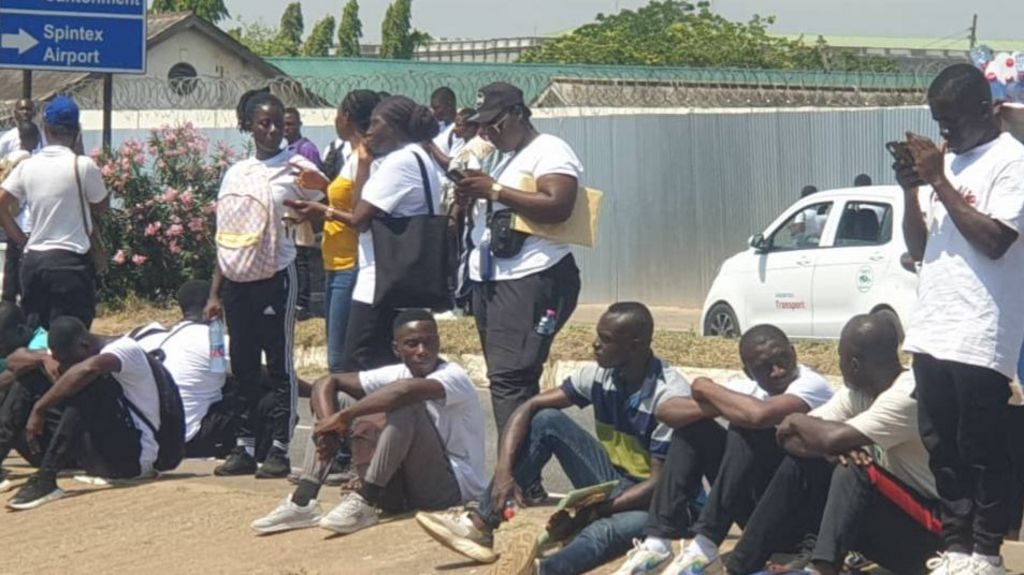
At least six die in crush at Ghana military recruitment event
A devastating crowd crush at a military recruitment event in Accra, Ghana, has resulted in the deaths of at least six people, with several others receiving emergency medical treatment. The incident occurred at El-Wak Stadium, where thousands of hopeful applicants had gathered to join the military. According to a statement from Ghana’s armed forces, the tragedy was triggered by an unexpected surge of applicants who breached security protocols and rushed into the gates. The recruitment event, which had been extended by a week to accommodate more applicants, was scheduled to begin at 06:20 GMT. Army spokesperson Captain Veronica Adzo Arhin confirmed that the crush happened before the event’s official start time. Calm has since been restored, and the recruitment process has commenced. Ghana’s youth unemployment rate, currently at 13%, has made such events highly competitive, often leading to chaotic scenes. The incident underscores the challenges faced by young Ghanaians seeking employment opportunities in a strained economic climate.
-
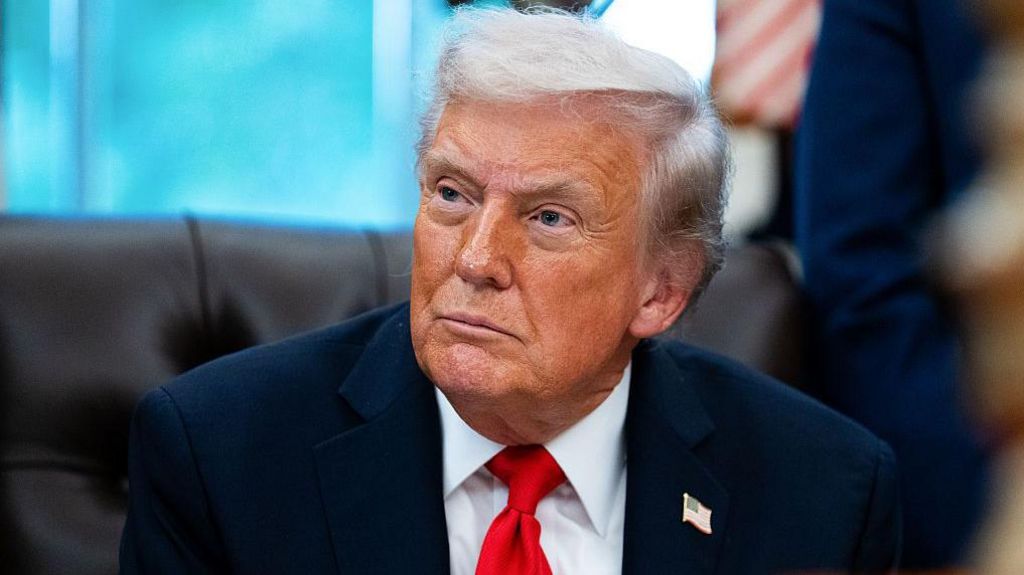
Why is Donald Trump threatening to sue the BBC?
The BBC is embroiled in a significant crisis following the resignation of its director general, Tim Davie, and head of news, Deborah Turness. The turmoil stems from allegations that a Panorama documentary misrepresented a speech by former US President Donald Trump, leading to widespread criticism and a $1 billion lawsuit threat from Trump. The documentary, titled ‘Trump: A Second Chance?’, aired on October 28, 2024, and allegedly edited Trump’s speech to suggest he explicitly encouraged the January 6, 2021, Capitol riot. BBC chairman Samir Shah has since apologized for the ‘error of judgement’. Trump’s legal team has demanded a retraction, an apology, and compensation, setting a deadline for the BBC to respond by November 14, 2025. The controversy has sparked internal and external scrutiny of the BBC’s editorial standards, with concerns also raised about its coverage of trans issues and the Israel-Gaza conflict. The resignations of Davie and Turness have further intensified the crisis, as the BBC navigates this challenging period ahead of a government review of its Royal Charter in 2027.
-
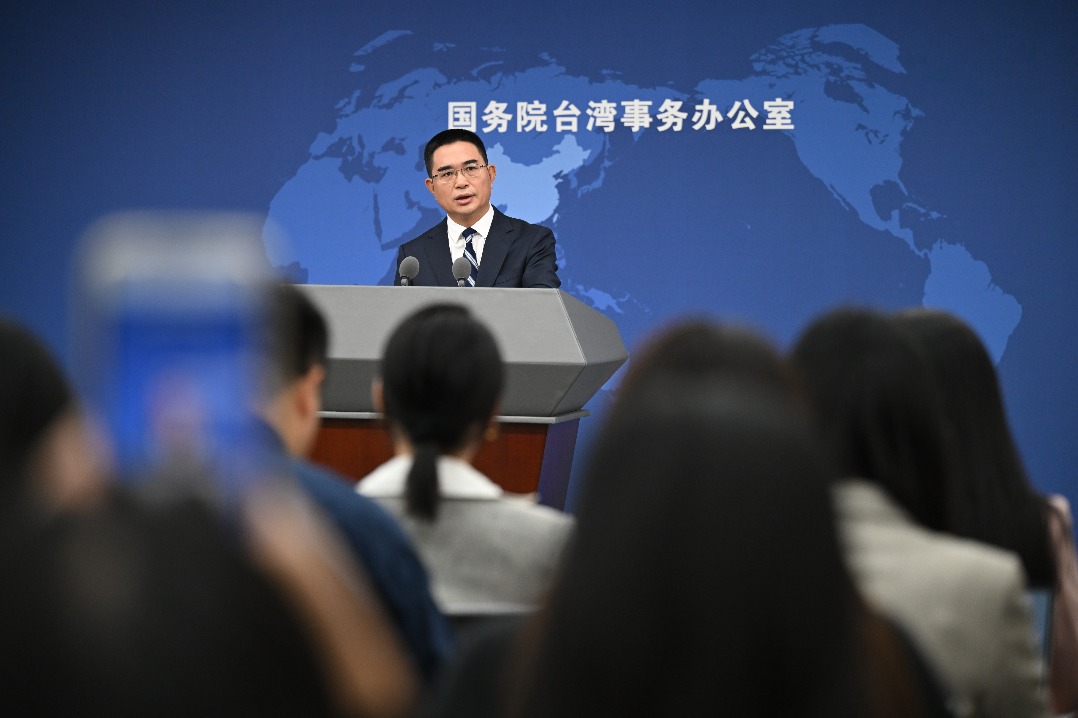
China slams Japan leader’s egregious comments about Taiwan
China has vehemently criticized recent comments made by Japan’s leader regarding Taiwan, labeling them as a severe violation of the one-China principle and an unwarranted interference in China’s internal affairs. The remarks, delivered during a parliamentary session in Japan, have sparked significant diplomatic tension between the two nations. Chen Binhua, spokesperson for China’s State Council Taiwan Affairs Office, reiterated China’s stance during a press conference, emphasizing that ‘there is only one China, and Taiwan is an inalienable part of it.’ The Chinese government has expressed ‘strong dissatisfaction and resolute opposition’ to the statements, which it views as a challenge to its sovereignty and territorial integrity. This incident underscores the ongoing geopolitical sensitivities surrounding Taiwan, which China considers a core national interest. The situation has drawn international attention, with observers noting the potential implications for regional stability and Sino-Japanese relations.
-
UN watchdog hasn’t been able to verify Iran’s stockpile of near-weapons grade uranium in months
The International Atomic Energy Agency (IAEA) has expressed grave concerns over its inability to verify the status of Iran’s near weapons-grade uranium stockpile following Israel’s strikes on Iranian nuclear sites during the 12-day conflict in June. According to a confidential report circulated to member states and reviewed by The Associated Press, the IAEA emphasized the urgent need to address the situation. Iran’s stockpile, as of September, stands at 440.9 kilograms of uranium enriched to 60% purity—just a technical step away from weapons-grade levels of 90%. IAEA Director General Rafael Grossi warned that this stockpile could potentially enable Iran to produce up to 10 nuclear bombs, though he clarified that there is no evidence Iran has weaponized its program. Iran has consistently maintained that its nuclear activities are peaceful, but the IAEA and Western nations contend that Tehran had an organized nuclear weapons program until 2003. Under its safeguards agreement with the IAEA, Iran is required to submit a ‘special report’ detailing the status and location of its nuclear materials, particularly after events like attacks or natural disasters. However, Iran suspended cooperation with the IAEA following the June conflict, though it later permitted inspections of undamaged facilities after a September agreement between Grossi and Iranian Foreign Minister Abbas Araghchi. This cooperation was short-lived, as the reimposition of UN sanctions later that month prompted Iran to halt the implementation of the agreement. European powers justified the sanctions by invoking the snapback mechanism, citing Iran’s failure to engage in direct talks with the U.S., fully cooperate with the IAEA, and clarify the status of its near weapons-grade uranium stockpile.
-
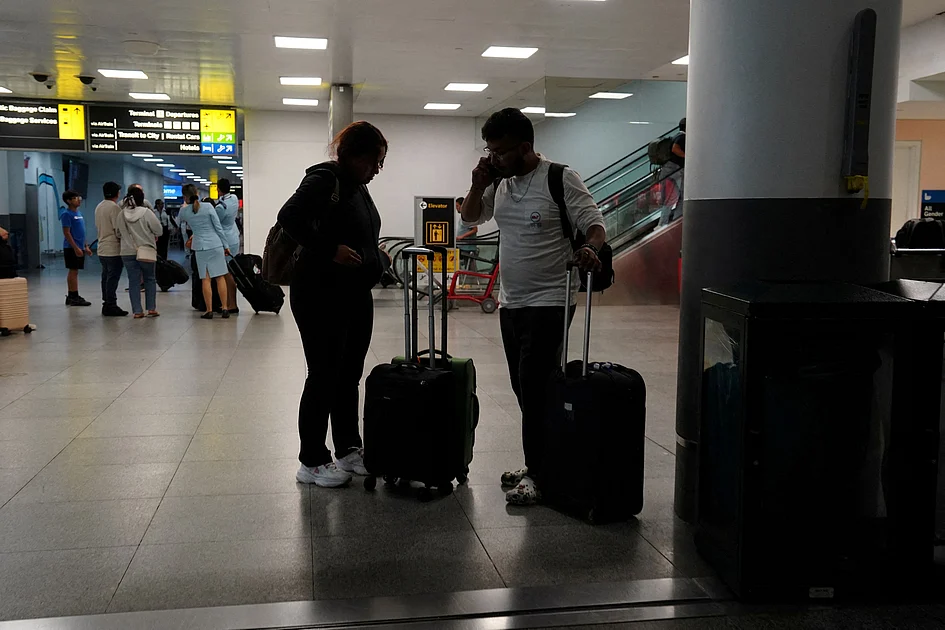
Fewer holiday trips, tighter budget: Families cut back on travel, report says
The holiday travel season in the United States is facing a significant slowdown as families, including high-income households, cut back on trips and tighten their budgets. According to a recent report by Deloitte, the average number of planned holiday trips has decreased to 1.83 from 2.14 last year, while travel budgets have shrunk by 18% to an average of $2,334. This shift reflects broader financial concerns, with nearly 20% of households earning over $100,000 annually reporting a decline in their financial well-being compared to the previous year. About 80% of these high-income travelers are opting for more affordable travel options. The prolonged US government shutdown has further exacerbated the situation, forcing airlines to reduce flights and delaying approximately 3.2 million passengers. Travel companies, including Delta Air Lines, United Airlines, and Marriott International, have noted strong demand for premium services in recent months. However, this trend may be reversing as high-income travelers, who typically spend more and travel farther, adjust their plans. Millennials, who represent 34% of luxury travelers, are leading the way in cutting back on trips this year. Interestingly, they are also at the forefront of adopting generative AI for travel planning, with usage increasing 1.5 times since 2024. While travelers primarily use AI to discover activities and attractions, they are most likely to act on restaurant recommendations.
-
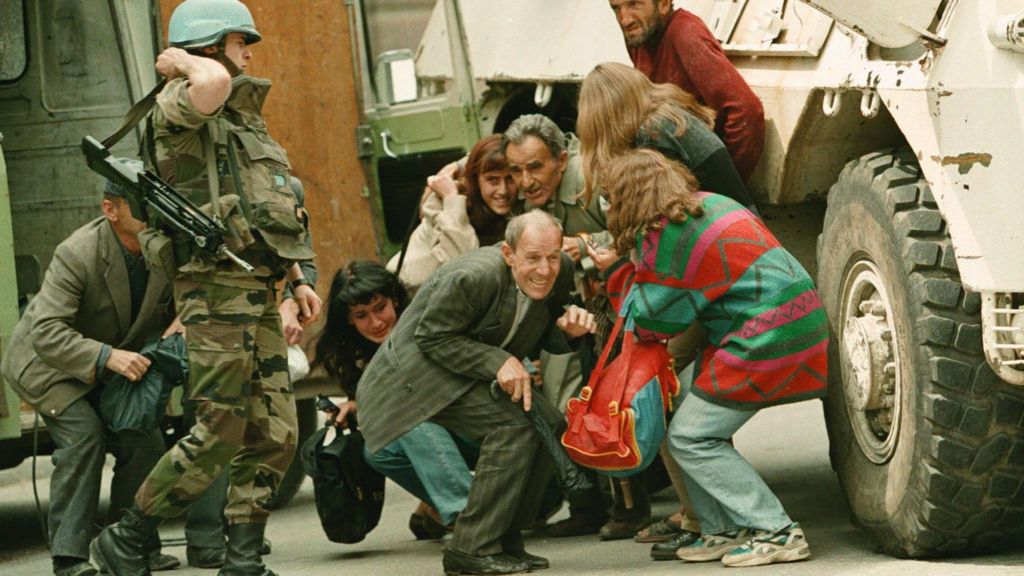
Italy probes claims that tourists paid to shoot at civilians in Bosnian war
The Milan Public Prosecutor’s Office has launched an investigation into shocking allegations that Italian citizens participated in ‘sniper safaris’ during the Bosnian War in the early 1990s. These individuals allegedly paid exorbitant sums to shoot at defenseless civilians in the besieged city of Sarajevo. The complaint was filed by journalist and novelist Ezio Gavazzeni, who described the activities as a ‘manhunt’ orchestrated by wealthy weapon enthusiasts. Reports suggest that different rates were charged to target men, women, or children. Over 11,000 civilians perished during the brutal four-year siege of Sarajevo, as the city was encircled by Serb forces and subjected to relentless shelling and sniper fire. Gavazzeni’s evidence, including testimony from a Bosnian military intelligence officer, is now under scrutiny by Italian counter-terrorism prosecutor Alessandro Gobbis. The charges being pursued are for murder. The Bosnian officer revealed that his colleagues discovered the ‘safaris’ in late 1993 and relayed the information to Italy’s Sismi military intelligence in early 1994. Sismi reportedly halted the activities within months. Gavazzeni, who specializes in terrorism and mafia-related topics, revisited the issue after watching the 2022 documentary ‘Sarajevo Safari,’ which implicated individuals from multiple countries, including the US, Russia, and Italy. His 17-page dossier, submitted to prosecutors in February, includes a report by former Sarajevo mayor Benjamina Karic. Gavazzeni claims that ‘at least a hundred’ individuals participated, with Italians paying up to €100,000 in today’s terms. The investigation in Bosnia has reportedly stalled, but Milan prosecutors are actively pursuing the case, having identified a list of potential witnesses.
-
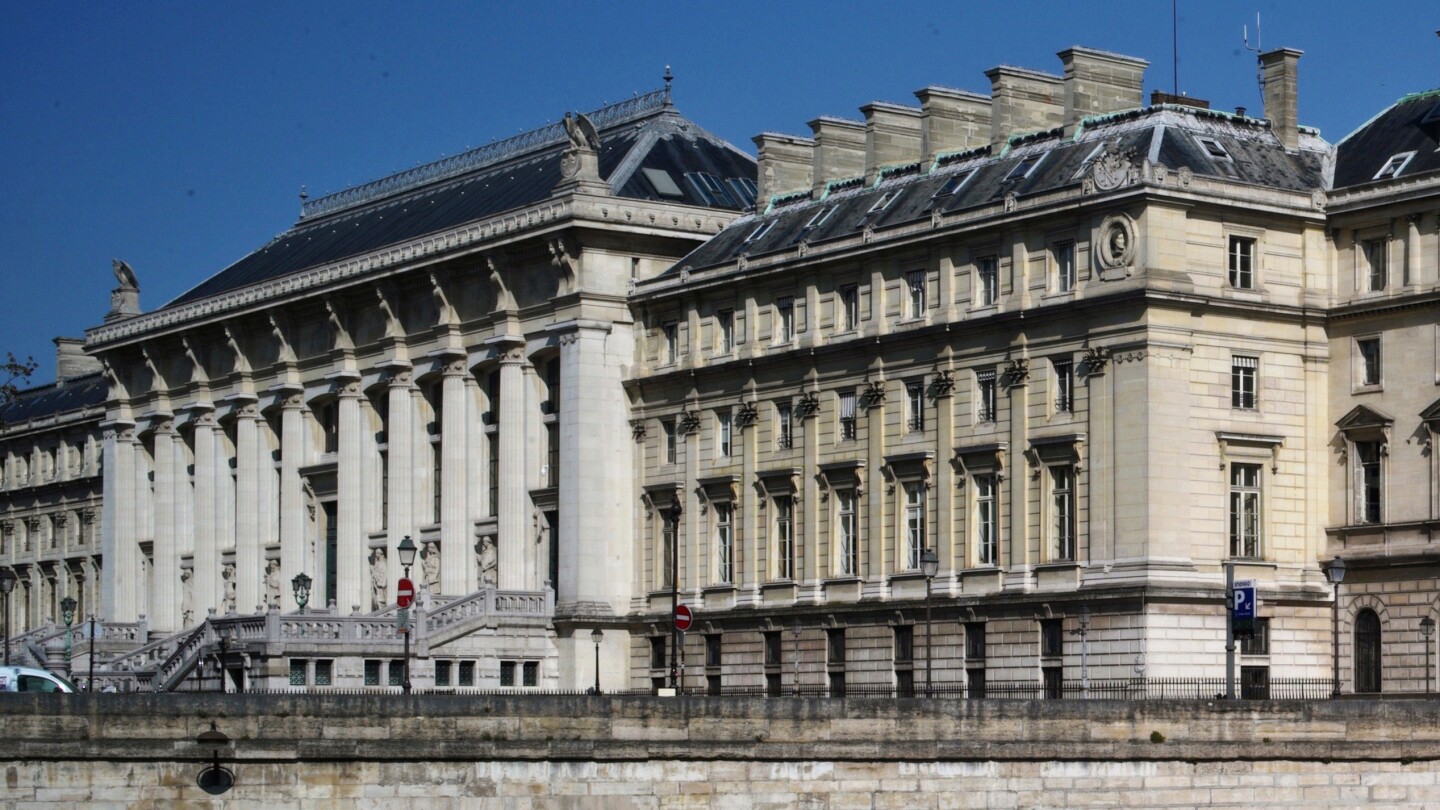
Trial of former Congolese rebel leader Lumbala over wartime atrocities opens in Paris
The trial of Roger Lumbala, a former Congolese rebel leader, commenced on Wednesday in Paris, marking a significant moment in the pursuit of justice for atrocities committed during the Second Congo War (1998-2003). Lumbala, 67, faces charges of \”criminal conspiracy to prepare crimes against humanity\” and \”complicity of crimes against humanity.\” If convicted, he could be sentenced to life imprisonment, with a verdict expected on December 19.
-
UK’s Starmer refuses to say whether he will urge Trump to drop his $1 billion BBC threat
British Prime Minister Keir Starmer avoided addressing whether he would intervene in the escalating legal dispute between former U.S. President Donald Trump and the BBC during a parliamentary session on Wednesday. The controversy stems from the BBC’s editing of a speech Trump made following the 2020 presidential election, which Trump claims misrepresented his words and defamed him. Trump has threatened to sue the broadcaster for $1 billion unless it retracts the documentary and issues an apology by Friday. When pressed by Liberal Democrat leader Ed Davey to clarify his stance, Starmer emphasized his support for a strong and independent BBC but acknowledged the need for accountability when mistakes occur. The BBC has faced internal turmoil, with Director-General Tim Davie and news chief Deborah Turness resigning over accusations of biased editing. BBC Chairman Samir Shah has since apologized for the misleading edit, which portrayed Trump’s speech as a direct call for violence. The dispute highlights the challenges faced by traditional media in an era of polarized politics and shifting viewer habits.
-
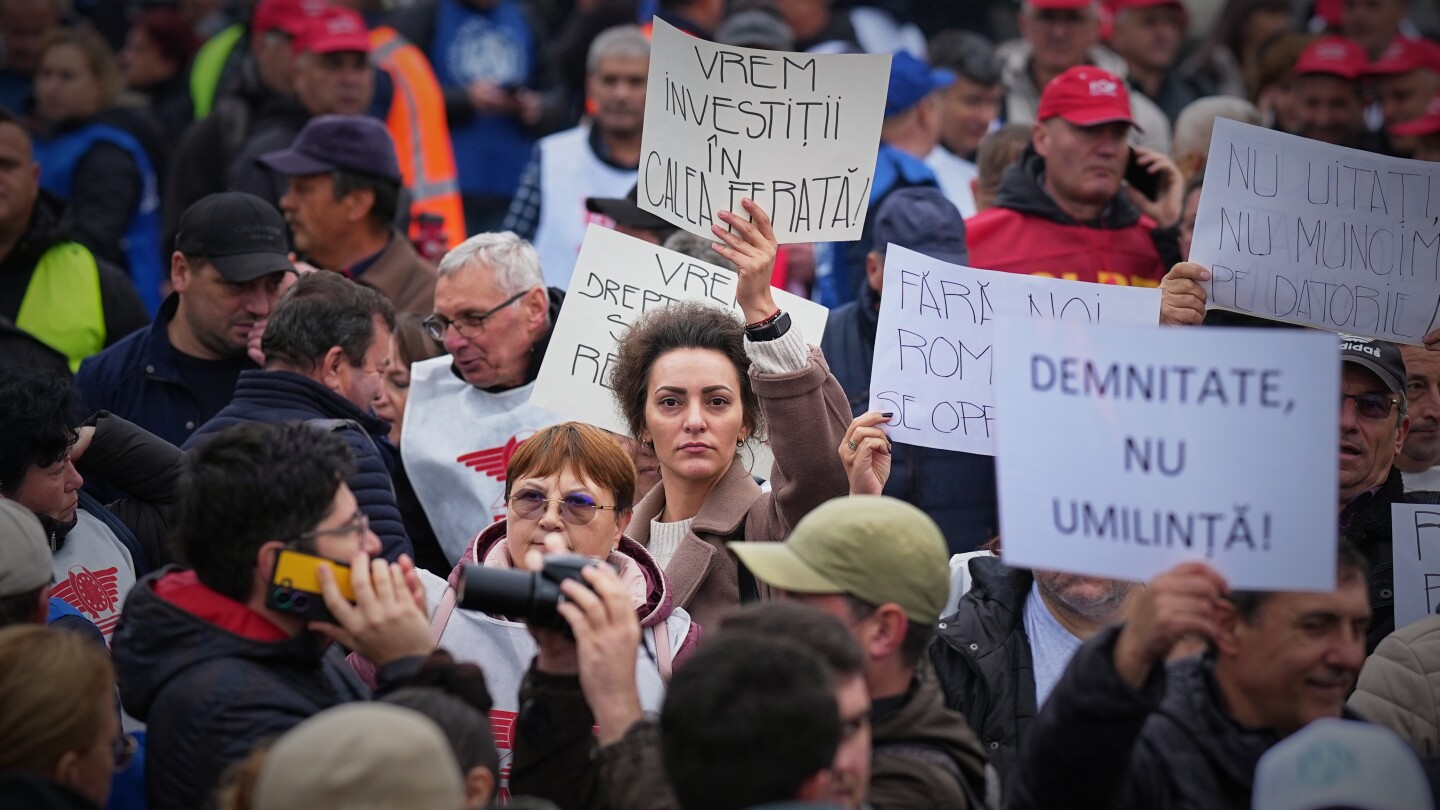
Thousands protest in Romania’s capital against government austerity measures
In a significant display of public discontent, thousands of Romanians took to the streets of Bucharest on Wednesday, voicing their opposition to the government’s austerity measures and demanding higher wages, tax reductions, and effective strategies to combat inflation. Organized by the National Trade Union Bloc, which represents numerous professional federations, the protest saw demonstrators gather outside government headquarters before marching toward the Palace of Parliament. Participants honked horns, banged drums, and carried placards with messages such as “We want decent salaries!” and “Don’t hit those who save you,” the latter accompanied by an image of an ambulance worker. The rally highlights growing frustration over Romania’s economic challenges, including a budget deficit exceeding 9% in 2024—one of the highest in the European Union. The government has committed to reducing the deficit to 8.4% this year through measures such as tax hikes, public sector wage freezes, and cuts to public spending and administration jobs. Critics argue that these policies disproportionately burden ordinary citizens while failing to address systemic issues. The union bloc condemned the measures, stating, “Workers are once again being sacrificed for their jobs—even though we work harder, we are getting poorer. The impoverishment of the population has become state policy.” Protesters also called for an end to public sector job cuts and stronger efforts to combat tax evasion. Political analyst Cristian Andrei noted that the government’s inability to implement swift and decisive reforms has eroded public trust, leaving ordinary citizens to bear the brunt of economic hardships. The ruling coalition, elected earlier this year, had pledged to prioritize deficit reduction and institutional reform, but its approach has sparked widespread criticism and fear of further cuts.