作者: admin

  • Umberto Bossi, the League’s populist founder and a pivotal figure in Italian politics, dies aged 84

    Umberto Bossi, the League’s populist founder and a pivotal figure in Italian politics, dies aged 84

    ROME — Umberto Bossi, the incendiary founder of Italy’s transformative Northern League party and one of the nation’s most consequential political figures, passed away Wednesday at age 84. His death immediately triggered nationwide tributes spanning Italy’s political divide, with leaders from across the spectrum acknowledging his profound impact on the country’s governance.

    President Sergio Mattarella commemorated Bossi as ‘a passionate political leader and sincere democrat,’ while Prime Minister Giorgia Meloni recognized his ‘fundamental contribution’ in establishing Italy’s first contemporary center-right coalition government. Born September 19, 1941, in the industrial town of Cassano Magnago, Bossi emerged from humble beginnings to architect a political revolution that fundamentally altered Italy’s post-war trajectory.

    From the late 1980s onward, Bossi masterfully articulated northern taxpayers’ mounting frustrations, transforming regional discontent into a potent populist movement advocating autonomy and occasionally outright secession. His iconic slogan ‘Roma ladrona’ (Thieving Rome) encapsulated his indictment of central government corruption and became the battle cry for disaffected voters nationwide.

    Entering national politics in 1987 and earning the regional moniker ‘Il Senatùr,’ Bossi engineered the Northern League’s evolution from marginal regional player to national powerhouse. His complex political partnership with media magnate Silvio Berlusconi produced two ministerial appointments where Bossi advanced his federalist agenda through institutional reforms.

    Bossi’s legacy remains multifaceted: celebrated as visionary by supporters, criticized as divisive by opponents, yet universally acknowledged as a transformative force in Italian politics. His iconic 1994 appearance in a white tank top—a deliberate contrast to Berlusconi’s polished image—endures as symbolic of his populist, anti-establishment approach.

    Though a 2004 stroke significantly impaired his health and a 2012 party funding scandal forced his resignation as leader, Bossi maintained political influence as the movement’s founding patriarch despite tensions with current leader Matteo Salvini.
  • Tariffs hurting domestic manufacturing

    Tariffs hurting domestic manufacturing

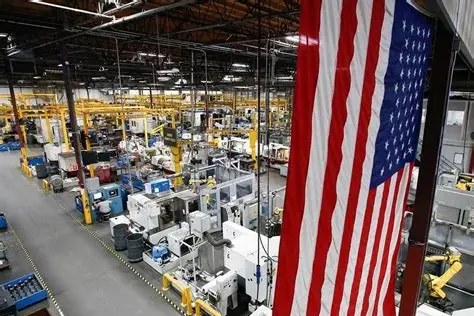
    WASHINGTON — The Trump administration’s tariff-centered economic agenda is producing severe unintended consequences for American manufacturing, contrary to its stated objectives. Jay Allen, a Trump supporter and owner of Allen Engineering in northeast Arkansas, exemplifies this troubling trend as his company struggles under the weight of import taxes.

    Allen’s manufacturing operation, which produces high-end industrial concrete equipment selling for up to $100,000 per unit, has been severely impacted by increased costs for imported components including engines, steel, gearboxes, and clutches. Despite his initial support for the president’s economic policies, Allen reported operating at a loss in 2025 directly attributable to tariffs, forcing workforce reductions from 205 to 140 employees and price increases of 8-10% that risk further depressing sales.

    This case study reflects broader economic data showing 98,000 manufacturing jobs lost during Trump’s first year back in office. The administration’s core rationale—that tariffs would stimulate domestic factory growth and generate sufficient revenue to reduce federal deficits—has failed to materialize. Instead, U.S. companies are now seeking over $130 billion in tariff refunds through litigation against the government.

    The White House maintains that positive indicators including construction spending, factory construction hiring, and manufacturing productivity gains will eventually yield benefits. Pierre Yared, acting chairman of the White House Council of Economic Advisers, stated via email that production timelines mean “it will be some more time before we fully materialize the benefits of the president’s policies.”

    However, economic analysts challenge this optimism. Joseph Steinberg of the University of Toronto notes that even under ideal conditions, manufacturing employment would require a decade to recover to pre-tariff levels. The current situation falls far short of this best-case scenario due to persistent policy uncertainty that discourages business expansion.

    The challenge is particularly acute for small and medium manufacturers, who comprise 98% of U.S. manufacturing establishments but lack the lobbying power or brand recognition of corporate giants to mitigate tariff impacts. Industry groups are advocating for targeted tax credits and exemptions for raw materials and components not available at scale domestically, as the U.S. continues to lag severely behind China in global manufacturing share.

  • ICE arrests of Asians, Pacific Islanders nearly quadruple

    ICE arrests of Asians, Pacific Islanders nearly quadruple

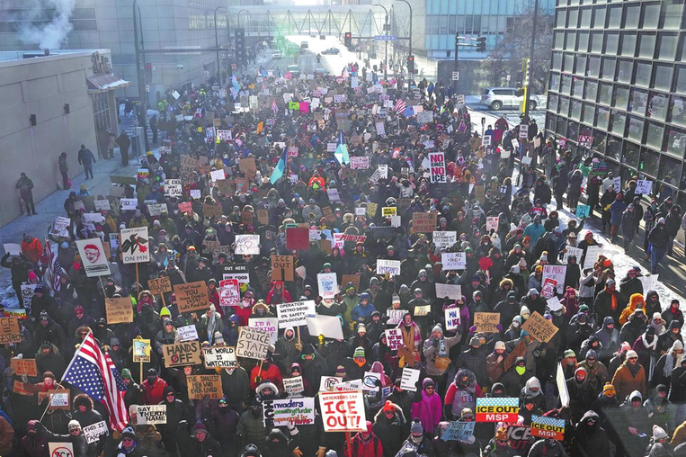
    A dramatic escalation in US immigration enforcement has disproportionately targeted Asian and Pacific Islander communities, with arrest figures surging nearly 400% during President Donald Trump’s second administration according to newly analyzed government data.

    The research conducted by Stop AAPI Hate, a coalition addressing anti-Asian racism, reveals that between January 20 and mid-October of last year, US Immigration and Customs Enforcement (ICE) arrested 7,752 individuals of Asian and Pacific Islander descent. This represents a staggering increase from the 1,998 arrests recorded throughout 2024 under the previous administration. The enforcement actions resulted in 7,243 detentions and 2,776 deportations within these communities.

    Chinese nationals constituted the largest demographic among those arrested at 26%, followed closely by Indian citizens at 25%. Vietnamese nationals accounted for 12% of arrests, with Laotian and South Korean citizens each representing 4% of the total.

    The human toll of these enforcement measures extends beyond statistics. Government records indicate 33 fatalities occurred within immigration detention facilities last year. Human rights observers attribute these deaths to multiple factors including deprivation of liberty, isolation, psychological distress, and substandard physical conditions compounded by inadequate medical and mental healthcare services.

    The intensified enforcement has generated widespread anxiety throughout Asian American communities nationwide. In October, ICE operations on New York’s historic Canal Street effectively emptied Chinatown of its typical vibrant street vendors. Similar enforcement actions targeted Asian-owned businesses including grocery stores, massage parlors, salons, and restaurants in Sacramento, California, prompting community vigils.

    The psychological impact is profound. A University of Chicago National Opinion Research Center survey found 34% of Asian and Pacific Islander adults feel less secure in the United States, with 39% reporting they have withdrawn from public life to varying degrees. Approximately 36% of over 1,300 respondents expressed concern about their immigration status being questioned or revoked, while 30% reported fear of arrest, detention, or deportation.

    The climate of fear has altered daily behaviors, with some long-term residents like Jessica, a Chinese immigrant and retired teacher in Dallas, now carrying identification documents despite four decades of residence. ‘I know I’m not required by law to carry my passport as an American citizen,’ she explained, ‘but news of wrongful detentions has made me fearful that ICE agents might question me based on my appearance.’

  • Trump’s Pearl Harbor remark overshadows Japan PM visit

    Trump’s Pearl Harbor remark overshadows Japan PM visit

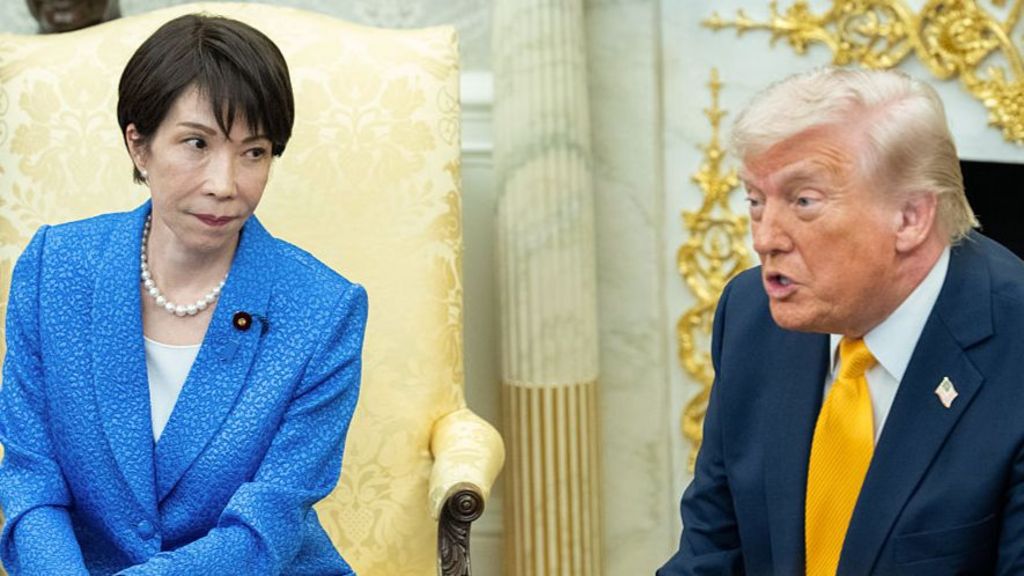
    During Japanese Prime Minister Sanae Takaichi’s official visit to Washington, President Donald Trump invoked one of the most painful chapters in U.S.-Japan history to justify his administration’s surprise military strike against Iran. When questioned by Japanese journalists about why allies weren’t forewarned of the February 28th operation, Trump retorted: “Who knows better about surprise than Japan? Why didn’t you tell me about Pearl Harbor?”

    The remark created visible discomfort for Prime Minister Takaichi, who according to eyewitnesses from Japan’s Yomiuri Shimbun newspaper, “viscerally reacted, her eyes widening and her smile disappearing as she leaned back, drawing her hands in, clearly taken aback.” The comment drew some laughter from others in the Oval Office, but highlighted the delicate nature of historical references between the two nations.

    The Pearl Harbor attack on December 7, 1941, resulted in 2,403 American deaths and propelled the United States into World War II. The conflict culminated with the atomic bombings of Hiroshima and Nagasaki in 1945, which killed hundreds of thousands of Japanese civilians. Since the 1952 peace treaty, both countries have consciously focused on reconciliation rather than historical grievances.

    This diplomatic encounter occurred against the backdrop of ongoing tensions in the Strait of Hormuz, where Iran has blocked oil shipments in retaliation for U.S.-Israeli attacks. Japan had previously declined Trump’s request to help reopen the vital waterway, though Takaichi later indicated Tokyo would provide support within its legal framework. The blockade has caused global oil prices to skyrocket, affecting approximately 20% of the world’s oil supply.

    The incident underscores the ongoing challenges in the U.S.-Japan alliance, where historical memory continues to influence contemporary diplomacy despite seven decades of partnership.

  • Chinese researchers decode oriental fruit fly’s egg-laying mystery to curb mango damage

    Chinese researchers decode oriental fruit fly’s egg-laying mystery to curb mango damage

    Researchers at Southwest University in Chongqing have made a groundbreaking discovery that explains why oriental fruit flies target unripe mangoes, potentially revolutionizing pest control methods for one of agriculture’s most damaging insects.

    Led by Professor Wang Jinjun, the scientific team identified that female oriental fruit flies (Bactrocera dorsalis) possess a sophisticated sensory mechanism in their ovipositor—a specialized egg-laying organ—that detects hesperidin, a chemical compound naturally present in maturing mangoes. This finding, published in the prestigious Proceedings of the National Academy of Sciences, reveals the evolutionary adaptation that drives the pest’s destructive behavior.

    The study demonstrates that as mangoes ripen, hesperidin concentrations increase to levels that become toxic to fruit fly offspring. The compound significantly reduces egg hatching rates, suppresses larval development, and decreases adult emergence success. To avoid these detrimental effects, female flies have evolved the ability to ‘taste’ hesperidin levels using sensory receptors located at the tip of their ovipositor, which they use to pierce fruit before egg deposition.

    Professor Jiang Hongbo, a key member of the research team, explained that this discovery enables two innovative approaches to pest management: developing targeted interventions that exploit the fly’s sensory system, and creating early warning systems that monitor chemical changes in fruit to predict infestation risks before damage occurs.

    The oriental fruit fly causes substantial economic losses across tropical and subtropical regions by triggering premature fruit drop before farmers can detect infestations. This research provides the first comprehensive understanding of the biological mechanisms behind the pest’s selective egg-laying behavior, offering hope for more effective and environmentally friendly control strategies.

  • Nearly 100 people evacuated after house fire in Hong Kong

    Nearly 100 people evacuated after house fire in Hong Kong

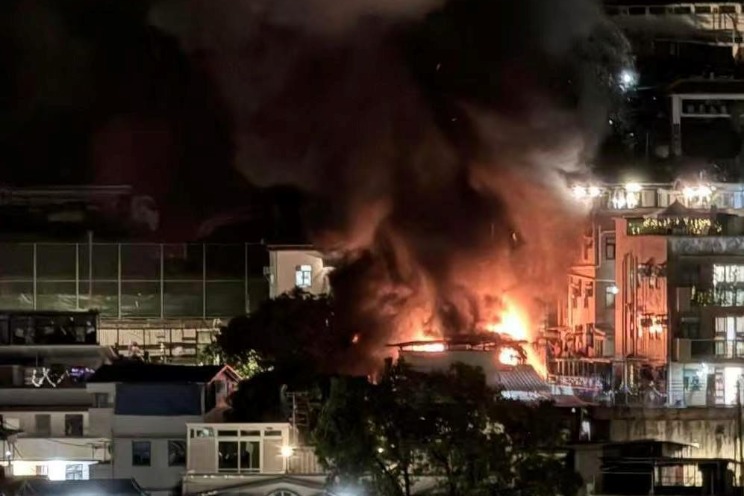
    A significant emergency response unfolded in Hong Kong’s Tsuen Wan district on Thursday evening as a major fire consumed a tin-sheet structured residence near Lo Wai. Local authorities elevated the alarm designation to Level 3 following the blaze’s rapid intensification around 10 pm.

    The incident gained immediate attention as multiple explosions accompanied the initial outbreak, triggering numerous emergency calls from concerned residents. Firefighting crews implemented large-scale evacuation procedures, successfully relocating approximately 100 individuals from adjacent properties during the critical initial response phase.

    Eyewitnesses reported dramatic scenes with intense flames generating substantial thermal radiation and towering columns of thick, dark smoke visible across considerable distances. The structural characteristics of the tin-sheet construction contributed to both rapid fire spread and challenging containment conditions for emergency personnel.

    As of the latest updates, emergency services have confirmed no casualties resulting from the incident, though damage assessment to the affected structure remains ongoing. The Hong Kong Fire Services Department continues to maintain operational presence at the scene to ensure complete extinguishment and investigate ignition factors.

  • China revises rules to tighten oversight of imported food safety

    China revises rules to tighten oversight of imported food safety

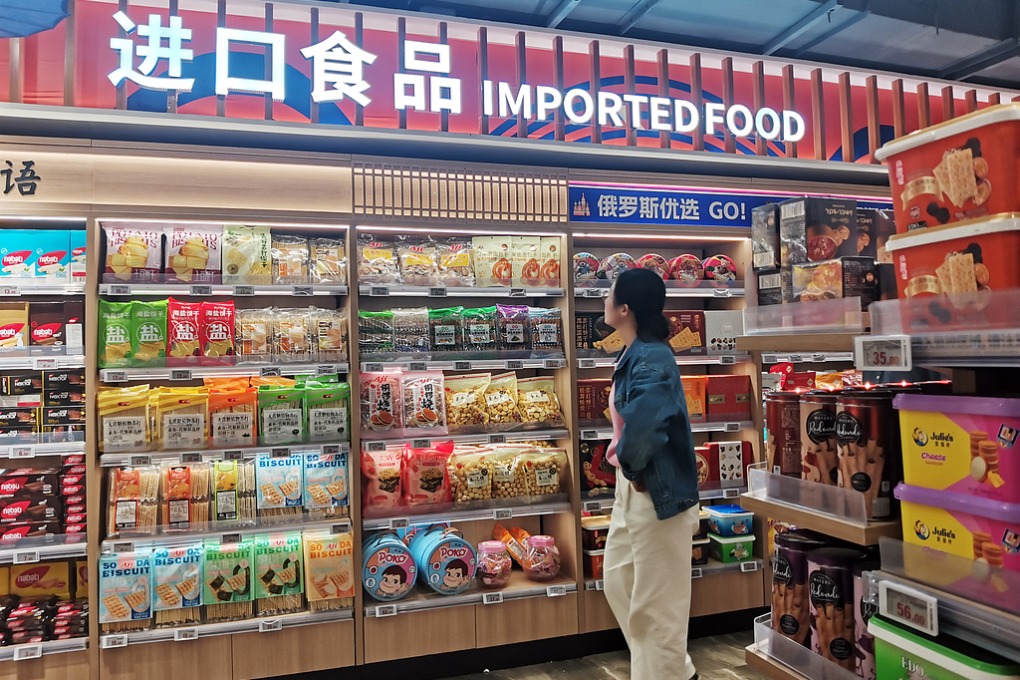
    China’s General Administration of Customs (GAC) has announced comprehensive revisions to its regulatory framework governing overseas food manufacturers, with updated registration requirements taking effect June 1, 2026. The overhaul represents a significant advancement in China’s approach to imported food safety management, introducing dynamic categorization systems and refined risk assessment protocols.

    The enhanced regulatory mechanism will establish three distinct classifications: a catalog of imported food products requiring official recommendation for registration, a list of products ineligible for automatic registration renewal, and a defined scope for overseas food storage facilities mandated to register. These determinations will incorporate multifaceted analysis of raw material sourcing, production methodologies, historical safety records, target consumer demographics, and consumption patterns, while maintaining alignment with international standards.

    Registration validity remains set at five-year intervals with provisions for automatic renewal, except where specified otherwise. The GAC emphasized that these modifications aim to strengthen oversight capabilities while simultaneously facilitating smoother import trade operations. Official Li Jinsong clarified that the updated system maintains continuity with existing registration protocols, ensuring uninterrupted market access for currently registered international enterprises while offering enhanced operational convenience.

    Since the initial implementation of registration requirements in 2022, China’s system has processed registrations from over 96,000 food manufacturers across 178 countries and territories. This framework has successfully introduced diverse specialty products—including Norwegian salmon and New Zealand frozen fruits—to Chinese consumers while supporting substantial trade growth from 1.05 trillion yuan (approximately $152.23 billion) in 2020 to 1.32 trillion yuan in 2025.

  • Philippines blamed for South China Sea dispute

    Philippines blamed for South China Sea dispute

    Maritime security analysts are raising alarms over the Philippines’ escalating actions in the South China Sea, warning that Manila’s recent maneuvers risk destabilizing regional peace and complicating conflict resolution efforts. The situation intensified on March 7th when Philippine Coast Guard aircraft carrying journalists encountered radio warnings from Chinese naval vessels during patrol operations near Huangyan Dao (Scarborough Shoal).

    Manila formally rejected Beijing’s sovereignty claims over the entire South China Sea on Monday, asserting what it describes as “indivisible, incontrovertible, and long-standing sovereignty” over the disputed territory. The Philippine Coast Guard subsequently announced plans to increase patrol operations and counter what it characterizes as Chinese aggression.

    China’s Ministry of National Defense spokesperson Jiang Bin reiterated Beijing’s position on Wednesday, stating China maintains “indisputable sovereignty over Nanhai Zhudao, including Huangyan Dao and their adjacent waters.” Jiang criticized Manila’s media tactics, describing the inclusion of journalists on patrol missions as “a self-directed farce” rather than genuine transparency efforts.

    The geopolitical dimensions expanded significantly as The Diplomat magazine reported enhanced Philippine-Japanese security cooperation aimed at deterring Chinese activities. The Reciprocal Access Agreement (effective September 2025) and Acquisition and Cross-Servicing Agreement (January 2025) facilitate military interoperability between Japanese and Philippine forces. Both nations have expanded joint exercises, including trilateral operations with the United States.

    Professor Chen Hong of East China Normal University’s Asia Pacific Studies Center observed that Manila appears to be deliberately internationalizing the dispute by aligning with Washington’s Indo-Pacific Strategy. “This approach risks drawing the Philippines into the framework of great-power competition, thereby weakening its strategic autonomy,” Chen noted.

    Liu Shuliang, associate researcher at Tianjin Academy of Social Sciences, identified Japan’s dual objectives: expanding military presence in Asia Pacific to ease constitutional constraints while aligning with US efforts to construct a counter-China network. Liu warned that increased military activities elevate risks of unintended encounters and could trigger regional arms races.

    With critical negotiations approaching for the Code of Conduct in the South China Sea, experts emphasize that regional nations must accelerate talks while resisting external interference to preserve peace and stability.

  • Couple blends tradition with contemporary in New York

    Couple blends tradition with contemporary in New York

    In the heart of Manhattan, a culinary revolution is quietly unfolding at Yingtao, a Michelin-starred establishment challenging conventional perceptions of Chinese cuisine in America. Founded by the husband-wife duo Bolun and Linette Yao, this innovative restaurant merges traditional Chinese flavors with contemporary fine-dining techniques through an elaborate tasting menu format.

    Bolun Yao, who grew up in Xi’an, China before moving to New Zealand and eventually New York, brings a unique cross-cultural perspective to his role as owner and founder of August Hospitality Group. His partner Linette serves as managing partner, together creating what they describe as ‘elevated Chinese cuisine’ that breaks from the static categorization often associated with Chinese food in New York.

    The restaurant’s journey began with significant challenges. American diners initially struggled to understand refined interpretations of Chinese flavors, while some Chinese patrons found the departure from traditional preparations unfamiliar. However, persistence and innovation gradually built a loyal following, culminating in the prestigious Michelin star recognition—a rarity for Chinese restaurants in the United States.

    Yingtao’s culinary approach involves creative reinterpretations of classic dishes. One standout example transforms the Cantonese dim sum staple lo mai gai (sticky rice wrapped in lotus leaf) into an inventive composition featuring sticky rice, Chinese sausage, and salted egg yolk stuffed inside a chicken wing.

    The Yaos emphasize that their mission extends beyond prestige-seeking. ‘It’s about visibility and representation,’ Linette explains. ‘We’re creating a platform for Chinese cuisine to stand alongside other celebrated Asian culinary traditions in New York.’ Bolun adds, ‘We don’t seek to replace traditional Chinese restaurants—we want to showcase another possibility.’

    Named in honor of Bolun’s grandmother, Yingtao represents both personal heritage and culinary innovation, demonstrating how cultural traditions can evolve while maintaining their essential character in a global context.

  • Iranian diaspora marks Nowruz with heavy hearts as war cuts contact with loved ones

    Iranian diaspora marks Nowruz with heavy hearts as war cuts contact with loved ones

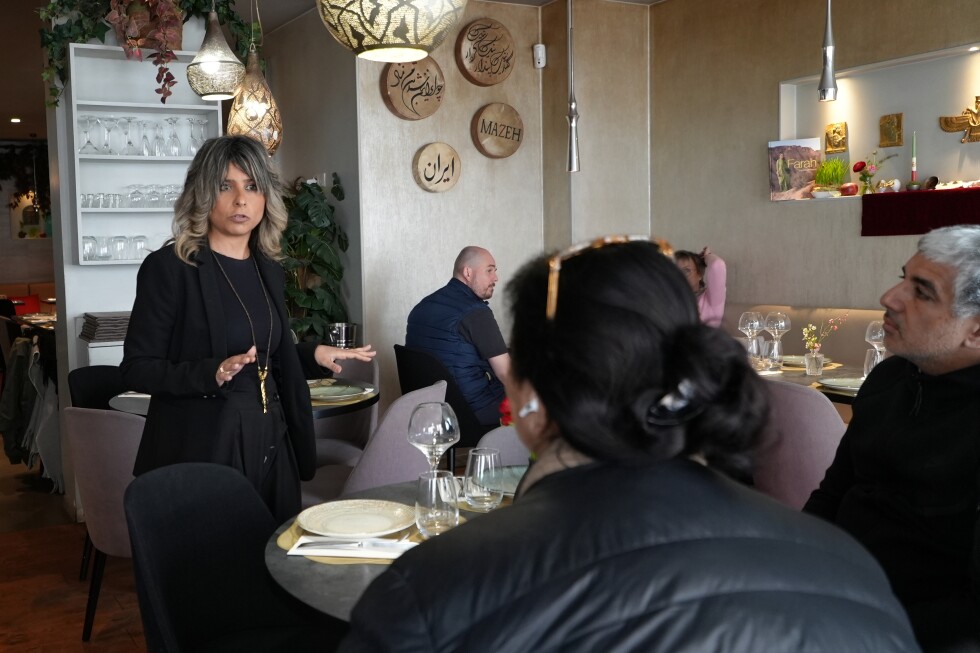
    PARIS — The ancient Persian celebration of Nowruz, traditionally marking renewal and hope with the spring equinox, has been overshadowed by conflict and grief for the global Iranian diaspora this year. As war ravages their homeland and communications falter, families separated by geography are united in anguish, transforming festive gatherings into somber reflections.

    Shayan Ghadimi, a 41-year-old Paris restaurateur, embodies this collective sorrow. Her story reveals the personal toll of Iran’s turmoil that began with the 2025 nationwide protests. Her septuagenarian mother, having witnessed the initial uprising on television from Paris, felt compelled to return to Iran, declaring ‘I want to be there.’ Now trapped amid bombardment and severed communications, she remains isolated in Tehran while her daughter imagines her ‘all alone at home, with no way to stay in contact, watching the sky.’

    The cultural institutions that typically preserve Iranian traditions abroad have adopted mourning postures. Parisian cultural centers that previously organized musical Nowruz events have canceled festivities, while Iranian American communities across the United States have significantly scaled back celebrations.

    Shakiba Edighoffer, a makeup artist shopping for Nowruz provisions, describes the community’s psychological state as a ‘kind of emotional roller coaster’ as war rages between Israel, the United States, and Iran’s Islamic Republic. ‘You hear news about this or that leader of the Islamic Republic being eliminated… about executions or bombings,’ she noted, emphasizing the stress of attempting to verify the safety of loved ones under bombardment through largely severed communication channels.

    For those gathering despite the circumstances, Nowruz provides minimal comfort against overwhelming psychological pressure. ‘All these oppressors want is for us to be sad, to forget our millennia-old Persian and Iranian traditions,’ Edighoffer asserted. ‘We must not give them that victory.’

    At Ghadimi’s spice-scented Paris restaurant, where flame-grilled kebabs and spiced rice typically fuel celebration, patrons now express polarized emotions. Some view the conflict as potentially bringing a new dawn, while others mourn the destruction wrought by Israeli and U.S. strikes. ‘I have people in tears. I have people who cry for joy,’ Ghadimi observed. ‘They say, ‘Did you see? They are coming. We are going to be saved.’ Others say, ‘Our country is being destroyed.’

    The personal becomes political as Ghadimi reveals she has spoken to her mother only twice since January. Her mother, who had promised to return to Paris for Nowruz, instead declared her intention to remain in Iran indefinitely. Having witnessed the 1979 Islamic Revolution, she now wants to witness Iran’s next chapter, telling her daughter: ‘I am staying here until the end.’