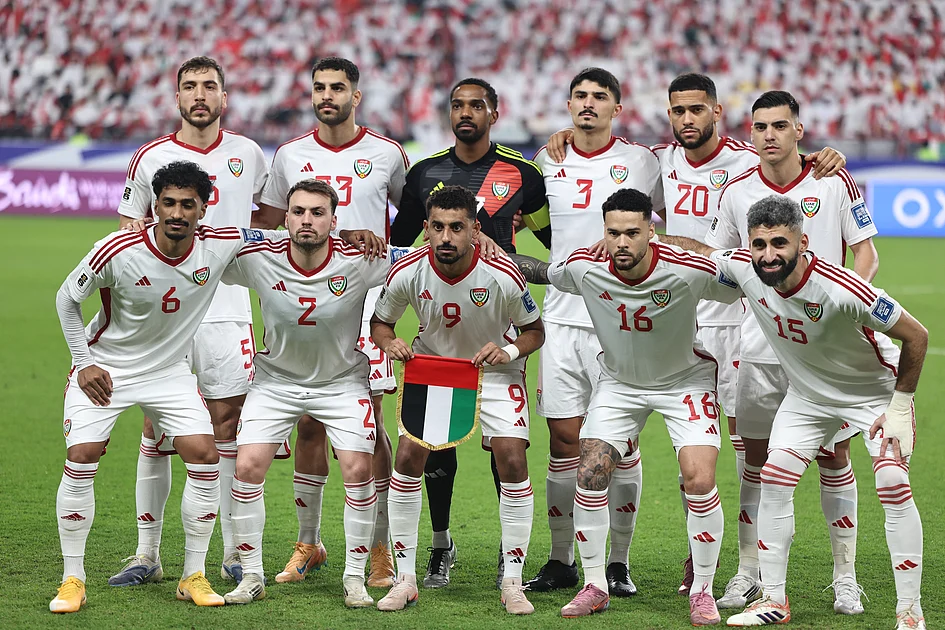
The United Arab Emirates (UAE) football team is gearing up for a decisive encounter against Iraq in the second leg of the fifth-round playoff for the 2026 FIFA World Cup. Scheduled to take place at the Basra International Stadium, which boasts a capacity of 65,000, the match is set to be a high-stakes battle for both teams. The UAE, under the guidance of coach Cosmin Olaroiu, must summon all their resilience and tactical prowess to keep their World Cup aspirations alive. The first leg, held in Abu Dhabi on November 13, ended in a 1-1 draw, leaving everything to play for in this crucial fixture. Iraq, riding on a four-match unbeaten streak, will be looking to leverage their home advantage and the fervent support of their fans to secure a victory. The winner of this playoff will advance to the six-team intercontinental playoff in March, where the top two teams will earn the final spots for the 2026 World Cup in the US, Canada, and Mexico. For the UAE, a loss would mean another agonizing four-year wait for a World Cup berth. Olaroiu emphasized the importance of mental fortitude and adaptability, acknowledging the intimidating atmosphere that the Iraqi fans are expected to create. The UAE’s strategy will likely hinge on solid defensive organization and swift counterattacks, with key players like Caio Canedo and Ali Saleh playing pivotal roles. Goalkeeper Khalid Eisa, who was instrumental in the first leg, will also be crucial in thwarting Iraq’s offensive threats. As both teams prepare for this do-or-die clash, the stakes could not be higher, with the dreams of an entire nation hanging in the balance.
作者: admin
-

Two Ukrainians working for Russia behind rail sabotage, Polish PM says
Polish Prime Minister Donald Tusk has identified two Ukrainian citizens, allegedly working for Russian intelligence, as the perpetrators behind two recent acts of sabotage on Poland’s rail network. The incidents, which occurred near the villages of Mika and Pulawy, involved the detonation of a military-grade C4 explosive and damage to railway infrastructure, respectively. Tusk described these acts as ‘unprecedented sabotage’ aimed at causing rail catastrophes and sowing panic in Polish society. The suspects, one residing in Belarus and the other in eastern Ukraine, had crossed into Poland from Belarus and later returned there. Tusk emphasized that Russia’s motivation was not only to disrupt railway operations but also to stir anti-Ukrainian sentiment among Poland’s large Ukrainian refugee population. Poland, a NATO and EU member, has been a critical transit route for aid to Ukraine since Russia’s full-scale invasion in February 2022. In response to the incidents, Tusk announced plans to raise the alert level on certain railway lines and highlighted that 55 individuals have been detained since last year for suspected involvement in sabotage activities. Russia has yet to comment on the allegations.
-
Saudi bus crash: 18 victims from 1 family killed, including 9 children
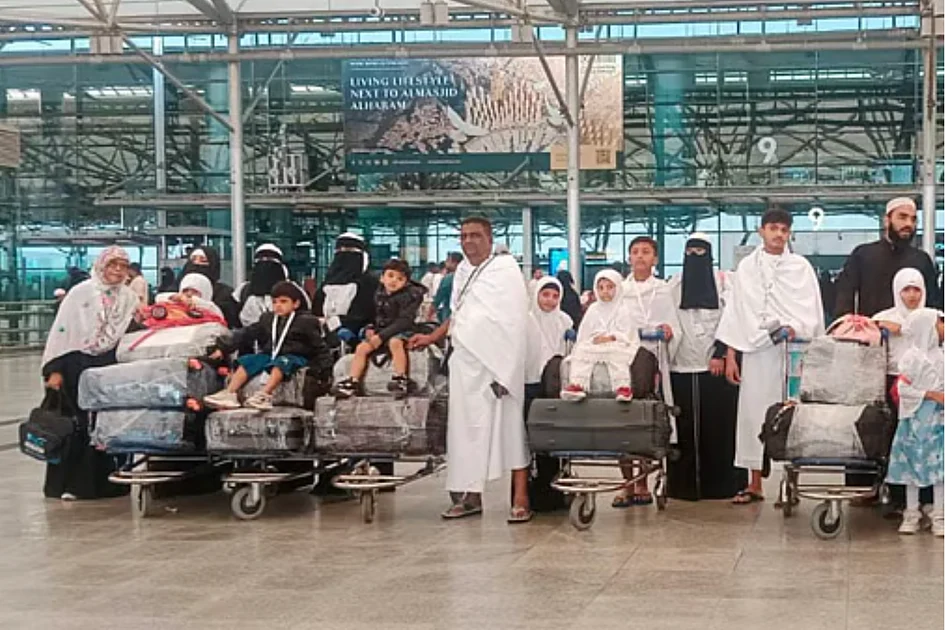
A devastating bus accident in Saudi Arabia has resulted in the deaths of 45 individuals, predominantly Indian pilgrims. Among the victims were 18 members of a single family from Hyderabad, including nine children. The family was scheduled to return home on Saturday, as reported by their relatives to NDTV. A poignant photograph, one of the last taken by the victims, was shared by the family. The tragic incident occurred late Sunday night when the bus, en route from Mecca to Medinah, collided with a diesel tanker.
Saudi traffic authorities have launched an investigation into the crash, with legal procedures currently underway. In response to the disaster, control rooms have been established in Telengana and Jeddah, offering 24/7 helplines to assist affected families. Officials from Telengana have met with the bereaved families to provide support and facilitate the identification of victims.
Indian Prime Minister Narendra Modi and President Droupadi Murmu have expressed their heartfelt condolences. Indian officials are in continuous communication with Saudi authorities to manage the aftermath of the tragedy. The final rites for the victims are set to be conducted in Saudi Arabia, as the community mourns this profound loss.
-

Germany’s Kessler twins, who became dance stars in the 50s and 60s, die at 89
BERLIN (AP) — Alice and Ellen Kessler, the celebrated twin dancers and singers who rose to fame in the 1950s and shared the stage with legends like Fred Astaire, Frank Sinatra, and Harry Belafonte, have died at the age of 89. German police confirmed their passing on Tuesday, describing it as a “joint suicide.” The twins resided in Grünwald, an affluent suburb of Munich, where they shared a home. Their deaths were initially reported by German newspaper Bild and news agency dpa on Monday, though no sources were cited at the time. Born in Germany, the Kessler twins began their artistic journey at a young age, joining the Leipzig Opera children’s ballet. In 1952, at the age of 16, their family fled to West Germany, where they performed in a revue theater in Düsseldorf. Their big break came in 1955 when they were discovered by the director of the Lido cabaret theater in Paris, launching their international career. Throughout the 1960s, the twins toured globally, relocated to Rome, and collaborated with entertainment icons. Notably, they declined an offer to appear alongside Elvis Presley in the 1964 film “Viva Las Vegas,” fearing they would be typecast in American musical films. Even in their later years, the twins remained active in the arts, performing in a musical at the age of 80. Alice once reflected on their enduring partnership, stating, “Together you’re stronger.” When asked about their success, she emphasized the importance of discipline, gratitude, humility, and togetherness, concluding, “Until death.”
-
Eswatini is the first African country to get twice-yearly HIV prevention shot
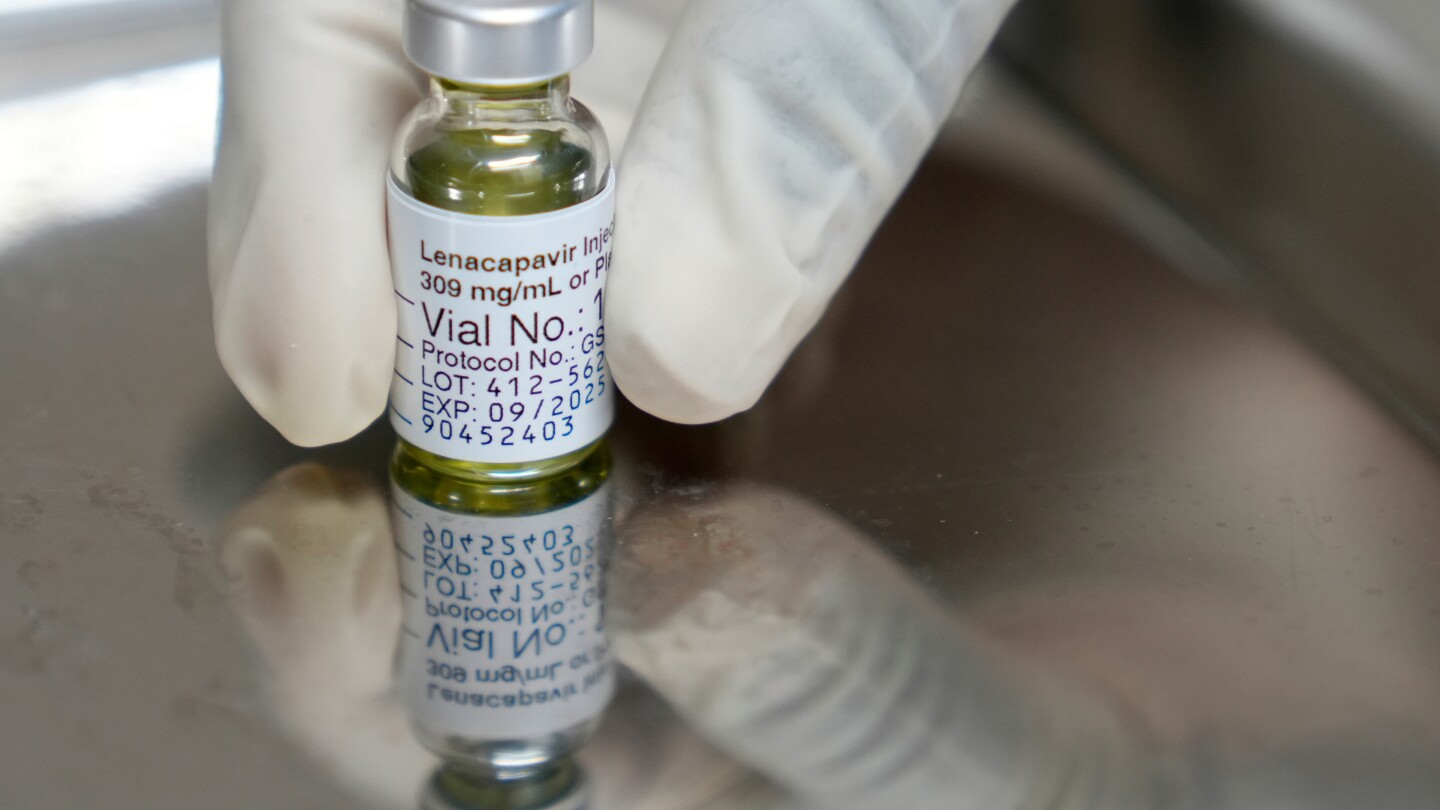
Eswatini has made history by becoming the first African nation to introduce lenacapavir, a revolutionary twice-yearly HIV prevention injection. Developed by Gilead Sciences, this groundbreaking drug has shown near-total protection in clinical trials and is hailed as a transformative tool in combating HIV, a virus that has claimed millions of lives across the continent. The rollout is part of the U.S. President’s Emergency Plan for AIDS Relief (PEPFAR), in collaboration with the Global Fund, aiming to benefit at least 2 million people in 10 high-risk African countries by 2027. Eswatini, with the world’s highest HIV incidence, received the drug in the same year as its U.S. approval, marking a significant milestone. Zambia also received its first shipment, while regulatory approvals are pending in Botswana, Kenya, Malawi, Namibia, Rwanda, Tanzania, Uganda, and Zimbabwe. The U.S. initially planned to distribute 250,000 doses in 2024 but increased this to 325,000 due to high demand. In Eswatini, approximately 6,000 high-risk individuals, particularly mothers and newborns, will benefit from the initial rollout. Despite its potential, concerns over limited supplies and manufacturing rights have sparked debates, with South Africa’s health minister highlighting the need for broader access. Gilead has significantly reduced the drug’s price for lower-income countries, making it more accessible. However, civil society groups in South Africa have criticized the exclusion of local manufacturers from licensing agreements, despite their contributions to clinical trials.
-
Derry flight and Newry theatre get a share of €50m Dublin funding
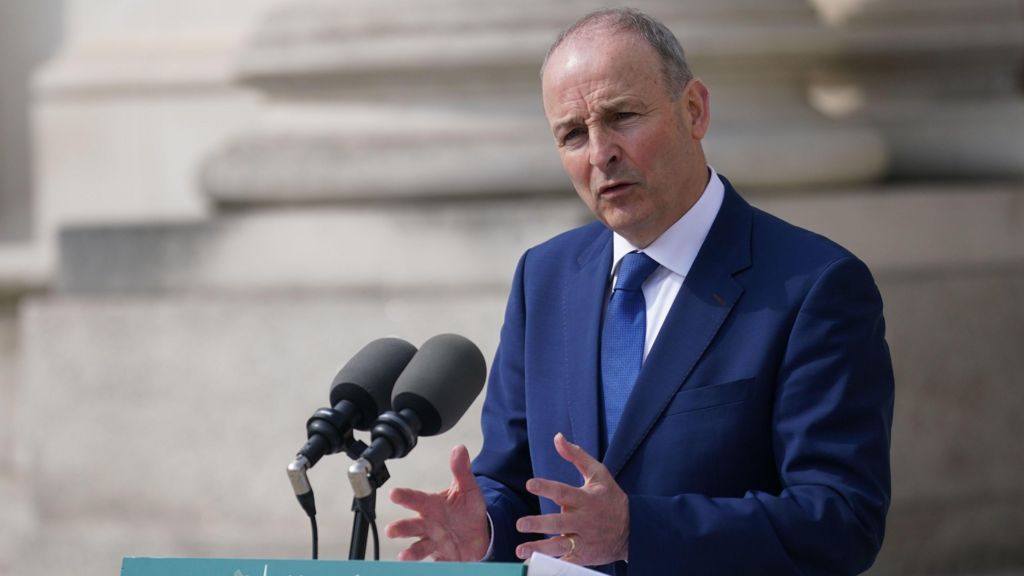
The Irish government has announced a significant €50 million investment as part of its Shared Island initiative, aimed at enhancing cross-border connectivity and economic development. Spearheaded by Taoiseach Micheál Martin, the initiative includes a €2 million allocation to relaunch flights between Dublin and Londonderry in 2026, marking a strategic move to strengthen regional ties. The flight service, funded under a Public Service Obligation (PSO), will initially operate for two years before being reviewed. This follows the discontinuation of a similar service in 2011. Additionally, the government has committed €5.9 million to improve cross-border emergency services, focusing on flood response and technical rescue operations. Other notable projects include €14 million for a Shared Island Media initiative, €6 million for the Shared Home Place programme, and €14.5 million for arts projects, including the development of Newry Theatre. The initiative also allocates €6.4 million for a cross-border pilot programme to combat Bovine TB, in collaboration with Northern Ireland. Martin emphasized the initiative’s goal of fostering greater connectivity and cooperation across the island, while Irish Foreign Affairs Minister Simon Harris highlighted the unique perspectives immigrant communities bring to shaping a shared future.
-
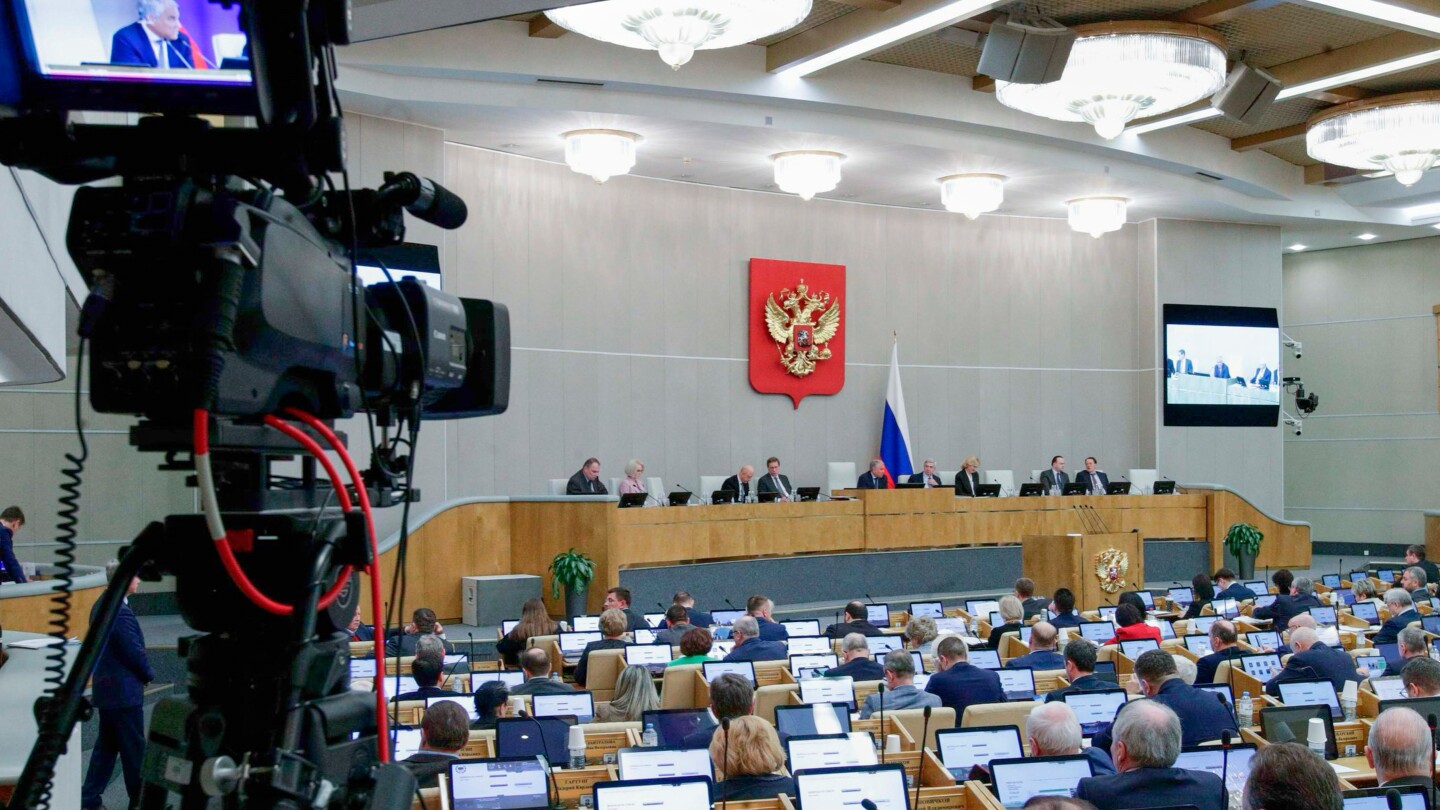
Russian lawmakers approve tax hike bill to boost economy as the war with Ukraine nears 4 years
In a significant move to address economic challenges exacerbated by its ongoing conflict with Ukraine, Russian lawmakers have approved a series of tax increases aimed at boosting state revenue. On Tuesday, the State Duma, the lower house of parliament, passed the second reading of a bill that will raise the value-added tax (VAT) from 20% to 22%. This adjustment is projected to generate an additional 1 trillion rubles (approximately $12.3 billion) for the national budget. Additionally, the legislation lowers the annual sales revenue threshold for businesses required to collect VAT from 60 million rubles (about $739,000) to 10 million rubles (around $123,000). This measure, to be phased in by 2028, aims to curb tax evasion by preventing firms from splitting operations but is expected to burden many small businesses previously exempt from VAT. The tax hikes are part of a broader fiscal strategy by the Kremlin to revive Russia’s sluggish economy, which has been strained by high inflation and interest rates. Other proposed measures include eliminating preferential rates on car recycling fees, targeting high-end imported vehicles, and increasing taxes on alcohol, tobacco, and technology products like smartphones and laptops. These changes come as Russia’s economy, after two years of military-driven growth, contracted in early 2025 and is forecast to grow by only 1% this year. The government’s 2026 draft budget, also approved on Tuesday, allocates 12.93 trillion rubles ($159 billion) for military spending, reflecting the ongoing prioritization of defense amid the protracted war. The bills now await final approval by the State Duma, the upper house, and President Vladimir Putin’s signature to become law.
-

UAE vs Iraq: Basra announces public holiday for Fifa World Cup qualifier
In a significant move to rally support for the national football team, the Iraqi Governorate of Basra has declared a public holiday on Tuesday, November 18, 2025. This decision coincides with the highly anticipated FIFA World Cup qualifier between Iraq and the United Arab Emirates (UAE) at the Basra International Stadium, which boasts a capacity of 65,000 spectators. Basra Governor Asaad al-Eidani emphasized the importance of creating a vibrant atmosphere to bolster the Iraqi team, as reported by Iraq’s official news agency.
The match, scheduled for 8pm UAE time, marks the second leg of the fifth-round playoff. The first leg, held in Abu Dhabi on November 13, ended in a 1-1 draw, setting the stage for a thrilling encounter. The stakes are high, as the victor will advance to the six-team intercontinental playoff in March 2026, hosted in Mexico. The top two teams from this playoff will secure the final spots for the 2026 FIFA World Cup, jointly hosted by the US, Canada, and Mexico.
To facilitate UAE fans’ attendance, the UAE Football Association (UAEFA) has arranged eight private planes to transport supporters to Basra. UAE national team coach Cosmin Olaroiu faces the challenge of leveraging his squad’s depth to keep the nation’s World Cup aspirations alive. This match not only highlights the intense rivalry between the two teams but also underscores the unifying power of football in the region.
-
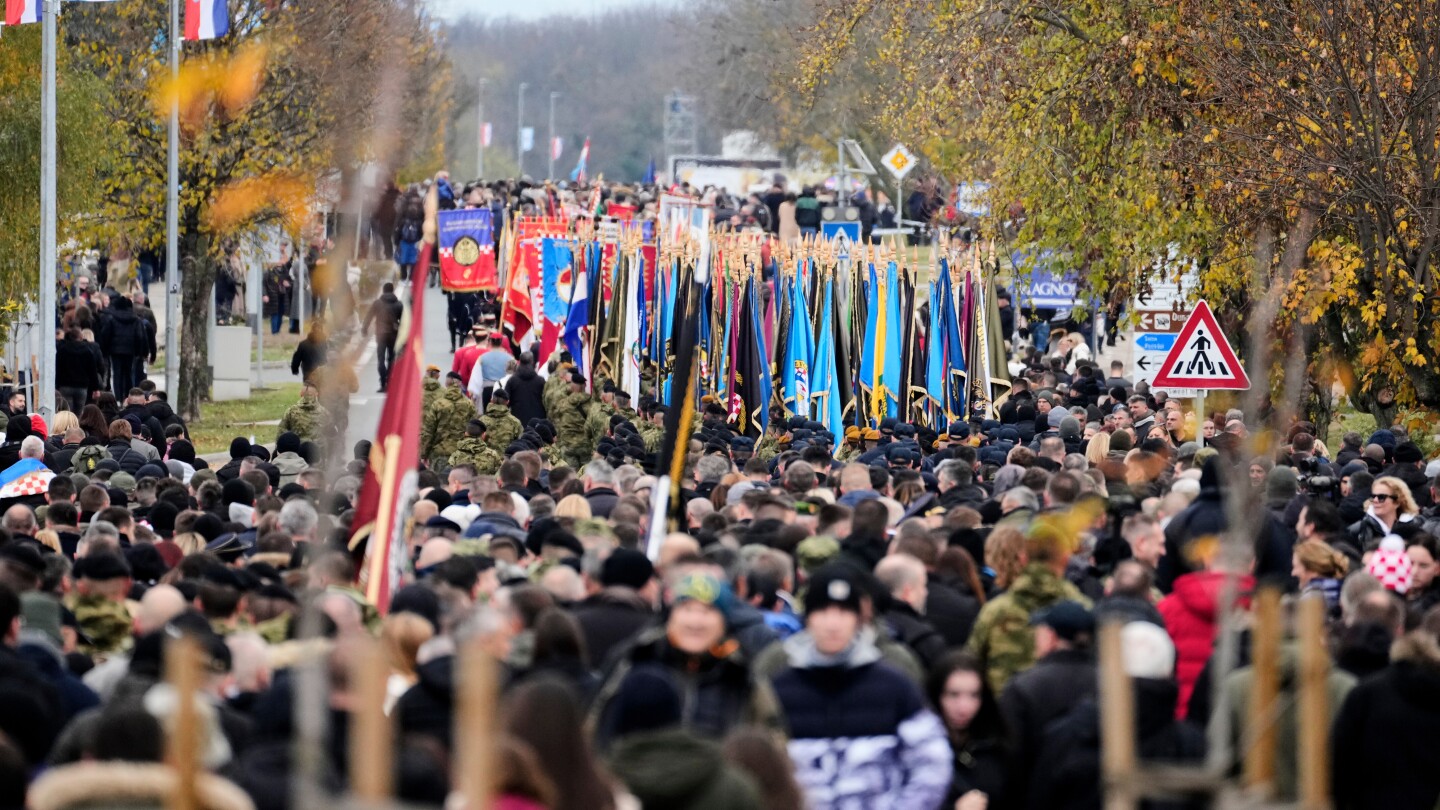
Croatians commemorate the siege of Vukovar, a national symbol of the war of independence
VUKOVAR, Croatia — On Tuesday, Croatia solemnly observed the anniversary of the fall of Vukovar, a pivotal event during the 1991-95 war when the Serb-led Yugoslav army devastated the town, turning it into a symbol of resilience and national solidarity. Senior officials joined thousands of citizens, many waving national flags and banners, in a silent march through the eastern town. Participants lit candles and laid flowers, continuing an annual tradition since the war’s end that underscores the event’s profound significance for the nation. The conflict erupted after Croatia declared independence from the Serb-dominated Yugoslav federation, sparking a rebellion by minority Serbs who seized large portions of Croatian territory. Vukovar endured an 87-day siege, during which relentless shelling reduced it to ruins. Hundreds perished after the town’s fall in November 1991, with their bodies buried in a mass grave at a nearby pig farm. The war concluded in 1995 after Croatia reclaimed most of the territories held by Serb rebels, prompting tens of thousands of Serbs to flee. Croatia, now a NATO member and EU state since 2013, continues to view Vukovar as a martyr in its struggle against what it terms ‘Serb aggression.’ Ethnic tensions persist both within Croatia and with neighboring Serbia, exacerbated by recent disruptions of Serb cultural events in Zagreb and Split. An ethnic Serb organization canceled an exhibition in Vukovar ahead of the commemoration, citing safety concerns.
-

Man who cryogenically froze late wife sparks debate by dating new partner
A Chinese man’s decision to cryogenically freeze his deceased wife has ignited a heated moral debate online, especially after it was revealed that he has been dating a new partner while his wife remains preserved in liquid nitrogen. Gui Junmin, 57, chose to freeze his wife Zhan Wenlian’s body after she succumbed to lung cancer in 2017 at the age of 49, making her the first person in China to undergo cryopreservation. The procedure, which remains scientifically unproven, was intended as a testament to his devotion. However, a recent interview disclosed that Gui has been in a relationship with another woman since 2020, sparking mixed reactions on Chinese social media. While some sympathized with his decision to move on after years of solitude, others criticized him for prioritizing his emotional needs over respect for his late wife. Zhan’s body is stored in a 2,000-liter container at -190°C at the Shandong Yinfeng Life Science Research Institute, under a 30-year preservation agreement. Gui explained that a severe gout attack in 2020, which left him immobile for days, prompted him to reconsider the benefits of living alone. He described his current relationship as “utilitarian,” stating that his new partner, Wang Chunxia, has not yet “entered” his heart. The debate has raised questions about the ethics of cryonics, with some urging Gui to let his wife “rest in peace,” while others questioned the fairness to both Zhan and Wang. Cryonics involves cooling the body to sub-zero temperatures, infusing it with cryoprotectants to prevent ice crystal formation, and preserving it in liquid nitrogen. While over 500 people worldwide have been cryogenically preserved, primarily in the U.S., no one has ever been successfully revived. Scientists remain skeptical about the feasibility of reawakening a complete human body. The controversy highlights the complex intersection of love, loss, and the ethical dilemmas posed by emerging technologies.