作者: admin

  • Millions of new Epstein files released by US justice department

    Millions of new Epstein files released by US justice department

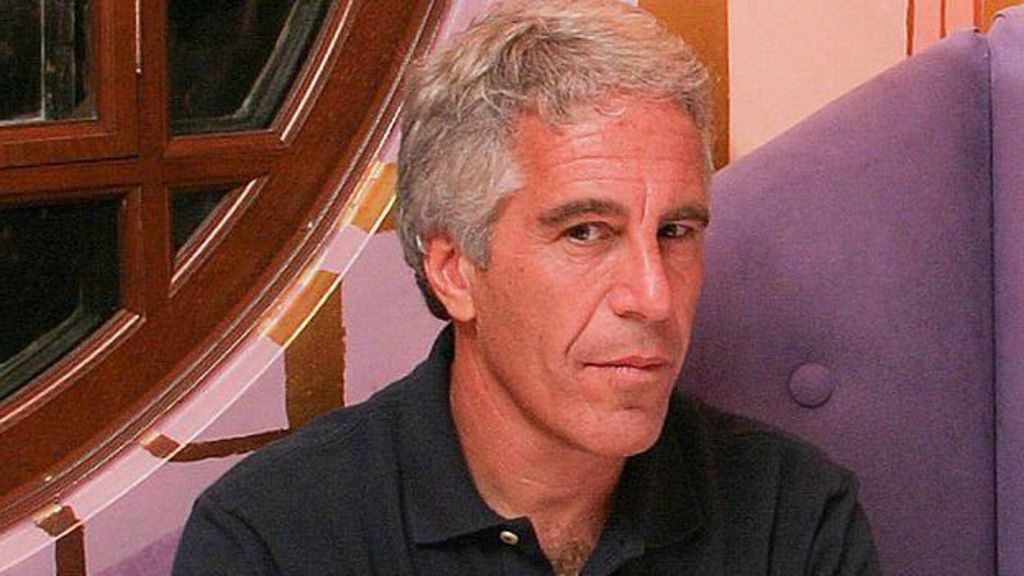
    The U.S. Department of Justice has publicly released an unprecedented trove of documents related to convicted sex offender Jeffrey Epstein, marking the largest disclosure since the enactment of the Epstein Files Transparency Act. The release comprises approximately 3 million pages, 180,000 images, and 2,000 videos, providing extensive insight into Epstein’s network and operations.

    This disclosure follows a six-week delay past the legal deadline established by the legislation signed into law during the Trump administration. Deputy Attorney General Todd Blanche characterized the release as the culmination of an exhaustive document review process designed to ensure governmental transparency and legal compliance.

    The newly public records include psychological evaluations of Epstein during his incarceration, detailed communications involving his associate Ghislaine Maxwell—currently imprisoned for trafficking minors—and correspondence with prominent figures. Among these documents is an email exchange with Lord Peter Mandelson, former UK ambassador to the United States, discussing accommodations at Epstein’s properties. Mandelson has previously characterized his association with Epstein as a ‘terrible mistake’ in BBC interviews.

    Particular attention has focused on messages referencing ‘The Duke’—understood to be Prince Andrew—including discussions about private dinners at Buckingham Palace and Epstein’s offer to introduce him to a 26-year-old Russian woman. Prince Andrew has consistently denied any knowledge or involvement in Epstein’s criminal activities.

    Hundreds of Justice Department personnel dedicated approximately 75 days to manually reviewing the documents, working extended hours to meet legal requirements. The department implemented redactions to protect victim identities, exclude child sexual abuse imagery, and preserve active investigations. All women appearing in visual materials except Maxwell were anonymized.

    Despite these measures, the release has drawn criticism from lawmakers including Democratic Congressman Roh Khanna, who co-sponsored the transparency legislation. Khanna has questioned why only 3.5 million of the 6 million identified pages were ultimately released, promising continued scrutiny of the disclosure process.

    The documents released to date have revealed Epstein’s connections to powerful figures across politics, business, and royalty, though officials maintain they contain no evidence implicating previously unknown individuals in abuse crimes.
  • Traffic alert: Heavy vehicles collide on E311 causing massive tailback

    Traffic alert: Heavy vehicles collide on E311 causing massive tailback

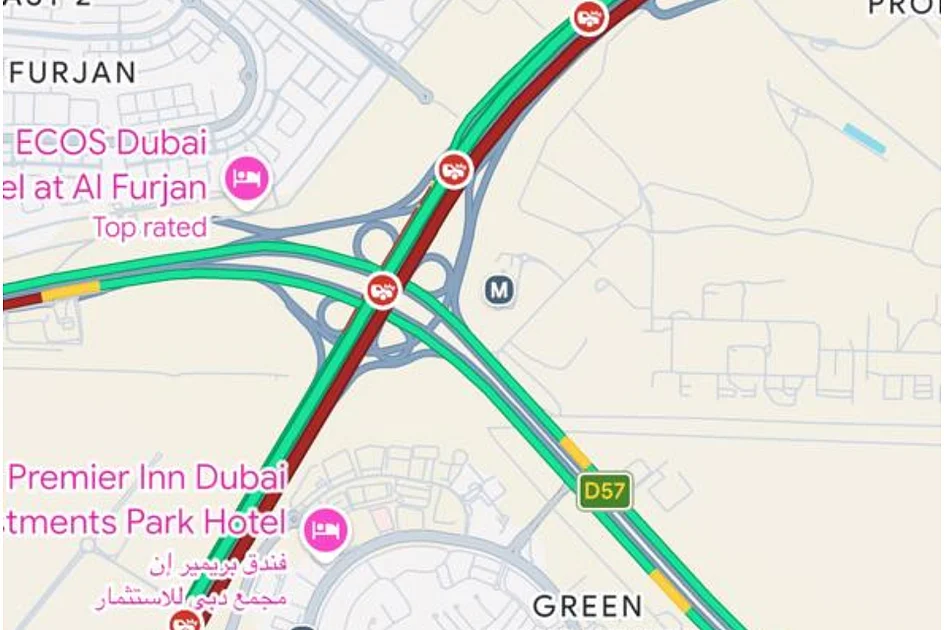
    A significant traffic incident involving multiple heavy vehicles on Sheikh Mohammed bin Zayed Road (E311) caused extensive delays for motorists heading toward Sharjah on Friday afternoon. The collision, which occurred near Exit 24 in the direction of Al Khail, resulted in the complete closure of the two rightmost lanes and created a massive traffic backlog stretching for kilometers.

    According to eyewitness accounts, the accident involved three substantial commercial vehicles, including a cement mixer truck and another heavy transport truck. Additionally, a car carrier trailer transporting four to five vehicles came to a complete stop in the farthest lane, further complicating the situation. Dubai Police promptly issued official alerts warning drivers to approach the area with extreme caution and remain vigilant.

    The aftermath of the collision created severe congestion, with motorists reporting travel delays exceeding 40 minutes as vehicles progressed at barely perceptible speeds. Digital signage along the highway actively displayed warning messages reading ‘Accident, drive slow’ to alert approaching drivers. Multiple police units were deployed to manage the scene and assist with traffic flow restoration.

    This incident marks the second major traffic disruption on Sheikh Mohammed bin Zayed Road within a 48-hour period, following another accident reported on Wednesday morning near the Airport Road exit heading toward Jebel Ali. The recurrence highlights ongoing traffic safety concerns along this critical transportation artery connecting key emirates.

  • Iran wants to make deal rather than face military action, Trump says

    Iran wants to make deal rather than face military action, Trump says

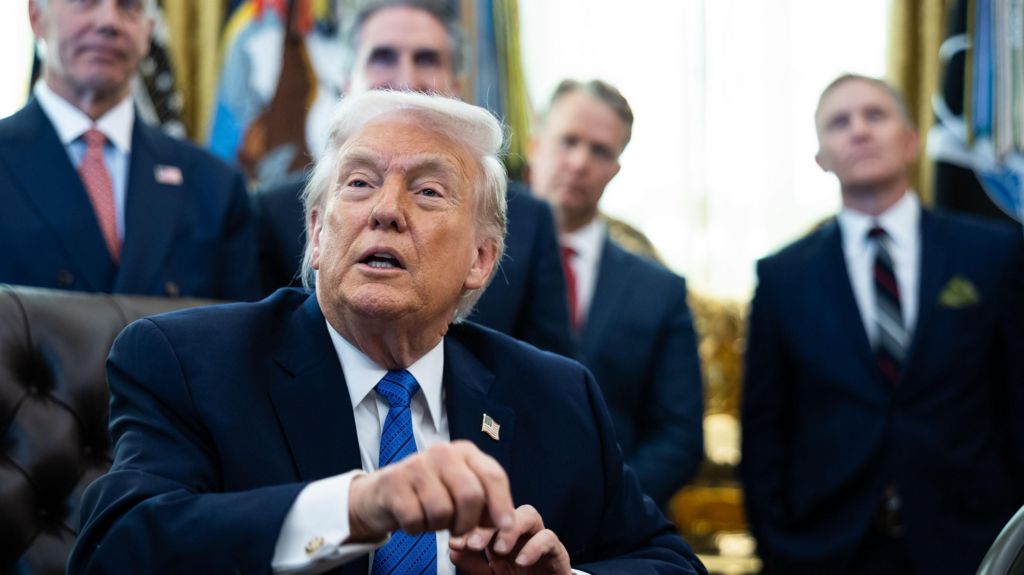
    In a tense geopolitical standoff, U.S. President Donald Trump has declared that Iran ultimately desires a negotiated settlement to avoid potential U.S. military action. This assertion, made during a White House press briefing on Friday, directly contradicts Tehran’s firm position that its missile defense systems are “never” to be included in any negotiations.

    When questioned about the significant buildup of U.S. naval forces in the Persian Gulf, President Trump stated, “I can say this, they do want to make a deal,” though he provided no specific evidence or details to support this claim. This follows his Wednesday warning to Iranian leadership that time is “running out” to reach a new agreement concerning its nuclear program, a threat underscored by the deployment of a major naval armada to regional waters.

    The Iranian government maintains a starkly different public stance. Foreign Minister Abbas Araghchi reiterated that the country’s missile systems are non-negotiable and repeated official assertions that Iran’s nuclear ambitions are purely peaceful. He did, however, leave the door open for talks predicated on “mutual respect” and trust, while noting no current discussions are scheduled with American officials.

    Amidst this diplomatic friction, Iran’s top security official, Ali Larijani, met with Russian President Vladimir Putin in Moscow. The Kremlin confirmed the meeting, stating the leaders discussed pressing “Middle Eastern and international issues,” signaling Russia’s continued engagement in the regional power dynamic.

    President Trump explicitly outlined two primary conditions for Iran to avoid a military confrontation: complete abandonment of its nuclear weapons ambitions and an immediate cessation of violence against domestic protesters. This comes in the wake of widespread anti-government demonstrations that began in late December, which have been met with a severe crackdown. Independent monitoring groups, including the U.S.-based HRANA, report a confirmed death toll exceeding 6,300, with the Norway-based Iran Human Rights organization warning the final figure could surpass 25,000 casualties.

    Refusing to commit to a withdrawal timeline for the U.S. fleet, President Trump remarked with characteristic ambiguity, “We’ll see how it all works out. They have to float someplace, so they might as well float near Iran,” keeping military pressure as a central component of his negotiation strategy.

  • A bomb cyclone will hit parts of the US – what is it?

    A bomb cyclone will hit parts of the US – what is it?

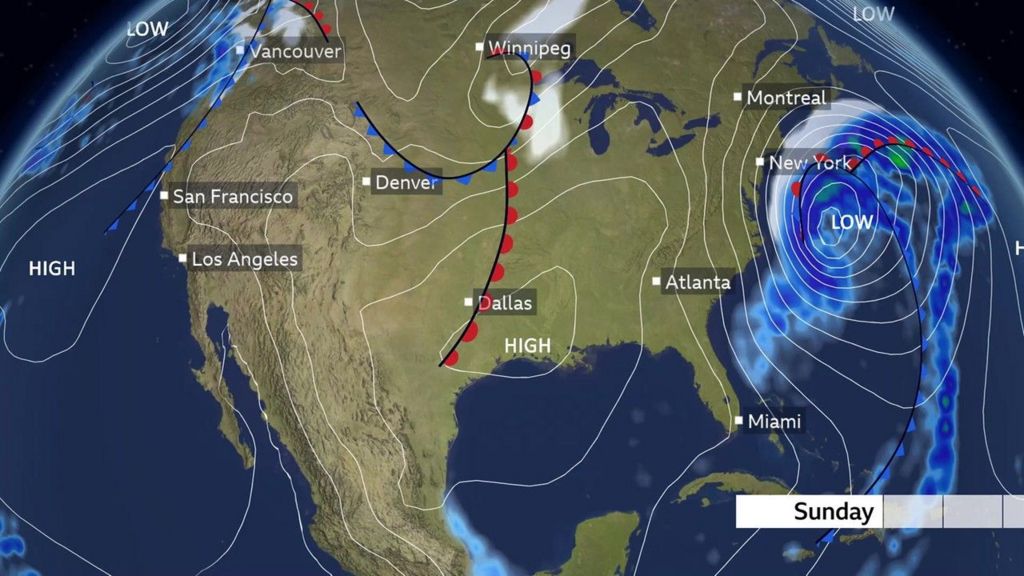
    Meteorological authorities are issuing urgent warnings as a formidable ‘bomb cyclone’ prepares to unleash its fury upon the Eastern Seaboard of the United States this coming weekend. This rapidly intensifying weather phenomenon, characterized by a precipitous drop in atmospheric pressure, is forecast to deliver a triple threat of hazardous conditions.

    The impending storm system is projected to generate substantial snowfall accumulations across affected regions, coupled with potentially damaging wind gusts that could exceed 50 miles per hour in coastal areas. These powerful winds are expected to create significant storm surges, elevating the risk of widespread coastal flooding in vulnerable low-lying communities.

    The term ‘bomb cyclone’ refers to an extratropical cyclone that undergoes bombogenesis, a technical meteorological process where central pressure drops at least 24 millibars within 24 hours. This explosive development transforms the system into a weather powerhouse capable of disrupting transportation networks, causing power outages, and creating dangerous travel conditions.

    Residents throughout the Northeast corridor are advised to closely monitor updated forecasts from the National Weather Service and implement necessary preparedness measures. Emergency management officials recommend securing outdoor property, reviewing evacuation routes where flooding is probable, and maintaining adequate supplies should infrastructure be compromised by the severe weather conditions.

  • ’60 isn’t old anymore’: How UAE club helps senior citizens play pickleball, learn gardening

    ’60 isn’t old anymore’: How UAE club helps senior citizens play pickleball, learn gardening

    In a pioneering approach to social connectivity, Dubai’s innovative multi-generational club The Nadi is transforming how older adults experience community life in the United Arab Emirates. Founded by long-term Palestinian resident Shaden Abdellatif, the establishment has been gaining significant momentum over the past eighteen months by offering flexible, pay-as-you-go experiences that deliberately bridge generational divides.

    Unlike traditional age-segregated senior programs, The Nadi operates on a philosophy that meaningful relationships transcend age brackets. The club’s curated calendar features diverse activities including pickleball matches, gardening workshops, cultural discussions, and creative sessions designed to foster intergenerational connections. This approach intentionally positions older adults at the center of social engagement rather than as peripheral participants.

    Abdellatif’s vision emerged from personal observation of Dubai’s evolution from a transient hub to a permanent home for many families. Noting the social limitations experienced by older residents like her mother who has lived in Dubai for nearly forty years, she recognized the need for spaces where seniors could engage in activities specifically designed for their enjoyment rather than merely accompanying younger family members.

    The club’s foundation rests on four core principles: curiosity, continuous learning, holistic wellbeing, and agelessness. These principles manifest in programming that addresses physical, social, and mental wellness through adaptable activities suitable for varying energy levels and abilities. Monthly schedules introduce fresh experiences while maintaining weekly anchor activities that provide rhythm and routine.

    Perhaps most significantly, The Nadi challenges conventional perceptions of aging by framing later life as a period worthy of investment, creativity, and joy. The intergenerational model naturally dissolves stereotypes as participants work side-by-side in activities like gardening workshops, where shared stories and laughter create organic connections across age groups.

    Early indicators suggest profound impact, with participants reporting increased social confidence, expanded networks, and renewed sense of purpose. Some international visitors now plan extended Dubai stays knowing they can maintain active social lives while visiting working family members. The model has proven so successful that expansion plans include neighborhood residency programs and retreat-style experiences focused on intergenerational learning and connection.

  • Schitt’s Creek and Home Alone star Catherine O’Hara dies aged 71

    Schitt’s Creek and Home Alone star Catherine O’Hara dies aged 71

    The entertainment world is mourning the loss of Catherine O’Hara, the celebrated Canadian comedic actress who passed away at 71 following a brief illness. Her death at her Los Angeles home on Friday was confirmed by her representative in an official statement to the BBC.

    O’Hara’s remarkable career spanned over five decades, beginning at Toronto’s Second City improvisation theatre where she first worked as a waitress before joining the legendary acting troupe. Her breakthrough came through the groundbreaking sketch comedy series Second City Television (SCTV), one of Canada’s most successful television exports, where she performed alongside comedy greats including Eugene Levy and John Candy.

    The actress achieved cinematic immortality through two iconic performances that became embedded in popular culture. In Tim Burton’s 1988 supernatural comedy Beetlejuice, O’Hara delivered a mesmerizing musical performance leading her possessed dinner guests in the unforgettable ‘Day-O’ sequence. Two years later, as Kate McCallister in the holiday classic Home Alone, her panicked scream of “Kevin!” became one of the most recognizable moments in film history.

    O’Hara experienced a career renaissance through the critically acclaimed comedy series Schitt’s Creek, where her portrayal of the eccentric Moira Rose earned her an Emmy Award for Outstanding Lead Actress in a Comedy Series. Her character’s fluctuating accent, extravagant wardrobe, and brilliantly delivered one-liners made Moira one of television’s most memorable comic creations.

    Tributes poured in from colleagues and admirers worldwide. Macaulay Culkin, her on-screen son from Home Alone, shared an emotional tribute: “Mama. I thought we had time. I wanted more. I wanted to sit in a chair next to you. I heard you. But I had so much more to say. I love you. I’ll see you later.”

    Canadian Prime Minister Mark Carney issued a statement honoring O’Hara’s legacy: “Over 5 decades of work, Catherine earned her place in the canon of Canadian comedy — from the iconic Toronto production of Godspell to SCTV to Schitt’s Creek. Canada has lost a legend.”

    O’Hara frequently credited her Canadian upbringing with shaping her distinctive comedic perspective, noting in a 2020 Rolling Stone interview that Canadian humor embraced both self-awareness and international perspective without excessive nationalism.

    The actress is survived by her husband, production designer Bo Welch, their sons Matthew and Luke, and her siblings Michael, Mary Margaret, Maureen, Marcus, Tom, and Patricia.

  • Prominent Indian businessman Dr CJ Roy has passed away: Source

    Prominent Indian businessman Dr CJ Roy has passed away: Source

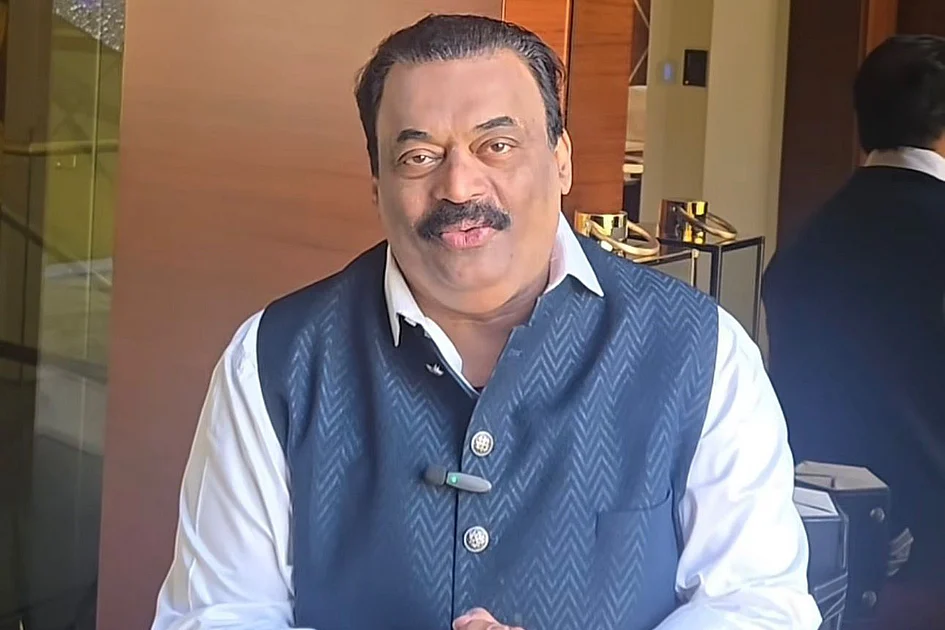
    Dubai-based Indian entrepreneur Dr CJ Roy, Chairman of Confident Group, has died under tragic circumstances during ongoing Income Tax department operations, according to confirmation from close family sources. The incident occurred on Friday, January 30, 2026, with preliminary reports indicating the businessman succumbed to a self-inflicted gunshot wound following intense interrogation sessions.

    Family representatives revealed that Dr Roy faced relentless questioning and perceived intimidation during the tax raids before retreating to his private office. A single gunshot was subsequently heard, prompting immediate medical response. Despite being rushed to a nearby medical facility, medical professionals were unable to revive the prominent business leader.

    Dr Roy leaves behind his wife, daughter, and son, along with a substantial business legacy spanning multiple sectors. Established in 2006, Confident Group pioneered a zero-debt financing model before expanding into Dubai’s real estate market in 2024 with the Confident Lancaster project, followed by Confident Preston in 2025. The conglomerate had diversified into hospitality, education, entertainment, and building materials under Dr Roy’s leadership.

    Beyond his corporate achievements, Dr Roy served as Honorary Consul of the Slovak Republic, fostering bilateral trade and cultural exchanges. The Emirates Hills resident maintained an active social media presence and was recognized for his philanthropic initiatives, including a recent Dh20 million charitable partnership with Kerala Muslim Cultural Center to provide clean water access in remote Indian villages.

    The business magnate was also known for his automotive passion, maintaining an extensive collection of luxury vehicles, and regularly hosting community gatherings at his Dubai residence. The incident has raised questions about enforcement methodologies during financial investigations, though official statements from Indian authorities remain pending at this time.

  • England’s Brook admits to lying about nightclub incident to protect teammates

    England’s Brook admits to lying about nightclub incident to protect teammates

    England’s white-ball cricket captain Harry Brook has publicly confessed to providing misleading statements regarding a late-night altercation in Wellington, New Zealand, that resulted in disciplinary measures against multiple team members. The incident occurred on October 31, preceding the final ODI match against New Zealand, when Brook attempted to gain entry to a nightclub accompanied by teammates Jacob Bethell and Josh Tongue.

    Following investigative reporting by the Telegraph newspaper, Brook retracted his initial claim that he was alone during the confrontation with nightclub security personnel. In an official statement released after England’s Twenty20 victory against Sri Lanka in Pallekele, Brook acknowledged his deception was intended to prevent fellow players from facing consequences for his personal decisions.

    “I fully accept responsibility for my actions in Wellington and confirm that other individuals were present that evening,” Brook stated. “I deeply regret my previous inaccurate comments, which were motivated solely by my desire to protect teammates from being implicated in a situation resulting from my own poor judgment.”

    The England and Wales Cricket Board (ECB) has imposed financial penalties on all involved players and issued Brook with a final warning regarding conduct violations. The regulatory body had previously concealed these disciplinary actions during the recent Ashes series against Australia, only disclosing them this month following England’s 4-1 series defeat.

    In response to multiple alcohol-related incidents during tours in New Zealand and Australia, the ECB has implemented a midnight curfew for all players throughout their current subcontinental tour. Brook has offered repeated apologies to both teammates and supporters, emphasizing his commitment to learning from this challenging professional experience.

  • US war with Iran demands strategy, not just strength

    US war with Iran demands strategy, not just strength

    The international community is witnessing a new paradigm in warfare where conflict trajectories become discernible through observable military preparations long before hostilities commence. Current US military deployments surrounding Iran exemplify this phenomenon, revealing a carefully orchestrated playbook despite unresolved strategic objectives.

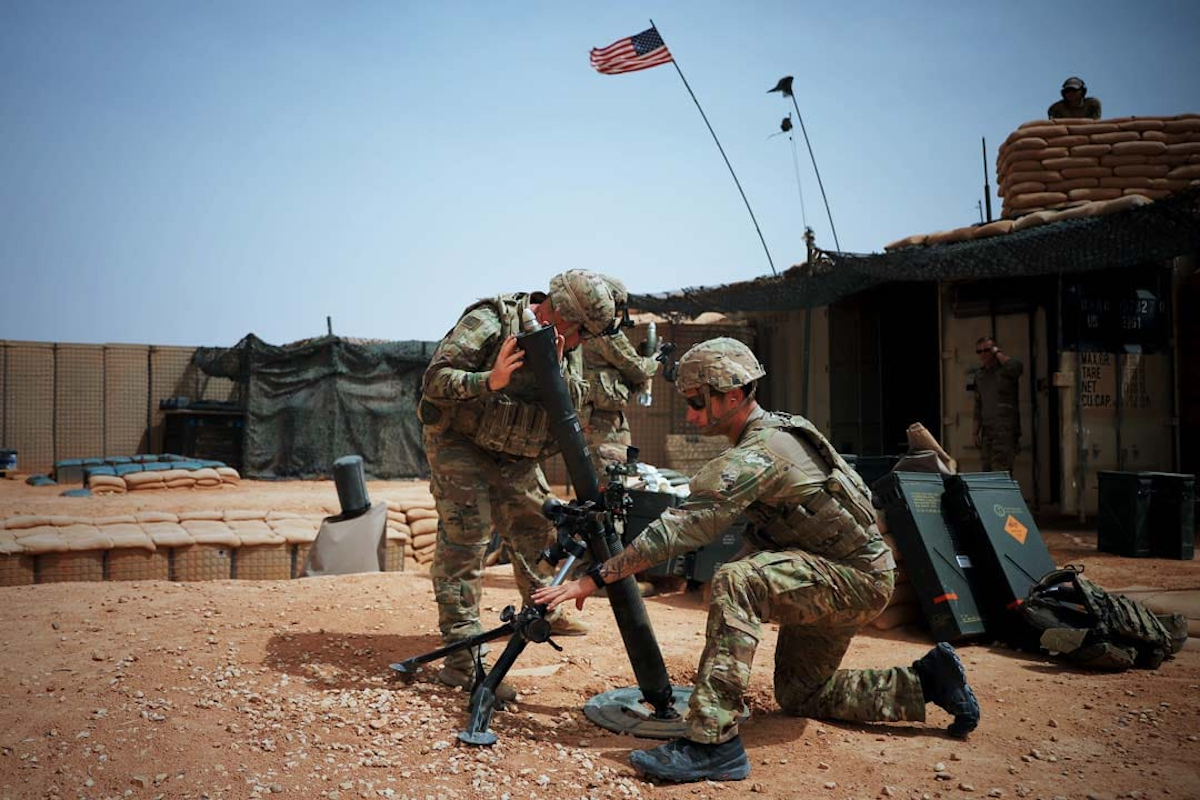
    Pentagon movements suggest imminent military action rather than diplomatic resolution. A carrier strike group maintains position in the Middle East while advanced missile defense systems (Patriot and THAAD) deploy throughout the region. Non-essential personnel have been evacuated from forward operating locations in Saudi Arabia and Qatar, accompanied by strategic positioning of air tankers and heavy transport aircraft. These coordinated actions indicate battlefield preparation rather than peaceful negotiation.

    Iran has anticipated these developments through active military preparation rather than passive observation. Tehran has received arms shipments from Russia and China while stockpiling domestic weapons and enhancing air defense capabilities with China’s HQ-9B system. However, these systems remain vulnerable due to insufficient integration, outdated sensors, and lack of real-time coordination—critical weaknesses against modern aerial threats.

    The fundamental question remains not how the US might attack, but why. Historical precedents from Vietnam to Iraq demonstrate America’s tendency to achieve tactical success while lacking clear strategic objectives. Current protests within Iran, while significant, appear secondary to Washington’s primary concern: approximately 400 kilograms of 60% enriched uranium that remains unaccounted for since previous confrontations. This material could yield several nuclear weapons if further enriched.

    Three military options present themselves with varying risks:

    1. Targeted nuclear facility strikes using B-2 bombers carrying GBU-57 bunker busters—a limited operation resembling Israel’s Osirak and al-Kibar strikes but offering temporary delay rather than permanent resolution given Iran’s dispersed, hardened facilities.

    2. Decapitation strikes against Iranian leadership, though this risks creating martyrs in a political culture steeped in martyrdom tradition. Iran’s institutionalized political system maintains contingency plans for leadership succession.

    3. Sustained campaign degrading Iran’s military and security apparatus over weeks or months—the most dangerous option likely triggering calibrated retaliation ranging from attacks on US assets in Iraq to regional escalation involving Gulf states and Israel.

    Geographical constraints complicate all options, with limited airspace access forcing reliance on predictable routes through Israel, Jordan, and Iraq or logistically challenging southern approaches via the Indian Ocean.

    The ultimate strategic question remains unanswered: What constitutes success? Without clearly defined objectives—whether nuclear program delay, regime weakening, or governmental change—military action risks becoming an exercise in power demonstration rather than purposeful strategy. History cautions that how wars begin matters less than how they’re intended to end, and on this crucial matter, Washington maintains concerning ambiguity.

  • Iran will not negotiate under threat: Iranian FM

    Iran will not negotiate under threat: Iranian FM

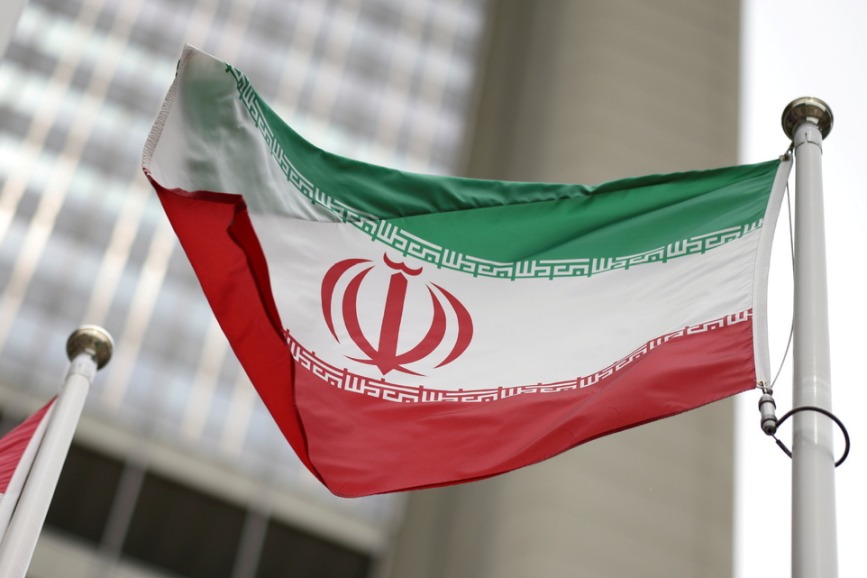
    Iranian Foreign Minister Seyed Abbas Araghchi delivered a firm stance on diplomatic engagement during his appearance in Istanbul on Friday, asserting that while Tehran remains open to dialogue, it will not enter negotiations while facing external threats.

    Addressing international relations in the region, Araghchi clarified Iran’s position: “The Islamic Republic has no inherent objection to diplomatic discussions and actively seeks peaceful resolution through dialogue. However, the foundation of any meaningful negotiation must be built on mutual respect and sovereign equality, not under the shadow of ultimatums or coercive measures.”

    The minister’s remarks come amid ongoing regional tensions and reflect Tehran’s consistent foreign policy approach that prioritizes national dignity in international dealings. Araphchi’s statement reinforces Iran’s long-standing position that productive diplomacy cannot occur when one party attempts to dictate terms through pressure tactics.

    This declaration from a senior Iranian diplomat signals the country’s continued resistance to what it perceives as Western attempts to force concessions through economic and political pressure. The Istanbul appearance provided a significant platform for Iran to communicate its diplomatic red lines to the international community.

    The foreign minister’s comments arrive at a time of complex geopolitical dynamics in the Middle East, where multiple nations are navigating delicate power balances and alliance structures. Iran’s insistence on threat-free negotiations establishes clear parameters for any future diplomatic engagements with Western powers.