作者: admin

  • Draft law targets faster, easier social assistance access

    Draft law targets faster, easier social assistance access

    China’s top legislative body is moving forward with a landmark piece of social policy legislation that seeks to transform how vulnerable residents access life-changing support. The draft Social Assistance Law was tabled this Monday for its third reading at the ongoing session of the Standing Committee of the National People’s Congress (NPC), the country’s highest legislative organ. Under China’s standard legislative process, most bills receive final approval following three readings by the NPC Standing Committee, putting this legislation one step away from becoming official law.

    Social assistance forms a foundational pillar of China’s social safety net, designed to address sudden hardships, chronic poverty, and urgent basic needs for low-income households, people with disabilities, and other vulnerable groups. In its latest iteration, the draft legislation retains existing requirements to maintain full transparency and procedural fairness in the allocation of assistance. It also adds a new, explicit mandate that regulatory authorities must streamline and adapt application and approval workflows to local conditions, cutting unnecessary red tape to make it simpler for eligible people to submit applications and receive their benefits in a timelier manner.

    Alongside the social assistance bill, the legislative session is also reviewing several other key pieces of legislation aligned with China’s ongoing policy and economic priorities. These include a revised draft of the Law on State-owned Assets of Enterprises, an amendment to the Agriculture Law, and a proposed new law on national healthcare security. This slate of legislative reviews underscores the government’s ongoing push to update its legal framework to better serve public needs and support long-term social and economic development.

  • UAE ranks first globally in GEM report for fifth year

    UAE ranks first globally in GEM report for fifth year

    For the fifth year running, the United Arab Emirates has retained its position as the world’s leading nation for entrepreneurship, according to the newly released 2025/2026 Global Entrepreneurship Monitor (GEM) report. Outperforming dozens of advanced economies across the globe, the country has once again solidified its reputation as the world’s most favorable environment for launching and scaling new business ventures.

    Across eight core performance metrics for high-income economies, the UAE claimed the number one spot. These metrics span physical infrastructure development, targeted and supportive government policy frameworks, tax and administrative procedural policies, national government-led entrepreneurship programs, research and development knowledge transfer, market dynamic-fueled ease of new entry, regulatory burden reduction for new market entrants, and formal entrepreneurial education.

    On two additional key indicators – entrepreneurial financing and access to startup capital – the UAE took second place globally, showcasing the strength and adaptive capacity of its national financial system. This strong performance confirms that the UAE’s economic landscape is fully prepared to empower early-stage startups and expand their opportunities for sustainable growth and regional or global expansion.

    Notably, the UAE is one of only four countries worldwide that have met or exceeded the “sufficiency” benchmark across every foundational framework condition measured by the GEM entrepreneurship index. This achievement underscores its status as a global leader in entrepreneurial ecosystems, underpinned by world-class infrastructure, efficient and proactive government policies, and robust digital readiness.

    Abdullah bin Touq Al Marri, UAE Minister of Economy and Tourism, emphasized the country’s pride in this milestone, noting that the consecutive top ranking reflects the nation’s longstanding commitment to strengthening its entrepreneurial ecosystem and locking in its status as the world’s most entrepreneur-friendly economy and top global destination for business establishment.

    He attributed the sustained success directly to the UAE leadership’s forward-thinking vision, which centers entrepreneurship and small and medium-sized enterprises (SMEs) as core pillars of building a competitive, innovation-driven knowledge economy. Al Marri also highlighted the UAE economy’s proven high resilience and its proven ability to adapt rapidly to shifting regional and global economic conditions.

    The minister added that the GEM results reflect the strength and cohesive integration of pro-competitive policies and regulatory reforms rolled out by the UAE to nurture a supportive entrepreneurial landscape. Key initiatives driving this success include the national “UAE: Global Entrepreneurship Capital” campaign, which has successfully positioned the country as the premier destination for global talent, innovators, and founders.

    These outcomes also align directly with the goals of the UAE’s “We the UAE 2031” national vision, which aims to establish the country as a global hub for the new economy by supporting high-growth potential sectors including advanced technology, artificial intelligence, renewable energy, space exploration, and financial technology.

    In the 2025 National Entrepreneurship Context Index (NECI), which measures a country’s overall entrepreneurial climate based on independent expert assessments, the UAE scored a robust 7.0 out of 10. This high score reflects the deep robustness of the country’s entrepreneurial ecosystem and the high level of confidence among local business owners and international investors operating in the UAE.

    The GEM report also highlighted that the UAE is among just six countries where entrepreneurs uniformly identify artificial intelligence as a critical driver of growth over the next three years, demonstrating the nation’s advanced preparedness for the transition to a digital, knowledge-based economy.

    In the “international access” metric, the UAE ranked among the top five countries worldwide for startups’ ability to enter and scale in external global markets. The report attributed this success to the UAE’s world-class physical infrastructure and integrated logistics network, which it described as exceptional in connecting local entrepreneurs with global consumer markets.

    Data from the report confirms the UAE has built a dynamic, fast-growing entrepreneurial ecosystem: more than one in five UAE adults (over 20 percent of the adult population) are currently engaged in launching new business ventures. This high participation rate reflects the strength of the incentives and enabling frameworks the country has put in place to support early-stage founders.

    The UAE’s Total Early-stage Entrepreneurial Activity (TEA) rate hit a strong 19.2 percent, signaling a healthy, consistent pipeline of new ventures. The GEM report notes that this steady flow of new entrepreneurial projects stems from a supportive ecosystem where launching a business is widely viewed as an attractive career choice, facilitated by streamlined registration processes and backed by robust government and financial support.

    The UAE continues to draw global entrepreneurial talent, with 19.6 percent of citizen adults and 22.4 percent of resident adults engaged in early-stage entrepreneurial activity. This gap highlights the country’s success in attracting skilled, ambitious founders from across the globe and encouraging entrepreneurial participation across all segments of society.

    The report also singled out the UAE’s success in advancing female entrepreneurship, noting that the country’s integrated ecosystem guarantees women founders equal access to critical resources and growth opportunities.

    More than half of UAE-based entrepreneurs identify family cultural traditions as a key motivator for launching and growing their businesses, reflecting the deep embeddedness of entrepreneurial culture across UAE society.

    In school-based entrepreneurial education, the UAE also made notable gains, ranking among the top five countries globally. The country’s education system prioritizes building core entrepreneurial competencies in students, including creative thinking, complex problem-solving, risk assessment, and opportunity identification, laying the groundwork for a new generation of future founders.

    Finally, the report emphasized that UAE entrepreneurship is supported by an advanced, flexible financing landscape that offers founders a wide range of pathways to secure capital for launching and scaling their businesses. This strength is visible in the diversity of funding sources available, from government-backed grant and seed initiatives to independent investment funds and global venture capital firms. This comprehensive support boosts founder confidence and enables innovators to turn early-stage ideas into scalable, globally competitive businesses, advancing the country’s vision of building a knowledge- and innovation-led national economy.

    As one of the world’s most authoritative independent research projects tracking global entrepreneurial activity, GEM has conducted more than two million interviews with stakeholders since its launch. The 2025/2026 edition of the report covers 53 global economies, representing approximately 43 percent of the world’s population and 57 percent of total global GDP, with analysis drawn from extensive input from hundreds of entrepreneurship experts.
  • Taylor Swift files to trademark voice and image after AI concerns

    Taylor Swift files to trademark voice and image after AI concerns

    As artificial intelligence tools become increasingly accessible and capable of replicating distinct human characteristics, high-profile public figures are moving quickly to secure legal protections against unauthorized deepfakes and AI impersonation. Global pop icon Taylor Swift is the latest celebrity to take decisive action, submitting three new trademark applications with United States regulators to shield her name, iconic appearance and recognizable voice from exploitative AI misuse.

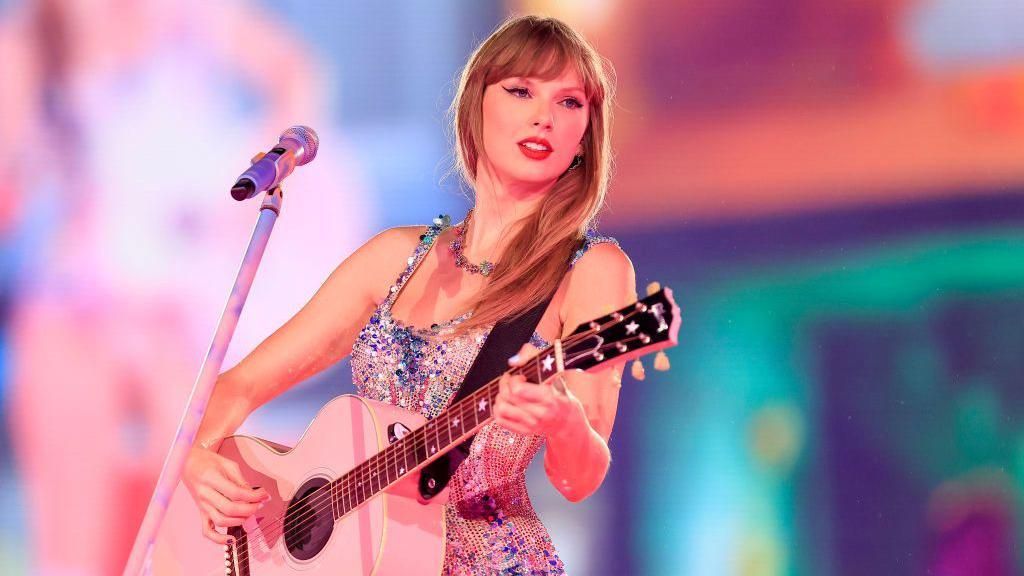
    The filings, first uncovered and published by trademark attorney Josh Gerben on his professional blog, mark one of the most high-profile recent attempts by a public figure to leverage existing intellectual property law against the fast-growing problem of AI-generated impersonations. Two of the applications center on short audio clips that Swift recorded last autumn to promote her latest album *The Life of a Showgirl* for streaming platforms Spotify and Amazon Music. The clips feature Swift’s iconic opening lines: “Hey, it’s Taylor” and “Hey, it’s Taylor Swift”. The third application is tied to a widely used promotional photograph of Swift captured during her record-breaking Eras Tour, showing the singer on stage holding a pink acoustic guitar with a black strap, clad in a multi-colored iridescent bodysuit and silver boots. This same image was previously used for official marketing of the Disney+ Eras Tour concert film.

    The push for legal protection comes amid a rising tide of problematic AI-generated content targeting Swift and other A-list celebrities. In recent years, deepfake versions of the pop star have spread across the internet in a range of unauthorized forms, from non-consensual explicit imagery to manipulated political content – including a fake election advertisement that purported to show Swift urging voters to support former president Donald Trump. These high-profile incidents have underscored the urgent need for clear legal protections for public figures against AI exploitation.

    Swift’s action follows a similar move from Hollywood actor Matthew McConaughey, who became the first major celebrity to use trademark law to protect his voice and image from AI misuse earlier this 2025. Prior to this, most celebrities relied on personality rights laws to address unauthorized use of their likeness, but trademark registration offers an additional layer of legal protection that can cover more types of AI-generated reproductions.

    According to legal expert Gerben, these trademark filings offer Swift broader protection than just preventing direct copying of the exact photo and audio clips. Under U.S. trademark law, holders can challenge any use that is considered “confusingly similar” to the registered trademark. This means that even AI-generated imitations that do not directly reproduce the registered files could still be challenged legally.

    “By registering specific phrases tied to her voice, Swift could potentially challenge not only identical reproductions, but also imitations that are ‘confusingly similar,’ a key standard in trademark law,” Gerben explained. “Theoretically, if a lawsuit were to be filed over an AI using Swift’s voice, she could claim that any use of her voice that sounds like the registered trademark violates her trademark rights. Same with the image filing. If someone creates an AI-generated version of Taylor in a jumpsuit with a guitar, or something close to it, now Swift has a federal trademark claim.”

    As generative AI technology continues to advance and spread, intellectual property and entertainment legal experts expect more high-profile celebrities to follow this trend, turning to trademark law as a new tool to combat the growing threat of unauthorized AI deepfakes and impersonations.

  • Encrypted texts key evidence against ‘senior lieutenant’ in Kinahan gang, court hears

    Encrypted texts key evidence against ‘senior lieutenant’ in Kinahan gang, court hears

    On Monday, a Dublin court laid bare the extent of a senior Kinahan organized crime cartel figure’s role in the gang’s brutal Irish operations, opening a high-stakes case that will set a precedent for the future prosecution of the cartel’s top leader, Daniel Kinahan. Sean McGovern, identified by prosecutors as a top on-the-ground lieutenant for the transnational crime group, has already pleaded guilty to two grave criminal charges connected to the long-running and deadly feud between the Kinahan and Hutch gangs. The case, being heard at Dublin’s non-jury Special Criminal Court, relies heavily on damning evidence gathered by Ireland’s national police force, Gardaí, including encrypted communications, GPS tracking devices, CCTV footage, and telephone records. McGovern, who was arrested in Dubai and extradited back to Ireland to face charges, admitted to directing criminal organization activities between October 2016 and December 2016 linked to the murder of innocent bystander Noel ‘Duck Egg’ Kirwan. He also pleaded guilty to directing criminal activity between October 2015 and April 2017 that involved the prolonged surveillance of James Gately, a member of the rival Hutch gang, in preparation for an assassination attempt. Court testimony laid out the context for the targeted attacks: both men were marked for death solely because of their attendance at funerals of deceased Hutch gang associates. Gately carried the coffin of Gary Hutch at his funeral, while Kirwan attended the service for Eddie Hutch. The long-running Kinahan-Hutch feud escalated dramatically following the 2016 Regency Hotel shooting in Dublin, an incident where McGovern himself was wounded, Detective Garda Superintendent David Gallagher told the court. In building the case against McGovern over the planned attack on Gately, prosecutors outlined six distinct strands of evidence. Among the most damning pieces are three encrypted devices seized directly from McGovern, where cartel members used coded codenames to communicate; McGovern’s codename was “Knife”. Exchanges captured on these devices reveal chilling details of the assassination plot. In one message, McGovern shared live GPS tracker data on Gately’s location with other cartel associates. Imre Arakas, a hired hitman who was later arrested and jailed for the conspiracy to kill Gately, messaged an unidentified senior Kinahan leader to discuss the best locations for the attack, writing “silencer would be good” and noting that “if picture on Google is the same as in real life it could be one shot to the head and that’s it.” When Gardaí disrupted the plot before it could be carried out, McGovern exchanged messages confirming his commitment to the cartel, writing to an associate: “Me and you ain’t any rats we are the ones up to our bollox [sic] in it”. After associates noted that the attack could still be carried out within two to four weeks, McGovern replied that the news would be “the best news of the year that will be once everyone is safe”. When the plot fell through completely, he responded to a message calling for a new strategy by writing: “100pc or all going to jail with stitch ups mate”. Beyond the Gately plot, Gardaí also presented detailed evidence connecting McGovern to the tracking and eventual murder of Kirwan. Detective Sergeant Donal Daly told the court that investigators recovered tracker data from devices placed on Kirwan’s car, as well as forensic evidence from a laptop used by McGovern. Investigators also found an instruction manual for the operation hidden behind a mirror in a Kinahan cartel safe house. During the hearing, Donna Kerwin, Kirwan’s daughter, delivered a powerful victim impact statement describing the irreversible harm the murder has caused her family. “We have been stripped of everything,” Kerwin said. “We will have to live with this nightmare every day for the rest of our lives. My dad was an innocent man who was not involved in crime, the only thing he was guilty of was showing his respect at a childhood friend’s funeral. You will get out one day to live a normal life with your children. We will never have that.” Legal observers note that the outcome of McGovern’s sentencing, which is set to resume on Friday, will serve as a key indicator of how Irish courts will handle the upcoming extradition and trial of Daniel Kinahan, the cartel’s alleged leader, who was recently arrested in Dubai. The Kinahan cartel has been the target of international law enforcement action for years, with the U.S. government imposing formal sanctions on Daniel Kinahan and other core family members in April 2022, after they were publicly identified as the leaders of the transnational organized crime syndicate.

  • Torrential rain floods Qinzhou, Guangxi, as city raises flood alert

    Torrential rain floods Qinzhou, Guangxi, as city raises flood alert

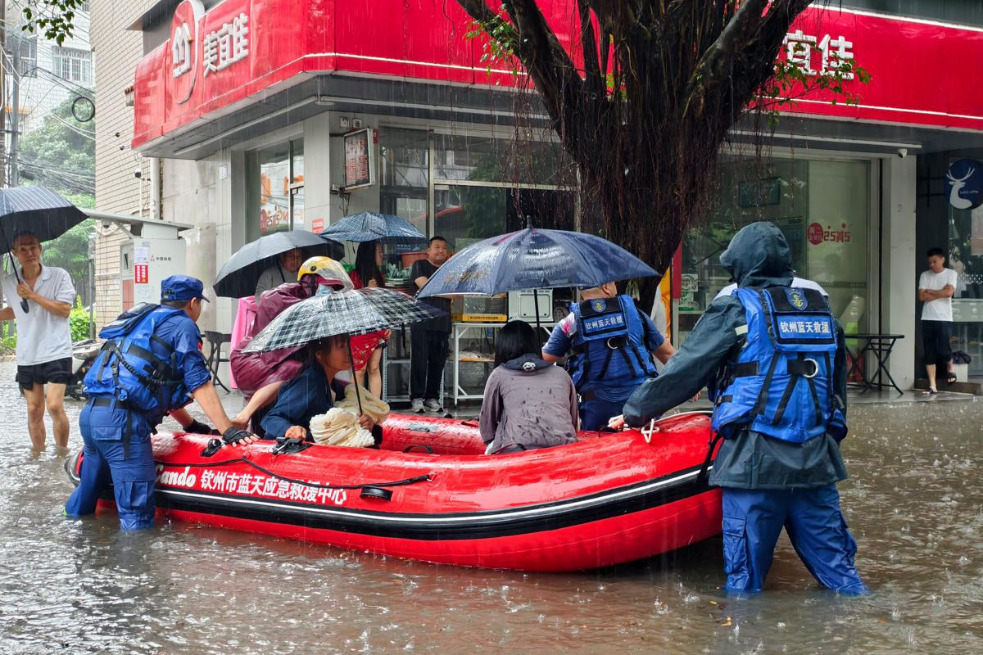
    On Monday, an intense weather system delivered record-breaking torrential downpours to Qinzhou, a coastal city in South China’s Guangxi Zhuang Autonomous Region, triggering widespread flash flooding that forced local authorities to activate a Level III flood control emergency response.

    Local meteorological authorities confirmed that the heaviest precipitation was concentrated between midnight and 8 a.m. that day, drenching the city’s central urban districts and outlying surrounding townships. The most severe rainfall was recorded in Jiulong town, located in Qinzhou’s Qinnan district, which measured a total accumulated rainfall of 362.2 millimeters over the eight-hour window. At the storm’s peak around 4 a.m. Monday, the area also registered an extreme hourly rainfall rate of 143.3 millimeters, far exceeding the threshold for severe flash flood warnings.

    The downpour quickly overwhelmed local drainage systems, leading to rapid waterlogging in multiple downtown neighborhoods and surrounding suburban areas, as documented by on-site photojournalists covering the disaster response. As of the latest update, local emergency management teams have been deployed to conduct evacuation operations, clear blocked drainage lines, and monitor water levels across at-risk river basins to mitigate further risks to residents and their property.

  • White House to review Trump’s security after shooting at dinner event

    White House to review Trump’s security after shooting at dinner event

    A security breach at the annual White House Correspondents’ Dinner Saturday has triggered a full review of presidential protection protocols, after an armed suspect managed to approach a crowded ballroom housing former President Donald Trump, top U.S. officials and more than 2,000 attendees. A senior White House official confirmed to the BBC that senior leadership will convene a high-level meeting this week to examine the incident and refine security practices ahead of a packed schedule of high-stakes public events for the president this year.

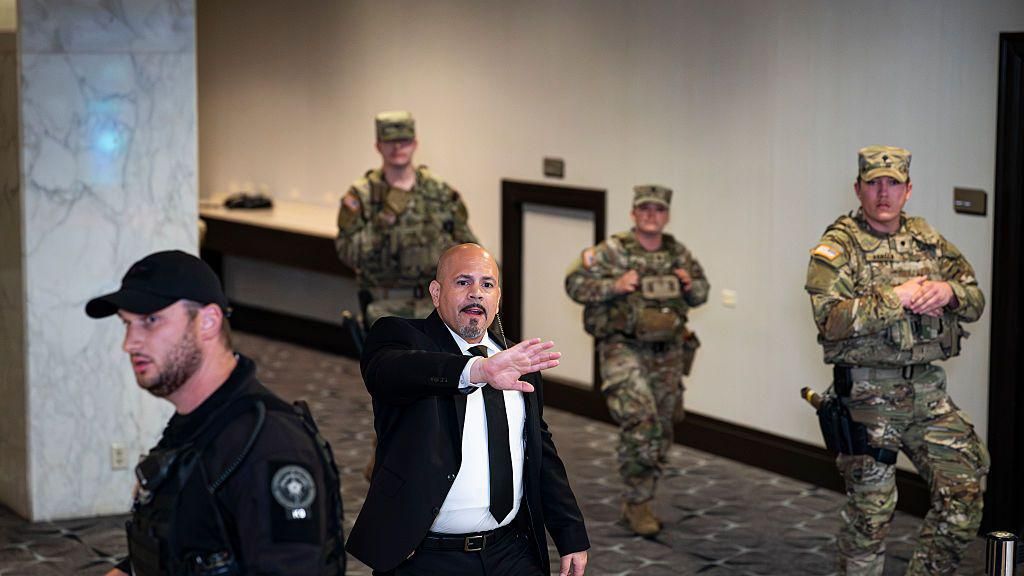
    The suspect, 31-year-old Cole Tomas Allen, breached security perimeters and engaged in a brief shootout with law enforcement before being subdued by officers. A federal agent wearing a ballistic vest was shot during the exchange, but no fatalities or critical injuries to attendees were reported. The incident has sparked intense scrutiny of the U.S. Secret Service, the federal agency tasked with protecting the sitting president and other high-ranking government officials, after multiple security gaps were reported: attendees entering the Washington Hilton venue were not required to show valid photo identification, event tickets only listed table numbers without attendee names, and a single metal detector checkpoint was placed one level above the main ballroom entrances. Allen was stopped just near the top of the stairs leading directly to the ballroom doors.

    Despite widespread questions about the agency’s performance, President Trump has repeatedly voiced full confidence in the Secret Service’s actions. A senior White House official told the BBC that the president personally believes agents did an excellent job of neutralizing the threat and moving him and his inner circle to safety quickly. Even with that public backing, White House Chief of Staff Susie Wiles will lead the upcoming review meeting, which will include senior operations staff, Secret Service representatives, and officials from the Department of Homeland Security. The gathering will focus on dissecting which existing protocols successfully stopped the attack, while evaluating additional improvements to strengthen security for the large number of high-profile presidential events scheduled for the coming months.

    Among the upcoming major events are public gatherings tied to the 250th anniversary of the United States this July, a planned UFC fight hosted on the White House South Lawn, and official appearances tied to the 2026 World Cup. Separately, Senate Judiciary Committee Chair Chuck Grassley, who was in attendance at the dinner alongside Trump, Vice President JD Vance and House Speaker Mike Johnson, has announced plans to hold a separate closed-door briefing with Secret Service leadership to examine the incident and existing security protocols. Grassley, 92, is fourth in the presidential line of succession.

    In an on-site briefing roughly two hours after the shooting was contained, Trump acknowledged the inherent risks of open public events for sitting presidents. “I can’t imagine that there’s any profession that is more dangerous,” he said of the work of Secret Service agents, reiterating his support for the agency despite the coming review.

  • China builds integrated space-air-ground-sea environmental monitoring network with 150 satellites: ministry

    China builds integrated space-air-ground-sea environmental monitoring network with 150 satellites: ministry

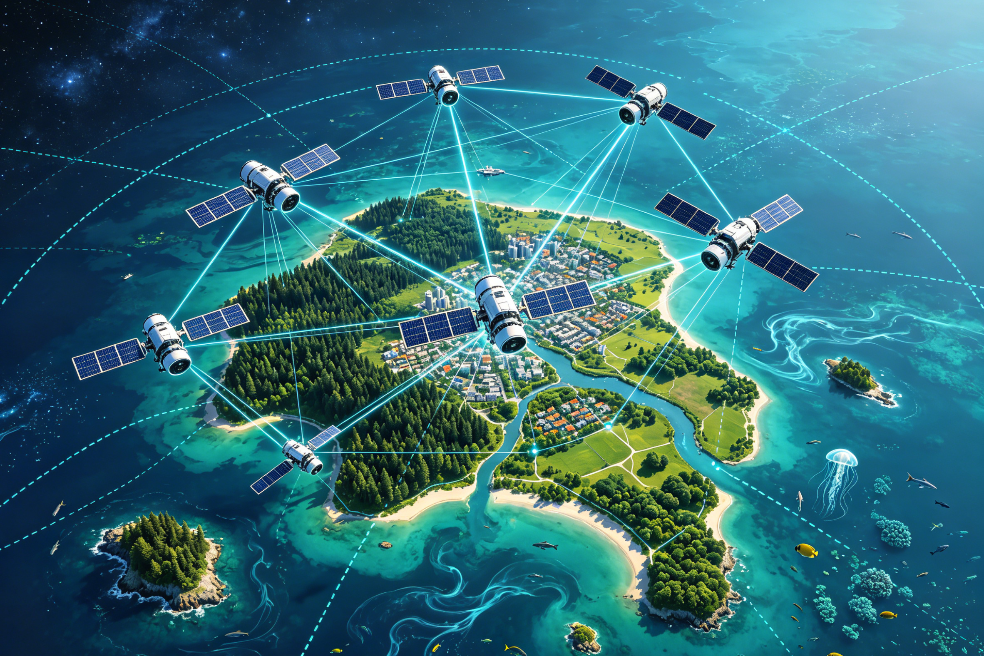
    China has established a groundbreaking, fully integrated space-air-ground-sea ecological and environmental monitoring network that draws on data from approximately 150 satellites, the country’s Ministry of Ecology and Environment has announced. The development was revealed during a press conference held on Monday by Zhang Dawei, director of the ministry’s ecological and environmental monitoring department, who centered remarks on a new high-precision greenhouse gas detection satellite launched into orbit on April 17.

    This newly launched satellite carries five cutting-edge scientific instruments, including a lidar system and a hyperspectral greenhouse gas monitor. With this technology on board, Zhang explained, China has become the first country in the world to achieve integrated active and passive greenhouse gas detection from space. The satellite is capable of carrying out large-scale, high-accuracy monitoring of major greenhouse gases and key gaseous pollutants across the entire globe, marking a major milestone in the evolution of China’s modern ecological and environmental monitoring infrastructure, Zhang emphasized.

    Currently, the Ministry of Ecology and Environment serves as the lead operational user for eight dedicated environmental and atmospheric satellites, and maintains coordination agreements to access data from more than 140 additional commercial and civilian satellites across the country. Zhang noted that together, this fleet of satellites is equipped with multispectral sensors featuring a broad range of wavebands and short orbital revisit cycles, enabling the ministry to complete a full-coverage ecological “health check” every two months across 3.3 million square kilometers of national nature reserves and protected areas falling within China’s ecological conservation red lines.

    Beyond inland protected areas, the integrated monitoring system also conducts quarterly systematic scans of 21,000 kilometers of China’s mainland coastline and 100,000 square kilometers of its adjacent coastal waters. These scans allow authorities to rapidly identify human-caused ecological damage and illegal encroachment on protected coastal ecosystems.

    In addition to broad-area regional scanning, the satellite fleet also carries hyperspectral sensors designed for targeted, high-precision detection. These sensors can accurately resolve atmospheric chemical components and provide quantitative measurements of trace harmful gases including ozone, nitrogen dioxide and formaldehyde, delivering critical data that supports evidence-based air pollution control efforts.

    On a global scale, the network’s sensors can pinpoint the exact location of methane leaks from oil and gas extraction sites, coal mines and municipal landfills, tracing pollutant emissions directly to individual responsible facilities. Completing the system’s robust capabilities, many satellites in the fleet are equipped with radar instruments that enable all-weather, 24/7 monitoring operations that do not depend on natural light and are unaffected by cloudy or severe weather conditions.

  • French coastguard rescues more than 100 migrants crossing Channel

    French coastguard rescues more than 100 migrants crossing Channel

    Just five days after the United Kingdom and France formalized a new multi-million-pound agreement to curb dangerous smallboat crossings of the English Channel, French authorities have carried out three separate rescue operations that saved 119 migrants attempting the perilous journey.

  • ‘Looming’ risk of nuclear arms race, UN proliferation meeting hears

    ‘Looming’ risk of nuclear arms race, UN proliferation meeting hears

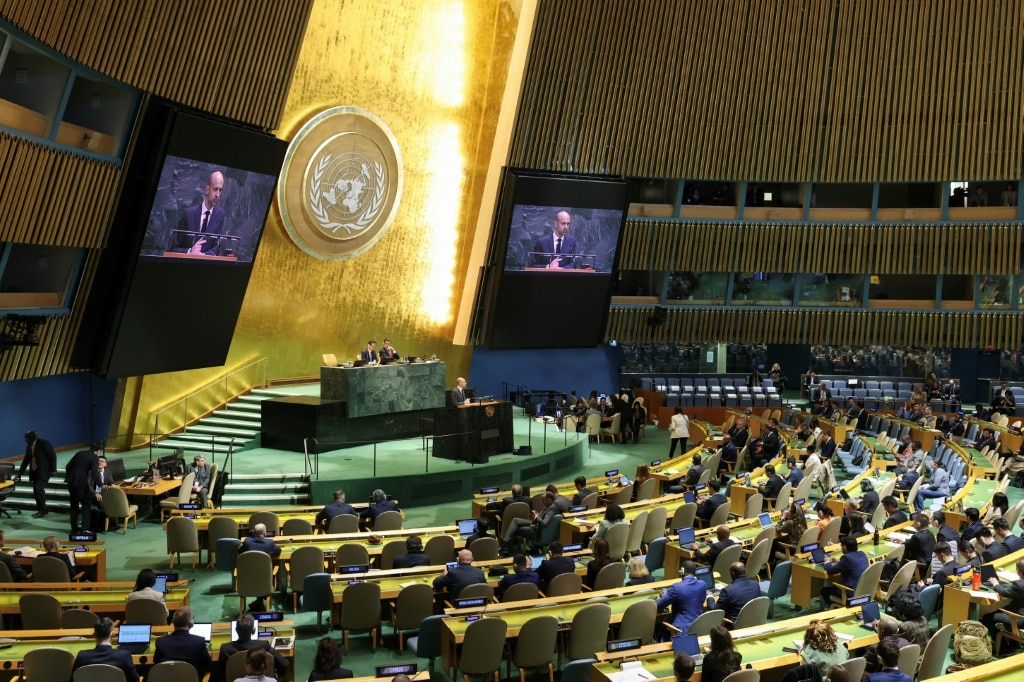
    A high-stakes four-week conference of signatories to the Treaty on the Non-Proliferation of Nuclear Weapons (NPT), the global cornerstone of atomic non-proliferation efforts, kicked off Monday at United Nations Headquarters in New York. Delegates gathered against a backdrop of escalating geopolitical tensions and growing alarm among world leaders and experts that a new global nuclear arms race is increasingly likely.

    In his opening address to the gathering, UN Secretary-General António Guterres delivered a stark warning that the long-fraying foundations of the NPT are at a breaking point. “For too long, the treaty has been eroding. Commitments remain unfulfilled. Trust and credibility are wearing thin. The drivers of proliferation are accelerating. We need to breathe life into the treaty once more,” he said, echoing the dire warning he issued at the 2022 NPT review conference, when he stated humanity stood “one misunderstanding, one miscalculation away from nuclear annihilation.”

    Data released earlier this year by the Stockholm International Peace Research Institute (SIPRI) underscores these growing risks. As of January 2025, the world’s nine nuclear-armed states — Russia, the United States, France, the United Kingdom, China, India, Pakistan, Israel, and North Korea — hold a combined total of 12,241 nuclear warheads. The United States and Russia alone control nearly 90 percent of the global stockpile, and both nations have poured extensive resources into modernizing their arsenals in recent years. SIPRI also confirmed China has rapidly expanded its nuclear stockpile, a development that prompted the G7 to issue a formal warning over Moscow and Beijing’s growing nuclear capabilities just days before the conference opened.

    Recent policy shifts have further fueled global anxiety: US President Donald Trump has publicly stated he intends to resume nuclear testing, claiming other nations are already conducting covert tests, while French President Emmanuel Macron announced a major shift to France’s nuclear deterrence strategy in March, including a planned expansion of the country’s current arsenal of 290 warheads.

    French Foreign Minister Jean-Noël Barrot told conference delegates that the current moment carries unprecedented risk. “Never has the risk of nuclear proliferation been so high, and the threat posed by Iran’s and North Korea’s programs is intolerable for each and every state party to this treaty,” he said. Pyongyang’s advancing nuclear development program is widely identified as one of the most intractable sticking points that could derail any consensus agreement at the conference, alongside the ongoing war in Ukraine and disputes over Iran’s atomic activities.

    Conference president Do Hung Viet, Vietnam’s permanent representative to the UN, moved quickly to temper unrealistic expectations for the gathering. “We should not expect this conference to resolve the underlying strategic tensions of our time,” he said. Even so, he argued that incremental progress would carry global significance: “But a balanced outcome that reaffirms core commitments and set out practical steps forward would strengthen the integrity of the NPT. The success or failure of this conference will have implications way beyond these halls. The prospects of a new nuclear arms race are looming over us.”

    Adding to the tensions already at the conference, the United States, joined by allies Britain, the United Arab Emirates, and Australia, publicly condemned the appointment of Iran as a vice president of the meeting. Washington’s envoy to the conference called granting Tehran a leadership role an “affront” to all nations that uphold the NPT’s obligations.

    Beyond long-standing geopolitical disputes, a new issue is set to take a prominent place on the agenda: the role of artificial intelligence in nuclear command and control. A number of countries have pushed for binding commitments that ensure human leaders retain full control over all nuclear weapons decisions, amid growing fears that AI could raise the risk of accidental or unauthorized launch.

    Like past NPT review conferences, any final agreement requires consensus from all participating states, a high bar that has derailed the past two gatherings. In 2015, talks collapsed after the United States, a close ally of Israel, opposed plans to create a nuclear-weapon-free zone in the Middle East. The 2022 conference hit an impasse after Russia objected to language referencing the Russian-occupied Zaporizhzhia nuclear power plant in Ukraine.

    Seth Shelden, a representative of the International Campaign to Abolish Nuclear Weapons (ICAN), the Nobel Peace Prize-winning anti-nuclear organization, told Agence France-Presse that the erosion of trust is now visible across the global non-proliferation regime. “It is obvious that trust is eroding, both inside and outside the NPT,” he said, casting doubt on whether the four-week summit can deliver any meaningful, binding progress.

    The NPT, signed by nearly every country on Earth with only a handful of notable holdouts including Israel, India, and Pakistan, has three core missions: halt the spread of nuclear weapons, work toward complete global nuclear disarmament, and facilitate peaceful cooperation on civilian nuclear energy projects.

  • When Attenborough met the gorillas – the story behind his iconic TV moment

    When Attenborough met the gorillas – the story behind his iconic TV moment

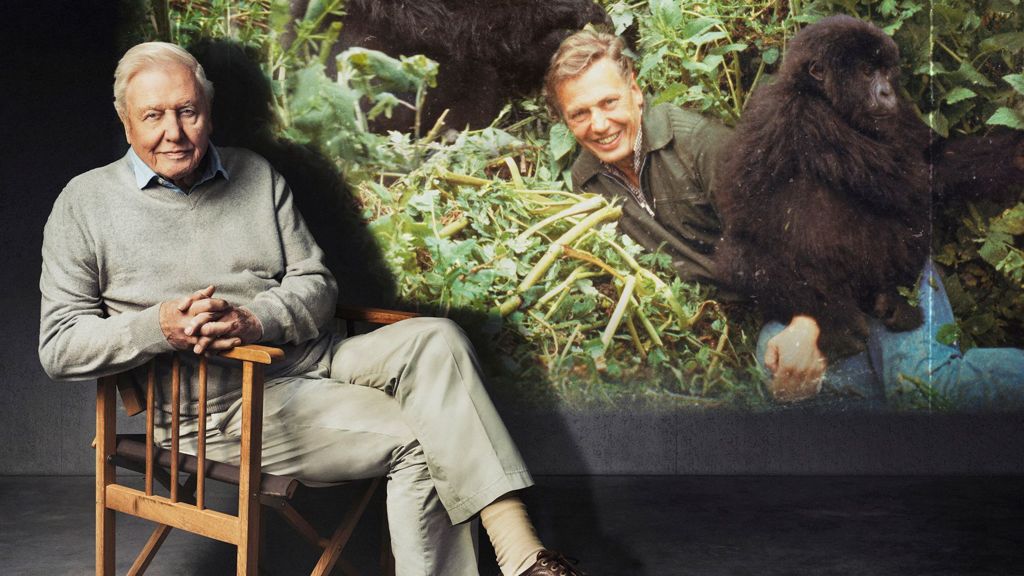
    Nearly half a century after one of the most iconic moments in natural history television, Sir David Attenborough is revisiting his life-changing encounter with wild mountain gorillas in Rwanda for two new documentaries, timed to coincide with his upcoming 100th birthday on May 8.

    The 1979 landmark series *Life on Earth* made broadcasting history with its raw, intimate footage of Attenborough sharing a forest clearing with a family of mountain gorillas – a moment the legendary broadcaster still calls the most memorable of his decades-long career. In the original footage, a curious female gorilla approaches Attenborough to within a few feet and locks eyes with him, an exchange he says holds deeper meaning and connection than any interaction he has shared with another animal.

    What many viewers never saw was the dramatic, high-stakes journey that got that footage onto screen. In January 1978, Attenborough and his small crew climbed 3,000 meters up steep 45-degree slopes in Rwanda’s Virunga Mountains, with one simple goal: to capture close-up footage of a gorilla’s thumb to illustrate how primate anatomy enabled tool grip. At the time, mountain gorillas were on the brink of extinction: poaching for trophies and zoo captures had pushed the Virunga population down to fewer than 285 individuals, and the shy apes were nearly impossible for outside groups to approach.

    The crew’s only path to access came through Dian Fossey, the pioneering American primatologist who founded the Karisoke Research Center in Volcanoes National Park to study the gorillas in their natural habitat. Though Fossey was famously protective of her study groups and had previously turned outside film crews away, she responded to Attenborough’s letter with an invitation to visit. Without her, Attenborough says, the encounter never would have happened. Fossey taught the crew critical protocols to avoid agitating the gorillas: avoid direct eye contact, keep heads lowered, and communicate with soft belch vocalizations to signal non-threat. That guidance allowed the team to get far closer than they ever dared expect.

    When the crew finally settled in to film Attenborough’s planned segment to camera, the gorillas upended every expectation. A young gorilla named Poppy began trying to pull off Attenborough’s shoes, while three-year-old Pablo, an orphaned infant abandoned by his mother, climbed onto the broadcaster and lay down across his chest. Moments later, an adult female rested a hand on Attenborough’s head, turned his face to meet her gaze, touched a finger to his lips, and belched a greeting. While the camera crew worried about wasting limited film stock on unscripted play, Attenborough stayed in the moment, calling the encounter one of the most privileged, breathtaking experiences of his life. Just one to two minutes of the interaction was captured on film, but that short footage would change public perception of gorillas forever.

    The drama did not end when the crew left the mountain. As they drove down from the research site, they heard gunshots, and were stopped at a military roadblock. Rwandan authorities detained the crew overnight, questioned them at police headquarters, and held Attenborough and his cameraman in an army compound in Kigali for hours before releasing them. Miraculously, the footage was not confiscated, and the crew left the country relieved to have preserved the historic sequence.

    When *Life on Earth* aired in 1979, it was a global phenomenon, broadcast to an estimated 500 million viewers across nearly every country on Earth, and redefined what natural history television could be. The gorilla encounter also left a lasting conservation legacy: Attenborough worked with the conservation charity Fauna and Flora to launch the Mountain Gorilla Project, bringing global attention and resources to protect the species.

    Fossey, who dedicated her life to protecting the apes, was murdered in 1985, seven years after her collaboration with Attenborough. Her death brought even greater international attention to the gorillas’ plight, sparking widespread investment in community education and sustainable eco-tourism. Today, the Virunga mountain gorilla population has grown to roughly 600 individuals, a rare conservation success story that traces its roots back to that 1978 forest encounter.

    The two new documentaries revisit both the original filming adventure and the ongoing story of the gorilla family Attenborough met. The BBC’s *Making Life on Earth: Attenborough’s Greatest Adventure*, which premieres May 3 on BBC One and BBC iPlayer, retraces the original 1978 expedition. Netflix’s *A Gorilla Story: Told by David Attenborough* picks up the generational story of Pablo’s family line, tracing how the curious orphan who climbed into Attenborough’s lap grew to become the dominant silverback leader of his group, before dying at 33 while defending his family.

    Filming the Netflix documentary over 250 days brought more unscripted drama, just as it did in 1978: the crew captured a complex power struggle between three of Pablo’s descendant males, that included conflict, a killing, and group mourning. For Dr. Tara Stoinski, chief executive of the Dian Fossey Gorilla Fund, the original encounter remains powerful because it broke down the artificial divide between humans and wild apes. Viewers saw that gorillas share familiar, relatable behaviors – a curious toddler will climb onto your lap just like a human child, and their social bonds, emotions, and interactions mirror our own. That short, gentle meeting between genetic cousins erased the myth of gorillas as savage jungle beasts, revealing their rich emotional lives of cooperation, care, conflict, and adaptation. As Attenborough observed in the original footage: “We see the world in the same way as they do.”