
In a shocking turn of events, Carlos Manzo, the mayor of Uruapan and a vocal opponent of cartel violence, was brutally assassinated on November 1 during a public Day of the Dead ceremony. The incident has sent shockwaves through Mexico, highlighting the pervasive influence of organized crime in the region. Authorities have since arrested seven bodyguards allegedly involved in the murder, accusing them of complicity through negligence in the aggravated homicide of the 40-year-old mayor. The attorney general’s office in Michoacán state confirmed the arrests, which were carried out by both state and federal officials, including the National Guard. The suspects were led out of a municipal building near the crime scene on Friday, according to the Associated Press. Manzo, who was attending the ceremony with his family, was shot seven times by a lone gunman, causing panic among bystanders. His bodyguards later restrained and shot the assailant. Manzo had been a prominent critic of the extortion and threats faced by avocado growers in the region, and had called on the federal government to take stronger action against cartels. The Jalisco New Generation Cartel (CJNG), known for drug trafficking, kidnapping, and extortion, has been implicated in the murder. The cartel is notorious for targeting public officials who resist their demands. On Wednesday, Mexican officials arrested Jorge Amando, the alleged mastermind behind the assassination. The CJNG, considered the most powerful criminal organization in Michoacán, is engaged in violent turf wars with other gangs over control of drug, arms, and fuel smuggling routes, often resulting in deadly confrontations. Manzo’s assassination has sparked mass protests and raised serious questions about the effectiveness of security measures for public officials in Mexico.
作者: admin
-
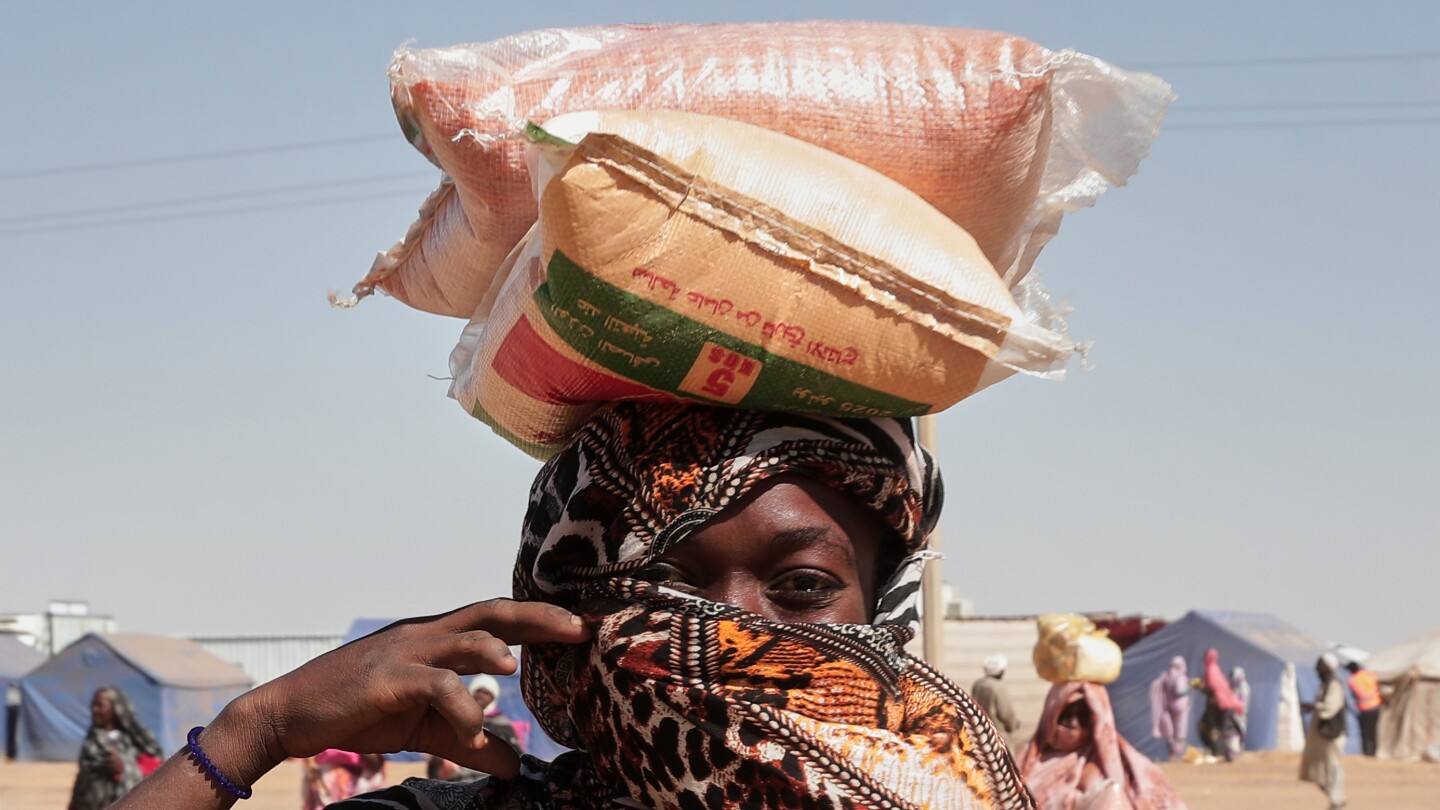
23 children die of malnutrition within a month in Sudan’s Kordofan region
In a tragic revelation, nearly two dozen children have succumbed to malnutrition-related causes in central Sudan over the span of a month, according to a medical group. The deaths occurred in the Kordofan region, a focal point of the ongoing conflict between Sudan’s military and the paramilitary Rapid Support Forces (RSF). This grim statistic highlights the escalating humanitarian catastrophe in the northeastern African nation, where famine is spreading after more than 30 months of relentless warfare. The conflict, which erupted in April 2023 following a power struggle between the military and the RSF, has claimed over 40,000 lives, according to U.N. estimates, though aid organizations believe the actual toll is significantly higher. The war has displaced over 14 million people, triggered disease outbreaks, and pushed parts of the country into famine. As of September, approximately 370,000 people in Kordofan and Darfur were classified as experiencing famine, with an additional 3.6 million teetering on the brink. The Sudan Doctors Network reported that the 23 children died between October 20 and November 20 in the besieged city of Kadugli and the town of Dilling, attributing the deaths to severe acute malnutrition and shortages of essential supplies. Kadugli, the capital of South Kordofan province, has been under blockade for months, preventing the entry of food and medicine and endangering thousands of civilians. Dilling, also in South Kordofan, faces similar conditions, though famine has not been officially declared due to insufficient data. The RSF’s aggressive campaign in Kordofan and el-Fasher has exacerbated the crisis, with tens of thousands fleeing reported atrocities, including mass killings and sexual assaults. Satellite images from the Yale School of Public Health’s Humanitarian Research Lab suggest ongoing efforts by the RSF to dispose of bodies in el-Fasher, raising grave concerns about the fate of civilians remaining in the city.
-

Brazil’s Supreme Court orders Bolsonaro’s arrest ahead of prison sentence
In a dramatic turn of events, Brazil’s Supreme Court has mandated the preemptive arrest of former President Jair Bolsonaro, just days before he was scheduled to commence a 27-year prison sentence for orchestrating a coup attempt. The decision, issued by Supreme Court Justice Alexandre de Moraes, underscores the gravity of the charges against Bolsonaro, who was swiftly transferred from house arrest to the federal police headquarters in Brasília early Saturday morning. Justice de Moraes emphasized that the arrest should be conducted with dignity, prohibiting the use of handcuffs and media exposure. Bolsonaro’s aide, Andriely Cirino, confirmed the arrest occurred around 6 a.m., following the unexpected ruling. The 70-year-old former president was taken from his residence in the affluent Jardim Botânico neighborhood to the federal police facility. The arrest follows a controversial video released by Bolsonaro’s son, Senator Flávio Bolsonaro, which allegedly incited supporters to protest in defense of his father. Justice de Moraes condemned the video, stating it promoted disrespect for democratic institutions and sought to incite chaos. Bolsonaro’s conviction stems from his role in a failed coup attempt after his 2022 election loss to President Luiz Inácio Lula da Silva. Prosecutors revealed the plot included plans to assassinate Lula and instigate an insurrection. Despite his legal troubles, Bolsonaro remains a significant political figure, with polls suggesting he would be a formidable candidate in future elections if eligible. His case has drawn international attention, with U.S. President Donald Trump labeling the trial a ‘witch hunt.’ The arrest marks a pivotal moment in Brazil’s ongoing struggle to uphold democratic principles.
-
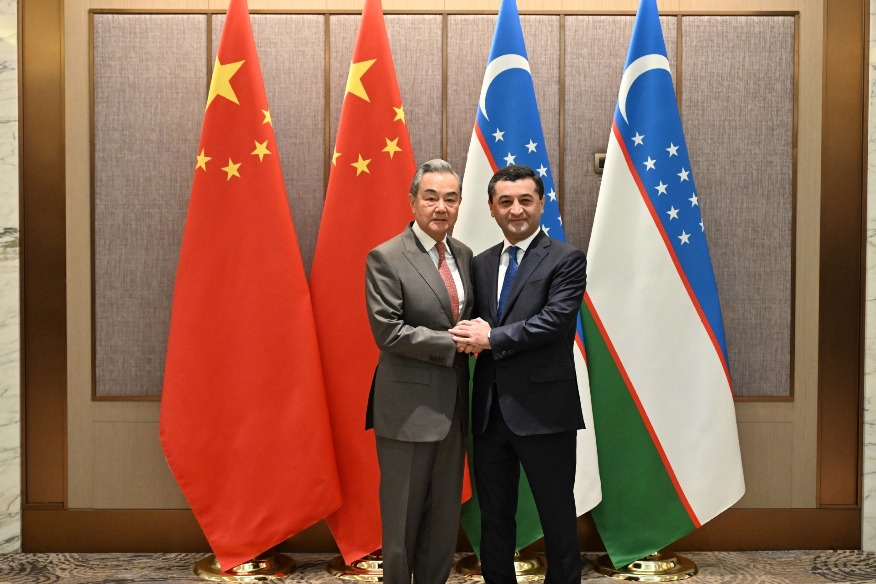
Chinese, Uzbek FMs hold second strategic dialogue
In a significant diplomatic engagement, Chinese Foreign Minister Wang Yi and his Uzbek counterpart Bakhtiyor Saidov convened the second strategic dialogue in Tashkent on Friday. Wang emphasized the importance of steering bilateral relations towards a new benchmark of good neighborliness, solidarity, and mutual trust. He highlighted the need to leverage the strategic dialogue platform to implement key agreements reached by the two heads of state. Wang reiterated China’s commitment to viewing Uzbekistan as a priority in its neighborhood diplomacy and a crucial partner in its global diplomatic strategy. He expressed China’s support for Uzbekistan’s development path tailored to its national conditions and its aspirations for a new Uzbekistan. Wang also noted that China has emerged as Uzbekistan’s largest trading partner and a major source of investment. The two nations are set to collaborate on the landmark China-Kyrgyzstan-Uzbekistan railway project, diversify connectivity networks, and enhance cooperation in green minerals, new energy, and high technology. Additionally, Wang called for strengthened exchanges in education, culture, and tourism. He commended Uzbekistan’s achievements in poverty reduction and offered to share China’s experience in poverty alleviation and rural revitalization. Saidov expressed gratitude for China’s support in improving livelihoods and reducing poverty in Uzbekistan. He expressed Uzbekistan’s desire to learn from China’s governance experience, strengthen high-level exchanges, expand bilateral trade, deepen Belt and Road cooperation, and jointly combat terrorism, separatism, and extremism. The meeting concluded with Uzbek President Shavkat Mirziyoyev also meeting with Wang, further solidifying the strategic partnership between the two nations.
-
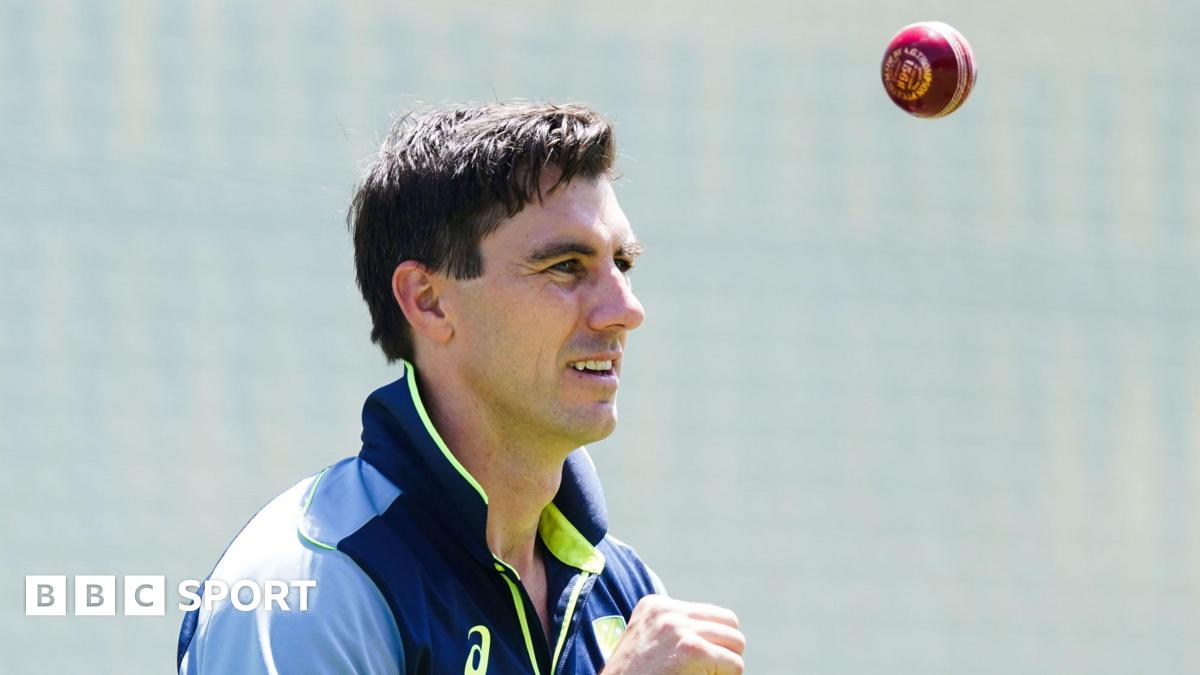
Captain Cummins could return for second Ashes Test
Australian cricket captain Pat Cummins has expressed optimism about his potential return for the second Ashes Test against England, scheduled to begin on December 4 at Brisbane’s Gabba. The 32-year-old fast bowler missed the opening Test in Perth due to a back injury but has been making steady progress in his recovery. Despite his absence, Australia dominated the first Test, dismissing England for 172 and 164 in their two innings, with Mitchell Starc claiming 10 wickets to secure an emphatic eight-wicket victory within two days. Cummins, who was temporarily replaced by Steve Smith as captain and Scott Boland as a fast bowler, hinted at reclaiming both roles for the upcoming day-night Test. ‘It’s feeling good,’ Cummins stated during an interview on Fox Sports TV. ‘I had a couple of good sessions in Perth this week, and I’m on track. I’m half a chance for the next game.’ However, concerns remain over the fitness of top-order batsman Usman Khawaja, who injured his back during the first Test and was unable to open the innings. ‘Unfortunately, Uzzy is not moving too well,’ Cummins added. ‘His back flared up again in the slips, so he was unable to open.’ As Australia prepares for the second Test, Cummins’ potential return could bolster their already formidable lineup.
-
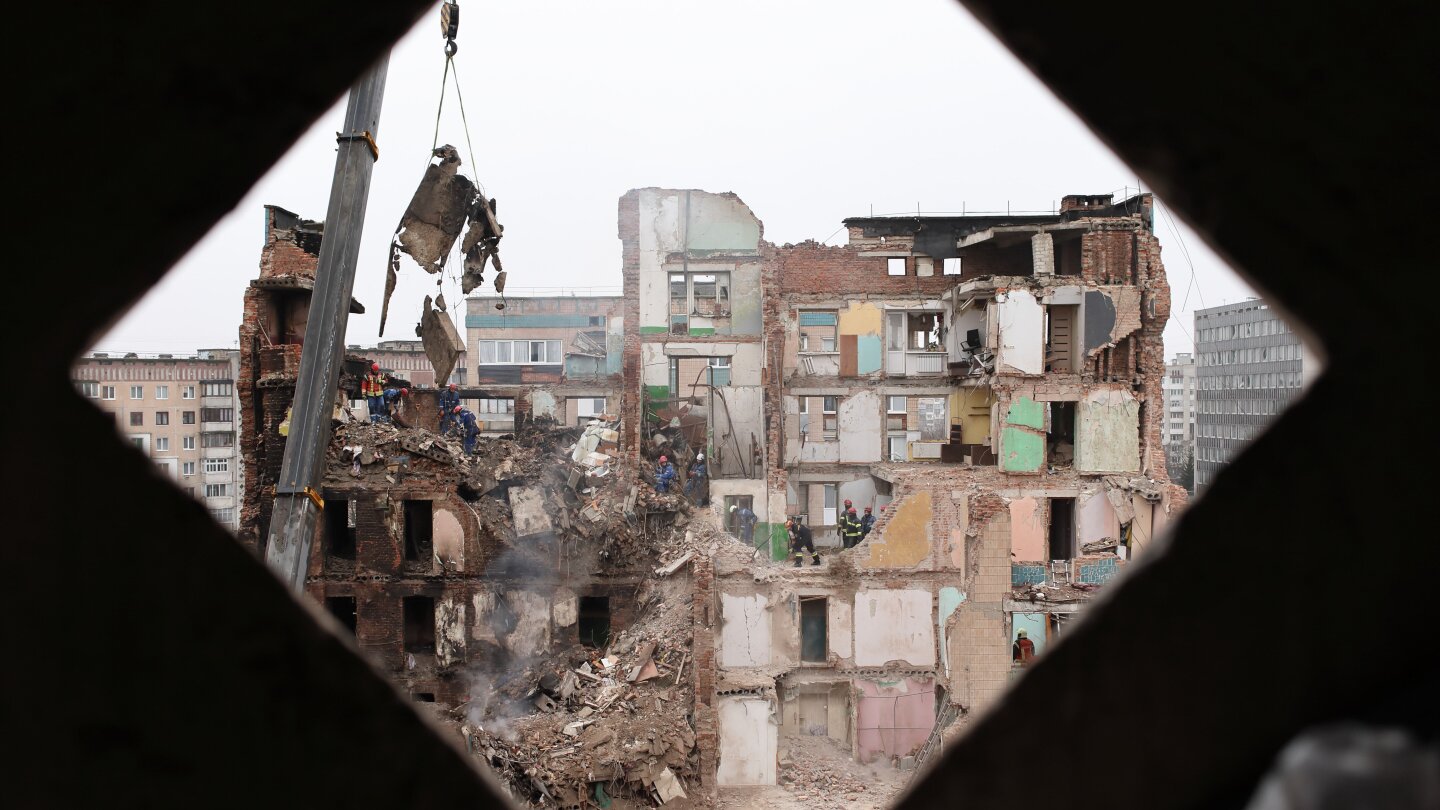
European leaders scramble to respond to a US peace plan for Ukraine seen as favoring Russia
European leaders are scheduled to meet in South Africa on Saturday to discuss alternatives to a U.S.-proposed peace plan aimed at ending Russia’s war in Ukraine. The 28-point blueprint, perceived as favoring Moscow, has raised concerns in Kyiv and European capitals. Ukrainian President Volodymyr Zelenskyy expressed apprehension on Friday, stating that Ukraine faces a critical decision between defending its sovereignty and maintaining essential American support. European nations, viewing their own future as intertwined with Ukraine’s struggle against Russian aggression, have emphasized the importance of their involvement in any peace negotiations. The meeting, set to occur on the sidelines of the G20 summit in Johannesburg, was announced by top European Union officials, including EU Commission President Ursula von der Leyen and EU Council President António Costa, following a call with Zelenskyy. Von der Leyen reiterated the principle of ‘nothing about Ukraine without Ukraine,’ underscoring the need for Kyiv’s active participation in any resolution. The U.S. plan, which includes provisions for Ukraine to cede territory to Russia, reduce its military size, and abandon its NATO aspirations, aligns closely with Moscow’s demands while offering minimal security assurances to Kyiv. Meanwhile, a Ukrainian drone strike on a fuel refinery in Russia’s Samara region resulted in two fatalities and two injuries, marking another instance of Kyiv’s long-range attacks on Russian oil infrastructure. Russian air defenses reportedly intercepted 69 Ukrainian drones overnight, disrupting operations at several airports and causing power outages in Rylsk.
-
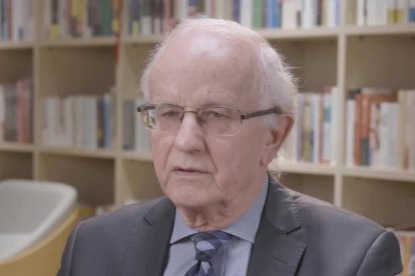
Former Polish deputy PM praises China’s economic rise, growing influence
In a recent exclusive interview with China Daily, Grzegorz W. Kolodko, former Deputy Prime Minister and Finance Minister of Poland, commended China’s remarkable economic progress over the past three to four decades. Kolodko highlighted that China’s burgeoning economic power is significantly enhancing its political influence on the global stage. He also noted a steady increase in international goodwill towards China, coupled with a favorable shift in the geopolitical landscape. Kolodko’s insights underscore the transformative impact of China’s economic strategies and their ripple effects on international relations and global power dynamics.
-
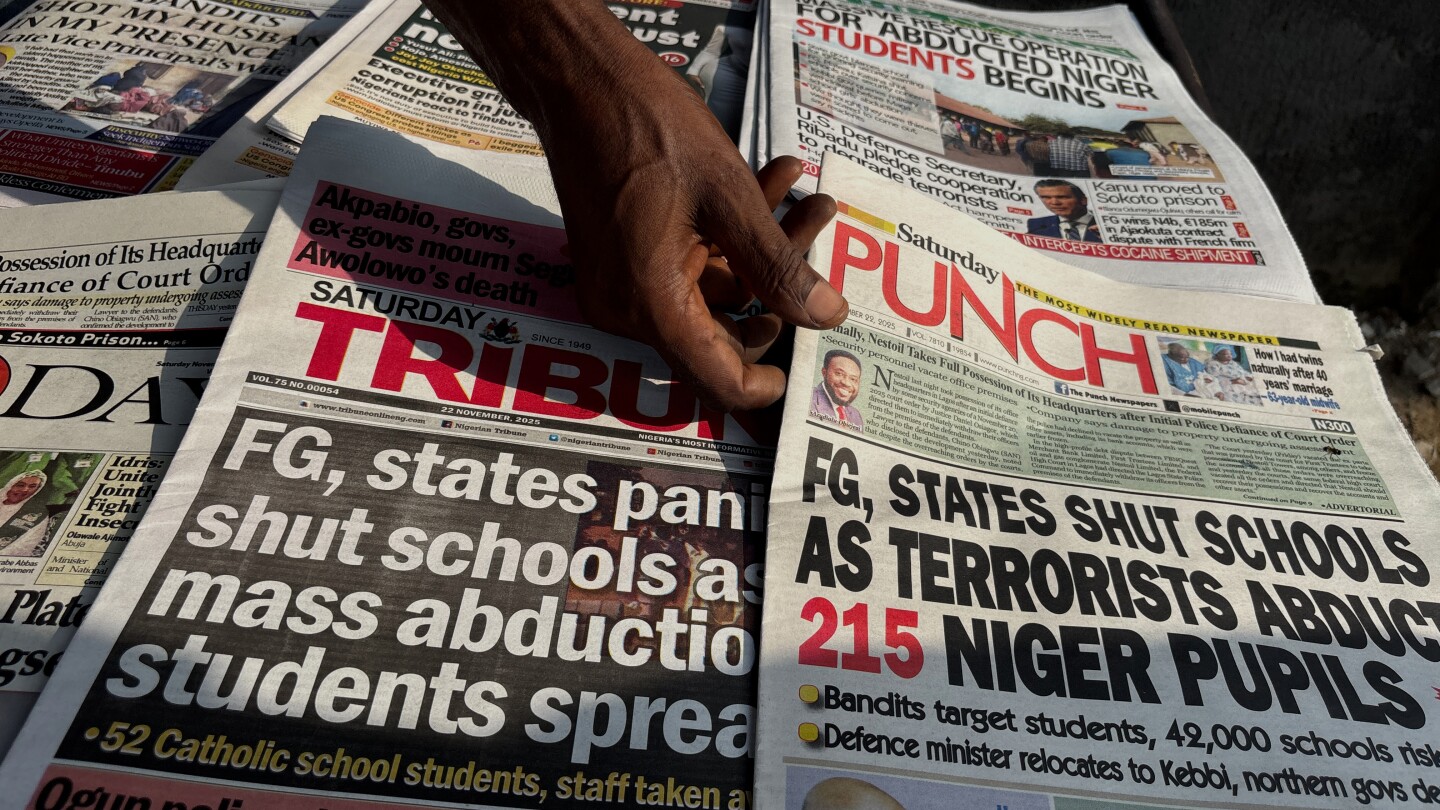
Number of children abducted in Nigerian school attack raised to more than 300
In a harrowing escalation of Nigeria’s security challenges, 303 schoolchildren and 12 teachers were abducted by armed assailants during a brazen attack on St. Mary’s School, a Catholic institution in Niger state. The Christian Association of Nigeria (CAN) confirmed the updated figures on Saturday, revising an earlier count of 215 students. The final tally was determined after a thorough verification process led by the Most Rev. Bulus Dauwa Yohanna, chairman of CAN’s Niger state chapter, who visited the school on Friday. Yohanna revealed that 88 additional students were captured while attempting to flee during the assault. The victims, aged between 10 and 18, included both boys and girls. This incident occurred just four days after 25 schoolchildren were similarly abducted in Kebbi state, located 170 kilometers away. No group has claimed responsibility for the kidnappings, but authorities have deployed tactical squads and local hunters to rescue the victims. Yohanna dismissed claims by the state government that the school had reopened, labeling them as false and urging families to remain calm. School kidnappings have become a grim hallmark of Nigeria’s insecurity, with armed gangs targeting educational institutions to maximize attention. UNICEF reported last year that only 37% of schools in conflict-affected states have early warning systems. The attacks coincide with U.S. President Donald Trump’s allegations of targeted violence against Christians in Nigeria, though such incidents affect both Christian and Muslim communities. The recent Kebbi state attack occurred in a predominantly Muslim area. Meanwhile, Nigeria’s National Security Adviser, Nuhu Ribadu, was in the U.S. meeting with Defense Secretary Pete Hegseth on Friday.
-
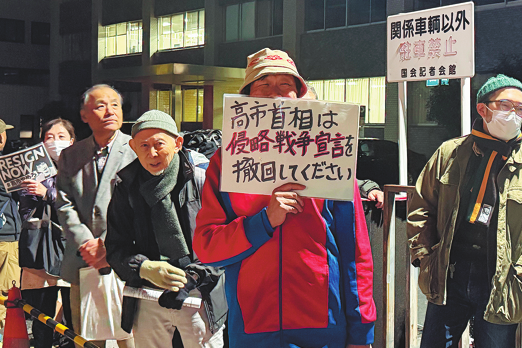
Japan urged to take practical steps to honor its commitments to China
China has urged Japan to take concrete actions to uphold its commitments to bilateral relations, emphasizing the importance of mutual trust and strategic cooperation. The call came after Japanese Prime Minister Sanae Takaichi reaffirmed her commitment to advancing China-Japan relations in a recent interview. However, her earlier remarks on Taiwan, which suggested potential intervention in the Taiwan Strait, sparked widespread condemnation in China. Foreign Ministry spokeswoman Mao Ning stressed that Japan must retract these erroneous statements and adhere to the spirit of the four political documents between the two nations to foster a stable and constructive relationship. Mao also criticized Japan’s recent moves to abandon its defense-oriented principles and accelerate rearmament, warning that a return to militarism would lead to failure. Reports indicate that Japan has eased restrictions on arms exports, including the first-ever export of domestically produced Patriot missile interceptors to the United States. Additionally, discussions within Japan’s Liberal Democratic Party about revising the country’s three non-nuclear principles and increasing defense spending have raised concerns. Mao questioned Japan’s intentions, particularly its contradictory stance on nuclear disarmament while pursuing extended deterrence and nuclear-sharing arrangements. She reiterated that any deviation from peaceful development and the postwar international order would be unacceptable to both the Chinese people and the global community.
-
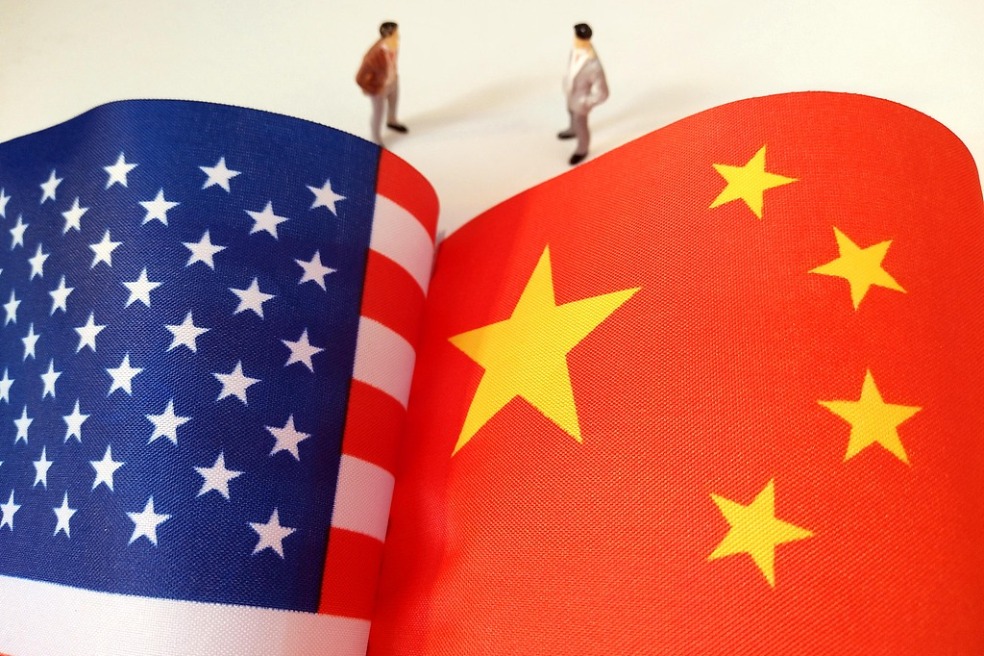
Direct dialogue on climate change stressed
Former US climate envoy John Kerry has emphasized the critical need for direct dialogue between the United States and China to address global climate change. Speaking at a Council on Foreign Relations event in New York City, Kerry highlighted the indispensable role China plays in achieving global climate goals. ‘You can’t really make anything happen if China isn’t on board,’ he stated. The discussion took place during the United Nations climate change conference in Belem, Brazil, where nearly 200 countries are working to enhance multilateral climate action, despite the US’s absence. Kerry pointed to past successes, such as the US-China joint announcement that led to the Paris Agreement in 2015, as evidence of the power of bilateral cooperation. He also noted that China’s emissions could decline sooner than expected, despite maintaining its 2030 carbon peak and 2060 carbon neutrality targets. Kerry acknowledged China’s recent coal construction but explained it as a safeguard against potential electricity shortages. Vijay Vaitheeswaran of The Economist praised China’s clean-energy expansion, calling it ‘a gift to the planet’ and highlighting the global impact of inexpensive Chinese solar, wind, and battery technologies.