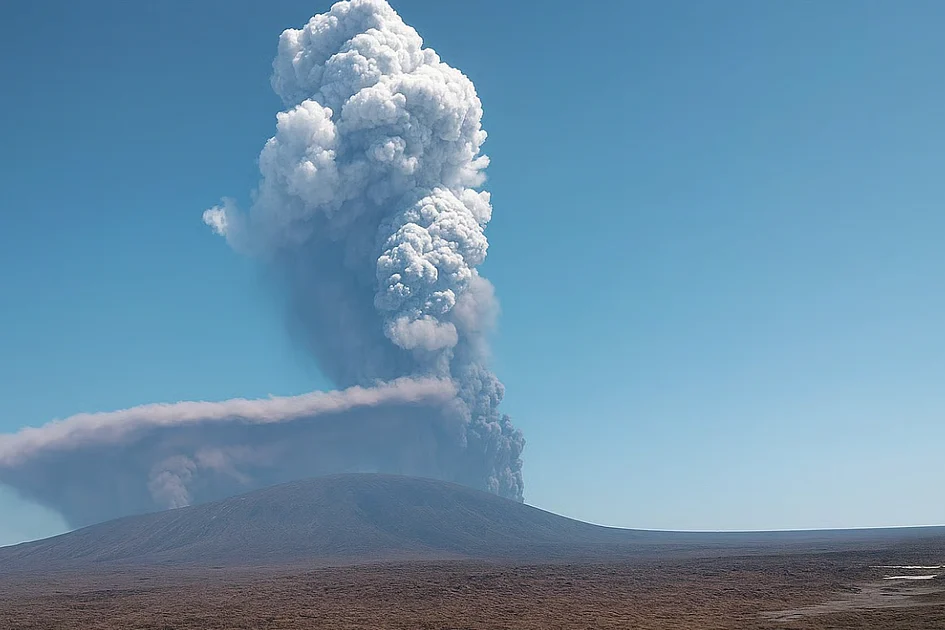
The eruption of the Hayli Gubbi volcano in Ethiopia, dormant for nearly 12,000 years, has released significant amounts of sulfur dioxide gas into the atmosphere, impacting regions across the Middle East. Shawkat Odeh, an expert from the International Astronomical Centre, shared satellite images showing the gas’s dispersion over Yemen and Oman on November 23 and 24. This phenomenon is not unprecedented; Odeh recalled a previous volcanic event that altered the sky’s color, blending blue and red hues to create a striking purple shimmer during sunset. The recent eruption has drawn attention to the far-reaching effects of volcanic activity, even in regions distant from the source. The UAE-based expert’s findings highlight the interconnectedness of global environmental events and their impact on neighboring countries.
作者: admin
-
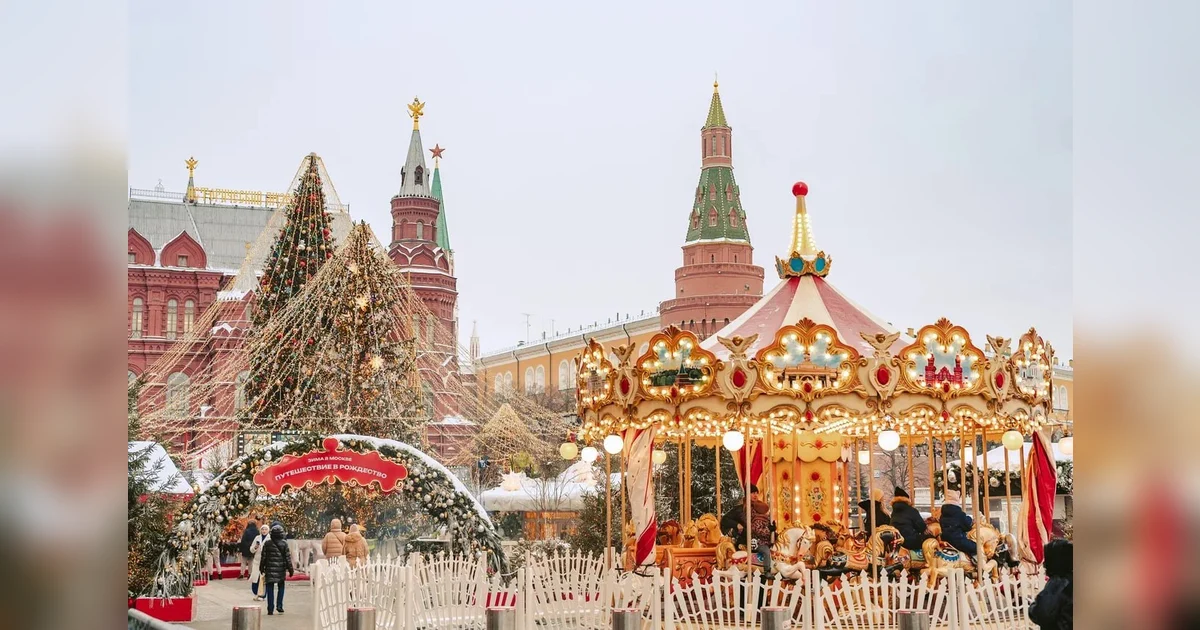
Moscow City Tourism Committee invites travellers to explore the ‘Moscow Winter Fairytale’
The Moscow City Tourism Committee has launched its ambitious seasonal initiative “Winter in Moscow,” positioning the Russian capital as a premier cold-weather destination for international travelers. This comprehensive program features over 800 events across 400 distinct venues throughout the city, creating an immersive seasonal experience that blends cultural traditions with contemporary entertainment.
Moscow’s transformation into a winter wonderland includes spectacular illuminations, Christmas markets, and the flagship “Journey to Christmas” festival featuring theatrical performances, open-air fairs, and interactive workshops where visitors can craft traditional gifts and sample authentic Russian cuisine. From the historic Red Square to the expansive Gorky Park, the city becomes a tapestry of cultural celebration and seasonal cheer.
Recreational opportunities abound with Europe’s largest ice rink at VDNH, set against architectural pavilions representing former Soviet republics. Adventure seekers can experience husky sled rides in Sokolniki Park just minutes from the city center, while families enjoy snowball games, sledding, and snowman building. Traditional Russian banyas (saunas) offer warming relaxation amidst the winter chill.
Cultural programming highlights include performances of Tchaikovsky’s “Nutcracker” ballet at the legendary Bolshoi Theatre, Olympic-caliber ice shows, and the Moscow Estates festival where historic mansions host seasonal cultural activities. According to Natalya Molochkova, head of International Cooperation at the Moscow City Tourism Committee, “Winter in Moscow combines leisure, family activities, and cultural experiences throughout the city.”
The city enhances the visitor experience with modern accommodations, halal-friendly dining options, Arabic-speaking staff, and average winter temperatures of -5°C creating manageable exploring conditions. This initiative comes as Moscow welcomes increasing winter tourism, with over 126,000 Middle Eastern visitors recorded in the first half of 2025 alone.
-
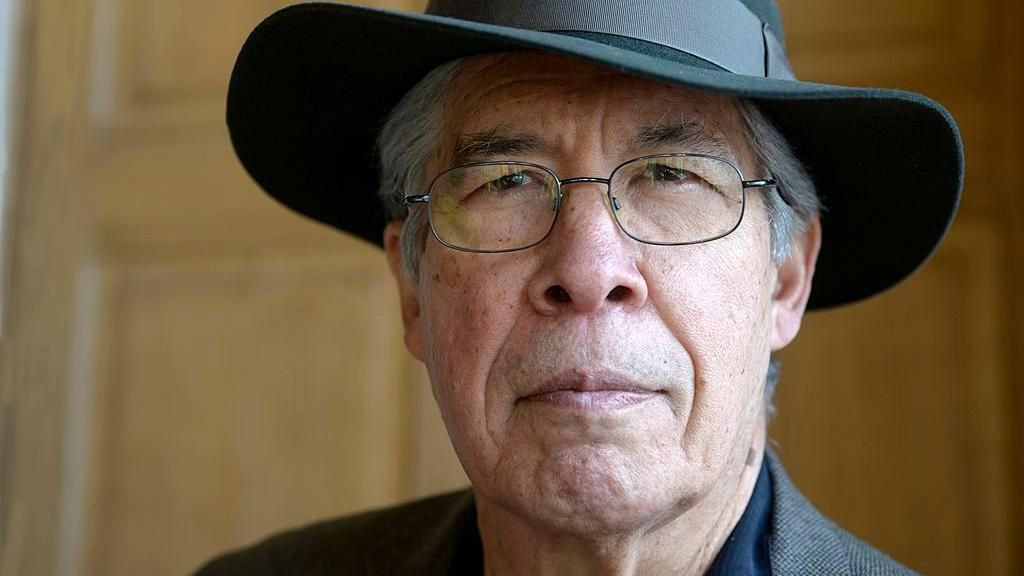
Inconvenient Indian author discovers he has no indigenous roots
Thomas King, a celebrated Canadian-American author whose literary career has been deeply intertwined with his presumed Indigenous heritage, has recently discovered that he has no Cherokee ancestry. This revelation came to light in an opinion piece published in the Globe and Mail on Monday, following a mid-November meeting with the Tribal Alliance Against Frauds (Taaf), a U.S.-based organization dedicated to exposing individuals who falsely claim Native American lineage. The 82-year-old author, known for his award-winning works such as *The Inconvenient Indian* and *Indians on Vacation*, expressed profound personal turmoil, stating, ‘I feel as though I’ve been ripped in half.’ King, who grew up believing his paternal grandfather was part Cherokee, acknowledged that he never intended to mislead anyone, operating under the sincere belief in his mixed-blood heritage. Despite rumors about his ancestry persisting over the years, he had largely ignored them until this year, when he sought to uncover their origins. A genealogist with Taaf found no evidence of Cherokee ancestry in King’s family lineage. While Taaf suggested an apology might be in order, King argued that an apology implies wrongdoing, which he does not believe applies in this case. Born in California and a resident of Canada since 1980, King has built a distinguished career as an Indigenous studies professor at the University of Lethbridge. He has announced plans to return the National Aboriginal Achievement Award he received in 2003, emphasizing that his other accolades are based on his writing, not his ethnicity.
-
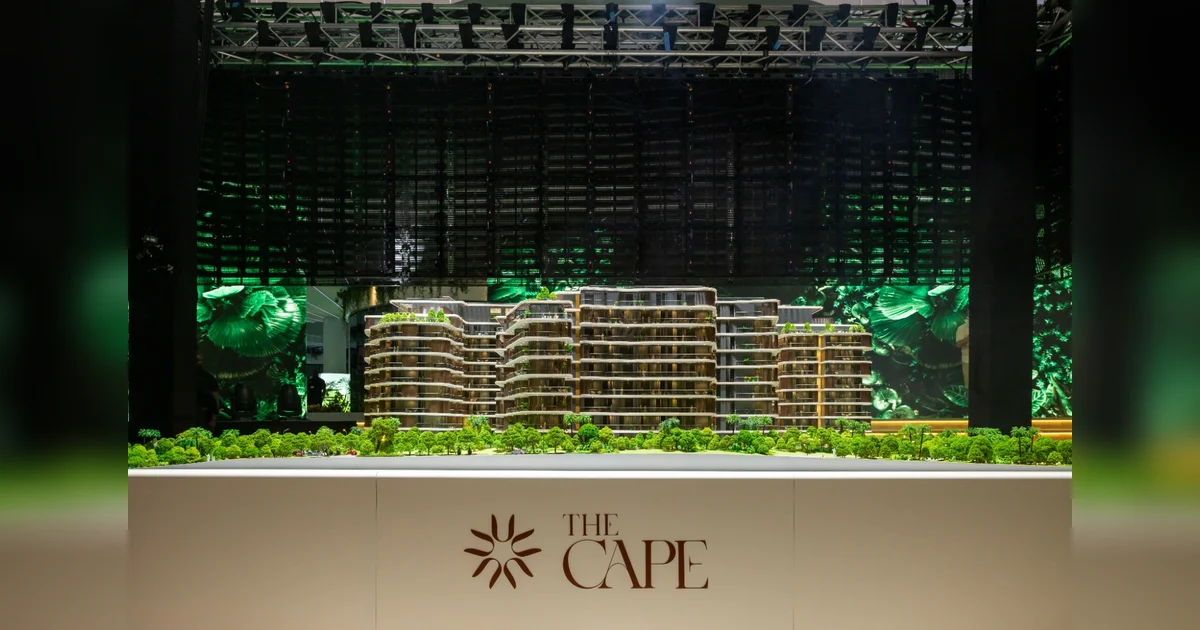
Al Barari unveils The Cape, marking a new era of inspired living
Al Barari, Dubai’s renowned nature-centric community, has unveiled its latest residential masterpiece, The Cape, marking a significant milestone in its two-decade journey of crafting harmonious living spaces. Inspired by the elegance of the Cape Jasmine flower, this development embodies intentional living, blending natural beauty, sophisticated design, and tranquility. Each residence features soft tones, organic textures, and architectural elements that seamlessly integrate light and landscape, offering a serene and timeless living experience. Nestled in Dubai’s green heart, The Cape boasts lush botanical surroundings, water features, and wellness spaces, complemented by resort-style pools, fitness facilities, co-working areas, and family zones. Every detail has been meticulously designed to foster connection, balance, and well-being. The launch event celebrated Al Barari’s evolution and its unwavering mission to enrich lives through nature-driven design. Hazza Zaal, CEO of Al Barari, reflected on the journey, emphasizing the brand’s commitment to creating sanctuaries where people can live with peace, beauty, and purpose. The Cape stands as a testament to Al Barari’s legacy, offering a rare opportunity to experience a life rooted in harmony, elegance, and authenticity. For more details, visit www.albarari.com/thecape.
-

UAE: OpenAI launches local data residency; 6 in 10 young residents use ChatGPT weekly
OpenAI has significantly bolstered its presence in the United Arab Emirates (UAE) by introducing local data residency options, a move that aligns with the nation’s growing demand for artificial intelligence (AI) solutions. This development comes as the company reports a tripling of its user base in the UAE over the past year, with 60% of residents aged 18–24 and half of those aged 25–34 using ChatGPT weekly. The new data residency feature, now available for ChatGPT Enterprise, ChatGPT Edu, and OpenAI’s API platform, enables businesses, public-sector entities, and educational institutions to store data locally, ensuring compliance with national governance and operational requirements. Farouk El Hamzawi, Head of Enterprise for OpenAI MENA, emphasized that the UAE’s AI adoption is progressing at a “remarkable pace,” driven by a clear long-term national strategy under the UAE Vision 2031 initiative. Major UAE organizations, including G42, Mubadala, Khalifa University, and NYU Abu Dhabi, are leveraging OpenAI’s technologies to enhance productivity, research, and AI-driven innovation. The launch of the data residency feature follows OpenAI’s earlier announcement of Stargate UAE, a collaborative data-center project with the UAE Government, G42, Oracle, NVIDIA, Cisco, and SoftBank, aimed at supporting the country’s AI infrastructure needs. OpenAI has assured that the feature adheres to enterprise-grade security standards, including data encryption, exclusion of customer data from model training, and customizable retention policies. This strategic expansion underscores the UAE’s position as a regional leader in AI adoption and technological advancement.
-

Same-sex marriage must be respected throughout EU, top court tells Poland
In a landmark decision, the European Court of Justice (ECJ) has ruled that Poland must recognize same-sex marriages legally conducted in other European Union member states. This judgment addresses the case of a Polish couple who married in Berlin in 2018 but faced rejection of their marriage certificate upon returning to Poland, where same-sex unions are not recognized. The ECJ emphasized that while individual EU countries retain the authority to define marriage, they must adhere to EU laws, including the recognition of marriages lawfully performed in other member states. The court highlighted that denying recognition infringes on the rights of EU citizens to freedom of movement and family life. This ruling does not compel Poland to alter its domestic marriage laws but ensures that same-sex marriages conducted abroad are acknowledged. The decision has been lauded by advocates for LGBTQ+ rights, viewing it as a pivotal step towards marriage equality in Europe. However, Poland’s conservative political landscape, including the potential veto by President Karol Nawrocki, poses challenges to the implementation of this ruling.
-
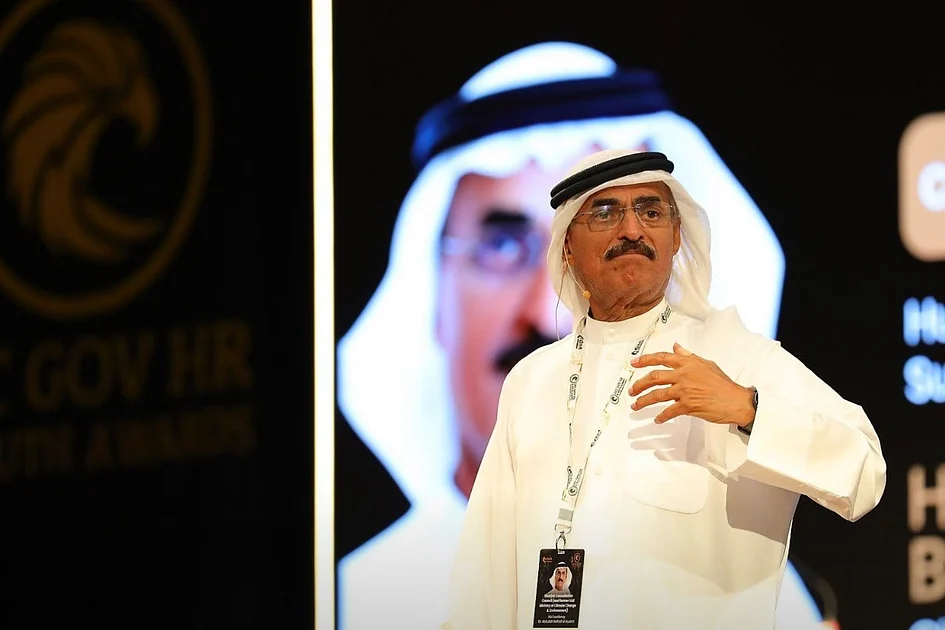
United Arab Emirates: Three Eras of Nation-Building and Community Development
The United Arab Emirates (UAE) has undergone a remarkable transformation since its founding in 1971, evolving through three distinct phases of nation-building and community development. Guided by visionary leadership, the UAE has prioritized human-centered progress, innovation, and sustainability, emerging as a global model for development. This article delves into the UAE’s journey, highlighting its unique approach to shaping infrastructure, identity, and institutional growth. The UAE’s story is one of collective consciousness, strategic vision, and a commitment to fostering resilient, inclusive communities. Phase One (1971–1980): The Union and Identity Formation The UAE’s journey began on December 2, 1971, when seven emirates united under the leadership of the late Sheikh Zayed bin Sultan Al Nahyan and his fellow rulers. This union was not merely a political agreement but a promise of a shared future, grounded in justice, solidarity, and belonging. Despite limited resources, the UAE laid the foundation for modern governance and infrastructure. Key achievements included the establishment of over 140 public schools, 15 hospitals, 43 health centers, and 1,200 kilometers of paved roads. Federal ministries for education, health, public works, and media were also founded, marking the beginning of a modern state. Phase Two (1980–2000): Infrastructure and Institutional Development As resources grew, the UAE focused on building an integrated system of infrastructure and public institutions. This phase saw the expansion of cities, the rise of ambitious projects, and the diversification of the economy. By 2000, the UAE had over 1,000 schools, 65 hospitals, and 150 health centers. National universities such as UAE University, University of Sharjah, and Zayed University became centers of learning and research. The development of airports, ports, and highways further connected remote areas to urban centers. Specialized authorities were established to enhance sustainability and public services, reflecting a shift from basic provision to institutional efficiency. Phase Three (2000–Present): Innovation and Global Leadership Today, the UAE is a global leader in innovation, sustainability, and comprehensive development. National visions like “UAE Vision 2021” and the “Centennial Plan 2071” have driven advancements in smart education, remote healthcare, and digital governance. Over 90% of public schools have adopted smart systems, and more than 70 healthcare facilities have implemented remote care platforms. The UAE is also a regional academic hub, hosting over 40 international university branches. Sustainable cities like Masdar City and “Green Neighborhoods” reflect the nation’s environmental commitment, while over 3,000 e-government services streamline public administration. Personal Reflection Dr. Abdullah Belhaif Alnuaimi, a prominent Emirati leader, reflects on the UAE’s journey, emphasizing that community development is a shared national responsibility. He highlights the evolution of public service from delivery to human development and the UAE’s holistic approach to sustainability. The UAE’s success lies in its vision, partnership, and belief in the human being as the cornerstone of progress.
-
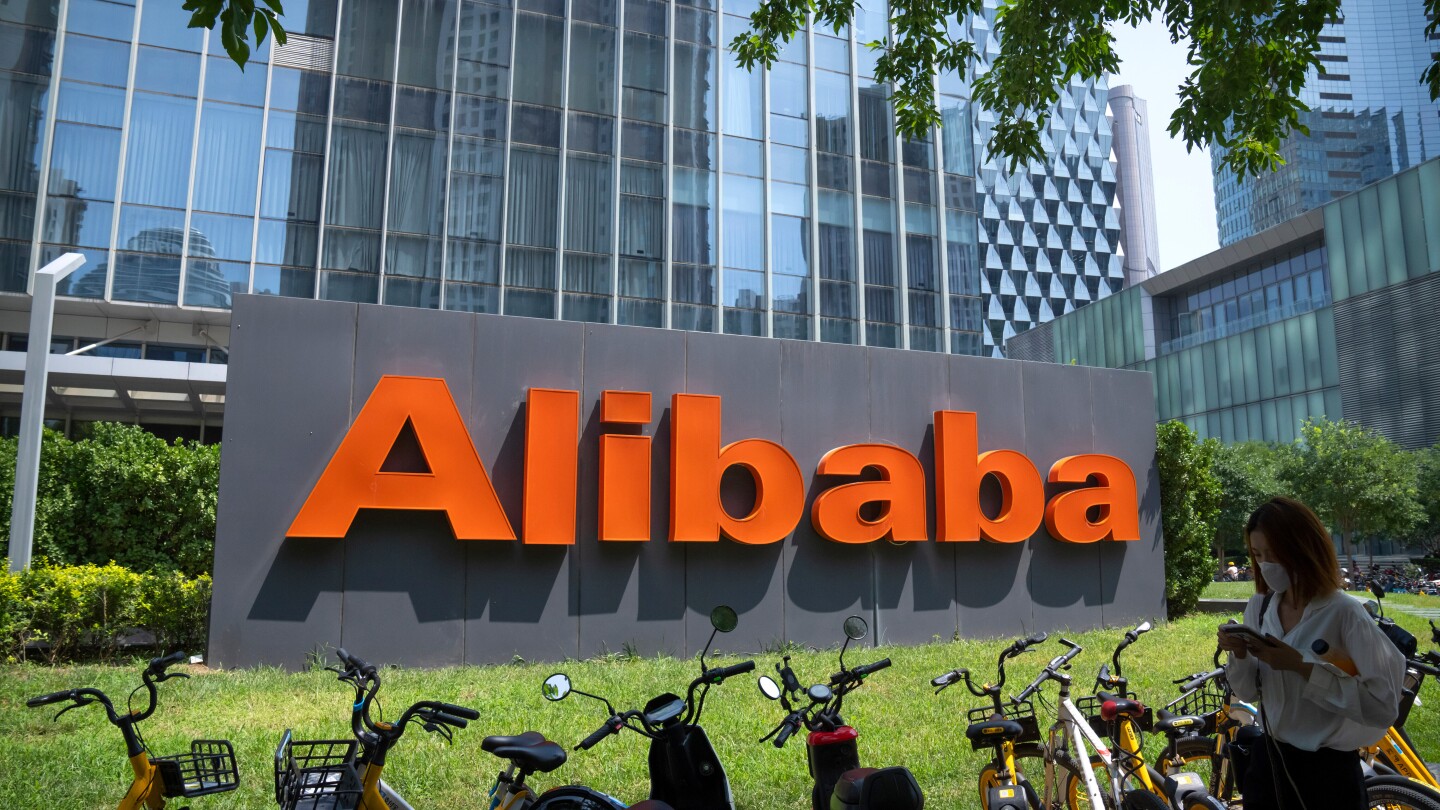
Alibaba’s cloud business revenue soars 34% driven by AI boom
Alibaba Group, the Chinese tech giant, reported a 34% surge in revenue from its cloud computing division in the July-September quarter, driven by the rapid adoption of artificial intelligence (AI) technologies. Despite this impressive growth, the company’s overall revenue for the quarter rose by a modest 5% year-on-year to 247.8 billion yuan ($35 billion), while net profit plummeted by 52%. The decline in profitability was attributed to intense price competition in China’s e-commerce and food delivery sectors, which impacted short-term earnings. Competitor JD.com also faced a similar challenge, reporting a 55% drop in net profit during the same period. Alibaba, which began as an e-commerce platform, has increasingly shifted its focus to cloud computing and AI. Earlier this year, the company committed to investing at least 380 billion yuan ($53 billion) over three years to bolster its AI and cloud infrastructure. CEO Eddie Wu highlighted that the group’s substantial investments in AI have been instrumental in driving revenue growth. The 34% increase in cloud revenue outpaced the 26% growth recorded in the previous quarter. Alibaba emphasized that demand for AI is accelerating, and it may exceed its planned investment of 380 billion yuan to meet surging market needs. The company also announced that its upgraded AI chatbot, Qwen, which competes with OpenAI’s ChatGPT, garnered 10 million downloads within a week of its public launch. Alibaba’s Hong Kong shares rose by 2% on Tuesday, and its New York Stock Exchange shares climbed 2.4% before the opening bell. Year-to-date, the company’s shares have surged over 90%, reflecting investor optimism about its AI advancements. Meanwhile, other Chinese tech giants have reported mixed results. Tencent, a rival in AI, posted a 15% year-on-year revenue increase, while Baidu saw a 7% decline. Despite growing concerns among investors about a potential AI bubble, strong earnings from Nvidia last week have somewhat alleviated these worries.
-

Man accused of driving into crowds at Liverpool soccer parade appears in court for trial
A 54-year-old man, Paul Doyle, appeared in court on Tuesday as his trial commenced for allegedly injuring more than 100 Liverpool soccer fans by driving his vehicle into a crowd celebrating their team’s Premier League victory. The incident occurred on May 26 when a Ford minivan ploughed into a street filled with jubilant fans. Over 130 individuals reported injuries, including several children. Authorities have stated that the driver acted alone and that terrorism is not suspected, although the motive remains undisclosed. Doyle faces 31 charges, including dangerous driving and causing or attempting to cause grievous bodily harm with intent, which could result in a life sentence if convicted. Dressed in a suit and tie, Doyle wept as potential jurors were selected in a packed courtroom. Twelve jurors were sworn in, and the trial, expected to last three to four weeks, will proceed with the prosecution’s opening statement on Wednesday.
-
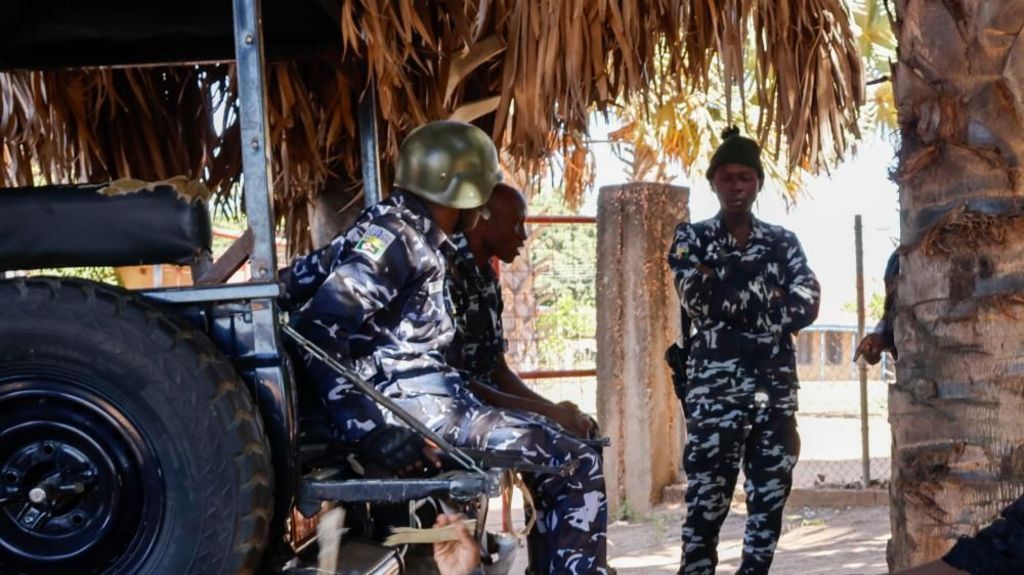
Catholic bishop hits out at Nigeria’s failure to rescue abducted schoolchildren
Nigeria is facing a deepening security crisis as the government faces accusations of inaction following the abduction of over 250 children from a Catholic boarding school in Niger state. Bishop Bulus Dauwa Yohanna, the region’s leading Catholic cleric, criticized the government for making “no meaningful effort” to rescue the students. However, Niger state’s police chief, Adamu Abdullahi Elleman, countered these claims, alleging that the school had failed to cooperate with search and rescue operations. The abductions, attributed to criminal gangs seeking ransom, highlight the widespread insecurity plaguing the country. This incident is the third mass kidnapping in Nigeria within a week, following the abduction of 20 Muslim schoolgirls in Kebbi state and an attack on a church in Kwara state that left two dead and dozens abducted. President Bola Tinubu canceled his attendance at the G20 summit in South Africa to address the crisis, announcing the rescue of 38 worshippers in Kwara state. Meanwhile, the US has threatened military intervention if Nigeria fails to protect its Christian population, with US Secretary of War Pete Hegseth meeting Nigeria’s National Security Adviser to discuss counterterrorism efforts. The Nigerian government denies allegations of religious persecution, attributing the violence to criminality, extremism, and land disputes. Amid the turmoil, many boarding schools have closed, and authorities in Lagos are enhancing security at schools and places of worship.