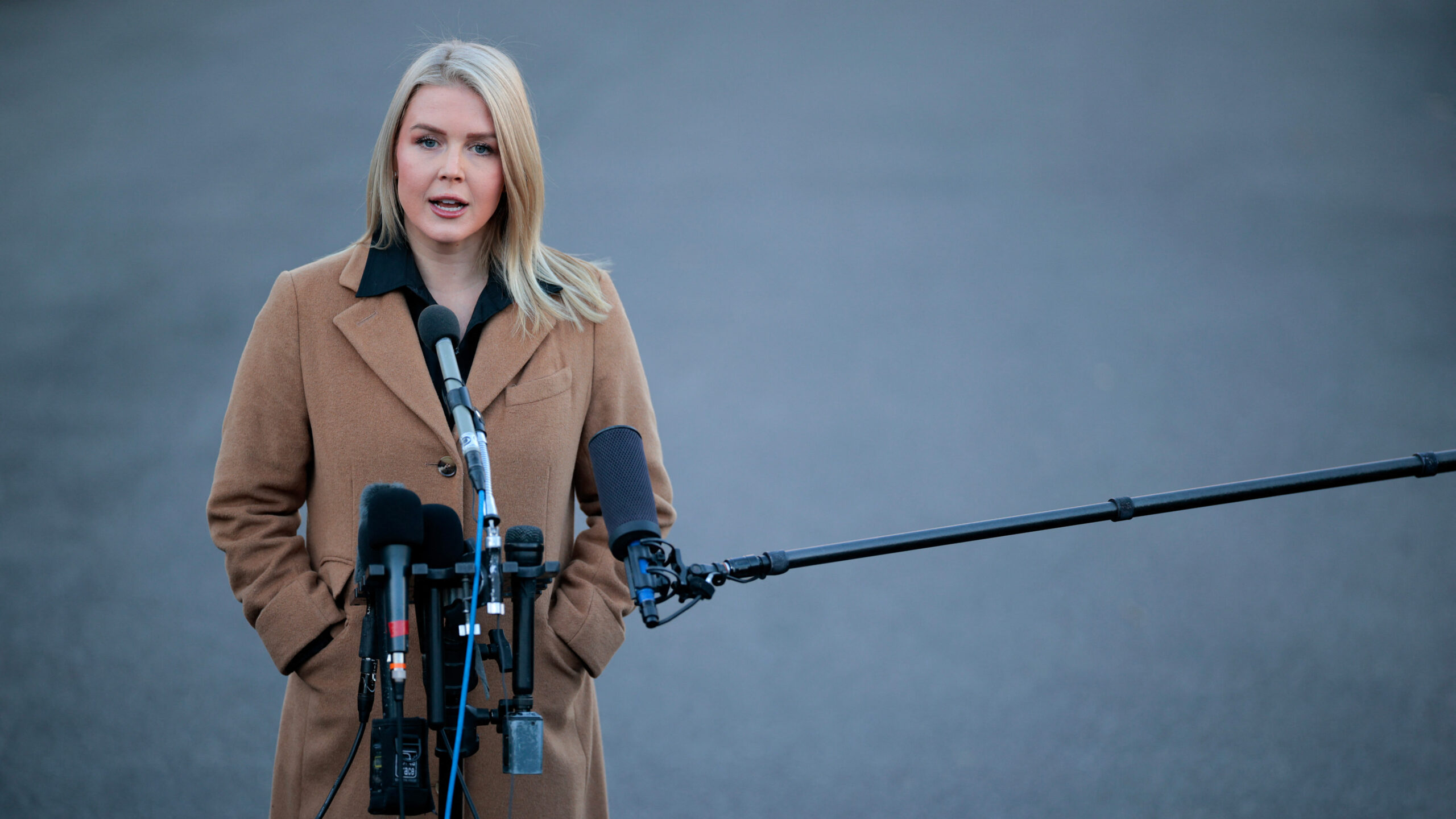
Immigration and Customs Enforcement (ICE) has detained Bruna Ferreira, the mother of White House press secretary Karoline Leavitt’s nephew, according to multiple media reports. The 33-year-old Brazilian national was taken into custody in Revere, Massachusetts, earlier this month and is currently held at an ICE facility in Louisiana. The exact date of her detention remains unclear, though initial reports suggest it occurred in early November. Ferreira was initially transferred to a women’s prison in Vermont before being moved to South Louisiana. She is now facing removal proceedings due to allegations that her family overstayed a tourist visa that expired in 1999, as confirmed by Department of Homeland Security spokeswoman Tricia McLaughlin. Ferreira, who arrived in the U.S. as a child in 1998, has an 11-year-old son with Michael Leavitt, Karoline’s brother. The couple was engaged in 2014 but later separated, and they currently share custody of the child. Ferreira’s sister, Graziela Dos Santos Rodrigues, revealed that Ferreira was detained while en route to pick up her son from school in New Hampshire. Ferreira had previously benefited from the Deferred Action for Childhood Arrivals (DACA) program, which provides temporary protection from deportation and work authorization, but was unable to renew her legal status. Her attorneys are reportedly seeking permanent residence for her. Karoline Leavitt, a prominent advocate of the Trump administration’s stringent immigration policies, has not publicly commented on the matter. Dos Santos Rodrigues expressed disappointment, stating that Leavitt has not reached out to offer assistance, despite their familial ties. She also criticized suggestions from Michael Leavitt and his father that Ferreira should self-deport, emphasizing that Brazil is not her home. The Department of Homeland Security has yet to respond to requests for comment.
作者: admin
-
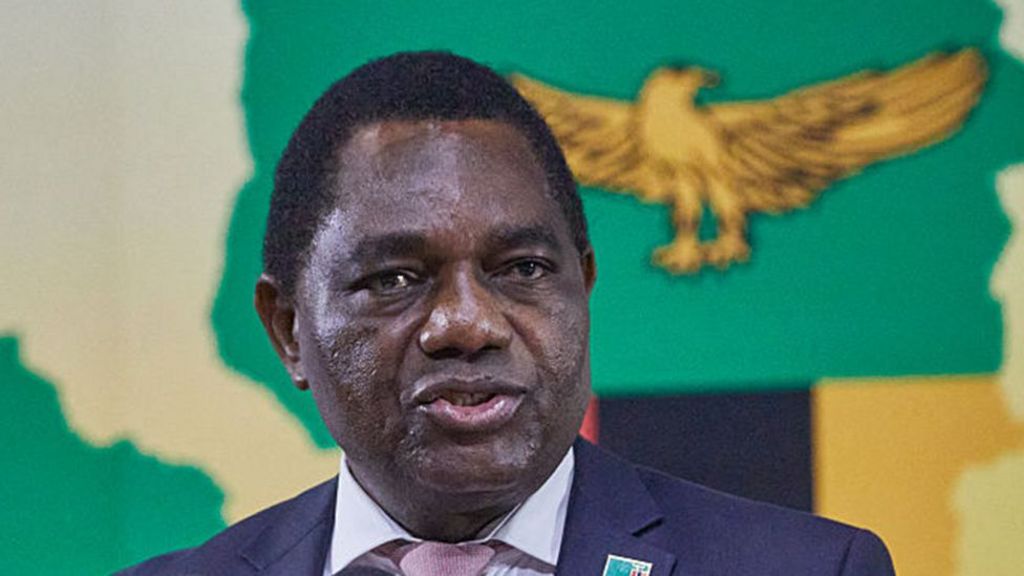
Stone-hurling anger unnerves Zambia’s ‘fix-it’ president
Zambian President Hakainde Hichilema is navigating a turbulent political landscape as he approaches the 2026 elections, facing both public discontent and criticism from opposition leaders. Recent incidents, including an attack by stone-throwers during a rally in the Copperbelt province, have highlighted the growing frustration among Zambians. Despite his administration’s efforts to stabilize the economy and address the nation’s debt crisis, many citizens feel disconnected from his leadership. Hichilema, in his first press conference in 18 months, defended his record, emphasizing achievements in debt renegotiation, inflation reduction, and attracting foreign investment. However, challenges such as persistent power shortages, high living costs, and unemployment continue to overshadow these successes. Critics, including opposition candidate Simon Mwila and academic Sishuwa Sishuwa, accuse Hichilema of abandoning his democratic principles and adopting oppressive measures, such as the controversial Cybersecurity Law. Hichilema has also faced backlash for supporting a constitutional review process that critics argue contradicts his previous stance. As the election looms, the president has called for patience, asserting that long-term investments and development programs require time to yield results. However, the recent unrest suggests that public patience may be wearing thin.
-
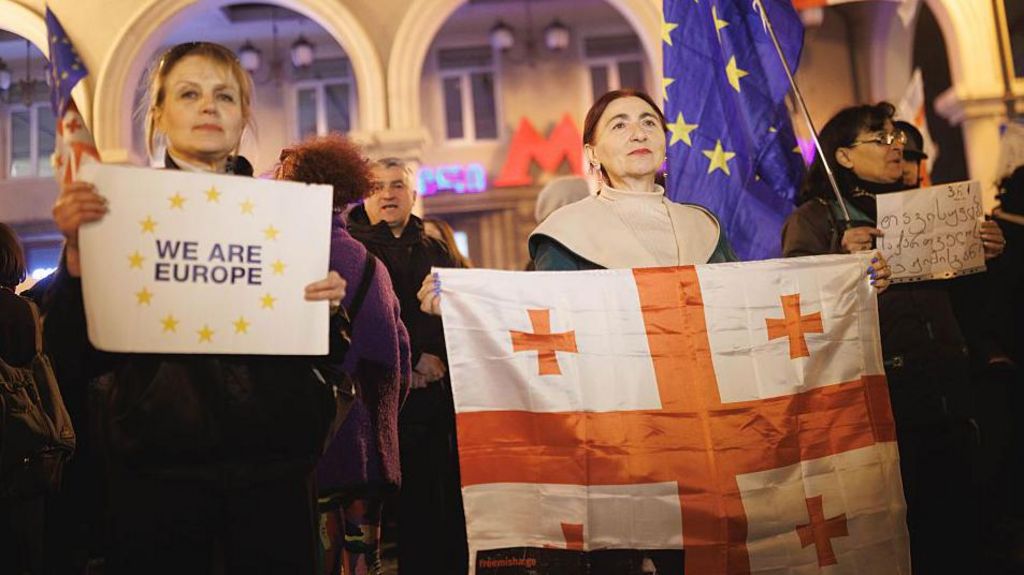
Georgia’s pro-EU protesters defiant year after accession process was halted
For over a year, Georgia has been gripped by nightly protests as citizens rally against the government’s perceived shift away from European integration and democratic values. The demonstrations, which began in November 2024 after Prime Minister Irakli Kobakhidze announced a four-year pause in EU accession efforts, have evolved into a protracted battle between protesters and authorities. Despite violent police crackdowns, heavy fines, and new laws imposing severe penalties for blocking roads, the movement persists, driven by a deep-seated fear of returning to Russia’s sphere of influence. Protesters like Giorgi Arabuli, who lived through the tumultuous 1990s, see the struggle as a fight for Georgia’s future. The government, led by the Georgian Dream party, has faced accusations of authoritarianism, with critics pointing to legislation mirroring Russian laws, the imprisonment of opposition figures, and restrictive measures targeting civil society and media. The EU’s recent assessment of Georgia as a candidate ‘in name only’ has further fueled discontent. Amidst this turmoil, Georgia’s democratic decline has intensified, with sweeping education reforms and increasing hostility toward Western critics. The protests, though smaller, continue to symbolize a resilient hope for a European future.
-
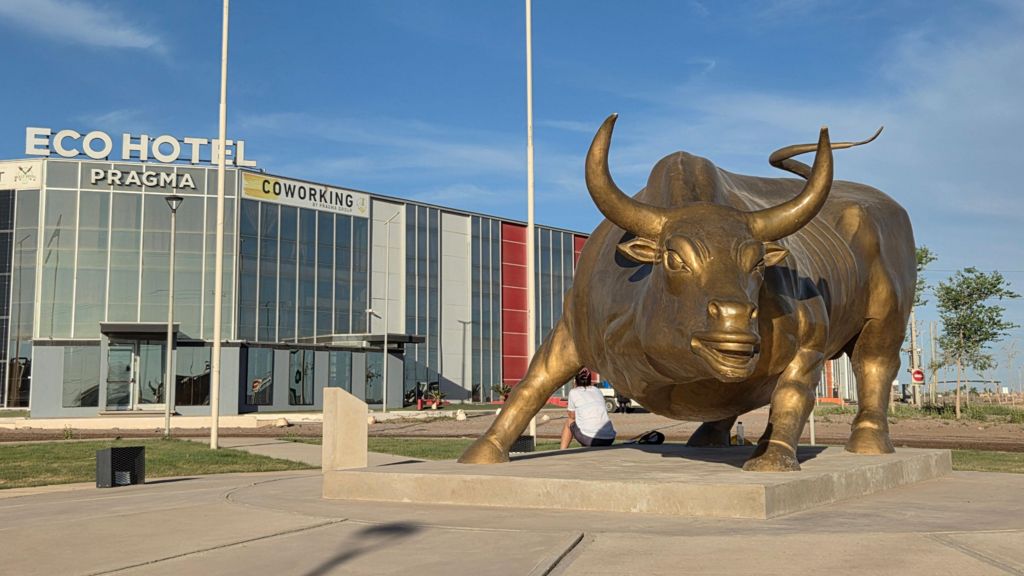
Fracking has transformed an Argentine town but what about the nation?
The once-sleepy town of Añelo, located 1,000 kilometers southwest of Buenos Aires, has undergone a dramatic transformation over the past decade. Once a remote settlement with no mains water, gas, or reliable electricity, Añelo has become a bustling hub of economic activity, thanks to the fracking boom in the surrounding Vaca Muerta region. This geological formation, rich in oil and gas, spans 30,000 square kilometers and has become the cornerstone of Argentina’s energy sector. Since fracking was legalized in 2014, Añelo’s population has surged by over 60%, from 10,788 in 2010 to 17,893 in 2022. The town now sees an influx of 15,000 workers daily, with roads bustling with oil tankers and commercial vehicles. Mechanic Fabio Javier Jiménez, who moved his family-owned tyre repair shop to Añelo, has witnessed this growth firsthand. From servicing two vehicles a day, his business now handles 20 daily, prompting him to open a second branch. Vaca Muerta, first discovered in 1931, has become Argentina’s largest oil and gas producer, accounting for over half of the country’s output. The region’s low extraction costs, compared to older, conventional deposits, have made it a key driver of Argentina’s energy self-sufficiency and export earnings. However, challenges remain. Critics argue that insufficient infrastructure, strict currency controls, and Argentina’s poor credit rating are hindering Vaca Muerta’s full potential. Despite these obstacles, the region enjoys broad political support, with all major parties backing its expansion. Yet, environmental concerns persist, with activists like Fernando Cabrera of Observatorio Petrolero Sur lamenting the lack of public debate on the ecological impact of fracking. While Añelo’s growth symbolizes Argentina’s energy renaissance, experts caution that Vaca Muerta alone cannot solve the country’s deep-rooted economic issues, including high inflation and public debt.
-
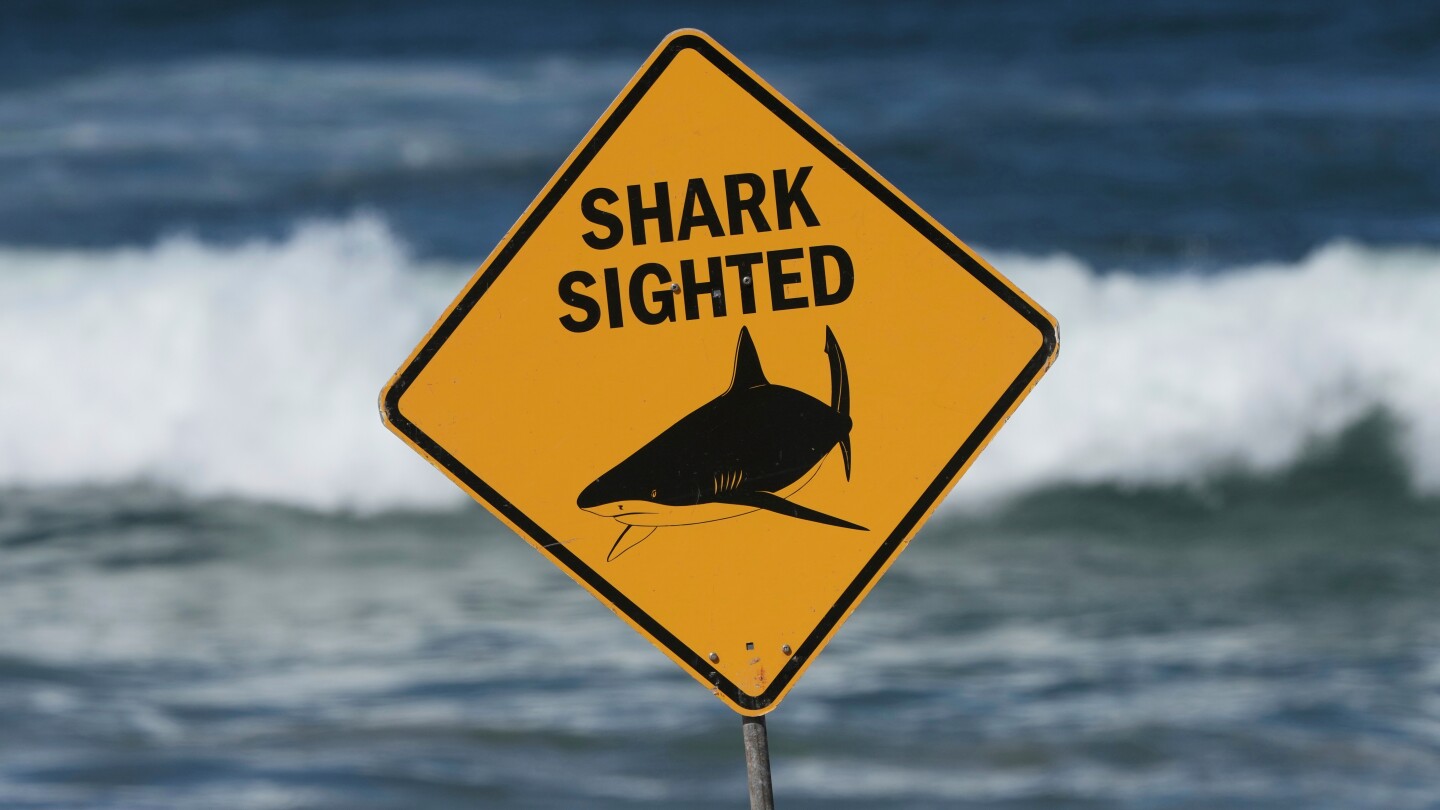
Shark attack in Australia leaves woman dead, man critically injured
A tragic shark attack occurred off the east coast of Australia on Thursday, resulting in the death of a woman and severe injuries to a man, according to police reports. The incident took place at Crowdy Bay, located 360 kilometers (224 miles) north of Sydney, at approximately 6:30 a.m. Emergency services were swiftly dispatched to the scene after receiving reports of the attack. Witnesses provided immediate assistance to the victims before paramedics arrived. Despite their efforts, the woman succumbed to her injuries at the scene. The man, who sustained critical injuries, was airlifted by helicopter to a nearby hospital for urgent medical attention. Authorities have not yet disclosed specific details about the circumstances surrounding the attack. Police have announced plans to collaborate with marine experts to identify the species of shark involved. Following the incident, the beach within Crowdy Bay National Park was closed to swimmers as a precautionary measure. The park is renowned for its beach camping, fishing spots, and hiking trails. This incident follows a similar tragedy in September, when a man in his 50s was fatally attacked by a shark off Sydney’s Long Reef Beach, with sections of his surfboard recovered from the scene.
-
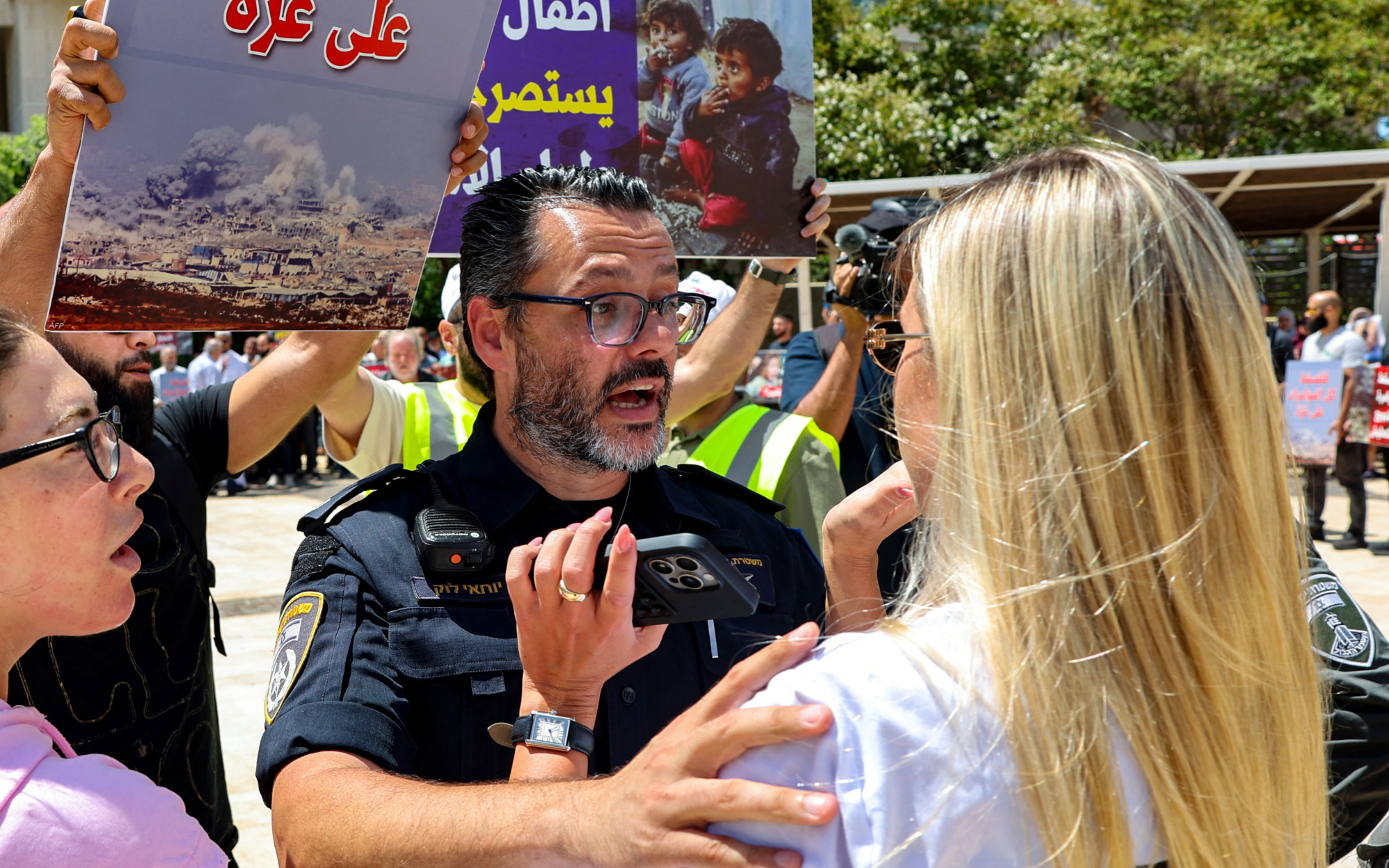
Israel passed 30 laws ‘deepening apartheid’ since 7 October, legal centre says
Since October 2023, Israel has enacted over 30 laws that deepen systemic apartheid and repression against Palestinians, according to a new report by the legal center Adalah. These laws, passed between October 7, 2023, and July 27, 2025, target a wide range of political and civil rights, including freedom of expression, protest, citizenship, family life, equality, and the rights of detainees and prisoners. Adalah asserts that these measures fundamentally violate Palestinian human rights. The report highlights several legislative trends, including the expanded use of counterterrorism laws, which are disproportionately applied to Palestinian citizens of Israel and residents of occupied East Jerusalem. The vague definitions of ‘terrorist act’ and ‘terror organisation’ in the 2016 Counter-Terrorism Law have become tools to suppress Palestinian freedom of expression. Another trend involves channeling state resources to Jewish Israeli reservists, explicitly excluding Palestinian citizens from benefits such as tax relief, welfare, higher education, and employment support. The report also notes the institutionalization of temporary emergency measures, which have been repeatedly renewed or made permanent, enabling widespread violations of detainees’ rights and punitive conditions for Palestinian prisoners. Adalah links these laws to Israel’s constitutional framework, which prioritizes ‘Jewish ethno-national supremacy,’ as reflected in the 2018 ‘Nation State’ Basic Law. The government’s guiding principles, adopted in December 2022, assert exclusive Jewish rights over all areas between the Mediterranean Sea and the Jordan River. The report examines five key themes: denial of freedom of expression, thought, criticism, and protest; denial of citizenship, family life, and community ties; systematic denial of fair trial guarantees and assaults on prisoners’ rights; denial of social rights and deepening inequalities in resource allocation; and the termination of UNRWA operations in occupied Palestine. Laws criminalize the consumption of media produced by designated ‘terrorist organizations,’ ban statements denying the events of October 7, 2023, and allow the education ministry to dismiss teachers and defund schools for alleged support of terrorism. Foreign nationals can be barred from entering Israel for critical speech or appeals to international courts, and critical media broadcasts may be restricted on claims of ‘harm to state security.’ Palestinian lawyer Amal Orabi argues that these laws aim to ‘silence and suppress’ Palestinian citizens of Israel, preventing them from participating in global discourse or exposing violations. Adalah has documented a total of 100 discriminatory laws, which criminalize political expression, authorize deportations of Palestinian families, block family unification, permit the dismissal of Palestinian teachers, revoke social welfare benefits for families of children convicted of ‘security offences,’ expand detention powers, restrict access to legal counsel, and close independent media outlets. Miriam Azem, Adalah’s international advocacy coordinator, states that these laws ‘overwhelmingly and systematically’ target Palestinians, using counterterrorism and security frameworks as a proxy. She notes that the legislative campaign against Palestinians shows no signs of slowing, with multiple bills advanced in the current parliamentary session, including the death penalty bill and the extension of the offence of consuming ‘terrorist publications.’
-
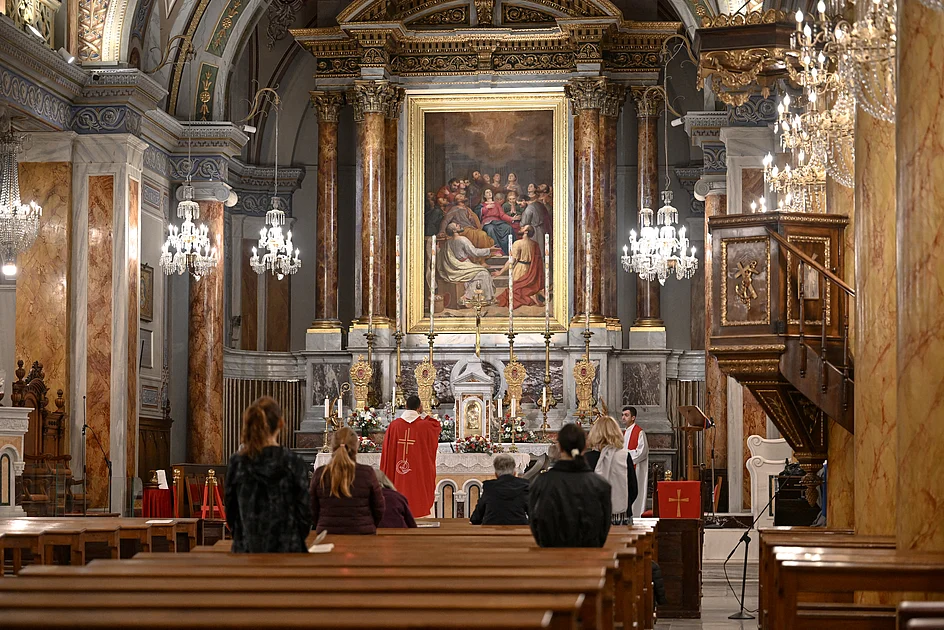
Lebanese living abroad seek hope as they return for pope visit
Pope Leo XIV’s upcoming three-day visit to Lebanon has ignited a wave of hope among Lebanese citizens, both at home and abroad, as the nation grapples with persistent crises and conflict. The pontiff, who will arrive in Beirut on Sunday after a stop in Turkey, is set to lead an open-air mass at the city’s waterfront, expected to attract 120,000 attendees. The visit also includes a special meeting with young people aged 16 to 35 in Bkerke, the seat of Lebanon’s Maronite Church. For many, the papal visit symbolizes a beacon of reassurance and unity for a country battered by economic collapse, political instability, and ongoing regional tensions. Rachelle Mazraani, a 23-year-old Lebanese-Australian, expressed her optimism, stating that the visit reminds the Lebanese of their enduring spiritual identity and mission in the region. Lebanon, a multi-confessional nation with a Christian head of state, has seen its Christian population dwindle due to emigration and crises. The pope’s message of peace and interfaith dialogue is particularly poignant as the country faces regular Israeli strikes and fears of renewed conflict. Billboards across Lebanon featuring the pope with the slogan ‘Blessed are the peacemakers’ reflect the nation’s yearning for stability. The visit has also drawn significant international attention, with delegations from countries like Syria and Nigeria participating in the youth meeting. For many, the event represents a historic moment to inspire unity and rebuild a fractured nation. Lebanon has declared a two-day official holiday to encourage public participation, while hotels are offering special deals to accommodate visitors. Despite the challenges, the pope’s visit is seen as a catalyst for hope and renewal in a region grappling with turmoil.
-
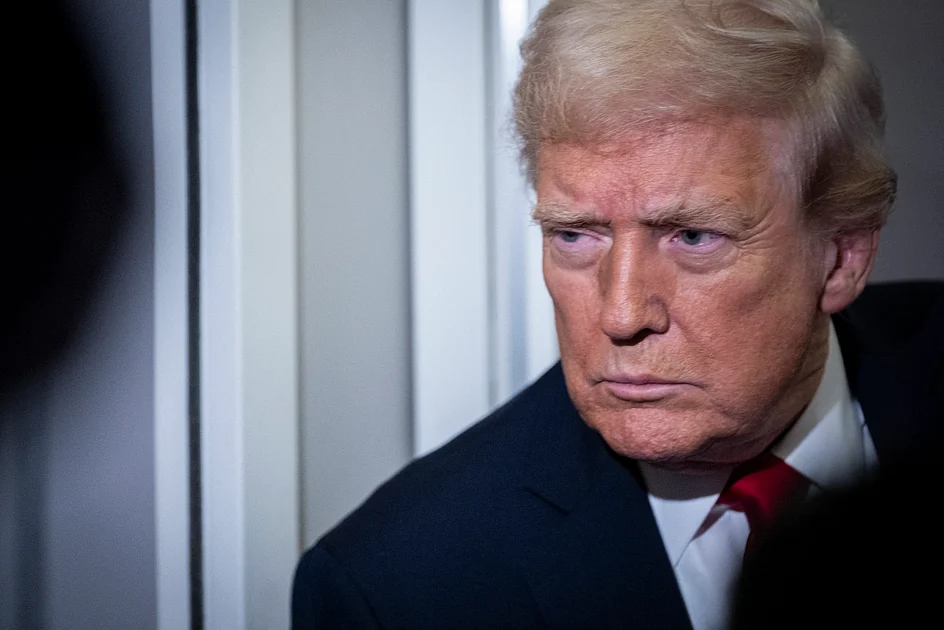
Trump rages at report that he is increasingly frail
US President Donald Trump has vehemently criticized a New York Times article that highlighted his age and apparent signs of fatigue, labeling the publication as an ‘enemy of the people’ and personally attacking the female author of the report. In a lengthy post on his Truth Social platform, the 79-year-old Republican leader dismissed the claims, asserting that he is in peak physical and cognitive condition. Trump emphasized his recent ‘perfect physical exam’ and a cognitive test he claims to have ‘aced,’ while also listing his accomplishments, including last year’s election victory and a robust US stock market. Despite his vigorous defense, the Times report noted a reduction in Trump’s public events and domestic travel compared to his first term, alongside instances where he appeared to fall asleep during official duties. The article also raised questions about his health, citing an October MRI scan and visible physical ailments. Trump’s aggressive response included derogatory remarks about the reporter, continuing a pattern of personal attacks on journalists. The Times stood by its reporting, stating that its coverage is based on factual, firsthand reporting and will not be deterred by intimidation tactics.
-
Two National Guard members in critical condition after shooting near White House
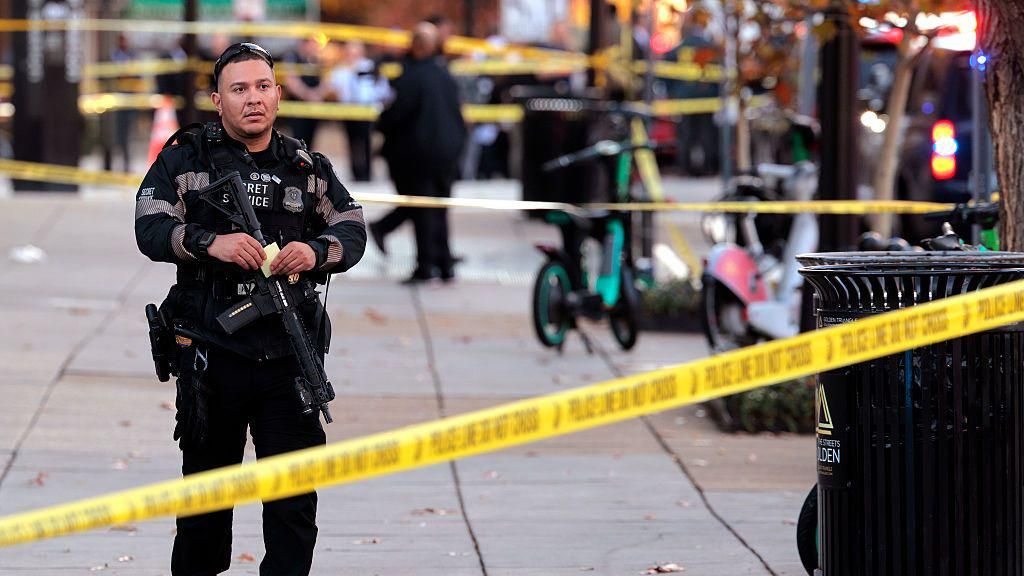
In a shocking incident that unfolded near the White House, two National Guard members were critically injured in what authorities have described as a targeted shooting. The attack occurred less than two blocks from the presidential residence on Wednesday afternoon, prompting a temporary lockdown of the White House and a halt to flights at Ronald Reagan Washington National Airport. The suspect, who was subdued by nearby National Guard troops, opened fire near the Farragut Square Metro Station, a bustling area frequented by office workers during lunch hours. The motive and identity of the assailant remain unclear. President Donald Trump, who was in Florida at the time, condemned the attack on Truth Social, vowing that the perpetrator would face severe consequences. The incident has reignited debates over the deployment of National Guard troops in Democratic-led cities, a move that has faced legal challenges. The FBI is leading the investigation, with Director Kash Patel labeling the assault as a ‘brazen act of violence.’ The injured soldiers, both from West Virginia, are currently hospitalized, and conflicting reports have emerged about their condition. The attack has drawn widespread condemnation, with Vice-President JD Vance urging prayers for the victims. Defense Secretary Pete Hegseth announced the deployment of an additional 500 National Guard members to Washington DC in response to the incident. The National Guard, a reservist force with limited law enforcement powers, was initially deployed to the capital in August to address rising crime rates. While crime statistics have shown a decline since their arrival, the extent of their impact remains uncertain. The intersection where the shooting occurred was flooded with police and security personnel, and eyewitnesses recounted scenes of panic as people sought shelter. The incident underscores the ongoing challenges of gun violence in the United States, particularly in urban centers.
-
Watch: How the shooting of two National Guard members unfolded
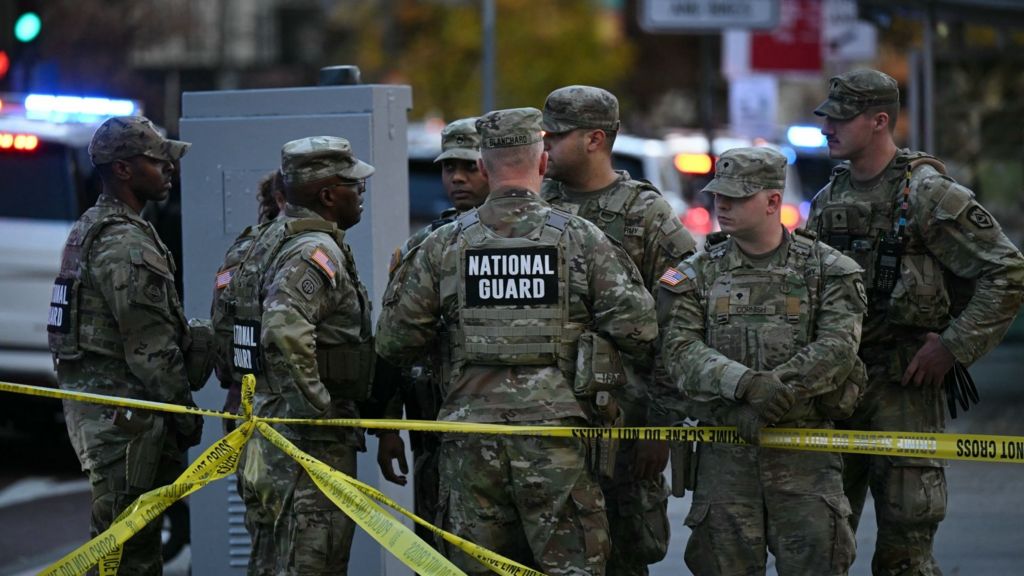
In a shocking incident near the White House in Washington D.C., two National Guard members were critically injured in a shooting. The attack occurred just blocks away from the presidential residence, raising immediate concerns about security in the nation’s capital. Authorities are currently investigating the circumstances surrounding the assault, which has left the two soldiers fighting for their lives. The proximity of the incident to such a high-profile location has prompted heightened vigilance and calls for a thorough review of safety protocols in the area. The community and officials alike are awaiting further details as the investigation unfolds.