作者: admin

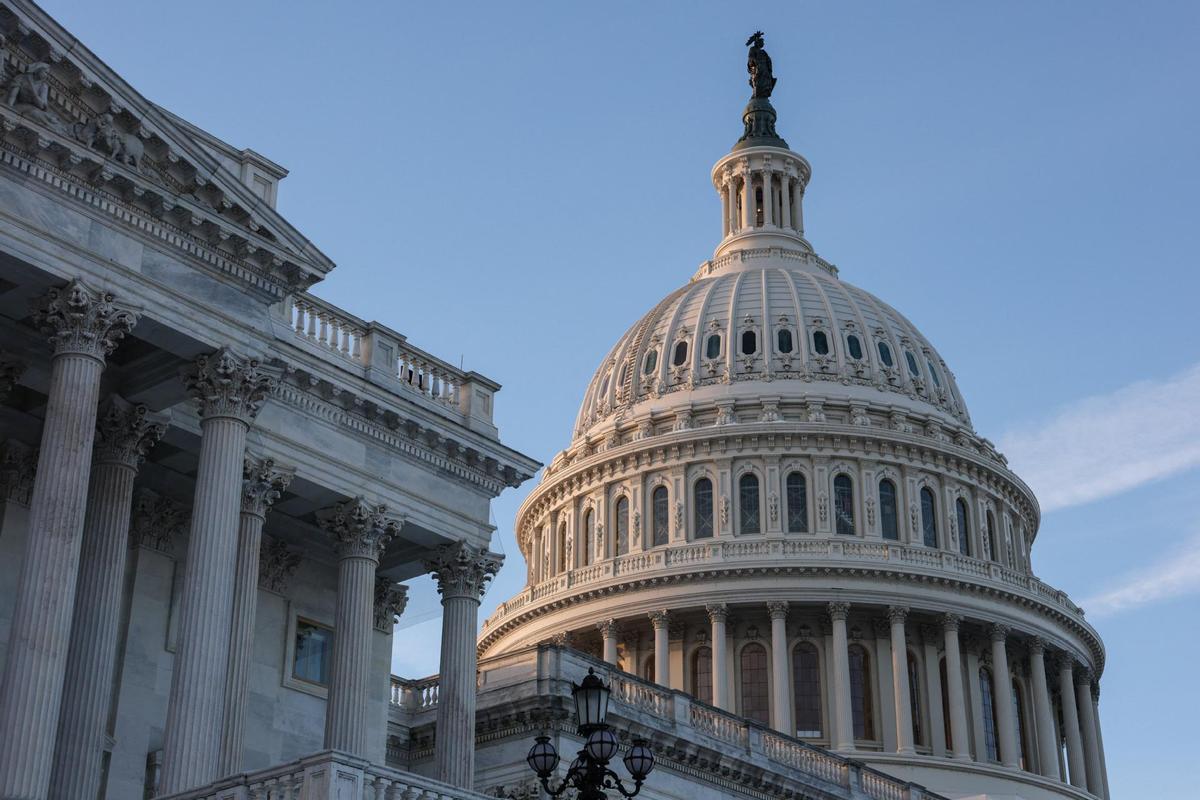
  • US Senate approves government funding deal

    US Senate approves government funding deal

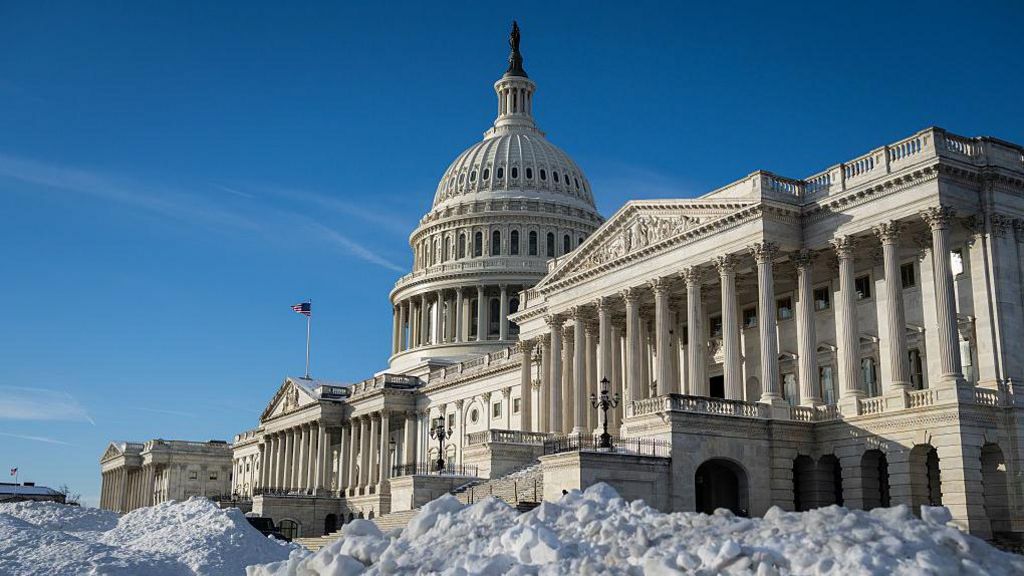
    WASHINGTON — In a critical legislative maneuver, the United States Senate ratified a provisional government funding measure late Friday, narrowly averting a complete federal shutdown. The eleventh-hour approval came mere hours before existing budgetary allocations were scheduled to terminate at midnight.

    Despite this congressional action, a temporary interruption in government financing remains probable due to procedural constraints. The House of Representatives currently stands in recess until Monday, creating an unavoidable gap between the Senate’s passage and the lower chamber’s opportunity to consider the legislation.

    This funding package represents a bipartisan compromise reached after intensive negotiations between Senate Democratic leadership and the White House. The arrangement ensures continued operation of federal agencies and services while legislators work toward a more comprehensive budgetary solution.

    The Senate’s decisive action prevents what would have been the fourth partial government shutdown in the past decade, maintaining essential services and preventing furloughs for hundreds of thousands of federal employees. However, the delayed House consideration means technical funding lapses may still affect some governmental operations over the weekend.

    This legislative development occurs against a backdrop of heightened political tensions regarding fiscal policy and government spending priorities. The successful Senate vote demonstrates the current administration’s ability to navigate complex legislative challenges despite a divided Congress.

  • Ukrainians brace for -20C despite energy truce: ‘It will be a catastrophe’

    Ukrainians brace for -20C despite energy truce: ‘It will be a catastrophe’

    As Eastern Europe braces for historically low temperatures, Ukrainian civilians face a dire humanitarian crisis caused by targeted Russian attacks on energy infrastructure. Yulia Hailunas, a resident of Dnipro, exemplifies the struggle as she endures subzero conditions inside her own apartment, clad in thermal layers and using makeshift heating methods like hot water pans and exercise to combat the cold.

    The situation threatens to worsen dramatically with forecasts predicting temperatures plunging below -20°C this weekend. “That’s what’s really scary,” Yulia expresses, “because all the heating pipes will burst and we won’t be able to repair them again. It will be a catastrophe.”

    This crisis unfolds against the backdrop of a questionable diplomatic development. Former US President Donald Trump announced that Vladimir Putin had agreed to a temporary halt in attacks on Ukraine’s major cities during the extreme cold snap. The Kremlin subsequently clarified that this purported goodwill gesture would expire on Sunday, coinciding with the anticipated coldest weather.

    Meanwhile, the conflict continues unabated in other regions. On Friday, shelling in Kherson killed one person and injured several others, while drone attacks persist across the country. Along the eastern frontline, fighting remains intense, forcing continued civilian evacuations.

    At a displacement center in Pavlohrad, approximately 40 miles from the front, families arrive dazed and uncertain about their future. Kateryna, who fled Vasylkivka with her two young children, described the emotional toll: “It’s like abandoning a piece of yourself.” Her mother Iryna detailed the increasing violence: “Our village wasn’t touched at first, but now it’s a total combat zone. The drones are hitting every day.”

    The energy grid attacks represent a clear violation of the Geneva Convention, which prohibits infrastructure attacks causing excessive harm to civilians. Ukraine’s heating system, targeted for four consecutive winters, grows increasingly fragile with each assault. Engineers from various sectors, including the national rail company, work tirelessly to restore electricity and repair damaged heating pipes beneath apartment complexes.

    While Ukraine has reciprocated by halting strikes on Russian oil infrastructure as a goodwill gesture in peace talks, Russian officials have actively dampened expectations of any imminent agreement. With another round of negotiations scheduled in the United Arab Emirates, civilians like Iryna remain skeptical: “Of course we are following the talks, we want some stability. But how can we trust Russia not to stab us in the back?”

    From the darkness and cold of their damaged homes, many Ukrainians perceive Moscow’s diplomatic gestures as mere manipulation tactics rather than genuine steps toward peace.

  • Fishing ban revives Yangtze finless porpoises

    Fishing ban revives Yangtze finless porpoises

    China’s landmark fishing moratorium on the Yangtze River has yielded remarkable ecological dividends, with the endangered finless porpoise population surging to 1,426 individuals according to the 2025 census data released by the Ministry of Agriculture and Rural Affairs. This represents a significant increase of 177 porpoises since the last survey in 2022, demonstrating the effectiveness of conservation measures implemented since the ten-year fishing ban commenced in 2021.

    The Yangtze finless porpoise, China’s only freshwater cetacean and a national first-class protected species, had experienced catastrophic decline from approximately 2,700 individuals in the early 1990s to a mere 1,012 by 2017 due to anthropogenic pressures. Vice-Minister Zhang Zhili characterized the species’ recovery as “reflecting the overall improvement of biodiversity in the river basin and the gradual restoration of ecological vitality in our mother river.”

    Complementing wild population recovery, China has established a comprehensive conservation network comprising five protected zones housing over 150 relocated porpoises, with more than 10 calves born annually. Scientific breakthroughs include the establishment of a freshwater cetatean sperm bank by researchers from the Chinese Academy of Sciences’ Institute of Hydrobiology, providing crucial technical support for breeding programs.

    Despite progress, the species remains critically endangered at roughly half its 1990s population level. An enhanced action plan aims to boost wild populations to approximately 1,700 by 2030 and 2,000 by 2035.

    The porpoise’s recovery signals broader ecological rehabilitation. Monitoring data reveals 351 fish species identified throughout the Yangtze basin from 2021-2025—43 more than pre-ban levels. The aquatic biological integrity index has shown substantial improvement, while unit fish biomass reached 2.4 kilograms in the main stream during 2025, doubling density compared to 2020 baseline measurements.

    Notably, the Chinese high fin banded shark, a nationally protected Class II species, has resumed natural reproduction after two decades of absence, recorded in both 2024 and 2025. Academician Gui Jianfang, head of the fishing ban’s midterm assessment expert group, projected continued aquatic recovery over the next five years while acknowledging that comprehensive ecological restoration will require sustained effort, particularly in stretches with severely fragmented habitats.

  • Foreign diplomats hail Yunnan’s opening-up efforts

    Foreign diplomats hail Yunnan’s opening-up efforts

    Diplomatic representatives from South and Southeast Asian nations have unanimously commended Yunnan Province’s groundbreaking achievements in advancing regional connectivity and international cooperation during China’s 14th Five-Year Plan period (2021-2025). The consensus emerged during discussions surrounding Yunnan’s government work report presented at the provincial people’s congress, with envoys expressing strong anticipation for enhanced collaboration during the upcoming 15th Five-Year Plan (2026-2030).

    Yunnan’s strategic positioning as China’s gateway to South and Southeast Asia has yielded remarkable results through multifaceted opening-up initiatives. The landmark China-Laos Railway has emerged as a cornerstone achievement, facilitating unprecedented cross-border mobility with 64 million passenger journeys and 74 million metric tons of freight transportation since its inauguration. Lao Consul General Pongdong Paxaphacdy characterized the railway’s impact as “exceeding expectations” in boosting bilateral trade and tourism development.

    The province’s connectivity expansion extends beyond rail infrastructure to encompass waterway networks. Thailand’s Consul General Bhavivarn Noraphallop highlighted the newly operational Guanlei Port in Xishuangbanna, which has processed 260,000 tons of import-export goods valued at over $370 million since December 2024, recording year-on-year growth exceeding 70% in volume and 124% in value.

    Medical diplomacy has emerged as another significant dimension of Yunnan’s international outreach. Bangladeshi Consul General Md Khaled recounted the successful treatment of three children with congenital heart diseases at Fuwai Yunnan Hospital, emphasizing the profound human impact of cross-border healthcare cooperation. “I witnessed the transformative joy on the faces of these children and their families,” Khaled noted.

    Myanmar’s Consul General U Thwin Htet Lin praised Yunnan’s “comprehensive and pragmatic” development approach, particularly its focus on high-quality growth, people-centered policies, and regional openness. The diplomat highlighted Myanmar’s commitment to strengthening cooperation in trade, investment, education, and tourism with the geographically proximate province.

    Vietnamese Consul General Nghiem Viet Chung advocated for streamlined visa procedures and improved transportation links to capitalize on Yunnan’s growing popularity among Vietnamese tourists, suggesting these measures could significantly increase visitor numbers.

    The diplomatic community’s assessment reflects broad recognition of Yunnan’s successful integration of infrastructure development, economic cooperation, and humanitarian initiatives in its regional engagement strategy.

  • Pokemon card event at controversial shrine to Japanese war dead canceled after China protests

    Pokemon card event at controversial shrine to Japanese war dead canceled after China protests

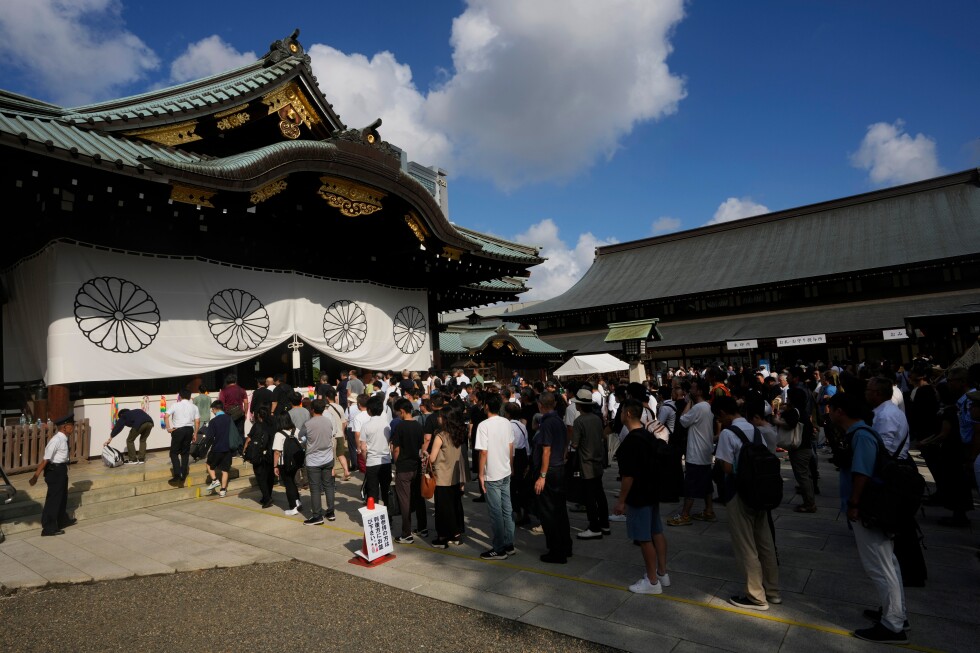
    A Pokemon card game tournament scheduled to take place at Tokyo’s Yasukuni Shrine has been abruptly canceled following intense criticism from China. The Pokemon Company issued formal apologies in both Japanese and Chinese after its official website promoted the event at the controversial site, which honors Japan’s war dead, including convicted war criminals from World War II.

    The company clarified that the event was privately organized by a certified Pokemon player targeting children, but its promotion on the corporate website represented a significant oversight. “It was an event that should not have been held to begin with,” the company stated, acknowledging “a lack of our understanding” in sharing the event notice. All related information has been removed from their platforms.

    Chinese state media responded vehemently to the initial announcement, with the People’s Daily warning on Weibo that “brands that disregard history and hurt the feelings of the Chinese people will ultimately be abandoned by the market.” The commentary emphasized that enterprises must “take social responsibility and not make light of the heavy weight of history in the name of entertainment.”

    The incident occurs amid escalating tensions between Japan and China, particularly following recent remarks by Prime Minister Sanae Takaichi regarding potential Japanese involvement should China take military action against Taiwan. While Takaichi previously visited Yasukuni regularly, she has abstained from prayers at the shrine since assuming office in October.

    The Pokemon Company, affirming its commitment to connecting people through Pokemon, pledged increased sensitivity toward all stakeholders moving forward.

  • At least 200 killed in coltan mine collapse in eastern Congo, rebel authorities say

    At least 200 killed in coltan mine collapse in eastern Congo, rebel authorities say

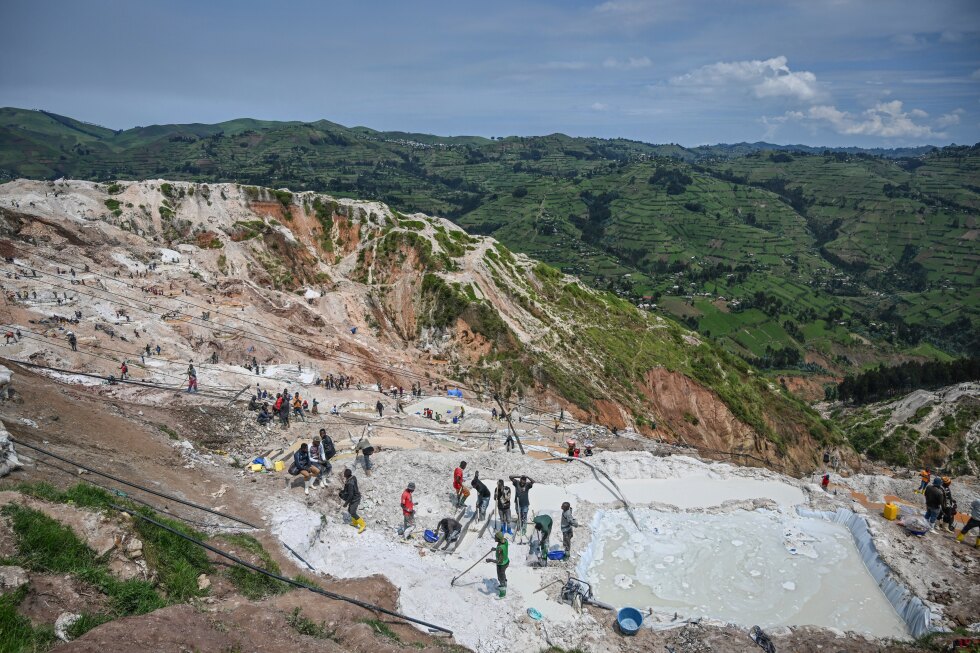
    A devastating landslide at a major coltan mining operation in eastern Congo has resulted in one of the deadliest mining disasters in recent African history. Rebel authorities confirmed Saturday that at least 200 miners perished when torrential rains triggered catastrophic ground failures at the Rubaya mines on Wednesday.

    The M23 rebel group, which controls the mineral-rich territory in North Kivu province, reported through spokesperson Lumumba Kambere Muyisa that recovery efforts remain ongoing with numerous victims still trapped beneath mud and debris. Emergency responders have transported injured survivors to three local medical facilities in Rubaya, with plans to evacuate critical patients to Goma’s better-equipped hospitals approximately 50 kilometers away.

    In response to the tragedy, the rebel-appointed provincial governor has implemented an immediate suspension of all artisanal mining activities at the site and ordered the relocation of residential structures erected near the dangerous mining zones.

    This disaster strikes at the heart of Congo’s protracted humanitarian crisis, where the Rubaya region supplies over 15% of global tantalum—a rare metal essential for manufacturing smartphones, computers, and aircraft engines. The M23 rebels, allegedly backed by Rwanda, have controlled these strategically vital mines since May 2024, imposing taxation systems that generate an estimated $800,000 monthly from coltan trade.

    Eastern Congo continues to endure one of the world’s most severe displacement emergencies, with recent conflicts forcing 100,000 people from their homes this year alone amid ongoing violence that persists despite diplomatic interventions between Congolese and Rwandan governments.

  • ‘Frantic lobbying:’ Does Trump have a favourite in the UAE-Saudi rift

    ‘Frantic lobbying:’ Does Trump have a favourite in the UAE-Saudi rift

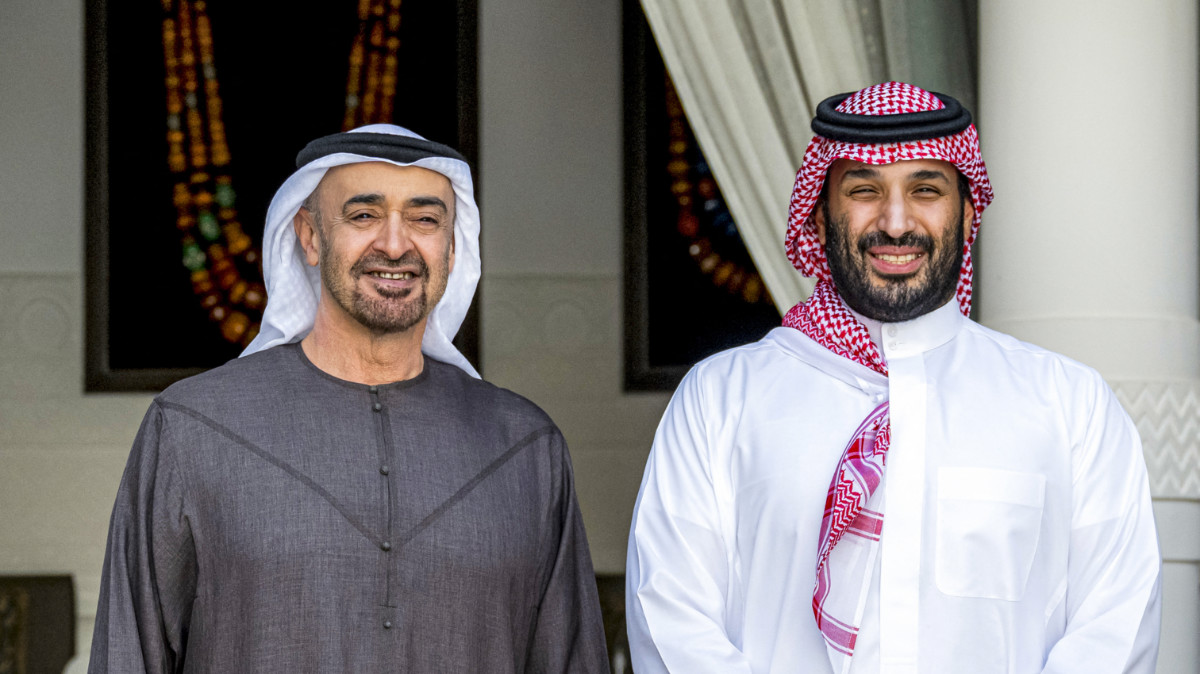
    A profound geopolitical realignment is underway in the Gulf region as the United Arab Emirates and Saudi Arabia, once steadfast allies, engage in an increasingly public confrontation that spans multiple conflict zones and economic arenas. This strategic divergence marks a significant shift from the 2017 Qatar blockade, when both nations presented a unified front against Doha with vocal support from then-President Donald Trump.

    The current rift has manifested through direct military competition in Yemen, where Saudi forces have targeted Emirati-backed separatists, and expanded into African theaters including Sudan and Libya. Riyadh is reportedly coordinating with Pakistan to arm Sudanese government forces against the UAE-supported Rapid Support Forces paramilitary group. Simultaneously, both nations are engaged in an intense information war, with Saudi media outlets accusing the UAE of being “Israel’s Trojan horse in the Arab world” while Emirati commentators counter with allegations of antisemitism.

    Unlike his interventionist approach during the Qatar crisis, President Trump has maintained notable silence regarding the escalating UAE-Saudi tensions. This restraint appears calculated, given the extensive business interests the Trump family and associates maintain across the Gulf region. Recent developments include $10 billion luxury projects in Saudi Arabia, high-rise constructions in Dubai, and golf resorts in Qatar and Oman—all connected through Dar al-Arkan, a Saudi-linked development conglomerate.

    Trump’s Middle East advisors, including Jared Kushner and businessman Steve Witkoff, have cultivated financial relationships throughout the region. Kushner’s Affinity Partners received investments from Saudi Arabia, UAE, and Qatar, while Witkoff’s connections span from Qatari deals to Emirati cryptocurrency investments involving Trump’s sons. This complex web of financial interests creates significant disincentives for choosing sides in the burgeoning Gulf rivalry.

    The strategic calculus extends beyond personal business concerns. Saudi Arabia offers the larger economic opportunity as the Arab world’s only G20 economy with double the UAE’s GDP, though both have pledged trillion-dollar investments in the US economy. Regional experts note that Saudi Arabia pursues a broader vision of Islamic leadership while the UAE employs a more targeted strategy of global alliance-building through economic and military partnerships.

    Complicating matters further are divergent approaches to China and Israel. US intelligence officials express concerns about UAE’s technological cooperation with Beijing, while Saudi Arabia maintains greater skepticism toward Trump’s Gaza policies compared to the UAE’s emerging role as Israel’s primary Arab partner and potential reconstruction funder.

    As the situation evolves, Trump administration officials indicate preference for maintaining relationships with both powers rather than mediating their dispute—a marked departure from previous US approaches to inter-Gulf conflicts. The outcome of this strategic competition will likely reshape Middle Eastern alliances and influence US foreign policy in the region for years to come.

  • US government partially shuts down despite last minute funding deal

    US government partially shuts down despite last minute funding deal

    The United States federal government has entered a partial shutdown following a legislative impasse, despite the Senate’s approval of a last-minute funding arrangement just hours before the midnight Friday deadline. This marks the second government shutdown within the past year, occurring merely 11 weeks after the conclusion of the record 43-day funding crisis in 2025.

    The Senate-approved bill proposed funding most federal agencies through September but specifically excluded the Department of Homeland Security, granting it only a two-week funding extension. This temporary measure was designed to create a negotiation window for immigration enforcement policies, which have become a contentious issue following recent events in Minneapolis.

    The legislative process remains incomplete as the House of Representatives, where Republicans hold majority control, has not yet voted on the measure. President Trump has publicly urged Republican representatives to support the agreement when they reconvene on Monday.

    The current shutdown differs significantly from the prolonged 2025 closure in both scope and anticipated duration. While the White House has instructed several agencies including Transportation, Education, and Defense to implement shutdown protocols, the impact is expected to be more limited. A White House memorandum indicated that employees should report for duty to conduct orderly shutdown activities while expressing optimism that “this lapse will be short.”

    The funding dispute stems from Democratic refusal to approve additional immigration enforcement funding after the fatal shooting of two U.S. citizens by federal agents in Minneapolis. This incident has sparked intense criticism from both parties regarding immigration enforcement tactics.

    In response to the shooting of Alex Pretti, an intensive care nurse, by a Border Patrol agent during an altercation, the Justice Department has initiated a civil rights investigation. The tragedy has intensified calls for reform, with Senate Minority Leader Chuck Schumer demanding increased oversight, judicial warrants, visible identification for officers, and an end to roving patrols by immigration authorities.

    Lawmakers are expected to use the two-week Homeland Security funding extension to negotiate comprehensive immigration enforcement policies, though significant partisan differences remain regarding the appropriate scope and methods of immigration control.

  • Takeaways from AP’s report on a Sudanese doctor’s escape from a Darfur city under rebel attack

    Takeaways from AP’s report on a Sudanese doctor’s escape from a Darfur city under rebel attack

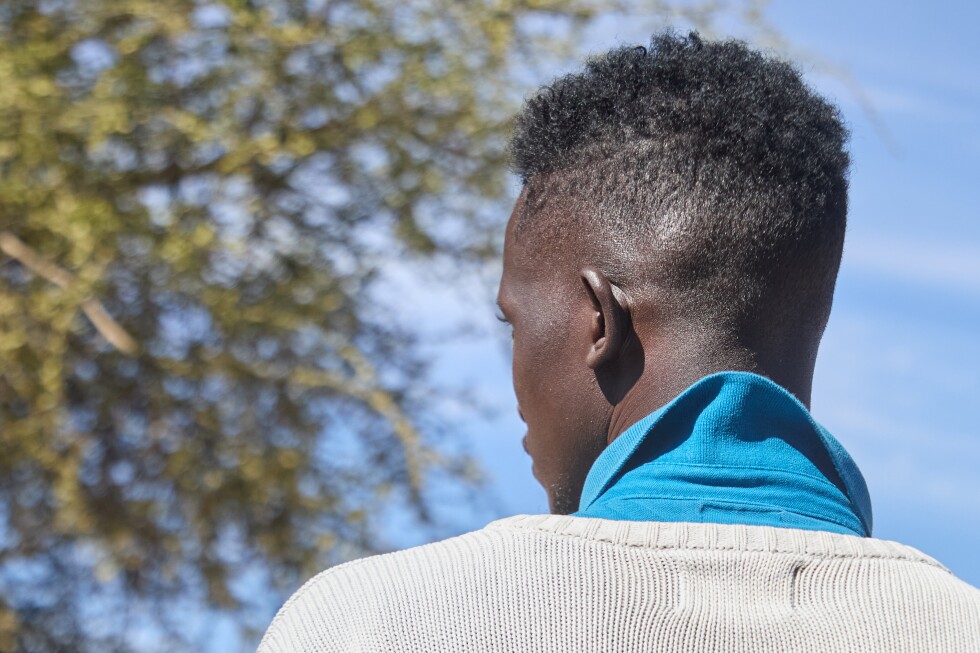
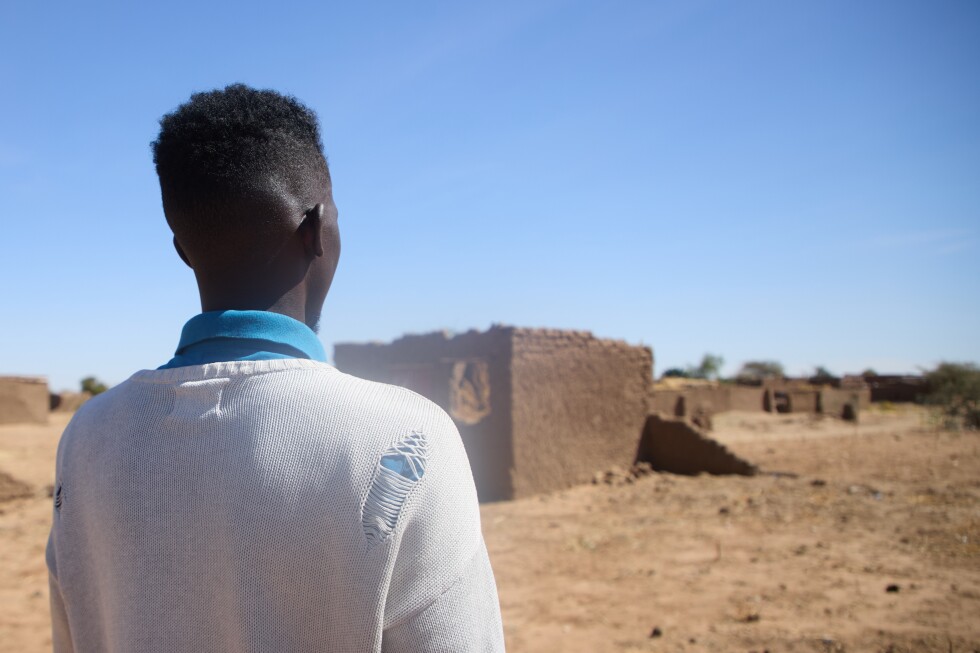
    CAIRO — A chilling firsthand account from Dr. Mohamed Ibrahim exposes the systematic brutality paramilitary forces inflicted upon el-Fasher, the Sudanese army’s final strategic bastion in Darfur. The 28-year-old physician provided The Associated Press with a detailed testimony of his three-day fight for survival after Rapid Support Forces (RSF) militants overran the city in late October.

    United Nations officials now characterize the conquered city as a ‘massive crime scene,’ estimating that merely 40% of el-Fasher’s 260,000 residents survived the onslaught. Thousands are believed to have been killed, though precise casualty figures remain impossible to verify due to the city’s isolation. A humanitarian assessment team that gained limited access in December found the urban center largely depopulated and devoid of visible life.

    The RSF, descended from the notorious Janjaweed militias implicated in early 2000s genocides, had besieged el-Fasher for months prior to the assault. Dr. Ibrahim described desperate conditions where civilians resorted to consuming animal fodder as food supplies vanished. Despite his family’s earlier evacuation after their home was shelled, Ibrahim remained at the Saudi Maternity Hospital—the city’s last functional medical facility—as RSF forces tightened their blockade.

    The final assault commenced around 5 a.m. on October 26 with intensified shelling. Recognizing the city’s imminent fall, Ibrahim and a colleague attempted to reach a nearby army base just 1.5 kilometers away—a journey that ultimately required nine hours of navigating through urban combat. The physician witnessed widespread carnage while moving between buildings, occasionally jumping between rooftops to avoid detection. He described taking refuge in an empty water tank while listening to the screams of civilians being pursued amid continuous shelling.

    RSF fighters attacked the hospital shortly after the doctors’ departure, killing one nurse and wounding three others. The World Health Organization later confirmed militants stormed the facility again two days later, executing at least 460 people and abducting six healthcare workers.

    Upon reaching the military base, Ibrahim found thousands of refugees—primarily women, children, and elderly civilians—with many requiring medical attention. He utilized clothing scraps to dress wounds before joining approximately 200 evacuees attempting to reach Tawila, a town 70 kilometers away.

    The escape route proved deadly as the group encountered 3-meter-deep trenches dug by RSF forces to enforce their blockade. Many refugees turned back after failing to scale the embankments, their fate remaining unknown. At the final trench, Ibrahim witnessed RSF fighters open fire on climbers, leaving five dead and numerous wounded.

    The survivors faced further atrocities when RSF fighters captured Ibrahim’s group near Tawila on October 27. The militants chained the doctors to motorcycles, forcing them to sprint behind the vehicles before subjecting them to interrogation and ransom demands. After initial demands of $20,000 per doctor—an astronomical sum in a nation where average monthly salaries range $30-50—the captors severely beat Ibrahim for laughing at the figure. The militants eventually accepted $8,000 per doctor after hours of abuse and death threats.

    Blindfolded and transported in a truck filled with fighters, the physicians were abandoned in RSF-controlled territory rather than released in Tawila as promised. Following horse cart tracks through the darkness, they eventually reached safety where colleagues who had seen social media footage of their capture wept at their survival, considering their return nothing short of miraculous.

  • A Sudanese doctor recounts his harrowing escape from a Darfur city under rebel bombardment

    A Sudanese doctor recounts his harrowing escape from a Darfur city under rebel bombardment

    A chilling firsthand account from a Sudanese physician reveals the horrific human toll of paramilitary forces seizing control of el-Fasher, the Sudanese army’s final bastion in the Darfur region. Dr. Mohamed Ibrahim, 28, provided The Associated Press with a detailed testimony of his three-day escape through the burning capital of North Darfur province amid continuous bombardment and widespread civilian targeting.

    The assault, launched by the militant Rapid Support Forces (RSF) on October 26, transformed the strategically significant city into what United Nations officials now describe as a ‘massive crime scene.’ According to UN assessments, approximately 60% of el-Fasher’s 260,000 residents remain unaccounted for, with thousands confirmed dead and many more wounded during the offensive.

    Three months after the attack, humanitarian organizations report the city stands largely deserted, with Doctors Without Borders characterizing it as a ‘ghost town’ during their recent assessment. International Criminal Court Deputy Prosecutor Nazhat Shameem Khan has declared that war crimes and crimes against humanity were committed during the RSF’s siege, describing the emerging picture as ‘appalling.’

    The prelude to the attack traces back to the 2021 military coup that toppled Sudan’s civilian government, after which the RSF—descended from the notorious Janjaweed militias—transitioned from government allies to rivals. By October, the RSF had completely surrounded el-Fasher, creating severe food shortages that forced civilians to consume animal fodder.

    Dr. Ibrahim, who remained at the Saudi Maternity Hospital—the city’s last functioning medical facility—described working endless shifts with rapidly depleting supplies. When the final assault began, he and a colleague embarked on a perilous journey through the city, witnessing numerous casualties and constantly evading RSF fighters.

    After reaching an army base where thousands sought refuge, Ibrahim joined a group attempting to escape to the town of Tawila. Their exodus involved navigating multiple 3-meter-deep trenches constructed by militants, during which several members of their group were killed by gunfire.

    The doctors’ ordeal continued when RSF fighters captured them, executed two men in their group, and demanded ransom payments. After severe beatings and negotiations under threat of execution, the physicians secured their release upon payment of $8,000 each—an exorbitant sum in Sudan’s economic context.

    Now in Tawila, Dr. Ibrahim remains haunted by his experiences but continues to provide medical assistance to survivors through the Sudanese-American Physicians Association. His account provides rare insight into the systematic violence that has characterized the RSF’s campaign in Darfur, which the Biden administration has labeled genocide.