作者: admin

  • Flooding in southern Asia leaves hundreds dead

    Flooding in southern Asia leaves hundreds dead

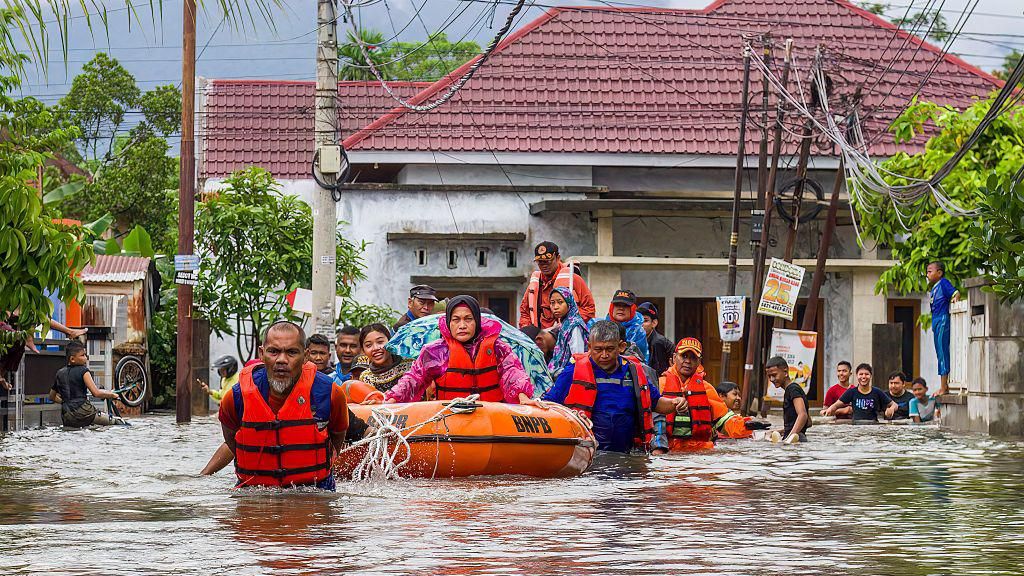
    Southeast Asia confronts one of its most devastating natural disasters in years as catastrophic flooding and landslides have claimed approximately 700 lives across Indonesia, Thailand, Malaysia, and Sri Lanka. Triggered by torrential monsoon rains intensified by rare tropical cyclones, the calamity has left hundreds missing and millions affected throughout the region.

    The crisis began Wednesday when unprecedented rainfall struck Indonesia’s Sumatra island, with the tropical cyclone Senyar generating catastrophic conditions. In Aceh Province’s Pidie Jaya Regency, resident Arini Amalia described how ‘the current was very fast, in a matter of seconds it reached the streets, entered the houses.’ She returned the following day to find her home completely submerged. Another survivor, Meri Osman, recounted being swept away by currents and clinging to a clothesline until rescue arrived.

    Indonesia reports the highest death toll with over 300 confirmed fatalities and nearly 300 individuals still missing. Rescue operations face significant challenges due to persistent adverse weather conditions, leaving thousands stranded and awaiting evacuation.

    Thailand experiences its worst flooding in a decade, particularly in southern Songkhla province where waters rose 3 meters (10 feet). The city of Hat Yai recorded 335mm of rainfall within 24 hours—the heaviest deluge in three centuries. With over 160 fatalities nationwide, the disaster has affected 3.8 million people. Emergency services have been overwhelmed, with hospitals resorting to refrigerated trucks for body storage as morgues reached capacity.

    In Sri Lanka, Cyclone Ditwah exacerbated already severe conditions, causing landslides that have killed at least 132 people with hundreds more missing. The government has declared a state of emergency as approximately one-third of the nation faces electricity and water shortages. Over 15,000 homes have been destroyed, forcing 78,000 residents into temporary shelters.

    Malaysia’s northern Perlis state has been severely impacted with two confirmed deaths and tens of thousands displaced. Meteorological experts attribute the extreme weather to an unusual interaction between Typhoon Koto in the Philippines and Cyclone Senyar in the Malacca Strait, compounded by climate change altering traditional monsoon patterns through increased rainfall intensity and duration.
  • China launches nationwide fire safety inspection following Hong Kong’s deadly blaze

    China launches nationwide fire safety inspection following Hong Kong’s deadly blaze

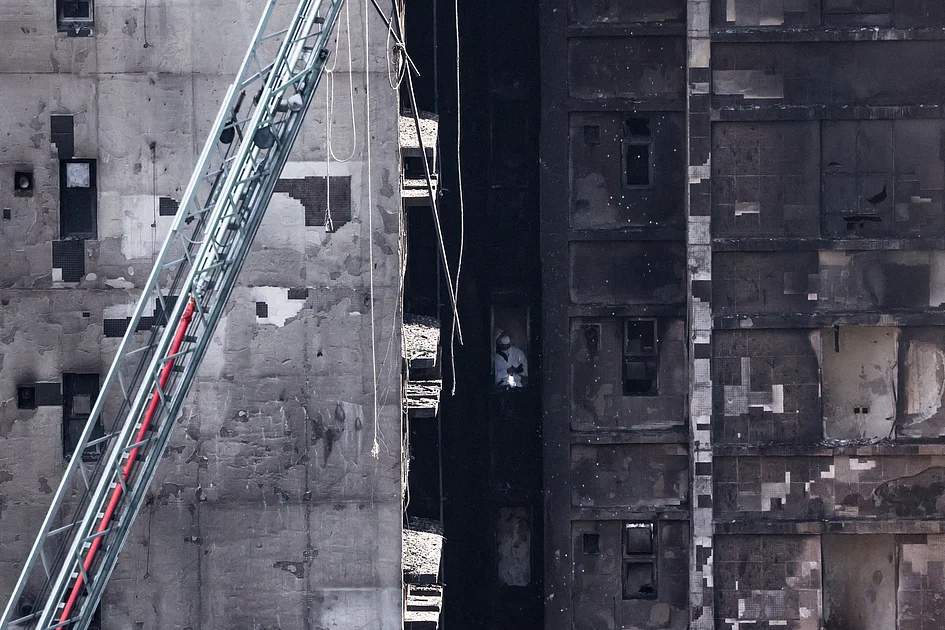
    In response to Hong Kong’s most catastrophic fire incident in decades, Chinese authorities have launched an unprecedented nationwide safety inspection targeting high-rise buildings. The Ministry of Emergency Management announced the comprehensive campaign on Saturday, November 29, 2025, following Wednesday’s devastating blaze that claimed 128 lives with approximately 200 individuals still unaccounted for and 79 injured.

    The inspection initiative will concentrate on structures undergoing external renovations and interior modifications, with particular emphasis on four critical safety domains: combustible materials within external wall insulation systems, prohibited construction materials including bamboo scaffolding, functionality of fire safety equipment, and accessibility of emergency evacuation pathways.

    The tragedy unfolded on November 26th at an eight-tower residential complex housing over 4,600 occupants. The inferno propagated rapidly through buildings encased in bamboo scaffolding and protective mesh, creating a perfect storm of fire hazards. Firefighting operations have concluded after extensive efforts, with twelve firefighters sustaining injuries during the rescue mission, one critically.

    Hong Kong law enforcement has taken three individuals into custody—two directors and one engineering consultant from the construction firm—on suspicion of manslaughter related to the incident. Superintendent Eileen Chung of the Hong Kong Police confirmed the arrests as investigations continue into the circumstances that led to one of the territory’s worst civilian disasters.

    The nationwide safety drive represents a proactive measure to prevent similar tragedies across China’s urban landscapes, where rapid construction and renovation projects have sometimes outpaced safety protocol implementation. The initiative underscores the government’s commitment to addressing systemic safety vulnerabilities in densely populated residential structures.

  • Governments endorse greater protections for sharks amid concerns about overfishing

    Governments endorse greater protections for sharks amid concerns about overfishing

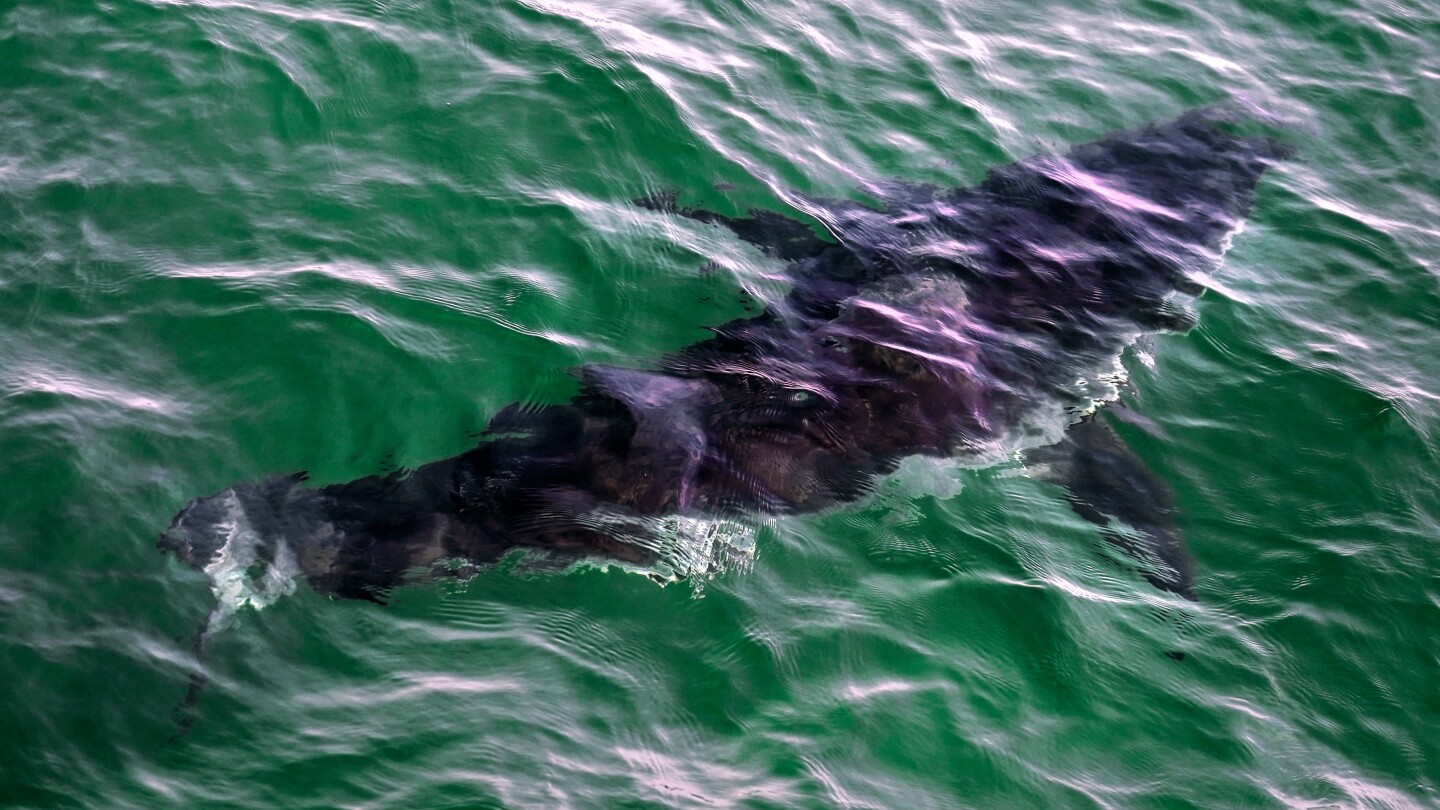
    In a historic conservation decision, international governments have enacted sweeping trade protections for more than 70 species of sharks and rays at the ongoing Convention on International Trade in Endangered Species (CITES) summit in Uzbekistan. The landmark measures, ratified on Friday, represent one of the most significant marine conservation victories in recent years.

    The newly adopted protections establish complete trade bans for several critically endangered species including oceanic whitetip sharks, manta rays, devil rays, and whale sharks. Additionally, the conference implemented strengthened regulatory frameworks for gulper sharks, smoothhound sharks, and tope sharks, mandating that any trade must demonstrate legal sourcing, sustainability, and full traceability.

    Perhaps most significantly, delegates agreed to implement zero-annual export quotas for multiple species of guitarfishes and wedgefishes, effectively halting international commercial trade for these vulnerable species.

    Conservation leaders hailed the decisions as transformative. Luke Warwick, Director of Shark and Ray Conservation at the Wildlife Conservation Society, characterized the outcome as “a landmark victory that belongs to the Parties who championed these protections.” He noted unprecedented cooperation across Latin American, African, Pacific, and Asian nations in passing every proposed shark and ray protection measure.

    The urgent need for these protections stems from severe overfishing pressures driven by global demand for shark fins, meat, oil, and gills—a billion-dollar industry that has pushed more than 37% of shark and ray species toward extinction. Annually, over 100 million sharks are killed, far outpacing their reproductive capabilities.

    Barbara Slee, Senior Program Manager at the International Fund for Animal Welfare, emphasized the significance of this policy shift: “For too long, sharks that have roamed our oceans for millions of years have been slaughtered. These new protections will help shift that balance and recognize these sharks as more than just fishery commodities.”

    This achievement continues CITES’ recent success in shark conservation, building upon protections established for over 90 shark species at the 2022 Panama conference. While the treaty has faced criticism regarding implementation challenges in developing nations, this decision demonstrates growing international consensus on marine conservation priorities.

    The conference also addressed other conservation matters, maintaining existing protections for elephants and rhinos while approving regulated trade of saiga horn from Kazakhstan—a controversial decision following the antelope’s reclassification from critically endangered to near threatened status due to successful recovery efforts.

  • US: FDA attributes 10 children’s deaths to Covid vaccines

    US: FDA attributes 10 children’s deaths to Covid vaccines

    A confidential memorandum from the Food and Drug Administration’s vaccine division has revealed that agency officials have attributed the deaths of at least ten children to COVID-19 vaccinations. Dr. Vinay Prasad, director of the division, indicated in the Friday communiqué that these fatalities were connected to myocarditis, a form of heart inflammation recognized as a rare vaccine side effect.

    The internal document, obtained by The New York Times but not formally released to the public, lacked critical details regarding the children’s ages, pre-existing health conditions, or the methodology used to establish causation between vaccination and death. The memo similarly omitted identification of the vaccine manufacturers involved in these cases.

    This development represents a significant policy shift under Health Secretary Robert F. Kennedy Jr., a longstanding vaccine skeptic who has frequently characterized COVID-19 vaccines as unsafe. The current administration has implemented new policies restricting vaccine access primarily to individuals over 65 and younger populations with underlying medical conditions.

    The scientific community remains divided on these findings. Dr. Paul Offit of Children’s Hospital of Philadelphia criticized the memo as ‘science by press release,’ noting the absence of contextual data comparing mortality rates between vaccinated and unvaccinated children. Medical experts emphasize that while vaccine-related myocarditis typically resolves quickly, virus-induced myocarditis often requires intensive care treatment.

    The timing of the memo’s circulation precedes next week’s meeting of the CDC’s vaccine advisory committee, now populated with Kennedy-appointed members who support medical freedom principles. The committee is expected to review childhood vaccine schedules, including the hepatitis B vaccine for newborns, alongside COVID-19 vaccines.

    Dr. Peter Marks, former FDA vaccine regulation chief, expressed concern about the memo’s ‘clearly political tone’ while acknowledging the need for further scrutiny of these complex cases. The FDA’s internal review was reportedly led by Dr. Tracy Beth Hoeg, a senior adviser with documented vaccine skepticism, and reviewed by agency teams.

  • Bangladesh ex prime minister Zia in ‘very critical’ condition

    Bangladesh ex prime minister Zia in ‘very critical’ condition

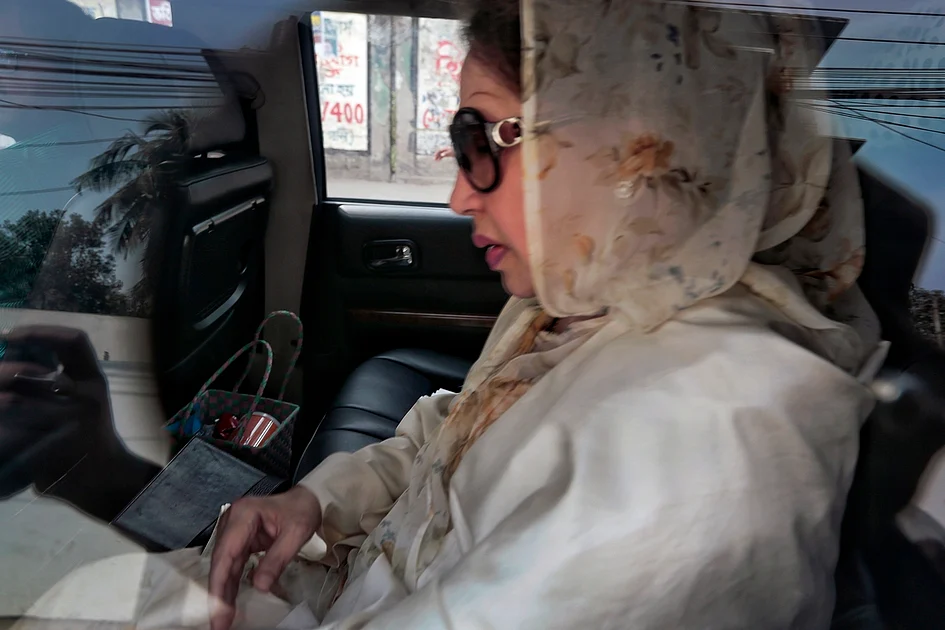
    Bangladesh’s former Prime Minister Khaleda Zia, an 80-year-old opposition leader, remains in critical condition at a hospital intensive care unit after her health deteriorated significantly following admission on November 23rd with severe lung infection symptoms. Medical authorities have characterized her condition as extremely grave, according to statements from her Bangladesh Nationalist Party (BNP) officials.

    The octogenarian politician, who served three terms as the nation’s premier, suffers from multiple chronic health complications including cardiac issues requiring a permanent pacemaker, liver and kidney dysfunction, diabetes, and respiratory ailments. Her deteriorating health has prompted an outpouring of concern from senior party members and supporters who gathered at the medical facility seeking updates on her condition.

    From his London residence, Zia’s exiled son Tarique Rahman appealed to the Bangladeshi public for prayers while acknowledging his inability to return home due to circumstances beyond his control. Rahman, who has resided in the UK since 2008, expressed profound emotional distress at being separated from his mother during this medical crisis.

    Zia’s current health battle occurs against a complex political backdrop. Previously imprisoned on corruption charges in 2018 under Prime Minister Sheikh Hasina’s administration, she was released last year following Hasina’s ouster from power. The interim government leadership, including Muhammad Yunus, has emphasized Zia’s symbolic importance as an inspirational figure during Bangladesh’s transitional period toward democracy.

    Despite her critical health condition, Zia had previously committed to participating in the upcoming February 2026 elections, where her BNP party is considered a leading contender. Her illness now raises significant questions about both her political future and the broader landscape of Bangladeshi politics.

  • ‘Blank Space’: Why US culture is stagnating

    ‘Blank Space’: Why US culture is stagnating

    The opening lyrics from Tenacious D’s musical tribute to Bach serve as an ironic prelude to a pressing contemporary question: Has Western culture, particularly in the United States, entered a period of creative stagnation? This question has sparked vigorous debate among cultural commentators, with thinkers like Adam Mastroianni and Ted Gioia presenting compelling evidence of declining innovation across multiple creative domains.

    Mastroianni attributes this cultural stagnation to increasing societal risk aversion, arguing that longer lifespans and reduced background risk have made creators and consumers more cautious. Meanwhile, Gioia points to entertainment conglomerates that prioritize intellectual property exploitation and algorithmic content delivery over genuine innovation. Both theorists support their arguments with data showing the dominance of legacy content—sequels, remakes, and adaptations—across books, films, music, television, and gaming.

    Counterarguments suggest that creativity has merely migrated to new formats like memes, short-form videos, and podcasts. However, this perspective fails to explain why reduced production costs haven’t yielded more original feature films instead of endless franchise extensions.

    Amid this debate, cultural theorist David Marx offers a unique perspective through his recent work ‘Blank Space: A Cultural History of the Twenty-First Century.’ Marx, author of the acclaimed ‘Ametora’ exploring Japanese fashion history, delivers a narrative account of American pop culture since 2000. The book chronicles everything from New York’s hipster scene and Pharrell Williams’ influence to the rise of reality television celebrities and internet memes.

    Marx’s central thesis posits that internet culture has driven toward homogenization and commercialism, though his narrative brilliance sometimes undermines his argument by vividly resurrecting the very cultural moments he characterizes as bland. The book notably overlooks significant cultural developments including the 2000s indie film renaissance and the massive influence of Japanese cultural imports—an ironic omission given Marx’s expertise in Japanese fashion.

    The discussion inevitably turns to the ‘long tail’ theory and whether niche cultural production compensates for mainstream stagnation. Evidence suggests creativity flourishes unevenly—while television and graphic novels have experienced creative explosions, film, literature, and music show concerning declines in innovative output.

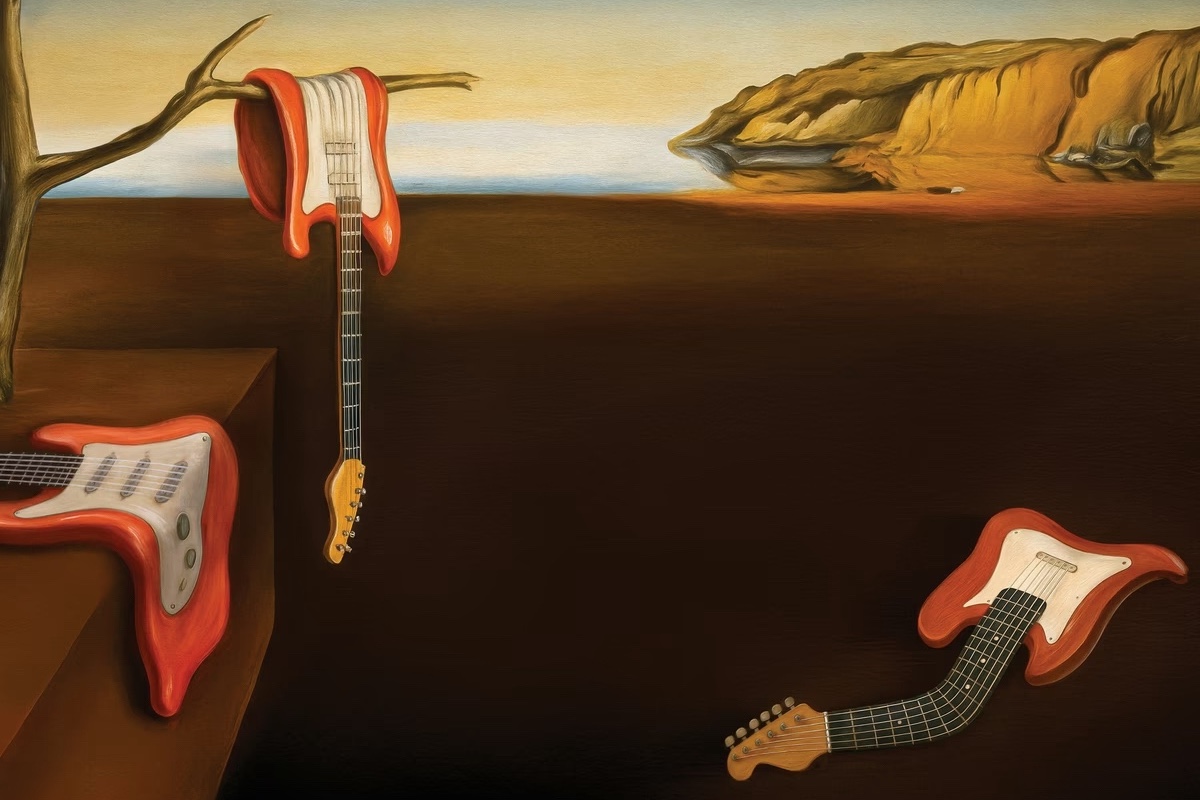
    Ultimately, technological factors may provide the most compelling explanation for this uneven cultural landscape. New technologies typically unlock creative possibilities that eventually become exhausted—much as electric guitars revolutionized music for decades before conventions solidified. This technological determinism suggests that cultural innovation may be inherently temporary without new technological catalysts.

    The fragmentation of internet culture away from mass social media toward private communities may offer hope for renewed subcultural development. As Marx suggests, cultural innovation requires spaces where creativity can develop away from immediate commercial pressures and algorithmic optimization.

    While ‘Blank Space’ excels as cultural history, its prescriptions for revitalizing creativity remain preliminary. The conversation about cultural stagnation continues, with technology, economics, and social dynamics all contributing to complex creative challenges that defy simple solutions.

  • Teochew International Convention opens in Guangdong’s Chaozhou

    Teochew International Convention opens in Guangdong’s Chaozhou

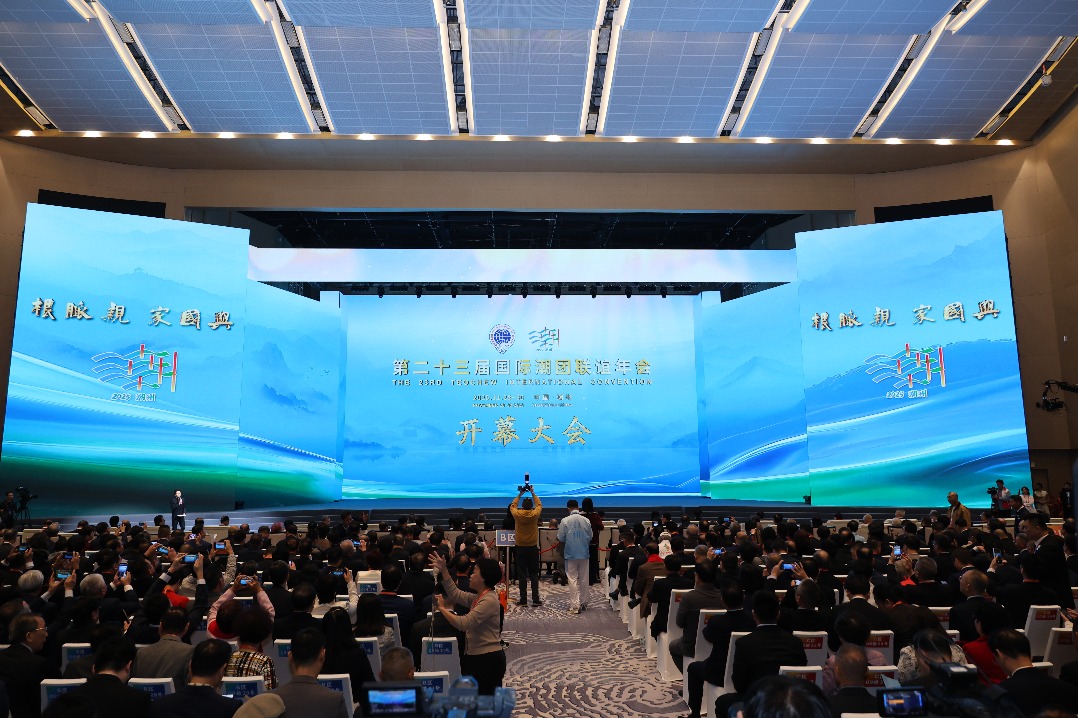
    CHAOZHOU, GUANGDONG – The historic city of Chaozhou, widely recognized as the cultural heartland of the Teochew people, hosted the inauguration of the 23rd Teochew International Convention on Saturday, November 29, 2025. This significant gathering attracted representatives from 165 global organizations comprising individuals of Teochew ancestry, all converging to foster enhanced dialogue and collaborative initiatives.

    The convention’s opening ceremony featured an address by Siddharth Chatterjee, the United Nations Resident Coordinator in China, who drew parallels between the UN’s 80-year legacy of global cooperation and the dedicated efforts of Teochew international associations. He emphasized the critical role of civil society in building bridges across nations, stating, ‘The United Nations in China looks forward to working with you to build a more inclusive, prosperous and sustainable future.’

    A key development emerging from the convention was the official launch of a specialized program designed to strengthen supply chain cooperation. This initiative aims to significantly boost both export and import activities centered around Chaozhou, potentially creating new economic pathways for the region.

    Adding a cultural dimension to the event, a new exhibition center dedicated to preserving and showcasing Teochew history and culture was inaugurated in the city. This institution will serve as a permanent repository for the rich heritage of a diaspora community numbering approximately 15 million people across more than 60 countries worldwide.

  • Opposition leader detained in Azerbaijan’s continuing crackdown on dissent

    Opposition leader detained in Azerbaijan’s continuing crackdown on dissent

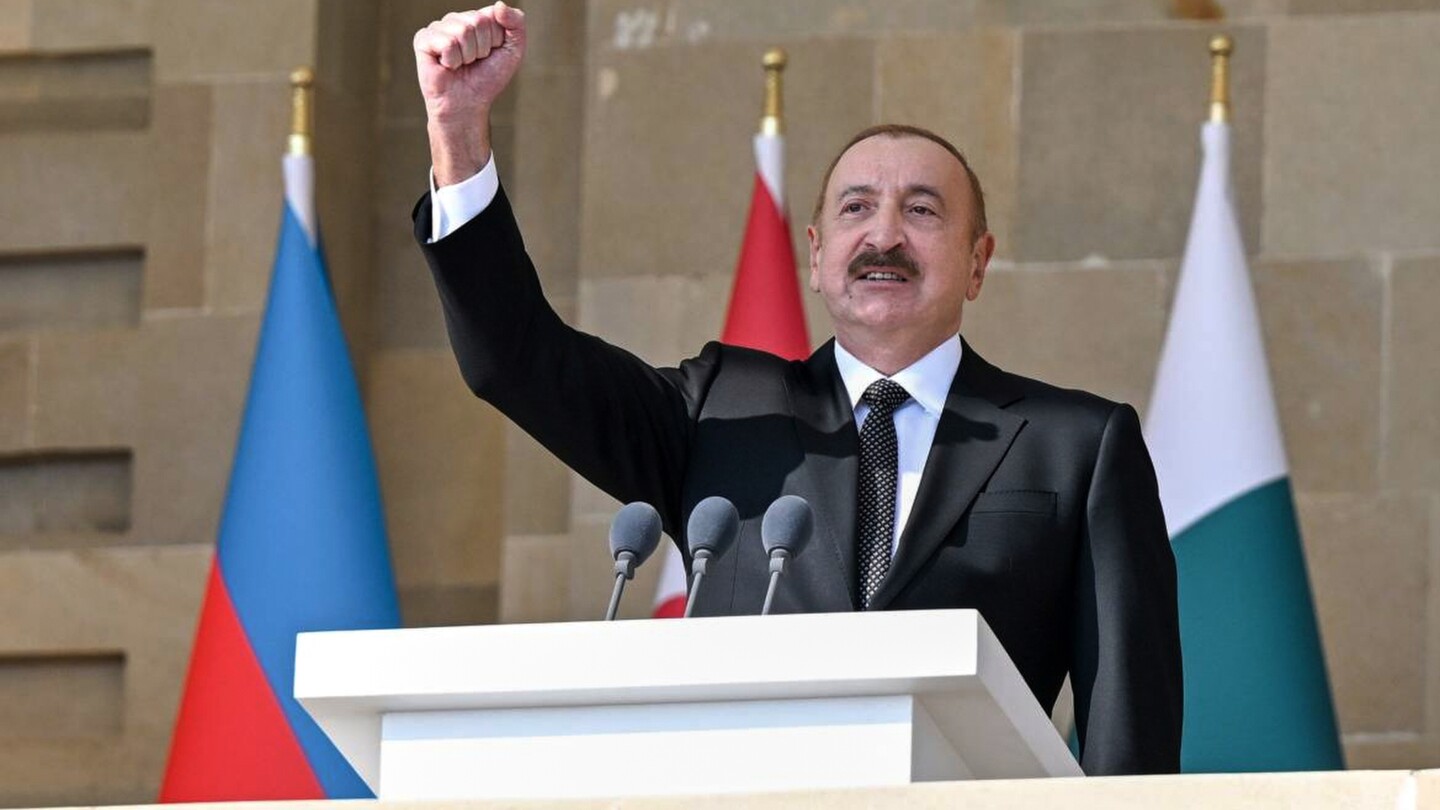
    Azerbaijan’s government has intensified its suppression of political dissent with the detention of prominent opposition figure Ali Karimli, chairman of the Popular Front Party, on Saturday. The move represents a significant escalation in President Ilham Aliyev’s ongoing campaign against opposition voices.

    According to Karimli’s adviser Fuad Gahramanli, security forces conducted searches at the opposition leader’s residence while simultaneously cutting off his communication channels. The operation extended to Mammad Ibrahim, another senior party official, who faced similar detention and property searches.

    While authorities remain officially silent regarding the detentions, government-aligned media outlets have linked the actions to an ongoing criminal investigation targeting Ramiz Mehdiyev, former head of the presidential administration. Mehdiyev, currently under house arrest, faces serious allegations including attempted seizure of state power, high treason, and financial crimes—though official confirmation of these charges remains pending.

    Human rights organizations document a concerning pattern of escalating repression in Azerbaijan, where authorities systematically target journalists, activists, and independent political figures. The Aliyev dynasty, which has maintained power since 2003 when Ilham succeeded his father Heydar, has consistently suppressed political opposition through various means.

    International observers have repeatedly questioned the legitimacy of Azerbaijan’s electoral processes since the nation gained independence from the Soviet Union in the early 1990s. The oil-rich Caspian nation of approximately 10 million people continues to face criticism for its record on democratic principles and human rights protections.

  • Pope Leo visits Istanbul’s Blue Mosque

    Pope Leo visits Istanbul’s Blue Mosque

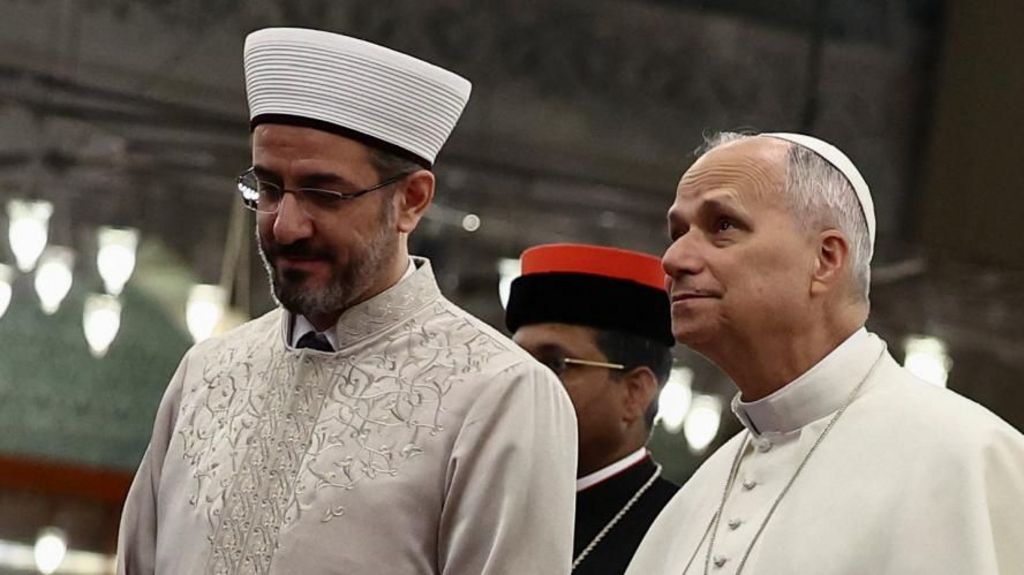
    In a significant demonstration of interfaith dialogue, Pope Leo XIV visited Istanbul’s iconic Sultan Ahmed Mosque, commonly known as the Blue Mosque, marking his first visit to a Muslim place of worship since assuming the papacy in May. The Pontiff demonstrated profound reverence by bowing upon entering the magnificent structure, though notably refrained from praying within the mosque—a departure from the practices of his two immediate predecessors.

    The Vatican characterized the visit as undertaken ‘in a spirit of reflection and listening, with deep respect for the place and for the faith of those who gather there in prayer.’ The carefully orchestrated tour was conducted alongside local Muslim leaders, emphasizing mutual respect and understanding.

    This symbolic gesture forms a central component of the Pope’s four-day diplomatic journey to Turkey, with subsequent travels planned to Lebanon. The visit continues the interfaith bridge-building legacy planned by his predecessor, Pope Francis, which Pope Leo XIV has embraced wholeheartedly since his election.

    Following the mosque visit, the Pope received a formal welcome at St. George’s Cathedral from Patriarch Bartholomew, spiritual leader of the Eastern Orthodox Church, further highlighting the trip’s ecumenical dimensions.

    The Blue Mosque, officially named after Ottoman Sultan Ahmed I who commissioned its construction between 1603-1617, stands as an architectural marvel adorned with thousands of brilliant blue and turquoise ceramic tiles. The monument attracts millions of annual visitors and has served as a historic venue for papal interfaith engagement, having hosted Pope Francis in 2014 and Pope Benedict XVI in 2006.

    The tradition of papal mosque visits began with Pope John Paul II’s groundbreaking 2001 visit to Damascus’ Umayyad Mosque. Pope Leo’s continuation of this tradition occurs against a backdrop of his warning against global conflict escalation, with him emphasizing that ‘the future of humanity is at stake.’

    In Lebanon, where approximately one-third of the population identifies as Christian, the Pontiff is scheduled to engage with diverse faith leaders and youth representatives. The journey will culminate in a solemn Mass at the Beirut waterfront, site of the devastating 2020 port explosion that claimed over 200 lives and injured 7,000 others, serving as both memorial and prayer for healing and reconciliation.

  • UAE airlines Etihad, Air Arabia issue statements amid Airbus A320 recall

    UAE airlines Etihad, Air Arabia issue statements amid Airbus A320 recall

    In response to an unprecedented global recall initiated by Airbus, UAE carriers Etihad Airways and Air Arabia have swiftly implemented mandatory software updates across their A320 family aircraft fleets. The European manufacturer’s directive, affecting approximately 6,000 aircraft worldwide, follows a reported flight control anomaly linked to intense solar radiation exposure.

    Air Arabia confirmed immediate compliance with the technical advisory, with a spokesperson stating: “We have begun implementing the required measures across the impacted aircraft in our fleet and expect to complete all updates by the end of today. Our teams have worked diligently to ensure minimal impact on our customers.” The Sharjah-based low-cost carrier operates 67 A320 family aircraft according to Cirium data.

    Etihad Airways similarly reported successful completion of the software installation across its 39 A320 family aircraft. The Abu Dhabi-based carrier emphasized that normal operations had resumed despite the challenge occurring during one of the busiest travel periods at Zayed International Airport ahead of the long weekend.

    Saj Ahmad, chief analyst at London-based StrategicAero Research, characterized the situation as “rather unprecedented,” noting that the recall stems from a JetBlue A320 incident involving rapid descent and passenger injuries. Ahmad warned that while software updates require few hours, potential hardware modifications could ground aircraft for several days awaiting replacement parts, potentially disrupting flight schedules across the Middle East’s 376 operational A320 family aircraft.

    The proactive response from UAE carriers demonstrates the aviation industry’s commitment to safety-first protocols while minimizing traveler inconvenience during critical holiday periods.