作者: admin

  • Japan’s Takaichi is winning fans not with politics but with her style and ‘work, work, work’ mantra

    Japan’s Takaichi is winning fans not with politics but with her style and ‘work, work, work’ mantra

    TOKYO — Japanese Prime Minister Sanae Takaichi’s emphatic declaration to “work, work, work, work and work” for her nation has been formally recognized as the country’s catchphrase of the year. The ultraconservative leader first delivered this statement during her October acceptance speech after being elected to lead the ruling Liberal Democratic Party, generating both concern about her extreme work ethic and appreciation for her apparent dedication.

    At this week’s award ceremony hosted by a private selection committee, Takaichi clarified that her remarks were intended to demonstrate her enthusiasm rather than promote excessive working hours. “I have no intention of encouraging other people to overwork, or suggesting long working hours as a virtue,” the Prime Minister stated. “I hope there is no misunderstanding.”

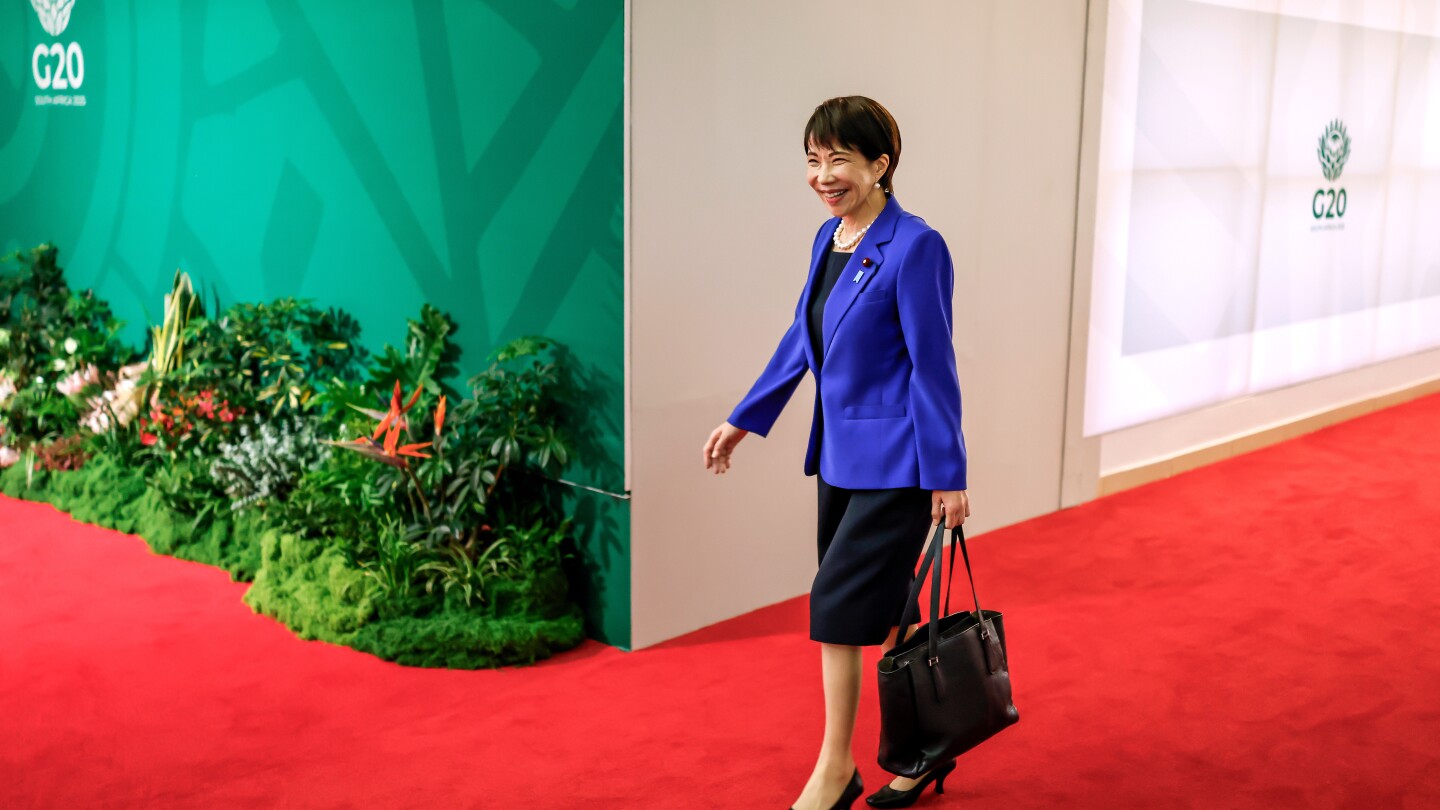
    Since assuming office in late October as Japan’s first female premier, Takaichi has attracted significant public attention not only for her political agenda but also for her distinctive fashion choices, sparking trends among Japanese women. Her declaration to abandon work-life balance during her October 4 party speech, where she urged lawmakers to “work like a horse” before repeating “work” five times in a determined voice, created a lasting impression on the political landscape.

    Concerns have emerged among fellow legislators regarding Takaichi’s reportedly extreme working habits, which include operating on as little as two hours of sleep while simultaneously caring for her husband recovering from a stroke. The Prime Minister has acknowledged these concerns, noting the potential effect on her skin, while revealing her relaxation method of soaking in a hot tub morning and night, which she describes as her “blissful time.”

    The ‘Sanae phenomenon’ extends beyond politics into consumer trends, with her signature black leather tote bag—manufactured by Tokyo-based Hamano Inc. and priced at 136,400 yen ($875)—selling out completely across all eight colors after she was photographed carrying it into the Prime Minister’s office on October 21. Company spokesperson Takanori Kobayashi reported that orders have surged to unprecedented levels, with new purchasers facing wait times until August due to the bag’s artisanal production methods.

    Similarly, the sparkly light-pink Mitsubishi Pencil Co. Jetstream 4&1 pen that Takaichi uses for note-taking has become known as the “Sanae Takaichi model” and frequently sells out at retail locations and online marketplaces, with owners proudly posting “Matching Sanae” photos on social media.

    Psychology professor Namiko Kubo-Kawai of Nagoya Shukutoku University observes that Takaichi represents a new type of role model for Japanese women, breaking from traditional feminine ideals through her powerful political position and no-frills workwear aesthetic. However, the Prime Minister’s conservative stance on gender issues—including support for male-only imperial succession and opposition to separate surnames for married couples—may limit her appeal among feminist groups.

    Despite these ideological divisions, Takaichi has emerged as an unexpected style icon and symbolic figure for women who previously showed little interest in political leadership, reflecting the expanding diversity of female role models in contemporary Japanese society.
  • UAE: 16 men caught, 27 vehicles seized in Fujairah during National Day holiday

    UAE: 16 men caught, 27 vehicles seized in Fujairah during National Day holiday

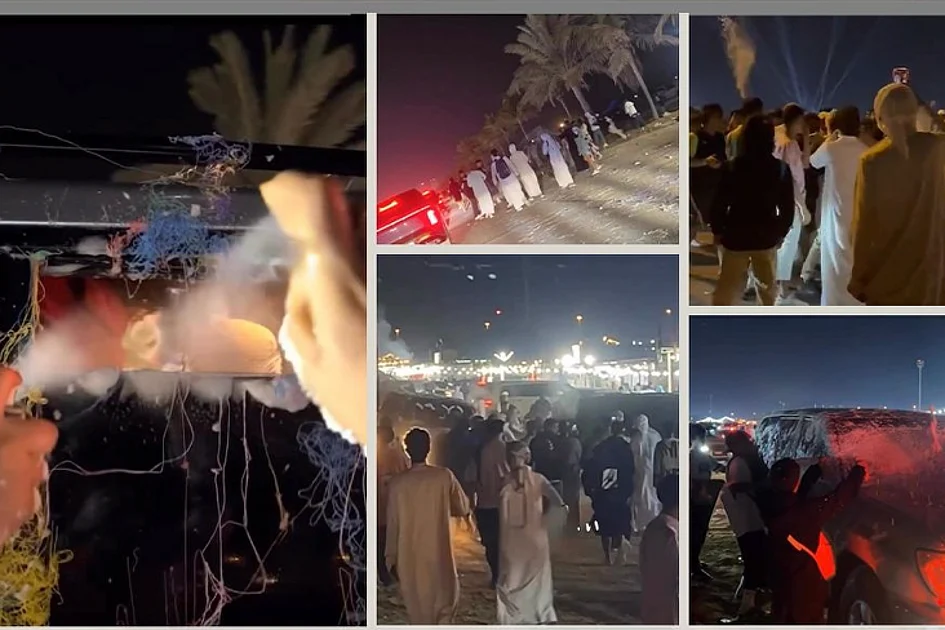
    Fujairah and Dubai police forces conducted extensive traffic enforcement operations during the UAE’s 54th National Day holiday period from November 28 to December 2, resulting in significant enforcement actions against dangerous driving behaviors. Authorities in Fujairah apprehended 16 individuals and impounded 27 vehicles for serious traffic violations, while Dubai police seized 49 vehicles and 25 motorcycles during the same operational period.

    The Fujairah Police referred the detained individuals to Public Prosecution for engaging in hazardous activities that compromised public safety. These violations included the improper deployment of spray cans, foam materials, and water cannons in a manner that endangered both participants and bystanders. The enforcement initiative was specifically intensified throughout the five-day holiday window to ensure resident safety during national celebrations.

    Traffic safety statistics revealed 270 recorded accidents within Fujairah during the monitoring period, with 269 classified as minor incidents and one resulting in injuries. Dubai authorities simultaneously issued 3,153 traffic citations for various infractions related to disruptive driving patterns.

    Police officials noted that national holidays occasionally attract irresponsible motorists who exploit celebratory events to engage in dangerous driving practices. The coordinated enforcement response demonstrates the UAE’s ongoing commitment to maintaining public order and road safety. Law enforcement agencies have reiterated calls for responsible behavior during national celebrations, emphasizing that compliance with traffic regulations reflects the values of the Union while reinforcing the nation’s dedication to security and stability.

  • UAE: New GCC civil aviation authority to be headquartered in Emirates

    UAE: New GCC civil aviation authority to be headquartered in Emirates

    In a landmark decision during the 46th GCC Summit in Bahrain on December 3, 2025, member states unanimously approved the creation of a Gulf-wide civil aviation authority. The new regulatory body will be headquartered in the United Arab Emirates, marking a significant step toward regional integration. This strategic move aims to streamline aviation operations across the Gulf Cooperation Council nations while enhancing regulatory coherence and operational efficiency. The initiative aligns with the Summit’s broader objectives of strengthening ties between Saudi Arabia, UAE, Oman, Qatar, Kuwait, and Bahrain through improved connectivity and collaborative governance. Concurrently, leaders endorsed a comprehensive framework for the GCC Railway project, targeting full operational connectivity between all six nations by 2026. This rail network promises to revolutionize regional travel by significantly reducing transit times and facilitating cross-border mobility. The summit also highlighted progress on the ‘one-stop’ travel system, currently in pilot phase between UAE and Bahrain, which consolidates immigration, customs, and security checks at single checkpoints. This system, when fully implemented, will eliminate redundant inspections and create seamless travel experiences for Gulf citizens. These developments represent the most substantial infrastructure integration efforts in the GCC’s history, potentially transforming economic and social exchanges across the Arabian Peninsula.

  • Nvidia CEO Jensen Huang visits Republicans as debate over intensifying AI race rages

    Nvidia CEO Jensen Huang visits Republicans as debate over intensifying AI race rages

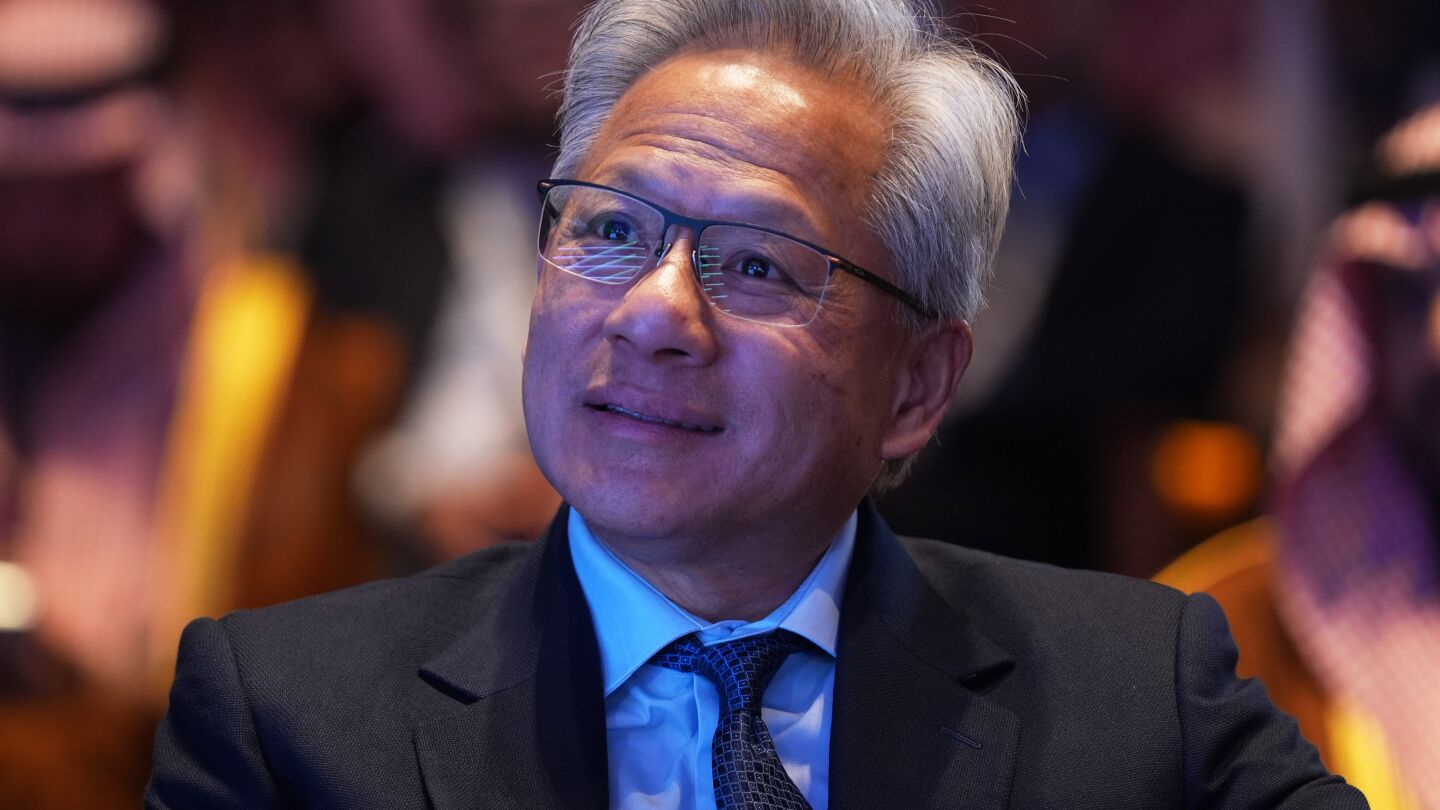
    WASHINGTON — In a significant development at the intersection of technology and national security, Nvidia CEO Jensen Huang conducted high-level meetings with President Donald Trump and Republican senators on Wednesday. The discussions centered on federal policies governing the artificial intelligence industry, particularly regarding the contentious export of advanced computer chips to geopolitical rivals like China.\n\nThe closed-door session with members of the Senate Banking Committee occurred amid escalating lobbying efforts and substantial investments in AI technology. Major tech firms continue to promote ambitious predictions about AI’s transformative potential while navigating increasing regulatory scrutiny.\n\nHuang, representing Silicon Valley’s perspective, maintains that imposing restrictions on technology exports would hinder technological progress. This stance contrasts with growing concerns among policymakers and the public regarding AI’s potential risks and the possible misuse of American hardware by foreign competitors.\n\n\”I’ve consistently expressed support for export controls that ensure American companies maintain technological leadership,\” Huang stated to journalists before his Capitol Hill meeting. While acknowledging concerns about chip sales to China, he contended that existing restrictions have not significantly impeded Chinese advancements in the AI domain.\n\nThe CEO emphasized the importance of global competitiveness, arguing, \”We must offer the most competitive chips available to the Chinese market, as degraded products would be unacceptable to them.\”\n\nHuang revealed his earlier meeting with President Trump, during which they discussed export control mechanisms for Nvidia’s products. The conversation concluded with seasonal greetings exchanged between the technology executive and the president.\n\nThis lobbying push follows the Trump administration’s May reversal of Biden-era restrictions that had limited Nvidia and other chip manufacturers from exporting their products to numerous countries. The White House subsequently announced an unusual arrangement in August permitting Nvidia and Advanced Micro Devices to sell chips in China while requiring the U.S. government to receive 15% of sales revenue.\n\nThe proposal has created divisions among lawmakers, despite broad congressional support for AI export controls generally. Legislators increasingly view the sale of sophisticated AI chips to China as presenting substantial national security concerns, given China’s status as America’s primary competitor in developing artificial superintelligence.\n\nRepublican responses to Huang’s lobbying efforts varied considerably. Senator Mike Rounds (R-South Dakota) characterized the discussion as \”healthy and productive,\\” noting continued legislative openness to diverse policy approaches. He observed that Nvidia currently abstains from Chinese chip sales while recognizing export controls’ importance for national security.\n\nIn contrast, Senator John Kennedy (R-Louisiana) deliberately avoided the meeting, questioning Huang’s objectivity regarding chip sales to China. \”He possesses extraordinary wealth yet desires more—I don’t fault that ambition,\” Kennedy remarked. \”However, he cannot provide impartial guidance regarding technology sharing with China.\”\n\nDemocratic lawmakers expressed frustration about their exclusion from the proceedings. Senator Elizabeth Warren (D-Massachusetts), the Banking Committee’s ranking Democrat, criticized Huang for \”lobbying Republicans secretly rather than providing public explanations.\” She advocated for requiring the Nvidia CEO to testify publicly about why his company allegedly favors Chinese manufacturers over American businesses requiring access to high-quality chips.

  • UAE: Indian expat wins Dh25-million jackpot in Big Ticket Abu Dhabi draw

    UAE: Indian expat wins Dh25-million jackpot in Big Ticket Abu Dhabi draw

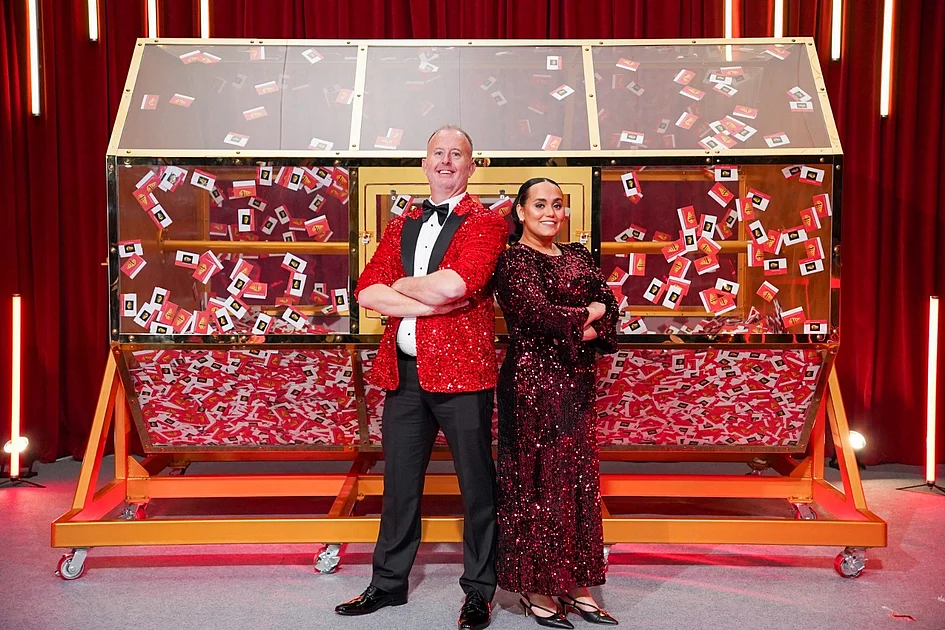
    An Indian national residing in Saudi Arabia has become the latest multi-millionaire after winning the coveted Dh25 million jackpot in the Big Ticket Abu Dhabi draw held on December 3. Rajan P V, a 52-year-old quality control supervisor from Kerala, secured the life-changing prize with ticket number 282824, purchased on November 9.

    Rajan, who has lived in Saudi Arabia for three decades, revealed his 15-year history with the lottery system, initially introduced through friends’ recommendations. His participation evolved into a sustained tradition, both individually and as part of a 16-member syndicate of close companions.

    Expressing overwhelming emotion upon receiving the winning notification, Rajan described the moment as “a dream come true for all of us.” Demonstrating remarkable generosity, the winner announced plans to divide the entire prize equally among his syndicate members. From his portion, Rajan intends to allocate funds for charitable causes supporting those in need while reserving a special amount for his family.

    The December draw also distributed significant secondary prizes. Bangladeshi expat Mohammed Rubel Siddque Ahmed won a Maserati Grecale luxury vehicle through the Dream Car series with ticket number 020002. Additionally, ten consolation prizes of Dh100,000 each were awarded to expatriates from India, Bangladesh, Philippines, China, and Canada residing across the UAE.

    The event maintained Big Ticket’s established pattern of creating substantial winners, following October’s Dh25 million award to Abu Dhabi-based Indian expat Saravanan Venkatachalam, who participated in drawing the latest jackpot winner.

  • Eurovision faces crucial decision over Israel

    Eurovision faces crucial decision over Israel

    The Eurovision Song Contest confronts its most consequential crossroads in decades as organizers convene in Geneva for a pivotal emergency session. At stake is Israel’s continued participation in the world’s largest music competition amid escalating geopolitical tensions and allegations of improper voting practices.

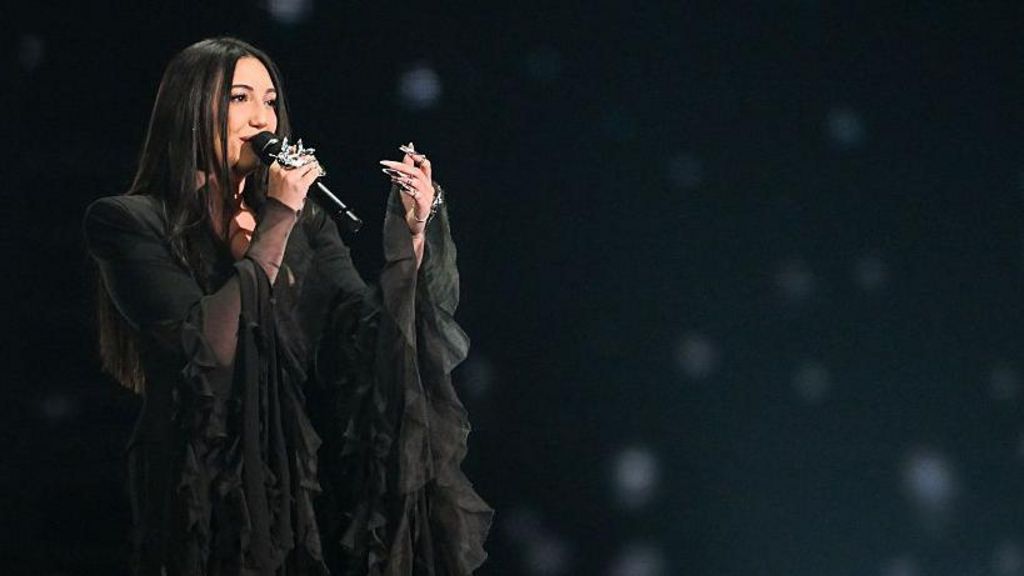
    The emergency meeting follows two consecutive years of significant protests targeting Israel’s involvement. During the 2025 grand final in Basel, Switzerland, security personnel intercepted two protesters attempting to storm the stage and throw paint on Israeli contestant Yuval Raphael—a singer who had previously survived the October 2023 Hamas attacks. Despite the disruption, Raphael secured second place overall after winning the public vote, a result that sparked immediate controversy.

    Multiple participating nations, including Ireland, Spain, the Netherlands, and Slovenia, have threatened complete withdrawal if Israel remains in the competition. Their objections center on Israel’s military operations in Gaza and allegations of government-mediated voting manipulation. Conversely, Germany has indicated it would boycott if Israel is excluded, creating a diplomatic stalemate.

    In response to voting integrity concerns, the European Broadcasting Union (EBU) recently announced sweeping reforms to safeguard contest neutrality. These measures include reducing maximum votes per person from 20 to 10, implementing enhanced fraud detection systems, and explicitly discouraging ‘disproportionate promotion campaigns’ supported by governmental entities.

    EBU leadership hopes these changes will alleviate concerns regarding Israel’s participation. However, should member broadcasters—including BBC Director General Tim Davie—deem the measures insufficient, a direct vote on Israel’s Eurovision future will proceed.

    Natalija Gorščak of Slovenian broadcaster RTV stated her country would refuse participation regardless of the outcome, emphasizing moral principles over musical diplomacy. Eurovision analyst Paul Jordan described the situation as ‘a real crisis point’ for an event designed to transcend politics.

    The decision carries practical implications for the 2026 contest in Vienna, where Austrian broadcaster ORF has already declared Israel ‘an inseparable part of Eurovision.’ Meanwhile, Spanish RTVE’s president has condemned Israel’s participation as ‘untenable’ given Gaza casualties, which Hamas-run health authorities report exceed 70,000.

    With the EBU attempting to balance artistic unity against deepening geopolitical fractures, Thursday’s meeting may determine whether the contest can preserve its apolitical ethos or succumb to irreversible politicization.

  • ILT20: Dubai Capitals skipper Shanaka remains confident

    ILT20: Dubai Capitals skipper Shanaka remains confident

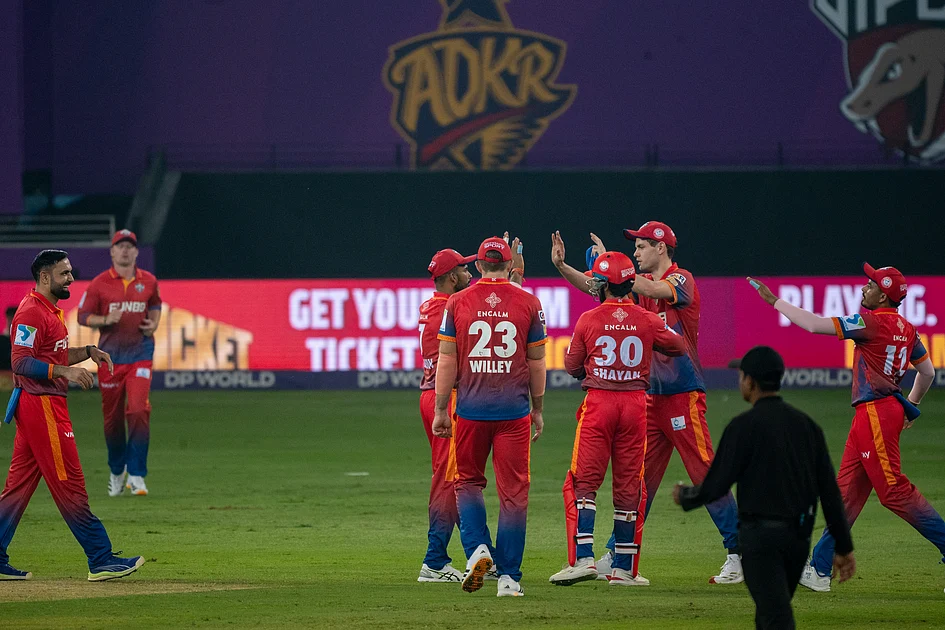
    Dubai Capitals skipper Dasun Shanaka has expressed unwavering confidence in his team’s capabilities despite suffering a four-wicket defeat against Desert Vipers in the DP World ILT20 season opener. The highly anticipated rematch of last season’s final unfolded at Dubai International Stadium on Tuesday, with the Vipers emerging victorious in a tense contest.

    Reflecting on the performance, Shanaka acknowledged tactical shortcomings while maintaining an optimistic outlook. “Our analysis indicates we fell approximately 10-15 runs short of the par score this pitch demanded,” the Sri Lankan all-rounder stated. “Preserving more wickets during the middle overs would have enabled a significantly stronger finish and altered the match outcome.”

    The captain identified the powerplay phase as particularly decisive, noting: “Cricket fundamentally revolves around momentum. We failed to establish dominance either with bat or ball during the critical opening overs, allowing the Vipers to seize control. Their batters capitalized effectively on our loose deliveries, creating pressure that persisted despite our subsequent recovery efforts.”

    Dubai Capitals’ innings encountered early turbulence with the dismissals of Sediqullah Atal (16 off 13) and Shayan Jahangir (19 off 15). The situation deteriorated following quick departures of Gulbadin Naib (0 off 1) and Jordan Cox (2 off 7), until Rovman Powell (29 off 22) and Mohammad Nabi (29 off 23) stabilized the innings to post 150/9 in 20 overs.

    Shanaka accepted personal responsibility for the batting order decisions, revealing: “As captain, I recognize the necessity to bat higher and assume greater responsibility. The collapse necessitated strategic repositioning, but we will thoroughly reassess our approach moving forward.”

    The defending champions now prepare for their second tournament encounter against Gulf Giants on Saturday, December 6th, with Shanaka asserting: “Our demonstrated capabilities far exceed today’s performance. I remain convinced we will deliver a powerful response in our upcoming matches.”

  • England to get even more positive against Starc threat, says Anderson

    England to get even more positive against Starc threat, says Anderson

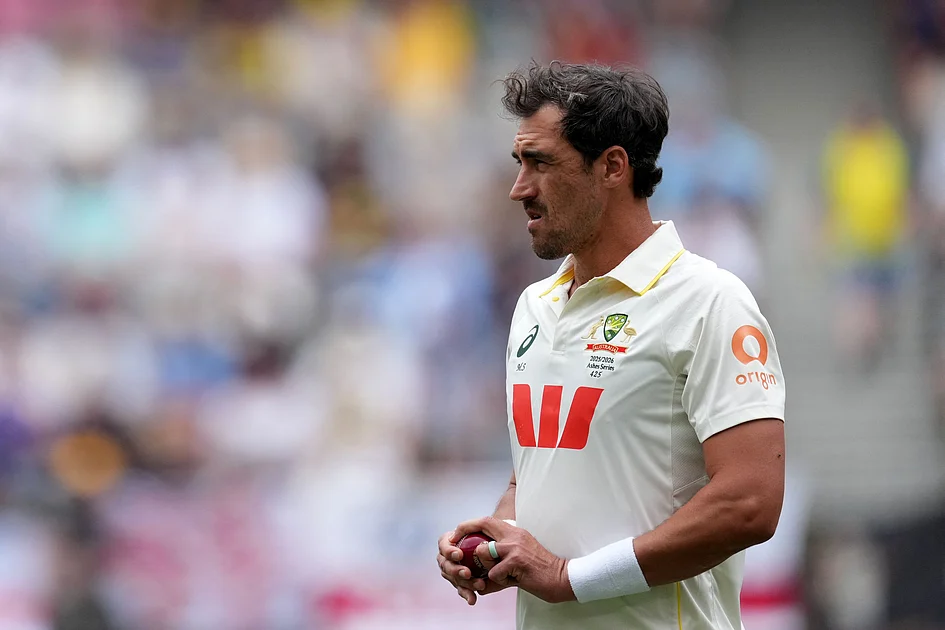
    England’s cricket team is preparing an assertive offensive strategy to counter Mitchell Starc’s formidable pink-ball prowess as they enter the crucial second Ashes Test in Brisbane. According to former pace bowling legend James Anderson, the visitors intend to adopt an attacking philosophy rather than defensive tactics against Australia’s premier bowler.

    Australia currently leads the five-match series 1-0 after securing a decisive victory within just two days during the Perth Test. Starc’s remarkable record with the pink ball includes 81 wickets across 14 day-night Tests, featuring five five-wicket hauls, establishing him as Australia’s most threatening bowling asset.

    Anderson, England’s all-time leading Test wicket-taker who retired in July 2024, emphasized in his Daily Mail column that the team would focus on scoring opportunities and applying pressure to disrupt Starc’s rhythm. “The approach involves finding ways to score, to put him under pressure, to knock him off his length,” Anderson explained, noting that Brisbane’s conditions, while less extreme than Perth’s, still offer significant bounce unfamiliar to English players.

    The tactical blueprint includes innovative stroke play, with batsmen like Harry Brook potentially employing lap shots, paddle sweeps, and foot movement to neutralize Starc’s threats. Anderson stressed that improvisation would be central to England’s game plan, requiring players to quickly assess conditions and identify scoring areas rather than attempting conventional drives on bouncy Australian pitches.

    Starc’s dominance was particularly evident in the first Test where he claimed 10 wickets and earned player-of-the-match honors. His ability to strike early—with 25 wickets taken in the first over of Test innings—makes him exceptionally dangerous during the initial 10-20 deliveries of any batting session, whether under daylight or floodlights.

    England must learn from their Perth mistakes where aggressive driving proved ineffective. The team’s success in Brisbane will depend on their ability to adapt to local conditions while maintaining their positive approach against one of cricket’s most formidable pink-ball specialists.

  • Turkey seeks stake in US gas projects as it increases LNG imports

    Turkey seeks stake in US gas projects as it increases LNG imports

    In a significant strategic shift, Turkey is poised to enter the United States energy market through direct investment in natural gas production and exploration. The announcement was made by Turkish Energy Minister Alparslan Bayraktar, outlining a comprehensive plan to secure the nation’s energy future and establish itself as a pivotal gas supplier for Southern Europe.

    The cornerstone of this strategy involves a massive procurement deal: Turkey is set to receive 1,500 liquefied natural gas (LNG) cargoes from the United States over the coming decade and a half. Minister Bayraktar emphasized that this move is designed to ‘hedge our position on gas supply and to build the entire value chain,’ necessitating upstream investments in the US market.

    Advanced negotiations are already underway with American energy giants, including Chevron and ExxonMobil. Bayraktar indicated that formal agreements involving Turkish Petroleum could be finalized and announced within the next month. This builds upon existing cooperation with US-based Continental Resources on unconventional production techniques like hydraulic fracturing (fracking).

    Beyond mere import, Turkey’s ambition is to become a key energy conduit for Europe. A primary focus is on overcoming the bottleneck at the Bulgarian interconnection, which currently has a limited capacity of 3.5 billion cubic meters (BCM). Ankara aims to at least double this capacity, with an ultimate goal of achieving a maximum export capacity of 10 BCM to the southeastern European market, which includes Ukraine.

    This European strategy was a central topic during Ukrainian President Volodymyr Zelenskyy’s recent visit to Turkey. Discussions centered on utilizing Ukraine’s vast underground gas storage facilities. The concept involves purchasing and storing gas during lower-priced summer months for consumption in the winter. Collaborative efforts between Turkey’s BOTAŞ and Ukraine’s Naftogaz are exploring viable solutions, with similar talks ongoing with Greece.

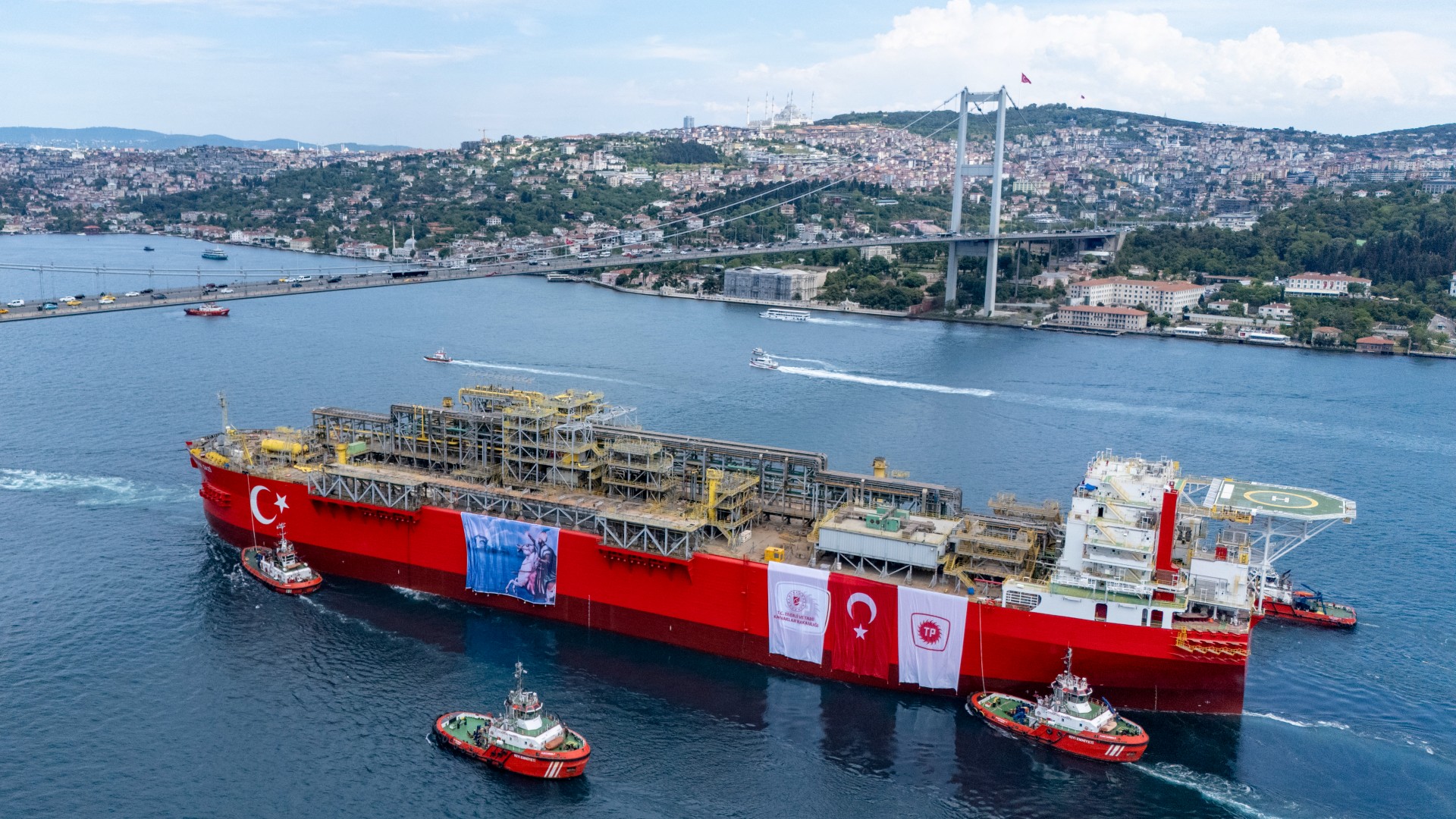
    Highlighting its infrastructural advantage, Turkey boasts a substantial regasification capacity of 32 BCM per year. Minister Bayraktar projected an excess capacity of 10-15 BCM next year, far surpassing Greece’s capabilities. To further cement this position, Turkey plans to expand its fleet of Floating Storage Regasification Units (FSRUs) from three to five in the coming years.

    In a move that underscores its new role as an energy intermediary, Turkey is also considering leasing its surplus FSRU capacity to other nations. Countries like Egypt and potentially Morocco could leverage Turkish infrastructure to facilitate their own seasonal LNG purchases, solidifying Ankara’s position as a critical node in the global energy landscape.

  • Pandya returns to India squad for South Africa T20s, Gill subject to fitness test

    Pandya returns to India squad for South Africa T20s, Gill subject to fitness test

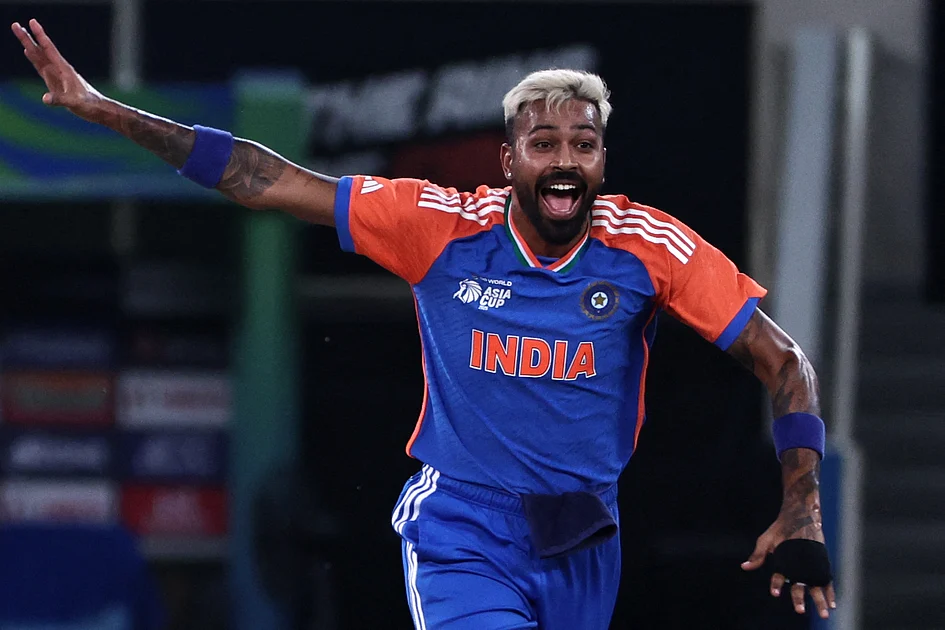
    In a significant development for Indian cricket, all-rounder Hardik Pandya has been officially reinstated to the national squad for the upcoming Twenty20 series against South Africa following his recovery from an injury sustained in September. The Board of Control for Cricket in India (BCCI) announced the 15-member lineup on Wednesday, marking Pandya’s return after he demonstrated his match readiness with an impressive domestic performance.

    Pandya silenced any doubts about his fitness during Tuesday’s Syed Mushtaq Ali Trophy match, where he delivered a powerful 77 runs from just 42 balls, leading Baroda to a decisive seven-wicket victory against Punjab. This commanding performance solidified his position in the national roster ahead of the five-match T20 series commencing December 9th in Cuttack.

    The squad, under the leadership of Suryakumar Yadav, presents several strategic selections. Notably absent are Rinku Singh and Nitish Kumar, both of whom were part of India’s T20 contingent during the October-November tour of Australia. Their exclusion signals a shift in the team’s composition strategy ahead of the international showdown.

    Meanwhile, opening batsman Shubman Gill’s participation remains contingent upon medical clearance. The 26-year-old, who captains India in Tests and ODIs, continues his recovery from a neck injury suffered during the first Test against South Africa last month. Gill must obtain fitness approval from the BCCI’s Centre of Excellence in Bengaluru before joining the team. His potential inclusion would add significant batting strength to a lineup that includes emerging talents Abhishek Sharma and Tilak Varma alongside established players like Jasprit Bumrah and Kuldeep Yadav.

    The T20 series against South Africa represents a crucial preparation platform for both teams, with matches scheduled across multiple venues before concluding in Ahmedabad on December 19th.