作者: admin

  • Israeli collaborator Yasser Abu Shabab reportedly killed in Gaza

    Israeli collaborator Yasser Abu Shabab reportedly killed in Gaza

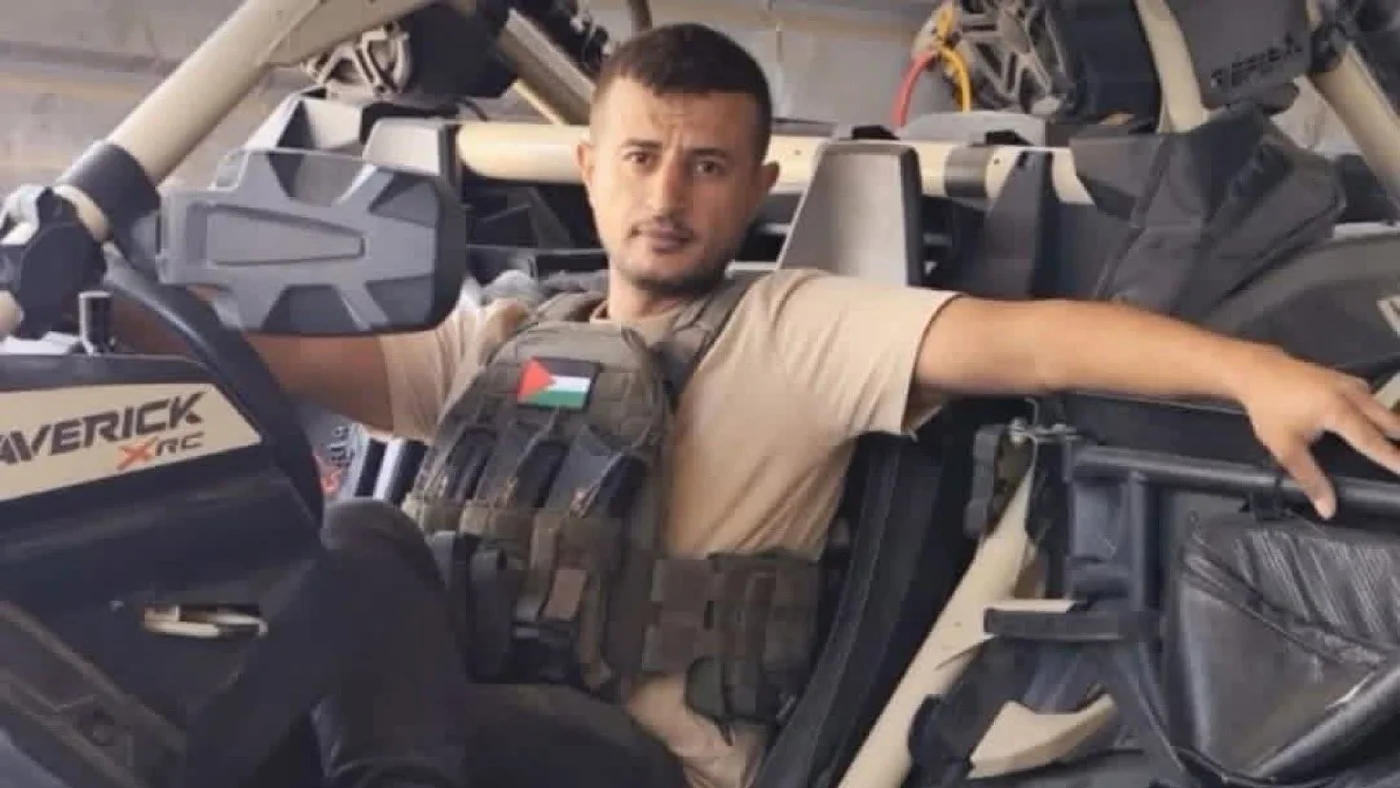
    Yasser Abu Shabab, the most-wanted Hamas target and leader of the controversial Popular Forces militia, was reportedly killed in Gaza on Thursday amid conflicting accounts surrounding his death. Multiple Israeli media outlets confirmed the demise of the notorious figure, though precise details regarding the perpetrators and methodology remain undisclosed.

    The incident allegedly occurred in Rafah, a southern Gaza region currently under comprehensive Israeli military control. Abu Shabab had maintained extensive collaboration with Israeli forces throughout the two-year conflict, engaging in activities that included humanitarian aid looting, civilian kidnappings, and targeted operations against Hamas personnel.

    Israeli Channel 12 reported that Abu Shabab was transported to Soroka Hospital following the attack but was declared dead upon arrival—a claim subsequently denied by hospital authorities. Prominent Israeli political commentator Amit Segal characterized the elimination as a “bad development for Israel,” highlighting the strategic complications arising from the death of a key collaborator.

    Following news of his death, Palestinian crowds flooded Gaza streets in spontaneous celebration, distributing sweets and firing celebratory gunshots into the air. Hamas security forces had previously vowed to track down the militia leader during the ongoing conflict.

    The Popular Forces group, which Abu Shabab led, has faced condemnation from multiple Palestinian factions for its traitorous activities, including coordinated attacks on civilians, systematic aid diversion, and alleged connections to both Israeli forces and the Islamic State organization. While Abu Shabab publicly framed his militia as a legitimate opposition movement to Hamas governance, internal United Nations reports from 2024 identified the group as “the most influential stakeholders behind the systematic and massive looting of convoys.”

    Israeli Prime Minister Benjamin Netanyahu had previously acknowledged providing weaponry to Abu Shabab’s forces. The militia enjoyed unprecedented access to humanitarian resources in areas under its control—primarily through systematic theft—while the broader Gaza population faced severe starvation conditions.

    The development occurs against the backdrop of a nominally agreed ceasefire that has witnessed nearly 600 violations by Israeli forces, resulting in over 360 fatalities and 900 injuries since October. Israel continues to block patient transit through the Rafah crossing with Egypt and restricts aid deliveries to approximately 200 trucks daily, significantly below the agreed 600-truck threshold.
  • Industry voices see growth opportunities as Putin’s India visit renews trade momentum

    Industry voices see growth opportunities as Putin’s India visit renews trade momentum

    Russian President Vladimir Putin’s landmark state visit to India has generated significant optimism among industry leaders, marking his first trip to the nation since the onset of the Ukraine conflict in 2022. The high-level discussions have centered on revitalizing bilateral trade relations, addressing existing imbalances, and identifying innovative sectors for economic collaboration.

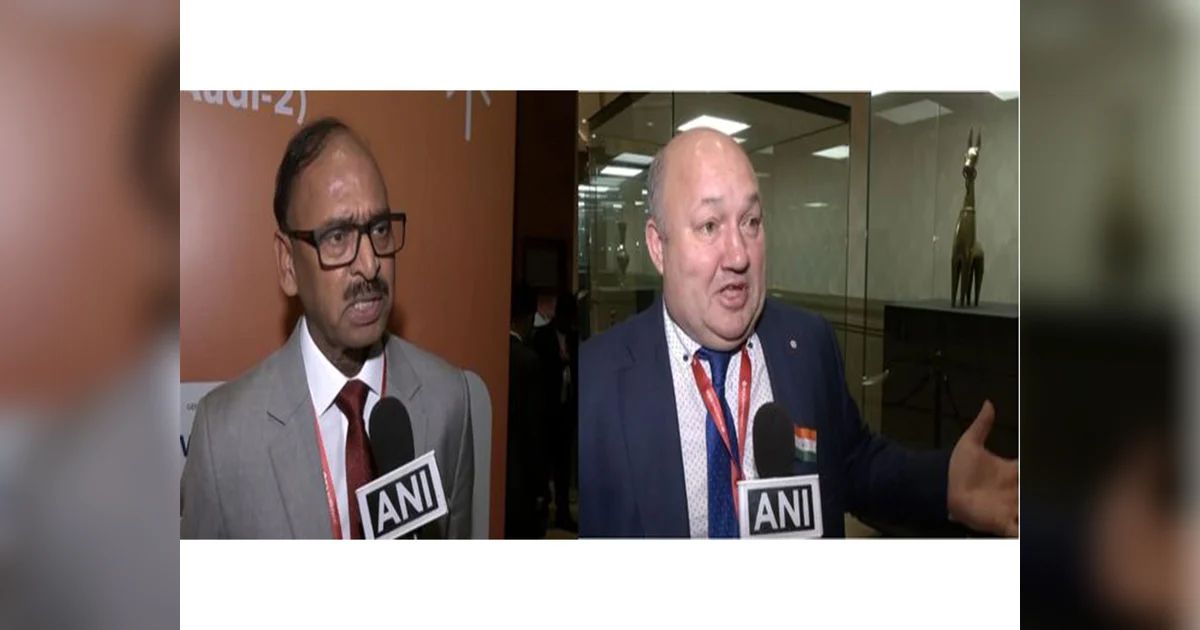
    Trade analysis reveals a substantial imbalance in current economic exchanges. According to Ajay Sahai, Director General and CEO of the Federation of Indian Export Organisations (FIEO), India imported approximately $63 billion worth of Russian goods last year while exporting only $5 billion. “This trade is slightly skewed, so we need to balance it and diversify it,” Sahai noted, emphasizing the urgent need for structural trade reforms.

    Despite a sharp decline to $2 billion during the Ukraine conflict, Indian exports to Russia have rebounded to approximately $5 billion. Industry experts identify emerging opportunities in digital payments, fintech integration, and hospitality services as promising avenues for expansion. A substantial Indian business delegation is concurrently exploring opportunities in Russia’s new-age industries, signaling mutual interest in technological exchange.

    Russian industry representatives echo this enthusiasm, recognizing India’s substantial market potential. Stanislav Kislov, CEO of Science-and-Production Centre Mineral Coating Technologies LLC, expressed strong confidence in bilateral cooperation: “India presents remarkable growth potential. After twenty years of operation in Russia, we are now entering the Indian market which offers excellent prospects for our technological solutions.”

    The visit represents a significant diplomatic re-engagement between the two nations, with stakeholders from both countries expressing commitment to developing more balanced trade relationships through sectoral diversification and technological collaboration.

  • UAE-backed forces raise South Yemen flag as they seize control in east

    UAE-backed forces raise South Yemen flag as they seize control in east

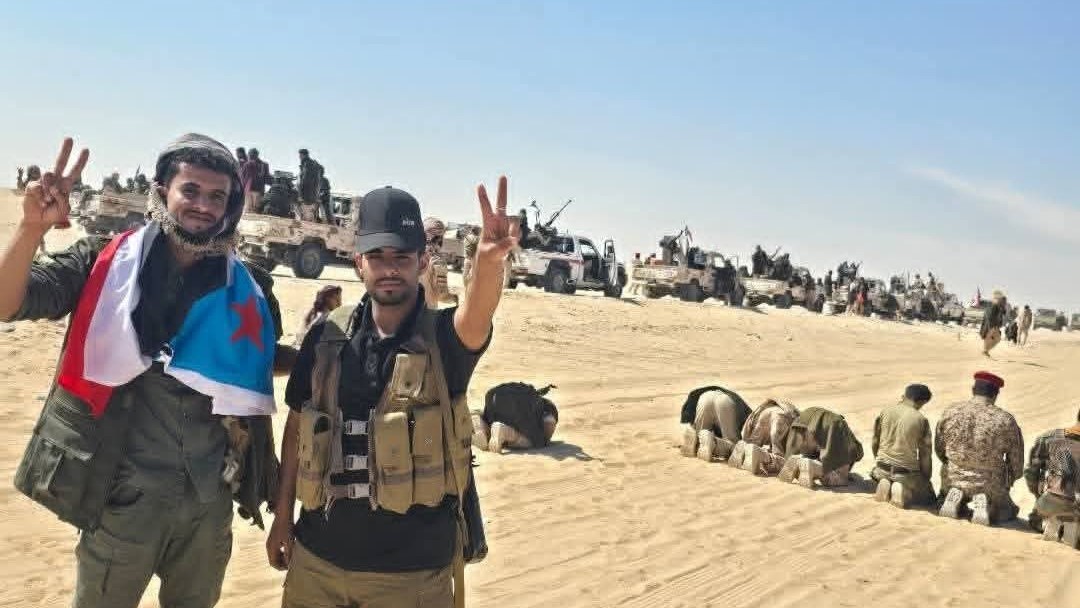
    A significant geopolitical shift is underway in southeastern Yemen as forces aligned with the Southern Transitional Council (STC) have successfully captured extensive territories, including the strategically vital Hadhramaut province. The military operation, codenamed “The Promising Future,” has resulted in the hoisting of the historic South Yemen flag across administrative buildings and critical infrastructure points throughout the region.

    The STC’s military wing, known as the Hadrami Elite Forces, executed a rapid offensive that secured control of Seiyun, one of Hadhramaut’s largest urban centers, along with its presidential palace and international airport. This development effectively places approximately one-third of Yemen’s territory under STC authority, including regions containing 80 percent of the nation’s modest oil reserves.

    The campaign encountered initial resistance from the Saudi-backed Hadramout Tribal Alliance, which briefly seized PetroMasila, Yemen’s largest oil company facility, in a preemptive maneuver. However, STC forces subsequently reclaimed the installation, compelling tribal forces to withdraw following Saudi-mediated negotiations that prevented direct confrontation between Saudi and UAE-backed factions.

    Symbolically significant actions have accompanied the territorial gains, with armed personnel replacing Yemeni national flags with the South Yemen banner at strategic locations including the Shahn border crossing with Oman. This flag, featuring a light blue chevron and red star representing the former Yemeni Socialist Party, hadn’t flown officially since Yemeni unification in 1990.

    Analysts indicate these developments substantially enhance the STC’s position within Yemen’s complex political landscape. The council now commands crucial supply routes and logistical corridors connecting to anti-Houthi forces in Marib, potentially altering the balance of power within the Presidential Leadership Council that has governed southern Yemen amid internal divisions.

    The STC’s foreign ministry justified its military campaign by characterizing Hadhramaut as a “haven for terrorism” and breeding ground for extremist organizations including ISIS and al-Qaeda. Open-source intelligence reports indicate the separatists employed UAE-supplied military equipment during their offensive, including Chinese-manufactured artillery systems and Emirati-produced armored vehicles, underscoring the complex international dimensions of Yemen’s multilayered conflict.

  • Our countries are tied with a solid, time-proven friendship, says Russian Defence Minister

    Our countries are tied with a solid, time-proven friendship, says Russian Defence Minister

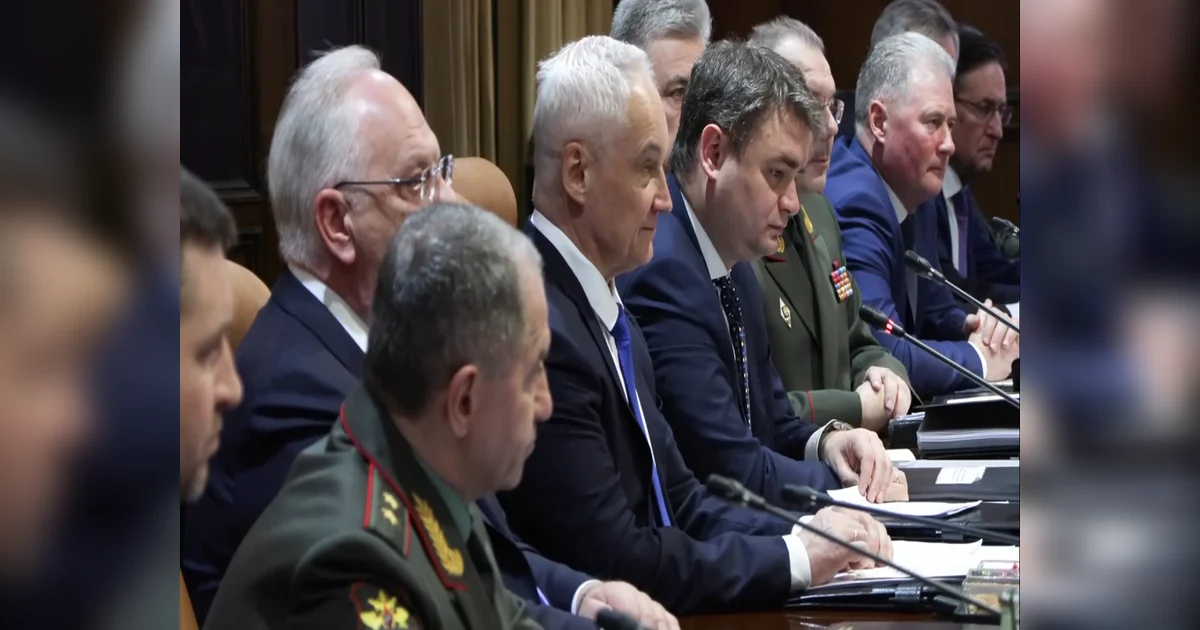
    Russian Defense Minister Andrei Belousov affirmed the enduring strategic alliance between Russia and India during the 22nd India-Russia Inter-Governmental Commission on Military and Military Technical Cooperation meeting in New Delhi. Speaking alongside Indian Defense Minister Rajnath Singh on December 4, 2025, Belousov characterized the bilateral relationship as “a solid, time-proven friendship grounded in mutual respect.”

    The minister emphasized the partnership’s critical role in maintaining regional equilibrium, stating that cooperation with India serves as “a key factor for balance in the South Asian region and global stability in general.” This declaration comes amid evolving geopolitical dynamics that have prompted India to diversify its defense partnerships while maintaining historical ties with Russia.

    Belousov specifically acknowledged India’s participation in May 2025 commemorations marking the 80th anniversary of Victory in the Great Patriotic War (1941-1945), expressing personal gratitude for the Indian delegation’s presence in Moscow. The Russian minister also extended congratulations to the Indian Navy on National Navy Day, highlighting comprehensive military cooperation spanning army, air force, and naval development.

    Indian Defense Minister Rajnath Singh reciprocated the positive sentiments, confirming that Russia remains India’s strategic partner in technology and defense despite recent global developments. Singh noted that the ongoing relationship operates within the framework of the “special privileged partnership” between the nations, which he believes will be further strengthened through upcoming engagements between Prime Minister Narendra Modi and President Vladimir Putin.

    The intergovernmental commission, which both ministers praised for producing “effective and mutually beneficial decisions in the military domain,” serves as the primary institutional mechanism governing defense cooperation. Both parties committed to building upon existing achievements while identifying new collaborative objectives for future bilateral defense initiatives.

  • Russia, India to push towards $100 billion trade turnover by 2030: Russian Finance Minister

    Russia, India to push towards $100 billion trade turnover by 2030: Russian Finance Minister

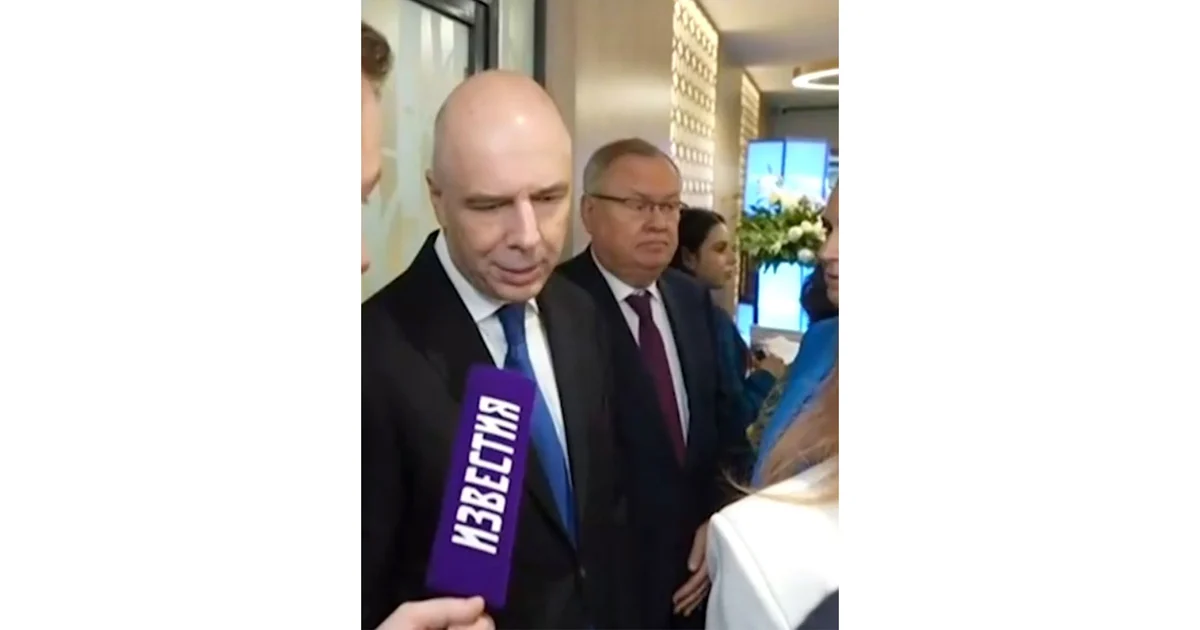
    Russian Finance Minister Anton Siluanov has articulated a robust vision for economic collaboration between Russia and India, expressing strong confidence in achieving the bilateral trade target of $100 billion by 2030. This ambitious goal comes amid rapidly expanding economic ties that have already surpassed previous expectations, with current trade volumes reaching $68 billion—more than double the $30 billion target set by President Vladimir Putin in 2018.

    In an exclusive interview with Russian media outlet Izvestia, Minister Siluanov highlighted the strategic importance of enhanced financial infrastructure in facilitating this growth. The recent inauguration of VTB Bank’s flagship office in India represents a concrete step toward streamlining financial settlements between the two nations. “The more opportunities there are for settlements, the simpler trade and economic relations will be carried out,” Siluanov emphasized, noting that such developments are crucial for achieving the 2030 target.

    The minister detailed the multifaceted nature of the growing economic partnership, which now extends across multiple sectors including energy resources, military-technical cooperation, equipment and machinery trade, investment relations, and tourism. Siluanov specifically mentioned Russia’s ongoing efforts to increase imports from India, implementing directives from President Putin to strengthen economic bonds.

    This economic diplomacy unfolds against the backdrop of President Putin’s scheduled state visit to New Delhi for the 23rd India-Russia Annual Summit. The high-level meetings are expected to further solidify the strategic partnership between the two nations, building upon the remarkable progress already achieved in their economic relations.

  • Was Harry referencing Trump in joke for Late Show sketch?

    Was Harry referencing Trump in joke for Late Show sketch?

    In a lighthearted yet pointed television appearance, Prince Harry joined Stephen Colbert on ‘The Late Show’ for a comedic sketch that blended holiday cheer with subtle political commentary. The Duke of Sussex participated in a faux audition for a Hallmark Channel-style Christmas movie, playing himself as the ‘Gingerbread Christmas Prince’ who saves the holiday in Nebraska.

    The segment took a political turn when Colbert questioned why a real prince would seek such a role. Harry remarked on Americans’ fascination with both royalty and Christmas films, adding, ‘I hear you elected a king’ – an apparent reference to recent ‘No Kings’ protests directed at the Trump administration. The joke referenced widespread demonstrations against Trump’s policies that had mobilized large crowds across major U.S. cities including New York, Washington DC, and Los Angeles.

    Harry further quipped about his determination to secure the acting role, stating he would ‘settle a baseless lawsuit with the White House’ – a clear nod to CBS’s recent legal settlement with former President Trump. Colbert retorted, ‘Hey, I didn’t do any of those things,’ prompting Harry’s comeback: ‘Maybe that’s why you’re cancelled,’ referencing the surprise announcement earlier this year that ‘The Late Show’ will conclude its 33-year run in May 2026.

    The festive segment concluded with Colbert awarding Harry the title of ‘official Late Show prince of Christmas’ to audience applause. The appearance marked Harry’s second time on the program, following his January 2023 visit to promote his memoir ‘Spare,’ which had set viewership records for the show.

    The Duchess of Sussex promoted her husband’s appearance via her Instagram account. The California-based royal couple has maintained a visible media presence since stepping back from senior royal duties in 2020 to pursue financial independence and creative projects.

  • UAE: Now, use Apple Watch to detect hypertension

    UAE: Now, use Apple Watch to detect hypertension

    The United Arab Emirates has become the inaugural market for Apple Watch’s revolutionary hypertension detection capability, introducing a transformative approach to cardiovascular health monitoring. This groundbreaking feature, activated on December 3rd, 2025, enables users to identify potential chronic high blood pressure through their wearable device instead of traditional blood pressure cuffs.

    Hypertension represents the predominant risk factor for catastrophic health events including heart attacks, strokes, and kidney disease, affecting an estimated 1.3 billion adults worldwide. The condition frequently remains undiagnosed due to its asymptomatic nature and infrequent medical consultations.

    Apple’s development team employed sophisticated machine learning algorithms trained on comprehensive data from multiple research studies involving more than 100,000 participants. The technology underwent rigorous clinical validation through trials with over 2,000 subjects, ensuring scientific credibility.

    The detection mechanism operates through the watch’s optical heart sensor, which analyzes vascular responses to cardiac activity. The algorithm continuously processes data in 30-day cycles, providing notifications when consistent hypertension patterns emerge. These alerts empower users to pursue lifestyle modifications or medical interventions that could potentially prevent severe health complications.

    While the technology isn’t infallible, projections indicate it could identify over one million previously undiagnosed hypertension cases within its first year of implementation. Users receiving notifications are advised to conduct seven days of traditional blood pressure monitoring using certified equipment and consult healthcare professionals for comprehensive assessment.

  • Boosted by Dubai chocolate craze, Argentina bets on pistachios

    Boosted by Dubai chocolate craze, Argentina bets on pistachios

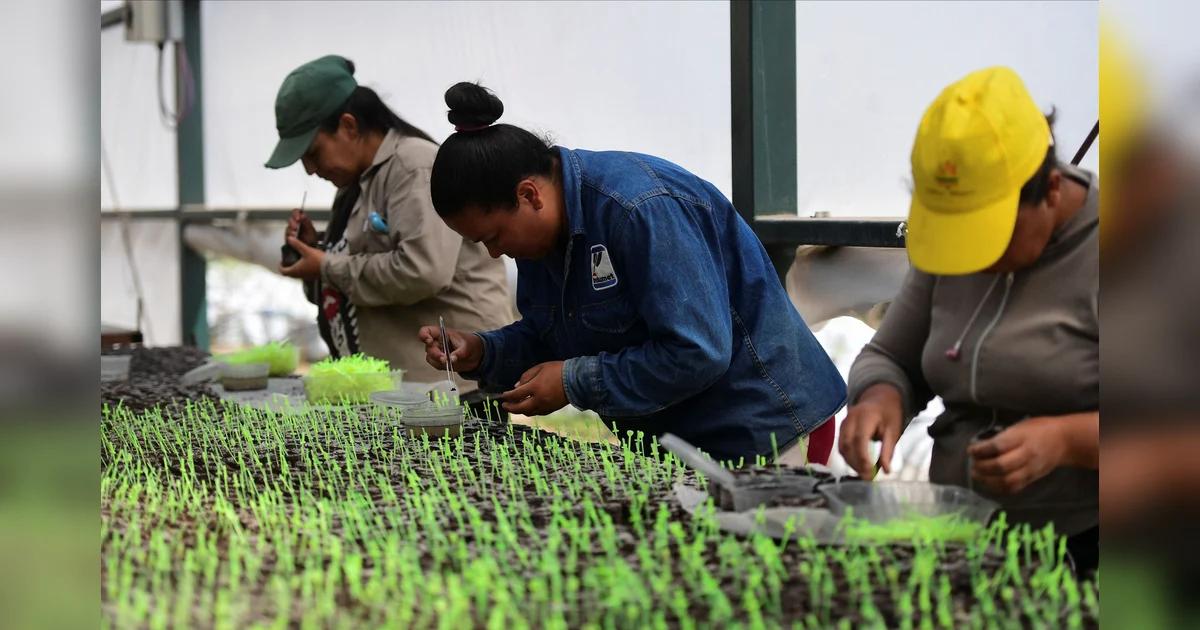
    Argentina’s agricultural landscape is undergoing a remarkable transformation as pistachio cultivation experiences unprecedented growth, fueled by global demand sparked by Dubai’s viral pistachio chocolate phenomenon. The country’s pistachio acreage has expanded fivefold within just five years, reaching approximately 25,000 acres according to the National Network to Study Pistachio Trees in Argentina.

    San Juan province, nestled against the Andes mountain range, has emerged as the epicenter of this agricultural revolution. Scientists have identified an astonishing 65,000 square kilometers across multiple provinces with ideal climatic conditions for pistachio production—requiring arid, hot summers and chilly winters with a seven-year maturation period.

    While the United States, Iran, and Turkey remain dominant global producers, Argentina has positioned itself as South America’s sole significant grower with substantial export potential. Alberto Aguilera of SolFrut, managing nearly 3,000 acres in San Juan, emphasizes Argentina’s competitive advantages: “You have land, water, and the climate conditions.”

    The Dubai chocolate trend, which went viral on TikTok in 2023, has created ripple effects throughout Argentina’s food industry. Companies now produce pistachio dulce de leche, pastries, and even the national oil company YPF markets pistachio alfajores. This domestic demand surge complements export opportunities, with current shipments primarily reaching Italy, Russia, Australia, and Latin American nations.

    Pioneers like Iranian immigrant Marcelo Ighani, who faced skepticism when planting Argentina’s first pistachio crop in the 1980s, now see unprecedented demand. His company Pisté has more than doubled annual rootstock production to 400,000 plants by 2025, yet still cannot meet market requirements.

    The economic implications are substantial. In San Juan province, pistachio trees represent the third-largest agricultural product by acreage after vineyards and olive groves. Miguel Moreno, the province’s agriculture secretary, predicts “a very strong impact on the economy of San Juan,” noting that sustained demand has surprised everyone and incentivized long-term investments.

    However, producers remain cautiously optimistic. José Chediack of Grupo Phronesis, while acknowledging pistachio’s “very good moment,” emphasizes the need for improved macroeconomic conditions under President Javier Milei to ensure sustained growth through lower interest rates and extended loan terms.

    The pistachio boom represents a strategic shift in Argentine agriculture, with many wine producers converting vineyards to nuts in response to declining global wine consumption and increasing consumer preference for healthier options—a trend that third-generation wine producer Ramiro Martins describes as moving “toward more healthy trends.”

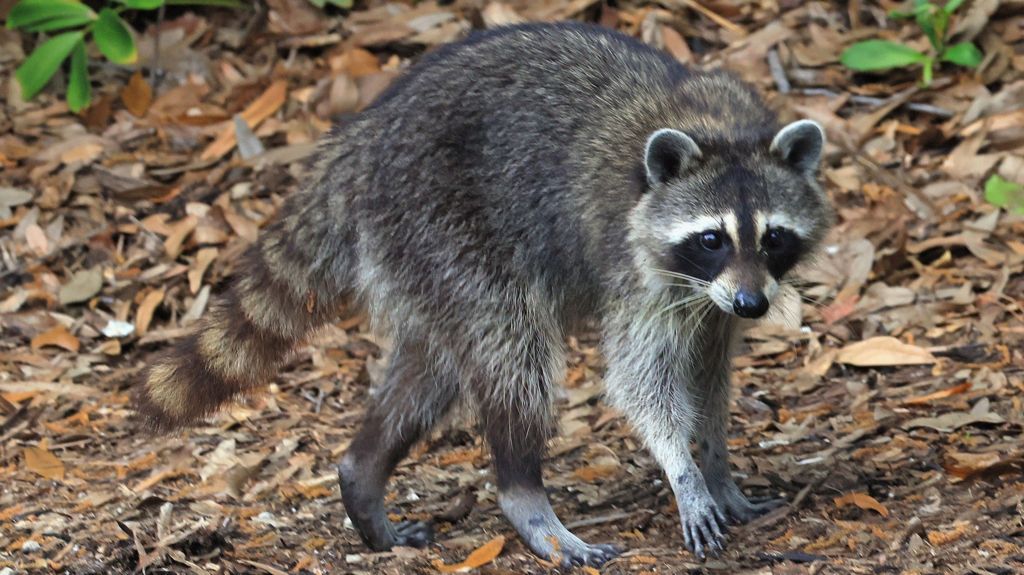
  • Weekly quiz: Where did shopkeepers find a drunk raccoon?

    Weekly quiz: Where did shopkeepers find a drunk raccoon?

    Amid a week of significant international developments, diplomatic efforts to resolve the Ukraine conflict reached another impasse as negotiations failed to produce a breakthrough. The ongoing war continues to dominate global security discussions while creating ripple effects across international markets and alliances.

    In parallel political developments, the United Kingdom witnessed a notable resignation as the head of the Office for Budget Responsibility (OBR) stepped down following a significant publishing error. This departure raises questions about accountability mechanisms within Britain’s fiscal oversight institutions during economically volatile times.

    Meanwhile, Buckingham Palace hosted elaborate diplomatic ceremonies as King Charles III welcomed the German president with a meticulously orchestrated state banquet. The event symbolized ongoing European cooperation efforts despite broader continental tensions, serving as a reminder of traditional diplomatic channels maintaining relationships beneath surface-level political challenges.

    These events occurred alongside numerous other global developments that typically receive less public attention despite their potential long-term significance. From environmental policy shifts to technological advancements and lesser-reported international agreements, the broader landscape of global affairs continues evolving rapidly beneath headline-grabbing events.

    Current affairs quizzes and knowledge assessments have emerged as popular tools for measuring public awareness of these multifaceted developments, highlighting the growing complexity of maintaining informed citizenship in an era of information saturation.

  • Dubai’s ultra-luxury property deals surge tenfold in five years

    Dubai’s ultra-luxury property deals surge tenfold in five years

    Dubai’s premium residential sector has undergone a remarkable metamorphosis, with property transactions exceeding Dh10 million experiencing a tenfold explosion over the past five years. Current market analytics reveal an extraordinary jump from a modest 469 deals in 2020 to approximately 6,000 transactions by mid-November 2025, representing a substantial 24.4 percent annual growth with several weeks remaining in the fiscal calendar.

    This unprecedented growth trajectory positions Dubai as the world’s premier destination for high-net-worth individuals (HNWIs), according to Savills’ inaugural Wealth Trends Report. The emirate achieved perfect scores across critical parameters including business environment, wealth clustering capabilities, family infrastructure, lifestyle offerings, and security protocols, solidifying its status as the global benchmark for luxury living.

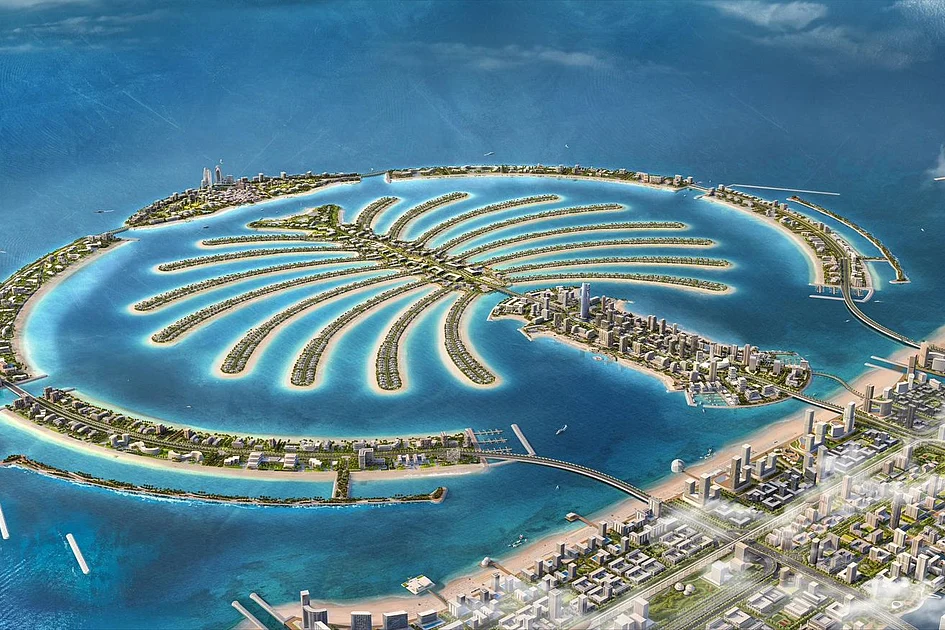
    Off-plan developments have emerged as the fundamental driver of this luxury market expansion, constituting 73 percent of all transactions above Dh10 million in 2025. Prestigious projects including The Oasis, Palm Jebel Ali, Eden Hills, and Jumeirah Golf Estates Phase 2 have significantly contributed to this activity, demonstrating robust investor confidence in Dubai’s long-term economic prospects.

    The villa segment has particularly dominated the luxury landscape, with off-plan villas now representing 51 percent of all prime transactions—an astonishing 915 percent volume increase since 2021. Affluent buyers increasingly prefer expansive layouts exceeding 4,000 square feet, with such properties accounting for 81 percent of deals in the premium segment over the past five years, reflecting growing demand for privacy, outdoor spaces, and wellness-oriented features.

    While transactions in the Dh10-20 million range dominate at 64 percent market share, the super-prime category (properties above Dh20 million) has maintained parallel growth momentum, with both segments recording identical 24 percent year-on-year increases.

    Geographic distribution analysis reveals The Oasis leads villa transactions with 1,024 deals above Dh10 million, followed by Palm Jebel Ali (567 transactions) and District One (169 transactions). For luxury apartments, Dubai Harbour tops the list with 250 transactions, while Palm Jumeirah and Downtown Dubai continue their dominance as established luxury residential corridors.

    European investors constitute the majority of premium property acquisitions at 58 percent, with Asian buyers following at 23 percent market share. Remarkably, buyers from 33 distinct nationalities have participated in Dubai’s luxury market, underscoring its truly global investment appeal.

    Market specialists attribute this sustained growth to Dubai’s political stability, tax-efficient environment, world-class infrastructure, and strategic positioning as a safe haven for global capital. The emirate has simultaneously emerged as the world’s most active market for branded residences, featuring 64 completed projects and 87 additional developments in various planning stages, with luxury brands including Missoni and Mercedes-Benz entering the residential real estate sector.

    Industry projections indicate continued momentum driven by wealth migration patterns, population growth, and evolving consumer preferences for exclusive, branded living experiences. Villas are expected to maintain their dominance in the ultra-luxury segment, while new off-plan developments will continue to cater to sophisticated buyer demands for space, privacy, and exclusivity.