作者: admin

  • Dubai: Man jailed, fined Dh100,000 for using bank account for drug trafficking

    Dubai: Man jailed, fined Dh100,000 for using bank account for drug trafficking

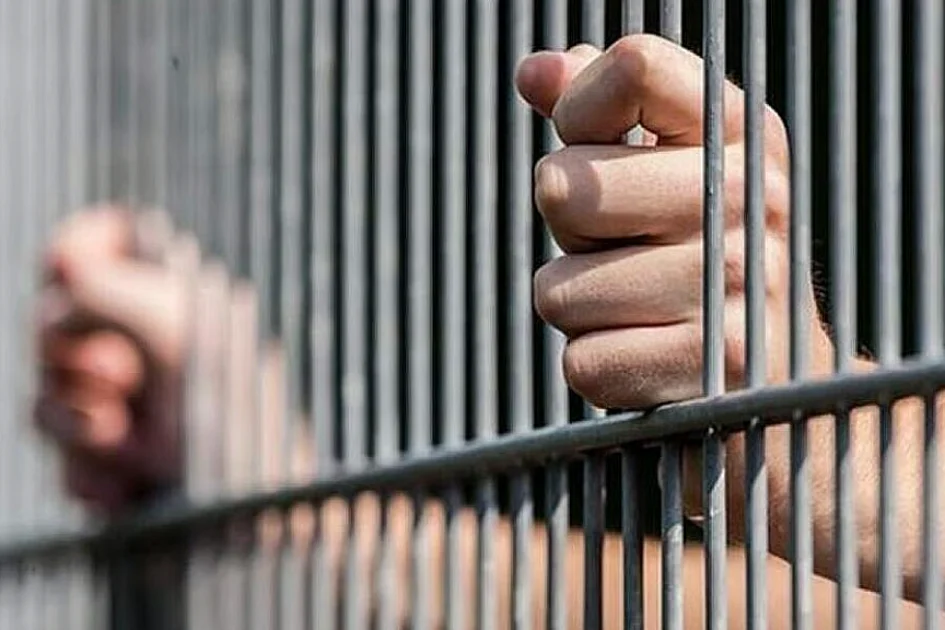
    In a decisive ruling that underscores the United Arab Emirates’ intensified campaign against narcotics-related financial crimes, a Dubai court has delivered a comprehensive verdict against an Asian national convicted of facilitating drug trafficking through his banking services. The defendant received a three-year prison sentence coupled with a substantial fine of Dh100,000, followed by mandatory deportation upon completion of his incarceration.

    The judicial authorities further mandated the complete confiscation of all funds within the defendant’s bank account and instituted a stringent two-year prohibition preventing him from processing monetary transfers or deposits for third parties, whether directly or through intermediary channels. This financial restriction requires explicit prior authorization from the UAE Central Bank, coordinated with the Ministry of Interior, before any future transactional activities can be conducted.

    The case originated from actionable intelligence received by Dubai’s General Department of Anti-Narcotics, indicating that four Asian men were actively engaged in drug consumption and storage at a Bur Dubai residence. Executing a prosecution-sanctioned raid, law enforcement officials uncovered heroin packets, precision weighing scales, and drug distribution paraphernalia within the property. Subsequent searches revealed additional narcotics quantities concealed inside a vehicle belonging to one of the suspects.

    During criminal investigations, one suspect admitted procuring narcotics from an Asian supplier, while another confessed that proceeds from drug sales were channeled through a UAE bank account. Financial records ultimately identified the defendant as the account holder. Despite maintaining that he merely lent his bank card to assist an acquaintance without knowledge of its illicit use, the court rejected his defense, establishing his responsibility for managing drug-related proceeds.

    This verdict represents the UAE’s strengthened judicial approach toward combating narcotics networks, particularly targeting the financial infrastructure that enables drug trafficking operations. The ruling serves as a stark warning about the severe consequences awaiting those who facilitate criminal activities, even through indirect financial assistance.
  • Non-capital function relocation fuels Xiong’an’s rapid growth

    Non-capital function relocation fuels Xiong’an’s rapid growth

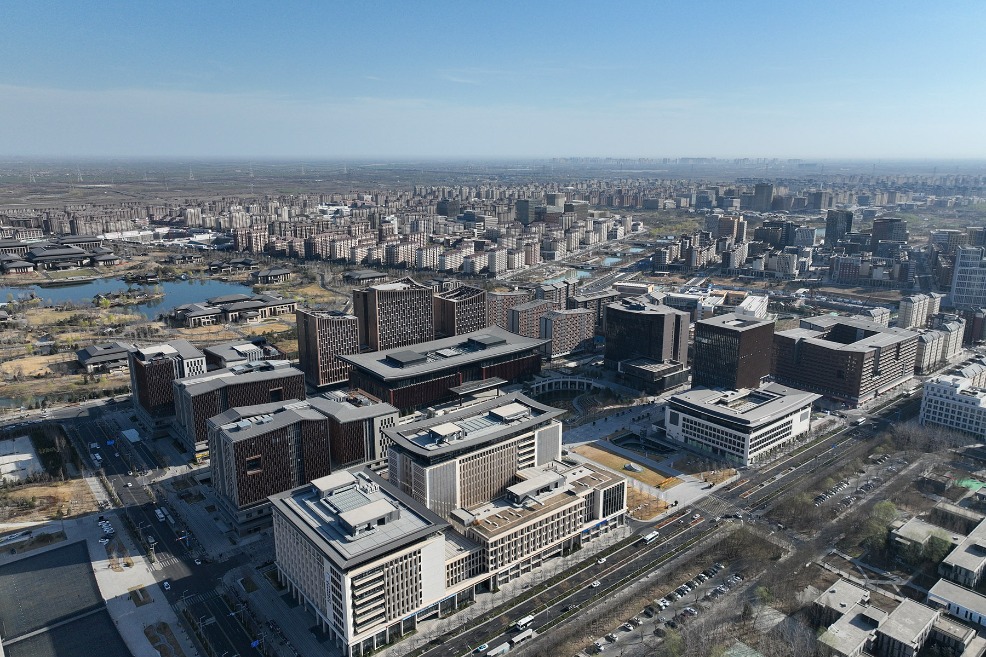
    Xiong’an New Area in Hebei Province has demonstrated remarkable economic transformation during China’s 14th Five-Year Plan period (2021-2025), establishing itself as the primary destination for Beijing’s non-capital function relocation initiative. This strategic decentralization drive has propelled the area into a phase of extensive development and quality growth, according to officials at a recent press conference.

    The statistics reveal an extraordinary economic performance, with Xiong’an achieving an average annual GDP growth rate of 17.1% over the past five years. This expansion has been supported by consistent annual investment approximating 200 billion yuan ($28 billion), accumulating to over one trillion yuan in total capital infusion, as reported by Wang Yanwei, director of Xiong’an’s Reform and Development Bureau.

    The relocation program has attracted major state-owned enterprises, with China Satellite Network Group, Sinochem Holdings, and China Huaneng Group having officially transferred their headquarters to the new area. Concurrently, construction is progressing rapidly on multiple fronts, including China Mineral Resources Group’s headquarters facility, along with four universities and two medical institutions in the initial relocation cohort.

    A subsequent wave of development is already underway, featuring the commencement of China Datang Corporation’s headquarters construction and finalized location agreements with additional enterprises and institutions, comprising three hospitals and five universities. This concentrated migration has generated powerful industrial clusters, with more than 400 subsidiaries and innovative business segments of central enterprises now established within Xiong’an.

    The area is rapidly evolving into a concentrated zone for higher education, elite talent, advanced medical resources, and state-owned enterprise innovation. This transformation is bolstered by substantial infrastructure advancements, including the nearing completion of critical transportation corridors such as the east-west axis railway and the Jingxiong Express Line connecting to Beijing Daxing International Airport.

    Public service capabilities have been systematically enhanced through the completion and operationalization of cultural and sports facilities, including the Xiong’an Sports Center and Xiong’an Library. Looking toward the 15th Five-Year Plan period (2026-2030), authorities plan to maintain focus on the relocation strategy to drive industrial innovation, technological advancement, and further talent aggregation, aiming for decisive progress in establishing a high-standard modern urban center.

  • Putin says Russia ready to supply ‘uninterrupted’ fuel to India

    Putin says Russia ready to supply ‘uninterrupted’ fuel to India

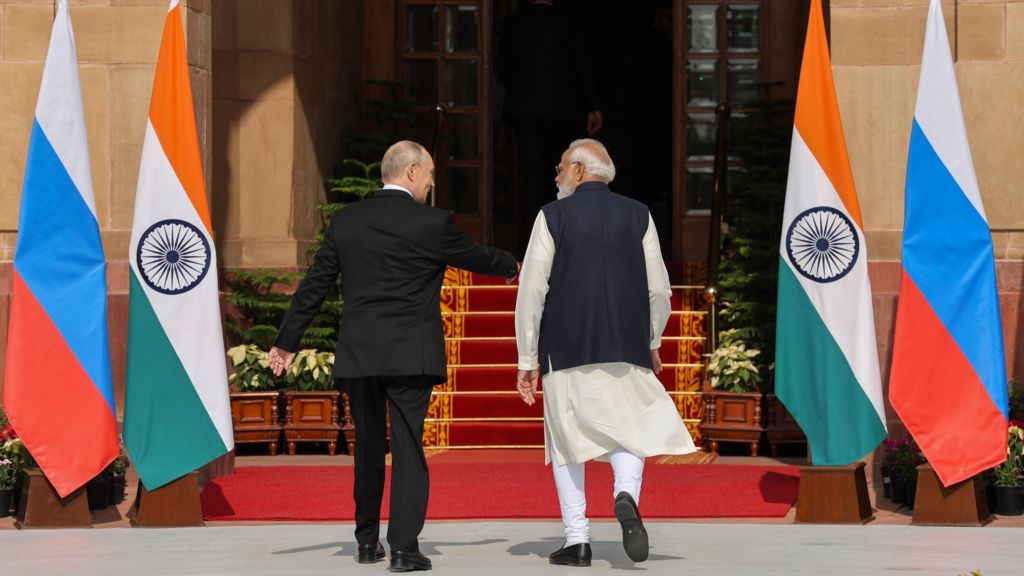
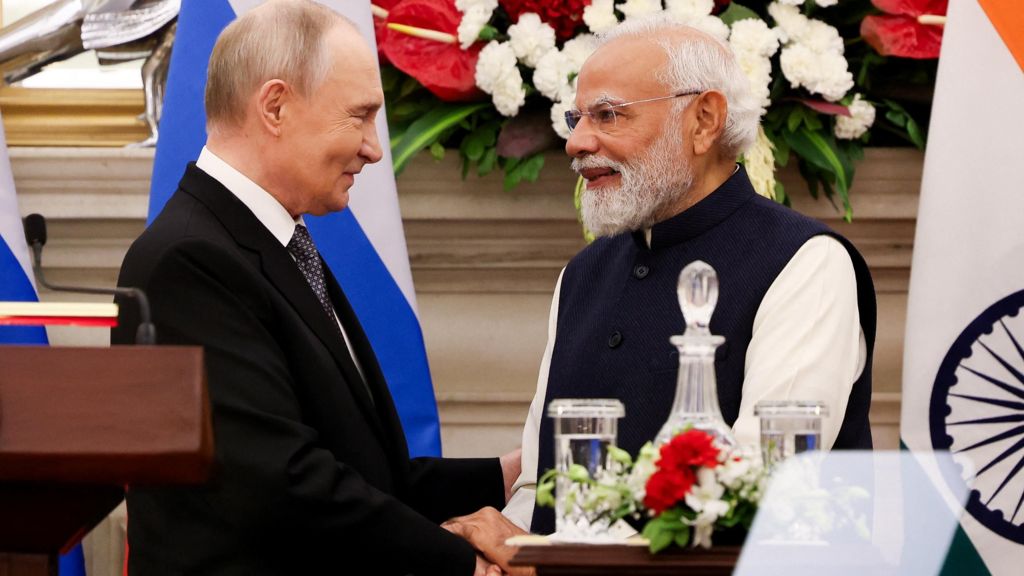
    During a high-profile meeting in Delhi, Russian President Vladimir Putin assured India of Moscow’s commitment to providing “uninterrupted shipments” of fuel, directly challenging U.S. pressure on New Delhi to cease purchasing Russian oil. The bilateral talks between Putin and Indian Prime Minister Narendra Modi highlighted growing geopolitical tensions as the United States imposes significant tariffs on Indian products in response to India’s continued energy trade with Russia.

    Putin pointedly questioned the logic behind U.S. sanctions, noting that America itself continues to purchase nuclear fuel from Russia. “The United States itself still buys nuclear fuel from us for its own nuclear power plants. If the US has the right to buy our fuel, why shouldn’t India have the same privilege?” he asked during an interview with India Today.

    The meeting occurred against the backdrop of deteriorating India-U.S. relations, which have reached an all-time low due to unresolved tariff disputes. The U.S. has imposed 50% tariffs on most Indian products, citing India’s oil purchases as indirectly funding Russia’s war in Ukraine—an accusation India firmly denies.

    While addressing the Ukraine conflict, Putin presented an ultimatum: “Either we liberate these territories by force, or Ukrainian troops will leave these territories.” Meanwhile, Modi reiterated India’s position of supporting peace and seeking a lasting solution to the conflict, without explicitly endorsing either side.

    The leaders announced several bilateral agreements, including new visa schemes for Russian tourists, the opening of Indian consulates in Russia, and the launch of Russia Today in India. They also signed memorandums covering trade, agriculture, shipbuilding, civil nuclear energy, and critical minerals. Notably, both countries agreed on an economic program extending through 2030, with ambitions to increase bilateral trade from $60 billion to $100 billion.

    Energy security emerged as a cornerstone of the partnership, though Modi avoided specific mention of oil. India, the world’s third-largest crude consumer, has significantly increased Russian oil imports since 2022 but recently begun reducing them to comply with U.S. sanctions.

    The joint statement emphasized a strategic reorientation toward joint research, development, and production of advanced defense platforms. Both leaders also highlighted their cooperation within BRICS, positioning the alliance as promoting a “more just” and “multi-polar” world order.

  • What Putin and Modi got out of Delhi meeting

    What Putin and Modi got out of Delhi meeting

    Russian President Vladimir Putin concluded a highly symbolic visit to New Delhi, marking his first trip to India since the commencement of the Ukraine conflict in 2022. The carefully orchestrated event featured full ceremonial honors, including a military guard reception and a presidential banquet, signaling India’s continued diplomatic engagement despite Western pressure.

    During the intensive one-day itinerary, President Putin engaged in substantive discussions with Prime Minister Narendra Modi, participated in a bilateral business forum, and officially launched the India operations of RT (Russia Today), the Kremlin-funded media network. The visit’s ceremonial aspects—particularly Prime Modi’s unusual airport reception—demonstrated the enduring strength of Russo-Indian relations amid global geopolitical tensions.

    The bilateral meetings yielded several significant agreements, though falling short of anticipated major defense contracts. Both nations announced enhanced cooperation through a new economic partnership program covering critical minerals and pharmaceutical manufacturing, with plans to establish a Russian-Indian pharmaceutical facility in Russia’s Kaluga region. The leaders also advanced discussions on a potential free trade agreement between India and the Eurasian Economic Union.

    Energy security emerged as a central theme, with President Putin reaffirming Russia’s commitment to maintaining “uninterrupted oil shipments” to India. This pledge comes amid substantial pressure from the Trump administration, which has imposed heavy tariffs on Indian goods to discourage continued energy purchases from sanctioned Russian entities. Current bilateral trade has surged to $68.72 billion from $8.1 billion in 2020, primarily driven by India’s procurement of discounted Russian crude.

    Notably absent were expected announcements regarding major defense acquisitions, including advanced fighter jets and air defense systems. This omission reflects India’s delicate balancing act between its historical defense partnership with Moscow and its strategic relationship with Washington. However, officials emphasized that Russia remains India’s primary defense partner, with ongoing negotiations regarding delayed deliveries of the S-400 air defense systems and potential future acquisitions.

    The visit established an ambitious five-year framework aiming to achieve $100 billion in bilateral trade, emphasizing diversification beyond energy into sectors including shipbuilding, polar navigation training, civil nuclear energy, and visa-free travel arrangements.

  • Shah Rukh and Kajol unveil ‘DDLJ’ bronze statue in London

    Shah Rukh and Kajol unveil ‘DDLJ’ bronze statue in London

    In a landmark moment for Indian cinema, legendary actors Shah Rukh Khan and Kajol unveiled a bronze statue commemorating their iconic roles from the 1995 blockbuster ‘Dilwale Dulhania Le Jayenge’ (DDLJ) in London’s prestigious Leicester Square on Friday. This historic installation marks the first-ever recognition of an Indian film within the renowned Scenes in the Square trail, placing Bollywood’s most beloved characters alongside Western cinematic legends including Harry Potter, Mary Poppins, and superhero icons.

    The meticulously crafted statue captures the unforgettable pose of Raj and Simran, which the actors themselves recreated during the emotional unveiling ceremony. Shah Rukh Khan arrived in a sophisticated black suit while Kajol radiated elegance in a mint green saree, perfectly embodying the timeless charm that has defined their on-screen partnership for three decades.

    Directed by Aditya Chopra under the Yash Raj Films banner, DDLJ revolutionized Indian cinema with its cross-continental romance narrative that followed two non-resident Indians discovering love during a European journey originating from London’s King’s Cross Station. The film recently celebrated its 30th anniversary in October, demonstrating extraordinary longevity in global popular culture.

    During the unveiling, Khan expressed profound gratitude, stating: ‘DDLJ was crafted with pure artistic intention—we aimed to showcase how love transcends barriers and improves our world. This enduring impact over thirty years remains humbling and deeply personal.’ Kajol reflected on the emotional significance, noting: ‘Witnessing this statue unveiling felt like reliving our cinematic history—a narrative that has genuinely crossed generational boundaries.’

    The installation represents a significant cultural milestone, organized through collaboration with the Heart of London Business Alliance, acknowledging Indian cinema’s growing global influence and the specific cultural impact of what many consider the definitive Bollywood romance film.

  • UAE airline Etihad Airways launches three weekly flights to Russia’s Kazan

    UAE airline Etihad Airways launches three weekly flights to Russia’s Kazan

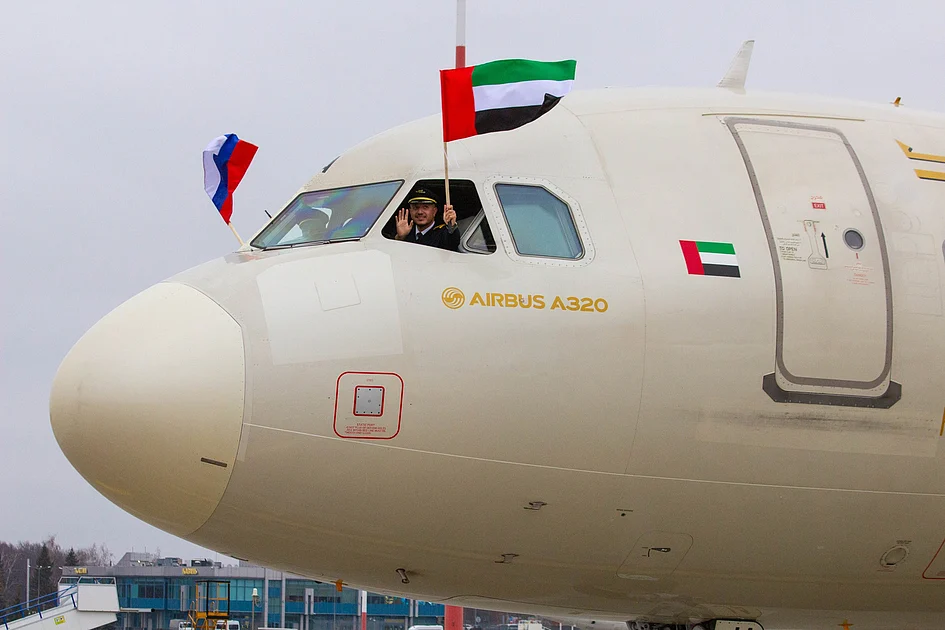
    Etihad Airways has inaugurated a significant new air route connecting Abu Dhabi with Kazan, Russia, marking a strategic expansion of its global network. The inaugural flight EY839 arrived at Kazan International Airport on December 3, 2025, receiving a ceremonial welcome that celebrated the establishment of this new travel corridor.

    The service will operate three times weekly on Tuesdays, Thursdays, and Sundays, featuring a flight duration of approximately five hours between the two cities. This scheduling is strategically designed to accommodate both business travelers and tourists seeking weekend getaways or extended holiday opportunities.

    Natalia Goryunova, Etihad Airways’ Country Manager for Russia, emphasized the significance of this new route: “We’re delighted to welcome guests from Kazan to discover Abu Dhabi, a city that beautifully blends Emirati heritage with contemporary innovation. Through our Abu Dhabi hub, passengers can enjoy seamless connections to Southeast Asia, the Indian Subcontinent, the GCC region, and Australia.”

    The new connection provides substantial benefits for travelers in both directions, offering Russian passengers enhanced access to Etihad’s extensive global network while simultaneously creating new opportunities for international visitors to explore one of Russia’s fastest-growing regional capitals. Kazan, known for its rich cultural heritage and economic vitality, becomes the latest addition to Etihad’s expanding route map, strengthening economic and tourism ties between the United Arab Emirates and the Russian Federation.

  • Burkina Faso plans to restore death penalty for treason, terrorism, espionage

    Burkina Faso plans to restore death penalty for treason, terrorism, espionage

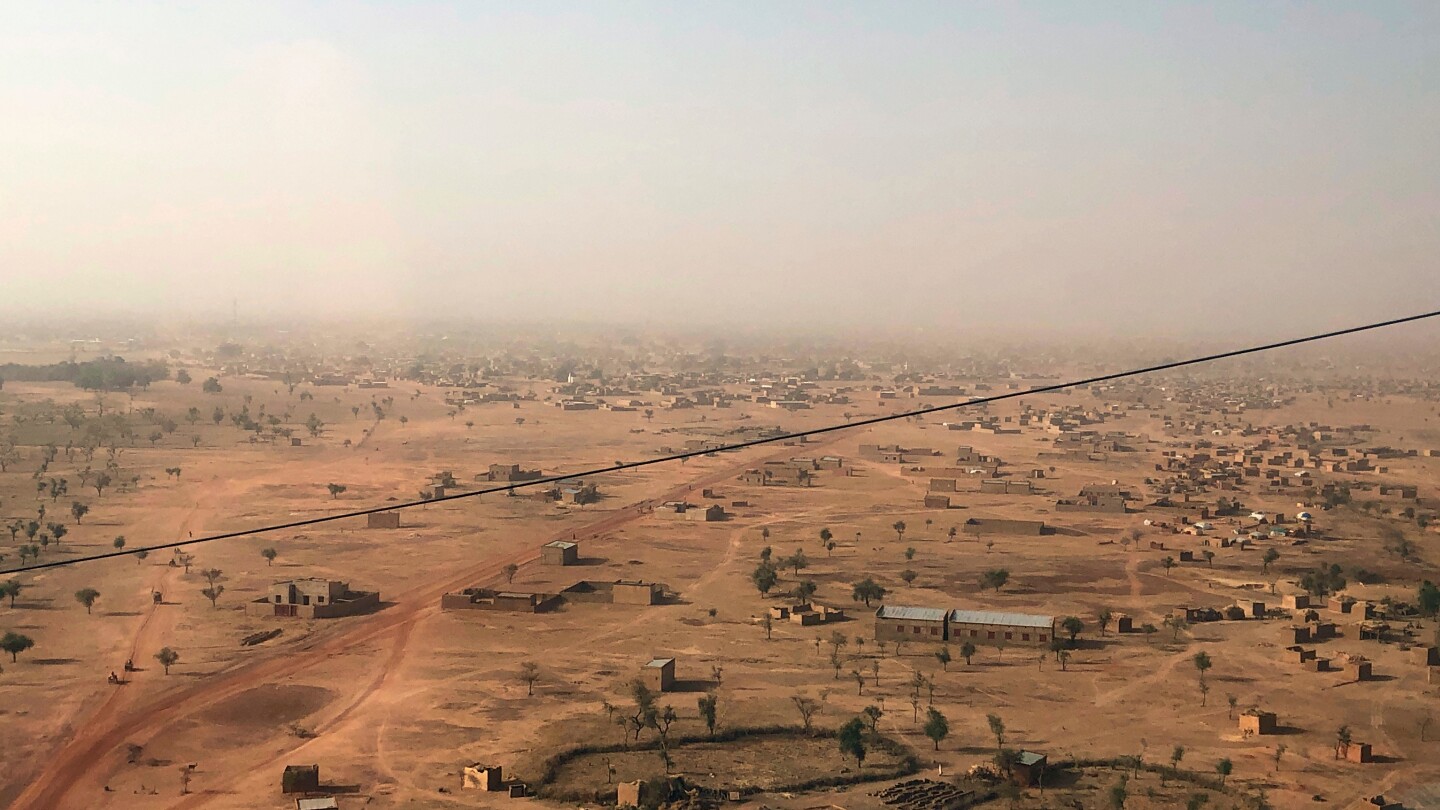
    DAKAR, Senegal — Burkina Faso’s military-led government has initiated a controversial legal reversal by approving draft legislation to reintroduce the death penalty for severe crimes including treason, acts of terrorism, and espionage. The Council of Ministers formally endorsed the bill in a significant policy shift that marks a departure from the nation’s 2018 abolition of capital punishment.

    Justice Minister Edasso Rodrigue Bayala characterized the move as part of broader judicial reforms, stating in an official Facebook communiqué that the measure aligns with ‘the deep aspirations of our people’ for a justice system addressing contemporary challenges. The proposal must now undergo parliamentary approval and judicial review before attaining legal force.

    This development occurs against a backdrop of sweeping governmental transformations implemented since the 2022 military coup. The ruling junta has previously postponed scheduled elections intended to restore civilian governance and dissolved the independent electoral commission. Concurrently, Burkina Faso has intensified media suppression, notably suspending BBC and Voice of America radio services for reporting on alleged military atrocities against civilians. Earlier this year, authorities detained three prominent journalists, continuing a pattern of suppressing dissenting voices.

    Burkina Faso joins several West African nations experiencing military takeovers amid widespread public dissatisfaction with elected governments’ handling of security crises. The landlocked nation of 23 million people confronts escalating violence from extremist factions affiliated with Al-Qaeda and the Islamic State, particularly in the volatile Sahel region south of the Sahara. International observers have repeatedly accused the current regime of human rights violations and systematic detention of government critics.

  • Evidence of burial ground at Tuam mother and baby home

    Evidence of burial ground at Tuam mother and baby home

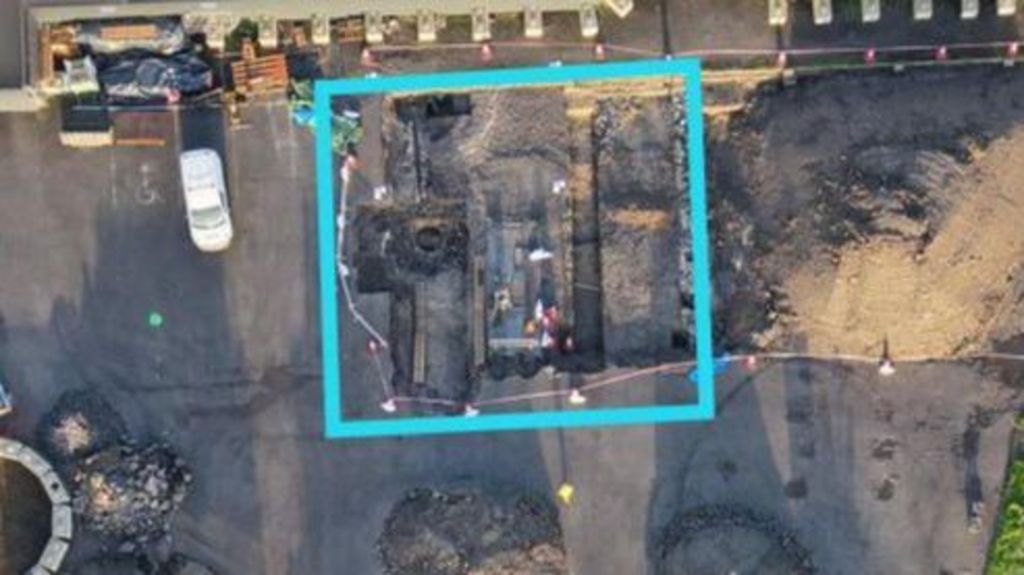
    Archaeological investigators at the former Tuam Mother and Baby Home site in County Galway have confirmed the discovery of a historical burial ground containing infant remains, according to the latest report from the Office of the Director of Authorised Intervention, Tuam (ODAIT).

    The excavation team, which began operations in July with the objective of locating and identifying human remains, has uncovered graves of child and infant proportions in the western sector of the property. This finding aligns precisely with historical maps that previously designated the area as a ‘burial ground,’ though no surface indications remained visible prior to the current investigation.

    ODAIT’s fourth progress update reveals that eleven sets of infant remains have now been recovered from this location, with the most recent excavation uncovering four additional sets following seven previously identified last month. Initial forensic assessments indicate all remains were interred in coffins. The layout and dimensions of the graves provide conclusive evidence that this section served as a formal burial ground during the institution’s operational years from 1925 to 1961.

    The discovery validates the groundbreaking research of local historian Catherine Corless, whose 2014 investigation first revealed that 796 children died at the facility despite the absence of official burial records. Her work brought international attention to the Tuam institution and prompted the ongoing excavation.

    The site gained further notoriety in 2017 when government investigators discovered ‘significant quantities’ of remains in underground chambers approximately 100 meters from the current excavation area. The current forensic operation, conducted both mechanically and manually under protective tents, is expected to continue until 2027, with subsequent analysis anticipated to require additional years.

    The Tuam institution was operated by the Bon Secours Sisters religious order under the ownership of Galway County Council. Both entities have issued formal apologies acknowledging inadequate burial practices and institutional failures. The Bon Secours Sisters have contributed €2.14 million toward excavation costs, while Galway County Council apologized in 2021 for ‘failing mothers and children’ in their care.

  • Around the world, refugees are shut out of the US by Trump’s new policies

    Around the world, refugees are shut out of the US by Trump’s new policies

    The Trump administration’s sweeping restructuring of the United States refugee admissions program has created a global humanitarian crisis, leaving approximately 600,000 applicants worldwide in a state of prolonged uncertainty. This policy shift, implemented immediately following President Trump’s inauguration, represents the most significant reduction in refugee resettlement in modern American history.

    The administration reduced refugee admissions to a historic low of 7,500 for the current fiscal year, with the majority of slots allocated to white South Africans. This dramatic reduction came alongside stringent new vetting requirements implemented after an Afghan national became a suspect in the shooting of two National Guard members. The administration has justified these measures as necessary for national security and economic protection, announcing plans to review refugees admitted during the previous Biden administration.

    Three distinct cases illustrate the human impact of these policy changes. The Dawood family, Syrian refugees residing in Iraq, became separated when medical complications prevented parents from joining their children who had already resettled in Connecticut. Their family reunion, once imminent, now hangs in indefinite suspension.

    Chinese Christian pastor Lu Taizhi, who fled religious persecution a decade ago, has seen his resettlement plans canceled multiple times despite official approval. Now living in precarious circumstances in Thailand, he expresses support for President Trump’s policies while awaiting resolution of his case.

    Meanwhile, Louis, a Congolese refugee resettled in Kentucky, faces heartbreaking separation from his wife and two young children who remain in a Ugandan refugee camp. His family reunification petition has been frozen under the new policies, creating emotional and practical challenges for the divided family.

    Refugee advocates have mounted legal challenges to the administration’s policies. Mevlüde Akay Alp, an attorney with the International Refugee Assistance Project, emphasized the importance of honoring America’s commitment to those who had received preliminary approval. ‘It’s crucial that we don’t abandon those families and thousands of others who were relying on the promise of coming here as refugees,’ Alp stated.

    The policy changes have created a massive backlog in refugee processing while raising questions about America’s traditional role as a humanitarian leader. Administration officials maintain that the enhanced vetting procedures and reduced admissions are necessary security measures that prioritize American interests.

  • Trump administration says Europe faces ‘civilisational erasure’

    Trump administration says Europe faces ‘civilisational erasure’

    The Trump administration has issued a stark warning to European allies in its newly released National Security Strategy, declaring that the continent faces potential ‘civilizational erasure’ within two decades if current trends continue. The 33-page document presents a comprehensive worldview that questions the reliability of certain European nations as military and economic partners while advocating for a restoration of ‘Western identity.’

    President Trump characterized the strategy as a ‘roadmap’ to maintain America’s position as ‘the greatest and most successful nation in human history.’ The document emphasizes combating foreign influence, ending mass migration, and prioritizing U.S. interests including the fight against drug cartels. It specifically criticizes European Union policies that allegedly ‘undermine political liberty and sovereignty,’ citing concerns about censorship, declining birthrates, and loss of national identities.

    European officials have responded critically to the strategy. German Foreign Minister Johann Wadephul stated that Germany requires no ‘outside advice’ on domestic affairs, while reaffirming the United States as Germany’s most important NATO ally. The document acknowledges growing ties with ‘patriotic European parties,’ a reference to the administration’s engagement with far-right groups such as Germany’s AfD, which German intelligence agencies have classified as extreme right-wing.

    The strategy addresses multiple global hotspots, noting that managing Europe’s relationship with Russia will require significant U.S. involvement. It identifies ending hostilities in Ukraine as a core American interest, though the administration’s proposed peace plan has involved controversial territorial concessions. Meanwhile, the document signals a strategic pivot toward the Western Hemisphere, with increased military assets deployed to the Caribbean for counter-narcotics operations.

    In the Asia-Pacific region, the strategy emphasizes hardening U.S. military presence in the Western Pacific, particularly regarding the South China Sea’s strategic shipping lanes. It calls for increased defense spending from allies including Japan, South Korea, Australia, and Taiwan, explicitly stating that ‘deterring a conflict over Taiwan is a priority’—a position that contradicts China’s claims over the self-governed island.

    The document also advocates for reducing foreign technological dependence and strengthening America’s industrial base, aligning with the administration’s implementation of sweeping global tariffs. This comprehensive strategy framework is expected to influence future policy decisions and budget allocations throughout Trump’s term.