作者: admin

  • Iran confirms it is receiving second deportation flight from US

    Iran confirms it is receiving second deportation flight from US

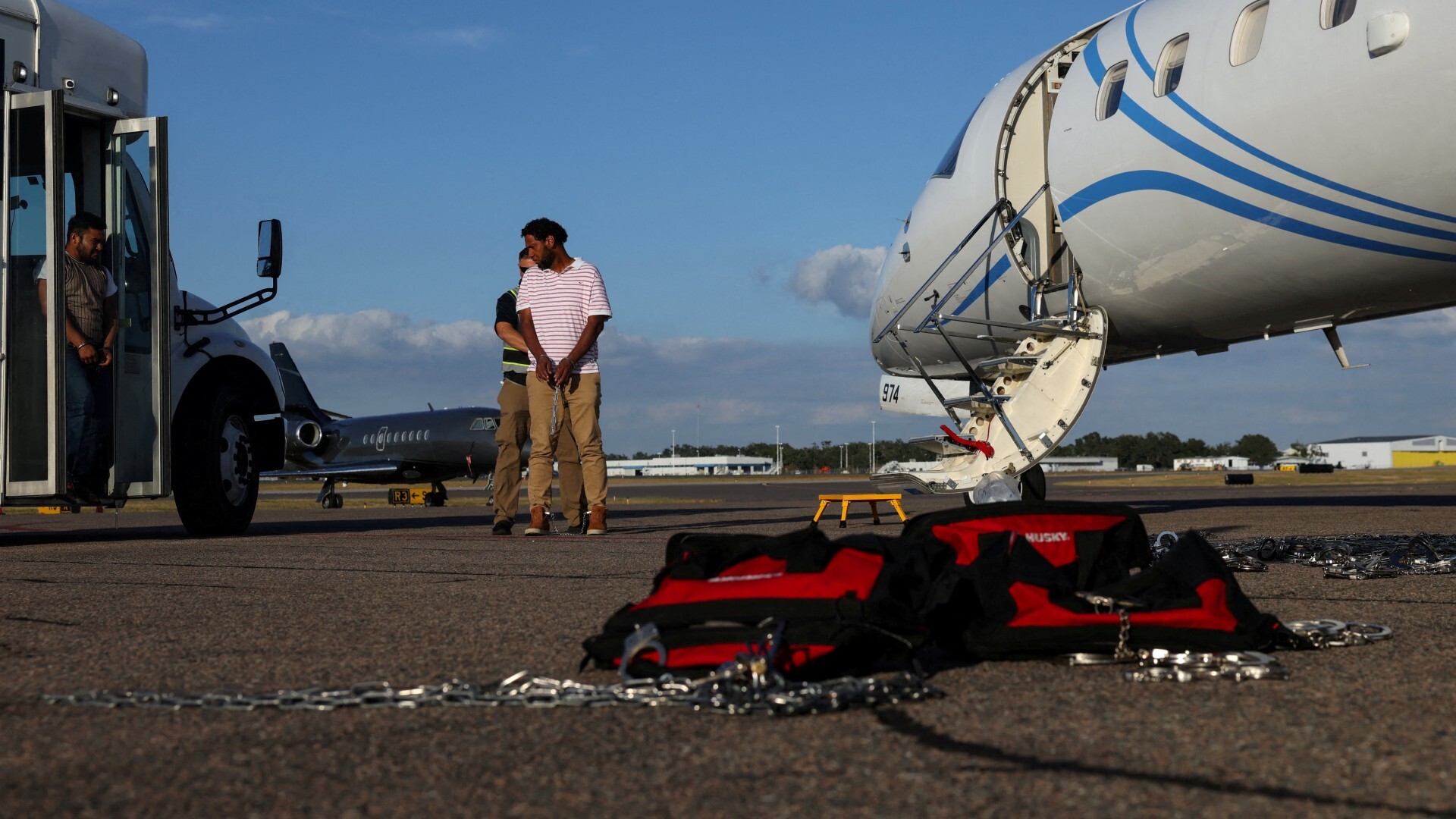
    Iran has confirmed the arrival of a second US deportation flight carrying approximately 50-55 Iranian nationals, continuing a controversial immigration enforcement pattern initiated under the Trump administration. Foreign Ministry spokesperson Esmaeil Baghaei stated that these individuals were being returned for alleged violations of U.S. immigration laws, though he simultaneously criticized what he characterized as racially motivated actions against Middle Eastern nationals in America.

    The National Iranian American Council (NIAC) has vigorously opposed these deportations, citing grave concerns about the treatment of detainees and potential retaliation by Iranian authorities against returnees. The advocacy group reported disturbing accounts from Immigration and Customs Enforcement (ICE) custody, including allegations of physical assault against one detainee and threats of forced sedation to ensure compliance with removal procedures.

    ICE maintains strict operational secrecy regarding deportation flights, refusing to confirm or deny specific operations. However, the agency acknowledged that removal flights occur daily under the current administration’s policies. This lack of transparency has drawn sharp criticism from immigrant rights organizations and lawmakers alike.

    The situation reveals broader patterns in U.S. immigration enforcement. While some detainees can secure release through bond or accept voluntary deportation, others face prolonged detention—sometimes lasting years—before being deported to third countries they have never visited. Notably, enforcement actions have extended beyond undocumented immigrants to include legal residents with minor infractions, such as bounced checks or marijuana possession in states where it is decriminalized.

    Arizona Congresswoman Yassamin Ansari, the state’s first Iranian American elected official, has condemned what she describes as arbitrary quota-driven arrests targeting Iranian communities. She rejected as absurd any implication that Iranian Americans pose particular security risks.

    The context of U.S.-Iran relations appears to influence enforcement patterns. Following the June conflict between Israel and Iran and subsequent U.S. strikes on Iranian nuclear facilities, ICE detained approximately 130 Iranian nationals. While the intensity of targeting may have fluctuated, concerns persist about potential political motivations behind certain arrests, including speculation about possible prisoner exchange preparations.

    The case of Professor Vahid Abedini exemplifies the arbitrariness of the system. Despite holding a valid work visa, Abedini was detained at Oklahoma City airport for three days before being released without explanation. His experience suggests that outcomes often depend on external factors like media attention and political connections rather than consistent legal procedures.

    In response to these developments, NIAC has initiated legal action against ICE under the Freedom of Information Act, seeking transparency regarding the number of Iranians in custody, detention conditions, deportation procedures, and communications between ICE leadership and political authorities regarding removal decisions.


  • A symphony of woofs: This is what happens when 2,397 golden retrievers gather in an Argentina park

    A symphony of woofs: This is what happens when 2,397 golden retrievers gather in an Argentina park

    BUENOS AIRES, Argentina — The vibrant Bosques de Palermo park in Argentina’s capital transformed into a spectacular sea of golden fur as 2,397 golden retrievers converged on Monday, December 8, 2025, setting an unprecedented world record for the largest gathering of the breed.

    The monumental event, organized by Argentine actor and social media influencer Fausto Duperre, shattered the previous informal record of 1,685 golden retrievers established in Vancouver last year. The distinctive cacophony of enthusiastic barking could be heard from miles away, signaling the historic canine congregation taking place.

    Owners from across Argentina journeyed to participate in this extraordinary celebration of their beloved breed. Families settled on picnic blankets amidst the sprawling grassy expanse, their clothing adorned with characteristic golden fur and happy slobber stains. Children reveled in the experience, squealing with delight as they interacted with the remarkably similar-looking dogs that pranced joyfully throughout the venue.

    Under the intense Southern Hemisphere summer sun, attendees shared Argentina’s traditional yerba mate drinks while exchanging stories about their golden companions. Conversations highlighted the breed’s renowned abilities, including their capacity to detect low blood sugar and cancer, alongside heartfelt accounts of emotional support during life’s various challenges.

    Nicolás Oremama, a 26-year-old participant wearing a golden retriever-themed T-shirt, expressed the special connection these dogs foster: “Since we were children, she’s been a constant presence in our family. We’ve had vacations with her. We’ve done everything together.” His family traveled ninety minutes from their Buenos Aires province hometown to participate with their 13-year-old golden, Luna.

    The scene featured golden retrievers adorned in diverse costumes ranging from Argentine soccer jerseys and national flags to tutus and Star Wars bandanas. Ten dedicated volunteers wearing yellow vests meticulously documented each attendee with clipboards, ensuring accurate counting throughout the event.

    While organizers initially envisioned an impressive group photo of the dogs alone, practical considerations prevailed as owners demonstrated understandable reluctance to separate from their pets amidst concerns about potential losses in the massive crowd. Instead, the event maintained a surprisingly orderly atmosphere despite the enormous scale.

    Elena Deleo, a 64-year-old participant, shared her initial concerns: “I was afraid I would lose her, I was afraid she would fight, I was afraid another dog would attack her. But no, they’re all affectionate, all gentle… It’s just a very lovely experience.”

    Duperre, who regularly shares content about his 10-year-old golden retriever Oli on social media, expressed overwhelming emotions about the achievement: “This is a historic event. I’m truly grateful and happy, proud, excited and overjoyed all at once.” The successful gathering not only set a new world record but also celebrated the unique bond between humans and their golden retriever companions.

  • A wage for housework? India’s sweeping experiment in paying women

    A wage for housework? India’s sweeping experiment in paying women

    Across India’s diverse states, a transformative social experiment is quietly unfolding as millions of women receive direct cash transfers without conditions—marking one of the world’s most extensive yet understudied welfare initiatives. From Maharashtra to Tamil Nadu, approximately 118 million women now receive monthly payments ranging from 1,000 to 2,500 rupees ($12-$30), representing a fundamental shift in India’s approach to social welfare.

    Unlike traditional conditional programs in countries like Mexico or Brazil, India’s approach imposes no requirements regarding school attendance or poverty status. The money arrives simply because women sustain households, bear the burden of unpaid care work, and constitute an electoral bloc too significant to overlook. Eligibility criteria vary by state, typically incorporating age thresholds, income caps, and exclusions for families with government employees or certain assets.

    The political dimension has become unmistakable. In Bihar, the government transferred 10,000 rupees to 7.5 million female accounts ahead of recent elections, resulting in heightened female voter turnout that secured a landslide victory for the ruling coalition. While critics decry the practice as blatant vote-buying, the strategy has proven effective across multiple states including Jharkhand, Odisha, and Andhra Pradesh.

    Financial implications are substantial: twelve states will allocate approximately $18 billion to these programs this fiscal year, with half facing revenue deficits according to PRS Legislative Research. Despite fiscal pressures, the programs continue expanding, with Maharashtra alone promising benefits for 25 million women.

    Research reveals nuanced outcomes. A 2023 West Bengal survey found 90% of recipients operated their own accounts and 86% controlled spending decisions, primarily allocating funds to food, education, and medical expenses. In Tamil Nadu, women reported reduced marital conflict and increased confidence, while Karnataka beneficiaries noted improved nutrition and greater household decision-making power.

    Notably, studies by Professor Prabha Kotiswaran of King’s College London found no evidence that transfers discourage women from seeking paid work or reinforce gender stereotypes—two primary concerns among feminist critics. However, the payments haven’t reduced women’s unpaid workload either, which remains disproportionately high at nearly five hours daily compared to men’s 1.5 hours.

    The emerging consensus suggests these transfers provide financial autonomy and dignity without being transformative. As Professor Kotiswaran notes: ‘They are neither panacea nor poison—they are useful but limited tools operating in a patriarchal society where cash alone cannot undo structural inequities.’

    The future trajectory hinges on improved program design: simplifying eligibility rules, maintaining unconditional status, enhancing financial literacy, and coupling transfers with messaging about recognizing unpaid work’s value. Ultimately, India must decide whether these payments will become genuine empowerment tools or merely a new form of political patronage.

  • Sudan air force bombing of towns, markets and schools has killed hundreds, report says

    Sudan air force bombing of towns, markets and schools has killed hundreds, report says

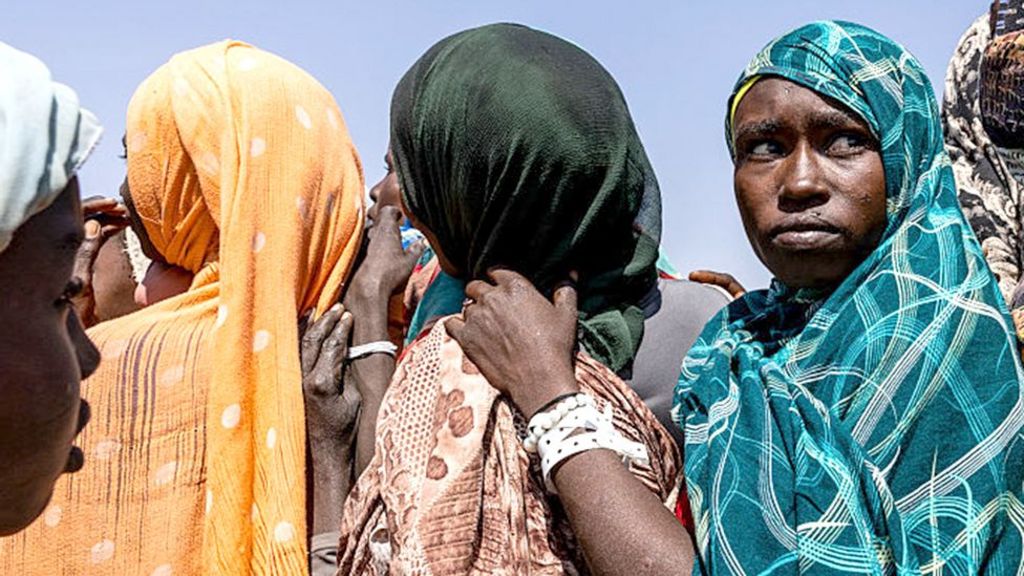
    A groundbreaking investigation by the Sudan Witness Project has documented systematic aerial attacks on civilian infrastructure that have resulted in at least 1,700 fatalities since the conflict began in April 2023. The comprehensive study represents the most extensive dataset compiled on military airstrikes in Sudan’s ongoing civil war, revealing disturbing patterns of violence against non-combatants.

    The research, conducted by the Center for Information Resilience with funding from the British foreign ministry, analyzed 384 airstrikes occurring between April 2023 and July 2025. The findings indicate that the Sudanese Armed Forces (SAF) have repeatedly employed unguided munitions in densely populated areas, including residential neighborhoods, marketplaces, educational institutions, and displacement camps.

    According to project director Mark Snoeck, the evidence demonstrates a clear failure by the SAF to implement adequate precautions to prevent civilian casualties. “The main patterns that emerge are repeated hits on residential neighbourhoods and markets,” Snoeck stated, “as well as a large number of alleged strikes on essential humanitarian and medical facilities.”

    The investigation employed rigorous open-source verification methodologies, cross-referencing social media footage, satellite imagery, and ground reports to establish attack credibility. Among the most troubling findings was the identification of an undetonated SH-250 bomb manufactured by Sudan’s Military Industry Corporation in the Zamzam displacement camp in North Darfur.

    Notable incidents documented include:
    – The bombing of Hamrat al-Sheikh Market in North Kordofan that killed 30 and injured 100 civilians
    – A August 2024 strike on a hospital in el-Daein that resulted in 16 fatalities including children and healthcare workers
    – February 2025 attacks in Nyala that struck residential areas near an eye hospital, killing 63 people
    – The October 2024 destruction of al-Kuma market in North Darfur that left 65 dead and 200 injured

    While the Rapid Support Forces (RSF) have faced international condemnation for ethnic violence in Darfur, the report highlights that the SAF’s aerial campaign has similarly caused extensive civilian suffering. Both conflict parties have increasingly incorporated drone warfare into their tactics, with recent months showing a shift toward unmanned aerial attacks.

    Justin Lynch of the Conflict Insights Group characterized the conflict as “a war against civilians,” noting that “air power and other heavy weapons disproportionately target civilian, more than military, sites.” International observers have condemned the pattern of attacks as potential war crimes, with a British foreign office official stating that perpetrators “must be held accountable” regardless of affiliation.

    The full Sudan Witness report, featuring an interactive map visualizing the scale and impact of airstrikes, is scheduled for publication on December 10.

  • Two Chinese figures named to Nature’s 10 list of people shaping science in 2025

    Two Chinese figures named to Nature’s 10 list of people shaping science in 2025

    Two exceptional Chinese scientists have secured positions on Nature magazine’s highly selective “Nature’s 10” list for 2025, recognizing individuals driving transformative developments in global scientific research. Liang Wenfeng, founder of AI research company DeepSeek, and geoscientist Du Mengran join eight other international innovators on this year’s roster of scientific influencers.

    Liang Wenfeng’s inclusion comes as recognition for his groundbreaking work in advancing large-scale artificial intelligence models that are fundamentally reshaping research methodologies and innovation ecosystems worldwide. His contributions represent China’s growing influence in the AI revolution that is transforming scientific discovery across disciplines.

    Meanwhile, Du Mengran has been honored for her pioneering achievements in deep-sea exploration, pushing the boundaries of oceanographic research and expanding our understanding of marine ecosystems and geological processes. Her work exemplifies China’s expanding capabilities in deep-sea technology and marine science.

    Nature’s editorial team emphasized that the selection is neither a prize nor a ranking system, but rather a curated exploration of significant scientific developments and the key individuals—often working within larger research teams—who have played pivotal roles in advancing these stories. The list serves as a barometer of where science is heading and who is helping to shape its trajectory.

    The dual recognition underscores China’s increasingly prominent role in global scientific advancement, particularly in cutting-edge fields like artificial intelligence and deep-sea exploration. Both scientists represent the country’s growing contribution to addressing complex scientific challenges and driving innovation at the international level.

  • Trump gives Nvidia green light to sell advanced AI chips to China

    Trump gives Nvidia green light to sell advanced AI chips to China

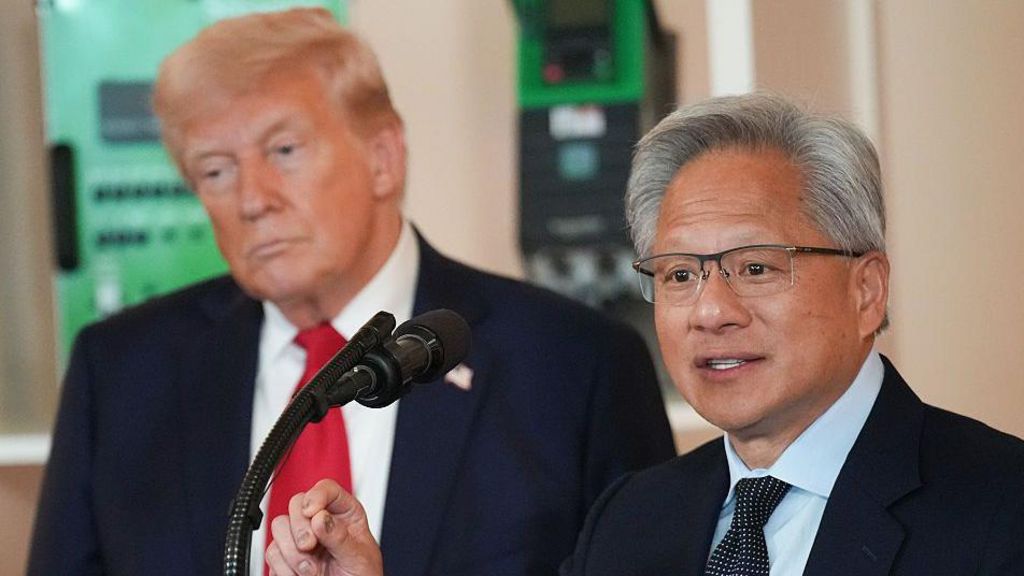
    In a significant policy shift, the Trump administration has authorized NVIDIA Corporation to resume sales of its advanced H200 artificial intelligence chips to pre-approved commercial clients in China. The decision, announced via presidential social media channels on Monday, concludes months of intense lobbying efforts by NVIDIA CEO Jensen Huang, who personally advocated for the policy change during recent Washington engagements.

    The conditional approval extends beyond NVIDIA to include other American semiconductor manufacturers such as AMD, effectively creating a regulated framework for advanced AI chip exports. This development represents a recalibration of earlier restrictions that had prohibited sales of cutting-edge semiconductor technology to Chinese entities due to national security considerations.

    President Trump framed the decision as a strategic balance between economic interests and security priorities, stating: “We will protect National Security, create American Jobs, and keep America’s lead in AI.” The arrangement includes a revenue-sharing provision requiring NVIDIA to allocate 25% of its Chinese earnings to the U.S. Treasury, though specific implementation details remain unspecified.

    NVIDIA, which has emerged as both the world’s leading chip manufacturer and most valuable company, welcomed the policy shift. In an official statement, the corporation noted: “Offering H200 to approved commercial customers, vetted by the Department of Commerce, strikes a thoughtful balance that is great for America.” Market response was immediately positive, with NVIDIA shares experiencing modest gains following the announcement.

    The compromise follows a complex sequence of events that began in July when President Trump initially reversed the chip ban but imposed the revenue-sharing requirement. Beijing subsequently directed Chinese technology firms to halt purchases of NVIDIA products specifically engineered for the Chinese market, creating a standoff that threatened to cost American chipmakers substantial market share.

    Geopolitical analysts note that the decision will likely face scrutiny from national security advocates in Congress. Researchers at Georgetown University’s Center for Security and Emerging Technology have documented how China’s military apparatus has utilized advanced American-designed chips to develop AI-enabled combat capabilities, raising concerns about technological transfer.

    Senior research analyst Cole McFaul emphasized the security implications: “By making it easier for the Chinese to access these high-quality AI chips, you enable China to more easily use and deploy AI systems for military applications. They want to harness advanced chips for battlefield advantage.”

    The White House has not yet provided comprehensive details regarding the approval mechanism or vetting criteria for Chinese customers, leaving implementation specifics to be determined through interagency processes.

  • Qatar, US and Israel hold meeting in New York: Report

    Qatar, US and Israel hold meeting in New York: Report

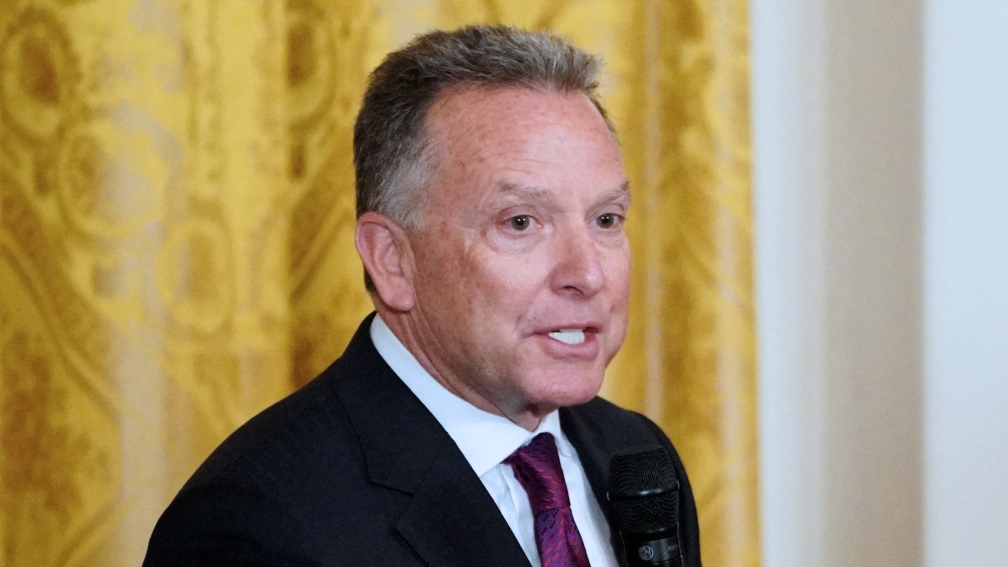
    In a significant diplomatic development, the United States facilitated a high-level meeting between Israeli and Qatari officials in New York on Sunday, marking the first such engagement since Israel’s controversial airstrikes on Doha in September. The session was orchestrated by US Middle East envoy Steve Witkoff, who convened discussions with David Barnea, head of Israel’s Mossad intelligence agency, and a senior Qatari representative.

    The dialogue occurs amid preparations for the second phase of Gaza peace negotiations and represents a crucial attempt to mend fractured relations between the nations. According to sources familiar with the matter, Israel intended to address multiple concerns beyond the immediate diplomatic rift, including Qatar’s Al Jazeera network coverage, which Israel perceives as hostile, Doha’s alleged support for the Muslim Brotherhood, and its backing of pro-Palestine movements on academic campuses.

    Qatar had previously served as a principal mediator in ceasefire talks between Israel and Hamas until September 9th, when Israeli forces conducted unauthorized airstrikes on Qatari territory. The attack targeted a building where Hamas leaders were evaluating peace proposals, resulting in six fatalities, including one Qatari citizen. Doha maintains that Washington provided only ten minutes’ advance notice following the strikes, not beforehand.

    The incident prompted a personal apology from Israeli Prime Minister Benjamin Netanyahu to Qatari Prime Minister Mohammed bin Abdulrahman al-Thani, arranged during a White House visit on September 29th by former President Donald Trump. The Trump administration subsequently finalized a security guarantee agreement with Qatar to address sovereignty concerns.

    Despite Qatar’s return to mediation efforts, tensions persist. At Saturday’s Doha Forum conference, al-Thani emphasized that current negotiations cannot yet be classified as a ceasefire, insisting that any genuine truce requires complete Israeli withdrawal from Gaza and restored stability for its inhabitants. Meanwhile, Israel continues to occupy 56% of the Gaza Strip, with over 71,000 Palestinian casualties recognized by the United Nations and human rights organizations as meeting criteria for genocide.

  • Saudi Arabia, Qatar sign high-speed rail deal to link Riyadh and Doha

    Saudi Arabia, Qatar sign high-speed rail deal to link Riyadh and Doha

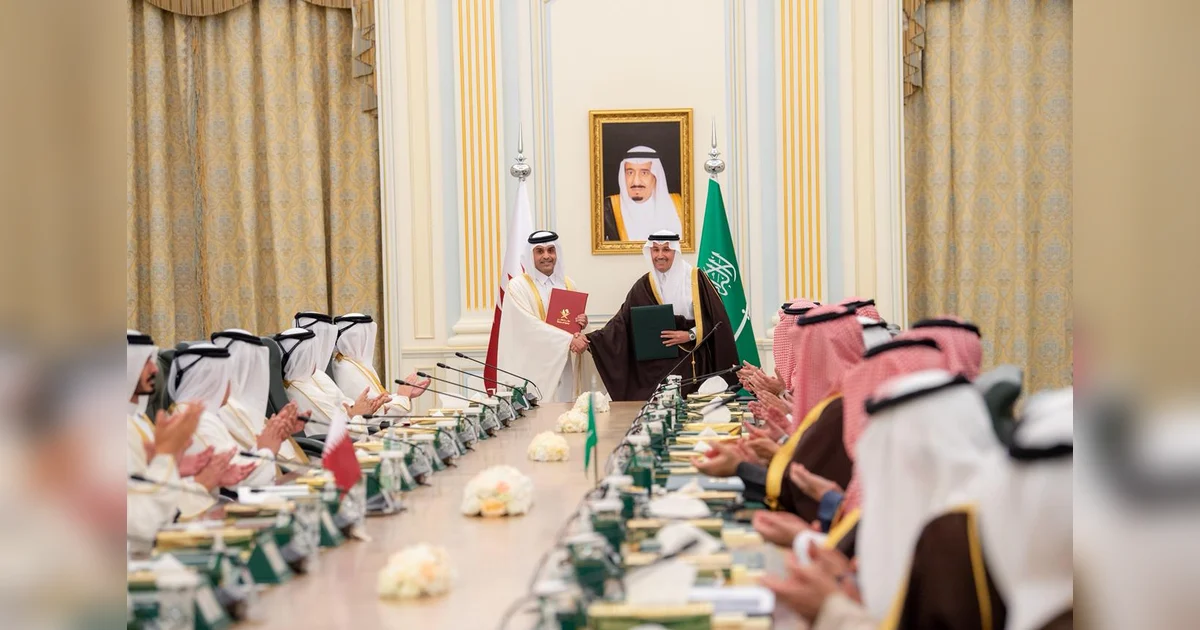
    In a landmark infrastructure agreement, the Kingdom of Saudi Arabia and the State of Qatar have formally committed to constructing a state-of-the-art high-speed rail network linking their capital cities. The strategic pact, signed during an official state visit by Qatar’s Emir Sheikh Tamim bin Hamad Al Thani to Riyadh, was finalized in the presence of Saudi Crown Prince Mohammed bin Salman.

    The ambitious railway project will feature fully electric trains capable of exceeding operational speeds of 300 kilometers per hour (186 mph), substantially reducing travel time between Riyadh and Doha to approximately two hours. This development establishes a competitive ground alternative to air travel, with direct flights currently requiring about 90 minutes between the metropolitan hubs.

    Beyond the primary capitals, the comprehensive rail network will incorporate strategic stops at key Saudi urban centers including Al-Hofuf and Dammam, enhancing regional connectivity across the Eastern Province. Project planners anticipate the railway will accommodate an estimated 10 million passengers annually upon its scheduled completion within the six-year development timeline.

    This transnational infrastructure initiative represents a significant milestone in Gulf Cooperation Council (GCC) integration efforts, potentially setting a precedent for future cross-border transportation projects. The electric railway system aligns with regional environmental sustainability goals while addressing growing transportation demands between the neighboring nations.

  • JMA issues tsunami forecast after 7.6-magnitude quake hits northeastern Japan

    JMA issues tsunami forecast after 7.6-magnitude quake hits northeastern Japan

    A significant seismic event struck northeastern Japan on Monday night, with the Japan Meteorological Agency (JMA) reporting a powerful 7.6 magnitude earthquake that prompted immediate tsunami warnings across multiple coastal regions.

    The quake occurred at 23:15 local time (14:15 UTC) at a depth of approximately 50 kilometers beneath the seafloor. The tremor registered an upper 6 intensity on Japan’s 7-point seismic scale in the most severely affected zones, indicating substantial ground shaking capable of causing structural damage.

    Following the seismic activity, the JMA issued urgent tsunami advisories for extensive coastal areas along the Pacific coastline. The agency specifically warned of potential waves reaching up to 3 meters in height for the prefectures of Hokkaido, Aomori, and Iwate. Additionally, tsunami advisories were extended to Miyagi and Fukushima prefectures as precautionary measures.

    The earthquake’s epicenter was pinpointed offshore in the Pacific Ocean, positioned at coordinates 41.0 degrees north latitude and 142.3 degrees east longitude, east of Aomori Prefecture. This region has historically experienced significant seismic activity due to its location along the Pacific Ring of Fire.

    Japanese authorities have initiated standard emergency response protocols, urging coastal residents to evacuate to higher ground immediately. The timing of the event—late evening—presented additional challenges for evacuation efforts and emergency response coordination. The comprehensive warning system implemented after the 2011 Tohoku earthquake and tsunami was activated across the affected regions.

  • Exclusive: UK parliament accused of confiscating pro-Palestine material

    Exclusive: UK parliament accused of confiscating pro-Palestine material

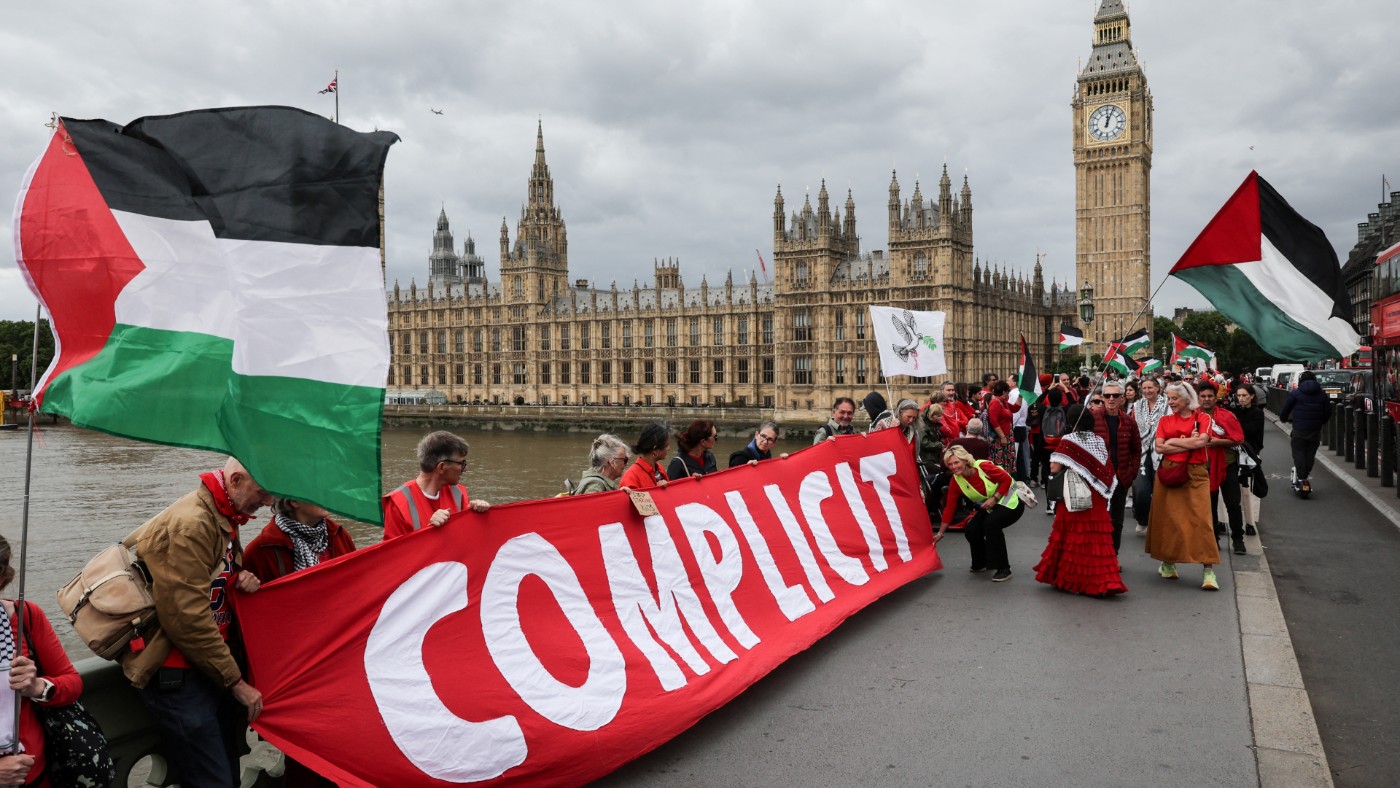
    Security protocols at the British Parliament are facing allegations of systemic discrimination after multiple incidents involving the confiscation of pro-Palestinian materials from visitors and organizations. The controversy emerged when John Kelly, Secretary of the Liberal Democrat Friends of Palestine (LDFP), had his organizational badge confiscated at the Cromwell Green entrance to the House of Commons on November 24th. Parliamentary security staff reportedly informed Kelly that displaying references to Palestine was prohibited under instructions from the Serjeant at Arms, while explicitly stating that references to Israel would be permitted as ‘not controversial.’

    In a separate incident, human rights organization Amnesty International UK reported that parliamentary security confiscated documents detailing Israel’s military operations in Gaza ahead of a scheduled parliamentary reception on December 3rd. The materials, which included calls to ‘end Israeli apartheid’ and ‘ban Israeli settlement goods,’ were deemed ‘too political’ and ‘controversial’ by security personnel.

    The International Centre of Justice for Palestinians (ICJP) has formally challenged these actions through correspondence with Alison Giles, Director of Security at the UK Parliament. The ICJP contends that these confiscations represent direct discrimination under the Equality Act 2010, particularly noteworthy given Britain’s formal recognition of Palestine as a state in September 2025.

    In her response dated December 1st, Giles denied the existence of any specific policy prohibiting references to Palestine. She characterized the badge confiscation as a misunderstanding, explaining that security staff had mistaken the organizational badge for ‘a general campaigning message’ rather than recognizing it as the official name of a Liberal Democrat-affiliated organization. Giles maintained that staff were applying existing rules in good faith but acknowledged that clearer communication could have prevented the misunderstanding.

    Prominent figures including Baroness Meral Hussein-Ece, a Liberal Democrat peer and honorary president of LDFP, have condemned these incidents as evidence of ‘a disturbing pattern of discrimination.’ The ICJP has called for immediate clarification regarding what it describes as ‘anti-Palestine security measures’ that effectively silence dissenting perspectives within the very institution whose name derives from the concept of speaking freely.