作者: admin

  • Nigerian air force plane’s emergency landing puts Burkina Faso defense forces on high alert

    Nigerian air force plane’s emergency landing puts Burkina Faso defense forces on high alert

    A Nigerian Air Force aircraft was compelled to execute an emergency landing in Burkina Faso late Monday, triggering heightened military alerts across the Sahel region. The incident occurred when the Nigerian plane experienced an undisclosed in-flight emergency while en route to Portugal, necessitating an immediate diversion to the nearest available airfield in Bobo-Dioulasso, western Burkina Faso.

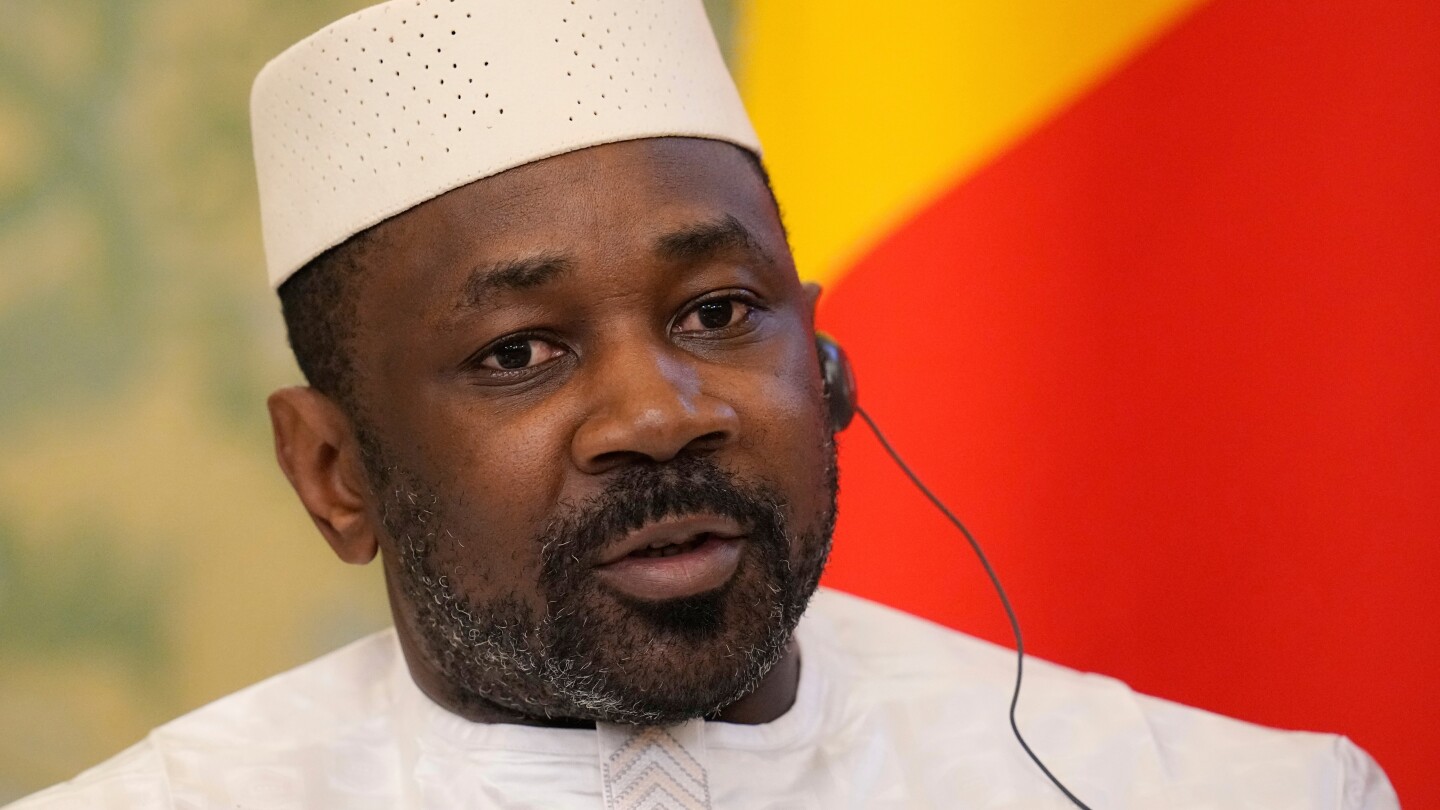
    The Alliance of Sahel States (AES), comprising Burkina Faso, Mali, and Niger, responded by elevating their collective air and anti-air defense systems to maximum alert status. Malian military junta leader General Assimi Goita issued a statement authorizing defensive forces “to neutralize any aircraft violating the confederation’s airspace,” characterizing the Nigerian plane’s entry as unauthorized.

    Nigerian military officials confirmed the emergency landing followed established international safety protocols. Air Force spokesman Ehimen Ejodame reported that the two crew members and nine passengers aboard received “cordial treatment” from Burkinabè authorities and remained safe throughout the incident.

    This aerial incident occurs against a backdrop of deteriorating regional relations. Nigeria, as a key member of the Economic Community of West African States (ECOWAS), recently supported intervention efforts that thwarted a short-lived coup in Benin on Sunday. The AES nations had previously withdrawn from ECOWAS, accusing the bloc of imposing inhumane sanctions and working against their citizens’ interests following recent military takeovers in the region. Burkina Faso shares a northwestern border with Benin, while Nigeria borders Benin to the east, creating complex geopolitical dynamics in the wake of these security developments.

  • Tanzania crackdown on planned protest leaves streets deserted

    Tanzania crackdown on planned protest leaves streets deserted

    Tanzanian cities remained under a veil of heightened security and palpable tension as authorities deployed police and military forces to patrol major urban centers. This significant security reinforcement comes in response to calls for anti-government demonstrations, strategically planned to coincide with the nation’s Independence Day celebrations, which have been officially cancelled.

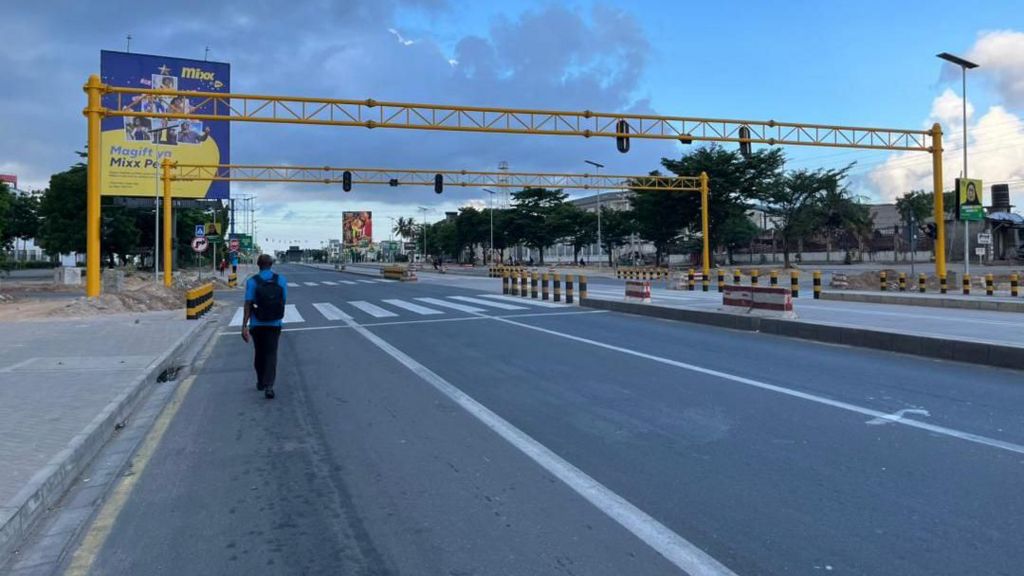
    In an unusual departure from their typical weekday bustle, metropolitan hubs including Dar es Salaam, Arusha, Mbeya, and Mwanza reported markedly subdued activity. By midday, the anticipated protests had not materialized, with many citizens opting to remain indoors amid widespread uncertainty. BBC correspondents observed nearly deserted streets in the commercial capital, creating a stark contrast to the city’s normally vibrant atmosphere.

    The planned demonstrations stem from ongoing demands for political reforms following October’s post-election unrest, which resulted in an unspecified number of casualties. Authorities have acknowledged employing force against protesters, justifying their actions as necessary to prevent what they characterize as attempts to overthrow the current regime.

    Security vehicles were visibly patrolling major thoroughfares and intersections, while officers established strategic positions around critical public infrastructure. Motorists reported encountering frequent checkpoints where security personnel rigorously questioned travelers about their destinations.

    On digital platforms, activists encouraged supporters to maintain vigilance, suggesting that any protest activities would likely commence during afternoon hours—a pattern consistent with previous demonstrations in Tanzania. The government has refrained from issuing detailed statements regarding either the enhanced security measures or the banned protests.

  • Cooling sustainably

    Cooling sustainably

    BELEM, BRAZIL – At the COP30 climate summit, prominent climate scientist Winston Chow emphasized that regional renewable energy sharing represents the most viable pathway for Southeast Asia to address escalating heat-related challenges without exacerbating carbon emissions.

    As co-chair of the UN’s Intergovernmental Panel on Climate Change working group on climate impacts, adaptation and vulnerability, Chow identified outdoor workers and slum residents as particularly vulnerable to rising temperatures. His analysis followed commitments from 185 cities, including Singapore, to implement localized cooling solutions that are both accessible and environmentally sustainable.

    The urgency of this transition was underscored by a recent UN Environment Programme report warning that global cooling demand could triple by 2050 due to increasing temperatures, population growth, and proliferation of inefficient cooling systems. Unchecked, cooling-related emissions could nearly double, potentially overwhelming power grids and derailing climate objectives.

    Chow, who serves as Professor of Urban Climate at Singapore Management University, noted Southeast Asia’s particular challenge: “We are still starved in terms of access to renewable energies,” highlighting the region’s limited solar, wind and hydropower resources compared to other areas. This scarcity underscores the critical importance of developing an ASEAN renewable energy grid, with member states targeting an interconnected power network by 2045 to ensure more affordable and reliable electricity supply.

    Beyond technological solutions, Chow pointed to nature-based approaches including community gardens, street greenery and urban agriculture that provide natural cooling while delivering co-benefits like carbon sequestration. He particularly commended the UNEP report for addressing risks to vulnerable populations in heat-stressed tropical regions.

    The scientist emphasized that effective cooling strategies must address both adaptation to rising temperatures and their root causes, noting: “You can’t just use air conditioning without realizing that most air conditioning is powered by fossil fuels.”

    Supporting this comprehensive approach, Singapore’s Minister for Sustainability and the Environment Grace Fu announced plans to share technical expertise in sustainable cooling and urban heat resilience through the COP30 cooling initiative led by the Brazilian presidency and UNEP.

    Amid sweltering conditions at the COP30 venue, Chow expressed hope that increasing temperature-related risks would spur more concerted global action, with cross-community and cross-governmental cooperation essential for implementing sustainable cooling solutions.

  • US unveils aid package to farmers affected by tariff policies

    US unveils aid package to farmers affected by tariff policies

    The United States administration has formally introduced a substantial $12 billion financial assistance program aimed at mitigating the adverse effects of tariff policies on the domestic agricultural sector. This comprehensive relief initiative, unveiled on Monday, arrives as American farmers confront mounting challenges stemming from international trade disputes.

    Central to this agricultural support package is the allocation of up to $11 billion in direct one-time payments to crop producers through the USDA’s Farmer Bridge Assistance (FBA) program. The remaining funds will address the needs of agricultural operators falling outside the FBA’s coverage parameters.

    During a White House roundtable discussion, President Donald Trump emphasized the severe economic pressures facing rural America, citing concerning trends including inflationary pressures, increased bankruptcy filings, and rising suicide rates among farming communities. The administration attributed these difficulties to preceding governmental policies rather than current trade strategies.

    Agriculture Secretary Brooke Rollins indicated that payment distribution rates will be finalized by December’s end, with actual fund disbursement scheduled for completion before February 2026. This agricultural relief proposal experienced significant delays due to the 43-day federal government shutdown that commenced in October.

    In parallel measures, the administration announced plans to eliminate certain environmental protection requirements for agricultural equipment manufacturers, a move intended to reduce production costs within the farming industry.

    The policy announcement drew immediate criticism from Senate Minority Leader Chuck Schumer, who characterized the assistance package as inadequate compensation for self-inflicted damage. Through social media platform X, Schumer asserted that farmers require sustainable export markets rather than financial consolation prizes for markets disrupted by tariff policies.

    American agricultural producers currently face a complex combination of challenges including diminished international demand, escalating operational expenses, increased fertilizer costs, and declining commodity prices—all exacerbated by ongoing international trade tensions.

  • Ex-UN envoy recalls historic vote restoring China’s role

    Ex-UN envoy recalls historic vote restoring China’s role

    In a recent exclusive interview at UN Headquarters in New York, veteran Pakistani diplomat Munir Akram vividly recounted the dramatic events of October 25, 1971, when the United Nations General Assembly voted to restore the People’s Republic of China’s legitimate rights within the organization.

    Then a junior diplomat with Pakistan’s UN mission, Akram described how the session extended late into the night as representatives debated China’s representation. Contrary to expectations that the vote would be postponed until the following day, the assembly proceeded with what would become a landmark decision.

    Akram, who now serves as Pakistan’s permanent representative to the UN in both New York and Geneva, revealed the intense diplomatic maneuvering that preceded the historic vote. Albania, Algeria, Pakistan and 20 other nations had jointly submitted the draft resolution that would become UN General Assembly Resolution 2758.

    Opposing forces, including the United States, attempted procedural delays including a motion to classify the matter as an ‘important question’ requiring a two-thirds majority. Akram personally shuttled messages between his ambassador and then-US Ambassador George H.W. Bush during these critical negotiations.

    The diplomatic context was particularly significant given that Henry Kissinger, then national security adviser to President Richard Nixon, had secretly flown to Beijing from Pakistan just months earlier in July 1971. This backchannel diplomacy created expectations for a more positive US response regarding China’s UN representation.

    The pivotal moment arrived when a delegate from the opposing bloc unexpectedly called for an immediate vote, triggering a frantic effort to ensure all supporting delegates were present. ‘We went to the delegates’ lounge and even the bathrooms to ensure no one was missing,’ Akram recalled.

    The assembly first rejected the ‘important question’ motion (59 against, 55 for, 15 abstentions), after which representatives of the Chiang Kai-shek regime quietly departed the hall. Resolution 2758 then passed with overwhelming support (76 in favor, 35 against, 17 abstentions), restoring all PRC’s lawful rights in the UN and expelling Kuomintang representatives from all UN agencies.

    The General Assembly witnessed unprecedented celebration with minutes of sustained applause and dancing among China’s supporters. ‘We were all overjoyed with the results,’ Akram remembered. ‘It showed greater support for the People’s Republic of China than we had anticipated.’

    Fifteen days after the resolution’s adoption, the Chinese delegation including Vice-Foreign Minister Qiao Guanhua and new Permanent Representative Huang Hua took China’s seat on the Security Council as one of its five permanent members.

    Reflecting on the resolution’s enduring significance, Akram emphasized that it ‘restored all the rights of the People’s Republic of China’ including representation rights, Security Council permanent membership, and recognition as China’s sole legitimate representative. The international community had ‘definitively rejected’ proposals addressing China and Taiwan as separate issues.

    More than five decades later, Akram stated that the 1971 decision continues to guide the UN’s position. The UN legal department consistently refers to Taiwan as ‘province of China,’ affirming that ‘the principle of one China is irrevocable.’ Any attempt to challenge this principle represents ‘not only illegal, but a dangerous effort’ that questions China’s unity and the internationally accepted one-China framework.
  • Pearl Harbor anniversary to see no survivors

    Pearl Harbor anniversary to see no survivors

    The 84th anniversary commemoration of the Pearl Harbor attack will proceed without the presence of any living survivors for only the second time in history, marking a poignant transition in how this historic event will be remembered. With just twelve centenarian survivors remaining from the December 7, 1941 attack, none were medically cleared to travel to Hawaii for this year’s ceremonies.

    Kimberlee Heinrichs, daughter of 105-year-old veteran Ira ‘Ike’ Schab who canceled due to illness, expressed profound emotional impact: ‘The idea of not having a survivor there for the first time—I just, I don’t know—it hurt my heart in a way I can’t describe.’

    The attack, which claimed over 2,400 American lives and wounded nearly 1,200 others, destroyed or damaged approximately 350 aircraft and sank four battleships while damaging more than a dozen additional vessels. President Franklin D. Roosevelt subsequently declared December 7 ‘a date which will live in infamy’ when announcing America’s entry into World War II.

    Current geopolitical context adds significance to this anniversary, as many Asian nations—particularly China—express growing concerns about resurgent Japanese militarism. Recent comments by Japanese Prime Minister Sanae Takaichi suggesting potential military intervention in the Taiwan Strait have drawn sharp criticism from Chinese officials.

    Senior Colonel Jiang Bin, spokesman for China’s Defense Ministry, stated: ‘Instead of repenting its war crimes of invading and colonizing Taiwan, Japan is taking an extremely wrong approach by suggesting military intervention in a so-called Taiwan contingency.’

    The anniversary also highlights the historic military cooperation between China and the United States during World War II. The Doolittle Raid of April 1942—America’s first bombing of the Japanese mainland—resulted in many crew members crash-landing in China where locals assisted their return. The Flying Tigers, American fighter pilots under General Claire Lee Chennault, further cemented this alliance by protecting Chinese supply lines and engaging Japanese aircraft.

    Descendants of Flying Tigers veterans recently gathered at California’s Richard Nixon Presidential Library to commemorate the 80th anniversary of WWII’s conclusion, honoring the shared history that continues to inspire international cooperation and peace efforts.

  • China’s ‘mind-blowing’ green efforts welcomed

    China’s ‘mind-blowing’ green efforts welcomed

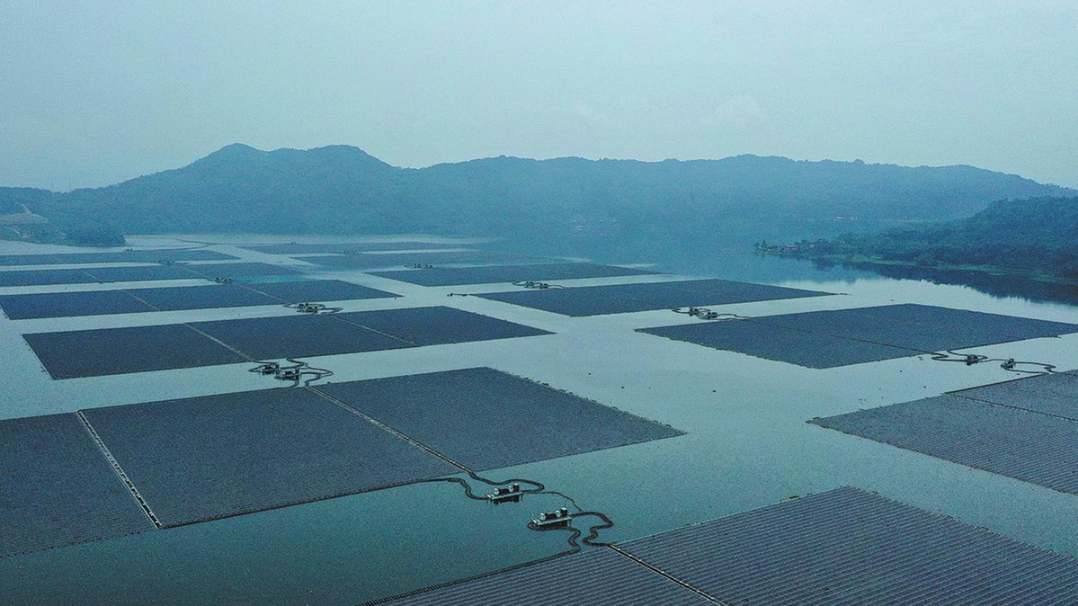
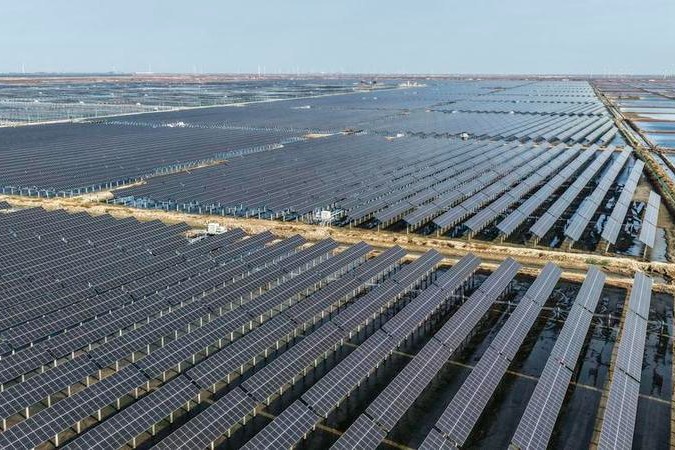
    UN Environment Programme Executive Director Inger Andersen has characterized China’s extraordinary acceleration in renewable energy deployment as a transformative force in global climate efforts. Speaking exclusively to China Daily ahead of the seventh UN Environment Assembly in Nairobi, Andersen emphasized that China’s unprecedented scale of clean energy installation—projected to reach 3,600 gigawatts by 2035—demonstrates remarkable achievements through strategic long-term planning, industrial capability, and coherent policy implementation.

    Andersen highlighted that China’s manufacturing dominance has produced significant global spillover effects, dramatically reducing renewable technology costs worldwide. Solar energy prices have plummeted to an average of 3.3 US cents per kilowatt-hour, making clean energy increasingly accessible, particularly across Global South nations. This cost reduction, coupled with expanded availability, represents what Andersen termed ‘magnificent progress’ in the worldwide transition to sustainable energy.

    Beyond energy generation, China’s rapidly evolving electric vehicle ecosystem—encompassing two-wheelers, buses, and passenger cars—is expanding throughout Asia, Africa, and Latin America. Local assembly operations in developing countries are already generating employment opportunities, improving urban air quality, and facilitating the transition to low-emission transportation networks.

    A recent UNEP report corroborates Andersen’s assessment, identifying China’s renewable energy expansion as one of the most decisive factors shaping global climate action. The report notes that China’s projected capacity—six times its 2020 level—could substantially narrow the emissions gap by accelerating clean energy deployment internationally. For developing economies, China’s model of scaling manufacturing, reducing costs, and enabling technology transfer offers a practical blueprint for enhancing South-South cooperation.

    Andersen concluded that China’s coordinated industrial policy provides a powerful example of how rapid, large-scale progress toward Paris Agreement goals can be achieved, offering valuable lessons for all nations committed to climate action.

  • Breakthrough in wireless goods trains

    Breakthrough in wireless goods trains

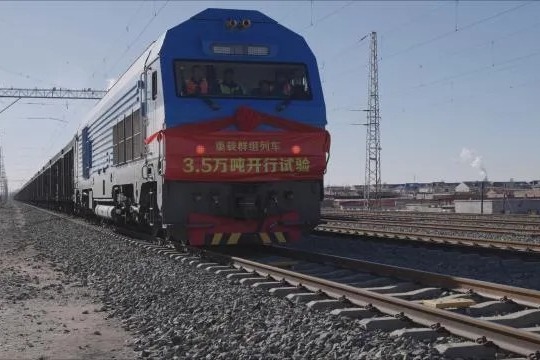
    In a landmark achievement for rail transport technology, China has successfully conducted the world’s first test of multiple heavy-haul freight trains operating in synchronized formation using exclusively wireless control systems. This revolutionary trial occurred on December 9, 2025, along the Baoshen Railway in Inner Mongolia Autonomous Region—a critical freight corridor dedicated primarily to coal transportation from the energy-rich Ordos basin.

    The breakthrough demonstration involved seven separate freight trains, each weighing 5,000 metric tons, collectively moving 35,000 tons of cargo without traditional physical couplings. Instead, the convoy relied on an advanced intelligent control system developed domestically by China Shenhua (a subsidiary of China Energy Investment Corporation) in collaboration with research partners. The technology utilizes sophisticated wireless communication protocols and real-time algorithmic coordination to ensure perfect synchronization during acceleration and braking maneuvers.

    This technological advancement addresses the significant engineering challenge of maintaining precise coordination among multiple heavy trains on a single track, eliminating collision risks while preventing undesirable separation. Traditionally, freight operations have relied on single-train configurations or physically connected cars, limiting capacity and efficiency.

    The successful implementation of wireless train formation control promises to transform freight rail economics. Existing rail infrastructure can now achieve over 50% increased transport capacity without requiring new construction, offering a highly cost-effective solution for bulk commodity transportation. This development holds particular significance for China’s energy logistics, enabling more efficient movement of coal from production regions to consumption centers.

    Beyond domestic applications, this breakthrough establishes a new technical paradigm for global freight rail systems seeking enhanced safety and operational efficiency in long-distance heavy haul operations. The technology demonstrates how digital innovation can dramatically improve the performance of traditional industrial infrastructure.

  • Hamas, Israel edge toward 2nd phase ceasefire

    Hamas, Israel edge toward 2nd phase ceasefire

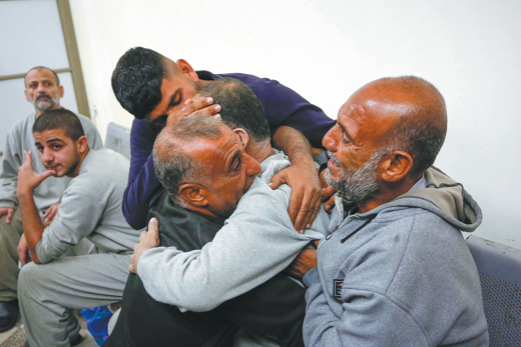
    Significant progress emerges in the Israel-Hamas peace process as both parties indicate readiness to advance toward the second phase of their truce agreement. Palestinian militant group Hamas has expressed unprecedented willingness to discuss disarmament terms, while Israeli Prime Minister Benjamin Netanyahu acknowledges the challenging road ahead in achieving Gaza’s demilitarization.

    Bassem Naim, a Hamas political bureau member, articulated the group’s openness to a comprehensive approach during discussions with The Associated Press in Qatar. While welcoming the potential deployment of a United Nations stabilization force along border regions to monitor ceasefire compliance, Naim explicitly rejected any international military presence within Palestinian territories.

    The diplomatic developments follow reports that U.S. President Donald Trump intends to announce the transition to Phase Two of the Gaza peace process before Christmas. This phase addresses the most contentious elements of the agreement, including Hamas’s disarmament and Gaza’s demilitarization.

    Netanyahu, during a Jerusalem news conference with German Chancellor Friedrich Merz, confirmed that Israel anticipates moving to the second phase shortly after recovering the remains of deceased hostage Ran Gvili. The Israeli leader credited military pressure and Trump’s diplomatic engagement with Arab and Muslim nations for compelling Hamas to negotiate.

    Despite these diplomatic advances, tensions persist on the ground. Israeli forces reportedly stormed a UN relief agency headquarters in East Jerusalem, while settlers continued land operations in the northern Jordan Valley. These actions have raised concerns among Arab and Muslim-majority nations, particularly following Israel’s announcement about opening the Rafah crossing, which prompted eight countries to issue statements rejecting Palestinian displacement.

    Regional analysts warn that Israel’s objections to proposed stabilization force participants—specifically Türkiye and Qatar—and its continued military operations threaten to undermine the entire peace process. Haydar Oruc, a Middle East researcher, emphasized that Israel must cease attacks, permit humanitarian access, and allow interim administration establishment to facilitate successful transition to Phase Two.

  • Thai airstrikes target border with Cambodia

    Thai airstrikes target border with Cambodia

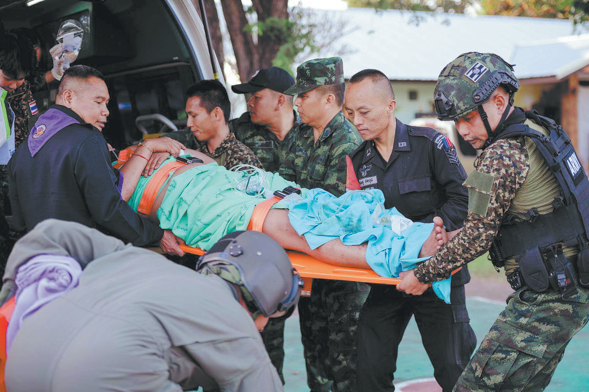
    Military tensions between Thailand and Cambodia reached a dangerous new level on Monday as Thai fighter jets conducted aerial assaults along their shared border, marking a significant escalation in the ongoing territorial dispute. The Royal Thai Air Force confirmed deploying F-16 aircraft to strike what it identified as Cambodian fire-support positions, command centers, and logistical routes that allegedly threatened Thai sovereignty.

    The aerial offensive follows weekend ground clashes in the Ubon Ratchathani Province that resulted in the death of at least one Thai soldier and multiple casualties on both sides. Thai military spokesperson Jackkrit Thammavichai asserted that Cambodia had mobilized heavy weaponry and repositioned combat units, necessitating what he described as ‘carefully executed defensive measures.’

    Cambodia’s Defense Ministry vehemently denied these allegations, stating that their forces had not violated any ceasefire agreements and rejecting claims of heavy weapons deployment. According to reports from Agence France-Presse, the recent hostilities have claimed the lives of at least four Cambodian civilians, with Defense Ministry spokeswoman Maly Socheata accusing Thai forces of targeting non-combatants.

    The humanitarian consequences are rapidly mounting, with approximately 400,000 residents evacuated across four Thai border provinces and the closure of hundreds of educational institutions. On the Cambodian side, 377 schools serving nearly 78,600 students have suspended operations indefinitely.

    Thai Prime Minister Anutin Charnvirakul declared that military operations would continue ‘as necessary according to the situation,’ while Cambodian Senate President Hun Sen urged restraint among frontline troops. The economic implications are already causing concern among analysts, with Kiatnakin Phatra Securities economist Pipat Luengnaruemitchai warning of potential damage to tourism and trade networks.

    Academic voices including Professor Puangthong Pawakapan of Chulalongkorn University have called for neutral observers to monitor the conflict and prevent further escalation, emphasizing that the violence ‘benefits no one—especially border communities and the long-term economic stability of both nations.’