作者: admin

  • Will crash shake golf from its dependency on Woods?

    Will crash shake golf from its dependency on Woods?

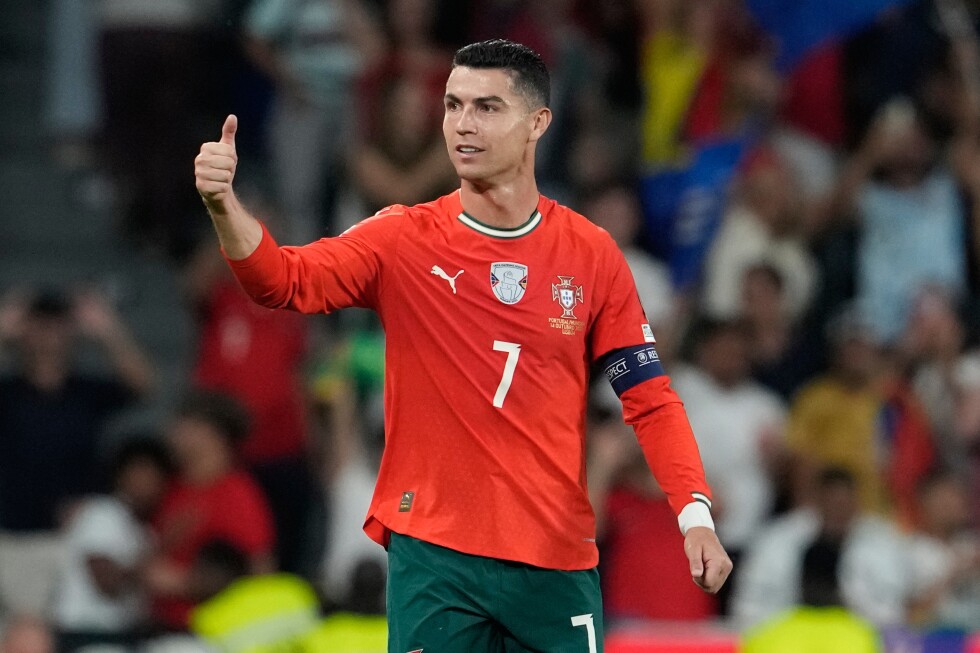
    The golf world faces a moment of reckoning following Tiger Woods’ recent arrest in Florida, which has sparked serious questions about the sport’s continued dependence on the embattled superstar for leadership and direction.

    Woods, whose influence has grown despite a two-decade history of traffic incidents and personal troubles, now faces charges of driving under the influence, refusal of a urine test, and property damage after flipping his Range Rover on a quiet Jupiter Island street last Friday. This marks the latest in a series of incidents dating back to 2009 that have revealed the troubled side of the 15-time major champion’s life.

    The timing could hardly be worse for professional golf. Woods currently holds multiple leadership positions, serving as player director on the PGA Tour Policy Board since August 2023 and vice chairman of the PGA Tour Enterprises board. The tour previously created a special rule to ensure his eligibility for lucrative Signature Events despite his current world ranking of 3,736 and limited competitive play since 2020.

    Golf’s establishment has consistently turned to Woods for critical projects: designing Augusta’s new ‘Loop’ course, chairing the PGA Tour’s future competitions committee, and potentially captaining the Ryder Cup team. Yet his qualifications for these roles are now under scrutiny. Winning 82 PGA Tour titles doesn’t necessarily translate to understanding balance sheets, cash flow projections, or broadcast rights negotiations.

    The arrest comes at a particularly inconvenient moment, with PGA Tour bosses seeking to map out their future strategy by June’s end. Woods’ scheduled appearance at next week’s Masters now appears uncertain, and his ability to lead the Ryder Cup effort—having only appeared on one winning side in eight attempts—faces renewed doubt.

    Alternative leadership candidates may be emerging. Stewart Cink stands as a potential Ryder Cup captain, while Gary Woodland’s recent victory at the Houston Open following brain surgery and PTSD diagnosis demonstrates the type of graceful resilience that has often eluded Woods. Woodland’s openness about his struggles presents a striking contrast to Woods’ intensely private existence.

    This incident may finally illuminate the warning signs for golf administrators who have repeatedly turned to Woods in times of crisis. The sport must now confront whether someone capable of legendary athletic achievements is necessarily best qualified to shape its future direction.

  • Nigerian president’s rivals get major boost as political heavyweight joins fold

    Nigerian president’s rivals get major boost as political heavyweight joins fold

    Nigeria’s political landscape has undergone a significant realignment as prominent opposition figure Rabiu Musa Kwankwaso formally joined the African Democratic Congress (ADC), substantially strengthening the coalition challenging President Bola Tinubu’s administration. The former Kano state governor announced his departure from the New Nigeria People’s Party (NNPP) on Sunday, citing the nation’s political climate necessitating “strategic realignment,” before revealing his ADC affiliation Monday evening.

    Kwankwaso’s defection represents a major development in the emerging opposition alliance that now incorporates several political heavyweights, including former Vice-President Atiku Abubakar and ex-state governor Peter Obi—both formidable opponents to President Tinubu in the 2023 elections. This consolidation creates a unified front against the ruling All Progressives Congress (APC), which has maintained power since 2015.

    The ADC coalition gains considerable strategic advantage from Kwankwaso’s extensive support base in predominantly Muslim northern Nigeria, a crucial voting bloc in national elections. His followers, collectively known as the Kwankwasiyya movement and recognizable by their distinctive red caps, have demonstrated remarkable loyalty through multiple party transitions. Additionally, Kwankwaso’s previous tenure as defence minister provides the coalition with valuable security credentials as Nigeria confronts significant security challenges.

    This political reorganization occurs with less than one year remaining until Nigeria’s next general elections. President Tinubu has received the ruling party’s endorsement to pursue a second term in the January 2027 poll, with widespread expectations confirming his candidacy. The ADC has not yet selected its presidential flagbearer, presenting potential challenges in managing multiple high-profile figures within the coalition.

    The opposition consolidation develops alongside internal crises within Nigeria’s two primary opposition groups. The People’s Democratic Party (PDP) has fragmented into rival factions, diminishing its traditional position as the leading opposition force, while the Labour Party (LP) faces its own organizational challenges.

    Simultaneously, Nigeria’s electoral commission has implemented reforms addressing concerns from the disputed 2023 election. New regulations mandate electronic transmission of polling station results in real time, though opposition parties have expressed concerns about provisions permitting manual vote sorting in areas with limited internet access, warning this could compromise transparency.

    Kwankwaso’s political trajectory has recently included international attention, with Republican lawmakers in the United States proposing sanctions against him in February regarding alleged persecution of Christians in Nigeria—claims strongly denied by both Kwankwaso and the Nigerian government, which maintains that violence affects all religious communities equally.

  • Xi congratulates World Data Organization on its inauguration

    Xi congratulates World Data Organization on its inauguration

    Chinese President Xi Jinping formally extended congratulations on Monday commemorating the establishment of the World Data Organization, marking a significant advancement in international cooperation on data governance. The inauguration represents a multilateral effort to address the growing importance of data security, cross-border data flows, and digital infrastructure on a global scale.

    President Xi’s message emphasized China’s commitment to constructive participation in shaping international data standards and fostering collaborative digital ecosystems. The initiative aligns with broader global discussions about creating equitable frameworks for data management that balance innovation with security concerns.

    This development occurs amid increasing international attention to data sovereignty issues and the need for coordinated approaches to digital economy governance. The World Data Organization’s establishment signals a growing recognition among nations that data represents both an economic asset and an area requiring international regulatory cooperation.

    The organization is expected to facilitate dialogue between developed and developing nations regarding data resource allocation, technological capacity building, and ethical artificial intelligence development frameworks. China’s active endorsement positions the country as a key participant in these emerging global digital governance architectures.

  • Inside Nasa’s moon spacesuit lab ahead of Artemis launch

    Inside Nasa’s moon spacesuit lab ahead of Artemis launch

    Within the advanced laboratories of NASA’s Johnson Space Center, a team of engineers and technicians is meticulously preparing the next generation of spacesuits for the historic Artemis II mission. These sophisticated garments represent a significant technological leap from previous designs, engineered to provide comprehensive protection during the most critical phases of lunar exploration.

    The newly developed Artemis II spacesuit system incorporates cutting-edge materials and life support technologies that will safeguard astronauts during multiple mission phases. Unlike suits designed solely for extravehicular activities, these integrated systems provide vital protection during spacecraft launch, atmospheric re-entry, and emergency scenarios that might occur throughout the journey to the Moon and back.

    NASA’s spacesuit development team has implemented numerous innovations based on lessons learned from decades of spaceflight experience. The suits feature enhanced mobility joints, improved thermal regulation systems, and integrated communications equipment that will maintain astronaut safety even under extreme conditions. Each suit undergoes rigorous testing to ensure it can withstand potential cabin depressurization events and provide life support for extended periods if necessary.

    The Artemis program represents humanity’s return to lunar exploration, and these spacesuits symbolize the technological sophistication required for this ambitious endeavor. As NASA prepares for the upcoming Artemis II mission—which will carry astronauts around the Moon without landing—the spacesuit development program demonstrates the agency’s commitment to safety and innovation in the new era of space exploration.

  • Iran confirms death of IRGC Navy commander – media

    Iran confirms death of IRGC Navy commander – media

    Iranian state media confirmed on Monday the death of Alireza Tangsiri, who served as commander of the Islamic Revolutionary Guard Corps Navy. The announcement marks the loss of one of Iran’s most prominent military figures responsible for overseeing naval operations in the strategically vital Persian Gulf region.

    Tangsiri led the IRGC’s naval forces, a separate branch from Iran’s conventional navy that operates primarily in the Gulf and has been central to Tehran’s regional military strategy. The IRGC Navy maintains control over Iran’s missile-equipped fast-attack craft and oversees critical maritime channels including the Strait of Hormuz, through which approximately one-fifth of the world’s oil shipments pass.

    The circumstances surrounding Tangsiri’s death remain unclear as official reports did not disclose specific details regarding the cause or location of his passing. His tenure as commander saw increased tensions in Gulf waters, including several confrontations with Western naval forces.

    The IRGC Navy under Tangsiri’s command developed asymmetric warfare capabilities specifically designed for the confined waters of the Persian Gulf, emphasizing speed, mobility, and missile technology. This strategic approach positioned Iran as a significant naval power in the region despite its conventional naval limitations.

    Tangsiri’s death comes at a period of heightened regional tensions and represents a significant leadership change within Iran’s military structure. The IRGC, designated as a terrorist organization by several countries including the United States, plays a crucial role in Iran’s defense strategy and regional proxy operations.

  • Report shows improving ecology in China’s Qinling Mountains

    Report shows improving ecology in China’s Qinling Mountains

    A comprehensive environmental assessment released by China’s Ministry of Ecology and Environment indicates significant ecological restoration within the critical Qinling Mountains region. The official report, published Monday, documents substantial improvements across multiple environmental metrics following years of concentrated conservation efforts.

    The ecological blue paper reveals that over 60% of the Qinling region has demonstrated measurable enhancement in environmental quality, with more than half of key ecological zones showing clear signs of recovery. The data indicates forest and wetland coverage has expanded steadily, while areas with improved water conservation capabilities now constitute approximately 60% of the territory. Additionally, nearly half (47%) of the region exhibits strengthened soil retention functions.

    As China’s fundamental north-south dividing line and the watershed between the Yellow and Yangtze River basins, the Qinling range serves as a vital ecological barrier and biodiversity reservoir. The mountains have historically suffered severe environmental degradation but have experienced marked recovery following stringent remediation initiatives implemented in recent years.

    Ministry spokesperson Pei Xiaofei characterized the report as both a diagnostic assessment and strategic roadmap, describing it as simultaneously providing an ecological ‘health check’ while proposing a comprehensive ‘wellness plan’ for the region. The document aims to strengthen interregional coordination, refine the balance between natural regeneration and human intervention, and guide continued ecological improvement throughout the mountain ecosystem.

    Despite measurable progress, the assessment acknowledges persistent challenges including occasional environmental damage incidents and the need for enhanced precision in zoned oversight. The report emphasizes that while overall stability has improved, certain areas require further ecological reinforcement to ensure long-term sustainability.

  • ‘This is bigger than football’ – DR Congo bid to end 52-year World Cup wait

    ‘This is bigger than football’ – DR Congo bid to end 52-year World Cup wait

    The Democratic Republic of Congo stands on the precipice of footballing redemption as its national team prepares for Tuesday’s decisive intercontinental playoff against Jamaica. This high-stakes encounter represents more than just a sporting contest—it marks a potential culmination of 52 years of waiting since the nation’s solitary, disastrous World Cup appearance in 1974 under the name Zaire.

    That ill-fated campaign left an enduring stain on African football, particularly remembered for defender Mwepu Ilunga’s infamous free-kick incident against Brazil that spawned damaging stereotypes about African players’ understanding of the game. Beyond the pitch, darker explanations emerged including unpaid bonuses and threats of violence that may have contributed to the team’s underwhelming performance.

    Current players recognize the historical significance of this opportunity. Burnley defender Axel Tuanzebe described it as “the biggest game in my football career,” while former captain Gabriel Zakuani called it “the biggest game in our history.” Victory would not only secure Africa’s 10th representative at the 2026 World Cup across Canada, Mexico, and the United States but also exorcise the ghosts of 1974.

    The road to this playoff has been paved with determination. The Leopards finished second behind Senegal in their qualifying group before navigating a challenging African playoff bracket that included victories over Cameroon and a penalty shootout triumph against Nigeria.

    This new generation represents a different Congo—one that has strategically leveraged its global diaspora. Of the current 26-man squad, only eight were born in Congo, with ten born in France, five in Belgium, two in Switzerland, and one in England. West Ham defender Aaron Wan-Bissaka, among those recruited from European leagues, emphasizes his pride in representing his parents’ homeland despite being raised abroad.

    The team’s success contrasts sharply with domestic football’s challenges. The Congolese league system remains plagued by instability, with the 2022-23 season abandoned after government withdrew travel subsidies. The national federation has been under FIFA-appointed administration since April 2023 after former president Constant Omari was suspended from football activities.

    Paradoxically, while domestic football struggles, the government has invested millions in sponsorship deals with European giants Barcelona, AC Milan, and Monaco—a decision that has drawn criticism from those who believe the funding should support local football development and address pressing domestic issues including unpaid civil servant salaries.

    For the nation’s 110 million citizens, football represents a rare source of unity and hope amid ongoing conflict in eastern regions where M23 rebels control key cities. The national team’s awareness of this responsibility was evident during the 2023 Africa Cup of Nations when players staged a poignant protest before their semifinal, covering their mouths and pointing finger-guns to their temples to draw attention to the violence back home.

    As kickoff approaches in Mexico, Congolese fans face practical challenges in celebrating their team’s potential triumph. The time difference means the match will occur during nighttime hours, and safety concerns in conflict-affected areas like Bukavu make public viewing dangerous. Most supporters will watch from home, hoping their team can finally rewrite a half-century of World Cup disappointment.

  • US reopens embassy in Venezuela months after military operation to remove Maduro

    US reopens embassy in Venezuela months after military operation to remove Maduro

    In a significant reversal of foreign policy, the United States has officially restored its diplomatic presence in Venezuela by reopening its embassy in Caracas. This move comes seven years after the facility was shuttered during the Trump administration, which had severed relations and recognized opposition leader Juan Guaidó as the legitimate president in 2019.

    The State Department confirmed the resumption of normal operations on Monday, characterizing the event as the beginning of “a new chapter” in bilateral relations. The reopening follows a carefully orchestrated three-phase plan initiated by the current administration to re-engage with the South American nation. Prior to the formal reopening, a limited contingent of U.S. diplomats had been operating from a temporary base in neighboring Colombia for over a month, conducting preliminary assessments and engagements.

    The embassy building itself required substantial rehabilitation, including remediation of mold infestations and other repairs accumulated during its prolonged closure. The State Department emphasized that a functional embassy is crucial for direct diplomacy with Venezuela’s interim government structures, civil society organizations, and commercial entities. This development signals a pragmatic shift from the maximum pressure campaign of the previous administration towards a more engaged diplomatic approach, though challenges remain in navigating the complex political landscape.

  • Seven dead in Heilongjiang building collapse

    Seven dead in Heilongjiang building collapse

    A partial building collapse in Hailin city, Heilongjiang province, has resulted in seven fatalities with two additional survivors hospitalized in stable condition. The incident occurred around midnight on Sunday in Hailin township, triggering an immediate emergency response from local authorities.

    According to China Central Television reports, search and rescue operations concluded by 11:27 am on Monday after all nine trapped individuals were successfully located. Emergency teams worked through the night and following morning to extract victims from the debris.

    The two surviving victims received prompt medical attention and were transported to nearby healthcare facilities. Medical officials confirm both individuals are currently in stable condition and not facing life-threatening injuries.

    Local authorities have launched a comprehensive investigation to determine the exact cause of the structural failure. The building’s construction details, maintenance history, and compliance with safety regulations will be examined as part of the official probe.

    This incident highlights ongoing concerns about building safety and structural integrity in various regions. The community has expressed condolences for the victims while calling for strengthened safety protocols and more rigorous building inspections to prevent similar tragedies.

  • How the US could try to seize Iran’s Kharg Island

    How the US could try to seize Iran’s Kharg Island

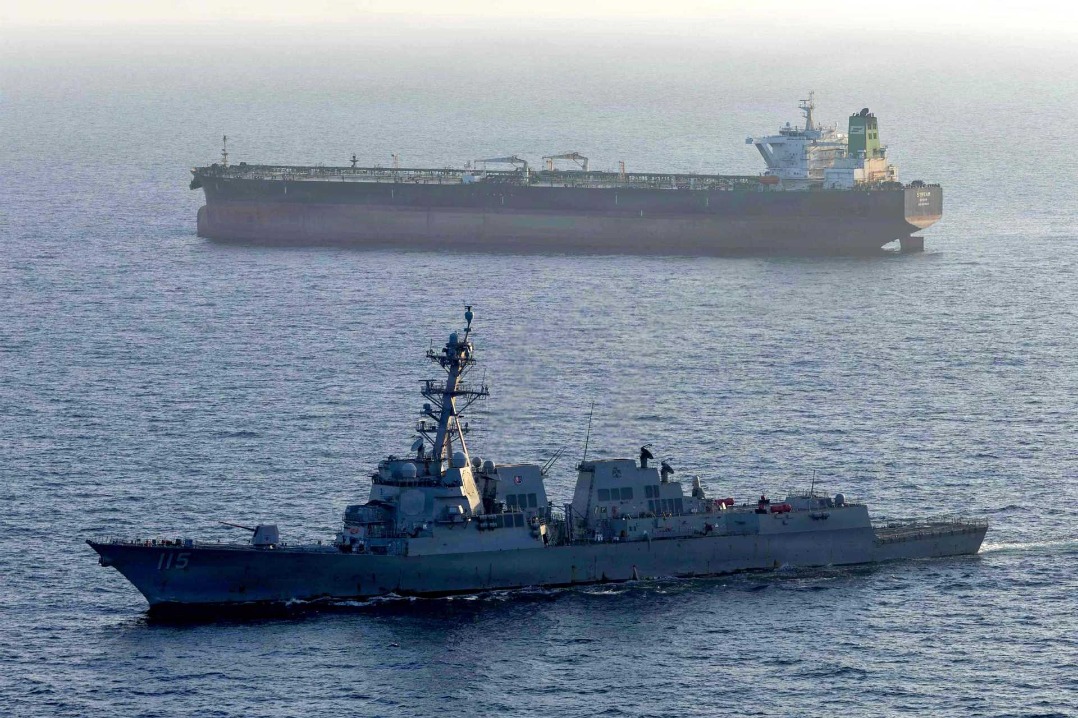
    The United States is contemplating a high-stakes military operation to capture Iran’s pivotal Kharg Island oil terminal, a strategic maneuver that could dramatically escalate tensions in the Persian Gulf. This offshore facility serves as Tehran’s primary oil export conduit, processing approximately 90% of the nation’s petroleum exports through its deep-water capabilities accommodating Very Large Crude Carriers.

    President Donald Trump’s administration has signaled potential deployment of nearly 7,000 troops—including 5,000 Marines and 2,000 paratroopers from the 82nd Airborne Division—to execute this complex operation. Military strategists envision nighttime airborne assaults by paratroopers to secure key positions on the 20-square-kilometer island, supported by amphibious landings using Osprey tilt-rotor aircraft and Landing Craft Air Cushioned vehicles.

    The operation’s stated objective would be temporarily severing Iran’s oil exports to compel concessions regarding the Strait of Hormuz, through which 21% of global petroleum passes. However, the mission carries extraordinary risks: invading forces would need to navigate Iranian-controlled waters past numerous drone and missile installations, then withstand anticipated defenses including anti-personnel mines and drone swarms.

    Iran has dramatically reinforced Kharg’s defenses with surface-to-air missile batteries, while Parliamentary Speaker Mohammad Bagher Ghalibaf promised ‘fire rain’ upon any invading forces. Historical precedent suggests challenges for occupation forces, with comparisons drawn to Russia’s experience at Ukraine’s Snake Island, where persistent artillery fire from the mainland proved decisive.

    Complicating the strategic calculus, analysts note that Kharg might be part of a deception plan, with alternative targets including Larak Island near Bandar Abbas, Qeshm Island with suspected underground military facilities, or the disputed Abu Musa and Tunb islands claimed by the United Arab Emirates.

    Paradoxically, the military buildup coincides with diplomatic overtures. President Trump acknowledged ‘serious discussions’ with Iran that could potentially ‘end our military operations,’ highlighting the administration’s simultaneous pursuit of military and diplomatic pressure campaigns. This dual-track approach reveals the enormous gap between American and Iranian positions that any potential agreement must bridge.