Almost six weeks after a ceasefire halted open conflict between Iran and the United States, Tehran has set clear terms for any return to the negotiating table: five binding preconditions focused on foundational trust-building must be met before a second round of talks can proceed, an informed source told Iran’s semi-official Fars News Agency in a report published Tuesday.
Framed as the absolute minimum guarantees required to restart dialogue with Washington, the five demands address longstanding Iranian grievances over security, economic sovereignty and territorial integrity. They include an immediate end to all hostilities across every regional front, with a specific emphasis on de-escalation in Lebanon; the full lifting of all US sanctions imposed on Iran; the unfreezing of all Iranian overseas assets that have been blocked under US restrictions; financial compensation for war-related damage inflicted on Iranian infrastructure and interests; and formal US recognition of Iran’s full sovereignty rights over the strategically critical Strait of Hormuz.
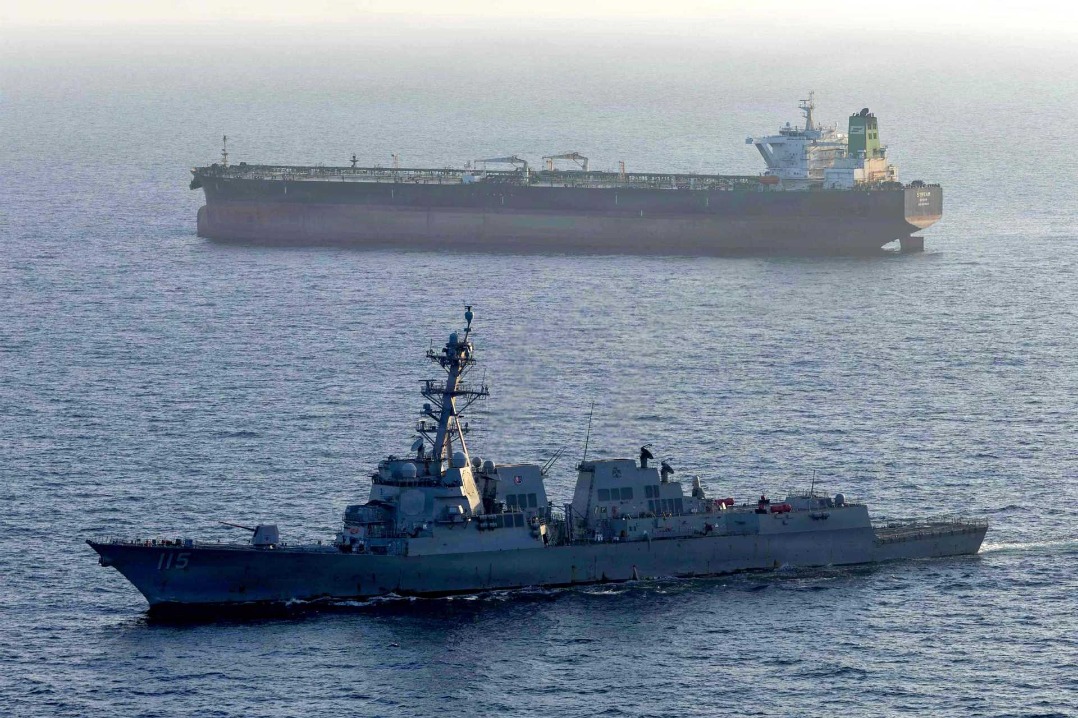
According to the source, these conditions were formally presented as Iran’s official response to a 14-point draft proposal for conflict resolution put forward by the United States. The response was delivered to Pakistan, the third-party mediator facilitating talks between the two nations, on Sunday. The source added that continued US naval activity in the Arabian Sea and Gulf of Oman, maintained even after the bilateral ceasefire took effect, has deepened Tehran’s long-held skepticism that Washington can be trusted to uphold any negotiated agreement.
Tehran’s stance was echoed publicly by Iranian Foreign Ministry spokesperson Esmaeil Baghaei on Monday, who emphasized that Iran’s counter-proposal only aims to secure what he described as the “legitimate” rights of the Iranian people.
The current diplomatic standoff follows a period of open armed conflict that upended regional security earlier this year. Open fighting began on February 28, when joint US-Israeli strikes targeted Tehran and multiple other Iranian cities. After 40 days of sustained hostilities, the two sides agreed to a ceasefire that took effect on April 8. Just days later, on April 11 and 12, Iranian and US delegations held an initial round of negotiations in the Pakistani capital of Islamabad, but the talks ended without any breakthrough agreement. Over the subsequent weeks, both sides have exchanged multiple competing draft proposals through Pakistan’s mediation as the international community continues to push for a permanent end to the conflict.