作者: admin

  • Rain and rubble: Gaza families face a double threat in makeshift homes

    Rain and rubble: Gaza families face a double threat in makeshift homes

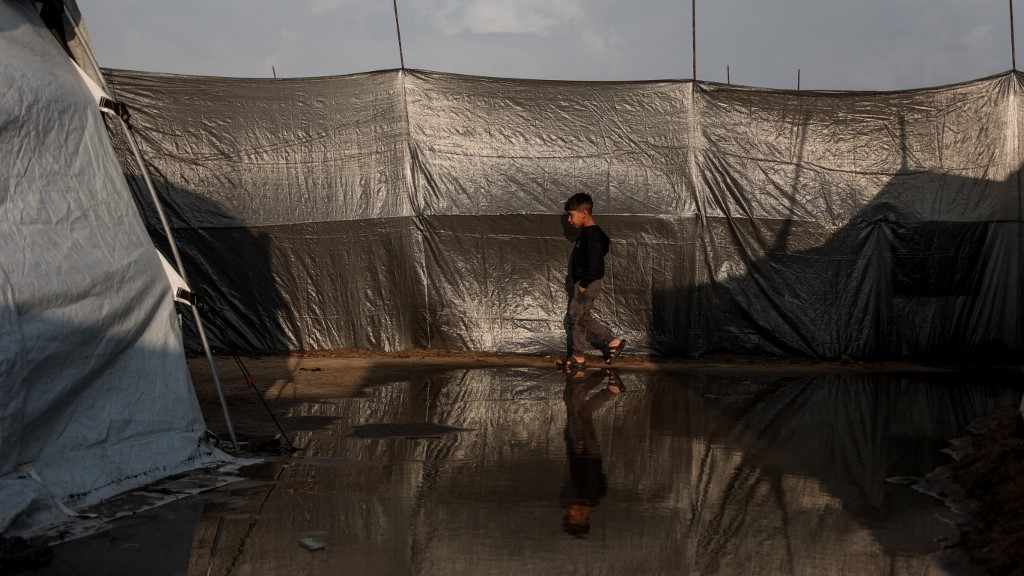
    Across Gaza’s displacement camps, families surviving in makeshift shelters face a new humanitarian emergency as winter storms overwhelm their fragile living conditions. Multiple households report catastrophic flooding, structural collapses, and sewage contamination amid freezing temperatures, creating life-threatening conditions for vulnerable populations.

    At al-Yarmouk stadium in central Gaza, Saber Dawas recounts his futile attempts to reinforce his family’s tent against relentless rain. Despite borrowing money for plastic tarpaulins and wooden supports, the structure collapsed during recent storms, soaking all possessions and leaving his seven daughters shivering through flooded conditions. His youngest child, a two-year-old with stomach cancer and compromised immunity, now battles influenza without access to medication. “I wish I had died before reaching a day where I watch my daughters freezing while I can’t provide them warmth,” he told Middle East Eye.

    Nearby, Sanaa al-Ayubi’s family shelters in equally dire circumstances. Her husband, a double amputee from Israeli airstrikes that destroyed their Tel al-Hawa home in December 2024, now crawls through sewage-contaminated floodwaters after their tent’s central pole snapped. The malfunctioning sewage infrastructure has created biohazard conditions, with bacteria forming on her husband’s residual limbs and most bedding ruined by contamination. Despite contacting municipal authorities, no assistance has arrived.

    In northern Gaza’s al-Karama neighborhood, widow Nesma Hassan and her four-year-old daughter occupy the remnants of their bomb-damaged home. Though two rooms remain partially roofed, winter winds tore away protective coverings, leaving them scooping water throughout nights while huddling in corners. The child now exhibits trauma responses to thunder and wind noises echoing through the rubble.

    Gaza’s civil defense reports at least 11 fatalities and 11 injuries from partial building collapses during the three-day storm period, with emergency teams responding to 13 structural failures and hundreds of flooded tents. The agency has prioritized water pumping and drainage channel clearance, but overwhelming needs outstrip available resources.

    Many displaced residents express bitter irony that their suffering continues despite ceasefire declarations, with one father questioning: “Is this what a ceasefire looks like? Instead of being in our homes we are dying of cold in fragile tents.”
  • Fear grips Congo’s Uvira as M23 rebels take control, displacing 200,000

    Fear grips Congo’s Uvira as M23 rebels take control, displacing 200,000

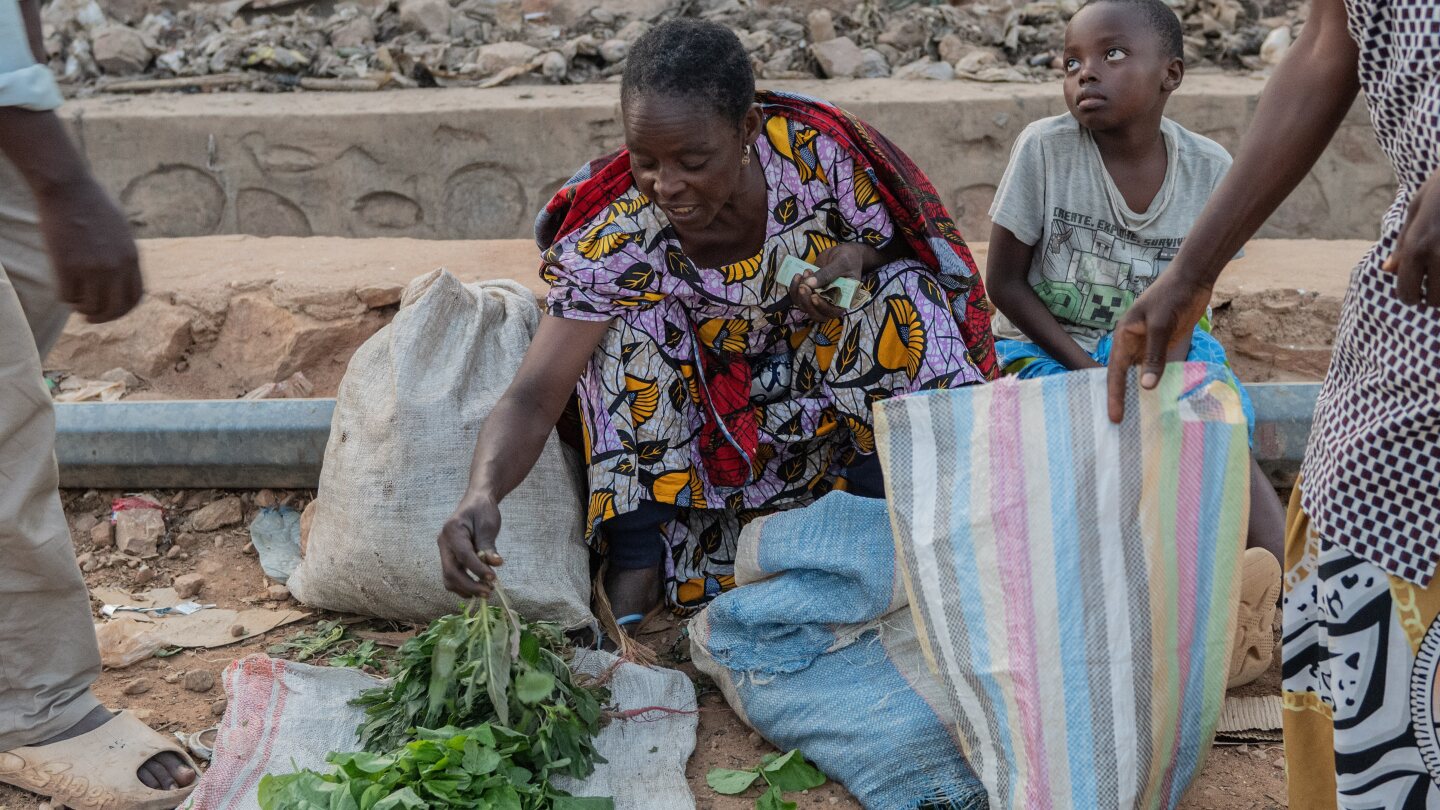
    UVIRA, Democratic Republic of Congo — A palpable atmosphere of apprehension grips the strategic eastern Congolese city of Uvira following its recent capture by the Rwanda-backed M23 rebel faction, marking a significant escalation in regional hostilities despite a recently mediated Washington peace agreement.

    The Associated Press obtained exclusive access to the city, which represented the final major governmental stronghold in South Kivu province after February’s fall of Bukavu. This strategic victory enables M23 to solidify an extensive corridor of influence throughout eastern Congo.

    Regional authorities confirm the rebel offensive, initiated earlier this month, has resulted in approximately 400 casualties and displaced nearly 200,000 civilians. As of Saturday, Uvira remained paralyzed by tension—commercial banks shuttered, vehicular traffic nonexistent except for military patrols, and residents fearful of venturing outdoors after nightfall amid armed rebel patrols.

    Local resident Maria Esther, a 45-year-old mother of ten, described the stagnant economic conditions: “While some fled, we remained. But normalcy hasn’t returned—we cannot resume our livelihoods without monetary circulation.” Another inhabitant, Joli Bulambo, expressed relief that the casualty count remained lower than initially feared.

    This military advancement occurs despite the Washington Accords brokered by the United States and signed by Congolese and Rwandan leadership. U.S. Secretary of State Marco Rubio publicly condemned Rwanda’s alleged violation of the agreement through continued support of M23 operations, promising consequential actions against deal “spoilers.”

    The conflict’s expansion toward Burundi’s border raises concerns about potential regional spillover, with reports of artillery shells landing in Burundian territory. Eastern Congo’s mineral-rich territories host over 100 armed groups, with M23 experiencing dramatic growth from hundreds to approximately 6,500 combatants since 2021 according to UN estimates.

    Diplomatic tensions intensified as Congolese Foreign Minister Thérèse Kayikwamba Wagner accused Rwanda of undermining the peace process, urging UN sanctions and restrictions on Rwandan mineral exports and peacekeeping contributions. Meanwhile, M23 deputy coordinator Bertrand Bisimwa claimed ceasefire agreements remain “theoretical” without practical implementation.

    Rwandan officials counter-accused Congo of declaring intentions to continue fighting in M23-held territories, justifying rebel retaliation. While Rwanda denies supporting M23, it acknowledges maintaining military presence in eastern Congo for national security purposes, estimated by UN experts at up to 4,000 troops.

  • Look: UAE kids become storytellers, exhibit Emirati culture at RAK event

    Look: UAE kids become storytellers, exhibit Emirati culture at RAK event

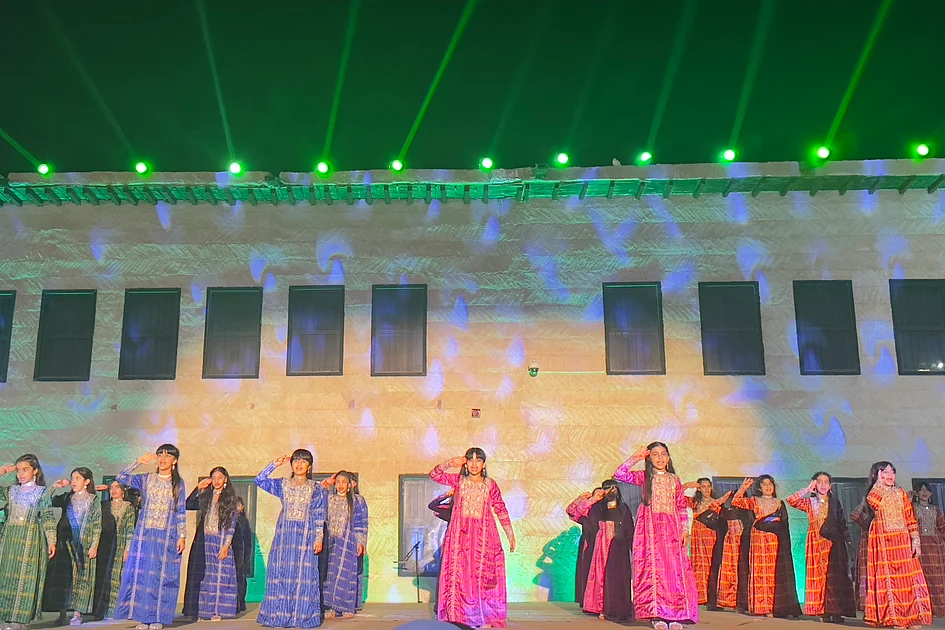
    Ras Al Khaimah has transformed cultural preservation into an intergenerational dialogue through its innovative Heritage Days event, running from December 11-15. The fourth edition, themed ‘Heritage Through the Eyes of Our Children,’ positions school students as primary narrators of Emirati traditions rather than passive observers.

    The program features a national heritage operetta competition where fourteen schools initially participated, with six finalists presenting meticulously crafted performances. Each operetta involved minimum 40 students and adhered to strict 25-minute timeframes while being evaluated on traditional attire authenticity, heritage content accuracy, directorial quality, and student participation levels. A distinguished panel of educational experts, theater specialists, authors, and media professionals assessed the presentations.

    Beyond theatrical performances, the event offers immersive cultural experiences across multiple domains. Traditional crafts demonstrations, folk medicine exhibitions, local cuisine sampling, and children’s art displays create a comprehensive tapestry of Emirati heritage. Muheina Ali Obaid Al Suraidi of Al Mattaf Association demonstrated traditional herbal preparations, explaining therapeutic applications of plants like Harmal (used in fumigation rituals against fever and negative energy), Al Yedah (fever reduction), and Al Halbat (treating inflammation and digestive issues).

    The artistic dimension features heritage-inspired paintings by Ministry of Education-recognized students, works by artist Hamid Liwad, and sculptures by Mohammed Abdulrahman Al Rabee—a Person of Determination acknowledged among Ras Al Khaimah’s most promising creative talents. Educator Najat Saleh Al Teneiji additionally contributed to the multidisciplinary exhibition.

    Amal Ibrahim Al Nuaimi, Director of the Corporate Communications Office at the Department of Antiquities and Museums, emphasized the paradigm shift: ‘Children are not only the custodians of our heritage; they are also its storytellers. This year’s event gives the public a chance to see heritage through their perspective, highlighting creativity, learning, and cultural pride.’

    The event operates daily from 4 PM to 10 PM, offering residents and visitors an innovative approach to cultural preservation that balances authenticity with contemporary interpretation, ensuring traditions remain dynamically relevant through youthful engagement.

  • Louvre’s largest showcase in China goes on display at Museum of Art Pudong in Shanghai

    Louvre’s largest showcase in China goes on display at Museum of Art Pudong in Shanghai

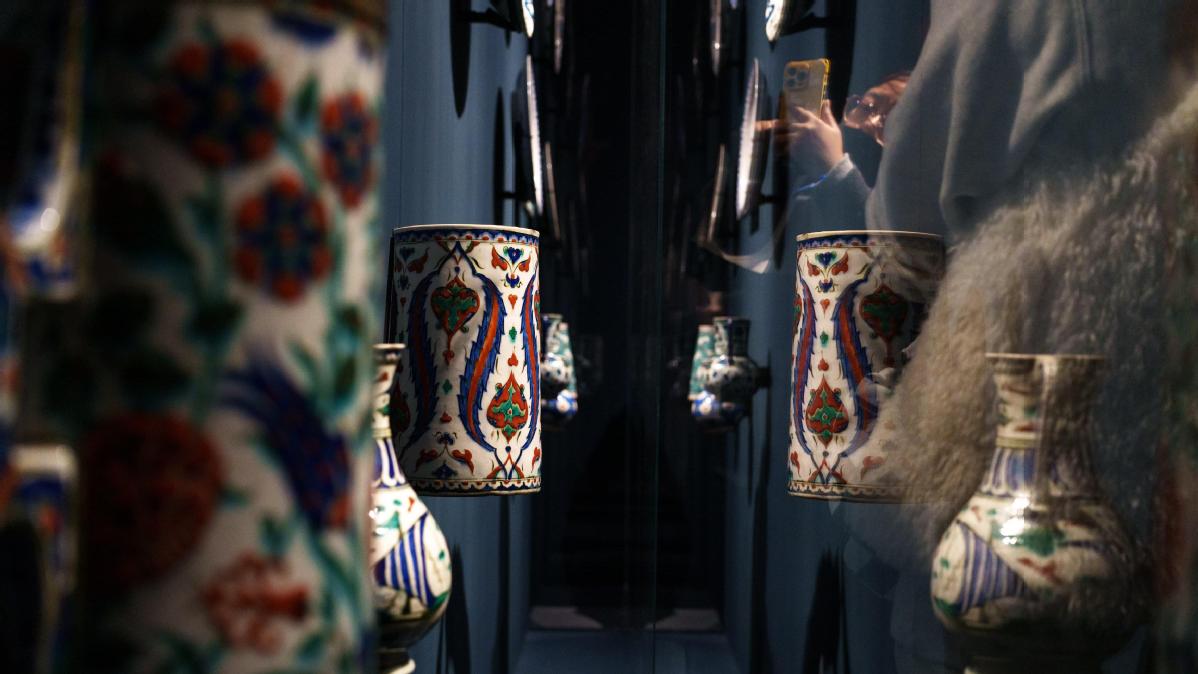
    Shanghai’s Museum of Art Pudong has inaugurated the largest-ever Louvre Museum exhibition presented in China, featuring an extraordinary collection of over 300 artifacts spanning four centuries of artistic heritage. The groundbreaking exhibition, titled ‘The Wonder of Patterns: Masterpieces from India, Iran and the Ottoman World from the Musée du Louvre,’ commenced on December 13, 2025, and will remain on display through May 6, 2026.

    This monumental showcase traces its origins to four foundational pieces from the personal collection of France’s King Louis XIV, representing the historical depth and royal provenance of the exhibited works. The comprehensive exhibition presents a diverse array of artistic mediums including exquisite ceramics, intricate carpets, masterful paintings, opulent jewelry, and delicate glass artifacts, many of which are being displayed publicly for the first time.

    The exhibition’s thematic focus on ‘patterns’ reveals the interconnected artistic dialogue between three great civilizations: the Mughal Dynasty of India, Iran’s Safavid Dynasty, and the expansive Ottoman Empire. While each civilization maintained distinct aesthetic traditions and cultural tastes, they shared a common visual language expressed through their decorative arts and pattern designs.

    Curators emphasize the contemporary relevance of these historical artifacts, noting how modern audiences can identify the enduring influence of these classical patterns in contemporary high jewelry, architectural ornamentation, bookbinding techniques, and graphic design. The exhibition specifically aims to engage younger visitors by demonstrating the timeless modernity and dynamic vitality inherent in these traditional artistic expressions, bridging centuries of cultural exchange and artistic innovation.

  • Iran raises fuel prices for heavy users to curb consumption, smuggling

    Iran raises fuel prices for heavy users to curb consumption, smuggling

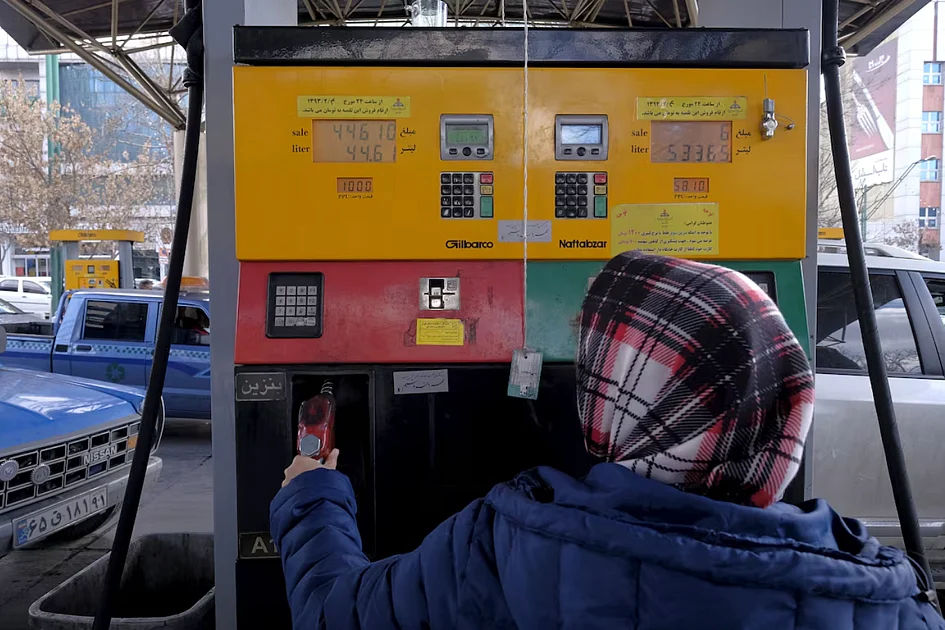
    In a significant economic policy shift, the Iranian government has introduced a revised fuel pricing structure effective Saturday, December 13, 2025. The new system imposes substantially higher rates for heavy consumers while maintaining subsidized prices for moderate users, according to government spokesperson Fatemeh Mohajerani’s announcement on state television.

    The revised pricing mechanism establishes a three-tier system: Regular vehicles can purchase up to 60 liters monthly at the subsidized rate of 15,000 rials per liter, with an additional 100 liters available at 30,000 rials. Consumers exceeding the 160-liter monthly threshold will now pay 50,000 rials per liter – representing a 233% increase from the previous highest tier. Emergency vehicles including ambulances remain exempt from these changes.

    This strategic move addresses Iran’s dual challenges of soaring domestic fuel consumption and widespread gasoline smuggling to neighboring countries, where prices are significantly higher. As an OPEC member with some of the world’s lowest fuel prices, Iran has long struggled with inefficient energy usage patterns that strain government resources.

    The policy adjustment follows careful consideration of potential social implications, particularly memories of the 2019 protests that erupted after previous fuel price hikes. Government officials have emphasized that the graduated approach specifically targets heavy users while protecting essential services and average citizens. Taxi operators, crucial to public transportation, will maintain their existing fuel quotas unchanged.

    Market analysts suggest this measured approach reflects Tehran’s attempt to balance fiscal responsibility with social stability, using economic incentives rather than rationing to modify consumption behavior. The success of this policy may determine future energy sector reforms in Iran’s sanctioned economy.

  • India: Organiser of Messi’s Kolkata event arrested after chaos at Salt Lake Stadium

    India: Organiser of Messi’s Kolkata event arrested after chaos at Salt Lake Stadium

    KOLKATA – A highly anticipated exhibition event featuring football legend Lionel Messi descended into violent chaos at Salt Lake Stadium on Saturday, culminating in the arrest of the chief organizer and promises of full refunds for thousands of disgruntled fans.

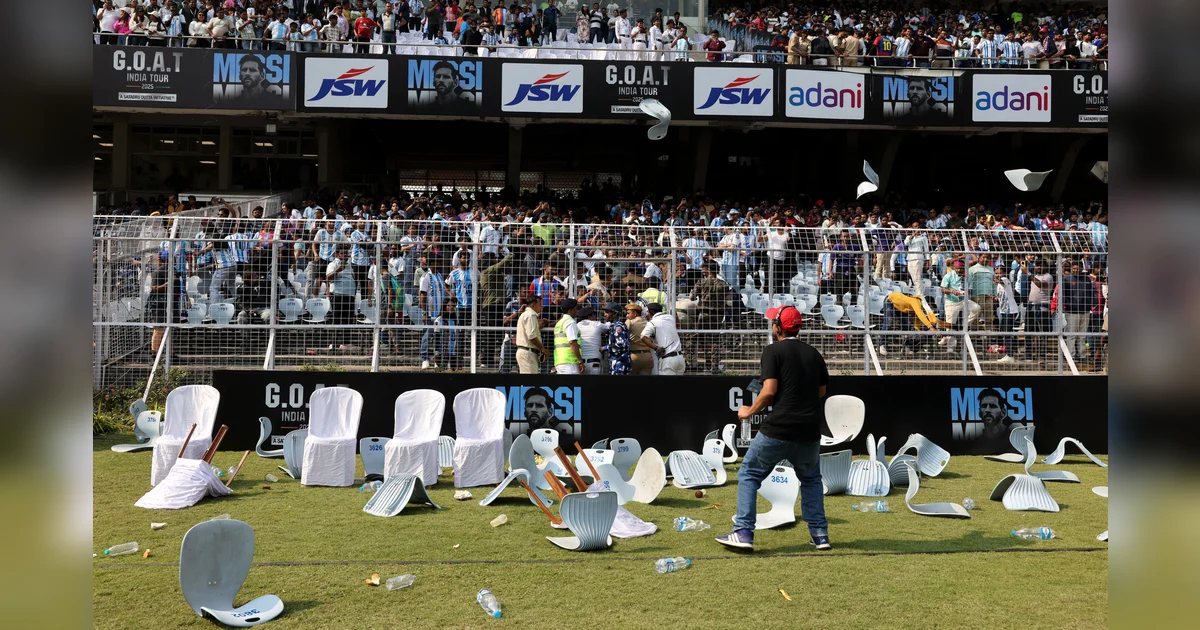
    The event, part of Messi’s ‘GOAT Tour,’ was marred by severe mismanagement that triggered a massive fan uprising. Attendees who had paid premium ticket prices grew enraged as the Argentine icon departed the venue early, leaving many without even a glimpse of the star. Frustrations were further fueled by allegations that VIPs and politicians monopolized Messi’s attention throughout the event.

    The situation rapidly escalated as sections of the crowd began hurling bottles and attempting to breach security gates. A group of angry fans then stormed the pitch, vandalizing equipment including goal posts and a temporary tent. Police were forced to intervene with mild physical force to disperse the crowd and restore order.

    West Bengal Governor CV Ananda Bose confirmed the arrest of Satadru Dutta, the event’s primary organizer. An investigation is now underway. Additional Director General of Police (Law and Order) Jawed Shamim stated that while normalcy had been restored, a First Information Report (FIR) had been officially lodged. He publicly guaranteed that the organizing body would refund all ticket fees, with authorities overseeing the process.

    In a swift response, West Bengal Chief Minister Mamata Banerjee issued a public apology on social media platform X, expressing she was ‘deeply disturbed and shocked’ by the fiasco. She announced the formation of an independent inquiry committee, to be chaired by retired Justice Ashim Kumar Ray and including senior government officials. The committee is tasked with conducting a detailed investigation, assigning responsibility, and recommending future preventative measures.

    The All India Football Federation (AIFF) swiftly distanced itself from the incident, clarifying in an official statement that the event was privately organized by a PR agency without its involvement, knowledge, or required clearance. The Federation emphasized that safety and security should remain the paramount priority and urged full cooperation with authorities.

  • BBC captures celebrations as Belarus frees political prisoners

    BBC captures celebrations as Belarus frees political prisoners

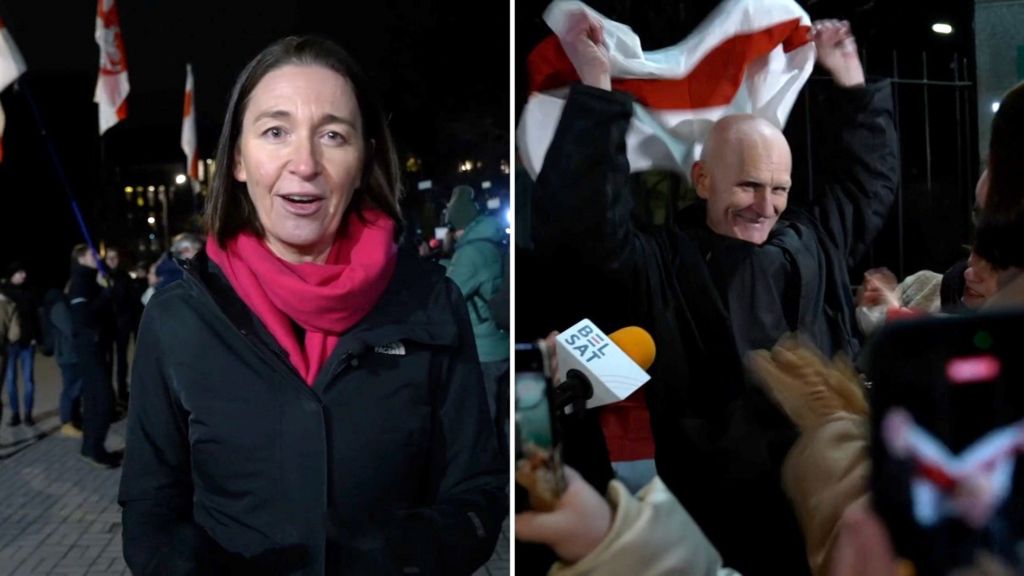
    In a significant political development, the Belarusian government has authorized the release of multiple individuals previously detained on charges widely viewed as politically motivated. The prisoner release operation saw several former detainees transported to neighboring Lithuania, where they were received by supportive communities and assistance organizations.

    BBC correspondent Sarah Rainsford, reporting from Lithuania, documented the emotional arrival of freed prisoners who were greeted with celebrations by exiled Belarusians and human rights advocates. The releases mark a notable shift in Belarus’s approach to political dissent, though the exact number of prisoners freed and the specific criteria for their release remain unclear.

    The amnesty gesture occurs amid ongoing international pressure on Belarus regarding human rights concerns and democratic governance. European nations have closely monitored the situation, with Lithuania serving as a primary sanctuary for those fleeing political persecution in Belarus. While the releases represent progress, human rights organizations continue to call for the freedom of all political prisoners remaining in Belarusian detention facilities.

    This development follows years of strained relations between Belarus and Western nations, particularly after the controversial 2020 presidential election and subsequent crackdown on opposition figures. The prisoner release may signal potential diplomatic overtures or internal policy reassessments within the Belarusian government.

  • Orbán’s rival leads protest over alleged child abuse in Hungary’s state-run institutions

    Orbán’s rival leads protest over alleged child abuse in Hungary’s state-run institutions

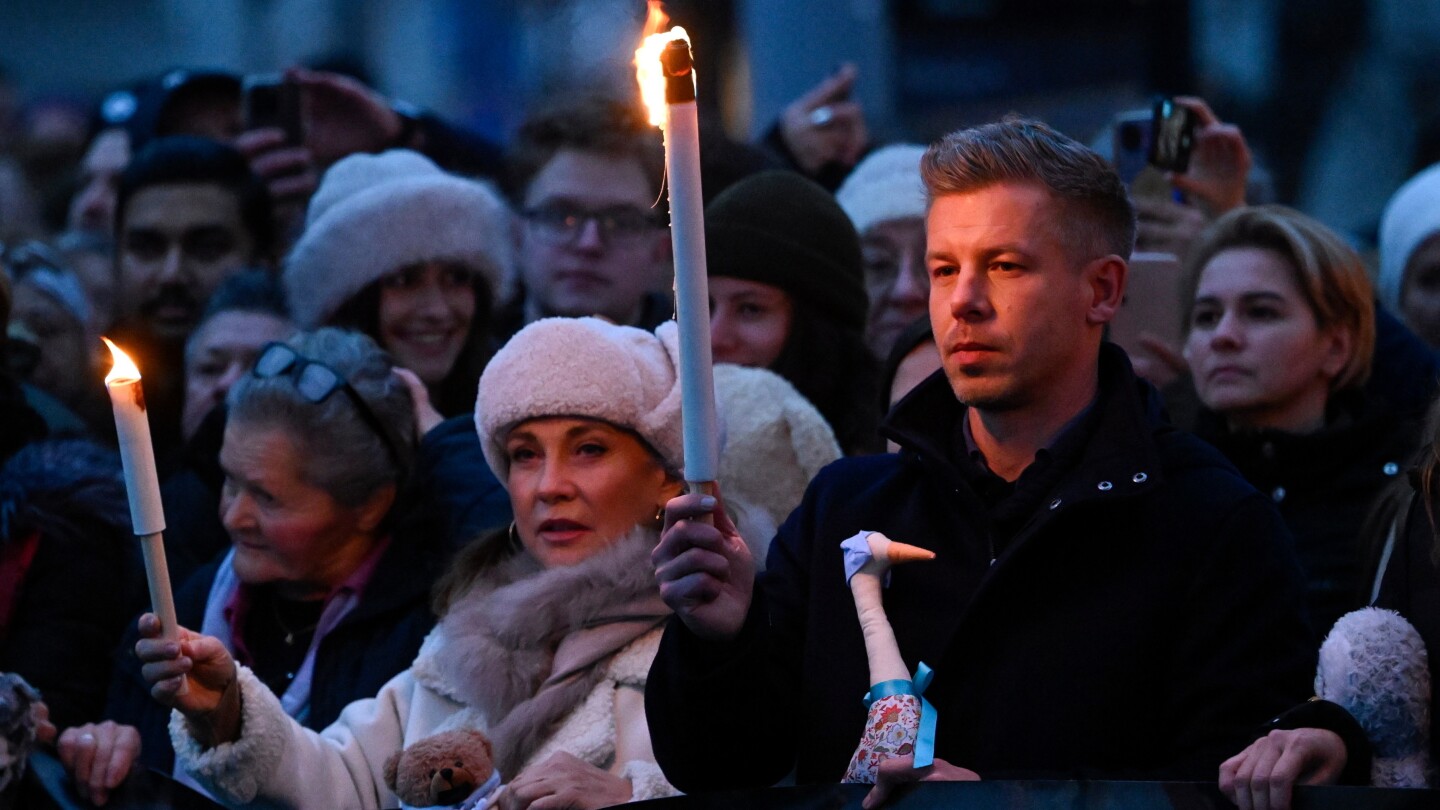
    Tens of thousands of Hungarians marched through Budapest’s frigid streets Saturday in a massive demonstration organized by Prime Minister Viktor Orbán’s primary political challenger, Péter Magyar. The protest erupted following shocking video evidence revealing systemic child abuse within state-operated juvenile correction facilities, creating the most significant challenge to Orbán’s administration since last year’s presidential pardon scandal.

    The rally, organized by Magyar’s center-right Tisza party which currently leads Orbán’s Fidesz in independent polls, saw participants carrying torches in a solemn procession across the Danube River toward the government headquarters on Castle Hill. The movement gained momentum after recently published footage showed staff at a Budapest juvenile facility physically assaulting minors under their care.

    This latest scandal compounds existing public outrage stemming from a 2024 crisis that forced both Hungary’s president and justice minister to resign after they endorsed pardons for individuals involved in covering up child sexual abuse cases. The former director of the correctional facility remains in police custody facing allegations of operating a prostitution ring alongside physical and sexual abuse charges against minors.

    Magyar, a former Fidesz insider who has emerged as Orbán’s most formidable opponent, addressed the massive crowd by drawing direct connections between the current abuse cases and last year’s pardon scandal. “Orbán’s government promised everything, but since then, unfortunately, it turned out that every member of the Orbán government took the side of the abusers,” Magyar declared, demanding the prime minister’s resignation.

    The government has responded by condemning the abuse depicted in the videos while simultaneously arguing that these revelations demonstrate the effectiveness of Hungary’s child protection systems. Several government officials, including Orbán himself, have emphasized that the facility housed juveniles who had committed crimes, characterizing the institution as essentially a prison for minors.

    With elections anticipated in April, this growing scandal represents a rare vulnerability for Orbán, who has maintained nearly absolute control over Hungarian politics since returning to power in 2010. The government’s communications office declined to comment on the unfolding situation.

  • Indonesian foundation to fund students, school administrators to exchange and study in Tianjin

    Indonesian foundation to fund students, school administrators to exchange and study in Tianjin

    A significant educational partnership between Indonesia and China has been established through an agreement that will enable hundreds of Indonesian students and educators to pursue academic opportunities at Tianjin University over the next five years. The initiative, spearheaded by Yayasan Warga Bumiputra Indonesia foundation, represents a major step in international educational cooperation.

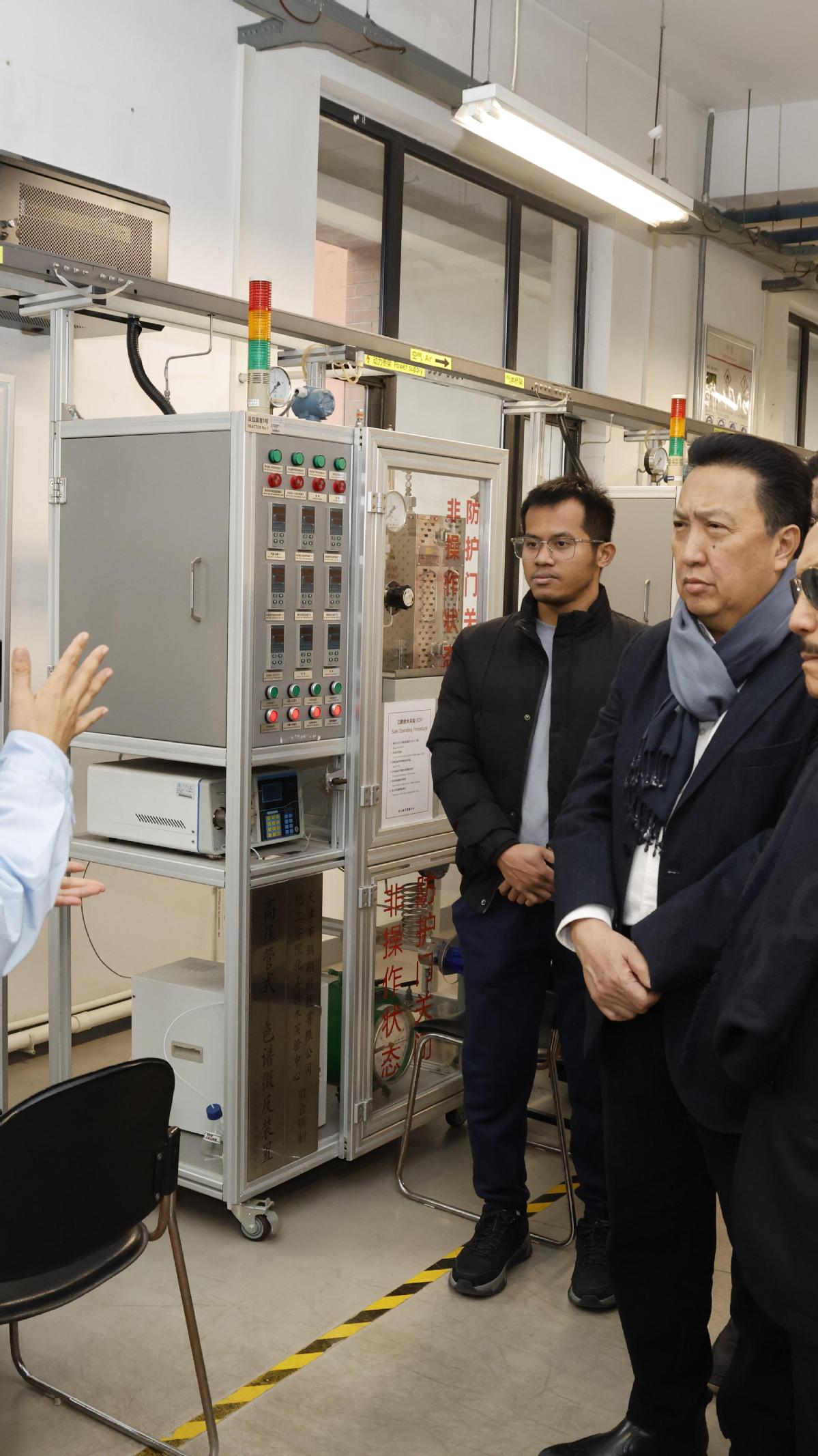
    During a high-level delegation visit to Tianjin University on Friday, foundation chairman A.M. Hendropriyono outlined the ambitious program that will fund at least 250 students and over 100 school administrators for exchange programs and advanced studies. “Our objective is to leverage China’s educational expertise to enhance the competitiveness of Indonesia’s next generation,” Hendropriyono stated. “The first cohort of Indonesian scholars is scheduled to commence studies next year, with plans for gradual expansion of our collaborative efforts.”

    The delegation, which included Garibaldi Thohir, chairman of the Indonesian Chamber of Commerce and Industry Bilateral Committee for China, conducted comprehensive inspections of the university’s academic infrastructure, research facilities, and student accommodations. The visit facilitated substantive discussions with Tianjin University President Chai Liyuan regarding student exchange programs, faculty development initiatives, and industry-academia collaboration.

    Thohir emphasized the strategic importance of educational cooperation in strengthening bilateral relations: “Education serves as a crucial foundation for deepening Indonesia-China friendship. Through this visit, I have witnessed Tianjin University’s exceptional educational standards, research capabilities, and faculty expertise. This exchange will not only provide knowledge acquisition but also broaden cultural understanding between our nations.”

    The partnership extends beyond student exchanges to include joint research projects and development initiatives between the Indonesian Chamber of Commerce and Industry China Committee and Tianjin University. Collaboration will focus on cutting-edge fields including renewable energy, artificial intelligence, meteorological science, and food industry innovation.

    This agreement follows President Chai Liyuan’s two visits to Indonesia in October, during which preliminary cooperation agreements were established. The December meeting served to advance scholarship implementation mechanisms and refine industry-academia-research collaboration frameworks.

    Hendropriyono expressed confidence that “this transnational education model will cultivate a new generation of youth with international perspectives, innovative capabilities, and strong academic foundations, ultimately enabling Indonesia to achieve breakthroughs across multiple sectors.”

  • Two US soldiers and interpreter killed by IS gunman in Syria, US military says

    Two US soldiers and interpreter killed by IS gunman in Syria, US military says

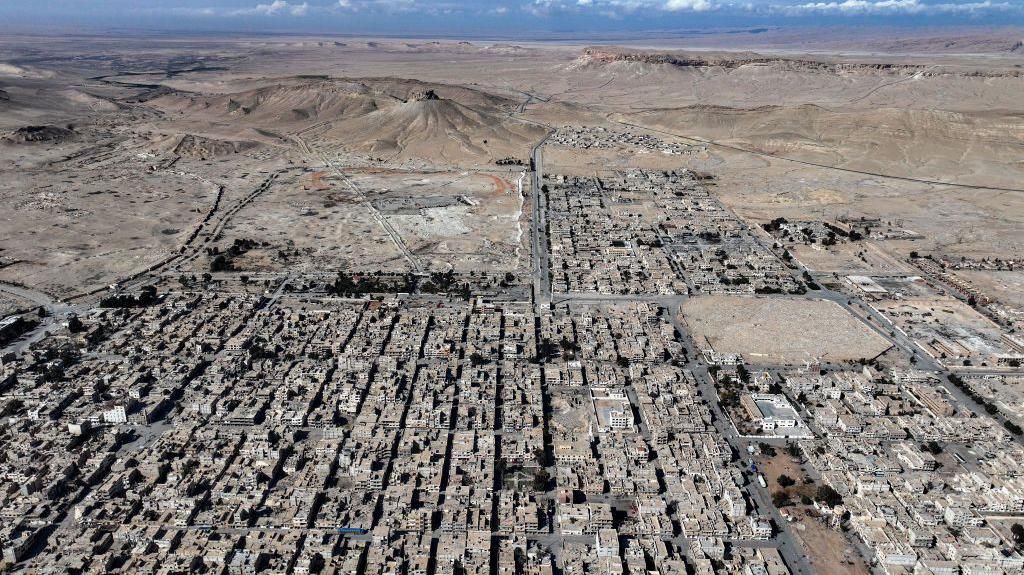
    A deadly assault on a joint U.S.-Syrian military patrol near the historic city of Palmyra has resulted in significant casualties, marking a severe escalation of violence in the region. According to U.S. Central Command, an Islamic State gunman orchestrated a lone-wolf ambush that killed two American soldiers and a civilian interpreter, while wounding three additional U.S. service members. Syrian state media confirmed that two of their personnel were also injured in the coordinated attack.

    The incident occurred during what Pentagon spokesperson Sean Parnell described as ‘a key leader engagement’ in a contested area beyond the Syrian president’s full control. While no group has immediately claimed responsibility, initial assessments from defense officials strongly point to ISIS operatives. The UK-based Syrian Observatory for Human Rights offered conflicting reporting, suggesting the attacker might have been affiliated with Syrian security forces.

    The timing proves particularly significant as it follows recent diplomatic developments between the formerly adversarial nations. Last month, Syrian President Ahmed al-Sharaa met with Donald Trump at the White House, characterizing the encounter as the dawn of a ‘new era’ in bilateral relations. Syria’s recent inclusion in the international coalition against Islamic State underscores the complex partnership evolving between the two governments.

    U.S. Defense Secretary Pete Hegseth delivered a stern warning following the attack: ‘Let it be known, if you target Americans – anywhere in the world you will spend the rest of your brief, anxious life knowing the United States will hunt you, find you, and ruthlessly kill you.’ Echoing this commitment, Tom Barrack, U.S. ambassador to Turkey and special envoy for Syria, condemned the ‘cowardly terrorist ambush’ and reaffirmed America’s dedication to ‘defeating terrorism with our Syrian partners.’

    The global coalition, which Syria recently joined, continues its mission to eliminate remaining ISIS elements and prevent the flow of foreign militants to the Middle East. The identities of deceased American personnel are being withheld pending family notifications.