作者: admin

  • JetBlue flight avoids mid-air collision with US Air Force jet

    JetBlue flight avoids mid-air collision with US Air Force jet

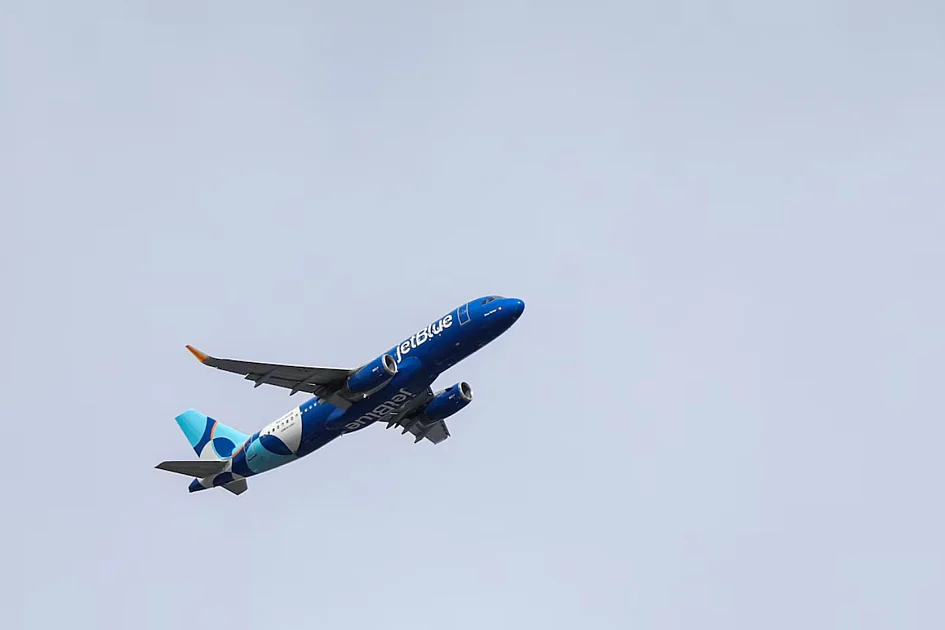
    A potentially catastrophic mid-air collision was narrowly averted on Friday when a JetBlue Airways commercial flight took emergency evasive maneuvers to avoid a US Air Force tanker aircraft near Venezuelan airspace. The incident occurred approximately 40 miles off the coast of Venezuela as JetBlue Flight 1112, an Airbus A320 en route from Curaçao to New York, encountered the military aircraft flying at identical altitude without an activated transponder.

    According to air traffic control recordings obtained by liveatc.net, the JetBlue pilot expressed extreme concern regarding the proximity and lack of electronic identification from the Air Force tanker. ‘They passed directly in our flight path… They don’t have their transponder turned on. It’s outrageous,’ the pilot reported during the incident.

    The event has drawn immediate attention from US lawmakers, with Senate Commerce Committee Chair Ted Cruz highlighting disturbing parallels to the January 29 collision between an Army helicopter and American Airlines flight near Reagan Washington National Airport that resulted in 67 fatalities. Senator Maria Cantwell, the committee’s top Democrat, emphasized the unacceptable nature of the incident, stating, ‘You don’t have corridors where military aircraft and commercial planes are flying and then not letting each other know that they are in that space.’

    Both senators are currently advocating for the removal of a provision from the annual defense bill that would permit military aircraft to operate in Washington, DC airspace without transmitting ADS-B information, an advanced tracking technology considered critical for collision avoidance.

    The incident occurs against the backdrop of heightened US military activity in the Caribbean region as the Trump administration intensifies pressure on Venezuelan leader Nicolás Maduro. The Federal Aviation Administration had previously issued warnings to airlines about potentially hazardous conditions when flying over Venezuela, with numerous carriers suspending operations as tensions escalate.

    JetBlue confirmed the incident through an official statement, noting that safety remains their top priority and that the matter has been reported to federal authorities for investigation. US Southern Command acknowledged awareness of the incident and stated they are reviewing the matter through appropriate channels.

  • Envoys try to narrow gaps on a loan plan for Ukraine ahead of Thursday’s crunch EU summit

    Envoys try to narrow gaps on a loan plan for Ukraine ahead of Thursday’s crunch EU summit

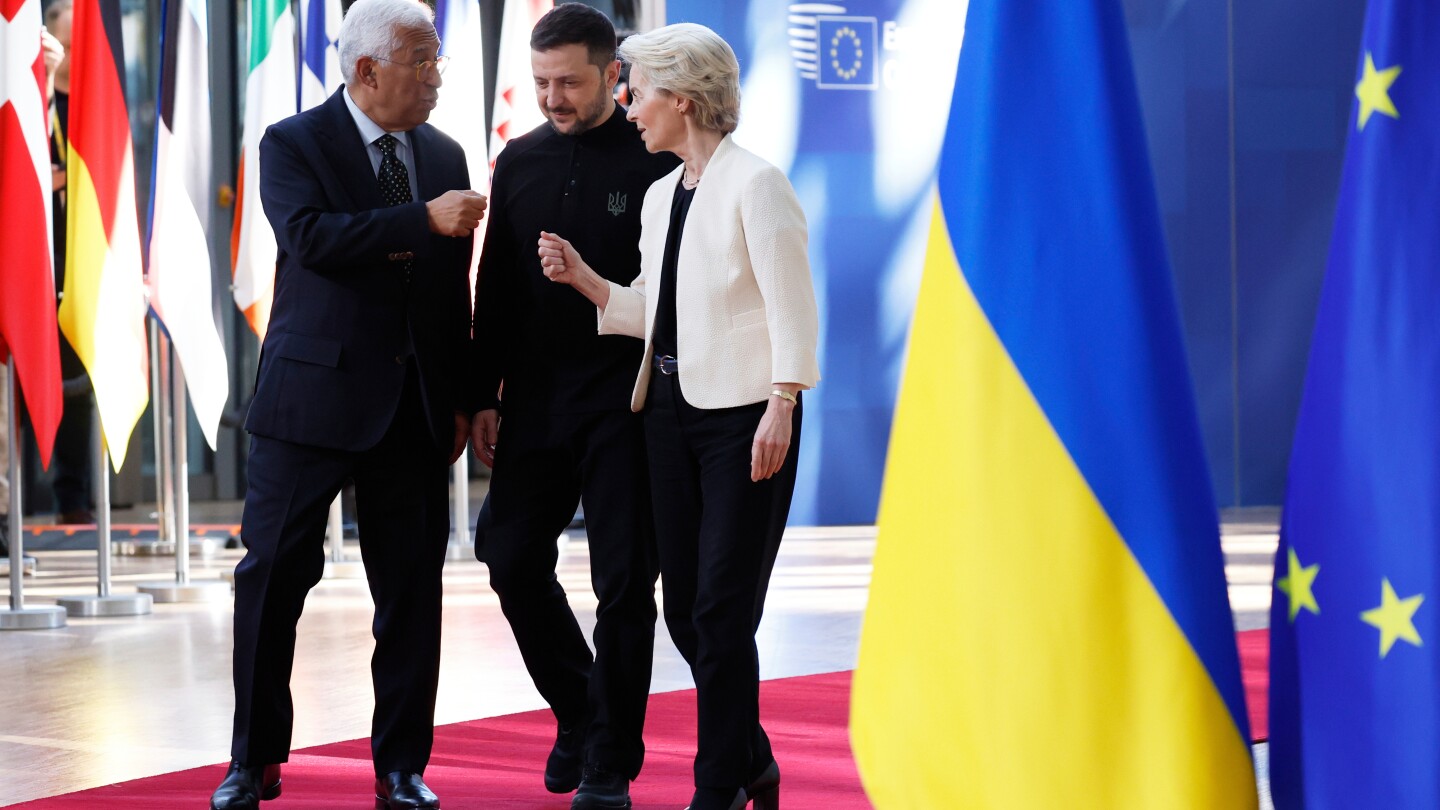
    BRUSSELS — European Union diplomats are engaged in intensive negotiations to finalize an unprecedented plan that would utilize frozen Russian assets as collateral for a massive loan package to support Ukraine’s economic and military requirements through 2026. This development comes as EU leaders prepare for a critical summit later this week aimed at securing Ukraine’s financial stability amid Russia’s ongoing invasion.

    With Ukraine’s needs estimated by the International Monetary Fund at approximately €135 billion ($157 billion), the proposed mechanism represents a groundbreaking financial approach to wartime support. Swedish EU Affairs Minister Jessica Rosencrantz emphasized the urgency, stating, “We do not have the luxury of time. The cost and risk of doing nothing is greater than acting decisively.”

    The complex proposal faces significant challenges, including concerns from the European Central Bank about potential impacts on euro confidence and fears of Russian retaliation. Belgium, where the majority of Russian assets are held through the Euroclear financial clearinghouse, remains the primary opponent due to these security and economic concerns.

    Two distinct approaches have emerged: Plan A involves creating a “reparations loan” using Russian assets until Moscow agrees to pay war damages, while Plan B would require the EU to borrow on financial markets—a challenging proposition given many member states’ existing debt burdens. The frozen assets, totaling approximately €210 billion ($247 billion), were indefinitely secured last Friday to prevent obstruction by Moscow-friendly governments like Hungary and Slovakia.

    European Commission President Ursula von der Leyen has proposed the EU cover two-thirds of Ukraine’s needs through a €90 billion ($105 billion) loan, with international partners providing the remainder. The mechanism would transfer accumulated cash balances from sanctioned Russian assets to an EU debt instrument, with repayment contingencies tied to future sanctions lifting and Russian reparations agreements.

    Despite legal challenges from the Russian Central Bank and Belgium’s continued reservations, supporters argue the plan represents a vital financial security guarantee for Ukraine. German and Swedish commitments to share potential risks have strengthened the proposal’s viability as leaders work toward a qualified majority decision that would bypass potential vetoes from dissenting member states.

  • ‘Best of our country’: Australian PM visits Bondi hero in hospital

    ‘Best of our country’: Australian PM visits Bondi hero in hospital

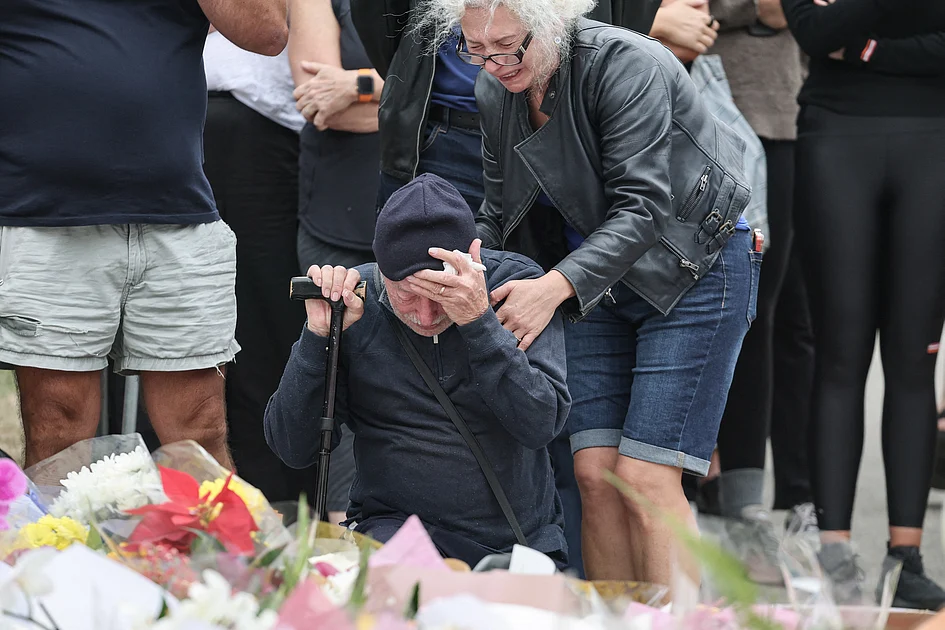
    Australian Prime Minister Anthony Albanese has personally visited Syrian-born fruit shop owner Ahmed al Ahmed, who is recovering from multiple gunshot wounds after confronting an armed assailant during Sydney’s deadliest mass shooting since 1996. The attack, which occurred during a Hanukkah celebration event, has been officially declared a terrorist incident targeting the Jewish community, resulting in at least 15 fatalities.

    During his hospital visit, Prime Minister Albanese praised the 43-year-old father of two as embodying ‘the best of our country’ and ‘an inspiration for all Australians.’ Mr. Ahmed, who sustained serious shoulder injuries during his intervention, requires additional surgical treatment according to medical authorities.

    Eyewitness footage captured the moment Mr. Ahmed emerged from behind a parked vehicle to physically engage the alleged attacker, successfully seizing the firearm and momentarily turning it against the assailant before demonstrating to approaching police that he was not among the perpetrators. His father later explained to media outlets that his son’s actions were motivated by profound human empathy upon witnessing ‘victims, blood, women and children lying on the street.’

    The act of bravery has garnered international recognition, including commendation from former US President Donald Trump and a substantial financial contribution of nearly US$65,000 from an American billionaire who identified Mr. Ahmed as a ‘brave hero.’ Prime Minister Albanese characterized the intervention as ‘a shining example of human strength in the face of evil,’ emphasizing that Mr. Ahmed’s courage represents the resilience and compassion of the Australian spirit.

  • Suspected militants kill 2, including a police officer guarding polio team in northwestern Pakistan

    Suspected militants kill 2, including a police officer guarding polio team in northwestern Pakistan

    In a brazen assault on a public health initiative, unidentified gunmen targeted a polio vaccination team in Pakistan’s volatile northwestern region on Tuesday. The attack resulted in the fatal shooting of a police officer assigned to protect the health workers and an innocent bystander, according to local law enforcement authorities.

    The incident unfolded in the Bajaur district of Khyber Pakhtunkhwa province, a strategically sensitive area bordering Afghanistan. Local Police Chief Samad Khan confirmed that while the security personnel and civilian were killed, all members of the polio vaccination team emerged unharmed from the assault.

    Although no militant organization has formally claimed responsibility for the attack, authorities suspect involvement by the Pakistani Taliban (TTP) and other extremist factions. These groups have been repeatedly implicated in similar assaults targeting health initiatives in the region.

    This violence coincides with the launch of Pakistan’s ambitious week-long national immunization drive, which aims to vaccinate approximately 45 million children against the debilitating disease. The World Health Organization recognizes Pakistan and neighboring Afghanistan as the final two countries where polio remains endemic, presenting a persistent global health challenge.

    Prime Minister Shehbaz Sharif issued an official statement condemning the attack and promising decisive action against the perpetrators. The government’s Polio Eradication Initiative reports notable progress, with documented cases dropping from 74 to 30 in year-over-year comparisons for the January period.

    This incident reflects a persistent pattern of violence against health workers in Pakistan, where militants propagate conspiracy theories alleging vaccination campaigns serve as Western plots to sterilize Muslim children. Health and security officials estimate that more than 200 polio workers and their security escorts have been killed in such attacks since the 1990s.

  • Abu Dhabi property boom: Foreign investors drive growth in prime real estate hubs

    Abu Dhabi property boom: Foreign investors drive growth in prime real estate hubs

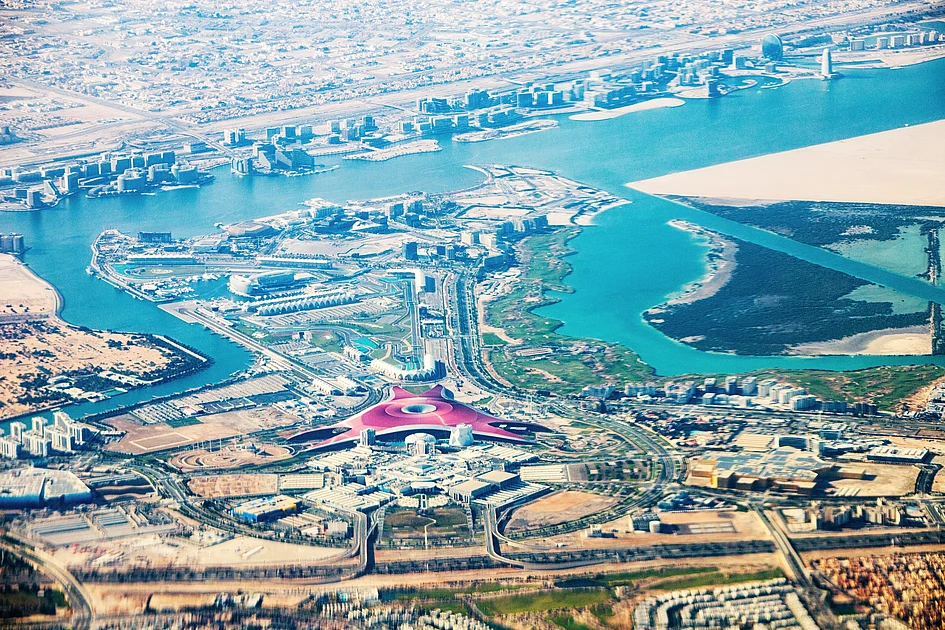
    Abu Dhabi’s luxury property sector is experiencing unprecedented growth, driven by substantial foreign investment flowing into its premier freehold zones and lifestyle-centered communities. According to comprehensive market analyses, destinations including Yas Island, Saadiyat Island, and Al Reem Island have become magnets for high-net-worth individuals (HNWIs) and international investors seeking both luxury living and robust returns.

    Market intelligence from Knight Frank reveals that $1.6 billion in private capital is currently targeting Abu Dhabi’s residential real estate, positioning it as the UAE’s second most popular investment hub after Dubai. While this figure trails Dubai’s $10.3 billion investment volume, Abu Dhabi offers significantly more attractive entry points with average prices approximately 30% lower than its neighboring emirate.

    The current growth trajectory shows remarkable momentum. Savills Middle East reports year-on-year sales rate increases of 16%, with average capital values climbing from Dh14,485 per square meter in Q3 2024 to Dh17,394 in Q3 2025. Apartments dominated transactions, accounting for 78% of total market activity, while over 5,700 new units entered the market in the third quarter alone.

    High-net-worth investor interest has surged dramatically, with 19% of global HNWIs planning Abu Dhabi purchases in 2025—a significant increase from 14% in 2024. Notably, 75% of individuals worth $30-50 million are actively considering Abu Dhabi investments, while 65% of those exceeding $50 million in wealth are evaluating opportunities in the capital.

    Multiple catalysts drive this expansion. The emirate’s economy, projected by the IMF to grow approximately 6% in 2025, outperforms most global economies including the United States and China. Infrastructure developments such as Etihad Rail, coupled with cultural attractions and lifestyle amenities, enhance Abu Dhabi’s global appeal. Government initiatives through vehicles like ADGM (Abu Dhabi Global Market) continue to attract international business and investment.

    Despite the optimistic outlook, challenges remain. Supply constraints pose significant considerations, with only 10.3% of projected 2025 residential supply delivered by September. Limited inventory growth—projected below 5% annually through 2028—contrasts sharply with population growth exceeding 8% in 2024, creating sustained pressure on prices and availability.

    Industry leaders maintain cautiously optimistic perspectives. Anna Skigin of Frank Porter reports short-term rental occupancy rates exceeding 88%, while Ben Crompton of Crompton Partners notes unprecedented price appreciation resembling Dubai’s recent market performance. Regulatory frameworks for short-term rentals continue evolving, with expectations of streamlined processes by 2026.

    The market’s future appears fundamentally strong, supported by economic diversification, strategic government policies, and growing international recognition as a premium lifestyle destination. While external factors including regional stability and global economic conditions warrant monitoring, Abu Dhabi’s commitment to business-friendly environments suggests sustained real estate sector growth.

  • Pakistan hit by 4.8-magnitude earthquake, fifth tremor in less than a month

    Pakistan hit by 4.8-magnitude earthquake, fifth tremor in less than a month

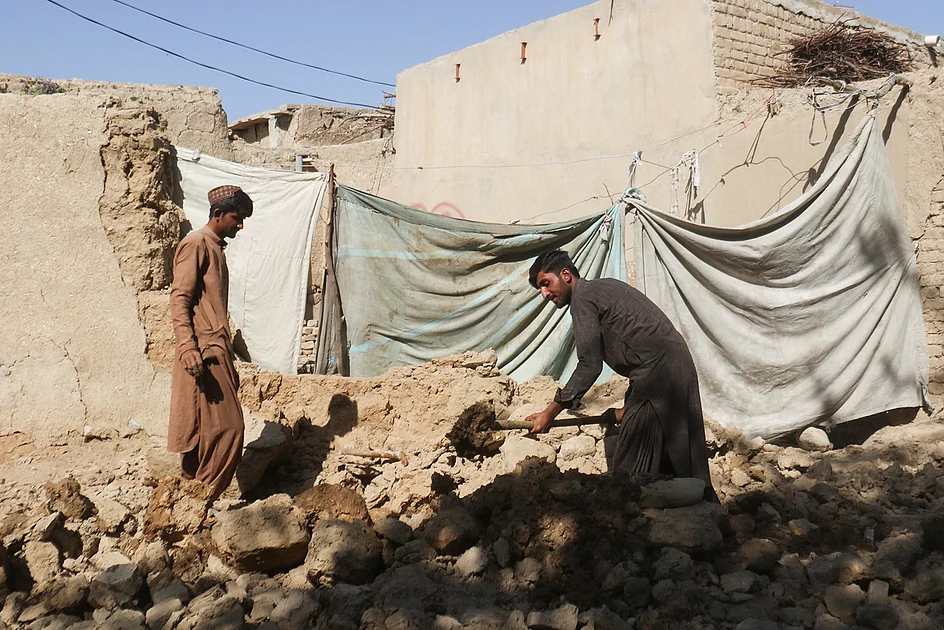
    Pakistan’s seismic vulnerability was underscored once again in the early hours of Tuesday when a 4.8-magnitude earthquake struck the region, marking the fifth such tremor recorded within the country’s borders in less than thirty days. According to precise data released by India’s National Centre for Seismology (NCS), the latest event occurred at 1:21 AM IST with its epicenter positioned at coordinates 25.48 degrees North and 66.69 degrees East. A critically important detail noted by seismologists was the earthquake’s exceptionally shallow depth of just 10 kilometers, a characteristic that significantly amplifies ground shaking and elevates potential risks to infrastructure and populations.

    This recent seismic activity forms part of a concerning pattern of earth movements throughout November and December 2025. Preceding events include a 3.6-magnitude quake on December 5th at 40 kilometers depth, a 4.3-magnitude tremor on November 25th at 120 kilometers depth, and a more substantial 5.2-magnitude event on November 21st occurring 135 kilometers beneath the surface. Particularly noteworthy was a November 20th earthquake measuring 3.9 in magnitude that similarly featured a shallow 10-kilometer depth, raising concerns among geologists about potential aftershock sequences and continued instability.

    Pakistan’s heightened susceptibility to seismic events stems from its unique geological positioning astride the volatile convergence zone where the massive Indian and Eurasian tectonic plates collide. This tectonic boundary creates enormous pressure that regularly releases through earthquakes, with regions including Balochistan, Khyber Pakhtunkhwa, and Gilgit-Baltistan experiencing particular vulnerability due to their proximity to major fault lines. Even the provinces of Punjab and Sindh, situated along the northwestern periphery of the Indian Plate, remain subject to significant seismic risk despite their distance from the primary collision zone.

    The National Centre for Seismology has actively disseminated information through its official social media channels and dedicated mobile applications, providing both real-time alerts and educational resources to help communities better understand and prepare for seismic hazards. This ongoing communication effort reflects growing regional recognition of the persistent earthquake threat facing the South Asian subcontinent.

  • French court sentences ex-DR Congo rebel and politician to 30 years in jail

    French court sentences ex-DR Congo rebel and politician to 30 years in jail

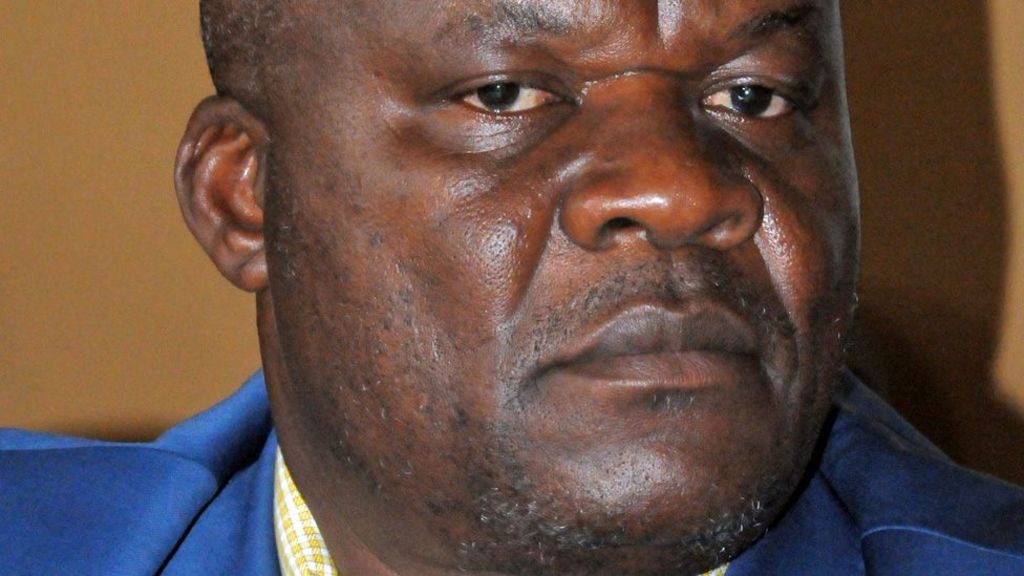
    In a landmark ruling demonstrating the reach of universal jurisdiction, a Paris court has convicted former Congolese rebel commander and politician Roger Lumbala to three decades imprisonment for complicity in crimes against humanity. The 67-year-old, apprehended in France nearly five years ago, was found culpable for atrocities perpetrated during the Second Congo War (1998-2003).

    Presiding judges determined Lumbala, who led the Uganda-backed Rally of Congolese Democrats and Nationalists (RCD-N), ordered or facilitated torture, summary executions, sexual slavery, systematic rape, forced labor, and widespread theft. These violations characterized the brutal ‘Erase the Slate’ campaign targeting Nande and Bambuti communities in northeastern DR Congo during 2002-2003, whom Lumbala’s forces accused of supporting rival militias.

    Despite his detention in France, Lumbala refused to recognize the court’s authority and abstained from the trial proceedings, though he was present for Monday’s verdict delivery. His political career included roles as a minister in Congo’s transitional government (2003-2005) and later as a parliamentarian before an arrest warrant alleging support for the active M23 rebel group prompted his flight to France.

    The case—prosecuted under France’s universal jurisdiction laws enabling trials for severe international crimes committed abroad—relied heavily on testimony from 65 survivors, witnesses, and experts. NGOs including Trial International and the Clooney Foundation for Justice provided critical support for victim testimony and expert analysis.

    Survivors David Karamay Kasereka and Pisco Sirikivuya Paluku, in a joint statement, expressed that ‘the truth matters’ despite their fear, noting they wished to have confronted Lumbala directly but viewed the verdict as reclaiming parts of themselves taken by violence. Their accounts detailed neighbors and relatives tortured and killed, personal injuries, and sexual violence against loved ones.

    While prosecutors sought life imprisonment, Lumbala’s defense decried the 30-year sentence as excessive and retains the right to appeal within ten days. Human rights advocates hailed the decision as a historic step toward accountability in a conflict that claimed millions of lives and has seen numerous militia leaders tried by the International Criminal Court.

  • Bondi Beach shooting: Police probing gunmen’s visit to Philippines before deadly attack

    Bondi Beach shooting: Police probing gunmen’s visit to Philippines before deadly attack

    Australian law enforcement officials have launched an international investigation into the activities of two gunmen prior to the deadly Bondi Beach shooting incident that shocked the nation. New South Wales Police Commissioner Mal Lanyon confirmed Tuesday that authorities are examining the father and son’s travel to the Philippines approximately one month before they carried out the mass shooting.

    Commissioner Lanyon stated during a press briefing that the precise motives behind their Philippine journey remain unclear and constitute a critical component of the ongoing investigation. “The reasons why the father and son went to the Philippines—including their specific purpose and destinations—are under active investigation at this time,” Lanyon told reporters.

    The investigation seeks to determine whether the Philippines trip involved weapons acquisition, training activities, or other preparations that might have facilitated the subsequent attack. Australian authorities are coordinating with international counterparts, including Philippine law enforcement agencies, to trace the suspects’ movements and contacts during their overseas visit.

    This development adds an international dimension to the tragedy that unfolded at one of Australia’s most iconic beaches, raising questions about cross-border security cooperation and the monitoring of potential threats. The investigation represents one of the most complex multinational law enforcement operations Australia has undertaken in recent years regarding domestic security incidents.

    Forensic teams continue to examine evidence from the shooting scene while behavioral analysis units work to reconstruct the perpetrators’ activities and motivations in the weeks leading up to the attack. The timing of the Philippines visit—approximately 30 days before the shooting—suggests potential premeditation and planning that authorities are urgently working to understand.

  • China’s big layoff wave now buffeting its tech sector

    China’s big layoff wave now buffeting its tech sector

    China’s prolonged corporate downsizing trend has now expanded beyond manufacturing and property sectors into its once-booming technology industry. Major firms including Baidu, Lenovo, and Alibaba are implementing significant workforce reductions as core business operations weaken and artificial intelligence growth proves insufficient to compensate for broader economic challenges.

    Recent developments reveal technology companies are no longer immune to China’s economic slowdown. Baidu initiated year-end workforce adjustments in late November affecting multiple business units, with some non-core departments facing layoff ratios of 20-30%. The company offered severance packages ranging from n+3 to n+5 months’ salary, where ‘n’ represents years of service, with affected employees required to complete handovers by December’s end.

    These cuts followed Baidu’s disappointing third-quarter performance, particularly in its core advertising business. Online marketing revenue declined 18% year-on-year to 15.3 billion yuan ($2.16 billion), exceeding market expectations despite a 1% increase in monthly active users. Meanwhile, AI-related revenue including cloud services and autonomous driving unit Apollo Go grew 21% to 9.3 billion yuan, though this represented a significant slowdown from 34% growth in the previous quarter.

    Simultaneously, Lenovo’s Infrastructure Solutions Group (ISG) implemented mass layoffs affecting approximately 270 employees across Shanghai, Beijing, Tianjin, and Shenzhen locations. The company’s strategic shift toward globally centralized research and development has favored expansion in India’s Bangalore research center while targeting higher-cost Chinese software teams for optimization. Despite ISG revenue surging 63% to a record $14.5 billion, the division recorded its third consecutive half-year operating loss of $118 million.

    Industry analysts note that Lenovo’s profitability challenges stem from lacking proprietary technologies, with key AI solution components including chips and large language models relying heavily on external partners. The company faces intense competition across multiple fronts without clear innovation advantages.

    The technology sector layoffs occur against a backdrop of concerning youth unemployment data. China’s jobless rate for 16-to-24-year-olds (excluding college students) stood at 17.3% in October, while the rate for 25-to-29-year-olds remained unchanged at 7.2%. These figures demonstrate the challenging employment environment facing younger workers.

    Alibaba Group exemplifies the broader transformation, reducing its workforce from approximately 250,000 to under 200,000 employees through both layoffs and subsidiary sales. The company’s aggressive AI adoption has replaced approximately half of Taobao’s customer service workforce while Cainiao’s unmanned warehouses have improved efficiency by over 40%.

    The trend reflects a broader industry realization that manpower alone no longer creates competitive advantages, particularly when comparing Alibaba’s staffing to Pinduoduo’s ability to generate comparable gross merchandise volume with just 8,000 employees. Even senior technical roles are becoming vulnerable, with Tencent’s P8-level engineers—typically earning 750,000 to over 1.18 million yuan annually—becoming layoff targets as AI tools reduce needs for senior planning and coordination.

    This technology sector contraction follows years of steady shrinkage in China’s property and manufacturing sectors, with many electronics producers shifting capacity to Southeast Asia to cut costs and avoid US tariffs. The cumulative job losses across multiple sectors have squeezed household incomes and consumption, increasing pressure on internet and technology companies that rely on advertising and discretionary spending.

  • 8 killed in US military strikes on three vessels in eastern Pacific

    8 killed in US military strikes on three vessels in eastern Pacific

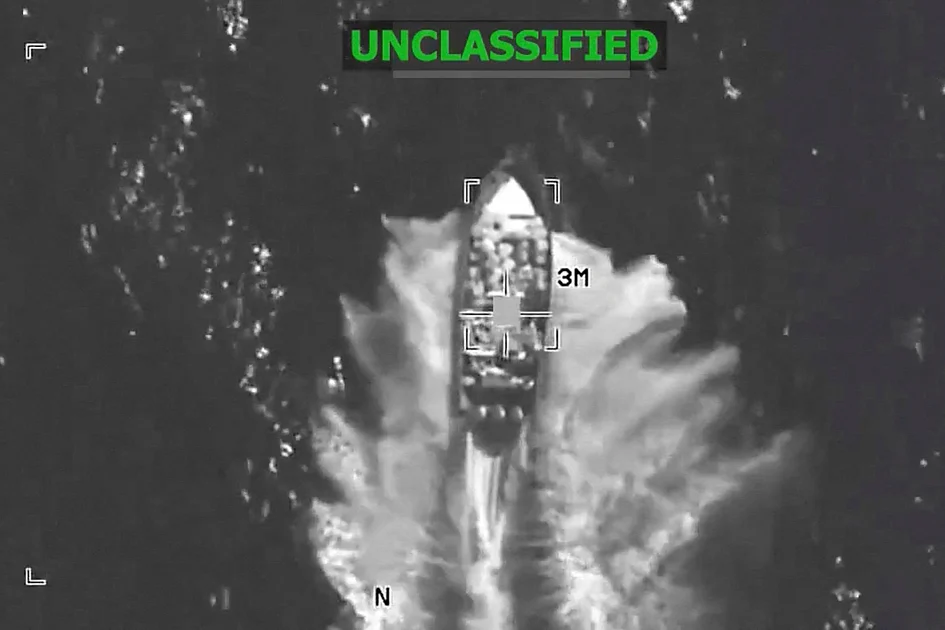
    In a significant escalation of anti-narcotics operations, the United States Southern Command confirmed conducting military strikes on three vessels in international waters of the Eastern Pacific on Monday, resulting in eight fatalities. According to military authorities, intelligence assessments indicated the targeted vessels were traversing established narco-trafficking corridors and actively participating in illicit drug transportation.

    This operation forms part of a broader military campaign initiated by the Trump administration against drug smuggling networks originating from the Venezuela region. To date, U.S. forces have targeted over 20 vessels across both the Pacific Ocean and Caribbean Sea, resulting in approximately 90 suspected drug traffickers killed during these engagements.

    The tactical approach represents a substantial departure from traditional U.S. counter-narcotics protocols, which typically emphasized law enforcement cooperation and judicial processes rather than direct military engagement. This shift has prompted scrutiny from legal experts who question the operations’ compliance with international law, with some characterizing the actions as extrajudicial killings.

    Pentagon Press Secretary Kingsley Wilson recently defended the legality of these operations, stating, ‘Our operations in the Southcom region are lawful under both U.S. and international law, with all actions in compliance with the Law of Armed Conflict.’

    Analysts view these maritime strikes as potentially preceding more extensive ground operations against Venezuela, which President Trump has indicated may commence imminently. The developments mark a notable intensification in the administration’s approach to combating drug trafficking networks in the Western Hemisphere.