作者: admin

  • Roads or rice fields – Madagascar’s highway dilemma

    Roads or rice fields – Madagascar’s highway dilemma

    In the tranquil village of Ambohidava, Madagascar, a crimson wooden post symbolizes an impending transformation that threatens to dismantle generations of agricultural tradition. This marker designates the path of a controversial $1 billion highway project linking the capital Antananarivo to Toamasina, the nation’s primary port city.

    The proposed infrastructure promises to revolutionize Madagascar’s economy by slashing the current 16-hour journey between these key cities to merely three hours. Government projections indicate the highway could triple activity at Toamasina port, facilitate exports of premium commodities like vanilla, and generate substantial employment opportunities along its 260-kilometer corridor.

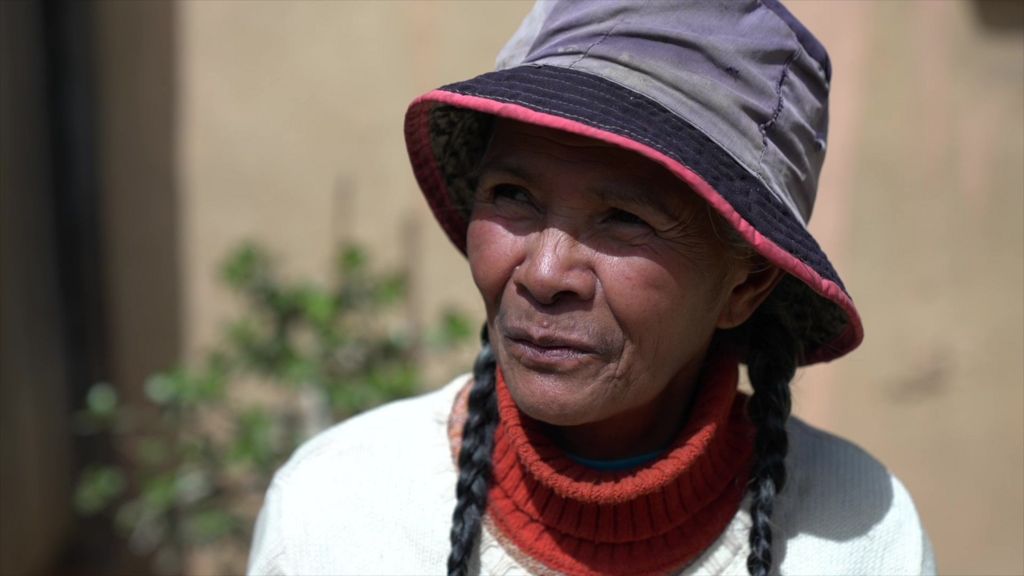
    However, this development exacts a profound human cost. Seventy-year-old Neny Fara, whose family has cultivated rice and pineapples in Ambohidava for generations, faces the potential destruction of her ancestral farmlands. “I feel stabbed in the back,” she expresses, highlighting the absence of official communication regarding compensation. Her concerns echo throughout the community, where multiple farmers report similar uncertainties despite governmental assurances of restitution within one year of the road’s completion.

    The project’s implementation continues despite recent political upheaval that deposed initial proponent President Andriy Rajoelina. The current administration maintains commitment to the venture, financed through a combination of state funds (20%) and international sources including the Arab Bank for Economic Development in Africa.

    Environmental considerations have undergone significant revision since the project’s inception. Originally feared to encroach upon pristine rainforests housing Madagascar’s unique biodiversity, the route now primarily traverses previously cleared agricultural zones. Egyptian construction firm Sancrete further claims the improved road could reduce transportation emissions by up to 30%.

    Yet cultural tensions persist. Villagers voice distress over potential desecration of ancestral burial grounds, considered sacred in Malagasy tradition. An impromptu community gathering, led by Neny Fara, revealed determined opposition to the current plans.

    Former Environment Minister Max Fontaine defended the balance between preservation and progress, emphasizing parallel initiatives to formalize land ownership and prevent corporate land grabs. “This highway will radically change the face of Madagascar,” he stated, acknowledging both the transformative potential and necessary safeguards for affected communities.

    As construction advances on the initial 8-kilometer segment, Ambohidava embodies the complex dilemma facing developing nations: reconciling economic advancement with environmental conservation and cultural heritage preservation.
  • US military build-up in Caribbean has shadows of the past – but differences are stark

    US military build-up in Caribbean has shadows of the past – but differences are stark

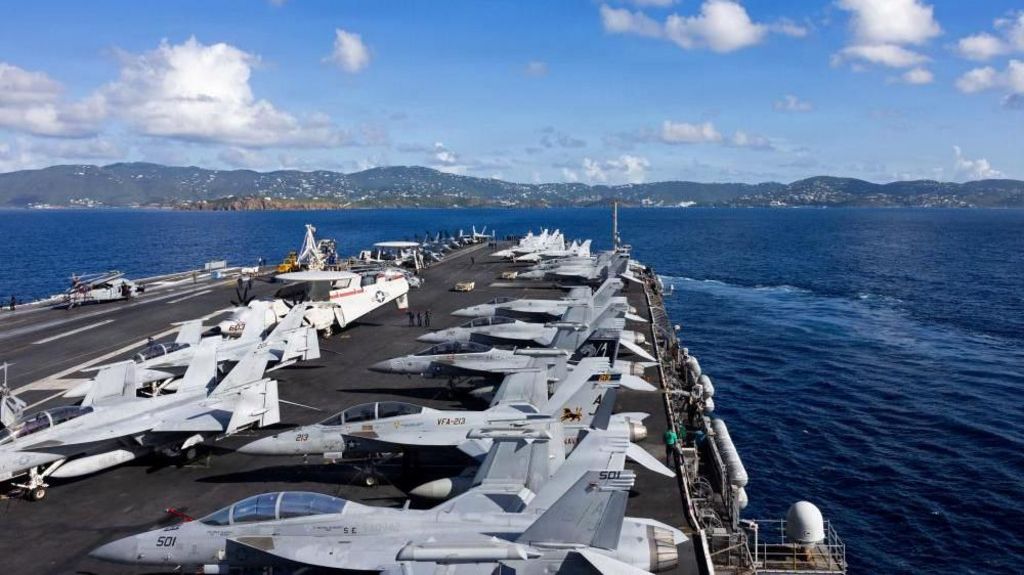
    The Caribbean Sea is witnessing its most significant US military deployment since the Cold War’s conclusion, with the nuclear-powered USS Gerald Ford aircraft carrier leading a formidable naval presence. This strategic mobilization responds to escalating tensions between Washington and Caracas, drawing inevitable comparisons to the 1989 US invasion of Panama that ousted President Manuel Noriega.

    The historical parallel emerges from strikingly similar circumstances: both episodes feature Latin American leaders accused by Washington of direct involvement in narcotics trafficking, both involve years of accumulated diplomatic enmity, and both concern nations possessing immense strategic value—Panama with its critical canal and Venezuela with its vast oil reserves.

    Yet the distinctions between these two moments reveal evolving geopolitical realities. The 1989 operation against Noriega occurred within a Cold War context, with concrete evidence presented through financial records and cartel testimonies. Current allegations against President Nicolás Maduro center on what US officials term the ‘Cartel of the Suns’—an alleged network of current and former Venezuelan military officials that some drug policy analysts question as a formally structured organization.

    The legal justification has similarly evolved. Where the Panama intervention followed the shooting death of US Marine Lieutenant Robert Paz at a checkpoint, the current administration employs the concept of ‘narco-terrorism’ to characterize its operations against drug-smuggling vessels in international waters. This approach has sparked controversy regarding international law interpretations, particularly after a September incident where a follow-up airstrike killed two survivors from an initial engagement.

    Adding complexity to the situation, the Trump administration has imposed fresh sanctions on three of Maduro’s nephews, including two previously convicted in the 2015 ‘narco-nephews’ cocaine smuggling case. Venezuelan officials vehemently deny all allegations, with Interior Minister Diosdado Cabello dismissing the Cartel of the Suns as ‘an imperialist invention.’

    With US forces having already seized a tanker carrying Venezuelan crude and controlling air and sea approaches to Venezuela, analysts note that the situation remains highly volatile. As demonstrated in Panama, such military buildups can be triggered into full-scale conflict by a single incident, making the current Caribbean standoff one of the most dangerously unpredictable geopolitical situations in recent decades.

  • A marathon and a war: UAE’s Ahmad Skaik set to battle for Asian Tour glory in Thailand

    A marathon and a war: UAE’s Ahmad Skaik set to battle for Asian Tour glory in Thailand

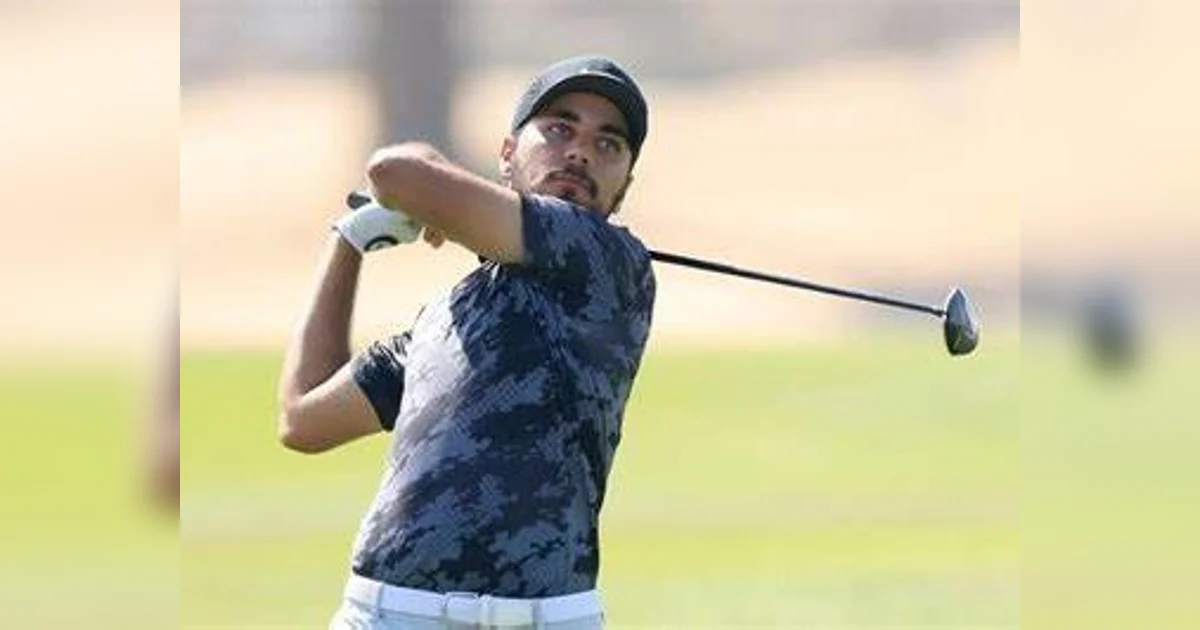
    Emirati professional golfer Ahmad Skaik approaches the Asian Tour Final Qualifying School in Hua Hin, Thailand, with a warrior’s mentality, describing the five-round tournament as both “a marathon and a war.” The event, held at the challenging Lake View Resort and Golf Club, represents a critical juncture in Skaik’s nascent professional career, where 200 competitors vie for merely 35 coveted tour cards for the 2026 season.

    The qualifying structure presents a formidable test of endurance and skill across four distinct courses (A, B, C, and D), with initial cuts after 36 holes and a final elimination after 72 holes. With a modest prize fund of $15,000 overshadowed by the life-changing opportunity of tour membership, the competition demands both physical excellence and mental fortitude.

    In an exclusive interview with Khaleej Times, Skaik revealed his strategic approach to the high-pressure environment. “I feel very confident. The game is in a good place,” stated the recently turned professional, emphasizing the importance of process-oriented thinking. “You just go out there, play one shot at a time. Stick to the process, stay patient, and see where that puts you.”

    Skaik provided insightful analysis of the course conditions, noting the particularly challenging greens. “They are nice but very sloppy and quick, so you gotta miss them in the right spots, or else it’s almost like a guaranteed bogey.” His strategy involves calculated aggression: taking advantage of par fives and shorter par fours while exercising caution on more demanding holes.

    The psychological dimension of the tournament remains paramount in Skaik’s preparation. Recognizing the extended nature of the competition, he emphasizes patience as a weapon: “You cannot win it from the first day. It’s gonna take every day as it goes.”

    For Skaik, qualification represents more than personal achievement—it embodies the realization of a professional dream. “This is why we play, to be on such big tours and to hopefully win tournaments there,” he expressed, acknowledging that Asian Tour status would constitute “a very big step towards achieving my dreams.”

    While honored to represent the United Arab Emirates on the international stage, Skaik maintains a focused perspective: “When I’m on the golf course, I just think about what I’m doing… I cannot put added pressure, or think about who’s watching.” This balanced approach between national pride and individual concentration may prove decisive in his quest for one of the precious 35 tour cards.

  • Iran says dual national held since Israel war on spy charges is Swedish

    Iran says dual national held since Israel war on spy charges is Swedish

    Iran’s judiciary has formally identified a detained dual citizen, arrested during recent hostilities with Israel, as holding Swedish nationality. Judicial spokesman Asghar Jahangir disclosed through the Mizan Online news agency that the individual obtained Swedish citizenship in 2020 and had been residing there prior to their arrest.

    The defendant stands accused of conducting espionage operations for Israel’s Mossad intelligence service during the 12-day conflict that erupted in June. According to judicial authorities, the suspect was allegedly recruited by Israeli intelligence in 2023 and participated in training sessions across six European capitals before entering Iran approximately one month preceding the outbreak of hostilities.

    Investigators reported discovering electronic surveillance equipment in the defendant’s possession upon arrest near Karaj, a provincial area adjacent to Tehran. Judicial officials state the individual has provided confessions regarding espionage activities, with a verdict expected imminently.

    This case emerges amid heightened tensions following Iran’s implementation of stricter espionage penalties in October, mandating capital punishment and asset confiscation for those convicted of spying for Israel or the United States. Since the June conflict, Iranian authorities have executed at least nine individuals convicted on similar charges, reflecting Tehran’s intensified crackdown on alleged foreign intelligence operations.

    The arrest occurs against the backdrop of complex diplomatic relations between Iran and Sweden, particularly following a June 2024 prisoner exchange that secured the release of two Swedish citizens in return for former Iranian official Hamid Noury.

  • UAE boards align with Vision 2050 but struggle to look ahead, new index finds

    UAE boards align with Vision 2050 but struggle to look ahead, new index finds

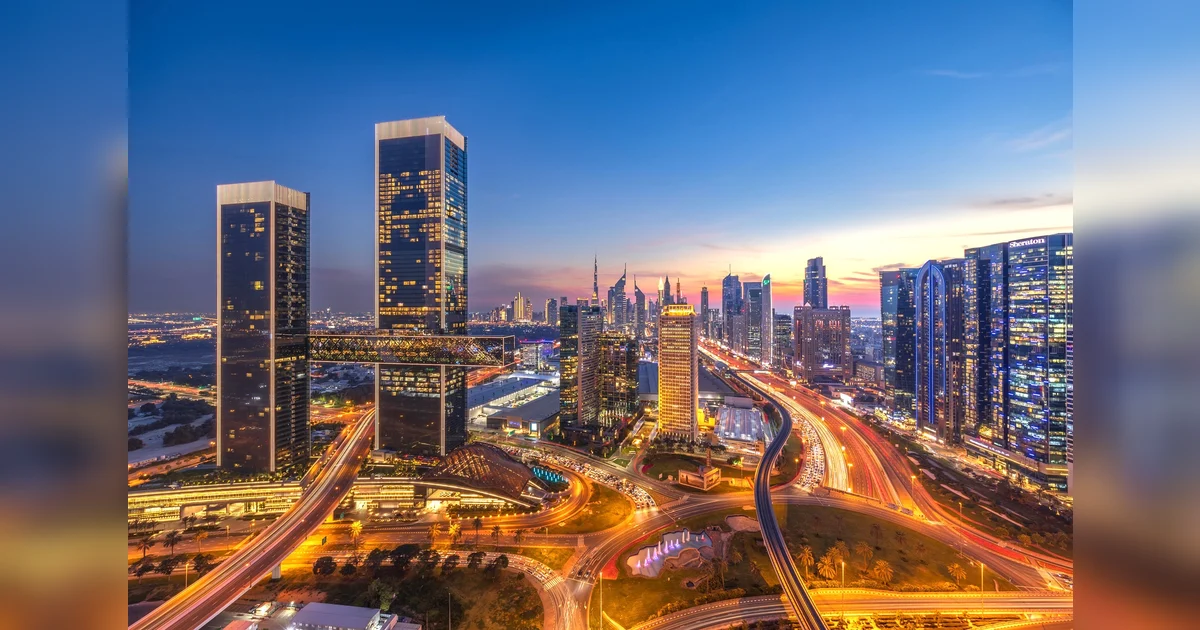
    A groundbreaking study reveals that corporate boards across the Middle East demonstrate remarkable alignment with national development agendas while simultaneously struggling to shift from retrospective review to forward-looking strategic planning. The inaugural Middle East Board Value Index, conducted by Board Intelligence, surveyed 100 board directors throughout the GCC region, uncovering significant insights about corporate governance trends.

    The research indicates that an overwhelming 97% of regional boards maintain substantial alignment with transformational national frameworks including UAE Vision 2050 and Saudi Vision 2030, with 60% characterizing this alignment as ‘extremely effective’ and 37% as ‘moderately aligned.’ This represents a strong commitment to incorporating national priorities into corporate strategic frameworks.

    However, the study exposes a critical strategic gap in temporal orientation among boardrooms. Merely 38% of boards prioritize future-focused discussions, while 41% acknowledge spending more time reviewing past performance than planning ahead. A mere 21% achieve equilibrium between retrospective analysis and prospective planning, potentially limiting their ability to anticipate market disruptions and generate long-term value.

    Despite these temporal challenges, board confidence remains notably high. Nearly half (48%) of directors perceive their boards as essential to performance and value creation, while 94% report efficient operational processes. The primary obstacles identified include suboptimal information quality (41%) and inflexible decision-making frameworks (38%), both of which constrain organizational agility in rapidly evolving market conditions.

    The research further highlights boards’ strategic positioning within regional transformation initiatives. While 98% describe themselves as aligned with integration and diversification agendas, only 48% claim active leadership in these efforts. Sovereign engagement emerges as a particular strength, with 61% of directors expressing high confidence in managing regulatory relationships and state stakeholder dynamics.

    Risk management capabilities present a varied picture: 60% of boards feel very confident addressing cybersecurity threats, and 58% believe they can anticipate geopolitical shifts. Nevertheless, the prevailing reactive rather than anticipatory posture suggests room for improvement in foresight capabilities and information quality enhancement.

    Pippa Begg, CEO of Board Intelligence, commented: ‘Middle Eastern boards are entering a new era of strategic confidence. The contemporary challenge involves leveraging this confidence through enhanced future orientation. In an environment characterized by rapid transformation, the most valuable boards will be those capable of converting insight into foresight and governance into sustainable growth.’

    As the region accelerates its economic diversification and digital transformation initiatives, these findings present a clear imperative for corporate governance evolution—from alignment with national visions to anticipation of future challenges and opportunities.

  • Trump orders blockade of ‘sanctioned oil tankers’ into Venezuela, ramping up pressure on Maduro

    Trump orders blockade of ‘sanctioned oil tankers’ into Venezuela, ramping up pressure on Maduro

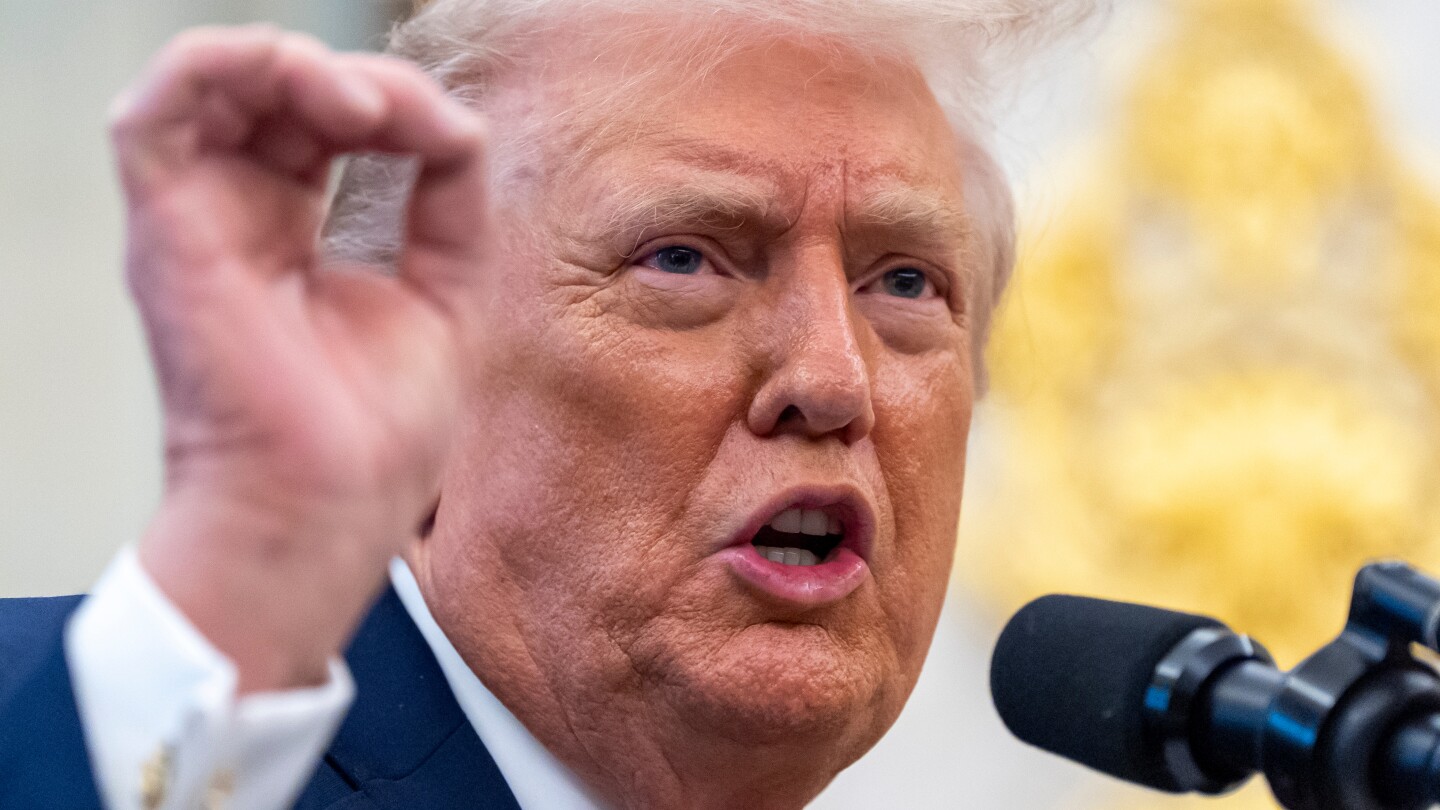
    WASHINGTON — In a significant escalation of economic pressure, President Donald Trump has declared a comprehensive naval blockade targeting all sanctioned oil tankers attempting to reach Venezuela. The announcement signals a dramatic intensification of the administration’s campaign against the government of Nicolás Maduro, aiming to sever Venezuela’s primary economic lifeline.

    The presidential directive follows recent U.S. military operations that included the seizure of an oil tanker near Venezuela’s coastline and the deployment of what Trump characterized as “the largest Armada ever assembled in the History of South America.” Through social media communications, the President asserted that Venezuela utilizes oil revenues to finance narcotics trafficking and other criminal enterprises, demanding the return of unspecified oil, land, and assets to the United States.

    This naval buildup has been accompanied by intensified military operations in international waters of the Caribbean and eastern Pacific regions. According to available data, these operations have resulted in at least 25 documented strikes on vessels, with approximately 95 casualties reported. While the administration defends these actions as necessary anti-narcotics measures, bipartisan congressional scrutiny has raised concerns about the legal boundaries of maritime warfare.

    The strategic implications are particularly severe for Venezuela, which possesses the world’s largest proven oil reserves but produces only about one million barrels daily. Since initial oil sanctions were imposed in 2017, Caracas has increasingly depended on unauthorized tanker fleets operating without national flags to maintain crude exports. The new blockade aims to eliminate this shadow supply chain, potentially crippling Venezuela’s already struggling economy.

  • ‘Felt like humiliation’ – Egypt reacts to Salah’s Liverpool row

    ‘Felt like humiliation’ – Egypt reacts to Salah’s Liverpool row

    In the bustling streets of Cairo, where 23 million people navigate the chaotic urban landscape, a singular name dominates conversations: Mohamed Salah. The recent controversy surrounding his explosive interview about Liverpool has ignited what locals describe as a “national revolution” of support for their football icon.

    When Salah claimed Liverpool had “thrown him under the bus” in his December 6th interview, the Egyptian response was immediate and overwhelming. Diaa El-Sayed, former Egypt assistant coach who has known Salah since his teenage years, stated: “This interview was like a revolution in Egypt. 99% of Egypt supports Salah.”

    The contrast between British and Egyptian perspectives couldn’t be more striking. While British media heavily criticized Salah, with former defender Jamie Carragher calling the interview a “disgrace,” Cairo residents view their ‘Egyptian King’ through entirely different lenses. “Before Salah, no-one supported Liverpool here,” explains Cairo local Noura Essam. “Before Salah, we didn’t have a global figure, so we will always support him.”

    Salah’s cultural significance transcends sports. During the 2018 presidential election, over one million Egyptians wrote his name on their ballots instead of voting for official candidates. He’s known affectionately as the ‘Fourth Pyramid’ – an unofficial national leader whose influence reaches far beyond football pitches.

    At Ramses Square, where teenage Salah once changed buses during his nine-hour daily commute to training, cafe patrons expressed disbelief at his recent benchings by Liverpool manager Arne Slot. The situation became so tense that when Liverpool faced Inter Milan in Champions League, “all of Egypt supported Inter Milan,” according to Osama Ismail, former Egyptian FA spokesman.

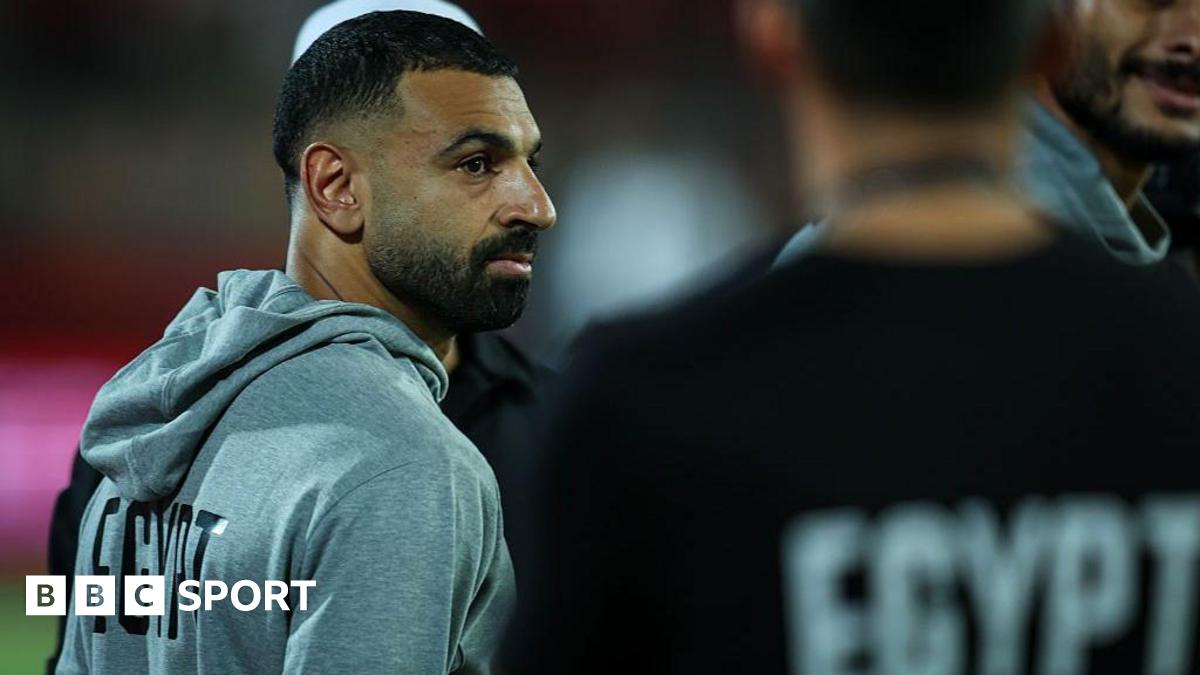
    The national team has mobilized to support their captain ahead of the Africa Cup of Nations. At Cairo International Stadium, where Egypt recently defeated Nigeria 2-1 in a friendly, the overwhelming mood was one of lifting their “son’s” morale. Sports Minister Ashraf Sobhy personally welcomed Salah upon his arrival in Cairo, demonstrating the government-level support he commands.

    Ahmed Gamal Ali, a Cairo-based journalist, explains the national sentiment: “We say he is our son, so we were emotionally taken aback because it felt like a humiliation for one of our family. To see one of our own hurting was shocking.”

    Within the Egyptian camp, support remains unwavering. Team staff describe working with Salah as “the best part of my job,” while players have universally posted social media support for their captain. Coach Hossam Hassan, Egypt’s all-time record goalscorer, has held extensive discussions with Salah, emphasizing that Egypt needs him at his best regardless of his Liverpool situation.

    The underlying tension stems from Salah’s changing role at Liverpool and potential departure. While neither party appears eager for a January separation, a summer move seems increasingly likely, with Saudi clubs interested in the £400,000-per-week forward. Yet even potential departure carries nuance – there’s belief Salah might return to Liverpool with his family after retirement because they “love the British way of life.”

    For now, Salah’s focus remains on international glory. He has never won the Africa Cup of Nations, losing finals in 2017 and 2021. His dedication to this goal is exemplified by his response to his daughters when they asked why he still trains despite winning everything with Liverpool: “No, not yet, this is Egypt.”

    The narrative also touches on Salah’s football hero, Mohamed Aboutrika, whose number 22 Salah once wore as tribute until Aboutrika was placed on Egypt’s terror list in 2017 (a designation removed in 2024). Unlike his idol who won two Afcon titles, Salah seeks his first international trophy.

    With Egypt drawn in a manageable World Cup group alongside Belgium, Iran and New Zealand for next year’s tournament, international success remains within reach. But immediate focus remains on Morocco, where Salah carries not just national hopes but personal motivation to prove he remains among football’s elite.

    As Mohamed Mamoun, a fan at Cairo stadium, perfectly captures: “Salah always wants to win but there is double motivation now to prove that he is still one of the best. We already know he is the best.” Though not tournament favorites, with Salah, Egypt will always believe.

  • Manipal University win cricket title at BITS Sports Festival

    Manipal University win cricket title at BITS Sports Festival

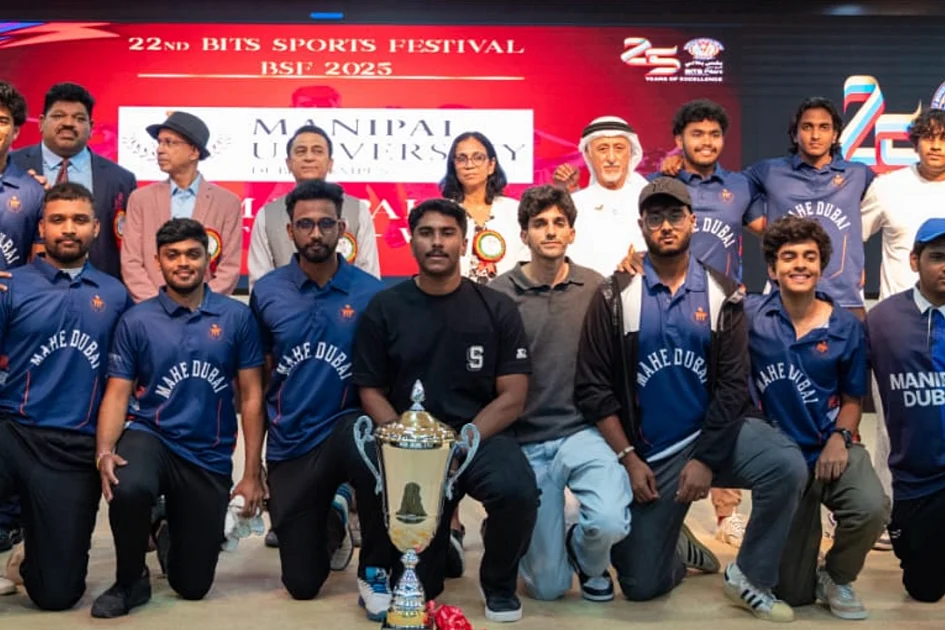
    In an electrifying conclusion to the 22nd BITS Sports Festival 2025, Manipal University emerged victorious in the cricket championship after a nail-biting final that extended into a Super Over showdown against hosts BITS Pilani. The prestigious tournament culminated with Indian cricket icon Sunil Gavaskar presenting the trophy to the triumphant Manipal team.

    The championship match, played in a 12-over format, witnessed BITS Pilani setting a challenging target of 155 runs in 11.3 overs. Nikunj Maheshwari delivered an explosive performance with 55 runs off just 22 deliveries, supported by Kedar Kotak’s quickfire 24 from 12 balls. Manipal’s bowling attack, led by Arsh Lucky’s impressive four-wicket haul, with contributions from Hardik Pai and Pratham Mahale, managed to contain the hosts’ batting lineup.

    Manipal’s response was spearheaded by captain Pratham, who smashed a brilliant 59 from 23 balls, while Vishnu Rajesh contributed 37 runs from 23 deliveries. The match reached its climax when Ayman Bijli’s remarkable last-over onslaught, requiring 26 runs from the final six deliveries, forced the game into a tie-breaker Super Over.

    In the decisive Super Over, Manipal posted 15 runs and successfully defended their total against BITS Pilani’s batting effort, securing the championship title. The victorious team showcased consistent performances throughout the tournament from key players including Ayman Bijli, Hardik Pai, Rehan Sajith, Arsh Lucky, Sahil Shetty, and captain Pratham.

    Manipal’s path to the final included impressive victories against London American University, Heriot-Watt University, City University Ajman, and Middlesex University in the knockout format competition, demonstrating their dominance in the inter-university sporting event.

  • Australia’s Smith out of third Test with illness

    Australia’s Smith out of third Test with illness

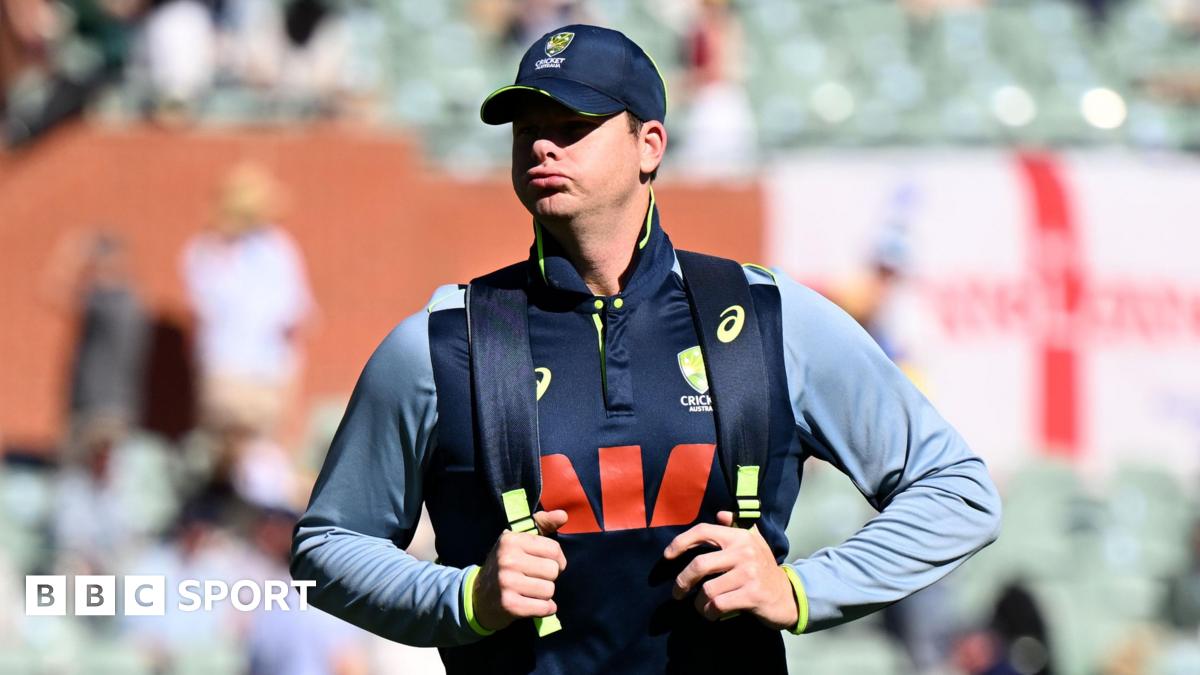
    In a dramatic pre-match development, Australian cricket star Steve Smith was abruptly ruled out of the pivotal third Ashes Test against England due to concerning medical symptoms. The 36-year-old batter experienced persistent nausea and dizziness, compounded by a net session injury where he was struck in the groin area.

    Cricket Australia issued an official statement explaining: “Over recent days he has been experiencing vestibular-related symptoms intermittently. Despite intensive monitoring and being nearly match-ready, the persistence of these symptoms necessitated his withdrawal from play.” Medical authorities confirmed this represents a recurrence of a pre-existing vestibular condition that Smith has managed previously.

    The unexpected vacancy created an extraordinary comeback opportunity for Usman Khawaja, who had been omitted from the original lineup just hours earlier. The 38-year-old left-hander, who many believed had played his final Ashes match, now steps into the critical number four batting position.

    Australian captain Pat Cummins addressed the situation: “Steve attempted to push through this morning but ultimately recognized he couldn’t perform at required levels. We’re fortunate to have someone of Usman’s caliber ready to immediately fill this crucial role.”

    The timing proves particularly significant given Australia’s dominant 2-0 series lead and the Adelaide Oval’s batting-friendly conditions. Smith’s absence removes England’s primary tormentor from previous Ashes campaigns – a batsman whose only superior in Ashes run production remains the legendary Sir Donald Bradman.

    This development also postpones the eagerly anticipated renewal of Smith’s rivalry with English paceman Jofra Archer, whose fiery spell in Brisbane had set the stage for another compelling confrontation. Medical staff remain optimistic about Smith’s recovery timeline, expecting his return for the Boxing Day Test in Melbourne.

  • Jewish Australians on why Bondi is a ‘sanctuary’ for them

    Jewish Australians on why Bondi is a ‘sanctuary’ for them

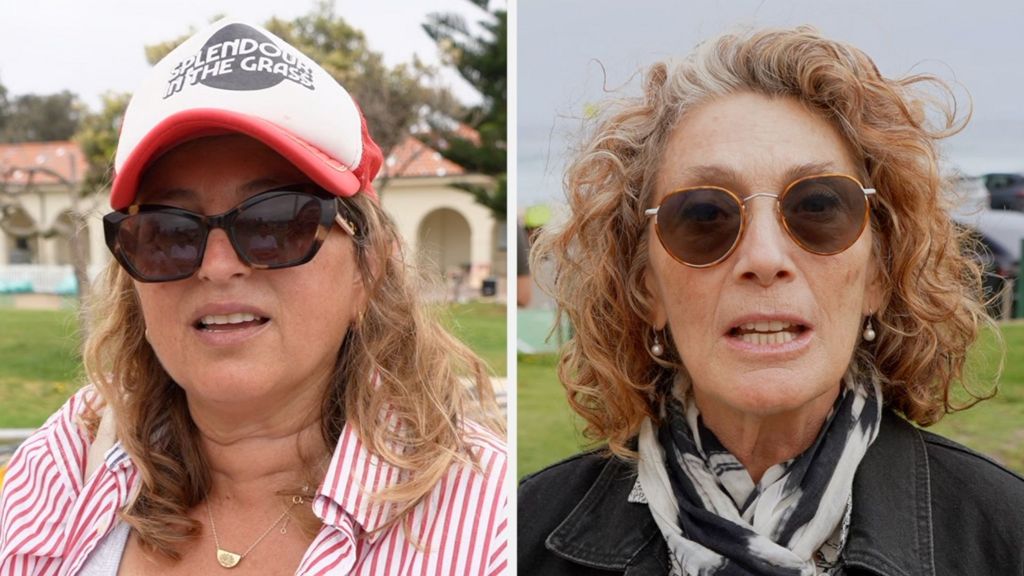
    The iconic shores of Bondi Beach have become more than just a tourist destination—they represent a profound cultural sanctuary for Australia’s Jewish community. In recent interviews conducted along the coastal suburb, Jewish residents revealed how this vibrant neighborhood has evolved into a unique haven that fosters both cultural identity and communal harmony.

    Beyond the famous golden sands and surf culture, Bondi has developed distinctive characteristics that resonate deeply with Jewish Australians. The area boasts kosher restaurants, Jewish community centers, and cultural institutions that create an environment where religious and cultural practices can thrive alongside mainstream Australian life. This blending of traditions has created what many describe as an ‘organic safe space’ where Jewish identity is both visible and celebrated.

    What makes Bondi particularly significant is its demonstration of successful multicultural integration. Jewish residents report feeling comfortable expressing their cultural and religious identity openly while simultaneously participating fully in the broader community. This dual integration stands as a powerful example of how diverse cultural groups can maintain their distinctive traditions while contributing to the rich tapestry of Australian society.

    The community’s attachment to Bondi also reflects broader themes of migration and settlement patterns. Many Jewish families have established multi-generational connections to the area, creating deep roots that strengthen both individual families and the collective community. These bonds have transformed Bondi from merely a geographical location into a meaningful cultural landscape that embodies both Jewish heritage and Australian values.

    This phenomenon represents an important case study in successful cultural preservation within a multicultural society, demonstrating how specific urban environments can evolve to support distinct cultural communities while maintaining openness and integration with the wider population.