作者: admin

  • IPL auction 2026 in Abu Dhabi ends after fierce contests, historic bids

    IPL auction 2026 in Abu Dhabi ends after fierce contests, historic bids

    The 2026 Indian Premier League (IPL) player auction concluded in Abu Dhabi on Tuesday, December 16th, marking a watershed moment in cricket’s financial landscape. The event, characterized by intense bidding wars among franchise owners, established new benchmarks for player valuations and underscored the league’s burgeoning economic power.

    Held internationally for the first time in several seasons, the Abu Dhabi venue provided a global backdrop for a fiercely competitive process. Franchise strategists engaged in protracted financial duels to secure both established international superstars and emerging domestic talent. The auction pool, comprising a diverse mix of seasoned veterans and promising newcomers, saw numerous records tumble as teams aggressively bolstered their squads for the upcoming season.

    Early bidding rounds set an aggressive tone, with multiple franchises demonstrating willingness to allocate substantial portions of their budgets to priority targets. The middle sessions witnessed strategic acquisitions of utility players capable of fulfilling multiple roles, while the final stages saw franchises engaging in tactical bidding to round out their rosters with value additions.

    This record-breaking auction not only reflects the IPL’s commercial dominance but also signals a significant shift in how cricket talent is valued globally. The unprecedented financial commitments demonstrate franchise confidence in the league’s continued growth and its ability to generate returns on these substantial investments. The outcomes of today’s auction are expected to reshape team dynamics and create new competitive hierarchies for IPL 2026.

  • BBC outside Rabbi Eli Schlanger’s funeral as Bondi mourners gather

    BBC outside Rabbi Eli Schlanger’s funeral as Bondi mourners gather

    Sydney commenced the painful process of laying its victims to rest on Wednesday as the first funerals were conducted for those killed in Sunday’s devastating mass stabbing at Bondi Junction Westfield. Among the initial services was that of Rabbi Eli Schlanger, whose funeral drew significant community mourning and media attention, including coverage from the BBC.

    The ceremonies mark a somber milestone for a city still reeling from the attack that left six people dead and numerous others injured. Mourners gathered in substantial numbers to pay their respects to the victims, creating scenes of collective grief and solidarity across Bondi and surrounding communities.

    This initial wave of funerals represents the beginning of a prolonged period of mourning and recovery for Sydney residents. The services are being conducted with heightened security presence and media attention, reflecting both the public nature of the tragedy and the community’s need to collectively process the events.

    Psychological support services have been mobilized throughout affected areas as authorities recognize the profound impact on first responders, witnesses, and the broader community. The funerals serve as both private moments of grief and public expressions of resilience as Sydney begins its long journey toward healing from one of Australia’s most significant public attacks in recent years.

  • Lebanon says two dead, five injured in Israeli strikes

    Lebanon says two dead, five injured in Israeli strikes

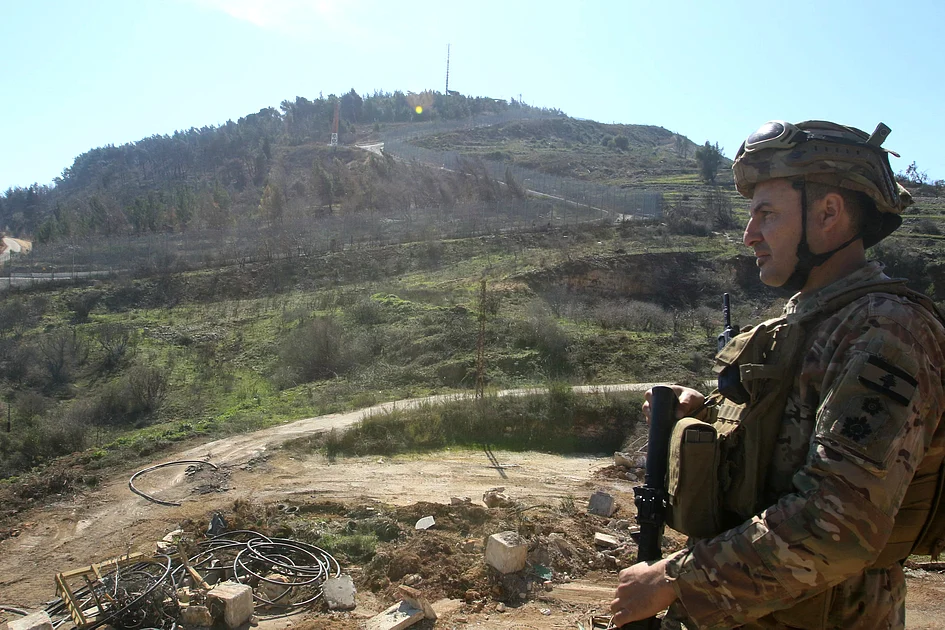
    Israeli military operations in Lebanon resulted in two fatalities and five injuries on Tuesday, escalating tensions despite an ongoing ceasefire agreement. The Lebanese Health Ministry confirmed one individual perished near Beirut’s Shouf district, approximately 30 kilometers south of the capital, while another died in a separate strike in the border town of Odaisseh.

    According to official Israeli military statements, the strikes specifically targeted two Hezbollah operatives, though no further operational details were provided. An AFP correspondent documented emergency responders and Lebanese army personnel attending to a severely damaged goods truck at the Jadra-Siblin roadway incident site.

    These developments occur against the backdrop of the November 2024 ceasefire designed to conclude over a year of hostilities between Israel and the Iran-backed Hezbollah. Despite this agreement, Israeli forces have maintained their presence in five strategic southern Lebanese regions while continuing targeted operations. A recent AFP assessment of Lebanese health reports indicates approximately 340 casualties from Israeli strikes since the ceasefire implementation.

    The Israeli government consistently maintains that these operations focus exclusively on Hezbollah members and infrastructure, aiming to prevent the group’s rearmament capabilities. This persistent violence unfolds as the ceasefire monitoring committee—including representatives from France and the United States—prepares for a critical meeting later this week.

    Under the established ceasefire terms, Hezbollah was mandated to withdraw its forces north of the Litani River and dismantle military infrastructure in the vacated territory. Concurrently, the Lebanese government has approved a disarmament plan requiring the national army to neutralize Hezbollah’s military capabilities south of the Litani by year’s end before addressing remaining regions.

  • US job growth rebounds in November; unemployment rate distorted by shutdown

    US job growth rebounds in November; unemployment rate distorted by shutdown

    The U.S. labor market demonstrated unexpected resilience in November with nonfarm payrolls expanding by 64,000 positions, significantly outperforming economic forecasts. This rebound follows October’s substantial decline of 105,000 jobs, primarily attributed to federal workforce reductions through deferred buyout programs. The statistical landscape remains complicated by methodological adjustments necessitated by the recent 43-day government shutdown, which prevented normal data collection procedures.

    The unemployment rate reached 4.6% in November, representing a four-year peak, though Bureau of Labor Statistics officials caution that this figure requires careful interpretation due to statistical distortions. The shutdown compelled the BLS to implement unconventional methodological changes, including shifting previously-collected data forward one month and adjusting composite weighting formulas. Consequently, the standard errors exceeded typical thresholds, with the November unemployment rate requiring a 0.26 percentage point change to achieve statistical significance compared to September’s 0.21 percentage point benchmark.

    Private sector hiring patterns remained relatively stable since April, though economists note increasing caution among employers regarding President Trump’s aggressive trade policies and tariff implementations. The healthcare sector emerged as the strongest performer, adding 46,000 positions across various sub-sectors, while construction employment grew by 28,000 jobs. Conversely, transportation and warehousing sectors contracted by 18,000 positions, and federal government employment continued its downward trajectory with 6,000 additional job losses.

    Wage growth moderated to 3.5% year-over-year in November, down from October’s 3.7% increase, suggesting that slowing job expansion is beginning to temper compensation increases. This development presents both advantages for inflation control and potential challenges for consumer spending momentum.

    The Federal Reserve’s recent 25-basis-point rate cut brought the benchmark interest rate to 3.50%-3.75%, with officials indicating a likely pause in further reductions pending clearer labor market and inflation signals. Chairman Jerome Powell highlighted significant downside risks in labor market conditions, referencing preliminary benchmark revisions suggesting substantially lower job creation figures than previously reported.

    Consumer spending patterns reveal growing economic stratification, with higher-income households maintaining discretionary spending while lower- and middle-income families demonstrate increased selectivity in purchases. Retail sales remained stagnant in October, reflecting the broader impact of rising living costs on consumption patterns.

  • Police release new video in manhunt for Brown University attacker

    Police release new video in manhunt for Brown University attacker

    Law enforcement authorities have intensified their search for the perpetrator behind the deadly shooting at Brown University, releasing newly enhanced surveillance footage of an individual considered a person of interest in the ongoing investigation. The video, compiled from various security cameras, depicts a figure clad in dark attire with a black mask and hat moving through campus areas approximately two hours prior to the tragic incident that resulted in two fatalities and nine injuries.

    Providence Police Chief Oscar Perez characterized the footage as showing potential ‘casing’ behavior—a reconnaissance tactic often employed by criminals before executing planned offenses. The individual appears carrying a black bag across their chest in certain frames, though this detail remains inconsistent across all footage. Despite four days of intensive investigation, authorities have yet to establish a confirmed identity for the suspect, leaving the Ivy League community in a state of heightened alertness.

    Investigators have disclosed that no internal CCTV cameras within the lecture hall—where students were conducting exam reviews during the attack—captured imagery of the gunman. Officials remain guarded regarding potential motives or whether specific individuals were deliberately targeted in the assault.

    Rhode Island Attorney General Peter Neronha affirmed that investigative operations are progressing effectively, urging public confidence in the capabilities of experienced detectives working on the case. Concurrently, law enforcement presence has been substantially amplified throughout the campus and surrounding Providence area as a precautionary measure. Mayor Brett Smiley emphasized that these enhanced security deployments aim primarily to reassure community members, noting there exists ‘no credible, actionable, specific threat’ identified since the Saturday shooting.

    Authorities continue soliciting public assistance, requesting residents review personal security systems for any relevant footage and noting distinctive characteristics such as gait patterns or other identifiable features of the individual in the released video.

  • Trump signs more orders in one year than his entire first term, a record since World War II

    Trump signs more orders in one year than his entire first term, a record since World War II

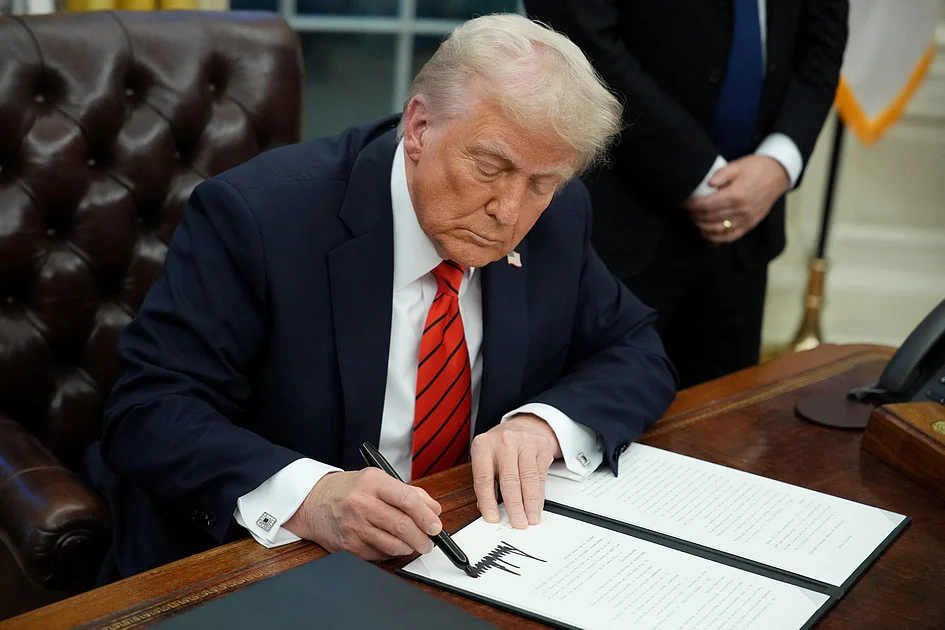
    President Donald Trump has redefined presidential power dynamics during his current term, issuing executive orders at a historical rate unmatched since World War II. Official records from the Federal Register reveal that Trump has signed 221 executive orders since his January 20 inauguration, surpassing the total from his entire previous term in just eleven months.

    The most recent order, signed Monday, designates fentanyl as a ‘weapon of mass destruction,’ continuing the administration’s pattern of bypassing Congressional approval mechanisms. This executive action frenzy represents one of the most substantial exercises of presidential authority in modern American history.

    Comparative analysis shows Trump’s three immediate predecessors—Joe Biden, Barack Obama, and George W. Bush—averaged between 30-40 executive orders annually. Only Franklin D. Roosevelt exceeded Trump’s current pace, issuing approximately 4,000 orders across four terms during the extraordinary circumstances of the Great Depression and World War II.

    According to AFP’s comprehensive analysis of official data, the orders span an exceptionally diverse range of policy areas. Domestic policy dominates at nearly 60%, while foreign affairs accounts for fewer than 10%. Social issues including culture, civil rights, education, and health constitute approximately 30% of all orders, outpacing economic and trade matters (20%) and government reform initiatives (18%).

    The administration’s most productive period occurred during the first four months, with over 30 orders issued monthly. However, the pace has notably slowed since early October, with only a dozen new orders appearing in the subsequent two and a half months. The orders have addressed topics ranging from artificial intelligence regulation and customs barriers to cultural policies and federal architecture standards.

  • Saudi-backed forces shift positions amid STC push in Yemen

    Saudi-backed forces shift positions amid STC push in Yemen

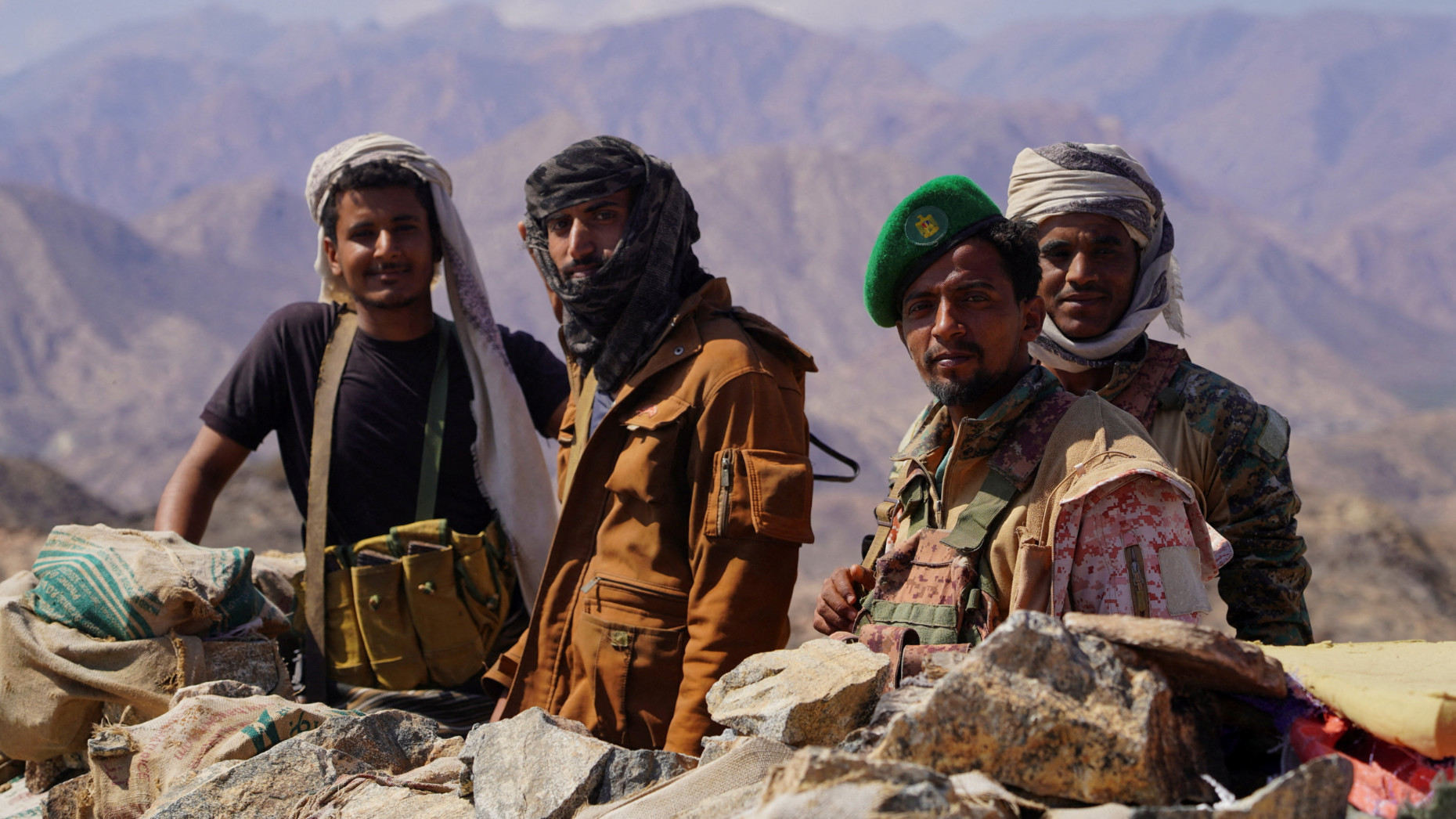
    A significant military redeployment is underway in Yemen’s complex civil war landscape as Saudi-backed forces withdraw from key positions, creating new geopolitical tensions between Gulf powers. The National Shield Forces (NSF), a pro-government military faction, have unexpectedly vacated their regular bases across southern governorates including Aden, Lahj, Abyan, and al-Dhali, repositioning to the strategic corridor between al-Wadiah and al-Abr—immediately west of the contested Hadramaut region.

    This development follows weeks of escalating tensions sparked by the Emirati-backed Southern Transitional Council (STC) asserting control over Hadramaut and al-Mahra governorates. The STC’s armed wing has refused to withdraw from these eastern territories despite pressure from Yemen’s internationally recognized Presidential Leadership Council (PLC).

    Notably, a WhatsApp voice recording circulated by NSF commander Bashir Seif congratulated troops on the redeployment while conspicuously omitting any mention of PLC president Rashad al-Alimi, instead expressing exclusive gratitude to Saudi Arabia’s defense ministry—a telling diplomatic snub that underscores shifting alliances.

    Local reports indicate this realignment follows closed-door negotiations between STC representatives and Saudi military officials, resulting in a tentative understanding: control of Hadramaut would transition to STC-aligned Hadrami Elite Forces, with the separatist group committing to withdraw its own combat units. As part of this arrangement, the STC would consolidate authority over Aden and Socotra while NSF forces establish presence near Saudi border regions.

    The STC justified its eastern expansion as a necessary campaign against corruption, smuggling networks, and extremist organizations including Islamic State and al-Qaeda in the Arabian Peninsula, claiming to restore stability to neglected regions. However, the group’s ultimate objective remains the secession and re-establishment of an independent Southern Yemen, reversing the 1990 unification.

    This power play has exposed growing friction between Saudi Arabia and the United Arab Emirates, both nominal allies in the coalition against Houthi rebels. Saudi Arabia has historically supported Hadrami tribes and the PLC, while the UAE openly backs and funds the separatist STC, with many STC leaders maintaining direct ties to Abu Dhabi.

    The tension manifested unusually publicly through critical coverage in Saudi news outlets—a rare display of diplomatic divergence reminiscent of their differing approaches to the Sudan conflict. Saudi Arabia subsequently closed Yemen’s airspace temporarily, a move analysts suggest facilitated the strategic withdrawal from STC-controlled territories including Aden’s Presidential Palace, facilities at Aden International Airport, and Mayun Island in the critical Bab al-Mandab Strait.

    Concurrently, the STC has been establishing parallel governance structures including the newly created Southern Fatwa Authority, extending its influence beyond military and administrative control to religious legitimacy—a significant step in consolidating state-like authority amid Yemen’s fractured political landscape.

  • UN warns 17 million risk food insecurity in Afghanistan

    UN warns 17 million risk food insecurity in Afghanistan

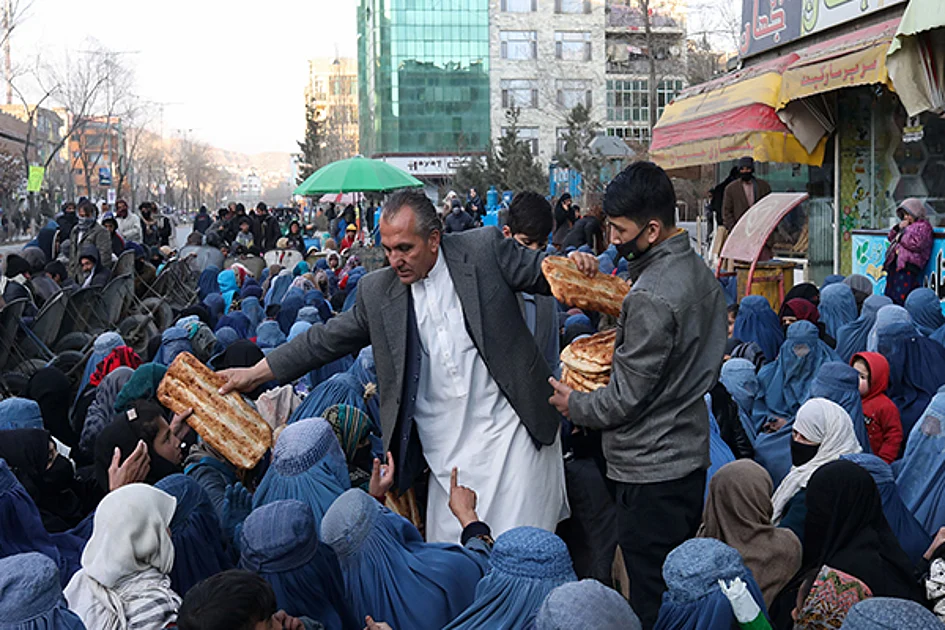
    The United Nations issued a dire warning on Tuesday that Afghanistan confronts an escalating humanitarian catastrophe, with over 17 million people experiencing acute food insecurity as winter approaches. This alarming figure represents a dramatic increase of three million compared to the previous year’s statistics.

    Jean-Martin Bauer, Director of Food Security and Nutrition Analysis at the UN’s World Food Programme, emphasized the critical nature of the situation during a Geneva press briefing. ‘The situation is deteriorating rapidly, and immediate intervention is crucial as Afghanistan enters the winter season when humanitarian needs peak,’ Bauer stated from WFP’s Rome headquarters.

    The crisis stems from multiple compounding factors including severe drought conditions that have devastated agricultural production and livestock, destructive earthquakes that have pushed countless families into poverty, and significant reductions in international aid. Further exacerbating the situation, the forced repatriation of more than 2.5 million Afghan refugees from Iran and Pakistan throughout 2025 has placed unprecedented strain on the nation’s already limited resources and infrastructure.

    Among the most vulnerable populations are nearly four million children suffering from acute malnutrition, creating a lost generation facing irreversible developmental impacts. The WFP anticipates similar refugee return rates in 2026, potentially worsening the crisis.

    Currently, the organization faces critical funding shortages, with only 12 percent of necessary financial resources secured for its Afghan operations. This financial deficit has prevented standard winter preparedness measures, including pre-positioning food supplies in high-risk communities.

    Bauer urgently appealed for international donor support, specifying that $570 million is required over the next six months to provide essential assistance to approximately six million vulnerable Afghans. He stressed the importance of maintaining global attention on Afghanistan’s plight to prevent the most extreme consequences of this growing emergency.

  • Christmas in UAE: Abu Dhabi, Dubai among top 3 most searched winter destinations in UK

    Christmas in UAE: Abu Dhabi, Dubai among top 3 most searched winter destinations in UK

    As winter’s chill descends upon the United Kingdom, British travelers are increasingly turning their gaze toward sun-drenched destinations for their seasonal holidays. Recent data analytics reveal a remarkable trend: the United Arab Emirates has emerged as a premier choice, with both Abu Dhabi and Dubai securing positions among the UK’s top three most searched winter destinations.

    Travelbag, a prominent UK-based travel specialist focusing on long-haul journeys, conducted comprehensive research combining their internal 2024 booking metrics with three months of Google search volume analysis. The findings demonstrate a significant shift in British holiday preferences during the critical Christmas and New Year period.

    The search data reveals extraordinary growth in interest for the UAE capital. Queries for ‘Christmas in Abu Dhabi’ surged by 91 percent, propelling it to the number one position in destination searches. Vietnam followed closely with an 86 percent increase, while Dubai captured the third spot with an 82 percent rise in search volume. Mauritius and Costa Rica completed the top five with increases of 56 and 55 percent respectively.

    Historical booking patterns from 2024 provide additional context for this emerging trend. While New Zealand led with a staggering 105 percent booking increase last year, Dubai already demonstrated strong appeal with a solid 20 percent growth, securing fifth place. The dominance of warm-weather destinations with renowned coastlines—Costa Rica, Australia, and Thailand rounded out the top five—signals a clear preference for temperate climates during the UK’s coldest months.

    Aviation data from global provider OAG corroborates the UAE’s popularity, identifying the federation as the second most popular winter sun destination for British travelers. Between December 20 and January 4, Dubai International Airport (DXB) is scheduled to receive 776 flights from the UK, representing over 1,000 total flights between the two nations during this peak travel period. This substantial air connectivity facilitates the growing demand for Emirati holidays among UK residents seeking refuge from winter’s rain and wind.

  • ‘Syria is proud of him’: Family of Bondi hero reacts

    ‘Syria is proud of him’: Family of Bondi hero reacts

    In a remarkable display of courage during Australia’s deadliest mass shooting in three decades, Syrian immigrant Ahmed al-Ahmed emerged as an international symbol of bravery after confronting an armed assailant at Sydney’s Bondi Beach. The 43-year-old shopowner, who left his war-torn hometown in Idlib nearly two decades ago, successfully wrestled a rifle from the attacker during a violent assault on a Jewish holiday gathering that claimed 15 lives.

    From his hospital bed in Sydney where he recuperates from gunshot wounds, al-Ahmed has received global recognition, including commendation from U.S. President Donald Trump. A grassroots fundraising initiative has generated over A$2.2 million in support of his recovery, demonstrating widespread admiration for his selfless actions.

    Halfway across the world in Syria, relatives recognized al-Ahmed in viral footage of the confrontation. His uncle, Mohammed al-Ahmed, expressed profound pride in his nephew’s heroic intervention, emphasizing that his actions transcended religious considerations. “He acted on pure instinct without considering the victims’ faith—whether Muslim, Christian, or Jewish,” the uncle stated in an interview with Reuters. “That innate moral compass propelled him to intervene and save countless innocent lives.”

    The family’s origins trace back to Nayrab, a town devastated by Syria’s prolonged civil conflict that concluded only last year with the ousting of long-time leader Bashar al-Assad. Their former family residence now lies in ruins, its concrete structure punctured by shelling and surrounded by debris—a stark reminder of the violence that prompted al-Ahmed’s departure in 2006 after completing his university education in Aleppo.

    Family members describe al-Ahmed as embodying a lifelong pattern of gallantry and compassion. His cousin, also named Mohammed al-Ahmed, highlighted the significance of his actions: “Through his courage, he demonstrates to the world that Muslims are instruments of peace rather than conflict.” Now an Australian citizen and father of two daughters, al-Ahmed’s spontaneous heroism has transformed him into an unexpected ambassador for cross-cultural understanding and human solidarity.