作者: admin

  • Dubai’s commercial property market heading for major reset

    Dubai’s commercial property market heading for major reset

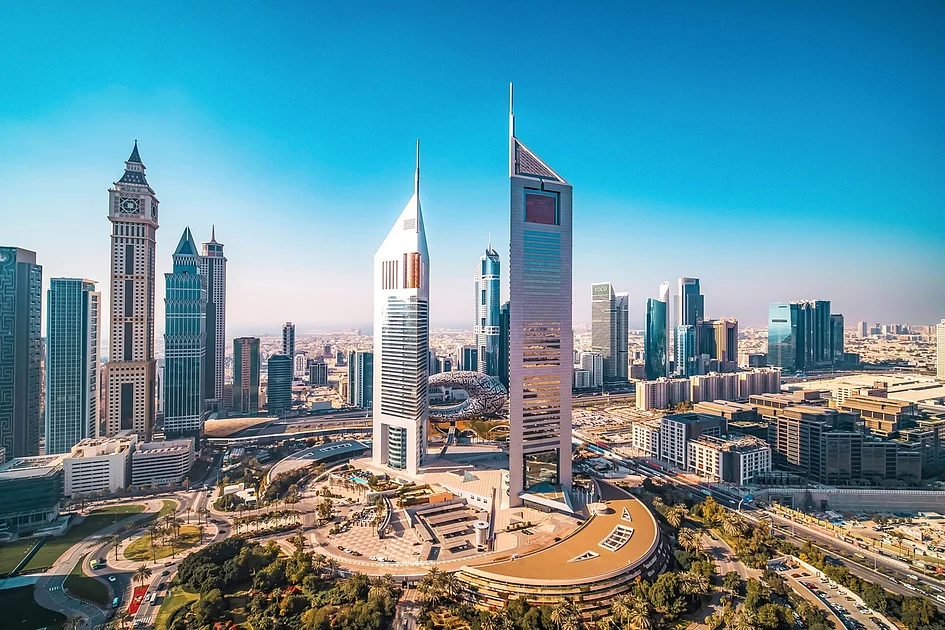
    Dubai’s commercial property landscape is undergoing a fundamental structural transformation that will culminate in a distinct two-tier market system by 2028, according to real estate experts. This market reset will see premium next-generation Grade A office spaces commanding substantial price premiums while older commercial buildings face increasing competitive pressures.

    The transformation comes despite impressive short-term performance metrics. Commercial real estate transactions have demonstrated remarkable growth throughout the current year, with sales value surging by 77.9 percent to reach AED 15.5 billion during the first eleven months, while transaction volume increased by 35.1 percent to 5,364 deals compared to the same period last year.

    According to Firs Al Msaddi, CEO of fäm Properties, the commercial sector has lagged significantly behind Dubai’s residential market in architectural innovation and quality standards for over fifteen years. “Since 2008, Dubai has not witnessed a genuine new generation of office developments,” Al Msaddi noted. “The residential segment underwent comprehensive transformation with new design languages, architectural standards, and construction codes, while the commercial sector awaited its reset moment.”

    The market shift will accelerate as the first wave of next-generation Grade A office buildings begins delivery in 2028. This influx of modern, efficient, and architecturally relevant office spaces will provide tenants with superior alternatives, fundamentally reshaping market dynamics and pricing structures across Dubai’s commercial landscape.

    Al Msaddi cited Vision Tower in Business Bay as a precursor to this trend, noting its consistent market outperformance due to its appeal to established corporate tenants. The building’s minimum half-floor requirement naturally filters for serious companies, demonstrating the substantial latent demand for genuine Grade A office space in Dubai.

    The emerging two-tier system will see commercial properties repricing according to quality benchmarks, creating distinct market segments with varying valuation models and tenant profiles.

  • EU leaders face crunch decision on loaning Russia’s frozen cash to Ukraine

    EU leaders face crunch decision on loaning Russia’s frozen cash to Ukraine

    European Union leaders convened in Brussels for a pivotal two-day summit facing one of their most consequential financial decisions since Russia’s invasion of Ukraine: whether to loan approximately €90 billion from frozen Russian assets to support Ukraine’s military and economic survival.

    The proposed package, representing nearly two-thirds of Ukraine’s estimated €137 billion requirement for 2026-2027, would mark a dramatic escalation in EU support. Currently, Belgium-based financial institution Euroclear holds the majority of Russia’s €210 billion in frozen EU assets, generating interest that has already been directed to Kyiv.

    European Commission President Ursula von der Leyen emphasized the proposal’s dual purpose: providing immediate financial stability for Ukraine while significantly increasing Moscow’s cost of continued aggression. “We know the urgency. It is acute. We all feel it. We all see it,” von der Leyen told the European Parliament ahead of the summit.

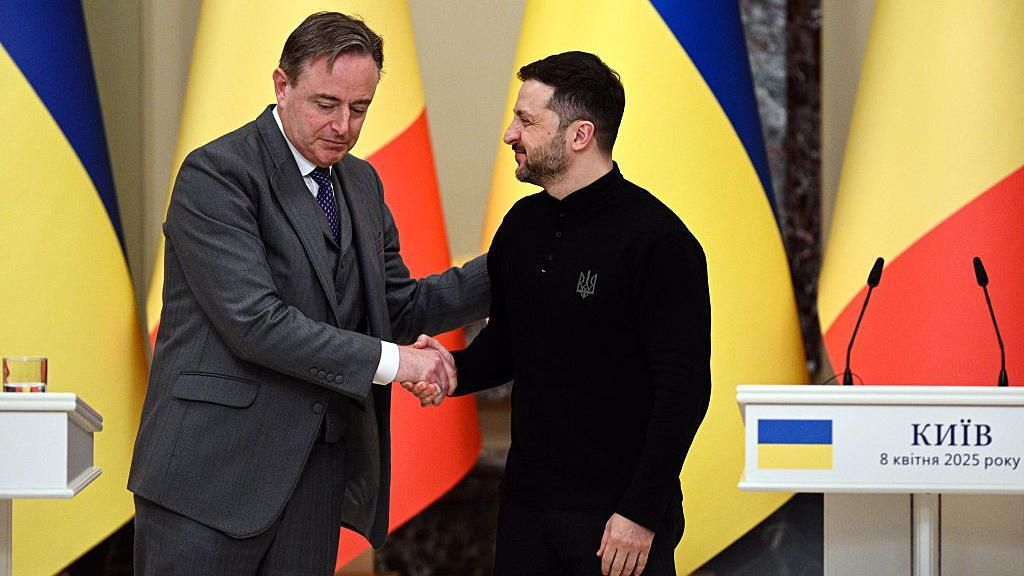
    Despite mounting pressure, Belgian Prime Minister Bart De Wever remains unconvinced, with his Defense Minister Theo Francken warning that loaning the Euroclear funds would constitute a “big mistake.” Their concerns echo broader legal and financial apprehensions, particularly regarding potential court orders requiring Belgium to return the assets to Russia.

    Hungary’s Viktor Orbán represents the most staunch opposition, having previously blocked EU financial aid packages for Ukraine. Slovakia’s Robert Fico has also expressed reservations, particularly if funds would prioritize military procurement over reconstruction efforts.

    German Chancellor Friedrich Merz emerged as a leading advocate, telling the Bundestag that utilizing frozen assets would send a “clear signal” to Moscow about the futility of prolonged conflict. Supporters argue the move would strengthen Ukraine’s negotiating position amid emerging peace talks that U.S. President Donald Trump described as “closer now than we have been ever.”

    The proposal requires approval from approximately two-thirds of member states. European Council President António Costa pledged not to override Belgian concerns, committing to “work very intensively with the Belgian government” to address risk mitigation. Several nations have offered financial guarantees against potential legal losses, though specific figures remain undisclosed.

    Commission officials maintain confidence in their legal standing, suggesting Russia could only reclaim assets by paying Ukrainian reparations—which would then be used to repay the EU loan. This complex financial arrangement represents the EU’s most ambitious attempt to balance immediate Ukrainian needs against long-term legal and economic considerations.

  • Ecuadorian police say soccer player Mario Pineida has been shot dead in an apparent attack

    Ecuadorian police say soccer player Mario Pineida has been shot dead in an apparent attack

    Ecuador faces a deepening security crisis as professional footballer Mario Pineida, a 33-year-old defender for Barcelona de Guayaquil, was fatally shot in a violent attack in Guayaquil. The incident, confirmed by Ecuadorian police on Wednesday, resulted in two fatalities and one additional injury, marking another tragic episode in the nation’s escalating violence crisis.

    According to official reports from the Interior Ministry, the attack occurred in the Samanes region of northern Guayaquil, approximately 265 kilometers southwest of the capital Quito. While authorities have not released details about the second victim or the circumstances surrounding the shooting, local media indicates the violence reflects the deteriorating security situation affecting all levels of Ecuadorian society.

    The football community has been profoundly impacted by Pineida’s death. Barcelona de Guayaquil released an official statement expressing profound sadness among players, staff, and supporters. Pineida, who began his professional career with Independiente del Valle from 2010-2015, joined Barcelona de Guayaquil in 2016 where he achieved significant success, including two league championships. His career also included a brief tenure with Brazil’s Fluminense in 2022.

    This tragedy occurs against the backdrop of Ecuador’s most violent period in recent history. The Ecuadorian Observatory of Organized Crime projects the nation will exceed 9,000 homicides this year, surpassing previous records of 7,063 violent deaths in 2022 and 8,248 in 2023. President Daniel Noboa has committed to combating criminal organizations that have expanded operations within Ecuador, often linked to international drug cartels.

    Pineida’s death follows other football-related tragedies, including the November killing of a 16-year-old Independiente del Valle player by a stray bullet in Guayaquil, and the September deaths of three players from different clubs—Maicol Valencia, Leandro Yépez, and Jonathan González—all victims of gun violence.

  • BP names new boss as current CEO leaves after less than two years

    BP names new boss as current CEO leaves after less than two years

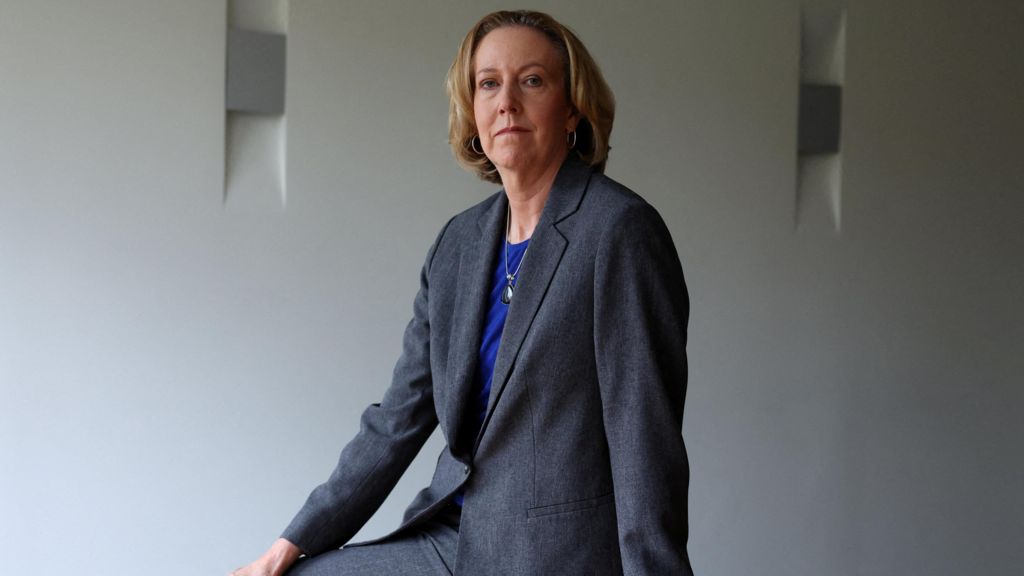
    In a historic move for the energy sector, BP has named Meg O’Neill as its new chief executive, marking the first time a woman will lead a major global oil corporation. The appointment comes amid significant leadership turbulence at the London-based energy giant.

    O’Neill, who currently serves as CEO of Australian energy firm Woodside Energy, will assume her new role on April 1st. She succeeds Murray Auchincloss, who is stepping down after less than two years at the helm. Auchincloss had replaced Bernard Looney in September 2024 following Looney’s dismissal for serious misconduct related to undisclosed relationships with colleagues.

    BP executive vice president Carol Howle will serve as interim chief executive during the transition period. Auchincloss will remain in an advisory capacity until December 2026, ensuring continuity during the leadership change.

    O’Neill brings extensive industry experience to BP, having spent 23 years in various technical, operational and leadership roles at ExxonMobil before leading Woodside Energy since 2021. Under her leadership, Woodside completed its significant acquisition of BHP Petroleum International in 2022 and grew into the largest energy company listed on the Australian Securities Exchange.

    In her first comments as CEO-designate, O’Neill emphasized her commitment to helping BP ‘meet the world’s energy needs’ while prioritizing market leadership, safety innovation, and sustainability initiatives.

    The leadership transition occurs as BP undergoes strategic shifts, including reducing renewable energy investments in favor of increased oil and gas production. This pivot follows pressure from investors concerned about profitability and share performance relative to competitors.

    The appointment reflects broader industry trends, with rivals Shell and Equinor similarly scaling back green energy investments amid favorable market conditions for fossil fuels and supportive political environments, including former President Trump’s pro-drilling stance.

  • Watch: Mother polar bear seen interacting with adopted cub

    Watch: Mother polar bear seen interacting with adopted cub

    In an extraordinary display of maternal behavior within the Arctic’s apex predator, wildlife researchers have documented a female polar bear caring for an adopted cub alongside her own biological offspring. This unprecedented observation provides groundbreaking insights into the complex social structures of Ursus maritimus.

    The rare case was captured through remote monitoring in the Svalbard archipelago, where scientists tracked the female bear’s movements over several weeks. The adopted cub, estimated to be approximately the same age as her biological cub, appears to have been fully accepted into the family unit. Researchers observed the mother providing equal access to food resources and protection from potential threats.

    Dr. Alison Lane, lead researcher on the project, noted: ‘This represents one of the few scientifically verified cases of alloparenting in polar bears. The mother’s complete acceptance of an unrelated cub challenges our previous understanding of their maternal instincts and social flexibility.’

    The phenomenon raises significant questions about the adaptive behaviors polar bears might employ in response to changing environmental conditions. As sea ice habitats diminish and polar bear populations face increasing pressure, such flexible social behaviors could become more critical for species survival.

    While infanticide among male polar bears is well-documented, this contrasting behavior shows a previously undocumented capacity for nurturing beyond genetic relationships. The research team continues to monitor the family unit to study the long-term development of both cubs under the mother’s care.

  • In this secret missile factory, Ukraine is ramping up its domestic arms industry

    In this secret missile factory, Ukraine is ramping up its domestic arms industry

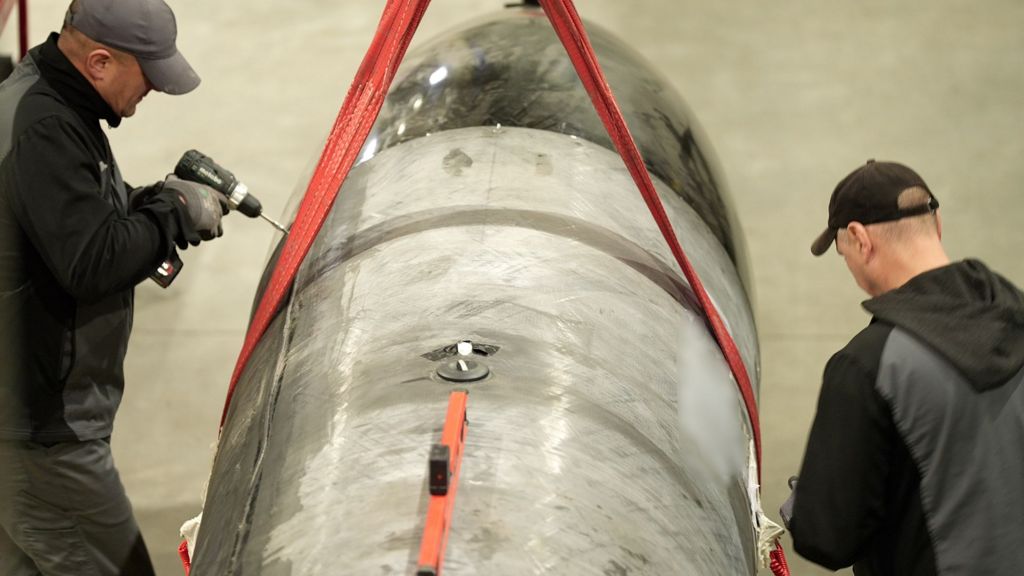
    In a clandestine facility somewhere in Ukraine, a military transformation is underway under extraordinary secrecy. BBC correspondents, blindfolded during transport to protect the location, witnessed the production of Ukraine’s formidable Flamingo cruise missile – a domestically developed weapon system with an estimated 3,000km range capability.

    The extreme security measures reflect Ukraine’s adaptation to wartime realities: production facilities for these critical weapons must remain hidden from Russian targeting. Two factories belonging to manufacturer Fire Point have already been struck, forcing the company to disperse and conceal its operations. Within the assembly area, workers’ identities are protected and architectural features cannot be filmed, all part of maintaining operational security while continuing production.

    This represents a remarkable evolution in Ukraine’s defense capabilities. President Volodymyr Zelensky reveals that over 50% of weapons deployed on front lines are now domestically produced, with nearly all long-range systems originating from Ukrainian industry. This marks a dramatic shift from early dependence on Soviet-era stockpiles and Western military aid.

    At the heart of this effort is Iryna Terekh, Fire Point’s 33-year-old chief technical officer. The former architecture student now oversees production of the black-painted Flamingo missile which she describes as designed to ‘eat Russian oil.’ The massive weapon, resembling a World War Two V1 rocket with a jet engine mounted on a tube the length of a London bus, provides Ukraine with deep-strike capabilities that Western nations have been reluctant to supply.

    The strategic significance is substantial. With front lines stretching over 1,000 kilometers, Ukraine is increasingly targeting Russia’s war economy to slow advances. General Oleksandr Syrskyi, head of Ukraine’s Armed Forces, estimates long-range strikes have cost the Russian economy over $21.5 billion this year alone.

    Ruslan, an officer in Ukraine’s Special Operations Forces, explains the strategy: ‘To reduce the enemy’s military capabilities and their economic potential.’ His forces have conducted hundreds of strikes deep inside Russian territory targeting oil refineries, weapons factories, and ammunition depots.

    Despite impressive progress, disparities remain. Russia launches approximately 200 Shahed drones daily, while Ukraine’s response reaches about half that number. Fire Point, which didn’t exist before the full-scale invasion, now produces 200 drones daily at approximately $50,000 each – significantly cheaper than Russian equivalents.

    The company deliberately avoids components from China and the United States, with Terekh explaining the emotional ‘roller coaster’ with American support. This self-sufficiency strategy emerges amid uncertain Western backing, particularly after the Trump administration halted nearly $70 billion in military support previously provided under President Biden.

    Denys Shtilerman, Fire Point’s chief designer, acknowledges there is no ‘wonder weapon’ but emphasizes that ‘the game changer is our will to win.’ Terekh views domestic weapons production as Ukraine’s true security guarantee, dismissing current peace negotiations as ‘capitulation talks.’

    She hopes Ukraine’s example will shock Europe into preparedness: ‘We are a bloody example in terms of being prepared for war,’ noting that most other nations would have ‘already been conquered’ facing similar onslaught.

  • Venezuela says oil exports continue normally despite Trump ‘blockade’

    Venezuela says oil exports continue normally despite Trump ‘blockade’

    Venezuela has issued a firm response to President Donald Trump’s announcement of a comprehensive naval blockade, asserting that its crucial oil export operations remain unaffected. The state-owned petroleum company PDVSA released an official statement confirming that “export operations for crude and byproducts continue normally” and that tankers associated with its operations maintain regular sailing schedules.

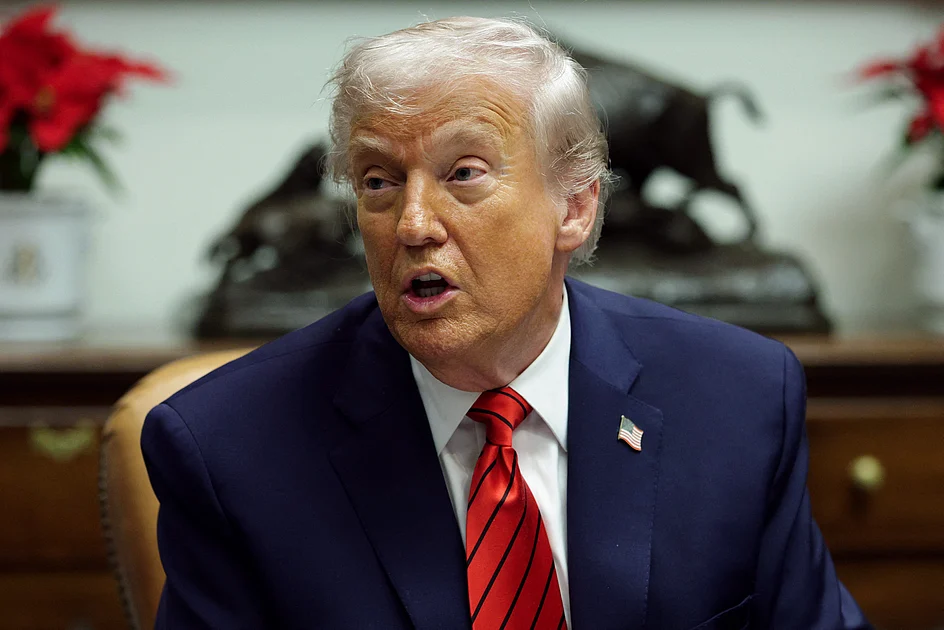
    The declaration comes directly following President Trump’s Tuesday proclamation instituting what he described as “a total and complete blockade of all sanctioned oil tankers going into and out of Venezuela.” The US President emphasized the substantial military presence deployed to the Caribbean region, notably referencing the world’s largest aircraft carrier, and stated that “Venezuela is completely surrounded by the largest Armada ever assembled in the History of South America.”

    Despite these aggressive maneuvers, Venezuela’s military establishment, which continues to support President Nicolas Maduro’s government, declared it remains “not intimidated” by the show of force. PDVSA further emphasized that historical attempts to disrupt their operations have consistently failed to diminish either their operational capabilities or the determination of their workforce.

    The ongoing confrontation highlights the critical importance of petroleum exports to Venezuela’s struggling economy, which has faced severe challenges under previous sanctions and international pressure. The current standoff represents a significant escalation in the geopolitical tension between the two nations, with potential implications for global energy markets and regional stability in South America.

  • Indian scientists predict how bird flu could spread to humans

    Indian scientists predict how bird flu could spread to humans

    A groundbreaking simulation study from Indian researchers reveals the critical timing required to contain a potential H5N1 avian influenza pandemic before it spirals out of control. The peer-reviewed modeling, published in BMC Public Health Journal, utilizes real-world data and computer simulations to map how an outbreak might unfold in human populations.

    Professor Gautam Menon of Ashoka University, who co-authored the research with Philip Cherian, emphasizes that while ‘the threat of an H5N1 pandemic in humans is a genuine one, we can hope to forestall it through better surveillance and a more nimble public-health response.’

    The study employed BharatSim, an open-source simulation platform originally developed for COVID-19 modeling, to create a synthetic community replicating a typical village in India’s poultry-intensive Namakkal district. This computer-generated population of 9,667 residents included realistic household structures, workplaces, and market spaces where infected birds were introduced to simulate real-world exposure scenarios.

    The research demonstrates that pandemic containment depends overwhelmingly on timing. According to the model, isolating infected individuals and quarantining households can effectively stop transmission at the secondary stage. However, once tertiary infections emerge (contacts of contacts), the outbreak becomes virtually uncontrollable without implementing drastic measures such as lockdowns.

    The findings present public health authorities with a challenging trade-off: implementing quarantine too early may increase household transmission among confined family members, while acting too late renders containment measures largely ineffective.

    While targeted vaccination raises the threshold at which the virus can sustain itself, it provides limited protection against immediate household transmission. Bird culling remains effective only when implemented before the virus jumps to human populations.

    Virologist Dr. Seema Lakdawala of Emory University notes important caveats, pointing out that the model ‘assumes a very efficient transmission of influenza viruses,’ while actual transmission dynamics are more complex and strain-dependent. Emerging research indicates that only a subset of infected individuals typically shed infectious influenza virus into the air—a super-spreader phenomenon well-documented in COVID-19 but less characterized for influenza.

    Despite these complexities, health authorities have advantages compared to previous pandemics. Dr. Lakdawala suggests that established influenza defenses—including licensed antivirals effective against H5N1 strains and stockpiled candidate vaccines—could potentially make an H5N1 pandemic more comparable to the 2009 swine flu outbreak than COVID-19 in terms of disruption.

    The World Health Organization has documented 990 human H5N1 cases across 25 countries from 2003 to August 2025, with a concerning 48% fatality rate. In the United States alone, the virus has impacted over 180 million birds, spread to more than 1,000 dairy herds across 18 states, and infected at least 70 people, primarily farmworkers, resulting in several hospitalizations and one fatality.

  • Thiago Silva and Fluminense terminate contract, defender eyes move to Europe

    Thiago Silva and Fluminense terminate contract, defender eyes move to Europe

    In a significant development for international football, seasoned defender Thiago Silva has prematurely terminated his contract with Brazilian club Fluminense, sparking speculation about a potential return to European competition. The Rio de Janeiro-based team officially confirmed the mutual separation on Wednesday, cutting short the 41-year-old’s tenure by six months.

    The accomplished center-back, whose distinguished career includes celebrated spells with European powerhouses AC Milan, Paris Saint-Germain, and Chelsea, originally rejoined his former club in May of last year. Fluminense’s official communiqué praised Silva’s contribution, highlighting his ‘legacy of dedication and profound affection’ for the institution where he previously played between 2006 and 2008.

    This unexpected departure follows intriguing comments from Chelsea legend John Terry, who publicly expressed his desire to see Silva return to Stamford Bridge. In a TikTok video broadcast earlier this week, Terry emphasized the defender’s strong London connections, noting that Silva’s two children are currently enrolled in Chelsea’s youth academy and suggesting the family would likely spend Christmas in the English capital.

    The timing of this move appears strategically motivated by Silva’s aspirations to represent Brazil in the upcoming World Cup. Despite his age, the defender remained instrumental for Fluminense throughout the season, helping the team reach the Club World Cup semifinals in July and maintaining his starting position for most of their campaign.

    With an impressive international pedigree that includes participation in four consecutive World Cups and victories in both the 2013 Confederations Cup and 2019 Copa América, Silva’s potential return to European football could significantly impact both club dynamics and Brazil’s defensive preparations for global competition.

  • Trump demands Venezuela pay for seized US oil assets after calling for ‘blockade’

    Trump demands Venezuela pay for seized US oil assets after calling for ‘blockade’

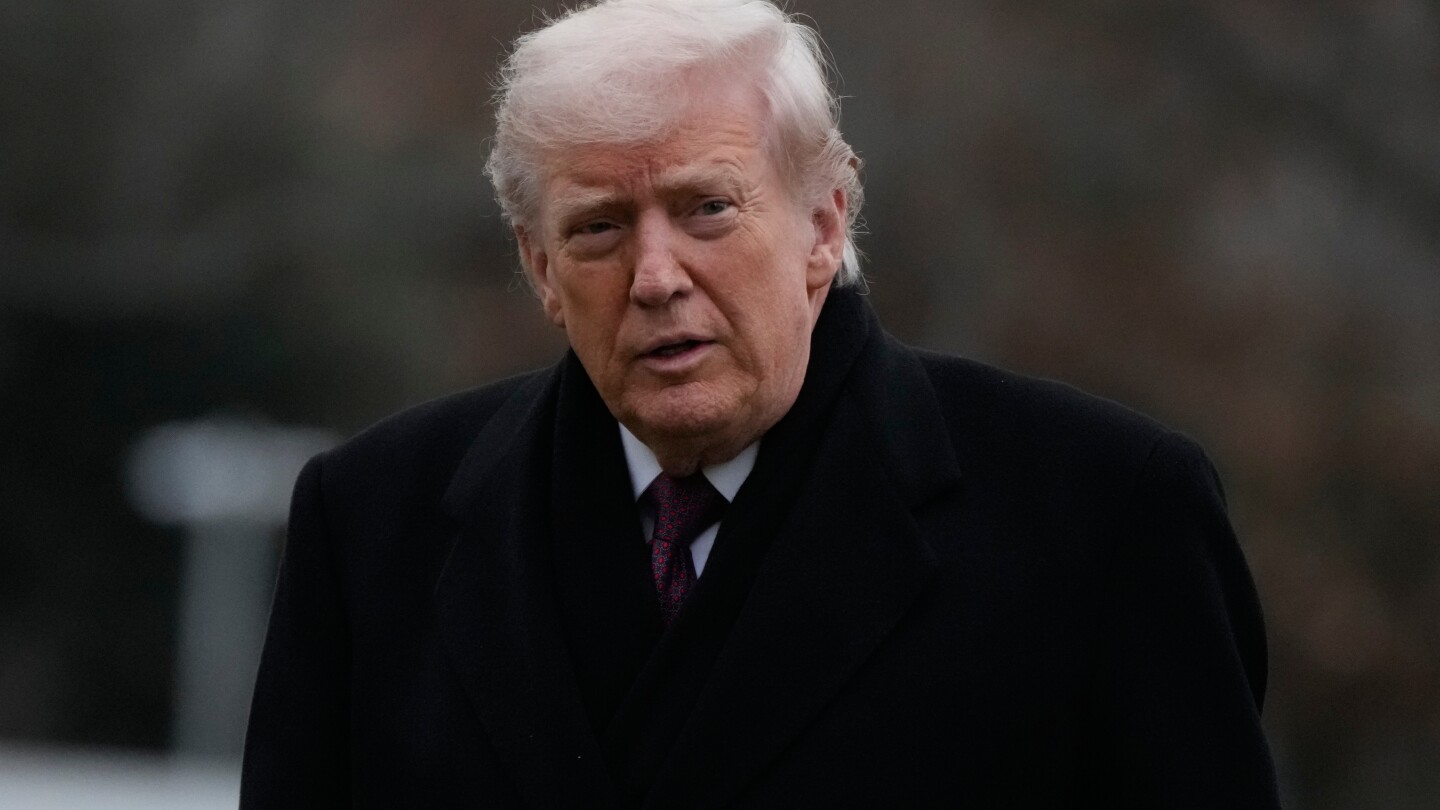
    WASHINGTON — President Donald Trump intensified pressure on Venezuela’s socialist government Wednesday by demanding the return of U.S. oil assets nationalized under previous administrations, framing his newly announced naval blockade as justified response to what he termed “illegal seizure” of American energy investments.

    The President explicitly connected Venezuela’s past appropriation of oil facilities to his current sanctions enforcement strategy, stating tankers violating U.S. restrictions would be intercepted. “They took all of our energy rights. They illegally took it,” Trump told reporters, referencing nationalization efforts that began in the 1970s and expanded under Hugo Chávez and Nicolás Maduro. “We want it back.”

    This economic confrontation unfolds alongside narcotics allegations, with Trump asserting Venezuelan oil revenues fund drug trafficking operations targeting the United States. The administration’s multifaceted pressure campaign has recently included:
    – Military seizures of sanctioned oil tankers near Venezuela’s coast
    – Coordinated strikes against suspected drug trafficking vessels
    – Consideration of potential land-based military options
    – Diplomatic efforts to isolate Maduro’s government internationally

    Stephen Miller, Trump’s deputy chief of staff, amplified the rhetoric by labeling Venezuela’s nationalization program “the largest recorded theft of American wealth and property” in a social media post, claiming expropriated assets subsequently funded terrorism and narcotics proliferation.

    The historical context traces to incomplete compensation for nationalized assets, notably a 2014 international arbitration ruling ordering Venezuela to pay $1.6 billion to ExxonMobil. While Chevron maintains limited operations under U.S. waiver, most American energy interests remain unresolved.

    Venezuela responded through diplomatic channels, with Foreign Minister Yván Gil denouncing tanker seizures as “piracy” in a letter to the U.N. Security Council obtained by The Associated Press. The communication demanded return of “kidnapped crew” and confiscated oil while seeking formal condemnation of U.S. actions.

    Notably, administration officials clarified Trump’s reference to designating Venezuela as a foreign terrorist organization should be treated as rhetorical rather than literal policy, though the Justice Department had previously indicted Maduro on narcoterrorism charges.

    Military analysts observe that interdiction operations and targeted seizures represent lower-risk alternatives to direct military confrontation while maintaining economic pressure on Caracas. The evolving situation continues to test international law boundaries regarding maritime sanctions enforcement and asset recovery claims.