作者: admin

  • ILT20: ADKR beat Gulf Giants for second straight win

    ILT20: ADKR beat Gulf Giants for second straight win

    In a thrilling International League T20 encounter at Abu Dhabi’s Zayed Cricket Stadium, the Abu Dhabi Knight Riders clinched their second consecutive victory with a four-wicket triumph over the Gulf Giants on Thursday. The match showcased exceptional cricketing prowess, particularly from veteran leg-spinner Piyush Chawla, whose devastating bowling performance earned him Player of the Match honors.

    The Knight Riders successfully chased down a target of 166 runs with four deliveries remaining, thanks to a formidable opening partnership between Alex Hales (46 off 39 balls) and Phil Salt (35 off 24 balls). Their aggressive 61-run stand in just 44 deliveries established a solid foundation for the chase. Despite a middle-order stumble caused by Tabraiz Shamsi’s impressive three-wicket haul (3/23), late fireworks from Sherfane Rutherford (30 off 22) and Andre Russell’s unbeaten 21 from 13 balls sealed the victory.

    Earlier, the Gulf Giants posted 165/7 in their allotted 20 overs, largely propelled by Rahmanullah Gurbaz’s explosive 72-run innings from 45 deliveries, featuring four boundaries and five maximums. However, Chawla’s masterful spin bowling, claiming four crucial wickets for just 27 runs, restricted the Giants from reaching a more competitive total. The 36-year-old spinner revealed post-match that he continues to refine his craft, focusing on leg-break variations to complement his natural googly delivery.

    Gulf Giants captain James Vince acknowledged his team’s batting shortcomings, noting they fell “20-30 runs short” of a defensible total. Despite Shamsi’s bowling brilliance bringing temporary hope, the Knight Riders maintained control of the required run rate throughout their chase. This victory elevates the Knight Riders from sixth to fourth position in the ILT20 standings, demonstrating their growing momentum in the tournament.

  • Asian shares advance after weaker US price data push Wall Street higher, and a rate hike in Japan

    Asian shares advance after weaker US price data push Wall Street higher, and a rate hike in Japan

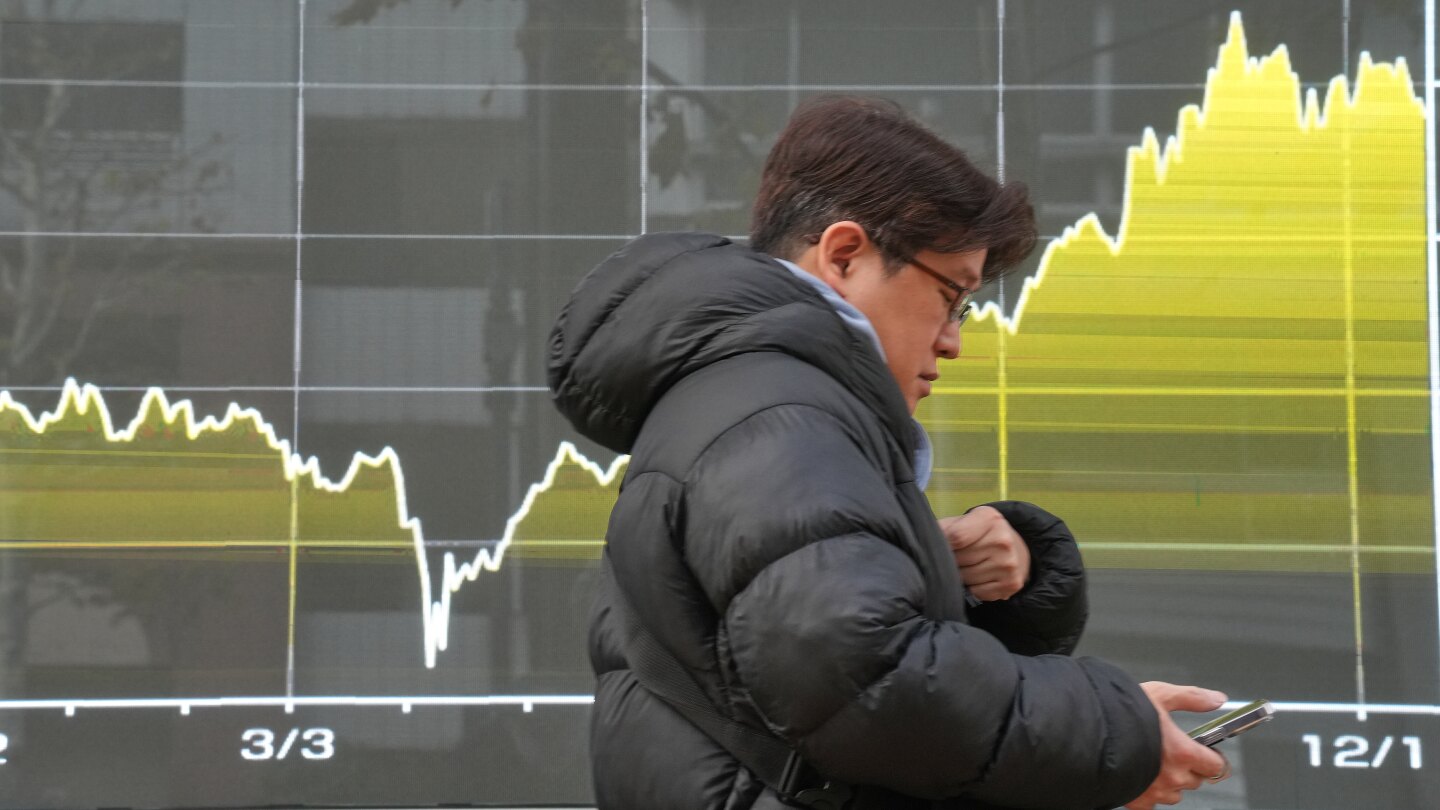
    Financial markets across Asia exhibited measured gains on Friday following the Bank of Japan’s landmark decision to raise its benchmark interest rate for the first time in three decades. The BOJ’s quarter-point hike brings its policy rate to 0.75%, marking a significant departure from its long-standing negative interest rate policy while remaining substantially lower than rates in other major economies.

    The Nikkei 225 index advanced 1.2% to 49,568.66, propelled primarily by financial sector stocks anticipating improved profitability in a higher-rate environment. Regional indices followed suit with Hong Kong’s Hang Seng rising 0.4% and Shanghai Composite adding 0.5%. South Korea’s Kospi climbed 0.5% while Taiwan’s index gained 0.9%, though India’s Sensex dipped marginally by 0.2%.

    This Asian market momentum extended the positive sentiment from Wall Street’s Thursday performance, where the S&P 500 broke a four-day losing streak with a 0.8% gain. The tech-heavy Nasdaq composite led gains with a 1.4% surge, bolstered by an encouraging inflation report that showed consumer prices rising at 2.7% annually—still above the Federal Reserve’s 2% target but below economist projections.

    The inflation data provided reassurance to markets that the Fed might maintain its projected rate-cutting path next year. Meanwhile, European markets had advanced on Thursday following the Bank of England’s rate cut and the European Central Bank’s decision to maintain steady rates.

    Corporate performances contributed to the positive sentiment, with Micron Technology surging 10.2% after exceeding quarterly profit and revenue expectations. AI-related stocks including Nvidia (1.8%), Oracle (0.9%), and Broadcom (1.1%) posted gains despite growing market scrutiny about AI investment returns and valuation concerns.

    In currency markets, the dollar strengthened to 156.08 yen while the euro edged slightly lower. Bitcoin maintained its position around $86,900 as cryptocurrency markets watched for potential ripple effects from the BOJ’s policy shift.

  • EU agree €90bn loan for Ukraine but without using Russian assets

    EU agree €90bn loan for Ukraine but without using Russian assets

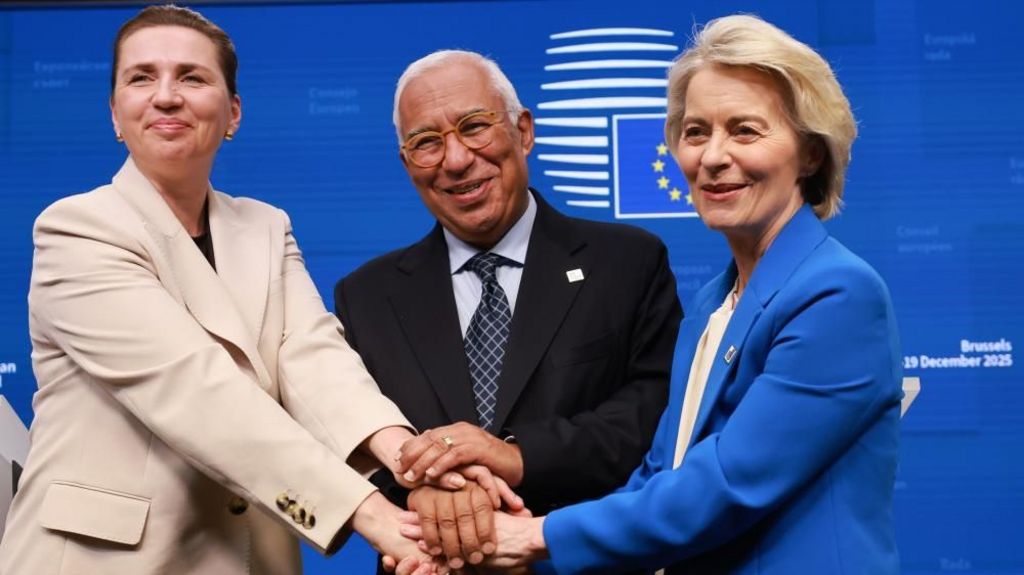
    After protracted negotiations spanning over 24 hours at the Brussels summit, European Union leaders have unanimously approved a substantial €90 billion financial assistance package for Ukraine. This critical agreement emerged as a compromise solution following the bloc’s inability to reach consensus on utilizing frozen Russian assets worth approximately €200 billion.

    European Council President Antonio Costa heralded the achievement, declaring on social media platform X, “We committed, we delivered.” The financing mechanism involves a loan backed collectively by the EU’s common budget, effectively circumventing the legal and political complications surrounding directly confiscated Russian funds held predominantly in Belgian financial institutions.

    The breakthrough followed intense diplomatic efforts to address concerns from multiple member states regarding liability sharing for the frozen assets. Belgian Prime Minister Bart De Wever emphasized that the loan agreement prevented potential “chaos and division” within the union while demonstrating European unity in supporting Ukraine’s defense capabilities.

    Ukrainian President Volodymyr Zelensky had previously warned that without immediate financial infusion by spring, Ukraine would face severe constraints in military production, particularly regarding drone manufacturing capabilities. EU assessments indicate Ukraine requires approximately €135 billion over the next two years to maintain economic stability, with critical shortfalls anticipated beginning April.

    Concurrently, French President Emmanuel Macron introduced a contrasting diplomatic perspective, suggesting the necessity for European re-engagement with Russian leadership. “I believe that it’s in our interest as Europeans and Ukrainians to find the right framework to re-engage this discussion,” Macron stated, proposing such dialogue should occur within “coming weeks.”

    The EU’s financial commitment coincides with intensified peace negotiation efforts, including scheduled talks between US and Russian officials in Miami this weekend. Kremlin representative Kirill Dmitriev is expected to meet with Trump envoys Steve Witkoff and Jared Kushner, while parallel discussions between Ukrainian and US delegations are set to occur in the United States.

  • Three arrested for allegedly burning wild elephant in Sri Lanka

    Three arrested for allegedly burning wild elephant in Sri Lanka

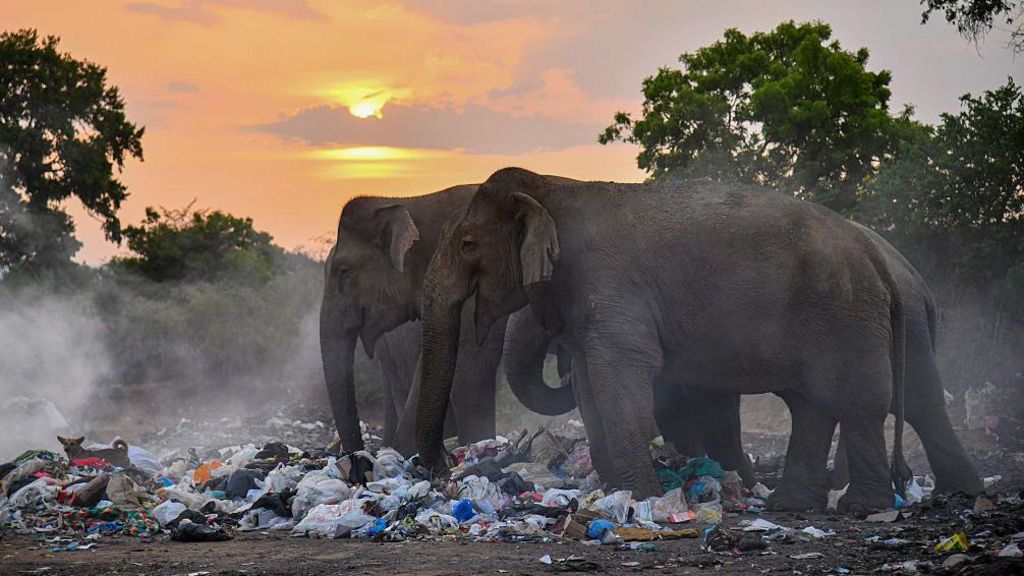
    Sri Lankan authorities have taken three men into custody following a brutal incident involving the fatal burning of a wild elephant, an act that has ignited national outrage and international condemnation. The suspects, aged 42 to 50, were apprehended on Thursday after video evidence of the attack circulated widely on social media.

    The tragic event unfolded in a northern village where the men allegedly used flaming torches to chase the animal away. Despite receiving immediate and subsequent veterinary care for severe burns and a gunshot wound to its leg, the male elephant succumbed to its injuries on Tuesday. Reports indicate the same elephant had required veterinary treatment on multiple occasions earlier this year.

    The case has sparked fierce backlash from animal rights advocates and the general public. A petition demanding full prosecution of the perpetrators and stronger preventative measures against animal cruelty has rapidly gathered over 400 signatures since its creation on Thursday.

    This incident highlights the escalating human-wildlife conflict in Sri Lanka. Official statistics reveal nearly 400 elephant fatalities have occurred this year alone, with many deaths attributed to human activities including shootings, train collisions, and the use of ‘jaw bombs’—explosive devices set by farmers to protect crops. Conversely, elephant attacks have claimed the lives of more than 100 people during the same period.

    Elephants hold sacred status in the predominantly Buddhist nation, where they play significant roles in religious ceremonies and represent an important cultural symbol. Under Sri Lankan law, killing an elephant is a capital offense that can carry the death penalty, according to the World Wildlife Fund.

  • US, Israel and UAE discussed using Gaza gas to fund reconstruction, sources say

    US, Israel and UAE discussed using Gaza gas to fund reconstruction, sources say

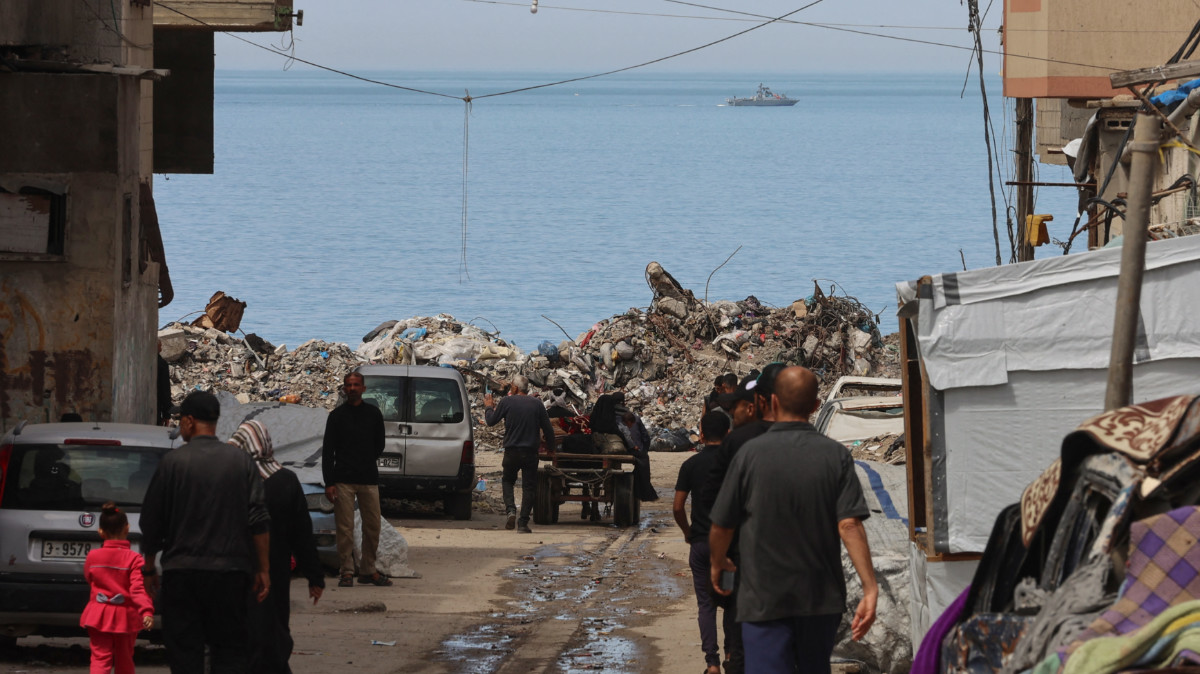
    Preliminary discussions are underway between the United States, Israel, and the United Arab Emirates regarding a novel approach to fund Gaza’s reconstruction: harnessing profits from the enclave’s offshore natural gas reserves. According to sources who spoke with Middle East Eye, these talks have explored various models, including one where the Abu Dhabi National Oil Company (Adnoc) could acquire a stake in the undeveloped Gaza Marine gas field.

    The Gaza Marine field, discovered in 2000, is one of the Palestinian territories’ most valuable natural resources. Development rights are shared between the Palestine Investment Forum (the Palestinian Authority’s sovereign wealth fund) and the Consolidated Contractors Company, with an additional 45% reserved for an international partner. Energy expert Michael Barron, author of ‘The Gaza Marine Story,’ emphasized the project’s commercial viability, estimating development costs at $750 million with potential revenue generation of $4 billion. Annual profits of $100 million for 15 years could significantly contribute to reconstruction efforts.

    These discussions occur against a complex geopolitical backdrop. The United Nations estimates full reconstruction costs at approximately $70 billion following Israel’s military campaign. However, traditional Gulf donors like Qatar and Saudi Arabia have expressed reluctance to fund rebuilding without political solutions. Qatar’s Prime Minister explicitly stated his country would not ‘write the check to rebuild what others destroyed,’ while Saudi Arabia has made no financial commitments.

    The UAE has emerged as the primary Gulf partner willing to collaborate with US and Israeli initiatives in Gaza, already serving as the largest humanitarian donor to the enclave. This potential energy partnership aligns with broader regional energy strategies, as Israel recently approved $35 billion in gas exports to Egypt and the UAE has shown previous interest in Eastern Mediterranean gas assets.

    Despite these developments, all parties emphasize the preliminary nature of discussions. No formal commitments have been made, and significant political obstacles remain, including Gaza’s divided governance and Hamas’s continued presence. The proposal represents part of the Trump administration’s broader approach to international conflicts, framing diplomatic solutions through commercial transactions and resource development.

  • Japan hikes interest rate to highest level since 1995 as inflation bites

    Japan hikes interest rate to highest level since 1995 as inflation bites

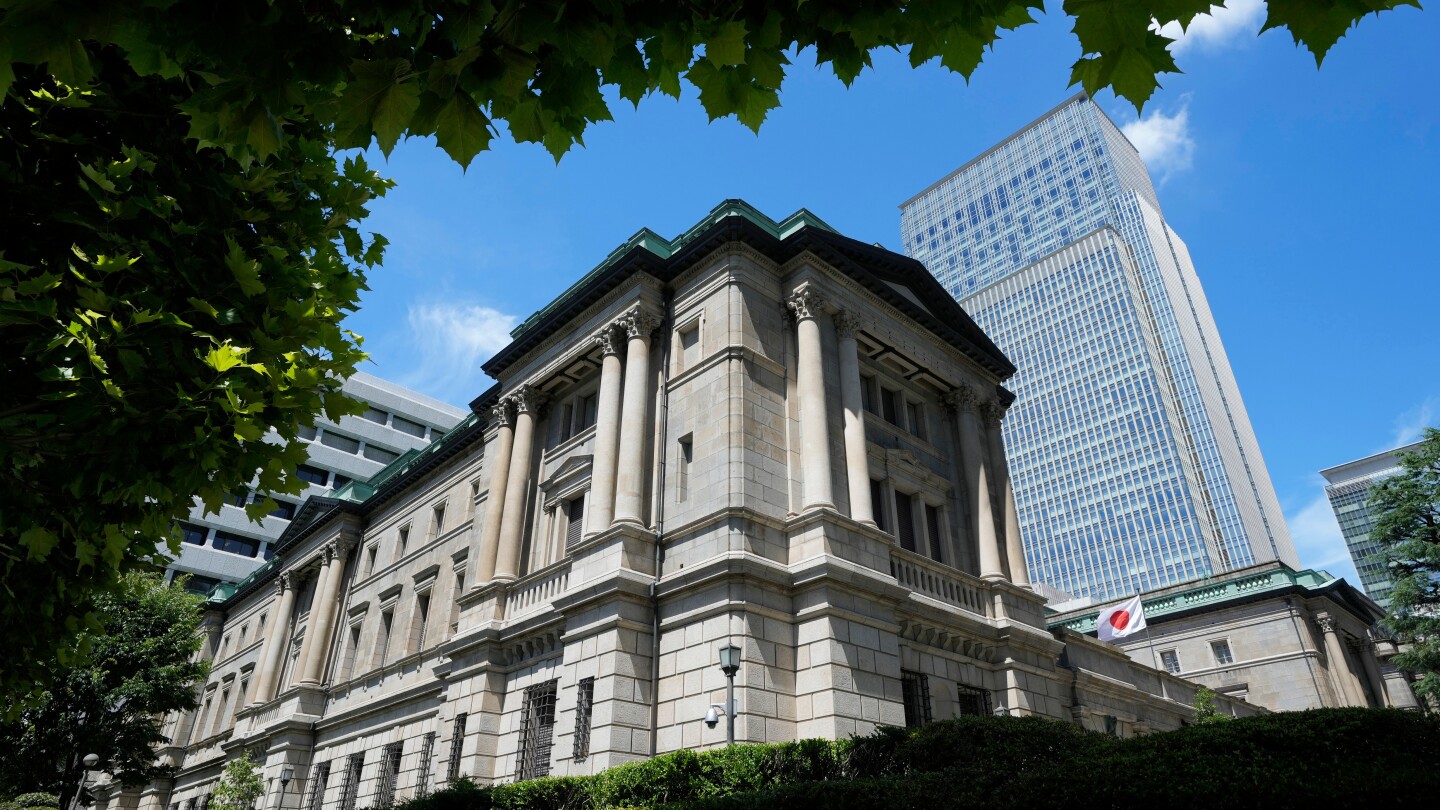
    In a landmark decision signaling a profound shift in monetary strategy, the Bank of Japan (BOJ) has elevated its benchmark interest rate to approximately 0.75%, its highest level in three decades. This quarter-percentage-point increase, sanctioned by the policy board under Governor Kazuo Ueda on Friday, constitutes the first tightening of monetary policy since January and the inaugural hike under both Ueda and new Prime Minister Sanae Takaichi.

    The move, widely anticipated by financial markets, unfolds against a complex backdrop of persistent inflation and political pressure. Official data revealed a 3% core inflation rate (excluding volatile food and energy costs) for November, consistently surpassing the central bank’s 2% target. This cost-of-living crisis has eroded public support for Prime Minister Takaichi’s ruling party, compelling her to prioritize curbing inflation despite her previous public dismissal of rate hikes as ‘unwise’ last year.

    While a stronger yen resulting from higher rates could theoretically ease import-driven inflation, economists like Shoki Omori, chief strategist at Mizuho in Tokyo, question its immediate efficacy. Omori suggests the hike was already factored into currency valuations, leaving the yen relatively weak and its impact on inflation muted. The decision also introduces a fiscal challenge for the government, as borrowing costs are poised to rise significantly.

    This pivot places Japan at a crossroads with other major central banks. The BOJ’s tightening contrasts sharply with the easing cycles of the Federal Reserve and the Bank of England, which recently cut rates to 3.75% and a range of 3.50%-3.75%, respectively. Analysts, including Julia Lee of Pacific FTSE Russell, hail this as a ‘historic shift’ away from Japan’s decades-long ultra-loose monetary regime.

    Looking ahead, uncertainty looms. Most economists project another hike to 1% next year, but Oxford Economics’ Shigeto Nagai warns that Takaichi’s stance and the need to assess the economic impact—a process that may take up to six months—could complicate the BOJ’s path toward further normalization.

  • Hong Kong mourns firefighter killed in city’s deadliest fire in decades

    Hong Kong mourns firefighter killed in city’s deadliest fire in decades

    Hong Kong observed a somber day of mourning as citizens gathered outside Universal Funeral Parlour on Friday to honor firefighter Ho Wai-ho, among the 160 victims of the city’s most devastating fire in recent decades. The 37-year-old perished while combating an inferno that consumed seven buildings at Wang Fuk Court housing complex on November 26, subsequently receiving posthumous recognition as senior fireman for his ultimate sacrifice.

    The funeral procession witnessed profound displays of collective grief and respect. Mourners dressed in black offered floral tributes and bowed solemnly before the funeral home, where thank-you cards from grateful residents adorned the walls. Hong Kong’s leadership, including Chief Executive John Lee, joined uniformed personnel and civilians in paying final respects.

    Ceremonial honors unfolded as pallbearers carried Ho’s flag-draped coffin past dozens of saluting firefighters. The hearse, bearing the fallen hero’s portrait, proceeded to the fire’s origin site at Wang Fuk Court for additional memorial rites before continuing to his former station. There, colleagues formed an honor guard flanking the vehicle in a final procession toward Gallant Garden, the designated resting place for civil servants who die in service.

    Personal testimonials highlighted Ho’s character and unmet potential. Retiree Tse Pak-yin noted the firefighter’s unmarried status as particularly tragic, while resident Andy Fong expressed how the tragedy ‘saddened every Hong Konger’ despite personal unfamiliarity. Ho is survived by parents, two brothers, and a fiancée.

    The fire department formally remembered Ho as ‘industrious, polite and dedicated’ in an official statement, emphasizing his respected standing among peers. Meanwhile, the November blaze—the territory’s deadliest since 1948—has prompted serious safety evaluations after investigations revealed substandard plastic netting and foam window boards accelerated flame propagation across renovation scaffolding.

    With thousands displaced into temporary accommodations, the catastrophe has ignited public scrutiny over building maintenance oversight. Authorities have established a judge-led investigative committee tasked with determining causation within nine months, concurrently implementing enhanced netting standards checks to prevent future tragedies.

  • What to know about the possible impact of Japan’s rate hike

    What to know about the possible impact of Japan’s rate hike

    Financial markets worldwide are preparing for potential turbulence as the Bank of Japan concludes its final policy meeting of the year with expectations of implementing its first significant interest rate increase in decades. Analysts project the central bank will raise its benchmark rate by 0.25 percentage points to 0.75%, marking the highest level since September 1995 and representing a dramatic shift from Japan’s long-standing ultra-loose monetary policy.

    This anticipated move comes despite Japan’s economy contracting at a 2.3% annual rate in the most recent quarter, contrasting sharply with other major economies where central banks have begun cutting rates after previous hikes to combat inflation. The BOJ’s potential decision reflects mounting concerns about entrenched inflation pressures and improved business sentiment, signaling a fundamental policy normalization after years of negative or near-zero rates designed to combat deflation.

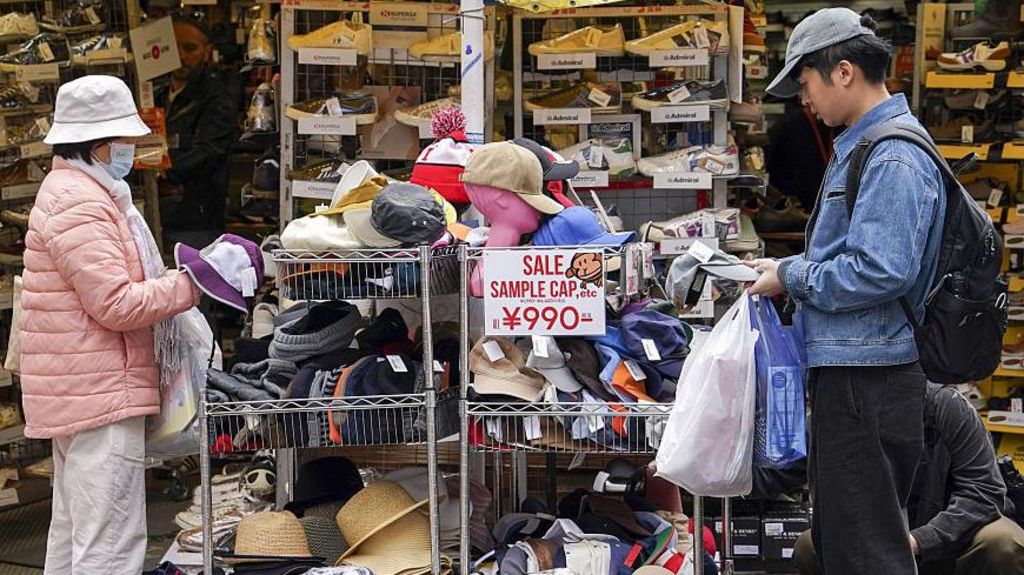
    The Japanese yen’s significant depreciation against the U.S. dollar—currently trading near 156 yen to the dollar, nearly double its 2012 value—has accelerated imported inflation, particularly for essential goods like food and fuel. This currency weakness, combined with strong global demand for dollar-denominated AI-related investments, has created sustained price pressures that now outweigh the BOJ’s traditional deflation concerns.

    Market analysts warn that even this modest rate increase could disrupt the popular ‘carry trade’ strategy, where investors borrow cheap yen to invest in higher-yielding assets abroad. Such disruption could trigger cascading effects across global markets, including cryptocurrencies, as witnessed recently when bitcoin prices dropped below $86,000 on rate hike speculation.

    BOJ Governor Kazuo Ueda faces the delicate challenge of timing further normalization while supporting economic growth, with market participants closely monitoring his Friday remarks for clues about future rate trajectory. The central bank’s shift represents a historic departure from the ‘big bazooka’ easing policies initiated in 2013 and underscores Japan’s ongoing struggle to balance inflation containment with sustainable economic expansion amid demographic challenges.

  • Surfers and swimmers pay tribute to victims of Bondi shooting

    Surfers and swimmers pay tribute to victims of Bondi shooting

    In a powerful display of community solidarity, hundreds of surfers and swimmers gathered at Sydney’s iconic Bondi Beach to honor the memory of those lost in Sunday’s tragic shooting incident. The emotional tribute, known as a ‘paddle out,’ saw participants forming a vast circular formation in the waters—a traditional aquatic memorial ceremony within surf culture.

    The gathering represented a cross-section of Australian society, united in grief and resilience. Local residents joined first responders and visitors in this spontaneous act of collective mourning, transforming the site of recent tragedy into a space of healing and remembrance. The ceremony proceeded in respectful silence, punctuated only by the sound of waves and occasional shared words of comfort among participants.

    This community-organized event demonstrates how public spaces can serve as venues for processing collective trauma. Beachgoers who typically visit for recreation instead came together in solemn contemplation, creating temporary memorials along the shoreline where floral tributes continue to accumulate. The Bondi community’s response highlights the enduring human capacity to find unity and support mechanisms following unexpected violence that disrupts everyday life in public spaces.

  • India’s push for battery recycling promises jobs, clean energy and mineral security

    India’s push for battery recycling promises jobs, clean energy and mineral security

    BENGALURU, India — India’s emerging battery recycling sector represents a critical frontier in the nation’s transition to clean energy, presenting both substantial opportunities and complex challenges. Over the past decade, a nascent industry has developed to extract valuable minerals—including lithium, cobalt, and nickel—from electric vehicle batteries, smartphones, and consumer electronics. These recovered materials are increasingly feeding India’s expanding electric vehicle market and solar power infrastructure, potentially reducing the country’s reliance on imported critical minerals.

    According to a November study by renewable energy think tank RMI, a formalized battery recycling system could generate approximately 100,000 green jobs while satisfying nearly 40% of India’s demand for essential minerals. The report projects this recycling industry could reach a valuation of $9 billion as battery demand—primarily driven by electric vehicles—continues to surge dramatically.

    Marie McNamara, RMI India program manager and report co-author, emphasizes the unique advantage of battery materials: “Unlike plastics, these materials can be recycled perpetually while maintaining their material strength and quality after refinement.”

    Despite this potential, significant obstacles remain. India currently possesses 60,000 tons of battery recycling capacity, though not all is utilized due to underdeveloped supply chains connecting recovered materials to manufacturing facilities. This gap partially stems from India’s extensive informal recycling workforce, estimated at four million workers who handle various scrap materials without formal contracts or regulatory oversight.

    India’s government demonstrated policy initiative by implementing battery waste management rules in 2022, mandating environmentally safe disposal practices and establishing specific collection and recycling targets for battery producers. The regulations include substantial penalties for violations but lack established outlets for discarded batteries, forcing companies to develop individual recycling systems. Energy expert Jaideep Saraswat of the Vasudha Foundation notes that while India has moved “surprisingly fast from a policy perspective,” the essential recycling supply chain remains underdeveloped.

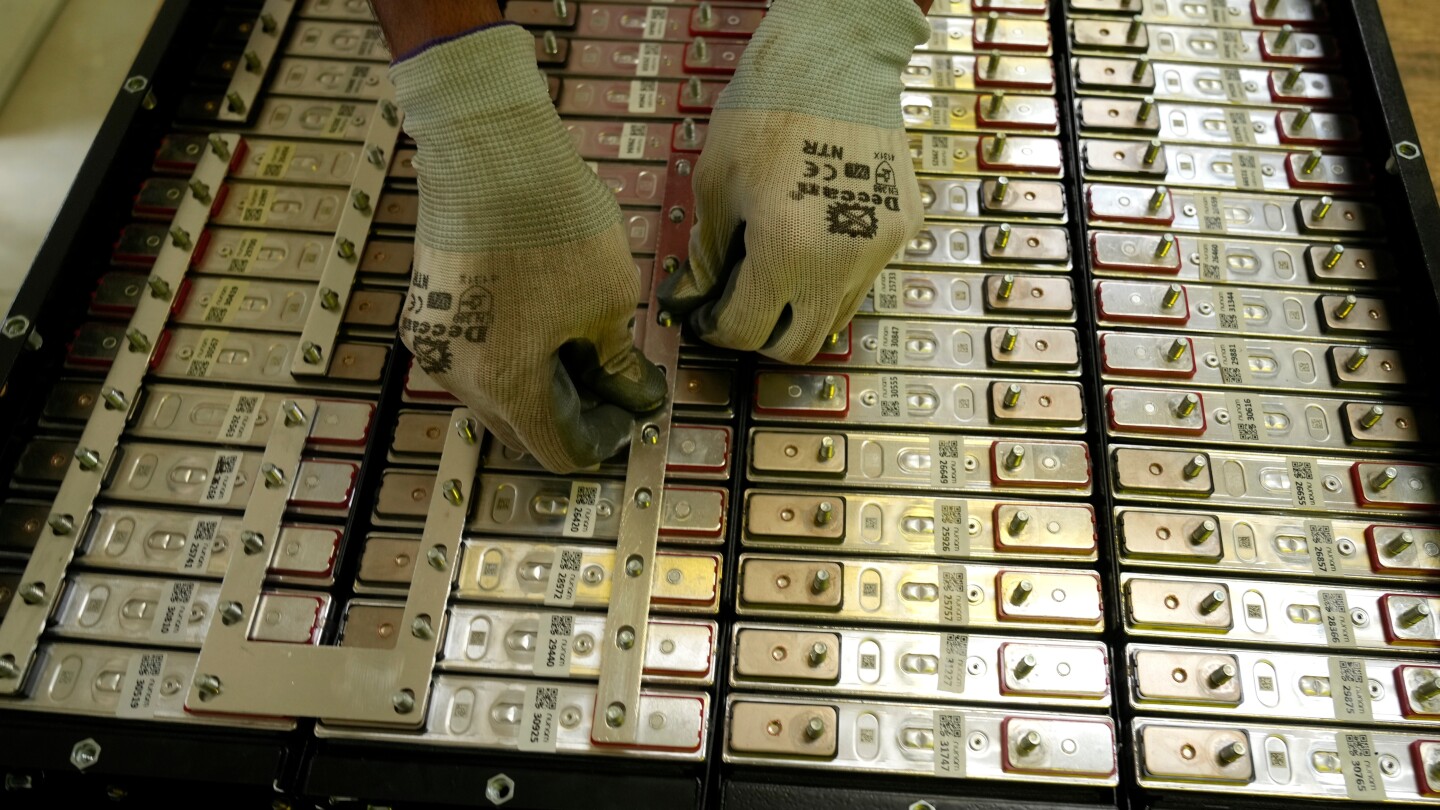
    Technical processes for battery recycling typically involve either shredding battery modules into fine powder or smelting them in industrial furnaces, followed by chemical treatment with acids to recover specific metals. Alternatively, discarded batteries can be repurposed for solar and wind energy storage after thorough testing and component cleaning. Properly executed, these processes can extract up to 90% of an EV battery’s contents.

    Environmental concerns persist, however. Nishchay Chadha, CEO of U.S.-based ACE Green Recycling, warns that improper recycling can release carbon monoxide and hazardous gases, while wastewater containing heavy metals may contaminate soil and water if disposed of incorrectly. “We’ve not expanded much in India because we don’t see much appreciation for clean operations,” Chadha noted.

    McNamara advocates for government-supported training programs to help informal workers transition to formal employment, emphasizing that “formalization will really help drive safety and accountability, especially considering that batteries are both defined by their toxicity as well as their potential.”

    Globally, critical minerals remain dominated by China’s mining, refining, and processing operations, according to the International Energy Agency. With no operational lithium mines currently, India depends heavily on imports. Effective mineral recovery from used products could significantly address this dependency, though Chadha cautions that India should take “baby steps first,” noting that China treats recycling as an essential—if sometimes unprofitable—component of its broader supply chain strategy.

    Despite challenges, industry optimism persists. Rajat Verma, founder and CEO of Lohum Cleantech, envisions substantial growth: “If the momentum that is there in India today continues, we can probably create five multibillion-dollar giants in this industry.” This sentiment reflects the broader recognition that battery recycling represents not just an environmental imperative but a strategic economic opportunity in India’s clean energy transition.