作者: admin

  • UAE motorist injured after vehicle rolls over amid heavy rains: Fujairah Police

    UAE motorist injured after vehicle rolls over amid heavy rains: Fujairah Police

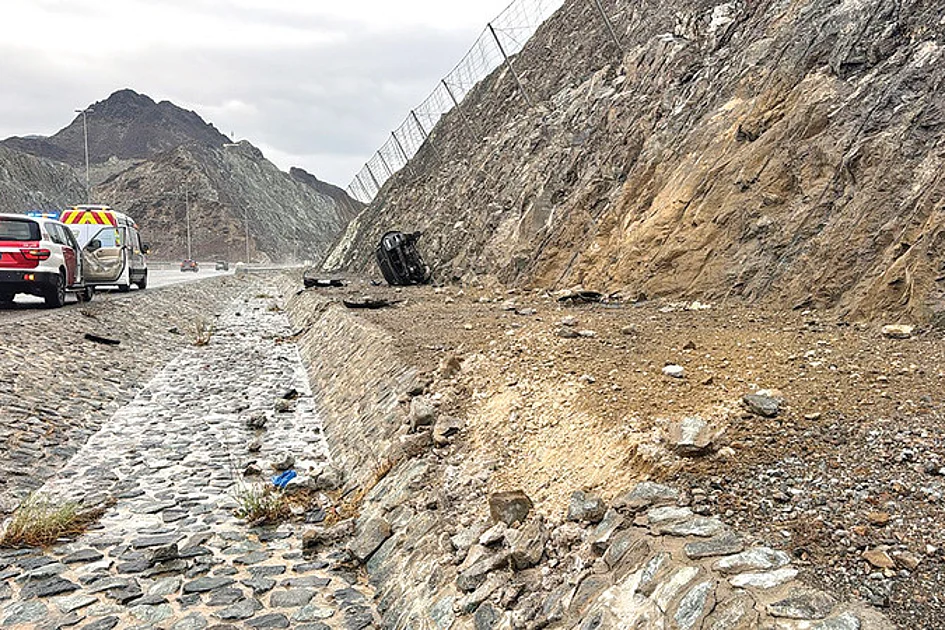
    Fujairah Police confirmed a traffic incident occurred on Sheikh Khalifa Street during Thursday’s heavy rainfall, resulting in a vehicle overturning. According to Brigadier Saleh Mohamed Abdullah Al Dhanhani, Director of the Traffic and Patrols Department, the driver sustained moderate injuries and was promptly transported to Fujairah Hospital for medical treatment.

    The incident has prompted heightened safety measures across the emirate as authorities intensify efforts to address challenges posed by unstable weather conditions. Fujairah Police have deployed additional traffic patrols to major roadways and accident-prone areas, with emergency response teams maintaining constant readiness. The operations room is implementing real-time monitoring of all road networks to facilitate immediate intervention when accidents or hazards are reported.

    Brigadier Al Dhanhani emphasized the importance of driver vigilance during adverse weather, advising motorists to reduce speed, maintain safe following distances, and avoid distractions such as mobile phone usage. ‘Road safety during rainy conditions constitutes a shared responsibility, and careful driving can save lives,’ he underscored.

    Concurrently, Fujairah Municipality has activated comprehensive emergency protocols, deploying technical teams with heavy machinery to remove accumulated rainwater from streets and neighborhoods. The municipality has enhanced its drainage capabilities with five new 12-inch pumps strategically positioned in flood-prone areas, supplemented by additional water tanks and pre-emptive maintenance of drainage networks.

    Engineer Mohamed Saif Al Afkham, Director-General of Fujairah Municipality, confirmed the full operational status of the emirate’s rainwater drainage network. The completed system spans 31.25 square kilometers with 77 kilometers of drainage infrastructure, providing efficient water management and significantly reducing pooling risks across all neighborhoods. These measures are implemented through coordinated efforts with the local emergency, crisis, and disaster management team, working continuously to ensure public safety during periods of inclement weather.
  • Qatar bets on cheap power to catch up in Gulf AI race

    Qatar bets on cheap power to catch up in Gulf AI race

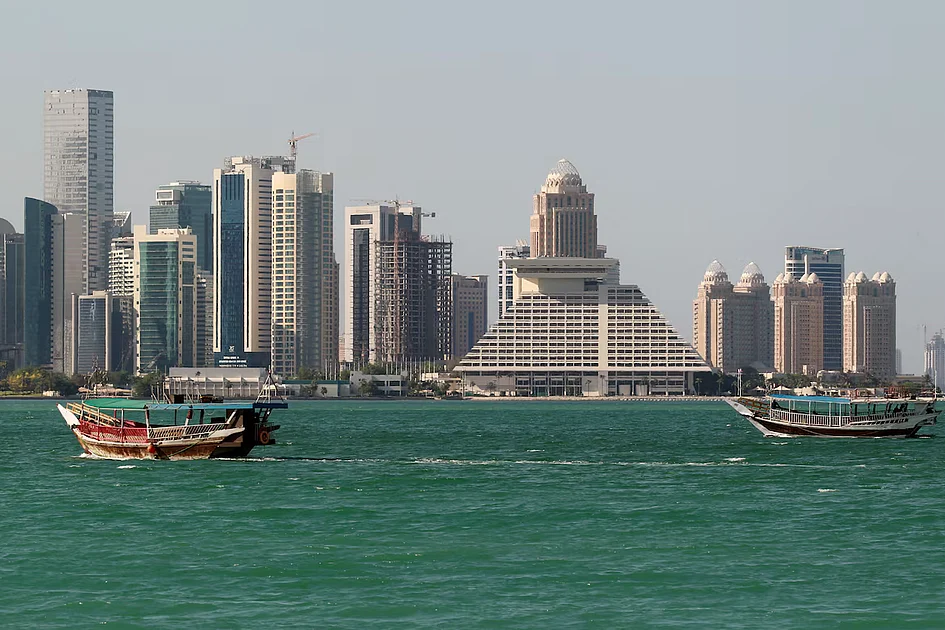
    Qatar is strategically deploying its substantial energy resources and financial capital to establish a competitive position in the artificial intelligence sector, despite entering later than regional counterparts. The nation’s recently unveiled initiative, Qai—supported by its $526 billion sovereign wealth fund and a $20 billion partnership with Brookfield—represents its most significant investment to date in an industry transforming global technological and economic landscapes.

    This development aligns with broader Gulf Cooperation Council efforts to diversify beyond hydrocarbon dependence, mirroring substantial AI infrastructure investments in Saudi Arabia and the United Arab Emirates. Qatar’s primary competitive advantage stems from its exceptionally low electricity costs, a critical factor for energy-intensive AI data centers operating in desert climates with high cooling demands.

    However, industry analysts identify multiple structural challenges beyond financial capacity. Gulf states must implement Western-standard data governance frameworks, navigate stringent US export controls on advanced semiconductor technology, and attract scarce specialized talent within an intensely competitive global market. Stephen Beard of Knight Frank emphasized that regulatory adaptation, particularly regarding data privacy laws, remains the most significant barrier to widespread AI deployment.

    While Qatar has disclosed limited operational details about Qai, its emergence responds to escalating demand for computational infrastructure as corporations increasingly integrate AI systems. Mohammed Soliman from the Middle East Institute noted that American hyperscalers—including Google, Microsoft, and Meta—welcome additional capacity development in energy-rich regions with favorable financing conditions.

    Infrastructure scalability remains crucial for regional competitiveness. Analyst projections indicate approximately $800 billion may be invested in Middle Eastern AI data center development over the next two years. Qatar’s progress will be measured against regional benchmarks: Saudi Arabia’s Humain targets 6-gigawatt capacity by 2034, while the UAE’s G42 is constructing a 5-gigawatt AI campus potentially ranking among the largest globally outside the United States.

    Compliance with US semiconductor regulations presents another critical dimension. To access Nvidia’s advanced Blackwell processors, Qatari operations must implement rigorous usage tracking and security protocols matching those required of regional competitors. This necessitates detailed reporting systems, physical inspection capabilities, and strict personnel controls for technicians from designated high-risk jurisdictions.

    Despite Qatar’s considerable sovereign wealth, industry observers characterize its position as that of a late entrant in a rapidly advancing field. Marc Einstein of Counterpoint Research noted that while Qatar possesses distinct advantages in energy economics, its neighbors currently maintain superior scale and established infrastructure networks.

  • Gainsborough Stud celebrates its heritage and the British roots in Dubai’s racing legacy

    Gainsborough Stud celebrates its heritage and the British roots in Dubai’s racing legacy

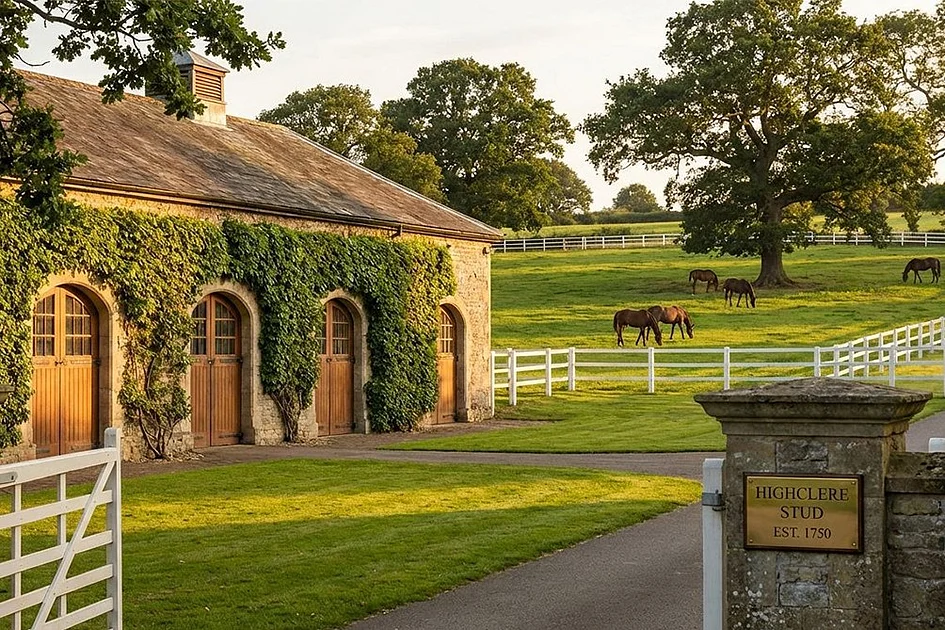
    The remarkable journey of Gainsborough Stud reveals how a British industrialist’s fleeting but impactful involvement in horse racing ultimately shaped the genetic bedrock of Dubai’s global racing empire. Jim McCaughey, a Warwickshire industrialist who burst onto the racing scene during the 1970s, established breeding foundations that would later evolve into the powerhouse Godolphin operation under Dubai’s royal family.

    McCaughey emerged as a formidable presence in the 1970s bloodstock auctions, acquiring thoroughbreds with unprecedented spending. Racing in distinctive yellow silk with black diamonds, he partnered with elite trainers including Fred Rimmel, Ryan Price, and Sir Michael Stoute, signaling his ambition to compete at racing’s highest echelons. Despite his relatively brief tenure in the sport, McCaughey’s horses achieved significant success on both Flat and National Hunt circuits, with hurdler Connaught Ranger capturing the prestigious Triumph Hurdle at Cheltenham Festival.

    By the early 1980s, McCaughey’s racing aspirations reached their peak as he targeted championship events and celebrated major handicap victories including Shaftesbury’s Ebor Handicap win in 1980. Described by Irish newspapers as a ‘fearless punter,’ he backed his horses with substantial wagers, embracing the sport’s inherent volatility. However, financial pressures eventually compelled his withdrawal from racing in the mid-1980s, followed by his tragic passing shortly thereafter.

    The enduring legacy emerged when McCaughey sold Gainsborough Stud to Sheikh Maktoum bin Rashid Al Maktoum prior to his death. Under Maktoum ownership, the stud farm flourished, producing champions including Toucing Wood (1982 St. Leger winner) and Shareef Dancer, whose 1983 Irish Derby victory led to a record $40 million syndication. Following Sheikh Maktoum’s passing in 2006, the operation transferred to his brother Sheikh Mohammed bin Rashid Al Maktoum, becoming integrated into Darley and ultimately unified with Godolphin.

    According to Trent Challis, McCaughey’s grandson and a Dubai-based investor, his grandfather’s legacy established ‘genetic foundations that, under the Maktoum family stewardship, evolved into something extraordinary.’ The bloodlines McCaughey helped develop continue producing winners across international facilities in the UK, Ireland, Kentucky, and Australia, maintaining championship connections nearly half a century after their establishment. ‘Every time Godolphin breeds a champion,’ Challis reflects, ‘there’s a thread, however thin, connecting back to those foundation decisions.’

  • Why I’m finally learning the language of crypto charts

    Why I’m finally learning the language of crypto charts

    As cryptocurrency markets approach what analysts project as the 2025 bull run, investors are reevaluating traditional financial strategies. Ann Marie McQueen, a Canadian journalist and long-term Abu Dhabi resident, documents her transformative journey from passive crypto holder to active technical analyst—a shift she describes as overcoming ‘Gen-X mentality’ financial conditioning.

    The evolution began with recognizing a critical gap in her investment approach: while thoroughly managing traditional finances, she had delegated crypto trading decisions to others. This realization coincided with observing divergent strategies within her crypto education community. Where the group’s founder advocated profit-taking without active trading, another faction embraced technical chart analysis and leveraged trading.

    Technical analysis—interpreting price charts through patterns, indicators, and market psychology—represents a paradigm shift from buy-and-hold philosophy. Proponents like AZ Penn, author of ‘Technical Analysis for Beginners,’ demonstrate how strategic entry and exit points can optimize returns in crypto’s volatile environment. Successful trader Anna Macko reports a 95% win rate since 2021 using these methods, though she emphasizes the psychological discipline required.

    McQueen acknowledges the mental barriers: the ingrained belief that ‘time in the market beats timing the market,’ reinforced by generational financial wisdom. Yet historical examples illustrate the opportunity cost of inaction—selling Bitcoin at $124,000 to repurchase at $80,000 would substantially increase holdings.

    Her commitment now involves intensive education: free coaching sessions, technical analysis workbooks, and a 52-part YouTube trading boot camp by trader TJR. This represents not merely skill acquisition but psychological transformation—developing emotional awareness, discipline, and humility in market participation.

    The underlying philosophy transcends financial gain: true risk lies not in potential losses but in refusing to engage with evolving financial systems. As institutional adoption grows and global governments recognize cryptocurrency’s potential, individual investors face both unprecedented opportunities and the responsibility of self-education.

    McQueen’s journey symbolizes a broader generational shift: from relying on financial intermediaries to embracing financial autonomy through technological literacy, regardless of mathematical background or prior experience.

  • Australia was seen as a world leader in gun control – Bondi has exposed a more complicated reality

    Australia was seen as a world leader in gun control – Bondi has exposed a more complicated reality

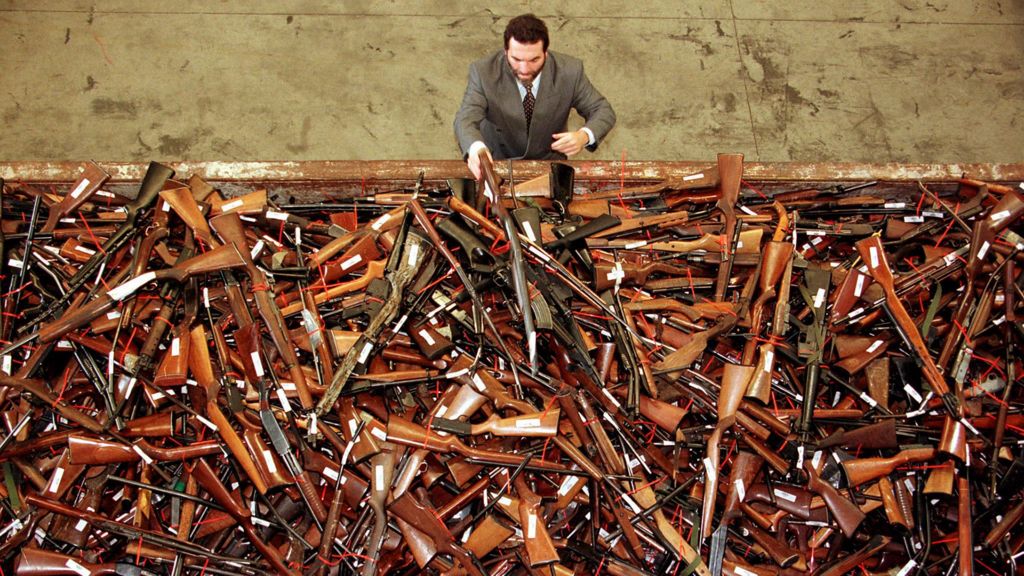
    The recent Bondi Beach massacre that claimed 15 lives has violently resurrected Australia’s long-dormant gun control debate, drawing stark parallels to the 1996 Port Arthur tragedy that transformed the nation’s firearm regulations. This latest attack targeting a Jewish Hanukkah celebration has compelled national leaders to confront uncomfortable truths about the evolving landscape of gun ownership in Australia.

    Despite being globally celebrated for stringent firearm laws implemented after Port Arthur, Australia now hosts over four million privately-owned guns—nearly double the quantity recorded two decades ago. Current statistics reveal one firearm for every seven Australians, with concerning concentrations in urban centers contrary to conventional wisdom about rural gun ownership patterns.

    Roland Browne, a prominent gun control advocate who witnessed both tragedies, emphasizes the disturbing similarities: “They’re both very public places frequented by tourists from around the nation and around the world.” Browne expresses profound disappointment that political action consistently follows rather than prevents such catastrophes.

    The government response has been swift. Prime Minister Anthony Albanese announced Australia’s first major national gun buyback scheme since 1996, alongside proposals to limit firearm quantities per owner, eliminate open-ended licensing, mandate Australian citizenship for ownership, and enhance intelligence sharing during license assessments.

    However, sporting advocates like Tom Kenyon of the Sporting Shooters Association argue these measures misdirect resources from addressing radicalization—the root cause of the Bondi attack. Kenyon maintains that determined attackers will simply employ alternative weapons if firearms are unavailable, citing vehicle attacks like the 2016 Nice massacre.

    Complicating the debate are jurisdictional inconsistencies in firearm regulations. While Western Australia recently implemented caps (5-10 guns per owner), most states lack such restrictions. The alleged Bondi attacker legally owned six registered firearms despite being investigated for extremist links.

    The conversation extends beyond quantity to firearm types. Modern high-capacity rifles with rapid-fire capabilities present new challenges unknown in 1996. Meanwhile, Australia still lacks a unified national firearm registry—a Port Arthur reform recommendation now accelerated post-Bondi with expected completion by 2028.

    As Australia grapples with balancing public safety against legitimate sporting interests, the nation confronts whether its famed gun control model requires modernization to address contemporary threats while preserving its core life-saving principles.

  • EC Markets hosts Celebrity Charity Golf Day to support community impact initiatives

    EC Markets hosts Celebrity Charity Golf Day to support community impact initiatives

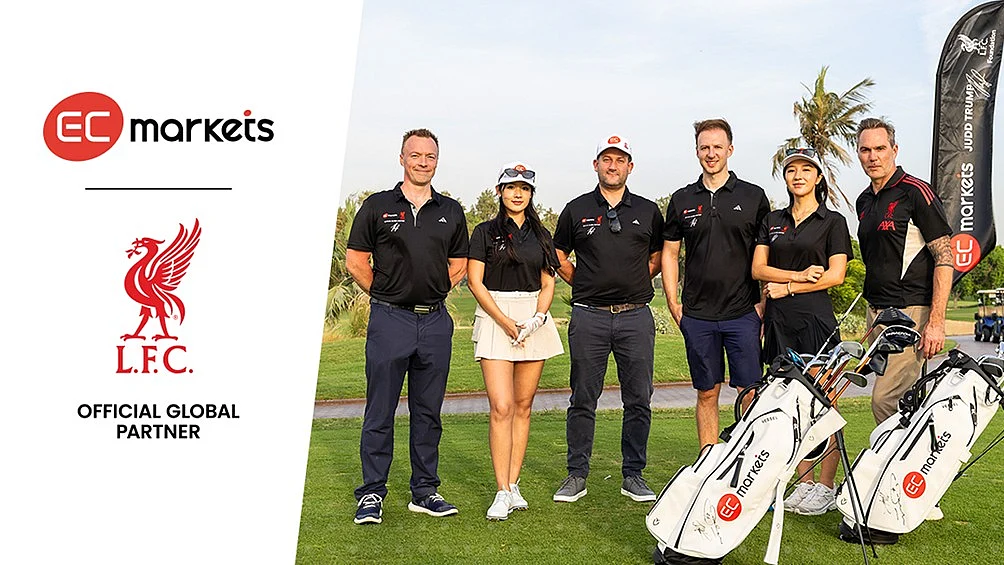
    Dubai’s prestigious Creek Golf & Yacht Club, an architectural landmark featured on the UAE’s 20-dirham currency note, hosted EC Markets’ Celebrity Charity Golf Day on December 10th. The exclusive gathering united business executives and renowned sports personalities for a philanthropic initiative supporting youth development programs, with the LFC Foundation serving as primary beneficiary.

    The championship-caliber course, historically accustomed to international tournaments, provided the backdrop for an 18-hole Stableford competition featuring EC Markets CEO Matt Smith, UK Managing Director Adam Saward, world snooker champion Judd Trump, and former Liverpool FC midfielder Jason McAteer.

    This sporting initiative represents EC Markets’ strategic corporate social responsibility framework, leveraging athletic platforms to generate tangible community benefits. The tournament allocated a £10,000 charitable prize pool among top performers, with McAteer claiming victory and directing his £5,000 award to the LFC Foundation. Saward secured second position, similarly contributing his £2,500 prize to the Foundation, while Trump designated his third-place winnings to the UK-based Teenage Cancer Trust.

    The LFC Foundation, globally recognized for its outcome-oriented programs in education, health, and employment readiness, assisted over 145,000 individuals internationally last season. This alignment with EC Markets’ ethos of creating measurable social impact made the partnership particularly significant.

    CEO Matt Smith emphasized the event’s deeper purpose: ‘Dubai Creek provided an ideal venue for meaningful collaboration. Uniting our team with sports icons enables support for organizations creating genuine youth opportunities. The Foundation’s work delivers transformative results, and we’re proud to contribute consistently through our platform.’

    UK Managing Director Adam Saward reinforced this commitment: ‘Beyond financial markets, our responsibility extends to community development. Partnering with the LFC Foundation allows direct investment in life-changing youth programs, reflecting our dedication to sustainable positive outcomes.’

    The event underscores EC Markets’ continued CSR focus and demonstrates sport’s unique capacity for community enrichment. The company has committed to ongoing support for initiatives creating accessible opportunities and long-term societal value. Event highlights are available through EC Markets’ official media channels.

  • Palestinians face violence on the streets of Israel as racist attacks spread

    Palestinians face violence on the streets of Israel as racist attacks spread

    A disturbing pattern of racially motivated assaults against Palestinian citizens within Israel is drawing intense scrutiny, as detailed by numerous victim accounts and official reports. The case of Mahmoud Agbaria, a Palestinian construction worker severely beaten in Tel Aviv by individuals claiming to be police officers, exemplifies this alarming trend. His father, Zidan Agbaria, recounted to Middle East Eye that the assailants attacked his son for speaking Arabic on his phone, continuing their assault until they believed him to be dead. Despite being hospitalized with severe injuries requiring multiple surgeries, Mahmoud’s attackers were subsequently released to house arrest by a Tel Aviv court, which cited the suspects’ claim of feeling ‘threatened’.

    This incident is not isolated. Since late November, human rights organizations and media outlets have documented at least ten separate attacks on Palestinians by Israeli Jews across various cities, including Jerusalem, Jaffa, and Netanya. Victims have included bus drivers, sanitation workers, security guards, and even a heavily pregnant woman who was pepper-sprayed alongside her family. In a significant response, the Superbus drivers’ union announced a potential labor strike following 11 recorded attacks on its employees in November alone, many targeting Palestinian drivers.

    Legal advocacy group Adalah, The Legal Center for Arab Minority Rights in Israel, asserts that state institutions are effectively enabling this violence through inaction and impunity. They point to a history of unprosecuted cases, including the killing of Mousa Hassouna in 2021 and an attack on Knesset member Ayman Odeh. Furthermore, allegations extend to police themselves, with security guard Qais Haddad testifying to a brutal beating by 13 officers at a Jerusalem football match, during which they hurled racial slurs.

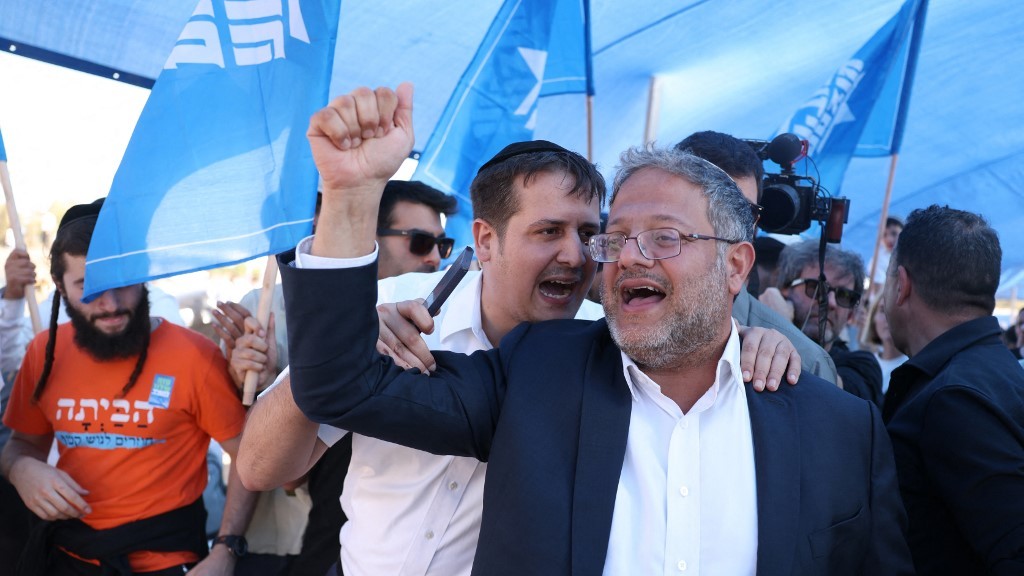
    Analysts and politicians, such as Knesset member Ahmad Tibi, link this internal violence to the ideology and actions of far-right settler movements, arguing it represents a ‘widespread and systematic phenomenon’ fueled by incitement from certain politicians and media outlets. The collective testimony paints a picture of a deteriorating social fabric where Palestinian citizens increasingly fear for their safety in their own country.

  • ‘My kids were afraid I would die’: Kristin Cabot breaks silence after viral Coldplay video

    ‘My kids were afraid I would die’: Kristin Cabot breaks silence after viral Coldplay video

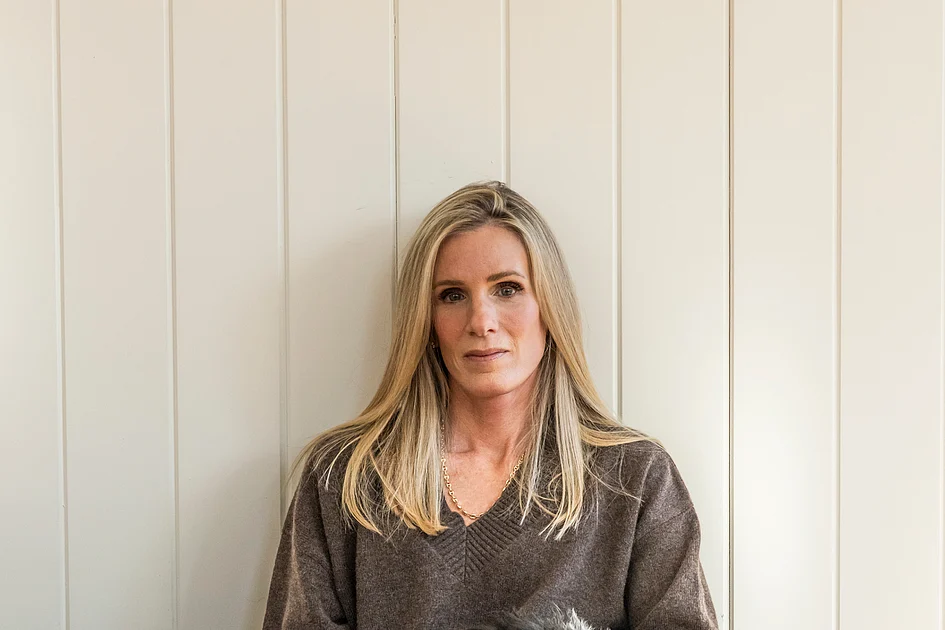
    In an exclusive first interview, Kristin Cabot has broken her five-month silence regarding the viral incident that transformed her life into a global spectacle. The former Astronomer HR executive detailed the profound personal consequences stemming from a momentary lapse in judgment at a Coldplay concert in July 2025, when she was captured on the Jumbotron sharing an intimate moment with her then-CEO, Andy Byron.

    The encounter, immortalized in a TikTok video that amassed 100 million views within days, triggered what would become known as #coldplaygate—a digital firestorm that brought Cabot’s professional and personal life to a devastating halt. Beyond the public humiliation, Cabot faced severe real-world repercussions: relentless doxxing that flooded her phone with hundreds of daily calls, death threats referencing her daily routines, and paparazzi stationed outside her New Hampshire home.

    Cabot revealed the profound impact on her family, particularly her two teenage children who feared for their safety. ‘My kids were afraid that I was going to die and they were going to die,’ she recounted, describing how the family became apprehensive about public spaces. The emotional toll manifested in her daughter’s tears upon learning of the incident and her son’s embarrassment during confrontations with strangers.

    Contrary to widespread speculation, Cabot maintains that her relationship with Byron was not sexual. ‘I made a bad decision and had a couple of High Noons and danced and acted inappropriately with my boss,’ she stated. ‘That night was the first and only time we kissed.’ Both executives immediately reported the incident to Astronomer’s board, with Byron resigning days later. Though the company offered to reinstate Cabot, she negotiated her resignation, recognizing the impossibility of maintaining her HR leadership role amid the scandal.

    The phenomenon attracted commentary from celebrities including Gwyneth Paltrow and Whoopi Goldberg, while internet culture expert Professor Brooke Duffy of Cornell University contextualized the incident within historical patterns of public shaming and gendered criticism. Cabot expressed particular disappointment in female critics who engaged in bullying, noting that ‘we are holding ourselves back tremendously by cutting each other down.’

    After months of therapy for her family and personal reflection, Cabot has emerged with a renewed perspective on accountability, public shaming, and redemption. While acknowledging her professional misjudgment, she questions whether a single mistake should warrant global humiliation and threats of violence. As she contemplates returning to work, Cabot faces the enduring challenge of reputational repair in an era where digital footprints are permanent and public forgiveness is scarce.

  • Visiting the Trevi Fountain now will cost more than just a coin toss with a 2-euro tourist fee

    Visiting the Trevi Fountain now will cost more than just a coin toss with a 2-euro tourist fee

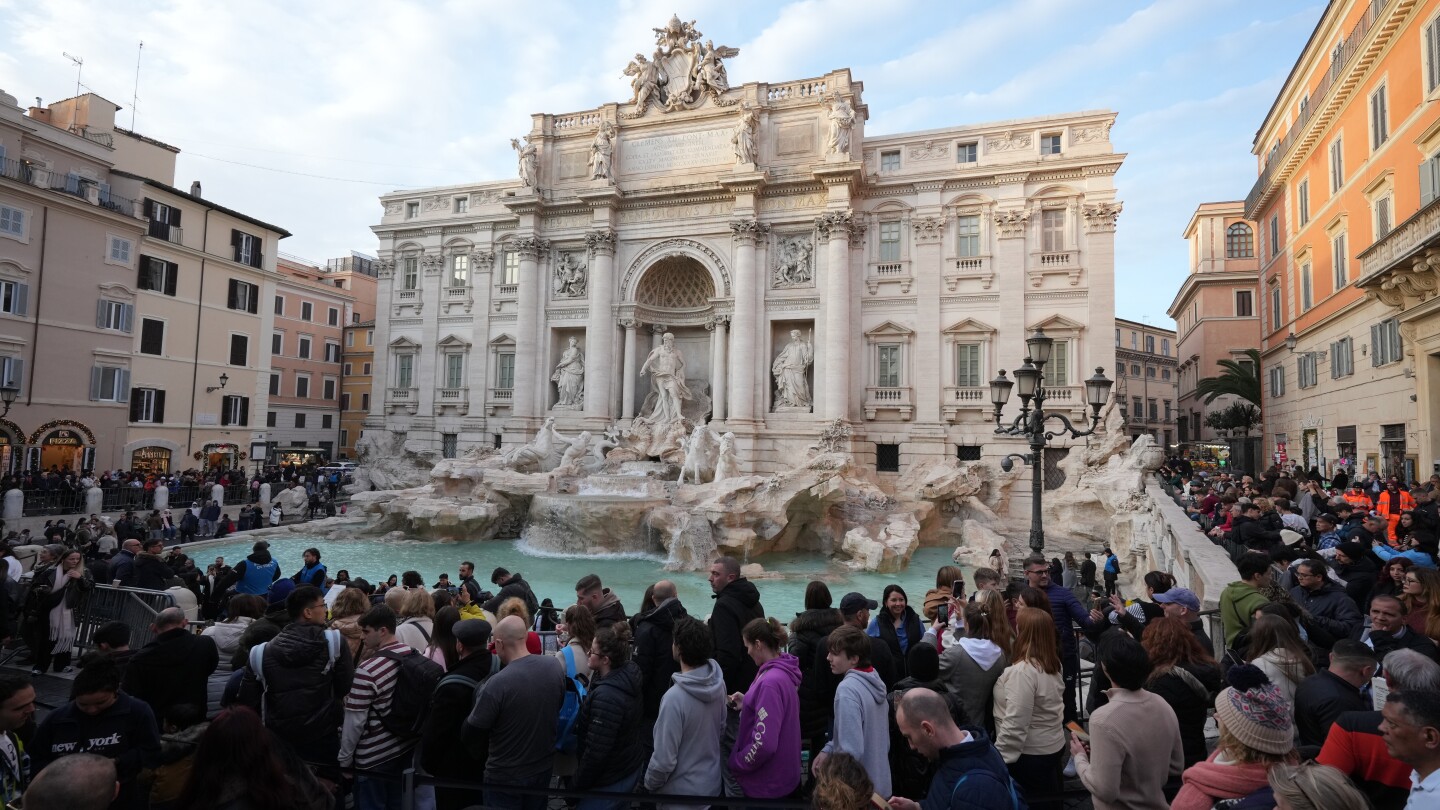
    ROME — Visitors to Rome’s iconic Trevi Fountain will now encounter a new requirement beyond the traditional coin toss ritual. Effective February 1st, the city administration has instituted a 2-euro ($2.35) access fee during peak daylight hours for tourists seeking close proximity to the Baroque masterpiece. The measure exempts local residents while maintaining free viewing from the surrounding piazza.

    The implementation follows extensive deliberation spanning over a year and aligns with similar tourist management strategies employed at Rome’s Pantheon monument. Mayor Roberto Gualtieri characterized the nominal fee as a necessary measure to regulate visitor flows, enhance the tourist experience, and generate approximately 6.5 million euros annually for preservation of the city’s cultural heritage.

    This initiative builds upon a successful year-long pilot program that implemented structured queuing systems and controlled access pathways. The system will operate daily from 9:00 AM to 9:00 PM, with complimentary access restored after nightfall. Tourists may purchase access tickets through online platforms, at designated tourist locations, or during the queuing process.

    The fee structure coincides with expanded museum access privileges for registered Rome residents, who will enjoy complimentary entry to an increased number of municipal museums. This dual approach reflects the city’s commitment to balancing cultural accessibility for residents with sustainable tourism management.

    Commissioned originally by Pope Urban VIII in 1640 and completed according to Nicola Salvi’s designs in 1762, the fountain achieved global recognition through Federico Fellini’s cinematic masterpiece ‘La Dolce Vita.’ The film’s iconic scene featuring Marcello Mastroianni and Anita Ekberg wading in the turquoise waters cemented the fountain’s status as a must-visit destination, now attracting approximately 9 million visitors annually with peak days exceeding 70,000 admissions.

  • At Putin’s annual news conference, a Russian journalist pops the question — to his girlfriend

    At Putin’s annual news conference, a Russian journalist pops the question — to his girlfriend

    MOSCOW — Russian President Vladimir Putin’s meticulously orchestrated annual press conference unfolded as a study in contrasts, blending serious geopolitical discourse with unexpectedly personal moments. The four-and-a-half-hour event showcased Putin’s dual role as both statesman and paternal figure to the nation.

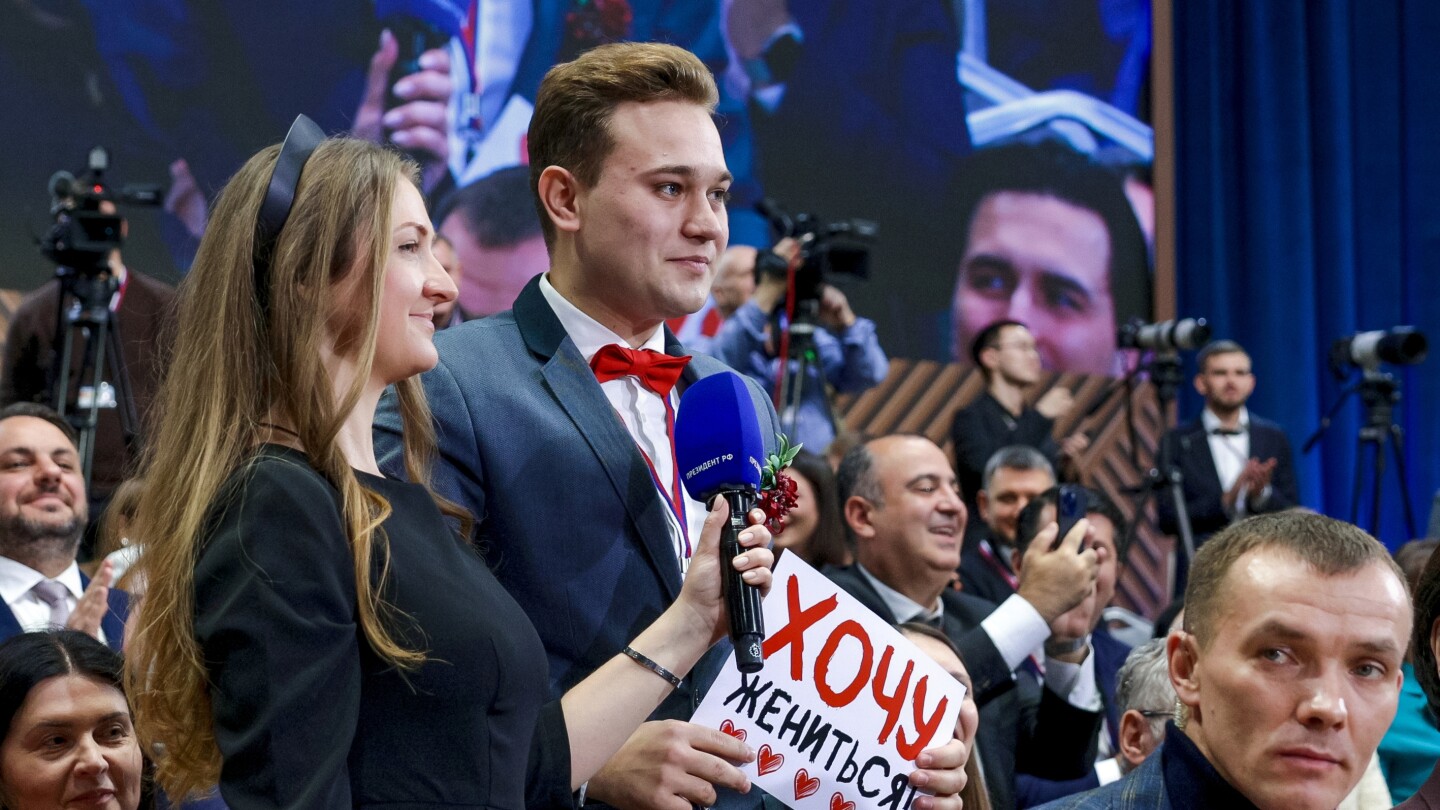
    The proceedings took a romantic turn when Kirill Bazhanov, a journalist from Yekaterinburg’s Channel 4, displayed a marriage proposal directed at his girlfriend Olga during the live broadcast. Putin, noting the reporter’s distinctive red bow tie, remarked, ‘You’re ready to go to the registry office!’ The couple subsequently extended a wedding invitation to the Russian leader.

    Amid these lighter exchanges, the conference addressed substantial concerns including delayed pension payments, problematic construction projects, and Russia’s ongoing military engagement in Ukraine—now approaching its fourth year. The event’s carefully managed nature provided Putin, who has governed Russia for a quarter-century, with a platform to expound on diverse topics while cultivating his image as a leader attentive to ordinary citizens.

    Journalists employed various tactics to capture presidential attention, from holding distinctive signs to wearing traditional national attire. One reporter brought customized Labubu dolls resembling Russian officials and former U.S. President Donald Trump, while another queried about extraterrestrial possibilities regarding an approaching comet.

    The event’s security protocols were briefly tested when Tajik journalist Shamsudin Boboyev attempted to present Putin with a book, prompting swift intervention by security personnel. Kremlin spokesman Dmitry Peskov subsequently advised that gifts should be described rather than physically presented.

    In a concluding personal revelation, Putin affirmed his belief in love at first sight when pressed by journalists, offering a rare glimpse into the private sentiments of the notoriously guarded leader.