作者: admin

  • When Sheikh Zayed opened a hospital in remote UAE town 44 years ago today

    When Sheikh Zayed opened a hospital in remote UAE town 44 years ago today

    December 21st marks the 44th anniversary of a seminal moment in UAE healthcare history when the nation’s founding father, the late Sheikh Zayed bin Sultan Al Nahyan, inaugurated a comprehensive medical facility in the remote western town of Ghayathi. This strategic investment in December 1981 demonstrated the leader’s unwavering commitment to ensuring equitable healthcare access for all citizens, regardless of their geographical location.

    The 50-bed hospital represented a significant advancement in medical infrastructure for the Western Region, featuring segregated outpatient clinics for men and women alongside multiple specialized treatment departments. The inauguration ceremony attracted prominent figures including Sheikh Mohammed bin Butti, the Abu Dhabi Ruler’s Representative in the Western Region, and Ahmed Khalifa Al Suweidi, the President’s Representative, underscoring the project’s national importance.

    Historical accounts from Khaleej Times document Sheikh Zayed’s personal involvement in the facility’s launch, where he emphasized the government’s dedication to fulfilling citizen aspirations through modern healthcare infrastructure. During his address, the founding father highlighted the necessity of extending quality medical services to remote communities, considering healthcare accessibility a fundamental pillar of national development.

    The then Minister of Health, Hamad Al Midfa, noted that Sheikh Zayed’s personal appearance at the inauguration symbolized his profound concern for citizen welfare across all emirates. The founding father received an enthusiastic reception from local residents before conducting an extensive inspection tour of the medical complex, expressing particular satisfaction with the facility’s operational standards and service quality.

    This historic initiative established a precedent for healthcare development in underserved regions, reflecting Sheikh Zayed’s hands-on leadership approach and people-centric governance philosophy that continues to influence UAE public health policy four decades later.

  • UAE winter: Police warn of house fire, suffocation risks with heater use

    UAE winter: Police warn of house fire, suffocation risks with heater use

    As the UAE experiences its coldest winter temperatures with readings plunging to 3.5°C in mountainous regions, Abu Dhabi authorities have escalated public safety warnings regarding heating equipment hazards. The Abu Dhabi Police and Civil Defence Authority have jointly issued comprehensive guidelines addressing the dangerous misuse of both traditional and modern heating devices.

    With Jebel Jais Mountain in Ras Al Khaimah recording unprecedented seasonal lows following recent thunderstorms and unstable weather patterns, residents are increasingly turning to various heating methods. Authorities emphasize that all heating systems—whether charcoal-based, firewood-powered, or electric—carry significant risks if improperly utilized.

    The safety advisory specifically prohibits numerous hazardous practices including: indoor ignition of firewood or charcoal; sleeping in proximity to active heaters; inadequate ventilation management; improper extinguishment protocols; and negligence regarding electrical capacity requirements. Additional warnings address the dangers of placing heating elements under carpets, allowing children near operational devices, and positioning heaters near flammable materials, water sources, or damp areas.

    Particular emphasis is placed on the critical importance of deactivating all heating systems before sleeping or vacating premises. The authorities’ alert comes as a preventive measure against potential tragedies involving residential fires or carbon monoxide suffocation, which historically increase during temperature drops across the emirates.

  • Tom Holland’s ‘Spider-Man: Brand New Day’ wraps up shooting

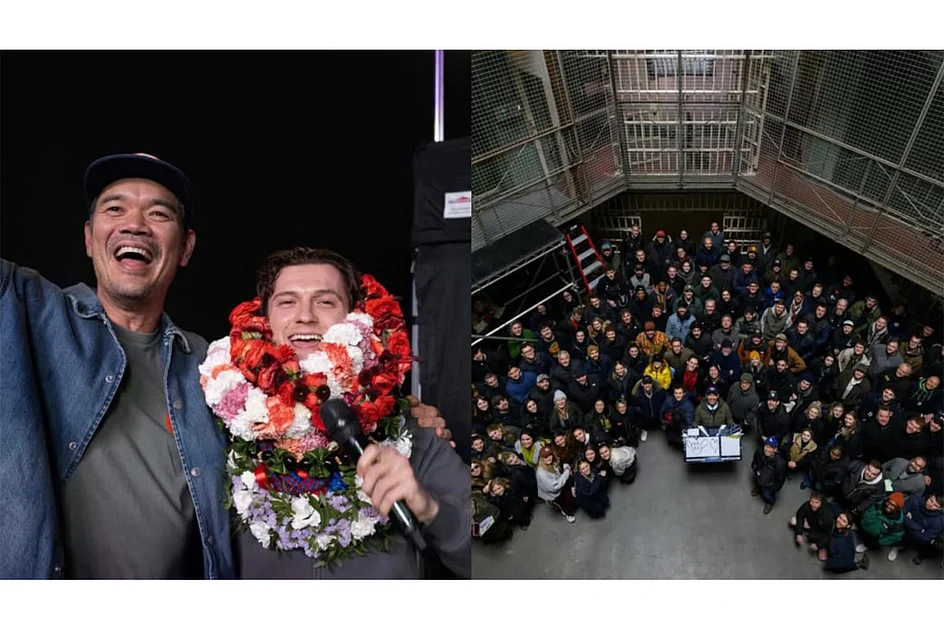
    Tom Holland’s ‘Spider-Man: Brand New Day’ wraps up shooting

    Marvel Studios has reached a significant production milestone as filming concludes for the upcoming installment ‘Spider-Man: Brand New Day’ starring Tom Holland. Director Dustin Daniel Cretton officially announced the completion through his Instagram account on Saturday, December 20, 2025, expressing profound gratitude to the entire cast and crew for their exceptional commitment throughout the production process.

    Cretton described the project as one of the most rewarding creative endeavors of his career, emphasizing the personal significance of the filmmaking journey. The director specifically highlighted Tom Holland’s exemplary leadership qualities and professional dedication, noting his contributions both on and off camera that significantly enhanced the production.

    The ensemble cast features several returning Marvel veterans alongside new additions. Mark Ruffalo reprises his role as Bruce Banner/The Hulk, while Michael Mando returns as the villainous Scorpion. The film marks the notable introduction of Jon Bernthal as Frank Castle/The Punisher within the Spider-Man cinematic universe. Supporting cast members Zendaya and Jacob Batalon return as MJ and Ned Leeds respectively, with Sadie Sink joining the franchise in a currently undisclosed role that has generated considerable fan speculation.

    Scheduled for theatrical release on July 31, 2026, ‘Spider-Man: Brand New Day’ represents the next chapter in Marvel’s cinematic narrative. The production’s completion signals the beginning of post-production work including visual effects, editing, and scoring that will continue through the upcoming months. Industry analysts anticipate the film will continue the commercial success of previous Spider-Man installations while introducing fresh narrative directions under Cretton’s creative vision.

  • Saudi Arabia: Mandatory e-salary payments for domestic workers starting January 1

    Saudi Arabia: Mandatory e-salary payments for domestic workers starting January 1

    Saudi Arabia’s Ministry of Human Resources and Social Development has announced the full implementation of mandatory electronic salary payments for all domestic workers effective January 1, 2026. This landmark policy requires employers to process wages exclusively through the official Musaned platform using authorized financial channels including digital wallets and participating banking institutions.

    The comprehensive digital payment system represents a significant advancement in labor protection, designed to guarantee secure wage transfers, minimize employment disputes, and streamline administrative procedures for both employers and workers. The initiative forms part of Saudi Arabia’s broader strategy to modernize the domestic worker sector and enhance transparency in employment contracts.

    According to official guidelines, salaries must correspond exactly to the amounts specified in employment contracts and should typically be processed at the conclusion of each Hijri month, unless both parties formally agree to alternative arrangements. While the system mandates electronic transfer, workers retain the option to withdraw cash using government-issued Mada cards through approved channels.

    The ministry implemented this transformation through a carefully structured phased rollout beginning July 2024. The initial phase targeted first-time domestic workers entering the Kingdom, followed by incremental expansion based on employer workforce size. The final phase encompassing all remaining domestic workers takes effect January 2026.

    This electronic wage system provides multiple advantages including reliable payment verification, simplified administrative processes during contract transitions or international travel, and secure international remittance capabilities for workers supporting families abroad. The policy establishes a new standard for labor rights protection in the region’s domestic employment sector.

  • Kiara Advani’s stunning first look from ‘Toxic’ unveiled

    Kiara Advani’s stunning first look from ‘Toxic’ unveiled

    Indian cinema enthusiasts received a captivating preview of Kiara Advani’s upcoming role as the first look from the highly anticipated film ‘Toxic: A Fairytale for Grown-Ups’ was unveiled on Sunday. Lead actor Yash shared the striking visual through his official Instagram channel, generating immediate buzz among fans and critics alike.

    The evocative poster presents Advani in a moment of dramatic intensity, portraying her character named Nadia. Dressed in an elegant black off-shoulder gown featuring a thigh-high slit, the actress stands isolated under a single spotlight on what appears to be a dance floor. The composition captures her looking away from the camera with visible tears tracing her cheeks, suggesting a complex emotional narrative within the film.

    Director Geetu Mohandas expressed profound admiration for Advani’s performance in an official statement, noting: ‘Some performances don’t just belong to a film, they redefine an artist. What Kiara created on screen in this project is nothing short of transformative. As a director, I am deeply proud of her delivery and the unwavering commitment she brought to our collaborative journey.’

    This cinematic project marks Yash’s return to feature films following the monumental success of ‘KGF: Chapter 2’. The multi-lingual production has been shot simultaneously in English and Kannada, with plans for dubbed releases across several Indian regional languages. The creative team includes music composer Ravi Basrur and cinematographer Rajeev Ravi, with action sequences developed by both international and Indian choreography experts.

    Produced through a collaboration between KVN Productions and Monster Mind Creations, the film represents a significant investment in production quality and artistic ambition. Industry observers have noted the strategic positioning of the March 19, 2026 release date, suggesting confidence in the film’s potential to make a substantial impact at the box office.

  • Coast Guard is pursuing another tanker helping Venezuela skirt sanctions, US official says

    Coast Guard is pursuing another tanker helping Venezuela skirt sanctions, US official says

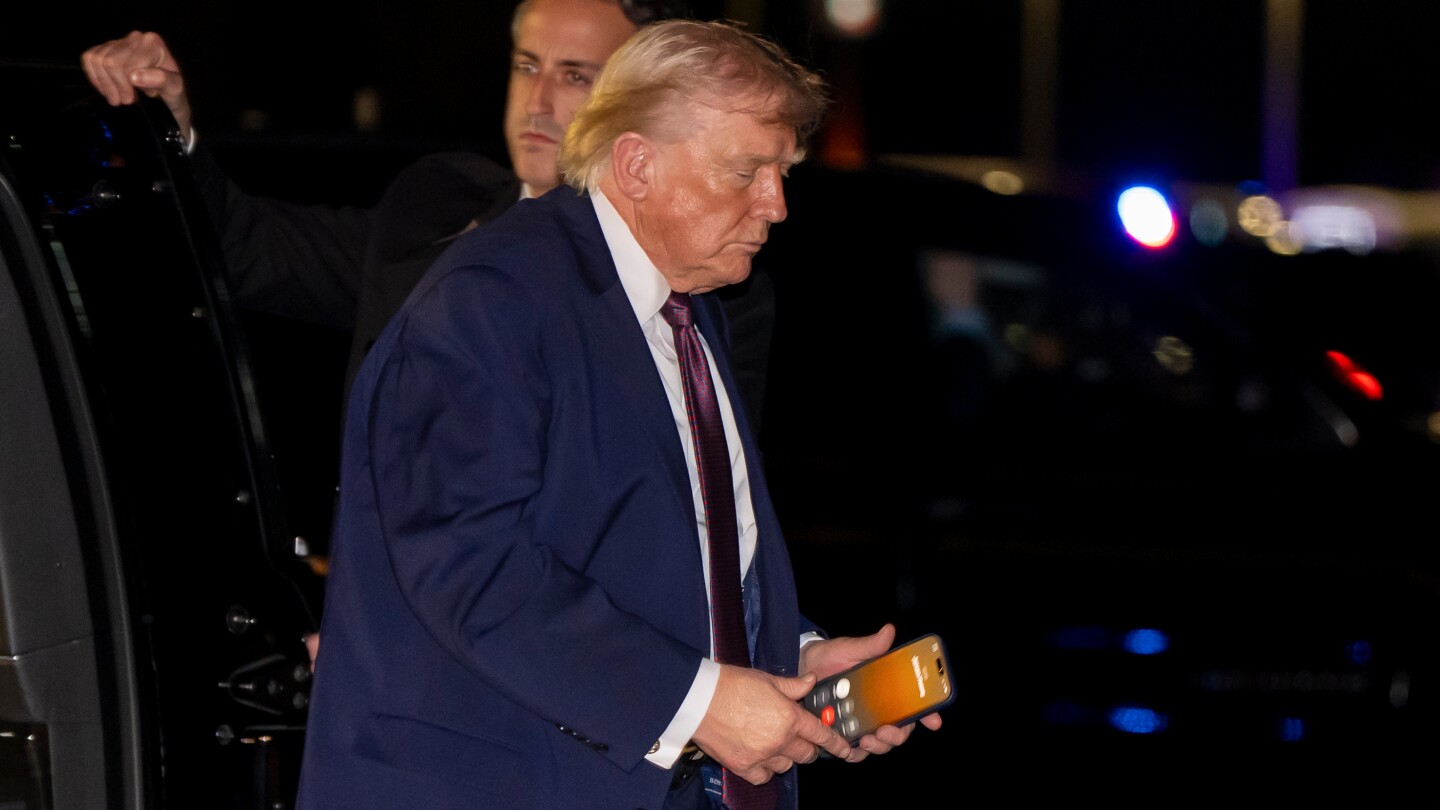
    The United States Coast Guard has initiated pursuit operations against another sanctioned oil tanker in Caribbean waters, marking the latest escalation in the Trump administration’s intensified campaign targeting Venezuelan energy shipments. This development follows Saturday’s predawn seizure of the Panama-flagged tanker ‘Centuries,’ which authorities identified as operating under false registration as part of Venezuela’s shadow fleet for illicit oil transportation.

    According to a U.S. official familiar with the ongoing operation, Sunday’s pursuit involves a sanctioned vessel from the ‘dark fleet’ that facilitates Venezuela’s sanctions evasion efforts. The official, speaking anonymously due to operational sensitivities, confirmed the target vessel was flying false colors and subject to a judicial seizure order. This represents the third such action in under two weeks, following the December 10th interception of the unflagged tanker ‘Skipper’ with U.S. Navy support.

    The maritime enforcement surge coincides with President Trump’s increasingly confrontational rhetoric toward Venezuelan leader Nicolás Maduro. Trump has vowed to implement a full naval ‘blockade’ against Venezuela and warned that Maduro’s tenure faces imminent conclusion. Administration officials justify these measures as necessary to recover assets seized from American oil companies during Venezuela’s industry nationalization, citing a 2014 international arbitration ruling that ordered $1.6 billion in compensation to ExxonMobil.

    These interdiction operations form part of broader regional security initiatives that include narcotics enforcement. Since September, the Defense Department has conducted at least 28 documented strikes against vessels suspected of smuggling fentanyl and other illegal drugs through Caribbean and Eastern Pacific corridors, resulting in over 100 casualties. The coordinated maritime strategy reflects the administration’s multi-front approach to pressuring Venezuela’s socialist government while combating transnational narcotics trafficking.

  • Abu Dhabi builds AI network to support farmers across climate-hit regions

    Abu Dhabi builds AI network to support farmers across climate-hit regions

    Abu Dhabi has launched a comprehensive artificial intelligence initiative to transform agricultural practices across climate-affected regions worldwide. This ambitious project addresses the paradoxical global food crisis: while sufficient food exists to feed the entire global population, approximately 720 million people faced hunger in 2024 according to recent data.

    The UAE’s approach centers on developing an integrated AI ecosystem through collaboration between Mohamed bin Zayed University of Artificial Intelligence (MBZUAI), NYU Abu Dhabi, ai71, and the CGIAR AI Hub. These institutions collectively span research, product development, and field deployment capabilities. The network has already reached 38 million farmers with AI-powered advisory services and aims to triple that number to 100 million by 2030.

    Fatima Al Mulla, senior specialist at the UAE Presidential Court, explained the nation’s unique perspective: ‘The UAE understands food security challenges intimately. We face harsh weather conditions, water scarcity, and high soil salinity. This lived experience naturally positioned us to develop technological solutions for global agricultural challenges.’

    The initiative employs multiple interconnected strategies. MBZUAI’s Institute for Agriculture and Artificial Intelligence serves as a digital advisory hub providing tools and training to governments and NGOs supporting 43 million smallholder farmers. The CGIAR AI Hub leverages 50 years of agricultural data from 13 global research centers, while AgriLLM—an open-source AI model developed by ai71—was trained on 150,000 agricultural documents to deliver crop-specific guidance.

    Crucially, the program utilizes SMS-based delivery to overcome connectivity barriers in rural areas. ‘Many farmers have basic phones,’ Al Mulla noted. ‘The SMS delivery method ensures critical information about weather patterns and planting schedules reaches those who need it most.’

    The UAE-Gates Foundation partnership, through its AIM for Scale program, has mobilized $1 billion to expand weather forecasting services across climate-vulnerable regions. India successfully delivered AI-powered monsoon forecasts via SMS to 38 million farmers in 2025, demonstrating the model’s viability.

    Beyond technology deployment, the initiative emphasizes capacity building. MBZUAI and the University of Chicago launched an AI Weather Forecasting Training Program in Abu Dhabi, currently training officials from Bangladesh, Chile, Ethiopia, Kenya, and Nigeria, with plans to expand to 25 countries by 2027.

    Al Mulla highlighted the urgent need for these interventions: ‘One-third of greenhouse gas emissions comes from our food systems, while one-third of all produced food gets wasted. Yet over 700 million people go hungry. This indicates an efficiency problem, not a quantity problem.’

    The ultimate goal is to establish Abu Dhabi as a global hub where technology and AI converge to provide practical solutions for farmers worldwide, transforming agricultural decision-making on an unprecedented scale.

  • From schools to theatres, venison butts beef off menus at UK venues

    From schools to theatres, venison butts beef off menus at UK venues

    Across the United Kingdom, a culinary revolution is underway as educational institutions, sports arenas, and cultural venues increasingly replace traditional beef offerings with wild venison. This strategic shift responds to growing climate change concerns by introducing a lower-carbon protein alternative to conventionally farmed livestock.

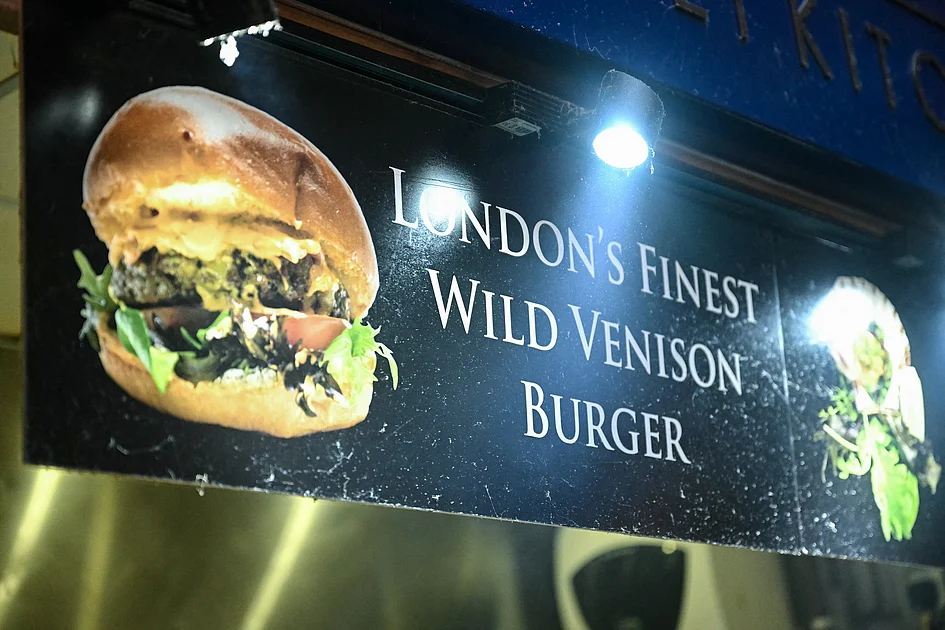
    The movement has gained significant momentum through catering giant Levy UK, which now serves deer meat at more than 20 prominent venues including London’s O2 Arena, the National Theatre, and Twickenham Stadium. During the recent women’s Rugby World Cup final, the stadium sold approximately 5,500 wild venison burgers within a single month. Similarly, Brentford Football Club in west London has incorporated venison burgers sourced from professionally culled deer in England and Scotland.

    This transition addresses multiple environmental and economic concerns. Britain’s deer population has surged from 450,000 in 1970 to approximately two million today—the highest level in over a millennium. Without natural predators, these animals can damage local ecosystems, making controlled culling necessary. Wild venison presents a substantially lower carbon footprint compared to traditional meats, registering 38% fewer emissions than beef and 49% less than lamb according to conservation data.

    Levy UK CEO Jon Davies emphasized the dual benefits of this approach: ‘I was keen to find something that was good for the planet but also nutritionally beneficial.’ The company’s ‘Game On’ initiative aims to replace 54 tonnes of beef burgers with wild venison alternatives, potentially saving 1,182 tonnes of CO₂ annually. Economically, the shift proves practical as beef prices have experienced double-digit inflation over the past year.

    The trend has expanded beyond sports venues to include Imperial College London, which eliminated beef from most campus cafeterias two years ago. Hospitals in East Lancashire and London’s Guy’s and St Thomas’s NHS Foundation Trust have conducted similar trials, along with schools in Scotland’s Islay and Jura islands.

    Despite environmental advantages, consumer acceptance varies. Some students express ethical appreciation for venison, while others prefer traditional beef. Chef Atesh Luximon of Imperial College noted the psychological barrier: ‘The perspective of it being a reindeer, a Bambi, doesn’t really appeal to people.’

    Industry experts caution that venison alone cannot meet total meat demand. Peter Windsor of the Irish Deer Society warned against market saturation, noting that clients typically use only premium cuts while lesser portions often become pet food. Levy UK claims commitment to utilizing entire animals through burgers, curries, and pies.

    Phil Brooke of Compassion in World Farming offered measured support: ‘Regeneratively farmed beef and culled deer can both be part of the solution—if eaten in small quantities.’ This balanced perspective highlights that while venison provides a sustainable alternative, it represents one component within a broader strategy toward environmentally conscious food consumption.

  • Israeli forces kill Palestinian teenager near Jenin

    Israeli forces kill Palestinian teenager near Jenin

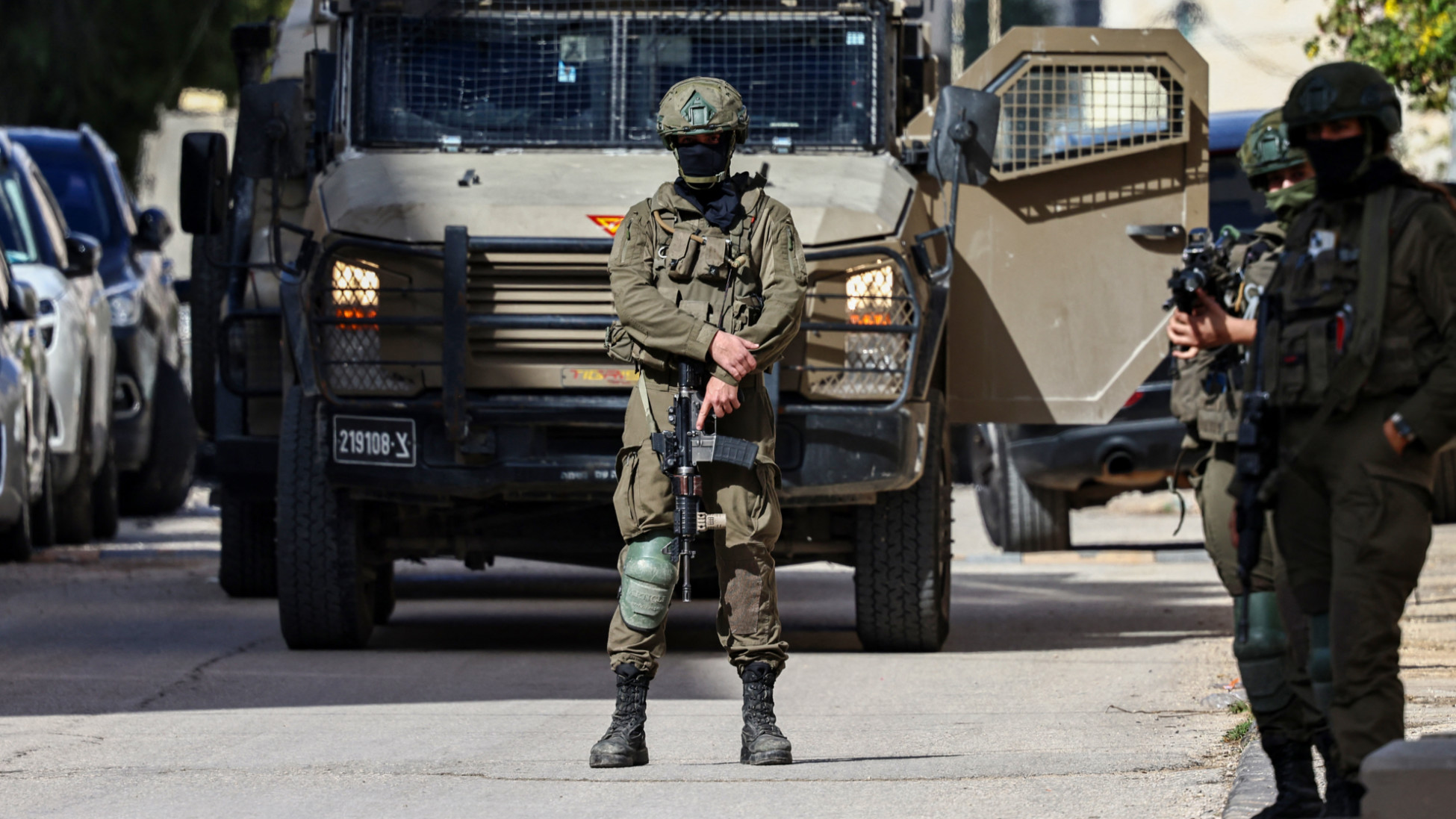
    Israeli military operations in the occupied West Bank resulted in the deaths of two Palestinian youths on Saturday, marking continued violence in the region despite the ongoing ceasefire in Gaza. The incidents occurred near the city of Jenin, with both fatalities involving controversial circumstances that have drawn international scrutiny.

    In the first incident, 16-year-old Rayyan Abu Mualla was fatally shot by Israeli soldiers in Qabatiya, south of Jenin. Palestinian authorities reported that the teenager was killed at close range after allegedly throwing a stone toward military personnel. Circulating video footage appears to show the moment of the shooting as Abu Mualla approached the soldiers. The Israeli military stated in an official communiqué that their forces responded after the youth “threw a brick” in their direction.

    Medical response teams faced significant obstacles during the aftermath, with Palestinian news agency Wafa reporting that Israeli soldiers blocked ambulance crews from reaching the wounded teenager, effectively leaving him to bleed to death. In a further controversial move, Israeli forces subsequently withheld the victim’s body from being returned to his family.

    Separately, in the town of Silat al-Harithiya west of Jenin, Israeli forces conducted a raid that resulted in the death of 22-year-old Ahmad Zyoud. Military officials claimed Zyoud was shot after “hurling an explosive device” toward security personnel during the operation.

    These latest fatalities occur within a broader context of escalating violence across the West Bank since the commencement of Israel’s military campaign in Gaza two years ago. According to statistics compiled from Palestinian health ministry figures by AFP, Israeli troops or settlers have killed more than 1,000 Palestinians in the West Bank since the start of the Gaza conflict.

    Disturbingly, the Palestinian health ministry has documented that 51 Palestinian minors have lost their lives to Israeli forces in the West Bank since January alone. November witnessed particularly severe violence, with the Colonisation and Wall Resistance Commission reporting approximately 2,144 attacks by Israeli forces and settlers against Palestinian civilians and their property—1,523 perpetrated by soldiers and 621 by settlers.

  • 3 killed in Taiwan metro stabbing; police rule out ‘terrorism’

    3 killed in Taiwan metro stabbing; police rule out ‘terrorism’

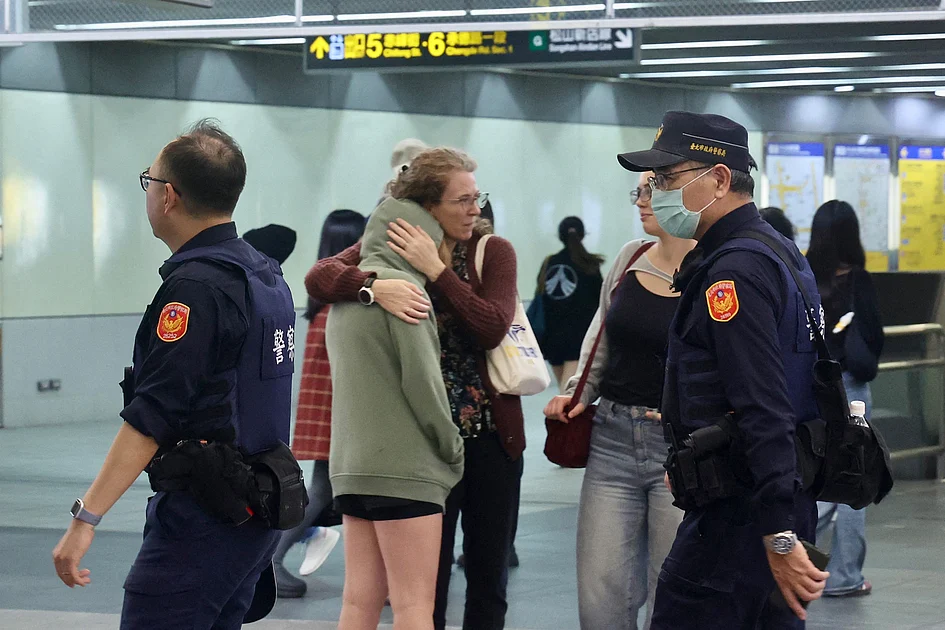
    Taiwanese authorities have confirmed that Friday’s violent stabbing incident at Taipei’s metro system, which resulted in three fatalities and eleven injuries, was not motivated by terrorism. The attack commenced when 27-year-old Chang, identified only by his surname, detonated smoke bombs within Taipei Main Station before embarking on a three-hour stabbing rampage that extended to the Zhongshan shopping district.

    According to an anonymous senior official from the Taipei City Police Department, comprehensive investigation revealed no evidence of political, religious, or ideological motivations behind Chang’s actions. ‘Terrorist attacks have specific defining characteristics that the suspect’s behavior does not satisfy,’ the official stated, emphasizing the preliminary exclusion of terrorism as a motive.

    Police investigation uncovered disturbing evidence on Chang’s personal device, including searches related to ‘random killings’ and historical metro attack methodologies. The suspect, who had been discharged from military service due to alcohol-related offenses, was additionally wanted for failing to report for mandatory reserve training—a legal requirement in Taiwan that carries serious consequences for non-compliance.

    Taipei Mayor Chiang Wan-an confirmed that Chang was found deceased after apparently jumping from a nearby building on the day of the attack. In response to the tragedy, city officials have implemented enhanced security measures, including doubled police presence for the Taipei Marathon and planned high-intensity drills at metro facilities ahead of New Year’s Eve celebrations.

    President Lai Ching-te has called for improved emergency protocols and counter-terrorism preparedness within law enforcement agencies. Meanwhile, Metro Taipei authorities have temporarily closed a Christmas market near Zhongshan station for three days as a memorial gesture to the victims.