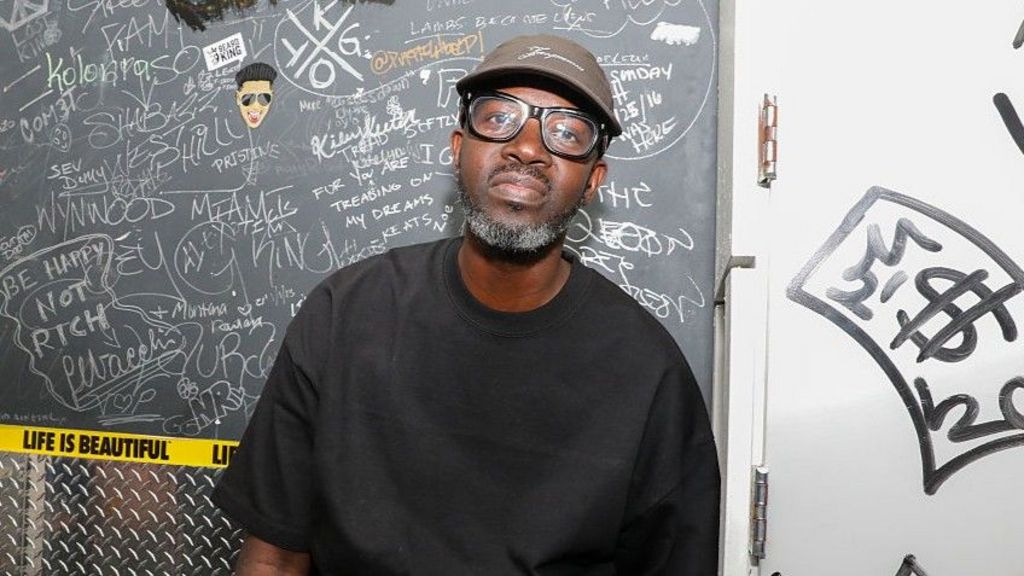
On a sweltering 28-degree Celsius Friday afternoon in London, thousands of music fans have packed the sidewalks outside the O2 Arena, queuing eagerly for a sold-out headline show from one of the world’s most celebrated electronic music talents. Backstage, as a full live orchestra runs through its final rehearsals and a film crew captures every moment for a coming documentary, South African superstar Black Coffee – the Grammy-winning DJ born Nkosinathi Maphumulo – sits calmly preparing for one of the biggest performances of his decades-long career. Fresh off this sold-out London spectacle, he is set to fly directly to Spain to kick off his annual summer residency in Ibiza, a gig that has cemented his status as a mainstay of the global dance scene.\n\nGreeted mid-interview by his special guest for the night, multi-platinum US singer Alicia Keys, Black Coffee smiles and apologizes gently, noting he is keeping her waiting to wrap up the conversation. For the iconic artist, this O2 Arena performance is far more than just another stop on a world tour: it marks the full-circle culmination of a musical journey that first brought him to London’s underground club circuit decades ago.\n\n“I played this venue’s smaller Indigo room years ago, so stepping into the main arena has always been a huge milestone for me,” he shared in the pre-show interview with the BBC. This concert’s production is one of the most ambitious of his career: a three-hour immersive experience billed as *Afropolitan House O2*, pairing his signature deep house beats with the live orchestra, A-list guest performers, and unannounced surprise appearances. Maphumulo notes that London’s long, storied history as a global hub for club culture means audiences here expect a one-of-a-kind experience that cannot be replicated anywhere else. “London’s crowd is punchier, groovier, and the city’s club scene has deep ties to Ibiza’s culture,” he explains. “I had to craft an entirely unique set just for this night.”\n\nBeyond the milestone show, London holds a deeply personal meaning for the DJ: it was the first global city that helped launch his career beyond South Africa’s borders. “One of my earliest breakout singles blew up here,” he recalls. “London was always a core part of my dream. I basically grew up as an artist here.”\n\nBehind his stratospheric global success lies a powerful story of resilience in the face of unthinkable tragedy. In 1990, amid nationwide celebrations following Nelson Mandela’s release from prison, a 20-something Maphumulo was involved in a devastating car crash that claimed two lives and left him with a permanent, disabling injury to his left arm. “That accident completely changed my entire life,” he says. “It was a massive setback, and I was still just a kid who’d always dreamed of being a DJ. But one day I just made the choice: I wasn’t going to stop chasing that dream.”\n\nThat relentless grit turned him into one of the most commercially successful and respected musical exports Africa has ever produced. Even with all his success, however, he remains outspoken about the gaps in support that hold back the next generation of South African artists. “We still haven’t built the sustainable infrastructure to take young artists from zero to a sustainable career,” he argues. “Every artist has to scramble to find their own path right now – some make it, far more don’t. What we need is structured systems that guide emerging talent step by step.”\n\nMaphumulo is equally vocal about redefining how African artists are framed and recognized on the global stage. While the phrase “African excellence” has become a popular celebration of the continent’s rising creative stars, he rejects the limiting label outright. “I don’t like that wording,” he says. “I just want excellence. If we want to be seen as global players, we should show up as global players – not ‘African global players.’” He argues that artists from the African continent no longer need to wait for validation or opportunities from Western institutions in Europe and North America. “Whatever seats we haven’t been offered at the table, we need to build our own tables. We can’t keep waiting for an invitation.”\n\nThat uncompromising philosophy shaped one of the proudest moments of his career: his Grammy Award win. Maphumulo deliberately chose not to enter the award ceremony’s genre categories specifically designated for African or world music, instead opting to compete directly against mainstream international peers in broad, open categories. “That win was very strategic,” he explains. “I wanted to be nominated alongside my peers – the people I tour with, work alongside, travel with. We don’t need a smaller, separate table.” He believes that win marked a critical turning point for African artists, who are increasingly breaking into global markets on equal footing rather than as niche acts. “It may not click for a lot of people right now, but that moment was a landmark for music from the African continent.”\n\nAs the interview wraps up, stage managers call Maphumulo to the wings, the show moments from starting. When the house lights drop, the orchestra weaves lush orchestration around his signature steady beats and vivid, soulful melodies, while large-scale shadow projections dance across a massive circular curtain hanging above the decks. True to his reputation, Black Coffee delivers a performance that lives up to decades of buildup, leaving the sold-out crowd screaming for more.
作者: admin
-

Bordeaux rout Leinster in Champions Cup final and seal a French treble of European titles
On a rainless Saturday at Bilbao’s iconic San Mamés Stadium in northern Spain, French rugby union side Bordeaux Bègles delivered a devastating first-half performance to crush Irish powerhouse Leinster 41-19, claiming the 2024 European Rugby Champions Cup title and cementing France’s total dominance of men’s top-tier European rugby this season. The victory marks the second consecutive Champions Cup crown for a French club, and completes a historic hat-trick of major European titles for French sides in 2024, following France’s Six Nations championship win over Ireland in March and Montpellier’s lopsided 59-26 victory over Ulster in the second-tier Challenge Cup final the previous night. This historic win also extends France’s unprecedented streak to six consecutive European Cup titles, a run of continental dominance that has few parallels in modern rugby. From the opening kickoff, the match took an unexpected turn when Leinster starting wing Tommy O’Brien, who earned a starting nod over Irish international star James Lowe, crossed the try line for an early score to put the Irish side up 7-0. What followed over the next 28 minutes was a masterclass in offensive rugby from Bordeaux, as the French side ran in five converted tries to put the match almost out of reach before the halftime whistle. Scrumhalf and team captain Maxime Lucu got Bordeaux on the board with a sharp sniping try from close range, before breakout star wing Louis Bielle-Biarrey notched two tries, pushing his tournament total to 10 for the campaign. Bielle-Biarrey’s standout form throughout the competition earned him player of the tournament honors, adding to his player of the Six Nations award earned earlier this year, capping a breakout season for the young French talent. Just before the first half wrapped up, Bordeaux put the final nail in the first-half coffin when center Yoram Moefana intercepted a pass from Leinster fly-half Harry Byrne and sprinted the length of the pitch to score, pushing the French lead to a commanding 35-7 at the break. Lucu turned in a player-of-the-final winning performance, orchestrating Bordeaux’s lethal attack and nailing all seven of his kicking attempts, including a long-range penalty from his own half. Even a first-half yellow card for a hair-pulling incident on Leinster lock Joe McCarthy did little to slow Bordeaux; Leinster managed only one try during Lucu’s time in the sin bin, with McCarthy diving over for a score that remained the only Irish points of the opening 40 minutes. Speaking after the match, Bordeaux assistant coach Noel McNamara highlighted the team’s hunger to back up last year’s Champions Cup win, drawing inspiration from golf legend Rory McIlroy to motivate the squad ahead of the knockout rounds. “We spoke about Rory McIlroy in the lead-up to the quarterfinal against Toulouse. Good players win one green jacket, great players win two. We have fantastic players. They made the decision that one Champions Cup is not enough,” McNamara told the BBC. Leinster captain Caelan Doris credited Bordeaux’s dominant first-half display as the difference in the match. “You have to credit Bordeaux. Some of their attack in the first half was incredibly hard to deal with,” Doris told Premier Sports after the full-time whistle. The result extends a painful run of final heartbreak for Leinster, which has now lost five Champions Cup finals since claiming its fourth and most recent European title in 2018, falling once again to the dominant French side that have ruled European club rugby for the past half-decade.
-
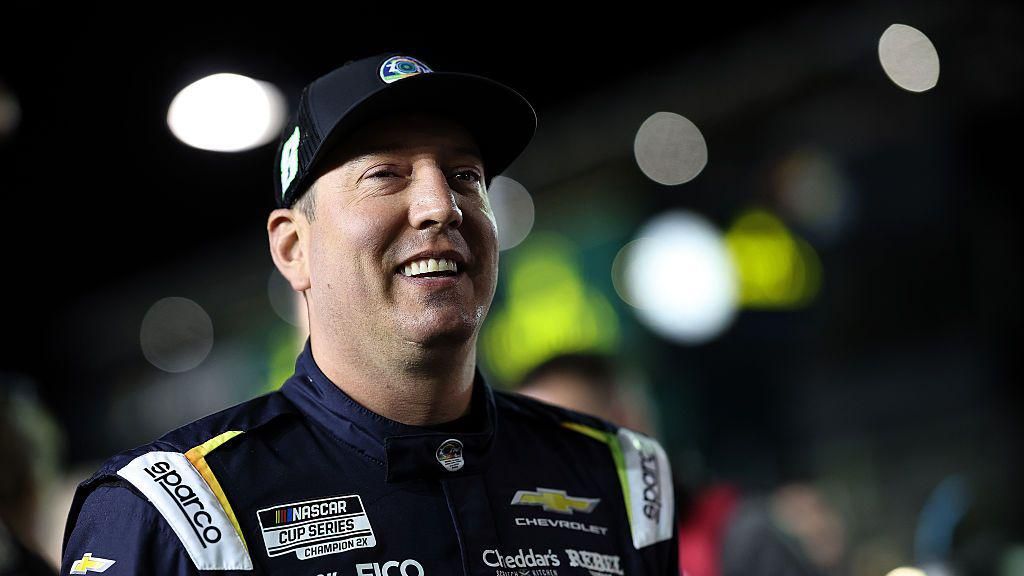
Nascar champion Kyle Busch died of pneumonia and sepsis, family says
Beloved two-time NASCAR Cup Series champion Kyle Busch has passed away at the age of 41, his family confirmed in an official statement shared with sports outlet The Athletic. The racing icon’s death followed a progression from severe pneumonia to sepsis, with the medical outcome triggering rapid, unmanageable organ complications that overwhelmed his body, according to the family’s announcement.
Busch’s sudden passing on Thursday came just days before he was scheduled to compete in the iconic Coca-Cola 600 at North Carolina’s Charlotte Motor Speedway, a race he had been preparing for as part of his 22nd consecutive season competing in NASCAR’s top racing division.
In the wake of the news, NASCAR leadership paid heartfelt tribute to one of the sport’s most recognizable figures. NASCAR CEO Steve O’Donnell described Busch as a generational talent, a rare competitor whose skill and charisma transformed how fans engaged with stock car racing. Over his two-decade career, Busch claimed 63 race victories and two Cup Series championship titles, cementing his place as one of the most successful drivers in modern NASCAR history.
O’Donnell announced that the weekend’s Coca-Cola 600 would proceed as planned, explaining that the decision honored what Busch would have wanted. “Kyle Busch lived just about every chapter of what you could do in NASCAR,” O’Donnell said, remembering the driver as a fiercely competitive racer with a sharp wit and a penchant for memorable, unfiltered interviews. Ahead of the race, local media reported that Busch’s race car and iconic driver number were put on public display at the speedway as a temporary memorial to the late star.
Beyond his achievements on the track, Busch leaves a legacy of charitable work. O’Donnell highlighted the foundation Busch founded alongside his wife, which works to expand awareness of and access to in vitro fertilization (IVF) and infertility treatments for families struggling to conceive. Known for his brash, high-energy racing style, Busch earned the widely loved nickname “Rowdy” among fans and peers, building a larger-than-life public persona that extended far beyond the race track.
-
US military conducts a rapid response exercise at embassy in Venezuela’s capital
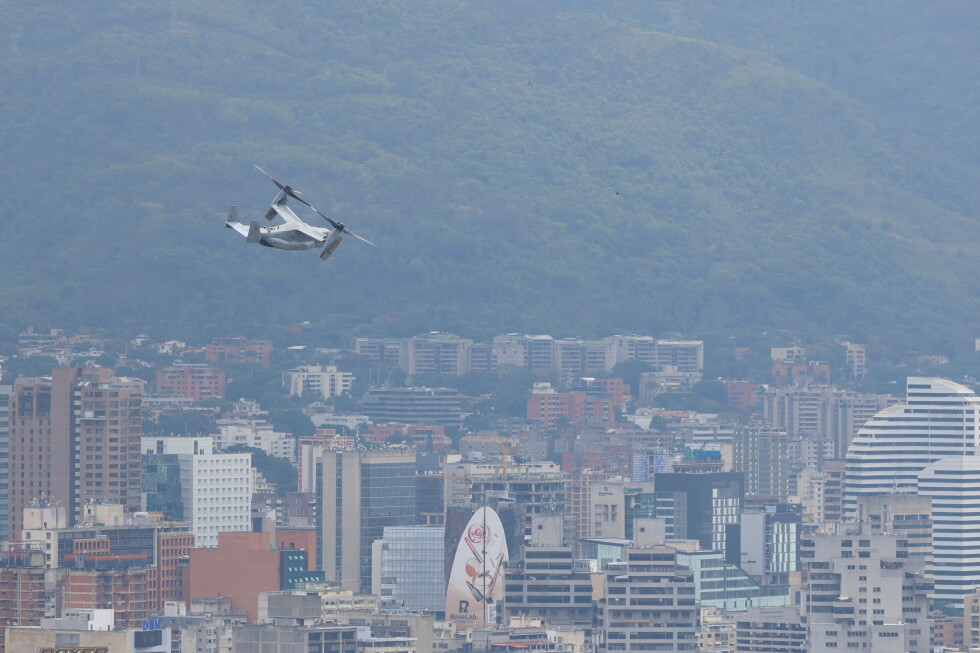
Four months after former Venezuelan President Nicolás Maduro was removed from power, the United States military has carried out a rapid response drills in Venezuela’s capital Caracas, involving Marine Corps personnel and hybrid military aircraft.
The exercise centered on two MV-22 Osprey aircraft — tiltrotor vehicles that combine the vertical takeoff and landing capabilities of a helicopter with the long-range, fuel efficiency of a fixed-wing plane. The aircraft flew over the recently reopened U.S. Embassy in Caracas before touching down in the embassy’s parking lot, where strong downdrafts from their rotors sent tree branches swaying across the area. After landing, uniformed Marine personnel exited the aircraft to complete the exercise’s operational drills.
In a public statement posted to its official Instagram account following the drill, the U.S. Embassy emphasized that maintaining sharp, rapid response military capabilities is a core pillar of operational readiness for U.S. forces, both deployed in Venezuela and across all global U.S. mission locations. Venezuela’s interim government had pre-announced the exercise earlier in the week, with Foreign Minister Yván Gil clarifying that the drill was framed as a preparation to respond to potential medical or large-scale catastrophic emergencies in the capital.
This military exercise comes just two months after the U.S. formally reopened its diplomatic mission in Caracas. The embassy reopening marked the full restoration of bilateral diplomatic ties between Washington and Caracas, a step that followed Maduro’s ouster from office in early January. The last time U.S. military aircraft operated over Caracas was on January 3, when U.S. elite special operations forces rappelled from military helicopters to capture Maduro and his wife. The pair were subsequently extradited to New York to face international drug trafficking charges, and both have entered formal pleas of not guilty to the allegations against them.
The drill drew mixed reactions from local residents on Saturday. Dozens of Caracas locals gathered near the embassy compound to observe the aircraft and exercise activity, while a separate group of several dozen protesters assembled at another location across the city to demonstrate against the U.S. military operation. Protesters carried a large Venezuelan flag emblazoned with the phrase “No to the Yankee drill” to voice their opposition to the deployment of U.S. forces on Venezuelan territory.
-

India’s parody ‘cockroach party’ claims website has been blocked
A satirical Indian political parody movement that has taken social media by storm is facing unexpected digital crackdowns, just days after its official website went live. The Cockroach Janta Party (CJP), which started as an internet joke following a controversial comment from India’s chief justice about unemployed youth, has already accumulated more than 20 million followers across its social media platforms, outpacing the reach of the ruling Bharatiya Janata Party by a wide margin.
The movement traces its origins to a public comment from India’s top judge, who reportedly compared unemployed young people to cockroaches. He later walked back the remark, clarifying that he was targeting only individuals holding fraudulent academic credentials rather than the broader Indian youth population. Even so, the offhand comparison struck a chord with millions of young Indians grappling with systemic unemployment, and the CJP was born as a tongue-in-cheek response.
The parody group deliberately names itself to echo Prime Minister Narendra Modi’s long-ruling Bharatiya Janata Party (BJP), positioning itself as a satirical opposition. Its mission statement, delivered with dry humor, claims it is the voice of “the lazy and unemployed,” with membership requirements that include being constantly active online and having the “ability to rant professionally.” To expand its online reach, CJP has leveraged AI-generated imagery for promotional content and sparked the viral hashtag #MainBhiCockroach, which translates to “I too am a cockroach,” that has spread widely across Indian social media.
Founded by Abhijeet Dipke, a political communications strategist and Boston University graduate student, the movement has grown far beyond a simple joke. Its Instagram account alone boasts more than 22 million followers — more than double the follower count of the official BJP Instagram page. In recent weeks, young supporters have even appeared at public clean-up drives and protest events dressed in full cockroach costumes, turning the online meme into a visible offline movement.
Now, just days after launching its official website, CJP has been hit with widespread digital access restrictions. The site is completely unavailable to users within India, and it appears to be unreachable from other global locations as well. The movement’s official X page, which had accumulated more than 200,000 followers, is also blocked for Indian users, who are shown a notice stating the page has been withheld “in response to a legal demand.” Dipke has also alleged that both his personal Instagram account and the group’s official account have been targeted by hackers.
In a post on his personal X account following the block, Dipke accused Indian officials of deliberately taking down the group’s platform. “They have taken down our iconic website,” he wrote, adding the pointed question: “why are they so scared of cockroaches?” He confirmed that the group, which is not registered as an official political party, is already in the process of building a new online home, closing with a defiant catchphrase: “Cockroaches never die.”
Political analysts say the rapid rise of CJP reflects deep-seated frustration among India’s large youth population. India is home to 1.4 billion people, nearly half of whom are under the age of 30, making it one of the youngest countries in the world. Despite this demographic reality, formal political representation for young people remains limited, and widespread unemployment has left many feeling disenfranchised by mainstream political parties. Dipke previously told the BBC that the movement’s overwhelming popularity is a direct reflection of this widespread discontent, noting that young Indians feel their concerns are being ignored by the country’s established political leadership.
-
Ebola claims more lives, other African countries seen at risk
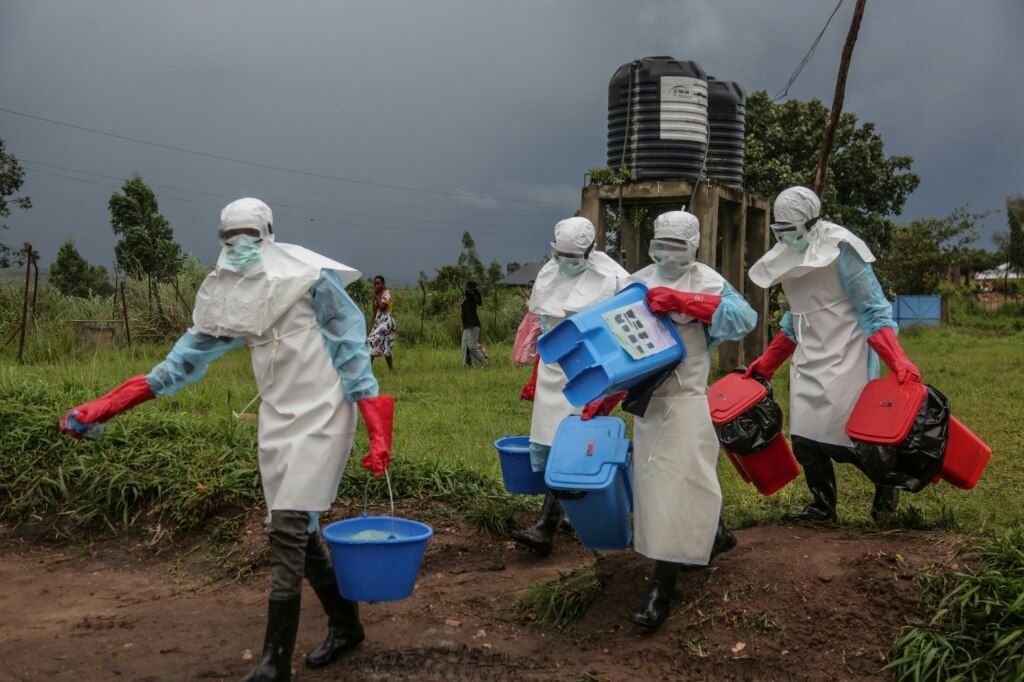
A worsening Ebola outbreak across central Africa has triggered new alarm this week, with Uganda reporting three fresh confirmed cases and the International Federation of Red Cross and Red Crescent Societies (IFRC) announcing three volunteer deaths in the neighboring Democratic Republic of the Congo. Health authorities are now warning that the deadly, highly contagious virus could extend beyond the two most affected nations to reach multiple other countries across the continent, pushing global health bodies to label the outbreak an international public health emergency.\n\nSpeaking over the weekend, Jean Kaseya, director of the Africa Centres for Disease Control and Prevention (Africa CDC), confirmed that 10 additional African nations have been flagged as at immediate risk of transmission: Angola, Burundi, the Central African Republic, the Republic of Congo, Ethiopia, Kenya, Rwanda, South Sudan, Tanzania and Zambia. Kaseya cited two major structural challenges fueling the outbreak’s spread: high cross-border population mobility across the region and widespread persistent insecurity that complicates outbreak response efforts.\n\nThe three new cases confirmed by Ugandan health officials on Saturday bring the east African nation’s total confirmed infections to five since the outbreak was first detected in both Uganda and the DRC on May 15. To date, Uganda has recorded one fatality from the virus, and the three newly confirmed patients – a Ugandan commercial driver, a Ugandan frontline health worker, and a Congolese woman – all remain alive as of Saturday’s update. Contact tracing has linked all three new cases back to initial cross-border infections originating in the DRC: the driver was operating the vehicle that carried the first confirmed Congolese patient into Uganda, the health worker was exposed while treating that infected patient, and the third case is a Congolese woman who crossed into Uganda for travel before returning to the DRC and testing positive.\n\nEbola is a lethal viral hemorrhagic fever that spreads through direct contact with infected bodily fluids, and can progress to severe internal bleeding, multi-organ failure, and death in a large share of untreated cases. The current outbreak is centered in conflict-ravaged eastern DRC, where the virus was first detected in Ituri province before spreading to the neighboring South Kivu region. Updated data from the World Health Organization (WHO), released Friday, puts the DRC’s current outbreak at 82 confirmed cases and seven confirmed deaths, alongside nearly 750 suspected cases and 177 suspected deaths that have yet to be formally verified.\n\nThe three Red Cross volunteers who died were Congolese staff deployed to Ituri for a humanitarian mission unrelated to Ebola response. On March 27, the group was tasked with managing the collection and burial of deceased community members, when the outbreak was still circulating undetected in the region. The IFRC confirmed Saturday that the three volunteers are among the first known fatalities linked to the current outbreak. Since the first recorded Ebola outbreak in 1976, the virus has killed more than 15,000 people across Africa over the past 50 years.\n\nLast Friday, the WHO upgraded the DRC’s national risk level for the outbreak to its highest classification: “very high”, while labeling the regional risk for central Africa “high” and maintaining the global risk classification at “low”. Unlike better-known Ebola strains, the current outbreak is caused by the rare Bundibugyo strain, for which no widely approved vaccines or targeted antiviral treatments are currently available. Outbreak investigators also suspect the virus was spreading undetected across the DRC for weeks before it was formally identified, allowing transmission to accelerate across border areas.\n\nFollowing confirmation of its first two cases, Uganda implemented a full suspension of public cross-border transport with the DRC last Thursday to slow transmission. The outbreak has laid bare the structural challenges of responding to a major epidemic in eastern DRC, a region that has faced decades of persistent conflict controlled by dozens of armed non-state groups. State health and administrative services have been largely absent from rural areas of Ituri for generations, and much of South Kivu is currently controlled by the Rwandan-backed M23 armed group, which has no prior experience managing large-scale public health emergencies like Ebola.\n\nAddressing a joint press conference in Addis Ababa alongside Kaseya, Congolese Health Minister Samuel Roger Kamba framed the outbreak as a shared global and regional responsibility. “This is everyone’s problem,” Kamba said, adding that the Congolese national government requires full territorial control across eastern DRC to implement effective outbreak containment measures and stop the virus from spreading further across the continent.
-
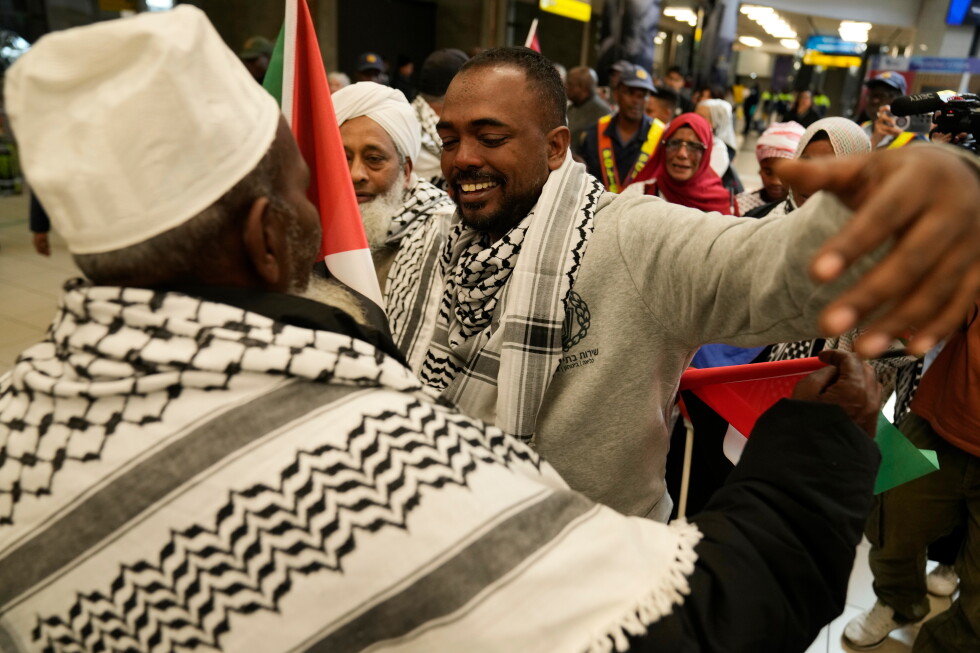
South African Gaza flotilla activists allege they were shocked with electricity in Israeli detention
JOHANNESBURG — After returning to their home countries over the weekend, dozens of international activists who participated in the Global Sumud Flotilla, a mission to break Israel’s years-long blockade on the Gaza Strip and deliver humanitarian aid to Palestinian civilians, have come forward with detailed, harrowing allegations of systemic abuse, beatings and torture at the hands of Israeli soldiers during their detention.
The 50-vessel flotilla was intercepted by Israeli forces this past Monday while sailing in international waters, approximately 400 kilometers off Israel’s Mediterranean coast. All activists on board were taken into custody and transferred to Israel’s K’tziot Prison, where they were held for several days before being released.
Multiple activists have shared consistent accounts of cruel treatment behind bars. Several detainees reported being subjected to electric shock during interrogations focused on their roles in the aid mission. Faizel Moosa, a South African activist and a former anti-apartheid campaigner who endured state detention during the fight against white minority rule, said the abuse he experienced at the hands of Israeli soldiers was far worse than any mistreatment he faced under apartheid.
“We were denied access to clean water for extended periods. The food we were given was unfit for human consumption. We were blocked from using toilets for many hours, and when we protested the inhumane conditions, Israeli forces opened fire on us with rubber bullets,” Moosa explained. “Having lived through detention under the apartheid regime, this treatment was far worse. That tells you everything about what Palestinians endure at the hands of Israel every single day.”
Moosa added that abuse was harsher for activists confirmed to be South African, a reference to South Africa’s landmark case against Israel at the International Court of Justice, where Pretoria has accused Israel of committing acts of genocide in Gaza. The South African delegation’s legal arguments have drawn global attention and broad support from the international community.
Dr. Margaret Connolly, a member of the flotilla’s 15-person Irish contingent and sister of Irish President Catherine Connolly, described conditions in the detention facility as openly dehumanizing, saying she had never experienced fear like it in her life. She told reporters after arriving home to a cheering welcome in Dublin Saturday that some detainees were beaten with rifle butts, while dozens of detainees had their clothing seized and were denied blankets in cold cells, forcing them to huddle together to avoid hypothermia.
Connolly added that Israeli forces confiscated her full medical kit upon intake, preventing her from providing necessary care to injured detainees. When makeshift bandages crafted from bread bags and torn shirt sleeves were created to treat wounds, those were also confiscated by guards. “They intentionally wanted us to suffer,” she said, noting that many of the shouting guards carried American accents and repeatedly taunted detainees, saying “You should have thought of this before you came.”
Connolly also criticized her own government’s policy toward Israel, calling out Dublin’s refusal to implement economic sanctions against the country over its military campaign in Gaza.
Three Chilean activists from the flotilla also returned home Saturday, and they echoed the allegations of abuse while also condemning their own government for failing to act to secure their timely release. Víctor Chanfreau, Claudio Caiozzi and Carolina Eltit were greeted by hundreds of pro-Palestinian supporters waving Palestinian flags at Santiago’s international airport. Eltit described being beaten and held in catastrophic conditions: “We had no toilet paper, one single bathroom for 190 detained people, we were left lying tied hand and foot directly in the burning sun.”
Chanfreau accused the Chilean Foreign Ministry of “negligence” in its diplomatic efforts to secure the group’s release, saying “The Chilean government acted terribly, and this is no surprise.”
South African activist Qutb Hendricks called on Pretoria to ramp up diplomatic and economic pressure on Israel, urging the government to ban all coal exports and other commercial trade with the country in response to the abuse.
Israeli officials have forcefully rejected all allegations of mistreatment, calling the claims “false and entirely without factual basis.” As of Saturday evening, the Israeli government had not issued any further response to the detailed accusations released by the returning activists.
-
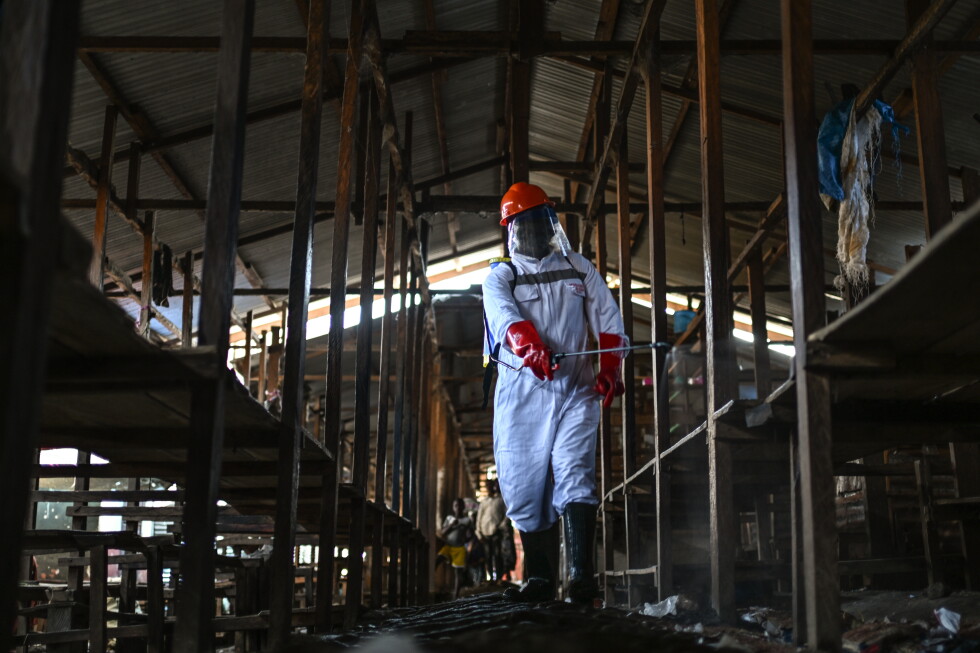
An Ebola treatment tent set ablaze again in eastern Congo with 18 suspected cases escaping
BUNIA, Democratic Republic of Congo — A growing wave of community distrust around the ongoing Bundibugyo Ebola outbreak in eastern Congo has boiled over into a second arson attack on a public health facility in less than a week, triggering a dangerous escape of infected patients and deepening concerns over virus containment efforts. Local hospital director Dr. Richard Lokudi, head of Mongbwalu General Reference Hospital, confirmed to the Associated Press that unidentified assailants targeted an MSF (Doctors Without Borders) isolation tent late Friday. The tent had been purpose-built to house both confirmed and suspected cases of the rare Bundibugyo strain of Ebola, which is currently driving the outbreak centered on the Mongbwalu area.
In the wake of the attack, 18 patients being monitored for possible Ebola infection fled the facility into the surrounding community, a development that public health officials warn drastically elevates transmission risks. “We strongly condemn this act, as it caused panic among the staff of the Mongbwalu Referral Hospital and also resulted in the escape of 18 suspected cases into the community,” Lokudi said. The attack marks the second targeting of Ebola response infrastructure in the region this week: just two days prior, a separate treatment center in nearby Rwampara was burned to the ground by community members after authorities blocked family members from recovering the body of a local man who had died from the virus.
This tension stems from a critical point of conflict between public health guidelines and local cultural practices: Ebola corpses are extremely contagious, and traditional funeral gatherings and body preparation are among the most common pathways for large-scale secondary spread. To curb transmission, authorities manage burials of confirmed and suspected Ebola victims whenever possible, a policy that frequently sparks pushback from grieving family and community members.
As community tensions mount, regional authorities have implemented strict new public health measures to slow the outbreak. On Friday, officials in northeastern Congo announced a ban on funeral wakes and all public gatherings of more than 50 people. The World Health Organization has also upgraded its risk assessment for the outbreak, raising the domestic risk level from “high” to “very high” while noting that the risk of global spread remains low at this stage.
As of Friday, WHO Director-General Tedros Adhanom Ghebreyesus reported that 82 confirmed cases and seven confirmed deaths have been recorded, but he warned that the actual size of the outbreak is far larger than official confirmed counts. Currently, surveillance systems are tracking 750 additional suspected cases and 175 suspected deaths, numbers expected to rise as public health workers expand monitoring across the region.
A unique factor complicating the response to this outbreak is the lack of an approved vaccine for the Bundibugyo strain. The virus spread undetected for weeks across Ituri province after the first recorded death, when initial testing incorrectly targeted the more common Zaire Ebola strain and returned negative results, delaying the activation of a full response. Most recently, the revelation that three International Federation of Red Cross and Red Crescent Societies volunteers died from the virus in Mongbwalu after contracting it during a non-Ebola body management mission on March 27 has pushed back the estimated timeline of the outbreak. Previously, the first confirmed death was dated to late April in Bunia, Ituri’s capital.
Top African public health leaders have emphasized that repairing community trust is a core component of any effective response. “A response to the outbreak must include building trust with communities,” said Dr. Jean Kaseya, director-general of the Africa Centers for Disease Control and Prevention. On Saturday, a burial for Ebola victims in Bunia proceeded only under heavy armed security, a stark indicator of the ongoing friction between response teams and local communities. The Red Cross has confirmed that three of its volunteers have died from the virus linked to this outbreak, marking a major loss for the humanitarian effort working to contain the spread.
-

France bans Israeli security minister Ben Gvir from country
In a significant diplomatic move that amplifies international backlash against a senior Israeli official, France announced Saturday it has imposed an entry ban on Itamar Ben Gvir, Israel’s far-right National Security Minister, over the official’s public mockery of detained humanitarian activists bound for Gaza. French Foreign Minister Jean-Noel Barrot confirmed the ban in a post on X, stating the restriction was imposed immediately in response to Ben Gvir’s “reprehensible actions” toward French and European citizens who participated in the Global Sumud Flotilla, a grassroots humanitarian mission to deliver aid to blockaded Gaza. Alongside Italy, Barrot added, France is calling for the European Union to implement collective sanctions against Ben Gvir, marking a growing push for punitive measures at the bloc level. The trigger for this international outcry came on Wednesday, when Ben Gvir published a widely circulated video documenting the harsh treatment of detained flotilla activists in Israeli custody. The activists were intercepted and seized by Israeli military forces in international waters while attempting to reach the besieged Palestinian territory. The viral clip shows dozens of activists forced to kneel on the ground with their foreheads pressed to the surface and their hands bound behind their backs. Ben Gvir, holding an Israeli flag, can be seen heckling the restrained detainees as he walks among them, with the video captioned “Welcome to Israel”. The video sparked immediate global condemnation, prompting Israel to announce it would begin deporting all detained activists. Thirty-six French citizens were among the hundreds of activists on the flotilla, which marks the latest activist effort to break Israel’s 17-year air, land, and sea blockade of Gaza. Even as Barrot emphasized that France does not endorse the flotilla’s voyage, noting the mission “serves no useful purpose” in his view, he made clear that the mistreatment of French nationals could not go unanswered. “We cannot tolerate French nationals being threatened, intimidated or brutalised in this way, especially by a public official,” Barrot stated. France’s action is not isolated: Spain has joined the call for EU-level sanctions against Ben Gvir, while the United Kingdom summoned Israel’s top diplomat in London to issue a formal protest over what it called the “inflammatory video”. Even within Israel’s own governing coalition, the incident drew rare criticism. Israeli Prime Minister Benjamin Netanyahu acknowledged that Ben Gvir’s handling of the detained activists was “not in line with Israel’s values and norms”, though he has opted to keep the far-right minister in his cabinet, a move that reflects the fragile balance of power in Israel’s current right-wing government. Netanyahu has previously framed the humanitarian aid mission as a “malicious scheme” designed to support Hamas, the de facto governing authority in Gaza. The Global Sumud Flotilla, which departed Turkey last week with roughly 50 vessels carrying hundreds of activists and planned aid shipments, is the second such attempt to breach the Israeli blockade in as many months. A previous flotilla effort was intercepted by Israeli forces in international waters off the coast of Greece last month, with most activists expelled back to European countries. Since 2007, Israel has maintained full control over all land, air, and sea entry points into Gaza, restricting the movement of people and goods into the territory. During the 10-month Gaza war, the already dire humanitarian situation in the enclave has collapsed into catastrophe, with widespread acute food shortages, critical gaps in medical care, and repeated full shutdowns of aid deliveries by Israeli forces. The international community has repeatedly condemned Israel’s restrictions on aid, but this marks one of the first formal punitive actions taken by a major European power against a sitting Israeli cabinet minister over actions related to the Gaza conflict.
-

France bans Israeli minister Itamar Ben-Gvir after ‘unspeakable’ flotilla detainee taunts
In a significant diplomatic rebuke, France announced Saturday that it has issued an entry ban against Itamar Ben-Gvir, Israel’s far-right national security minister, over what French officials call “unspeakable” aggressive behavior toward detained activists from a Gaza-bound aid flotilla.
French Foreign Minister Jean-Noël Barrot confirmed the ban in a public post on the social platform X, stating that the entry prohibition is effective immediately. The measure follows Ben-Gvir’s widely condemned actions against French and European citizens who were among the passengers of the Global Sumud Flotilla, an initiative aimed at challenging Israel’s long-standing naval blockade of the Gaza Strip.
“We cannot tolerate that French nationals can be threatened, intimidated or brutalized in this way — all the more so by a public official,” Barrot wrote, adding that he has called on the European Union to implement collective sanctions against Ben-Gvir. Notably, the French foreign minister also made clear that Paris does not support the flotilla’s direct blockade-breaking approach, noting that the action “produces no useful effect and places an additional burden on diplomatic and consular services.”
The controversy ignited earlier this week when Ben-Gvir publicly shared a series of videos showing his interactions with detained flotilla participants, triggering widespread global outrage. The footage captures Ben-Gvir taunting bound detainees: in one clip, he waves a large Israeli flag over hunched, restrained captives; in another, he shouts the Hebrew phrase “Am Yisrael Chai” (The nation of Israel lives) at a kneeling activist with zip-tied wrists; a third clip shows dozens of detainees forced to lie face-down on the ground in an open-air pen, surrounded by armed guards as the Israeli national anthem plays.
The 50-vessel flotilla was intercepted by Israeli forces in international waters approximately 400 kilometers off Israel’s coast earlier this month, with around 430 activists taken into custody. Detained participants have accused Israeli security personnel of systematic mistreatment, including beatings, the use of tasers, and deployment of attack dogs against the group.
France is not the first democratic country to move against Ben-Gvir over the incident. On Thursday, Poland announced a five-year entry ban against the minister, with Polish Foreign Minister Radek Sikorski noting in a social post that “In the democratic world we do not abuse and gloat over people in custody.” Even within Israel’s own governing coalition, Prime Minister Benjamin Netanyahu joined other foreign leaders in condemning Ben-Gvir’s on-camera conduct toward the detainees.
The Associated Press has reached out to Ben-Gvir’s spokesperson and Netanyahu’s office for comment on the new French ban, and no response has been released publicly as of Saturday. The entry ban comes amid ongoing international scrutiny of Israeli policy toward Gaza and actions by far-right members of the Israeli cabinet, as global actors continue to track stalled negotiations over a ceasefire to end the months-long devastating conflict in the enclave.