作者: admin

  • Greta Thunberg arrested by UK police over support for ‘Palestine Action prisoners’

    Greta Thunberg arrested by UK police over support for ‘Palestine Action prisoners’

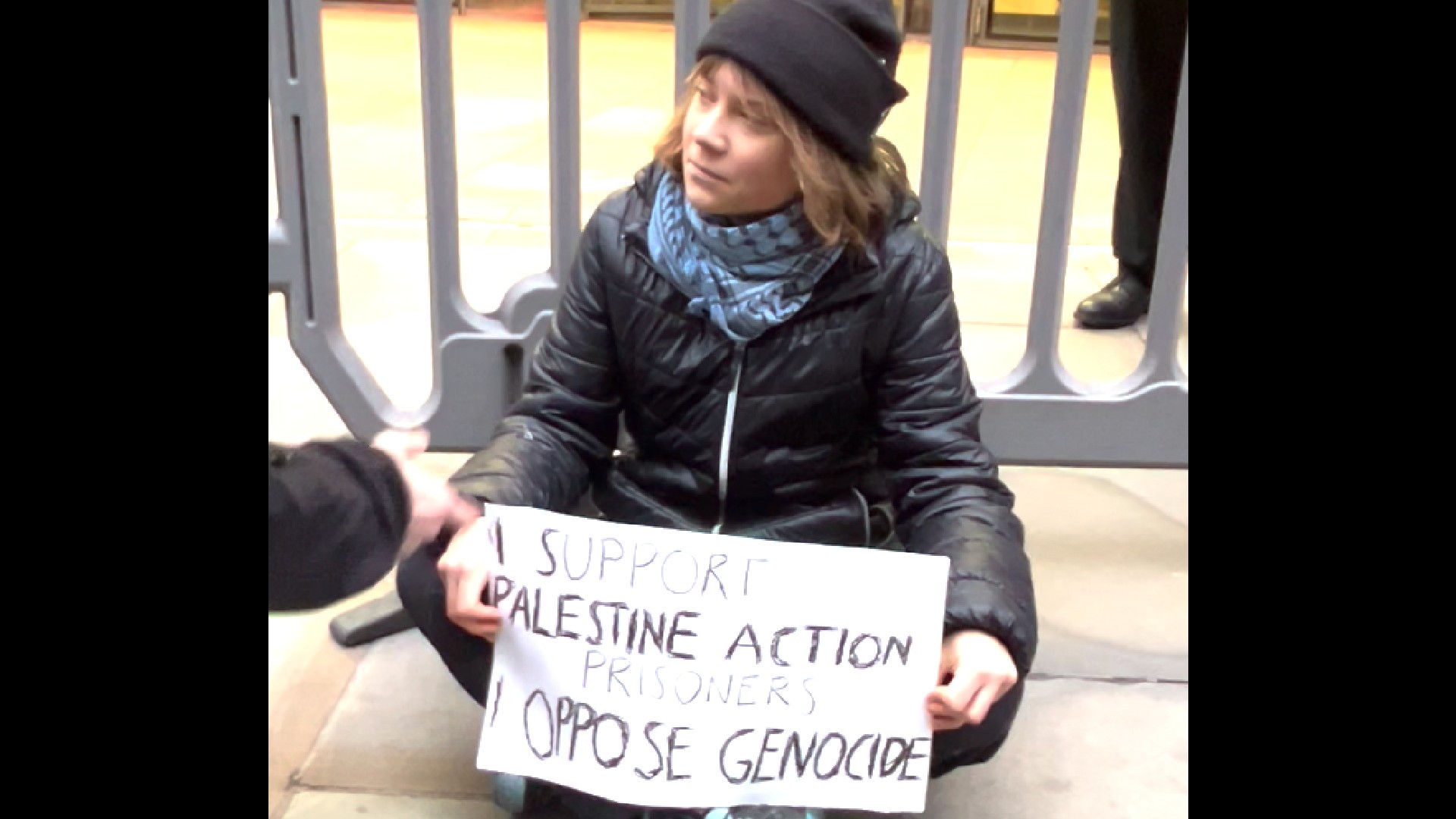
    Swedish environmental campaigner Greta Thunberg was taken into custody by London authorities on Tuesday during a protest demonstration. The arrest occurred outside Aspen Insurance headquarters in the city’s financial district where Thunberg participated in a solidarity action.

    Law enforcement officials confirmed detaining a 22-year-old woman for violating Section 13 of the Terrorism Act 2000 by displaying signage endorsing Palestine Action, an organization banned by the UK government since July. Video evidence from the scene depicts police officers removing a placard from Thunberg that read ‘I support the Palestine Action prisoners. I oppose genocide’ before escorting her to a police vehicle.

    The demonstration specifically targeted Aspen Insurance due to its business connections with Elbit Systems UK, a subsidiary of Israel’s major defense contractor. Protest organizers stated the action simultaneously expressed support for six incarcerated individuals undergoing hunger strikes against the proscription of Palestine Action and their treatment in detention. Two hunger strikers have reportedly reached their 52nd day without food, entering a critically dangerous phase where fatality risks escalate dramatically.

    According to City of London Police, the incident began earlier when activists used hammers and red paint to damage property on Fenchurch Street around 7:00 AM. Two individuals were initially arrested for criminal damage after affixing themselves to structures, requiring specialized removal techniques. Thunberg arrived separately later and was apprehended specifically for her demonstration of support for the proscribed organization.

  • Bangladesh summons Indian envoy as protest erupts in New Delhi

    Bangladesh summons Indian envoy as protest erupts in New Delhi

    Diplomatic relations between Bangladesh and India have deteriorated significantly following the mob lynching of a Hindu garment worker in Dhaka on December 18. The incident, allegedly motivated by blasphemy accusations, has triggered a chain of protests and reciprocal diplomatic measures that have brought bilateral ties to a concerning low.

    In response to growing tensions, Bangladesh’s foreign ministry summoned Indian High Commissioner Pranay Verma on Tuesday to express “grave concern” over recent demonstrations outside Bangladeshi diplomatic facilities. This diplomatic action coincided with fresh protests in New Delhi, where hundreds of demonstrators waving saffron flags gathered near Bangladesh’s High Commission. Protesters from right-wing Vishva Hindu Parishad (VHP) organizations carried banners reading “Stop Killing Hindus in Bangladesh,” with clashes erupting between VHP members and security personnel.

    The underlying tensions stem from broader political turmoil in Bangladesh following the ouster of former Prime Minister Sheikh Hasina, who fled to India amid pro-democracy protests last year. India continues to consider Dhaka’s extradition requests for Hasina, who received a death sentence in absentia for her alleged role in suppressing the uprising.

    The situation further complicated when Sharif Osman Hadi, a parliamentary candidate and vocal India critic, was assassinated in Dhaka this month. Subsequent protests saw arson attacks on buildings perceived as pro-India, including newspaper offices and cultural institutions. In response to stone-throwing incidents at its diplomatic mission in Chattogram, India suspended visa services there, with Bangladesh reciprocating by temporarily suspending visa services in New Delhi.

    International observers, including Russia, have urged both nations to repair relations. Russian Ambassador to Bangladesh Alexander G. Khozin emphasized the urgency of reconciliation, stating “The sooner this happens, the better” in recent comments to the Dhaka Tribune.

  • High-altitude discovery sheds light on early settlers of Qinghai-Tibet Plateau

    High-altitude discovery sheds light on early settlers of Qinghai-Tibet Plateau

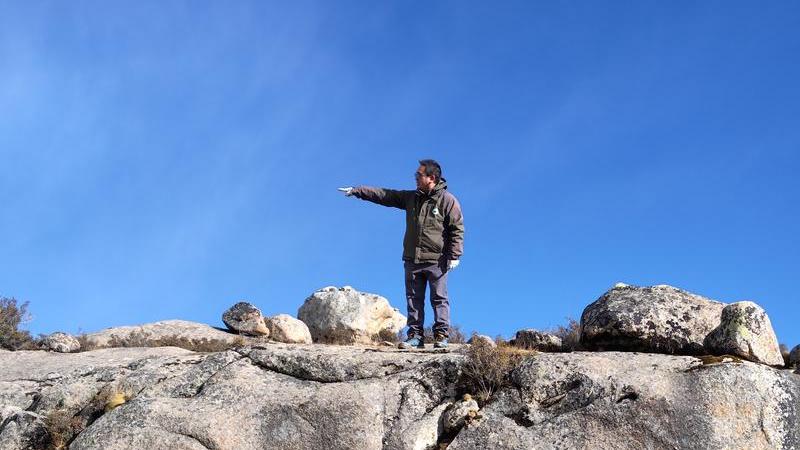
    A groundbreaking archaeological discovery has reshaped our understanding of early human settlement patterns at extreme altitudes. Chinese researchers have unearthed a Paleolithic site dating back approximately 12,000 years near Tsochen Tso Lake in Daocheng county, located within Sichuan Province’s Garze Tibetan Autonomous Prefecture. This remarkable find sits at an elevation exceeding 4,300 meters—the highest-altitude evidence of ancient human activity ever documented on the Qinghai-Tibet Plateau.

    The excavation, led by the Sichuan Provincial Cultural Heritage Administration, has yielded more than 190 meticulously crafted stone artifacts. These tools predominantly consist of small flake implements and microblades, demonstrating sophisticated knapping techniques and precision retouching that produced razor-sharp edges capable of processing animal hides and meat efficiently.

    According to Zheng Zhexuan, head of the excavation team and director of the Paleolithic Archaeology Institute at the Sichuan Provincial Institute of Cultural Relics and Archaeology, this discovery forms a crucial component of the extensive Piluo site complex. This broader archaeological landscape, dating back over 200,000 years with an average altitude of 3,750 meters, represents the earliest, most expansive, and culturally richest known settlement on the plateau.

    “This finding indicates that ancient human communities strategically capitalized on warmer climatic intervals to establish settlements alongside plateau lakes more than ten millennia ago,” Zheng explained. “The site demonstrates characteristics of a repeatedly occupied habitat rather than a temporary campsite, suggesting these early populations had developed sustainable adaptive capabilities for high-altitude environments.”

    Ongoing multidisciplinary research at the Piluo site complex includes detailed chronology studies and environmental archaeology analyses. Scientists are working to reconstruct precise scenarios of daily life for these ancient plateau dwellers, potentially revealing new insights into human resilience and environmental adaptation strategies during the Paleolithic era.

  • The night Abu Dhabi sang as one: Pantheon Development’s ICON Series 
opens with an emotional masterstroke

    The night Abu Dhabi sang as one: Pantheon Development’s ICON Series opens with an emotional masterstroke

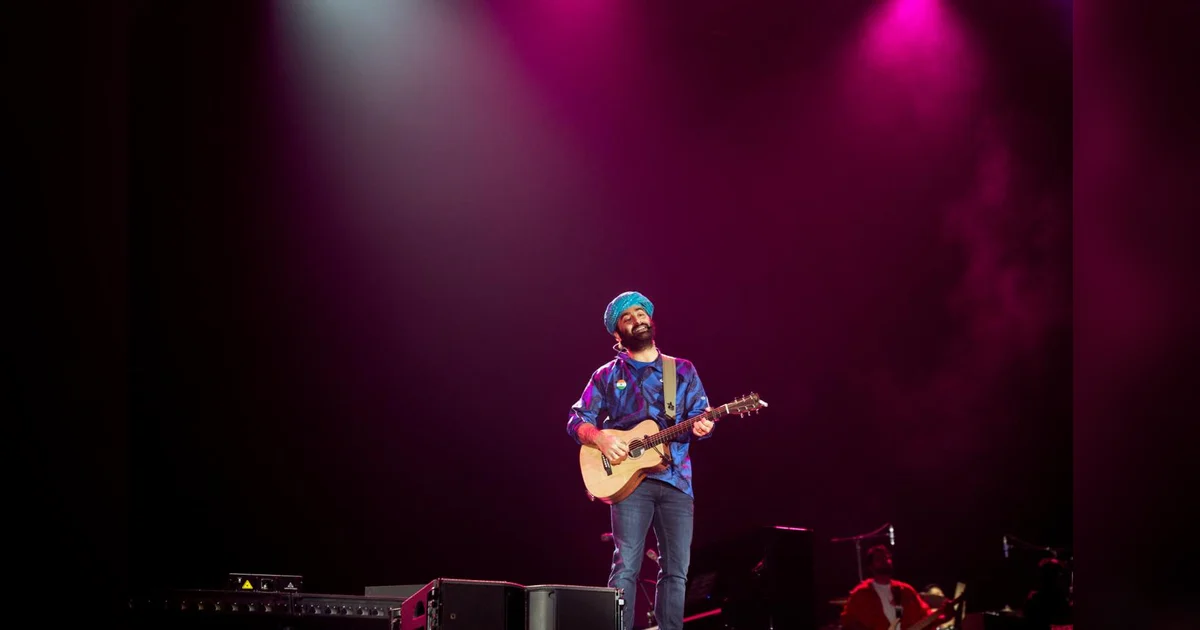
    Abu Dhabi’s Etihad Arena underwent a remarkable transformation on December 19th, 2025, evolving from a conventional performance venue into a profound cross-cultural gathering space during the inaugural event of Pantheon Development’s ICON Series. The historic occasion featured legendary playback singer Arijit Singh, yet the true significance extended far beyond musical performance alone.

    The evening represented a strategic cultural initiative by Pantheon Development, a prominent UAE real estate entity known for shaping physical infrastructures, now expanding into community-building through emotional experiences. The concert attracted an exceptionally diverse audience spanning generations, cultural backgrounds, and nationalities, all united through shared emotional connection to music that transcended linguistic barriers.

    Founder Kalpesh Kinariwala articulated the vision behind ICON Series, stating: ‘Our objective extends beyond mere entertainment programming. We recognize that authentic cultural experiences forge stronger communities, and ultimately, these communities constitute the soul of cities. Witnessing families and complete strangers singing collectively in emotional harmony confirmed the essential purpose of this initiative.’

    The event demonstrated several noteworthy phenomena: audience members progressively lowered mobile devices to immerse completely in the moment, spontaneous emotional exchanges occurred between strangers during musical peaks, and multiple generations experienced the same melodies through different personal contexts yet shared identical emotional resonance.

    This successful debut establishes Pantheon’s ICON Series as a significant addition to the UAE’s cultural landscape, highlighting the nation’s evolving role not merely as a host for international performances but as a genuine convergence point for global emotional connection. The event proved that large-scale productions can simultaneously maintain profound intimacy, and that audiences within the UAE increasingly seek meaningful emotional engagement alongside spectacular production values.

  • UAE: Nearly 30% divorces happen within first year of marriage; experts stress need for intervention

    UAE: Nearly 30% divorces happen within first year of marriage; experts stress need for intervention

    Recent statistical findings from the UAE Ministry of Justice have uncovered a concerning pattern in marital dissolution, with approximately 30% of all divorces occurring within the initial year of marriage. This revelation has prompted urgent discussions among mental health professionals, family counselors, and social experts regarding the underlying causes and necessary interventions.

    According to comprehensive data collected from federal courts across Sharjah, Ajman, Fujairah, and Umm Al Quwain between 2020 and 2024, authorities documented 2,857 divorce cases. Among these, 851 separations—representing nearly one-third of all marital dissolutions—transpired within the first twelve months of marriage.

    The statistics demonstrate that early marital breakdown affects diverse demographic groups. Of the 851 first-year divorce cases, 396 involved Emirati couples, while 627 cases featured Emirati husbands, and 17 cases involved Emirati wives married to non-Emirati spouses. Geographical analysis reveals Sharjah recorded the highest incidence with 217 cases, followed by Ajman (167), Fujairah (67), and Umm Al Quwain (22).

    Mental health specialists identify several critical factors contributing to this trend. Hiba Salem, Psychologist and Adult & Families Specialist at Sage Clinics, emphasizes that many couples enter marriage with unrealistic expectations shaped by social media narratives and cultural pressures. “The surge in early divorces often stems from a profound discrepancy between expectation and reality,” she explains.

    Dr. Amal Salem Basohaib, an internationally certified coach in family relations, corroborates this assessment, noting that inadequate communication skills represent one of the most prominent causes of early divorce. Conflicts regarding housing arrangements, financial management, and role expectations frequently escalate due to couples’ inability to engage in constructive dialogue.

    The first year of marriage constitutes a period of intense psychological adjustment where couples must integrate different routines, financial philosophies, and core values. In the UAE’s high-pressure environment, additional stressors including expatriate pressures and absent traditional support networks further complicate this critical phase.

    Experts unanimously advocate for enhanced premarital counseling programs as preventive intervention. Such counseling serves as both diagnostic tool and educational resource, helping couples identify communication styles, anticipate conflict patterns, and establish boundaries with extended families. Specialists also highlight the detrimental impact of social media, which fosters unrealistic comparisons, raises emotional and material expectations, and violates relationship privacy.

    Mental health professionals call for cultural recalibration regarding marital expectations, emphasizing that successful marriages require continuous effort rather than representing an effortless destination. They recommend destigmatizing couples therapy and expanding psychoeducational programs focused on emotional intelligence and conflict resolution to address this growing societal challenge.

  • Approved private vehicles now permitted direct access to Hong Kong

    Approved private vehicles now permitted direct access to Hong Kong

    In a transformative move for regional integration, private vehicles from Guangdong province gained direct access to Hong Kong’s urban centers for the first time on Tuesday. The landmark policy expansion took effect at midnight, with a Guangdong-licensed car passing through the Zhuhai port of the Hong Kong–Zhuhai–Macao Bridge immediately after the policy implementation.

    The historic passage followed streamlined temperature screening and identity verification procedures, with automated systems granting clearance in seconds. This development represents the second phase of a carefully orchestrated initiative that began on November 15th, when approved vehicles were initially permitted to cross the bridge but required parking at the Hong Kong port’s automated facility.

    Bridge authorities reported significant preparatory work, having processed over 380 Guangdong-registered vehicles by 8 pm on Monday alone. Customs official Lin Jin detailed substantial infrastructure upgrades, including the establishment of five dedicated clearance lanes in each direction and implementation of a sophisticated data-sharing system that enables automatic verification of vehicle registration information.

    The policy delivers tangible benefits to cross-border commuters like Mr. Peng, a Zhuhai restaurateur with Hong Kong business partners. ‘Previously, I had to transfer to buses which was time-consuming,’ Peng remarked after becoming among the first to utilize the new access. ‘Now I can drive directly while completing customs procedures online.’

    Simultaneously, northbound traffic has shown remarkable growth, with Hong Kong and Macao vehicles entering the mainland via the bridge increasing by 25.4% year-on-year since January, indicating robust two-way integration within the Greater Bay Area framework.

  • Samsung Galaxy Z TriFold sells out in UAE: What’s the next phone to watch out for?

    Samsung Galaxy Z TriFold sells out in UAE: What’s the next phone to watch out for?

    Samsung’s groundbreaking Galaxy Z TriFold has achieved a remarkable sell-out success in the United Arab Emirates, with all 500 allocated units disappearing within minutes of launch. This limited-edition device, available in only five select global markets, has demonstrated the UAE’s position as a premier market for cutting-edge technology adoption.

    The TriFold represents Samsung’s most ambitious foldable innovation to date, featuring a revolutionary 10-inch Dynamic AMOLED 2X tri-fold display, the powerful Snapdragon 8 Elite for Galaxy processor, and an advanced 200 MP camera system. Its integrated Galaxy AI capabilities are specifically engineered for enhanced multitasking and creative applications, positioning the device as a premium productivity tool.

    With the TriFold already unavailable, market attention is rapidly transitioning to Samsung’s upcoming smartphone releases. Industry reports indicate the company is preparing for its February Galaxy Unpacked event in San Francisco, where the Galaxy S26 series is expected to debut. Originally planned to include multiple variants, Samsung has reportedly streamlined its strategy following mixed market performance of previous models.

    The much-anticipated Galaxy S26 Ultra now emerges as the next significant release, with Samsung having reportedly abandoned both the Edge concept due to disappointing S25 Edge sales and a Pro model over pricing competitiveness concerns. This strategic refinement comes as Apple maintains its entry-level pricing structure for the iPhone 17, creating intensified competition in the premium smartphone segment.

    The instantaneous sell-out phenomenon underscores the robust consumer appetite for innovative premium technology in the UAE market, establishing the region as a critical testing ground for advanced mobile devices and reinforcing Samsung’s position in the high-end foldable market segment.

  • Trump’s Fed chair choice could stoke stagflation risks

    Trump’s Fed chair choice could stoke stagflation risks

    President Donald Trump’s impending nomination for the next Federal Reserve chair has ignited concerns about potential political interference in monetary policy. In a recent Wall Street Journal interview, Trump indicated his selection process is nearing completion, with this decision carrying significant implications for financial markets and consumers grappling with persistent inflation.

    The president’s contentious relationship with current Fed Chair Jerome Powell has characterized his administration’s approach to central banking. Despite appointing Powell in 2018, Trump repeatedly criticized his leadership, recently labeling him a ‘clown’ with ‘mental problems’ and expressing desire to dismiss him. Legal protections have prevented Powell’s removal without demonstrated cause, compelling Trump to await the conclusion of his term.

    Trump’s dissatisfaction stems from his belief that presidential consultation should guide interest rate decisions. With Americans facing mounting affordability pressures, the president seeks a chair willing to implement immediate rate reductions despite potential long-term inflationary consequences. This stance contradicts established economic principles favoring central bank independence to shield monetary policy from political cycles.

    Historical precedent offers a cautionary tale: President Richard Nixon’s 1970 appointment of Arthur Burns, who acquiesced to presidential pressure for lower rates, contributed to 1970s stagflation featuring 11% inflation and 8.5% unemployment. This crisis ultimately required Paul Volcker’s drastic 19% interest rates in 1980—the ‘Volcker Shock’—to restore price stability at substantial economic cost.

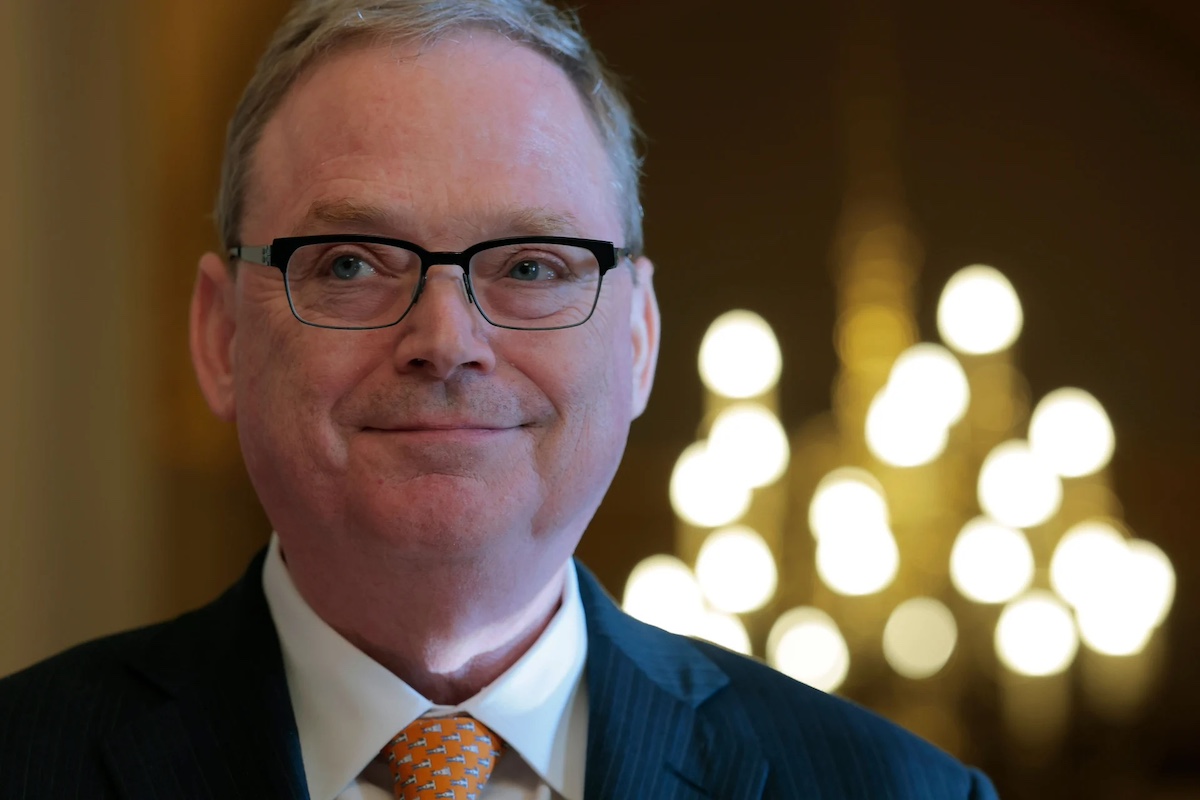
    Among potential nominees, Kevin Hassett emerges as frontrunner given his alignment with Trump’s preference for lower rates and previous service as National Economic Council director. Alternative candidate Kevin Warsh, initially perceived as an inflation hawk, reportedly gained traction after assuring Trump of shared objectives.

    The selection transcends domestic politics, representing a critical test for institutional independence amid executive power consolidation. Global markets and consumers remain apprehensive as Trump’s decision could determine whether economic stewardship prioritizes short-term political gains or long-term stability, with potential stagflation risks evoking historical economic turmoil.

  • UAE: Scientist-astronaut wants to make ‘space travel as normal as flying’

    UAE: Scientist-astronaut wants to make ‘space travel as normal as flying’

    A revolutionary vision to transform space travel into an experience as routine as commercial aviation is being spearheaded by scientist-astronaut and philanthropist Malik (Mac) Malkawi through his Abu Dhabi-based organization, Borderless Labs Inc (Blinc). Founded in 2015, Blinc has evolved from its initial philanthropic mission of providing STEAM education to refugee camps into a comprehensive space initiative focusing on astronaut training, human spaceflight experiences, and educational outreach.

    Malkawi draws a direct parallel between the current state of space travel and the early days of aviation. “Our job is to make astronautics and space the new aviation,” he stated in an interview with Khaleej Times, referencing how air travel transitioned from an exclusive luxury to commonplace transportation. This vision gains credibility following Virgin Galactic’s successful first commercial suborbital flight in June 2023, which reached 80 kilometers above ground.

    The economic landscape supports this ambitious goal. According to the Space Foundation, the global space economy generated $570 billion in revenues in 2023, with commercial activities accounting for nearly 80% of industry operations. PricewaterhouseCoopers projects this could expand to approximately $2 trillion by 2040.

    Blinc’s comprehensive training program includes G-force aerobatic flights conducted in partnership with ActionFlight Ras Al Khaimah, simulating the physical forces astronauts endure during launch and re-entry. Participants experience up to 4.5 Gs, temporarily making the body feel several times heavier than its actual weight—a critical preparation for space conditions.

    The UAE’s unique advantages make it an ideal hub for this initiative. Malkawi highlights the country’s leadership vision, advanced infrastructure, and particularly its geological attributes. Certain UAE soil types prove superior to traditional NASA training grounds in Arizona for planetary geology preparation, attracting former NASA leadership and astronauts to explore training opportunities in the region.

    Blinc plans to operate across multiple emirates: classrooms in Abu Dhabi, analog astronaut experiences in Sharjah, underwater spacesuit simulations in Dubai, and aviation training in Ras Al Khaimah, creating a comprehensive ecosystem for space accessibility and education.

  • Saudi: Prophet’s Mosque muezzin passes away after 25 years of calling people to prayer

    Saudi: Prophet’s Mosque muezzin passes away after 25 years of calling people to prayer

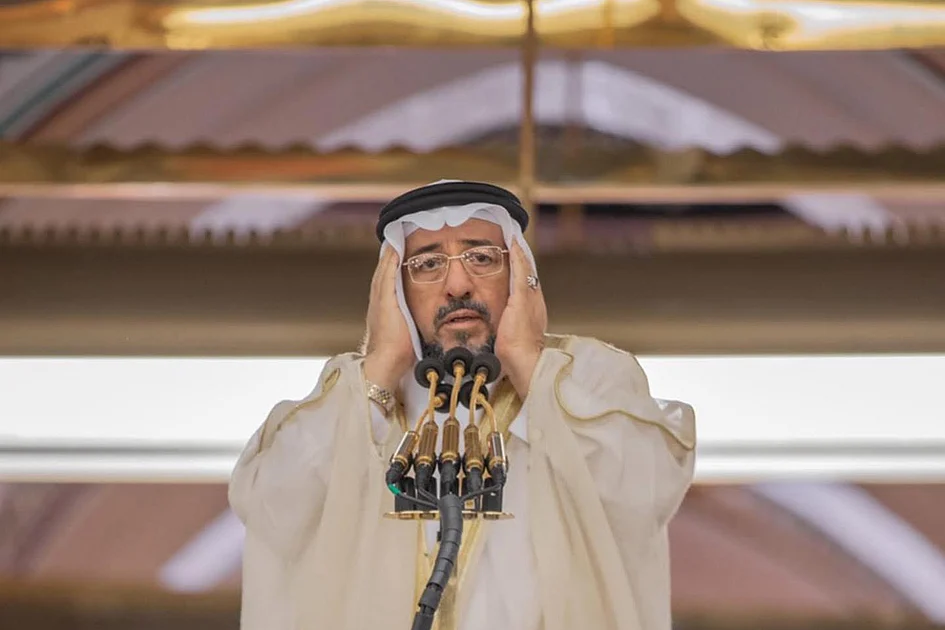
    The Islamic world mourns the passing of Sheikh Faisal Nouman, the esteemed muezzin of Masjid An-Nabawi (The Prophet’s Mosque) in Medina, who concluded his 25-year tenure of calling worshippers to prayer. The revered voice behind the adhan (Islamic call to prayer) breathed his last on December 23, 2025, leaving behind a legacy spanning multiple generations of religious service.

    Sheikh Nouman, originally appointed in 2001, was laid to rest at Medina’s historic Al-Baqi Cemetery—the oldest Islamic burial ground and final resting place for numerous early Muslims including Prophet Muhammad’s family members and companions. The mosque administration commemorated his dedication by sharing his final adhan from November 2, 2025, capturing his last sacred invocation.

    The late muezzin belonged to an extraordinary family tradition of religious service. His grandfather previously served as a muezzin at the same mosque, while his father remarkably assumed the role at age 14 and continued for decades until passing away in his nineties. This multi-generational commitment to sacred vocal ministry represents a rare continuum in Islamic religious practice.

    The passing of Sheikh Nouman follows another significant religious transition in Saudi Arabia this year, with the appointment of Sheikh Dr. Saleh bin Fawzan bin Abdullah Al-Fawzan as the new Grand Mufti following the demise of the previous religious leader. These changes mark a period of transition within Saudi Arabia’s religious leadership while highlighting the enduring cultural and spiritual significance of traditional roles in Islamic worship.

    The shared recording of Sheikh Nouman’s final adhan has circulated widely across social media platforms, drawing global condolences from the Muslim community and honoring a voice that guided millions in daily prayer for a quarter century.