作者: admin

  • Pakistani PM meets US JD Vance: statement

    Pakistani PM meets US JD Vance: statement

    ISLAMABAD, April 11, 2026 – A high-stakes diplomatic push to de-escalate soaring tensions in the Middle East moved through Pakistan’s capital on Saturday, as US Vice President JD Vance held a formal meeting with Pakistani Prime Minister Shehbaz Sharif, according to an official statement released by the Prime Minister’s Office.

    Vance touched down in Islamabad Saturday to participate in newly arranged talks with an Iranian delegation, a diplomatic initiative aimed at ending the recent wave of armed hostilities that have roiled the broader Middle East region. The gathering marks a significant step in international efforts to open a diplomatic pathway out of escalating conflict, with Pakistan stepping in to host the critical negotiations.

    During his meeting with Vance, Prime Minister Sharif praised both negotiating teams for their willingness to enter dialogue in good faith, and offered a forward-looking message on the potential of these talks to deliver long-term stability. He emphasized that the discussions represent a critical opening to build momentum toward lasting, durable peace across the Middle East.

    Sharif made clear Pakistan’s continued commitment to the diplomatic process, reiterating that the country stands ready to keep supporting both the US and Iranian delegations as they work toward tangible progress on sustainable regional peace. Just hours before his meeting with Vance, the Pakistani prime minister had already held separate talks with the Iranian delegation, which arrived in Islamabad earlier the same day to prepare for the negotiations.

    The talks in Islamabad come as the international community has grown increasingly alarmed by recent hostilities in the Middle East, pushing regional and global powers to pursue urgent diplomatic intervention to prevent further escalation. Pakistan’s role as host and facilitator underscores its position as a key stakeholder in regional stability and a neutral party willing to bridge divides between negotiating sides.

  • Knifeman calling himself ‘Lucifer’ slashes three at NYC’s Grand Central

    Knifeman calling himself ‘Lucifer’ slashes three at NYC’s Grand Central

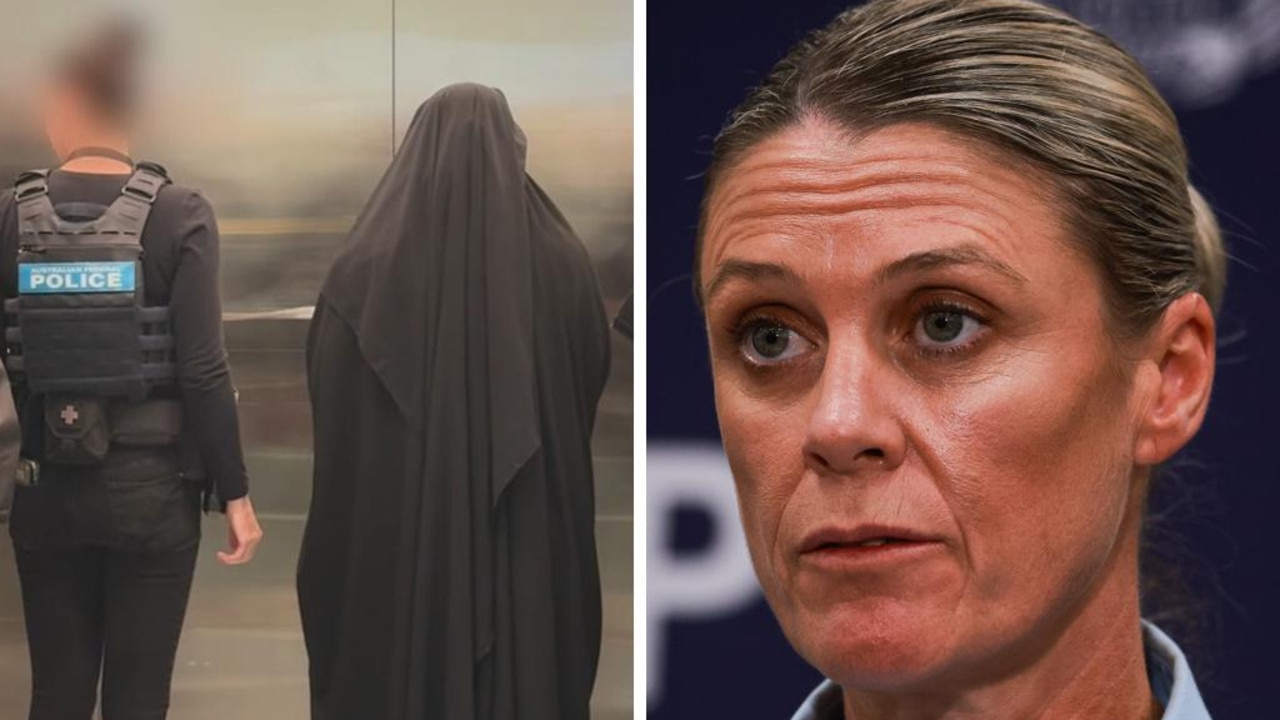
    A violent, unprovoked attack at one of the United States’ busiest transportation hubs left three people injured and the assailant dead on a recent Saturday morning, sending shockwaves through New York City’s transit system and prompting a major law enforcement response. The incident, which unfolded across two platforms at New York’s iconic Grand Central-42 Street subway station, forced service disruptions for thousands of commuters and drew swift comment from top city and state officials.

    According to official statements from the New York Police Department (NYPD), the attacker — identified as 44-year-old Anthony Griffin — entered the city’s subway network at the Vernon Boulevard–Jackson Avenue station in Queens early that morning. He traveled aboard the 7 train east into Manhattan, disembarking at Grand Central, the country’s largest rail hub, before launching his attack. NYPD Police Commissioner Jessica Tisch shared details of the rampage at a press briefing shortly after the incident, confirming that Griffin first stabbed one passenger on the initial platform before moving upstairs to a second platform, where he attacked two more people.

    The three victims, all older adults, suffered serious but non-life-threatening injuries: an 84-year-old man sustained deep lacerations to his head and face, a 65-year-old man suffered matching cuts alongside an open skull fracture, and a 70-year-old woman was left with cut wounds to her shoulder. All three were quickly transported to local medical facilities for treatment.

    Two transit officers who were already in the area were alerted to the attack at 9:40 a.m. Eastern Daylight Time, and arrived on scene within minutes to confront the attacker. Tisch confirmed that Griffin was carrying a large machete recovered by investigators at the scene, was acting in an extremely erratic manner, and repeatedly told responding officers he was Lucifer. Even after officers issued more than 20 separate verbal demands for him to drop his weapon, Griffin refused to comply and advanced toward the officers with the blade extended. One officer opened fire, striking the suspect twice. First responders administered emergency life-saving care at the scene before transporting Griffin to Bellevue Hospital, where he was pronounced dead.

    In the wake of the attack, NYPD urged local residents and commuters to avoid the Grand Central area while investigators processed the crime scene, leading to temporary service diversions for trains passing through the major transit hub. Officials later confirmed that Griffin had three prior arrests on his record, but had no documented history of being flagged as an Emotionally Disturbed Person (EDP) in NYPD records. City officials also announced plans to release full body camera footage of the entire incident to the public as the investigation moves forward.

    New York Governor Kathy Hochul issued a formal statement condemning the attack, calling it a “senseless act of violence” targeting innocent members of the public. She also praised the quick action of responding officers, saying “I’m grateful to our brave officers who acted quickly to stop the suspect.” New York Mayor Zohran Mamdani echoed that praise, commending law enforcement for their rapid response that prevented additional violence from occurring. “Our officers put themselves in harm’s way to protect New Yorkers, and their quick thinking likely saved more lives,” Mamdani’s statement read, confirming the upcoming release of body camera footage to maintain transparency with the public.

  • In fiery speech, Pope Leo says ‘Enough to war!’

    In fiery speech, Pope Leo says ‘Enough to war!’

    In one of the most forceful addresses of his early papacy, Pope Leo used a global peace prayer vigil at Vatican City’s St. Peter’s Basilica on Saturday to issue a searing condemnation of warmongering and an urgent call for global unity around dialogue. The 70-year-old American pontiff, elected to the papacy last May following the passing of Pope Francis, has emerged as a prominent voice against the rising tide of armed conflict across the globe, most recently doubling down on his criticism just one day prior, when he decried the “senseless and inhuman violence” roiling the Holy Land.

    Speaking to gathered worshippers and a global audience of more than 1.4 billion Catholics, Pope Leo did not name specific politicians or nation states, a consistent practice in his public remarks, but his words landed as a sharp rebuke to global leaders pursuing military escalation. In characteristically measured but impassioned tones, he laid bare the human cost of unending conflict, painting a stark portrait of a world “where there never seem to be enough graves, for people continue to crucify one another and eliminate life, with no regard to justice and mercy.”

    “Enough of the idolatry of self and money! Enough of the display of power! Enough of war! True strength is shown in serving life,” the pontiff implored. Directing his message first to global heads of state, he urged an immediate end to hostilities and a return to diplomatic negotiation: “To them we cry out: Stop! It is time for peace! Sit at the table of dialogue and mediation, not at the table where rearmament is planned and deadly actions are decided!”

    Beyond national leaders, Pope Leo extended responsibility for building peace to ordinary people across the world, calling on the “immense multitude” that rejects war to cultivate a culture of peace in everyday spaces: homes, schools, neighborhoods, and both civil and religious communities. He framed this grassroots work as a counter to what he called the “delusion of omnipotence” that has grown increasingly aggressive and unpredictable across the global stage.

    “A Kingdom that counters polemics and resignation through friendship and a culture of encounter. Let us believe once again in love, moderation and good politics,” he said, describing the Kingdom of God as a bulwark against the dehumanizing forces of war: “It also is a place with ‘no sword, no drone, no vengeance, no trivialisation of evil, no unjust profit, but only dignity, understanding and forgiveness.’”

    Known as a moderate bridge-builder since his election, Pope Leo has repeatedly pushed for de-escalation in ongoing conflicts, most notably the U.S.-Israeli campaign against Iran, where he has consistently emphasized that a diplomatic solution is the only sustainable path forward. Saturday’s vigil marked one of his most passionate public entreaties to date, as he called on billions of people worldwide to reclaim shared values of compassion and cooperation in what he described as a “dramatic hour in history.”

  • London police arrest more than 200 at protest backing banned group Palestine Action

    London police arrest more than 200 at protest backing banned group Palestine Action

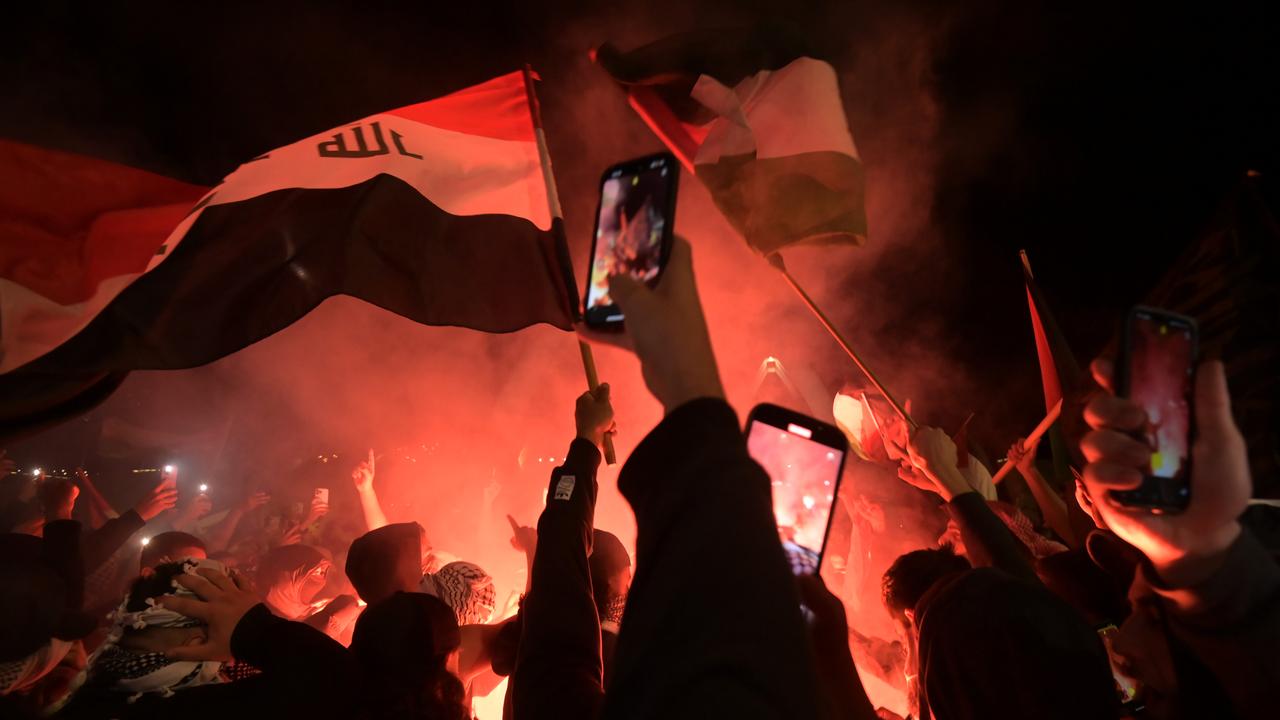
    LONDON – A mass demonstration against the UK government’s controversial classification of the protest group Palestine Action as a terrorist organization ended with over 200 people taken into custody by London’s Metropolitan Police on Saturday.

    Law enforcement confirmed that 212 protesters, ranging in age from 27 to 82 years old, were detained on charges of supporting an outlawed proscribed group. The demonstration was organized by Defend Our Juries, a grassroots group that had been publicly warned ahead of time by police that any participation in support of Palestine Action would lead to arrest. Hundreds of demonstrators converged on central London’s iconic Trafalgar Square, many carrying handmade placards reading statements such as “I oppose genocide. I support Palestine Action” to signal their solidarity with the banned group.

    The legal battle over the government’s ban has been fraught with tension since February, when Britain’s High Court ruled that the Home Office’s decision to designate Palestine Action as a terrorist organization was unlawful. Despite the ruling, the ban remained in effect while the government pursues an appeal to the higher courts, creating a confusing legal landscape that left protesters vulnerable to arrest despite the original ruling against the ban.

    Among the high-profile participants was Robert Del Naja, a founding member of the renowned British trip-hop collective Massive Attack. Del Naja told reporters he chose to openly hold a pro-Palestine Action sign despite the clear risk of arrest, which could impact his ability to cross international borders for work and travel. “I thought this is ridiculous and then the police making that U-turn to arrest people again, I thought that is even more ridiculous,” he said, explaining his decision to participate. “So I’m going to hold a sign today.”

    As officers led detained protesters away to waiting police vans, crowd members jeered law enforcement, chanting “shame on you” and calling out the arrest of elderly and disabled demonstrators. When police escorted an elderly protester using a walking stick to custody, one attendee shouted to officers, “Yeah, she looks like a terrorist, doesn’t she mate?” highlighting what protesters see as the excessive and unreasonable nature of the government’s crackdown on pro-Palestine advocacy.

  • KMT chairwoman hails meeting between party leaders as pivotal

    KMT chairwoman hails meeting between party leaders as pivotal

    During an official visit to the Chinese mainland, chairwoman of the Chinese Kuomintang (KMT) Cheng Li-wun framed a recent meeting between the top leaders of the Communist Party of China (CPC) and the KMT as a pivotal moment for cross-Strait relations in remarks made in Beijing on Friday. Cheng emphasized that when both sides anchor cooperation in a shared, correct starting point that upholds cross-Strait peace and the one-China principle, the outlook for stable, positive development across the Taiwan Strait remains distinctly optimistic. This high-stakes meeting marks a key step in renewed cross-party dialogue between the two major political groups across the Taiwan Strait, coming amid ongoing efforts to foster communication and reduce tensions in the region. The meeting, which was officially confirmed in State Council announcements, caps Cheng’s activities in Beijing that also included a tribute to Sun Yat-sen at the city’s cenotaph, reinforcing shared historical foundations between the two parties.

  • Djibouti president Guelleh claims landslide election win

    Djibouti president Guelleh claims landslide election win

    One day after polling stations closed across the tiny Horn of Africa nation of Djibouti, sitting President Ismael Omar Guelleh has announced a landslide win in the country’s 2026 presidential election, positioning him to begin a sixth consecutive term in office.

    The 78-year-old leader, who first rose to the nation’s top executive post in 1999, made the victory declaration public via a short post on his official X account on Saturday, April 11. The post simply read “Re-elected,” matching early official returns that show Guelleh securing more than 97% of the popular vote. In total, more than 256,000 registered voters were eligible to cast ballots across the country on April 10, when voting got underway at polling centers including the City Hall station in Djibouti City’s Ras-Dika district, where Guelleh cast his own ballot.

    Guelleh ran against just one opponent in the race: Mohamed Farah Samatar, a one-time member of Djibouti’s ruling party. The incumbent candidate’s ability to appear on the ballot came after a significant change to the nation’s constitution last year. Previously, Djibouti’s constitution barred candidates over the age of 75 from running for the presidency, which would have disqualified Guelleh from seeking a sixth term. A constitutional amendment approved in 2025 removed the age limit, clearing the path for Guelleh’s 2026 campaign.

  • Arsenal suffer title ‘punch’ by Bournemouth, Everton hold Brentford

    Arsenal suffer title ‘punch’ by Bournemouth, Everton hold Brentford

    The 2024-25 Premier League title race has been flipped on its head after Arsenal suffered a shock 2-1 home defeat to Bournemouth on Saturday, while Everton’s late equalizer grabbed a 2-2 draw against Brentford and scrambled the race for Champions League qualification. What was looking like a steady path to a first league title in 22 years for Mikel Arteta’s Gunners is now hanging in the balance, with defending champions Manchester City firmly back in contention.

    Heading into Saturday’s fixture, Arsenal had the chance to stretch their lead at the top of the table to a commanding 12 points. But this defeat marks the Gunners’ third loss in four matches across all competitions, and now hands the initiative to Pep Guardiola’s City side, who hold two games in hand over the league leaders. City will look to capitalize on Arsenal’s slip first with a trip to Chelsea on Sunday, before hosting Arsenal at the Etihad Stadium in a blockbuster title decider next weekend.

    Just a month ago, Arsenal was targeting an historic quadruple of major trophies. But that dream has quickly unraveled: the side fell to City in the League Cup final last month, was knocked out of the FA Cup by Championship side Southampton, and now their long-awaited league crown is slipping out of grasp. A visibly disappointed Arteta acknowledged after the match that his side failed to meet their own season-long standards.

    “It’s a big punch in the face because we wanted to win this game so badly,” Arteta told reporters. “We were very far from the standards that we’ve shown all season. We didn’t cope with the situations when they didn’t go our way.”

    Bournemouth got off to a flying start when Junior Kroupi pounced on a deflected cross from Adrien Truffert to slot home the opening goal inside the first 20 minutes. Arsenal leveled just before halftime through a penalty converted by Viktor Gyokeres, but the Gunners’ familiar second-half lack of cutting edge in the final third proved costly once again. While Arsenal’s tight defensive record has carried them to the top of the table this season, they were carved open far too easily for Bournemouth’s winner: a well-crafted team move finished calmly by Alex Scott in the 74th minute that secured all three points for the visitors.

    For Bournemouth, the upset result is far more than just a giant-killing: it extends their current unbeaten run to 11 matches and lifts them up to 10th in the table, putting them firmly in the race for a surprise spot in next season’s European competitions.

    Down the table, the fight for the five direct Champions League qualification spots also tightened on Saturday, as both Brentford and Everton missed a golden opportunity to draw level on points with fifth-placed Liverpool. The Bees twice took the lead through striker Igor Thiago, who notched his 21st league goal of the season – putting him just one goal behind Erling Haaland in the race for the Premier League Golden Boot. But Everton hit back: Beto equalized midway through the first half, and Kiernan Dewsbury-Hall struck a late stoppage-time goal to rescue a point for the Toffees.

    Brighton & Hove Albion also kept their own dream of a first-ever Champions League appearance alive with a 2-0 victory over already-relegated Burnley. Midfielder Mats Wieffer scored both goals for the Seagulls, extending their winning run to five wins from six matches under manager Fabian Hurzeler. The result lifts Brighton to ninth in the table, just three points behind Liverpool in fifth, keeping their unexpected push for European football on track.

    All eyes now turn to Anfield, where Liverpool will host Fulham later on Saturday looking to end a damaging three-game losing run across all competitions. Pressure has grown on manager Arne Slot, less than a year after he led Liverpool to the 2023-24 Premier League title, following heavy back-to-back defeats to Manchester City in the FA Cup and Paris Saint-Germain in the Champions League. In a major boost for the Reds, star forward Mohamed Salah has been named back in the starting line-up, one of five changes Slot made to the side that lost 2-0 to PSG in midweek.

  • Sabrina Carpenter transforms Coachella into her own ‘Sabrinawood’

    Sabrina Carpenter transforms Coachella into her own ‘Sabrinawood’

    The 2026 Coachella Valley Music and Arts Festival kicked off its first weekend in the sunbaked California desert on Friday, with pop star Sabrina Carpenter opening the first day of headline performances with a nostalgic, Hollywood-themed spectacle that transformed a corner of the festival grounds into her very own “Sabrinawood.”

    The 26-year-old singer, who rose to mainstream fame in 2024 with her global summer hit “Espresso,” delivered a career-spanning 20-song set filled with vintage Golden Age film props, a giant replica of the iconic Hollywood sign emblazoned with “Sabrinawood” in bold white lettering, and surprise celebrity cameos from A-list stars Susan Sarandon and Will Ferrell. Friday’s performance also marked the first time fans heard live renditions of tracks from Carpenter’s newest album *Man’s Best Friend*. Addressing the roaring crowd as fans sang along to her breakout megahit word for word, Carpenter reflected on her journey to the Coachella headline spot, noting that just two years prior, she had only dreamed of performing on the festival’s biggest stage.

    Before Carpenter’s set, fans beat the 30-degree (86°F) desert heat at a pre-show fan activation called “Sabrina Carpenter’s Pit Stop,” where they enjoyed frozen slushies and got chances to take selfies with the star ahead of her performance. Friday’s opening lineup also brought standout sets from other rising and established acts: two-time Grammy nominee Teddy Swims closed out the main stage at dusk with an energetic performance of fan favorites including “The Door,” “Bad Dreams,” and his chart-topping hit “Lose Control.” Immediately after Swims’ set, thousands of fans packed a secondary stage to welcome girl group KATSEYE for their much-hyped Coachella debut. Organizers later announced that Italian DJ Anyma had been forced to cancel his scheduled set after strong wind gusts delayed and damaged stage construction work.

    As the first night of weekend one wraps up, festival-goers are already looking ahead to a stacked Saturday lineup packed with nostalgic acts and cross-genre talent. The day will lean heavily on beloved artists from past decades: 1990s industrial rock pioneers Nine Inch Nails will perform alongside German electronic producer Boys Noize, while 2000s indie rock icons The Strokes – who are set to release their first new album in six years this coming June – will bring their signature sound to the desert. The most anticipated performance of the day is widely expected to be Justin Bieber’s headline set, which comes on the heels of the 32-year-old pop star’s triumphant comeback performance at this year’s Grammy Awards. Fans are gearing up for a wave of renewed “Bieber Fever” as the singer performs his decades-long catalog of hits including “Sorry” and “Where Are U Now.”

    Saturday’s lineup also boasts an extraordinary range of talent across genres: top techno producers Armin van Buuren and Adam Beyer will bring electronic beats to the desert, K-pop star Taemin will take the stage, British viral dance artist PinkPantheress will perform, legendary French DJ David Guetta returns to Coachella, and Talking Heads co-founder David Byrne will make a special guest appearance. Closing out the diversity of the day’s programming, influencer-turned-pop artist Addison Rae will perform on the festival’s main stage.

    The first weekend of the 2026 festival will wrap on Sunday with a history-making headline set from Colombian reggaeton star Karol G, who makes history as the first Latina artist to ever top the Coachella bill. The eight-time Latin Grammy Award winner first played Coachella in 2022, when she delivered a viral set that paid tribute to legendary Latin music artists including Selena, Celia Cruz, and Daddy Yankee. For her 2026 headline performance, the singer behind the hit “Provenza” is expected to lean into the vibrant Caribbean showgirl aesthetic of her newest project, *Tropicoqueta*.

    Sunday’s lineup is equally star-studded, featuring the highly anticipated festival debut of K-pop pioneers BIGBANG, who are making their return to the international stage this year to celebrate the group’s 20th anniversary. Other notable acts set to perform include punk rock icon Iggy Pop, 1990s electronic legend Fatboy Slim, electronic collective Major Lazer, indie-pop mainstays Foster the People, and British experimental artist FKA twigs. To close out the first weekend of the festival, attendees will gather for a special outdoor screening of the first episode of *Euphoria* season three – the hit HBO drama starring Zendaya is returning to television this year after a four-year hiatus, and the screening will be held under the desert stars. The entire 2026 Coachella festival is being streamed live globally on YouTube for fans who cannot attend in person, and the full lineup will be repeated for a second weekend of performances starting next Friday in Indio.

  • Easter truce between Russia and Ukraine begins

    Easter truce between Russia and Ukraine begins

    A 32-hour temporary ceasefire between Russia and Ukraine officially entered force on Saturday, marking a rare pause in a four-year conflict that has reshaped European security. The truce, timed to coincide with Orthodox Easter, was first proposed by Ukrainian President Volodymyr Zelensky more than a week before Russian President Vladimir Putin formally ordered the ceasefire, with both sides confirming their commitment to upholding the terms. According to Kremlin details, the pause in hostilities runs from 1300 GMT Saturday through the end of Sunday, covering more than a full day of religious observance for Orthodox communities on both sides.

    Zelensky reaffirmed Ukraine’s commitment to the ceasefire in a post on social platform X, stating that Kyiv would match Russian compliance in kind. “The absence of Russian strikes in the air, on land, and at sea will mean no response from our side,” he wrote. Even as it pledged to adhere to the truce, the Ukrainian military warned it would launch an “immediate” retaliation if Moscow violated the agreement. Just hours before the truce was scheduled to begin, the war saw a sharp escalation in strikes: Ukrainian authorities reported that Russia launched at least 160 drones across the country, killing four civilians and wounding dozens more in Ukraine’s eastern and southern regions. The southern Odesa region suffered the worst damage, with two civilian deaths and significant destruction to critical civilian infrastructure.

    Cross-border attacks were also reported on Russian territory overnight. Russian local authorities stated that a wave of Ukrainian drone strikes sparked a large fire at an oil depot in the southern Krasnodar region and damaged multiple residential apartment buildings. In Russian-occupied parts of Ukraine’s eastern Donetsk and southern Kherson regions, Moscow-installed officials claimed four people were killed in the Ukrainian strikes.

    The temporary ceasefire has been met with widespread skepticism from Ukrainians, who point to a similar Orthodox Easter truce held in 2024 that collapsed within hours, with both sides accusing the other of hundreds of violations. Despite the deep distrust surrounding the ceasefire, the warring parties completed a significant prisoner of war exchange on Saturday, with each side releasing 175 captured service members. The Russian defense ministry confirmed that the United Arab Emirates mediated the swap, one of the few consistent areas of limited cooperation between Moscow and Kyiv throughout the four-year conflict.

    Efforts to reach a lasting negotiated end to the war have stalled in recent weeks, with US-led peace talks sidelined by the ongoing conflict in the Middle East. Even before the escalation in tensions in the Middle East, progress toward a peace deal moved at a glacial pace, driven by intractable disagreements over territorial claims. Ukraine has proposed freezing the conflict along existing front lines, but Russia has rejected the offer, demanding that Kyiv cede full control of all remaining Donetsk region territory it currently holds – a non-negotiable demand for Ukrainian leadership. Multiple rounds of US-mediated talks have failed to bridge the gap between the two sides.

    Kremlin spokesman Dmitry Peskov denied that Moscow had held pre-truce discussions with either Ukraine or the United States, and emphasized that the temporary ceasefire is not linked to any broader ongoing negotiations to end the war. Since the conflict began, it has claimed hundreds of thousands of lives and forced millions of Ukrainians to flee their homes, making it the deadliest conflict on European soil since World War II. After four years of fighting, frontline operations have largely stagnated, with Russia making incremental territorial gains at the cost of massive personnel and equipment losses.

    According to recent assessments from the U.S.-based Institute for the Study of War (ISW), Russian advances have slowed significantly since late 2025, after Ukrainian counteroffensives pushed back Russian forces in the southeast. Analysts attribute the slowdown in Russian operations to multiple factors, including Moscow’s ban on the use of SpaceX’s Starlink satellite internet for frontline Russian forces and Russia’s own restrictions on the Telegram messaging app. Despite these setbacks for Russia, the ISW assessment notes that the situation remains unfavorable for Ukrainian forces in parts of the Donetsk region near the cities of Kramatorsk and Sloviansk. Currently, Moscow occupies just over 19 percent of Ukraine’s total territory, most of which was seized in the opening weeks of the 2022 invasion.

  • Buffets, baristas, but no briefings: journalists frozen out of Iran talks

    Buffets, baristas, but no briefings: journalists frozen out of Iran talks

    When Pakistan announced it would host landmark negotiations between the United States and Iran aimed at ending the long-running Middle East conflict, journalists from every corner of the globe descended on Islamabad’s Jinnah Convention Centre, eager to cover what could be a historic turning point for regional security. Pakistani authorities had converted the sprawling flagship venue into a purpose-built media hub, rolling out branding for the so-called “Islamabad Talks” that plastered a logo combining the flags of all three nations across billboards and public spaces across the capital.

    What greeted reporters on the ground on Saturday was a study in contrasts. Inside the convention centre, accommodations for the press were anything but sparse: a lavish wedding-style buffet spread of local favorites including fragrant biryani, grilled kebabs, and sweet gulab jamun was laid out, a specialty coffee stall served artisanal lattes blended from Brazilian and Ethiopian beans stamped with the event’s tagline “Brewed for Peace”, and a small stage hosted live performances by local folk musicians including sitar player Amir Hussain Khan, who combines performing with teaching music. Even the internet, a scarce reliable commodity across much of Pakistan, was top-tier: independent testing by AFP recorded speeds exceeding 150 megabits per second, six times the country’s national average of 25 Mbps recorded by Speedtest.net in February 2026.

    But the access that matters most to journalists — entry to the actual negotiations, and opportunities to speak directly with the negotiating delegations — was entirely off the table. The closed-door talks were being held just 500 meters from the media centre, and no official press briefings, the standard for international events of this scale, were scheduled. Security was tight across the capital: overcast Saturday saw nearly all civilian traffic cleared from Islamabad’s wide avenues, with only heavily armed uniformed personnel patrolling the streets. Even accredited journalists were held up for an hour at a checkpoint outside the venue while VIP convoys passed, and reporters were segregated by their home countries’ affiliation: US media were given prime seating with a clear view of the main media stage, while Iranian journalists were seated on the opposite side of the hall.

    With no substantive access to the talks, frustration quickly mounted among the hundreds of reporters who had traveled thousands of miles to cover the event. “I’m bored out of my mind,” one anonymous journalist told AFP, with many others echoing the sentiment. The first official updates did not trickle out until more than three hours after US Vice President JD Vance, who leads the American delegation alongside Special Envoy Steve Witkoff and Jared Kushner, touched down in the capital. The only updates made available to the press were short, pre-written press statements distributed via WhatsApp, rather than on-the-record briefings that would allow journalists to ask questions. State television only broadcast footage of Vance’s arrival and his reception by senior Pakistani officials, including army chief Field Marshal Asim Munir, and later released readouts of his meetings with Foreign Minister Ishaq Dar and Prime Minister Shehbaz Dar, both of which emphasized Pakistan’s hope that the talks would deliver lasting regional peace.

    “They say they have facilitated the media. No doubt they have given 5G internet speeds,” veteran journalist Nadir Guramani noted. “But media teams deputed inside Jinnah Convention Centre do not know what’s happening outside.” Even small concessions were off limits: security guards refused to allow reporters to bring their coffee into the main media hall, telling an AFP correspondent cryptically “Foreign media is here, and they are watching.” By sunset, the only tangible outcomes of the event for the assembled press were a full meal, fast internet, and a collection of generic press statements. Any substantive progress toward ending the Middle East war remained entirely out of reach — for the reporters waiting in the convention centre, at least.