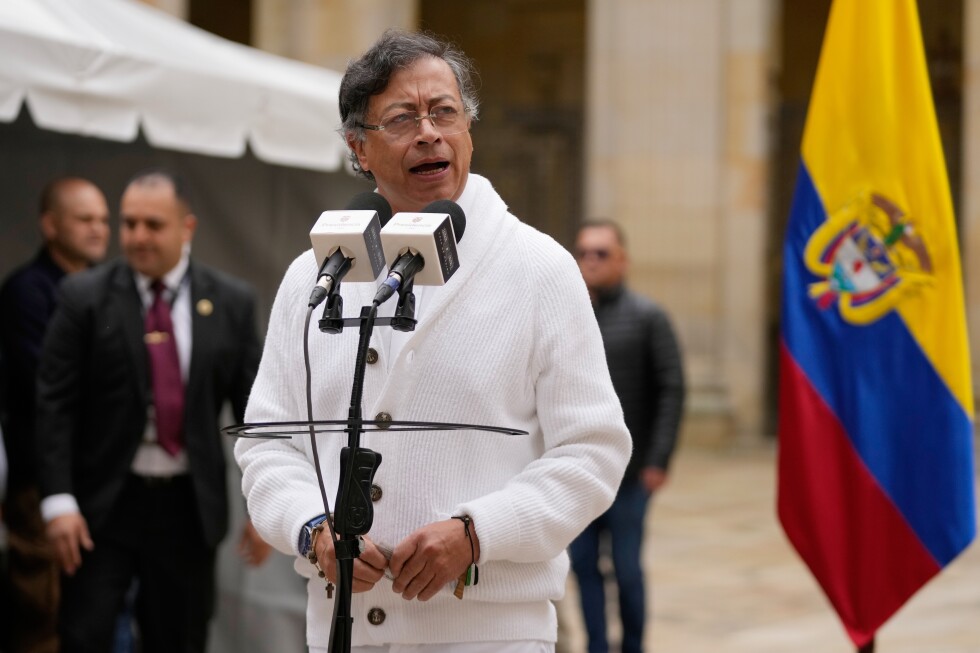
The U.S. Drug Enforcement Administration has classified Colombian President Gustavo Petro as a “priority target” in ongoing investigations into alleged connections with international narcotics networks, according to internal documents and sources familiar with the matter obtained by The Associated Press.
DEA records indicate President Petro has emerged in multiple investigations since 2022, with evidence primarily gathered through confidential informant testimonies. The investigations examine potential dealings with Mexico’s Sinaloa cartel and allegations that Petro’s “total peace” initiative may have been leveraged to benefit prominent traffickers who reportedly contributed to his presidential campaign. Additional records suggest possible exploitation of law enforcement channels to facilitate cocaine and fentanyl smuggling through Colombian ports.
The “priority target” designation represents the DEA’s highest classification level, reserved for individuals believed to exert “significant impact” on global drug trafficking operations.
President Petro has vehemently denied all allegations, asserting through social media platform X that U.S. judicial proceedings would ultimately discredit what he characterizes as politically motivated accusations from Colombia’s far-right factions. The Colombian Embassy in Washington dismissed the reports as “unverified” and lacking “legal or factual basis.”
Federal prosecutors in Brooklyn and Manhattan have recently intensified their inquiry, questioning incarcerated drug traffickers about alleged bribery schemes involving Petro’s representatives. Investigators are examining whether presidential associates solicited payments in exchange for protection from extradition to the United States.
The investigation remains in preliminary stages, with no determination yet regarding potential criminal charges. U.S. officials confirmed the White House has not participated in the investigative process.
This development occurs amidst complex U.S.-Colombia relations. President Petro, a former rebel leader, has frequently criticized Trump administration policies regarding Israel, Caribbean anti-drug operations, and migration tactics. Despite previous tensions that resulted in Petro’s U.S. visa revocation and temporary trade tariffs, the two leaders recently displayed improved relations following a February White House meeting where Trump described Petro as “terrific.”
The scrutiny extends to Petro’s family members, with his son Nicolás facing ongoing campaign finance charges related to alleged drug trafficker contributions, and his brother Juan Fernando implicated in secret negotiations with imprisoned traffickers regarding extradition protection.
Colombia’s political landscape has historically been intertwined with narcotics influence, from Pablo Escobar’s congressional election in the 1980s to the Cali cartel’s infiltration of presidential campaigns in the 1990s. Petro’s former guerrilla organization, the 19th of April Movement, has faced longstanding suspicions of cartel financing, though Petro himself was not involved in the group’s deadly 1985 Supreme Court siege.