Nearly six years after the explosive 2018 Cape Town Test sandpaper scandal that rocked international cricket, new testimony from former Australian fast bowler Chadd Sayers has reignited fierce debate over what members of the national men’s Test squad knew about the ball-tampering scheme, and when.
Sayers, who served as the 12th man for the Australian side during the 2018 Port Elizabeth (now renamed Gqeberha) Test against South Africa, has confirmed he personally removed a piece of sandpaper from the field during that fixture, a match played immediately before the infamous Cape Town encounter where Cameron Bancroft was publicly caught using the abrasive substance to alter the ball’s surface for enhanced reverse swing. Speaking on SEN Radio, the 39-year-old, who earned his single senior Test cap in the final match of that 2018 South Africa tour, clarified the sandpaper was handed to him to dispose of during a drinks break shortly after the tea interval, and that he had no prior premeditation around the incident.
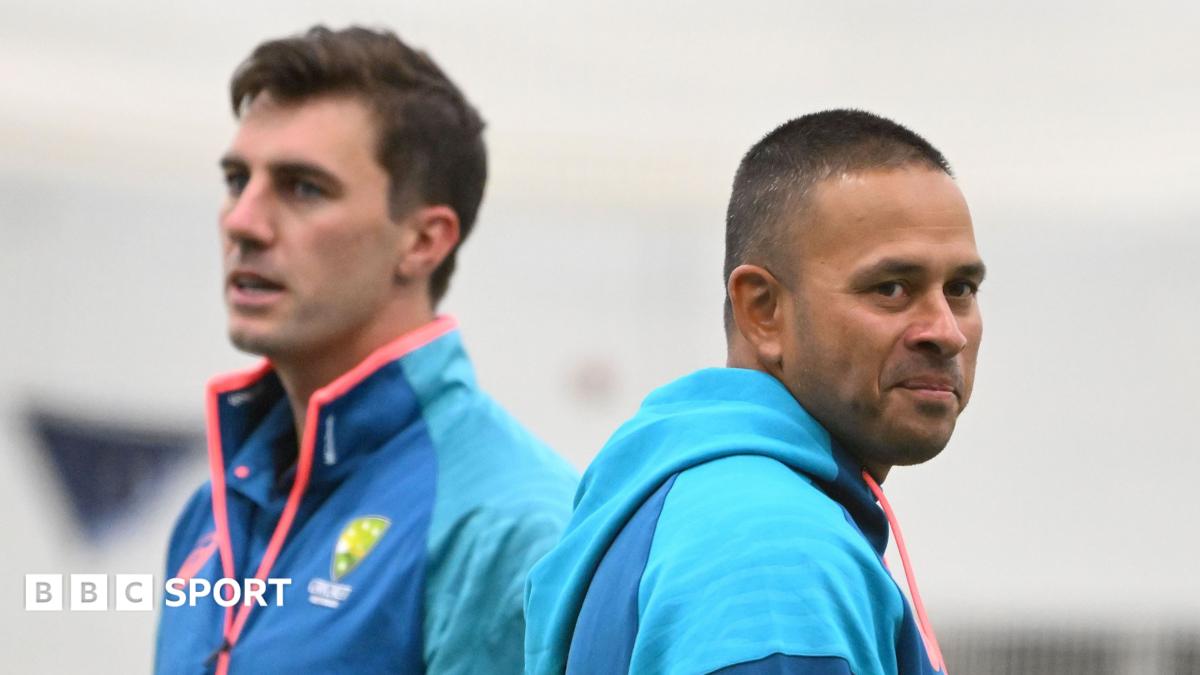
His account directly corroborates claims laid out in Usman Khawaja’s recently published memoir, which alleged sandpaper was deployed not just in Cape Town, but also during the earlier Port Elizabeth Test. This stands in stark opposition to statements from current Australian Test captain Pat Cummins, who was a fast bowler in the 2018 touring squad and dismissed Khawaja’s claims as “100% wrong” and “utter nonsense” during a high-profile press conference last week.
Sayers further confirmed that following Bancroft’s public apprehension in Cape Town, the entire Australian squad held a 60 to 90-minute closed-door dressing room meeting after that day’s play, where players collectively discussed the possibility of taking shared responsibility for the tampering incident – a key detail Khawaja has repeatedly asserted, but which Cummins has stated he has no memory of ever taking place. “I am comfortable sitting here that I believe everyone in that side knew what was going on and what was being used,” Sayers stated, emphasizing he was not taking partisan sides but simply sharing his unfiltered first-hand recollection of events. “Sandpaper was used in two Test matches, and there were extensive discussions in the changing rooms in the aftermath of the Cape Town incident about what had unfolded and what steps we should take next.”
This is not the first time Sayers has backed Khawaja’s version of events: he previously stated last week that every detail laid out in the opening batter’s new book was factually accurate. The ongoing public dispute between Cummins and Khawaja has dominated sports headlines across Australia and global cricket circles for days, with the core point of contention centering on whether the full 2018 squad, including the leading fast bowling group of Cummins, Josh Hazlewood, Mitchell Starc and Nathan Lyon, was aware of the premeditated ball-tampering plan. All four bowlers have consistently maintained they had no prior knowledge of the scheme.
Adding another layer of controversy to the unfolding saga, former Australian opener David Warner – one of the three players, alongside Bancroft and then-captain Steve Smith, who served 12-month lengthy suspensions handed down by Cricket Australia in the immediate aftermath of the 2018 scandal – publicly accused the national governing body of orchestrating a “cover-up” over the weekend, alleging that Hazlewood, Starc and Lyon were never formally interviewed as part of Cricket Australia’s official 2018 investigation into the tampering incident. The 2018 sandpaper scandal remains one of the most damaging episodes in the history of Australian cricket, with commentators noting the sport has never fully shaken off the reputational “stench” of the cheating controversy.
Australia’s Sayers ‘took sandpaper from field’