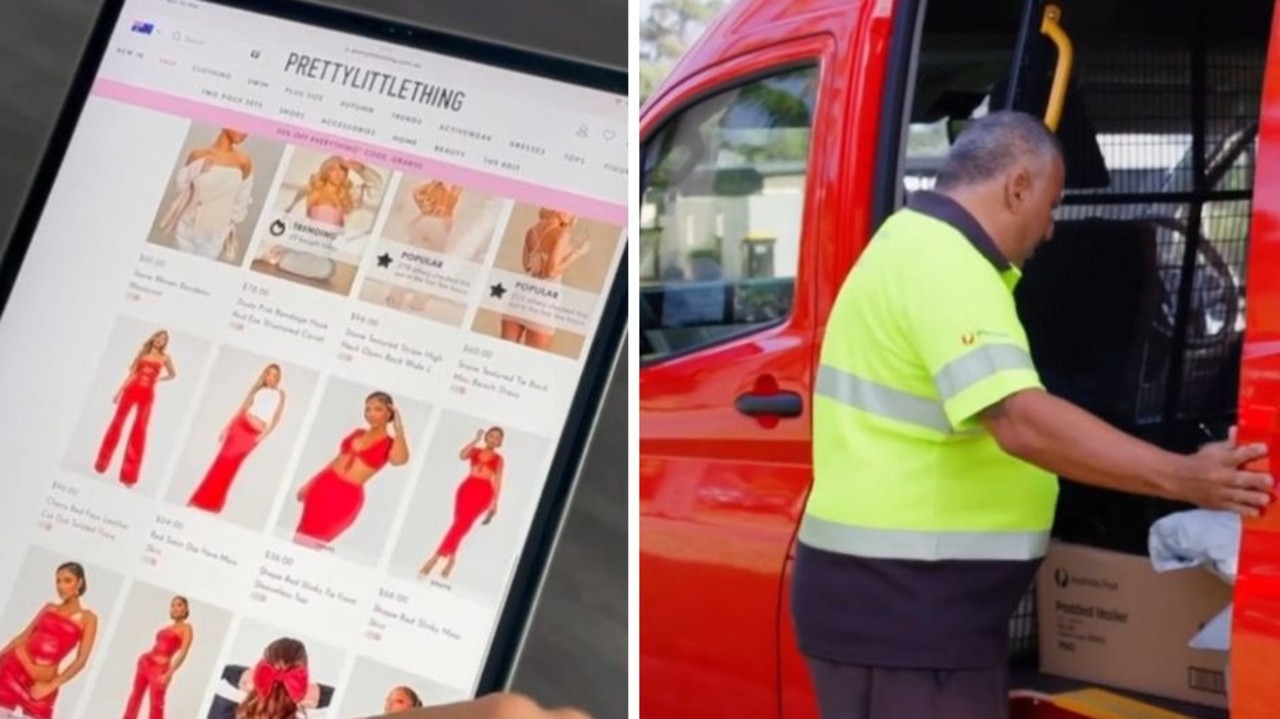
Against a backdrop of persistent cost-of-living strain across Australian households, new data has revealed that the nation’s eCommerce sector continues to grow robustly, with consumers pouring $21.9 billion into online purchases over the final quarter of the 2025-26 financial year.
Released by Australia Post in its latest Quarterly eCommerce Report, the figures show a 14% year-on-year increase in total online spending, a surge driven largely by popular end-of-financial-year discount events and a permanent industry shift toward deal-focused consumer behavior. Over the three-month survey period, roughly 9.3 million Australian households made at least one online purchase, underscoring how deeply digital shopping has become embedded in daily life even as ongoing budget pressures force families to rethink how they allocate their disposable income.
Chelsea O’Reilly, Australia Post’s general manager of parcel, post and eCommerce services, noted that today’s Australian shoppers are approaching every purchase with far greater intentionality than in years past. “Shoppers are thinking more carefully about every purchase. They’re comparing options, chasing value, waiting for the right offer and expecting convenience at every step,” O’Reilly explained. This new, deliberate approach to spending is clearly visible in checkout data, which shows the average online transaction size has dropped to a record low of $90 per basket.
“Average basket sizes have fallen to a record low, showing consumers remain willing to spend, but they’re becoming far more deliberate about how they do it,” O’Reilly added.
The shift toward value-focused shopping has also reshaped how consumers interact with seasonal sales. New survey data included in the report finds that nearly 60% of Australian shoppers now refuse to buy most items at full price, while a matching 58% say they actively enjoy building anticipation for major national discount events. These patterns indicate that planned discount periods are no longer an occasional opportunity for savings, but a core part of how most households structure their monthly and quarterly spending budgets.
Breaking down spending by category, online marketplaces captured the single largest share of consumer expenditure over the quarter, pulling in $5.1 billion to account for 42% of all online purchases. Food and liquor ranked as the second-largest category with $4.4 billion in online spending, followed by fashion goods at $3.1 billion.
The report also confirms the growing impact of the so-called “Lipstick Effect” in Australian retail – a well-documented economic pattern where consumers pull back on big-ticket discretionary purchases, but continue to spend on small, low-cost indulgences that boost mood without straining tight budgets. In the current climate, this translates to many households postponing large, expensive purchases like new appliances or furniture while still treating themselves to affordable small items that fit within their adjusted budgets.
When sorted by generation, millennials remain the largest group of online spenders in Australia, contributing a total of $7.8 billion in online expenditure over the quarter. Gen X followed closely with $6 billion in spending, while Gen Z consumers spent $3.8 billion. Interestingly, the fastest growth in online spending was recorded among the oldest cohort of Australians, those born before 1946, who posted an 18% year-on-year increase in online spending – outpacing every other demographic group.
Taken as a whole, the data makes clear that while consumer demand for online retail remains strong in Australia, that demand is evolving to become far more price-conscious and strategically planned than in previous economic cycles. Modern shoppers are devoting more time to comparing product and price options, waiting intentionally for discount events to make purchases, and expecting seamless, convenient service from retailers every time they shop online.
O’Reilly emphasized that retailers who adapt to these new consumer expectations will be best positioned for long-term success in the shifting market. “Retailers that make shopping simple, deliver on their promises and give customers a reason to come back will be the most successful,” she said. She added that Australia Post is proactively adapting to the changing sector alongside retailers, investing in upgraded services and delivery solutions to support the continued expansion of Australia’s eCommerce ecosystem.