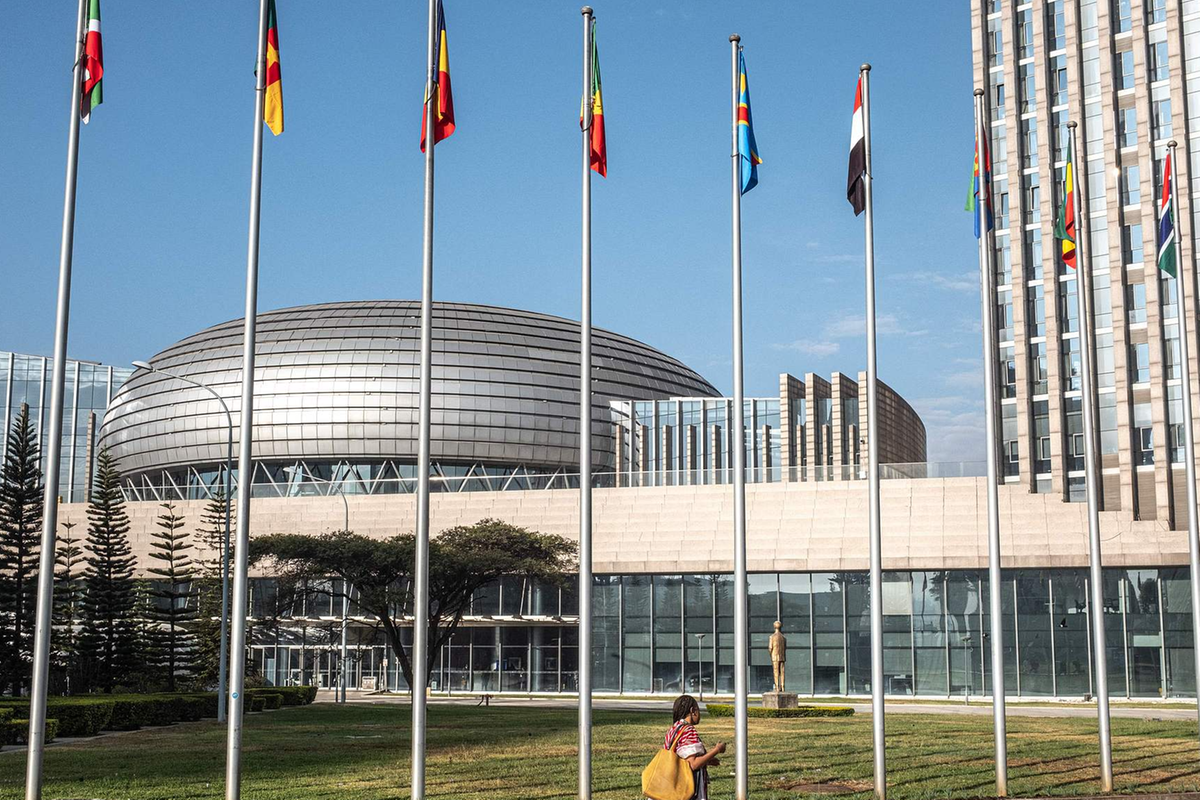
The 39th Ordinary Session of the Assembly of Heads of State and Government of the African Union commenced in Addis Ababa on Saturday, with continental leaders declaring water security and sanitation as fundamental pillars for achieving Africa’s transformative Agenda 2063. The high-level gathering at the AU headquarters established sustainable water management as the central theme guiding deliberations toward addressing interconnected challenges of development, climate resilience, and regional stability.
Under the summit’s official theme “Assuring Sustainable Water Availability and Safe Sanitation Systems to Achieve the Goals of Agenda 2063,” leaders outlined comprehensive strategies to enhance access to clean water while strengthening multilateral cooperation mechanisms. Ethiopian Prime Minister Abiy Ahmed Ali, hosting the summit, emphasized that Africa’s future prosperity necessitates integrating economic transformation with climate adaptation and social development imperatives.
“Our development planning must ensure cities remain inclusive, environmentally sustainable, and capable of connecting communities to markets and opportunities,” Prime Minister Ali asserted, highlighting the critical intersection of infrastructure development and environmental sustainability. He stressed that investment in human capital through education and nutrition represents Africa’s most valuable resource for long-term growth.
Angolan President and current AU Chairperson Joao Lourenco characterized water as a strategic resource essential for economic development, public health, and social stability across the continent. Despite Africa’s substantial water resources, President Lourenco noted that millions remain without access to safe drinking water and sanitation—a situation he described as both a political imperative and moral commitment requiring integrated solutions.
United Nations Secretary-General Antonio Guterres, addressing the assembly, reinforced the strategic partnership between the UN and AU in advancing peace, development, and human rights across Africa. He advocated strongly for Africa’s enhanced representation in global decision-making forums, particularly through reform of the UN Security Council to include permanent African representation.
Guterres further highlighted the disproportionate impact of climate change on African nations despite their minimal contribution to global emissions, calling for substantial international support for adaptation measures. He simultaneously urged reforms to global financial architecture to make development funding more accessible and affordable for developing nations.
The two-day summit concludes Sunday with expected adoption of concrete decisions aimed at strengthening continental cooperation in water management, advancing sustainable development goals, and reinforcing Africa’s collective position in addressing economic, climate, and security challenges through enhanced unity.