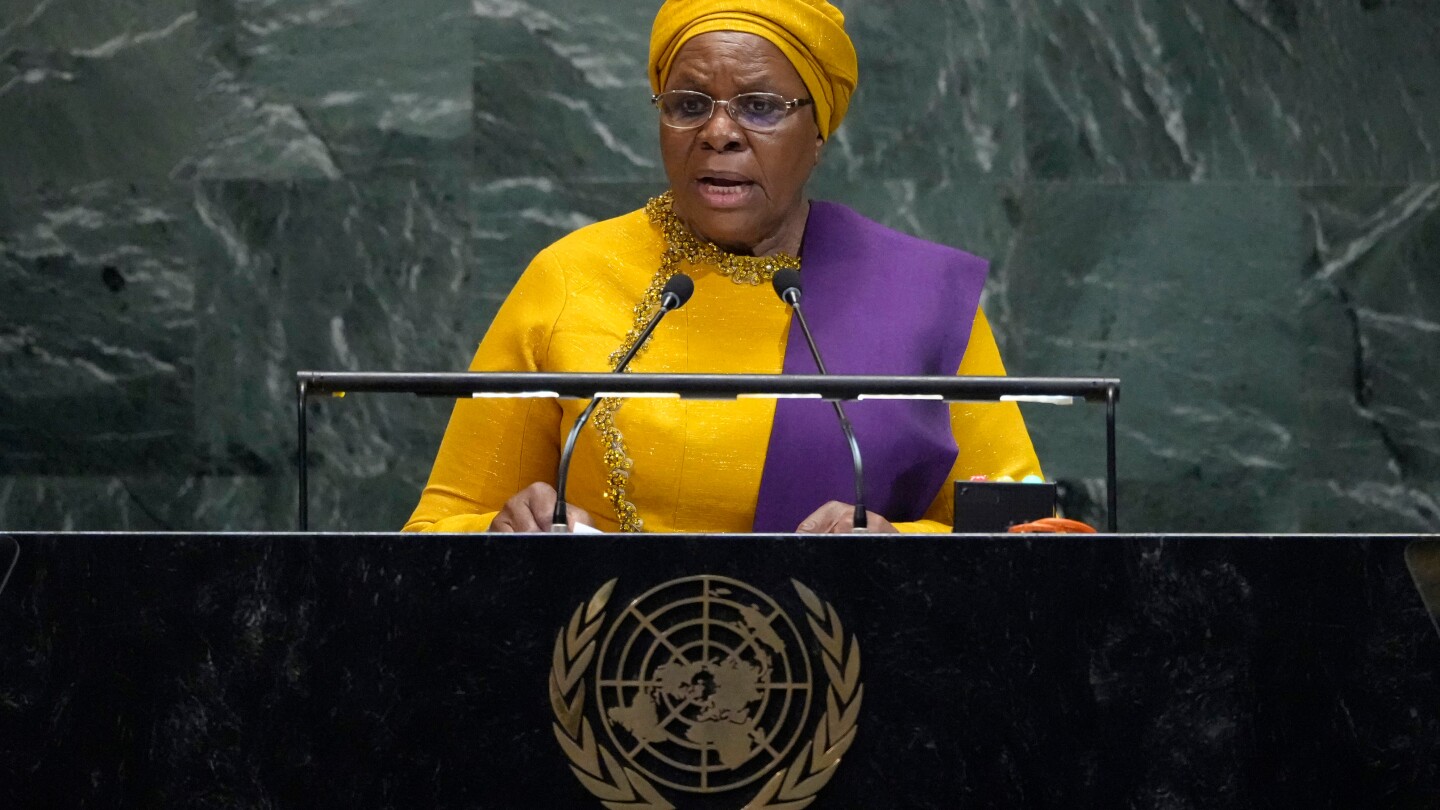
LAGOS, Nigeria — African leaders took center stage at the United Nations General Assembly last week, delivering impassioned speeches on global issues such as climate change, inequality, and international conflicts. Prominent figures, including Nigerian Vice President Kassim Shettima, Senegalese President Bassirou Faye, and Namibian President Netumbo Nandi-Ndaitwah, strongly condemned Israel’s attacks on Gaza, emphasizing the humanity and rights of Palestinians. However, analysts noted a glaring omission: the lack of significant attention to Africa’s own protracted conflicts in Sudan and the Democratic Republic of Congo (DRC).
In Sudan, a civil war erupted in mid-2023 when the Rapid Support Forces (RSF) paramilitary group clashed with the national army, resulting in over 40,000 deaths and effectively splitting the country. The conflict has been marked by mass atrocities and a looming famine, exacerbated by restrictions on aid distribution. Meanwhile, in the DRC, the M23 rebel group, allegedly backed by Rwanda, has caused widespread devastation, displacing millions and killing thousands. Despite these crises, African leaders offered only cursory mentions of these conflicts during their UN speeches.
Experts like Chris Ogunmodede, an Africa affairs analyst, criticized the lack of prioritization of African issues on the global stage. Beverly Ochieng, a senior security analyst, echoed this sentiment, calling it a missed opportunity to address the escalating humanitarian crises. The speeches also highlighted the limitations of African multilateral organizations, with external powers like the U.S., UAE, Saudi Arabia, and Egypt taking the lead in peace negotiations. These outside interests, often accused of involvement in the conflicts, wield significant leverage, overshadowing African institutions’ efforts to mediate.
The geopolitical complexities of these wars have drawn in neighboring countries and international actors, further complicating resolution efforts. For instance, Rwanda’s alleged support for M23 has strained regional relations, while the UAE faces accusations of arming Sudanese rebels. As African leaders focus on global issues, the pressing need for solutions to homegrown conflicts remains unaddressed, raising questions about the continent’s ability to manage its own affairs.