A sharp downturn swept across Australia’s benchmark share index on Friday, driven by two interconnected pressures: escalating geopolitical risk from a newly revealed U.S. military threat against Iran and growing market expectations that interest rates will remain higher for longer across the globe.
The S&P/ASX 200, Australia’s primary blue-chip index, closed down 66.70 points, or 0.75%, to settle at 8772.30, marking its worst single-day performance in July. The broader All Ordinaries index followed suit, dropping 76.60 points, or 0.85%, to end the session at 8941.50. The Australian dollar also weakened, slipping to 69.86 U.S. cents by market close.
Seven out of the ASX’s 11 industry sectors closed in negative territory, led by steep declines in information technology, materials, and consumer discretionary stocks. The technology sector bore the brunt of the selloff: cloud accounting firm Xero fell 4.45% to $61.58, logistics software developer WiseTech Global plunged 4.64% to $30.02, and communications technology firm Codan dropped 4.13% to $39.65.
Major mining firms also faced significant downward pressure. BHP Group declined 2.94% to $58.85, Rio Tinto fell 1.69% to $159.99, and Fortescue Metals Group closed down 1.01% at $18.57.
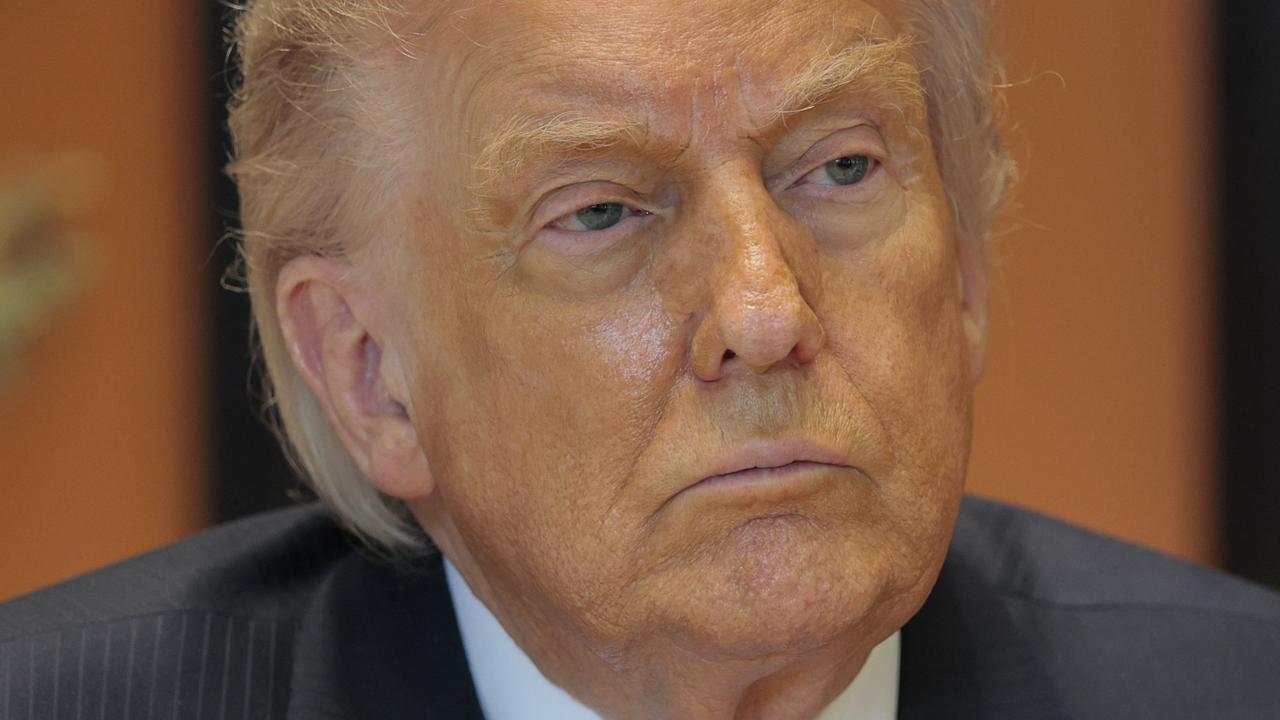
The trigger for much of the market jitters was comments from former U.S. President Donald Trump, who confirmed to U.S. news outlet Axios that he was considering a “massive attack” on Iran, larger than any previous U.S. military action against the country. “I am close to making a decision. We are all set for it,” Trump stated, amplifying existing geopolitical instability in the Middle East that already included 13 consecutive days of strikes targeting Iran and Iran-aligned Houthi rebels in Yemen.
Commonwealth Bank sustainable and energy economist John Oh noted that the threat spooked already jittery global and domestic markets. “Although the scale of the ‘massive attack’ considered by U.S. President Trump remains unclear, any expansion of attacks to include key civilian and energy infrastructure, and the risk of subsequent Iranian retaliation, would continue to worry markets,” he explained.
The heightened risk of regional conflict sent global crude oil prices soaring, with Brent crude jumping more than 6% to hold near $100 U.S. per barrel, its highest level since May. The oil price surge in turn stoked fears of renewed inflationary pressure, which raised expectations for further interest rate hikes from the U.S. Federal Reserve. This dynamic pushed gold prices down 2.5% to $4048 U.S. per ounce, dragging down Australian gold producers: Northern Star Resources fell 3.91% to $19.93, while Evolution Mining declined 2.42% to $11.29.
Domestic monetary policy expectations added further downward pressure to the equity market. Australia’s 10-year government bond yield climbed back above 5%, a level last seen during the 2011 Eurozone debt crisis, as money markets priced in a higher probability of future Reserve Bank of Australia rate hikes.
Global X strategy analyst Joseph Marassa noted that the shift in rate expectations had a notable impact on equity valuations. “It marked the ASX’s worst session of the month,” he said. “Markets will be focused on next week’s inflation print, following yesterday’s hotter-than-expected unemployment data. Market-implied odds of a rate hike next month have risen above 40 per cent, double last week’s level.”
Even positive corporate news failed to stem the downward trend for several listed firms. Qantas Airways shares fell 1.96% to $9.99 despite the airline confirming a key milestone for its Project Sunrise initiative, which will launch non-stop Sydney-to-London flights from October 2027. Cochlear shares slipped 0.45% to $111.61 even after the hearing implant manufacturer confirmed it would retain duty-free access to the U.S. market following the conclusion of a U.S. government investigation. ASX Limited itself closed down 1.23% at $54.33 after announcing that chief financial officer Andrew Tobin, who joined the market operator in 2022, will retire from his role.