LUSAKA, Zambia — A disturbing pattern of sexual exploitation has emerged within Zambia’s political landscape, with senior male party officials allegedly demanding sexual favors from female election candidates in exchange for political endorsements. The scandal has triggered widespread condemnation from politicians and women’s rights advocates across the nation.
The issue gained national attention when Mainga Kabika, Permanent Secretary of the government’s Gender Division, revealed this week that her office had received ten formal complaints of sexual harassment. The complaints allege that various high-ranking party officials—including chairpersons, youth leaders, and other senior figures—have solicited sexual exchanges for endorsing women candidates in Zambia’s upcoming August 13 national elections.
Kabika issued a public appeal urging aspiring female candidates to gather concrete evidence against perpetrators, though she refrained from identifying specific parties or individuals implicated in the allegations.
Saboi Imboela, President of the opposition National Democratic Congress, confirmed to The Associated Press that this problematic practice recurs during every election cycle. She noted that qualified candidates frequently find themselves sidelined for refusing to comply with these inappropriate demands, resulting in less capable individuals securing nominations instead.
In response to the crisis, female politicians and NGOs including the Zambia National Women’s Lobby have established a special committee to combat what Imboela terms ‘sextortion.’ The initiative includes a toll-free helpline to support victims and document cases.
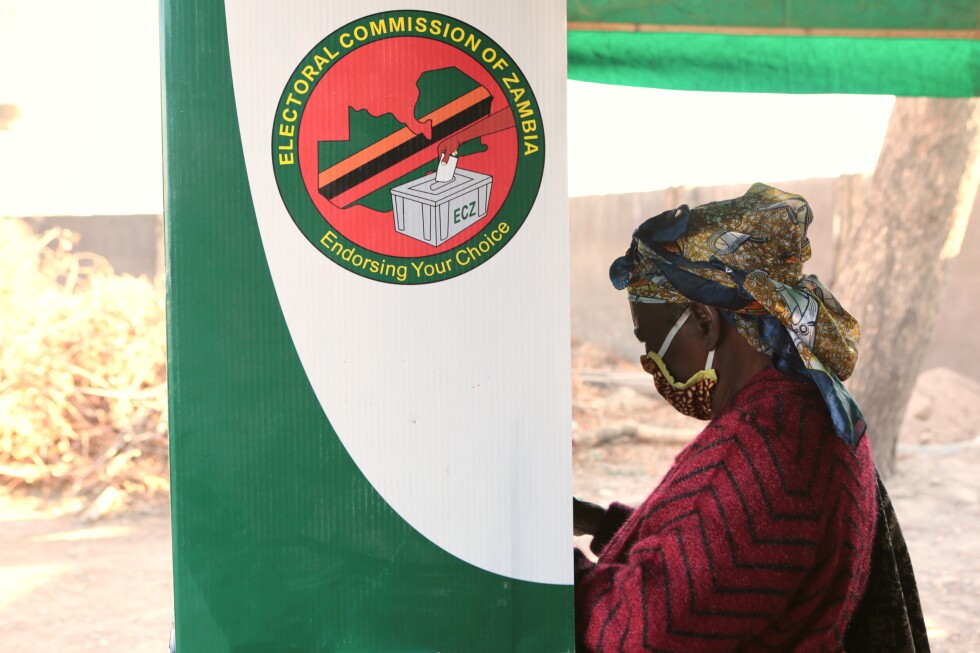
The timing is particularly significant as Zambia prepares for comprehensive elections that will determine the presidency, parliamentary representatives, and local councilors. The nation currently suffers from severe gender imbalance in politics, with women occupying merely 15% of parliamentary seats according to the Inter-Parliamentary Union.
Golden Nachibinga, Executive Director of the Zambia National Women’s Lobby, emphasized that previous allegations of similar misconduct have historically deterred women from political participation. Venna Banda, a mayoral aspirant for the ruling United Party for National Development, acknowledged her own encounters with sexual harassment during her political journey and urged women to resist such advances, while acknowledging the particular vulnerability of inexperienced candidates.
Despite being a stable democracy, Zambia maintains a largely conservative and patriarchal social structure. The government attempted to address gender disparities last year by legislation reserving at least 20 parliamentary seats for women while also promoting representation for youth and disabled persons. President Hakainde Hichilema has previously acknowledged gender imbalances in Zambian politics, though his administration includes Vice President Mutale Nalumango, one of the nation’s highest-ranking female officials.